









Exercise & Fitness
Shop by category
Find your flow







Fitness gear
Shop by brand





FAQ
About Exercise & Fitness - Walmart.com
Exercise and fitness gear helps you build a routine that fits your space, goals, and schedule. You can compare cardio machines, strength tools, mats, and recovery essentials in one category.
Whether you’re setting up a spare room gym or adding portable pieces to your routine, you need clear guidance. You’ll find equipment for workout plans that support quick sessions, steady training, and flexible home setups.
How to choose exercise and fitness equipment
You should start with your main goal, because that choice shapes every other decision. Your cardio plan, strength routine, or mobility focus will guide the right mix of gear.
When you compare categories, you can narrow choices faster and avoid extra clutter. You’ll get more use from pieces that match your workouts, floor space, and experience level.
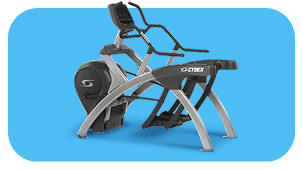
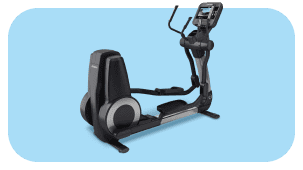
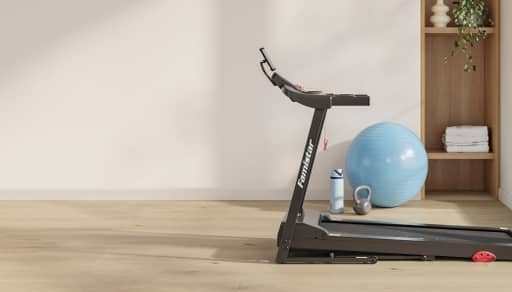
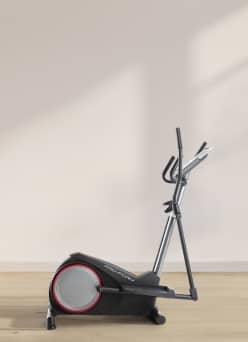
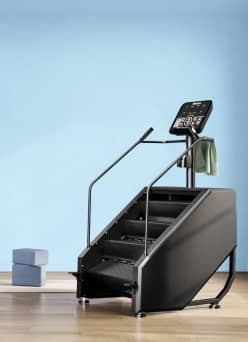
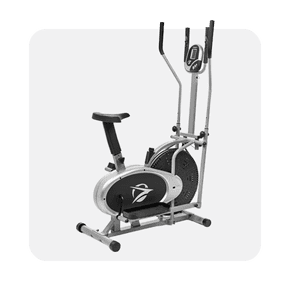
- You can pick cardio equipment when your routine includes walking, riding, or interval sessions at home.
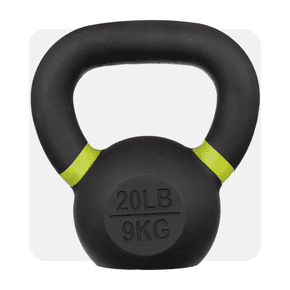
- You can choose strength training tools when your plan centers on resistance, muscle-focused moves, and progressive workouts.
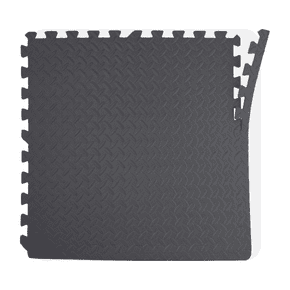
- You can add yoga and pilates gear when your sessions need grip, balance, stretch support, and controlled movement.
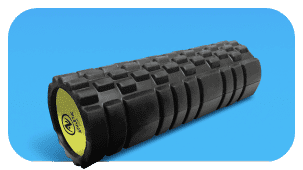
- You can include recovery and mobility tools when your routine benefits from warmups, cooldowns, and flexible movement practice.
You may also want gear that supports full body training instead of a single muscle group. Your setup can stay simple when each piece works across core, upper body, and lower body sessions.
Choosing equipment for workout goals and target areas
You should match equipment type to the way you like to move. Your cardio choices often support steady pace sessions, while your strength tools help you structure targeted resistance work.
If your plan covers full body days, you can look for versatile equipment that supports multiple exercises. Your core, upper body, and lower body sessions may need different shapes, grips, or resistance styles.
You can keep yoga and pilates gear nearby for balance work, floor exercises, and stretch sessions. Your mats, blocks, and rings can support controlled movement without taking over the room.
For recovery and mobility, you should look for options that fit before or after training. Your routine may feel easier to maintain when these tools stay within reach.
Choosing workout equipment for home and space needs
You should measure your workout area before you compare larger pieces. Your available floor space matters as much as your training style.
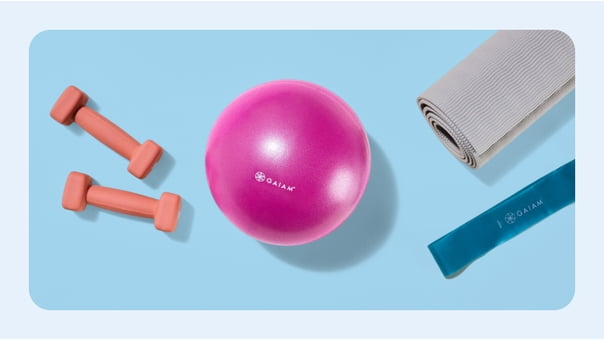
If your room is tight, you can focus on compact or foldable gear. Your home workout starter kits may include bands, sliders, mats, and small weights that store easily.
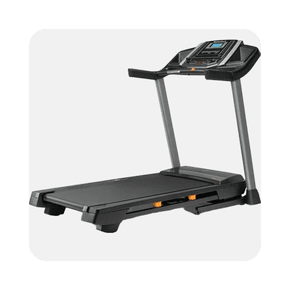
When you have a standard room, you can mix portable accessories with one anchor piece. Your setup might include a bench, rack, bike, or treadmill with room to move around it.
If you have a large fixed area, you can plan for dedicated stations and heavier equipment. Your layout can support longer sessions and organized zones for cardio, lifting, and stretching.
You may also need travel-friendly pieces for outdoor workouts, hotel rooms, or shared spaces. Your portable gear can keep routines consistent when you can’t use a full home gym.
What to look for in skill level and durability
You should choose gear that matches your current experience instead of chasing advanced setups too soon. Your beginner routine often works well with starter kits, simple resistance options, and easy storage.
As your training grows, you can add equipment with more resistance and setup flexibility. Your intermediate or advanced sessions may need attachments, benches, or larger machines.
When you compare durability, you should check max weight limits and frame materials. Your heavier-use equipment often lists weight capacity, which helps you judge fit and stability.
You may also notice steel gauge details on some strength gear and racks. Your lower gauge number usually points to thicker steel, which can matter for frequent lifting setups.
For cardio machines, you should compare deck size, handle placement, and footprint. Your comfort often improves when the machine fits your stride, reach, and room layout.
How to match exercise and fitness gear to real routines
You can build a home gym around quick morning sessions, after-work training, or weekend circuits. Your routine might need a treadmill and mat, or it may work with weights and recovery tools.
If you’re starting fresh, you can choose home workout starter kits with simple accessories. Your first setup can cover warmups, strength moves, floor work, and stretching without crowding the room.
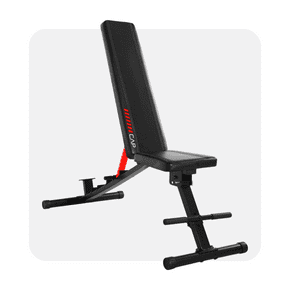
For family spaces or shared rooms, you should look for foldable or easy-store options. Your living area can stay functional when benches collapse and smaller pieces fit into bins.
If you train outdoors, you can use portable equipment that handles movement between spaces. Your resistance bands, mats, and compact accessories travel more easily than fixed machines.
You may even search for cosas de gym when you want home exercise basics and accessories. Your category search can still lead you to mats, weights, benches, and other workout essentials.
When you plan with goals, space, and durability in mind, exercise and fitness shopping gets easier. You’ll end up with gear that fits your routine, your room, and your next workout.
Related Links
- All Exercise and Fitness Accessories
- Aerobic Step Platforms
- Agility Ladders & Training
- Ankle Weights
- Balance Boards
- Balance Trainers
- Ball Chairs
- Battle Ropes
- Cooling Towels
- Exercise Balls
- Exercise Mats
- Exercise Sliders
- Fitness Trackers
- Gatorade Water Bottles
- Grip Strengtheners
- Heart Rate Monitors
- Jump Ropes
- Medicine Balls
- Protein Shakers
- Push-Up Bars
- Resistance Bands
- Running Gear
- Stopwatches
- Vibration Plates
- Waist Trainers