


Barbell Clamps in Weight Lifting Accessories


























About Barbell Clamps in Weight Lifting Accessories - Walmart.com
You need weight clips for weight bar setups that fit correctly, hold plates firmly, and keep your lifting routine moving smoothly. You can compare diameter, clamp style, and material fast when you know what each option means in actual training.
If you're building a home gym or updating a commercial setup, you should start with fitment before anything else. You can avoid slipping, rattling, and constant readjustment when your clips match your bar sleeve size.
Choosing weight clips for weight bar fitment
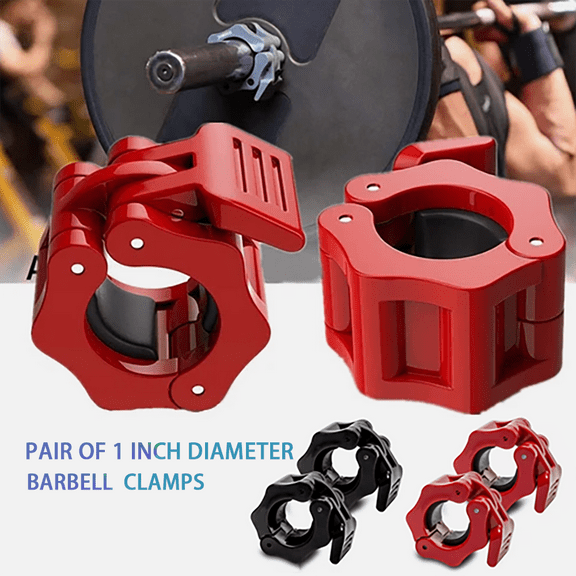
You should check whether your bar uses Olympic 2-inch sleeves or Standard 1-inch sleeves before you choose any clamp. You can get a secure hold only when your clip matches that exact diameter.
Olympic bars usually pair with larger plates and common strength training setups, so you may need clips built for repeated loading. Standard bars often appear in lighter home setups, so you may prefer a simpler collar style.
When you compare options, you should measure the sleeve rather than guessing from the bar's overall look. You can avoid returns and setup delays when you confirm the size first.
Comparing clamp mechanisms
You can choose spring collars, lock-jaw quick-release clamps, or spinlock collars based on how you train. You should match the mechanism to your workout pace, plate changes, and lifting style.
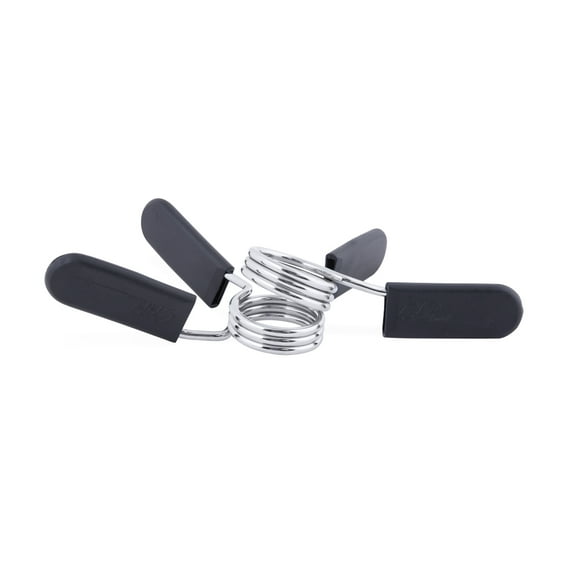
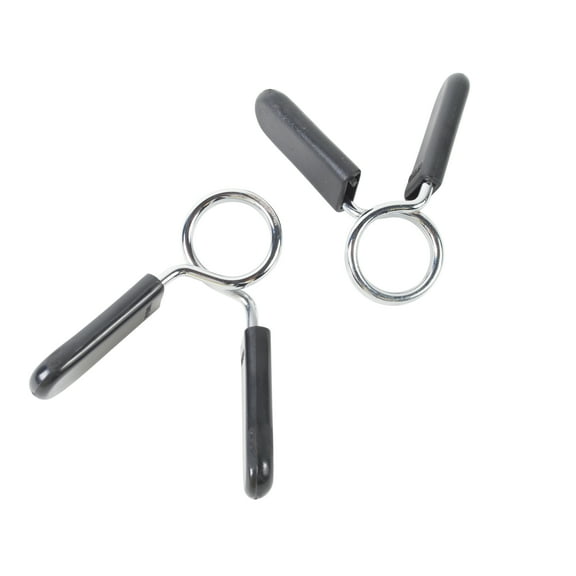
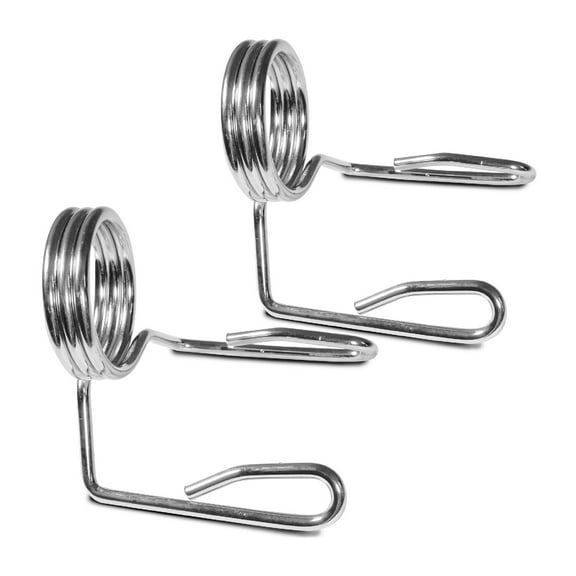
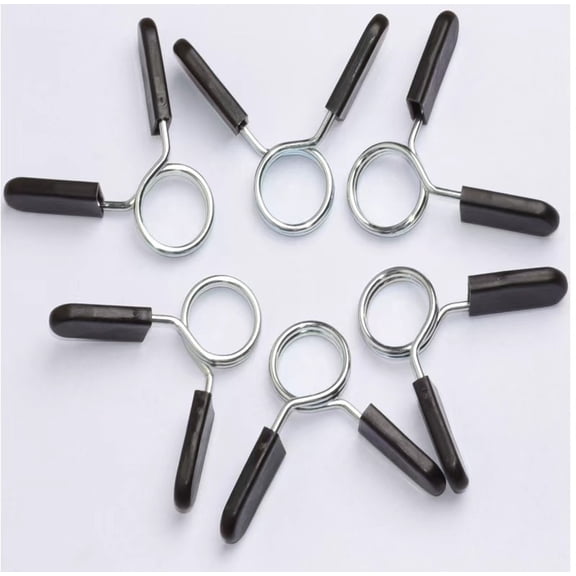
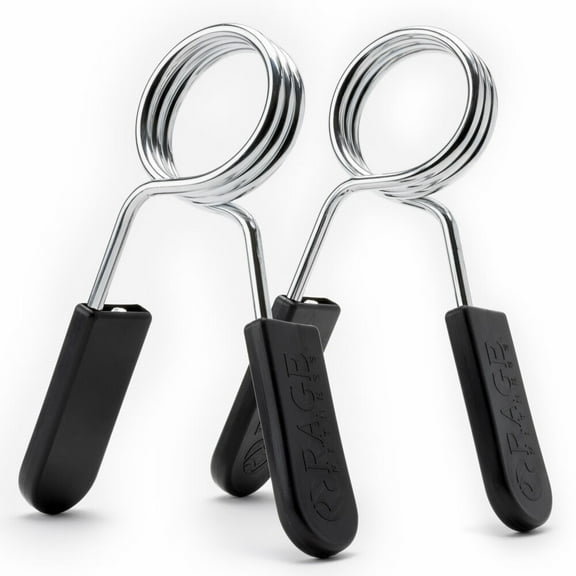
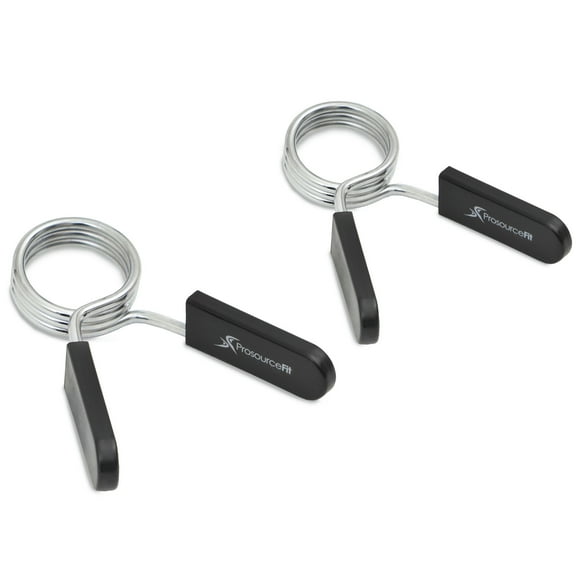
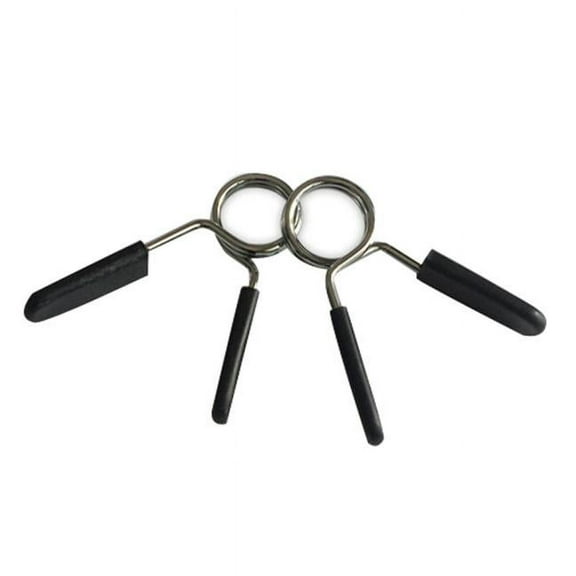
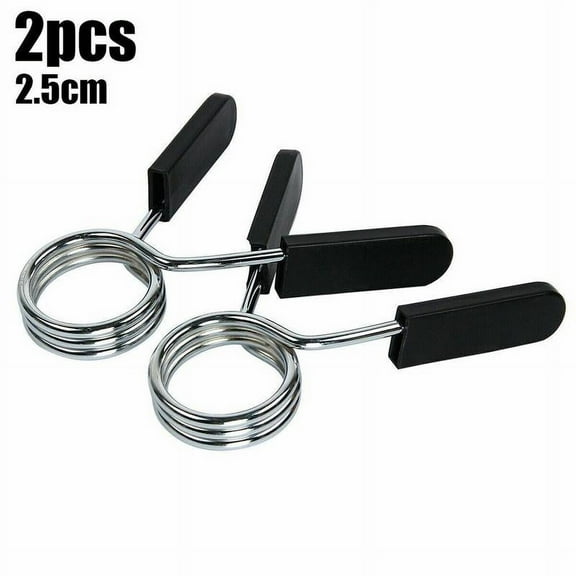
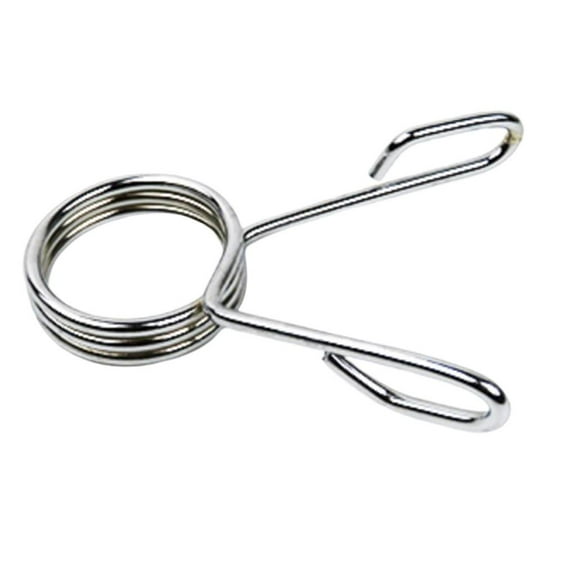
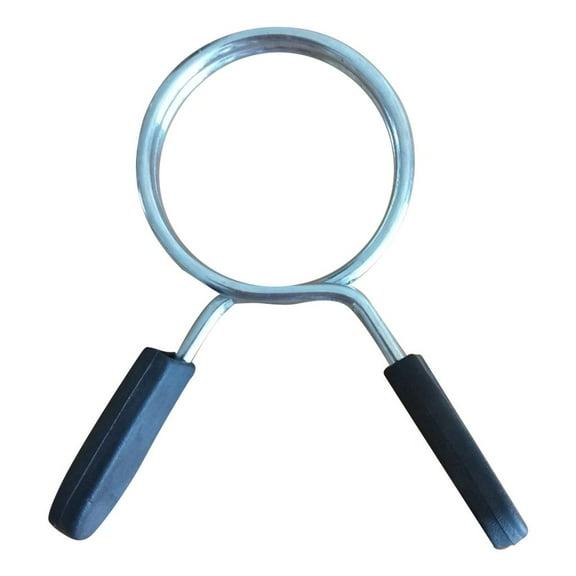
Spring collars work through steady tension, so you squeeze them on and off the sleeve during plate changes. You may like them when you want a familiar gym feel and a compact steel design.
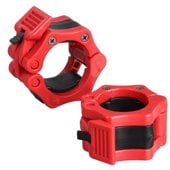
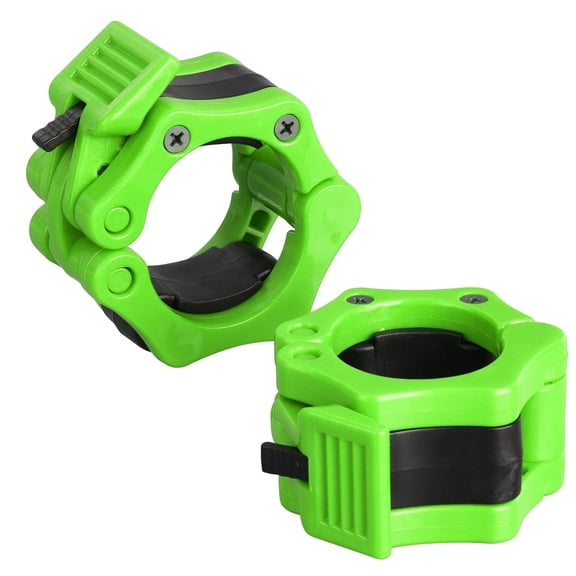
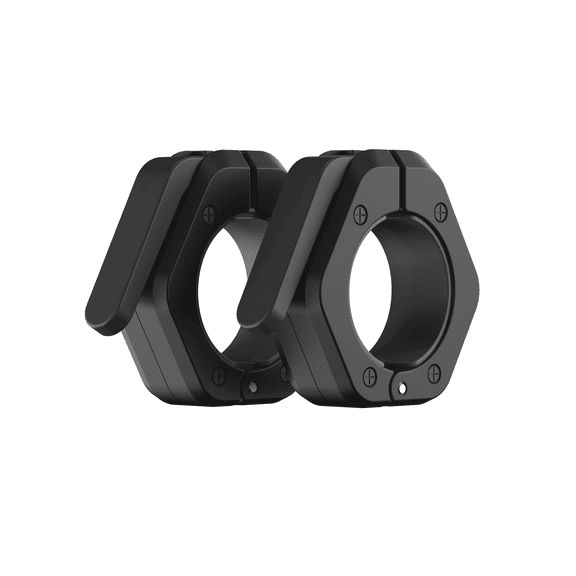
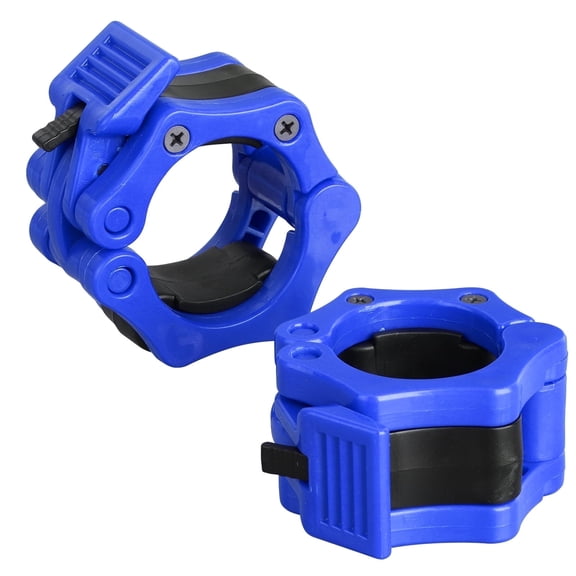
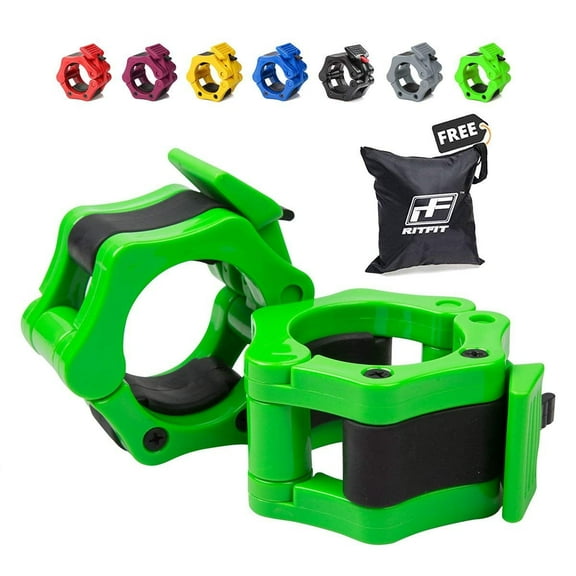
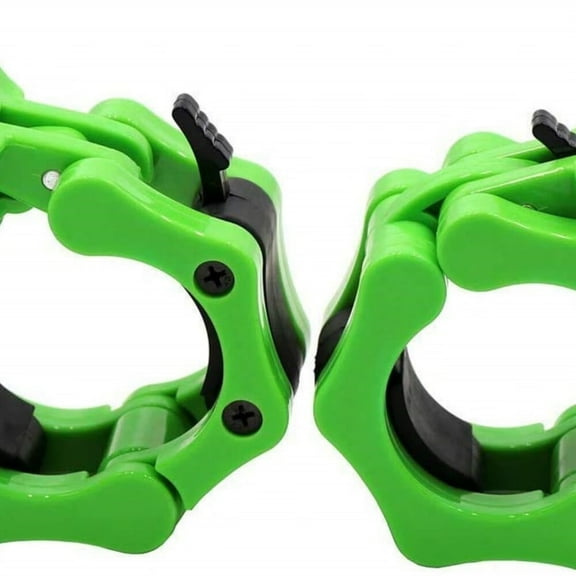
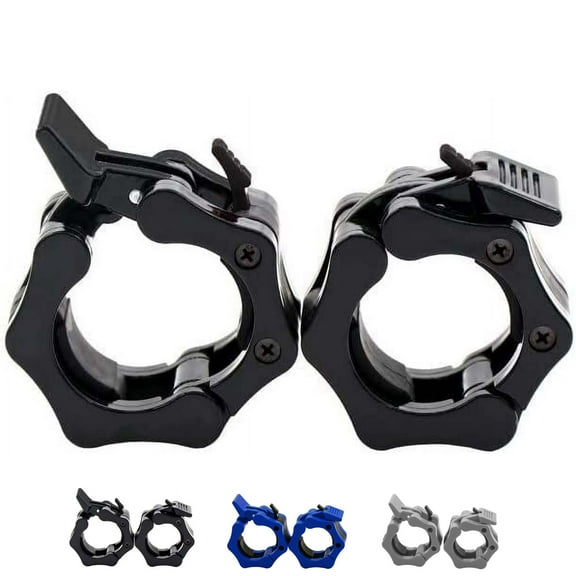
Lock-jaw quick-release styles use a latch that opens and closes fast, so you can swap plates with fewer interruptions. You may prefer that design when your circuits, supersets, or shared equipment need quick adjustments.
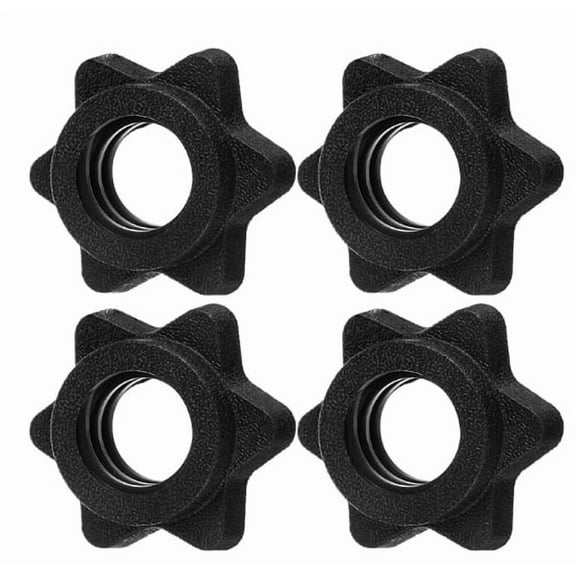
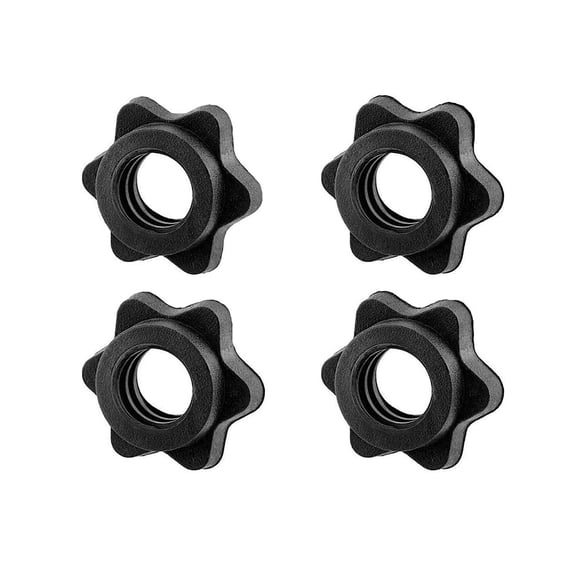
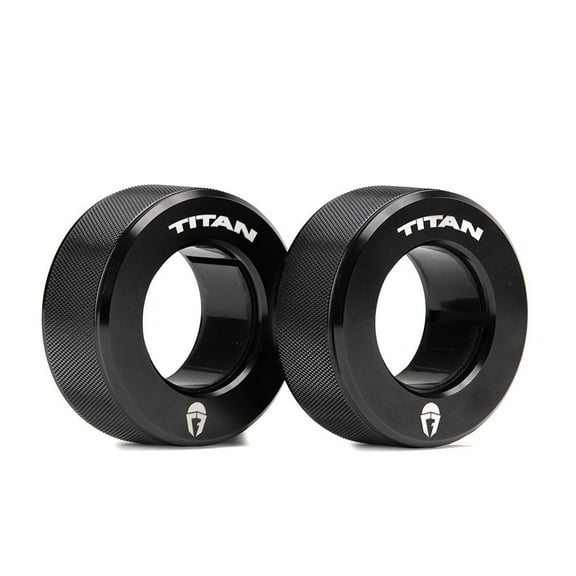
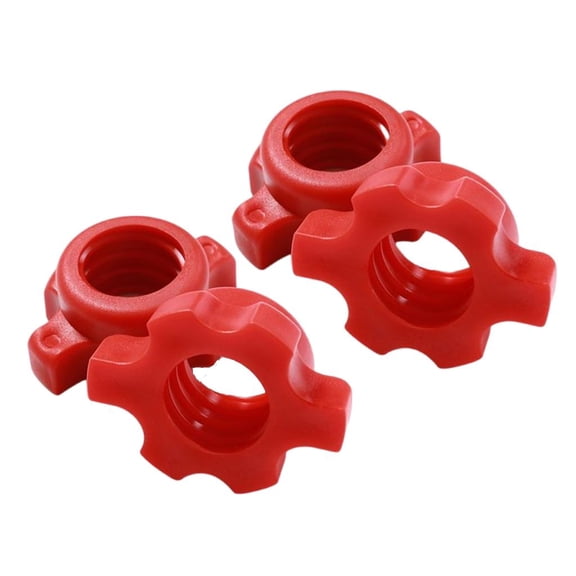
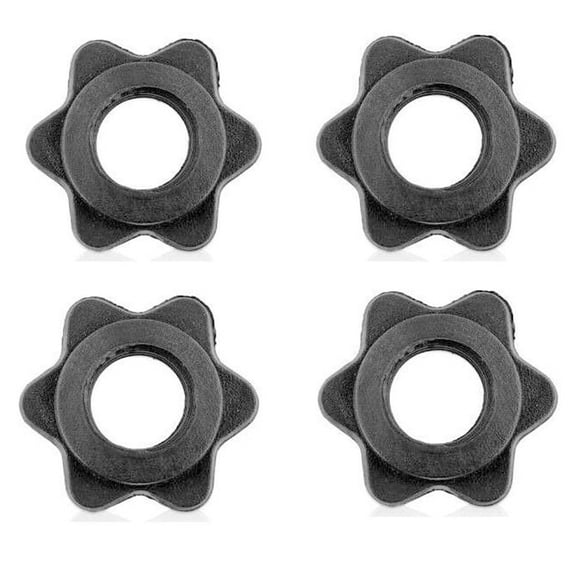
Spinlock collars twist into place, which gives you a more deliberate setup on compatible threaded bars. You should consider them when you want a tighter manual feel for slower, controlled training sessions.
- You can speed up transitions with quick-release clamps during fast-paced workouts.
- You can keep a classic gym setup with spring collars on compatible bars.
- You can choose spinlock collars when your threaded bar needs a twist-on fit.
- You can reduce plate movement by matching the closure style to your training pace.
What to look for in materials and construction
You should compare steel, reinforced plastic, and nylon because each material changes how the clamp feels in your hand. You can also gauge how each option may handle repeated loading and unloading.
Heavy-duty steel styles usually give you a firm, traditional feel with visible spring tension and a compact profile. You may choose steel when you want a straightforward design for frequent bar changes.
Reinforced plastic options often pair with quick-release mechanisms, so you can open and close them with simple hand pressure. You may appreciate that shape when you want easy handling between sets.
Nylon construction can offer a lighter feel while still supporting repeated use in active training spaces. You should compare latch shape, hinge design, and grip surface if you want smoother operation.
You can also look at padding, inner contact points, and lever shape when you compare construction details. You may notice those small design choices during every plate swap and bar reset.
Matching your clips to your training style
You should think about how you lift before you choose your clamps, because training style changes what matters to you. You can narrow the field quickly when you compare powerlifting, Olympic weightlifting, and general home workouts.
If your powerlifting sessions use heavy plates and fewer exercise changes, you may focus on strong hold and repeatable setup. You should look for a clamp style that feels consistent every time you load the bar.
If your Olympic weightlifting routine includes fast bar changes or repeated lifts, you may want quicker on-off operation. You can keep your session moving with a latch design that adjusts without extra fuss.
For home gym strength training, you may want a balance of secure fit, easy storage, and simple daily use. You should compare mechanism and material together so your setup feels practical in a smaller space.
You can also match different clips to different bars if your rack area includes both Olympic and Standard equipment. You do not need to force one collar type across every setup when each bar has a clear fit.
Key buying checks before you choose
You should confirm sleeve diameter, clamp mechanism, and material before you compare finishes or color accents. You can make a smarter choice when those three basics line up with your equipment.
You should also consider how often you change plates during a workout and how many people use the bar. You may find that quick-release convenience or manual tightening is more important than appearance.
When you choose the right weight clips for weight bar use, you get steadier plate placement and smoother training flow. You can lift, switch weights, and reset your bar with less interruption.