












SNAP
Provides food & nutrition benefits to eligible people & families.

 Pickup or delivery?Pickup or delivery?
You can compare baby feeding supplies more easily when the page explains formula forms, feeding stages, and materials in plain language. You’ll also find category guidance for bottles, baby food, utensils, and high chairs that fits everyday routines.
When you shop this category, you’ll usually start with your baby’s stage and your feeding routine. You’ll want options that match early feeding, growing appetites, and changing mealtime habits.
You’ll also want to compare convenience across formula, baby food, and gear that supports each feeding moment. Your choices can include powder tubs, ready-to-feed bottles, puree pouches, suction bowls, and adjustable high chairs.
As you narrow your options, you’ll notice that baby feeding essentials often work together as a system. Your bottle material, formula type, spoon shape, and seat setup can shape a smoother mealtime flow.
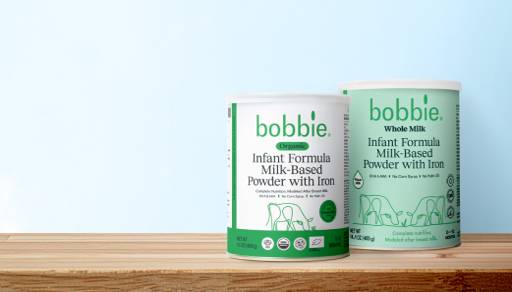
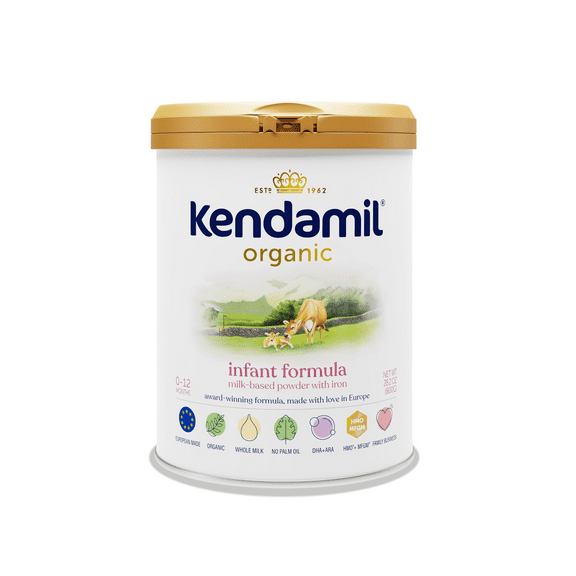
When you compare baby formula, you’ll usually see powder, liquid concentrate, and ready-to-feed formats. You’ll get different prep steps, storage needs, and on-the-go convenience from each one.
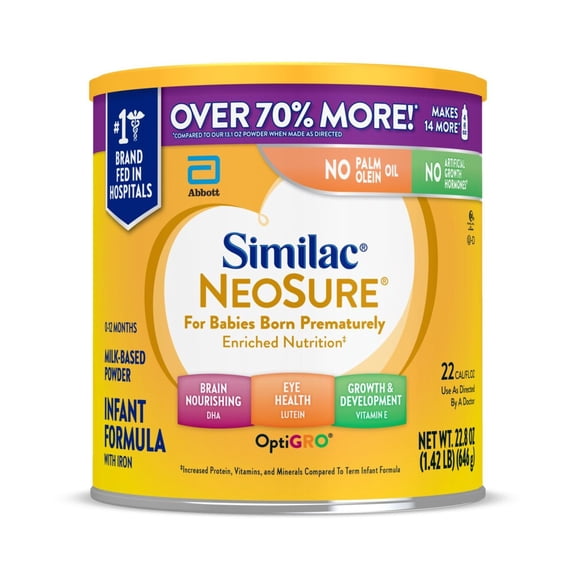
If you pick powder, you’ll often get a format that stores compactly and measures by scoop. You’ll want to check the container size and serving guidance for your routine.
If you choose liquid concentrate, you’ll get a middle-ground option with simple mixing steps. You’ll want to compare how much preparation fits your day at home or away.
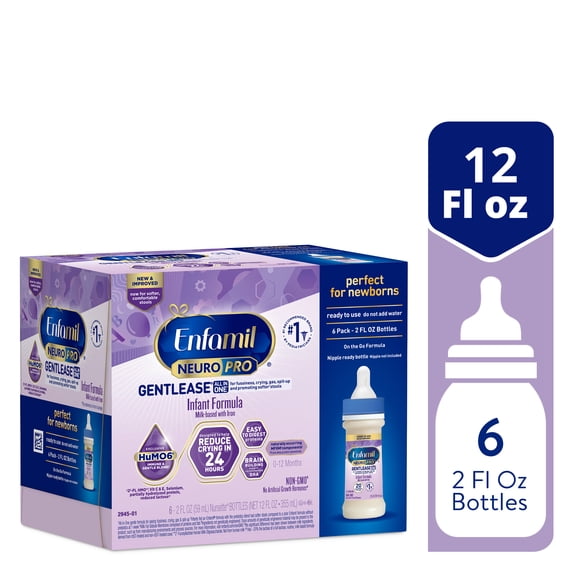
When you select ready-to-feed, you’ll get the fastest serving format for travel bags and overnight feeds. You’ll appreciate that convenience when you need fewer steps during busy moments.
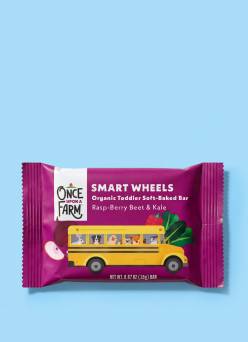
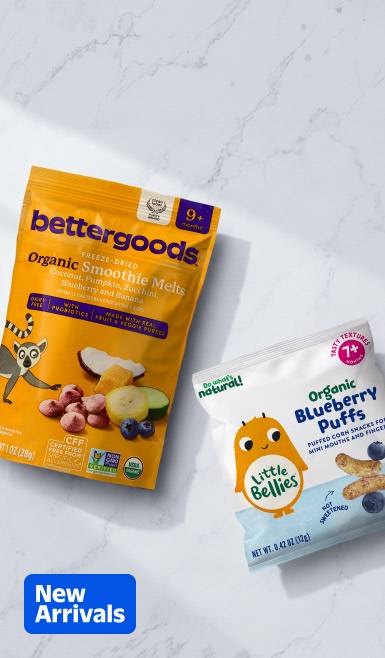
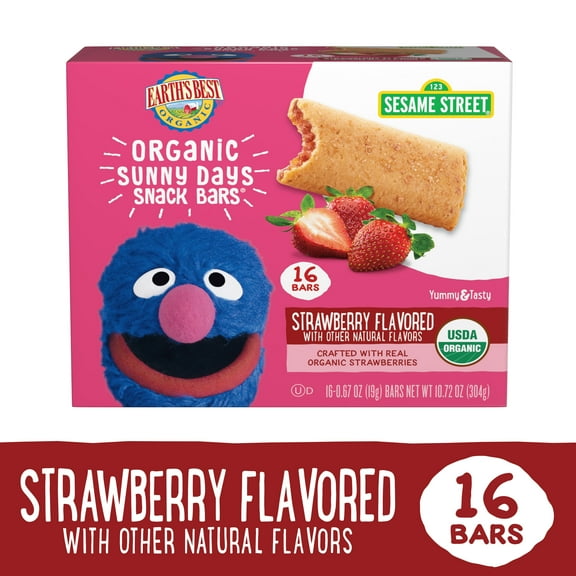
As you move into baby food, you’ll also compare stage-based textures and serving styles. You’ll often see purees, cereals, pouches, and toddler-friendly finger food options.
You’ll want Stage 1 choices for early feeding months and Stage 2 options for growing variety. You’ll then see Stage 3 products that fit toddler mealtimes and more independent eating.
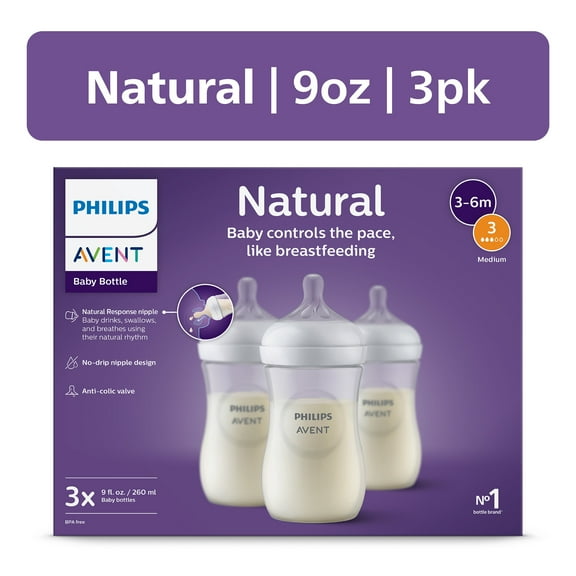
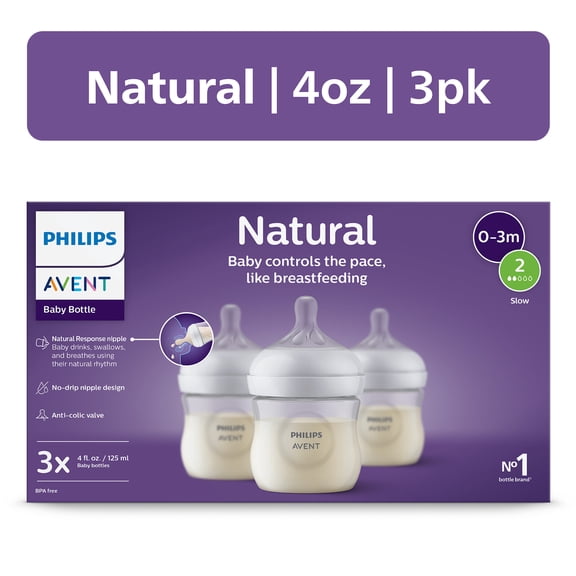
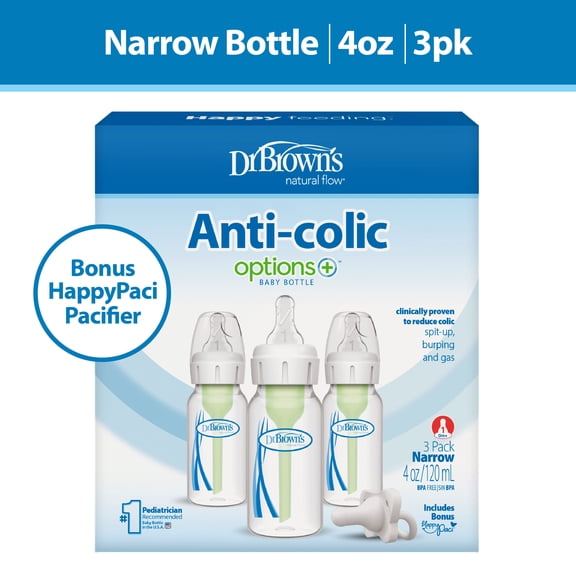
When you compare bottles and utensils, you’ll want materials that match your cleaning habits and feeding style. You’ll often see BPA-free plastic, silicone, glass, and stainless steel across this category.
If you choose BPA-free plastic, you’ll usually get a lighter option for diaper bags and daily rotation. You’ll want to check the shape, ounce markings, and cap design.
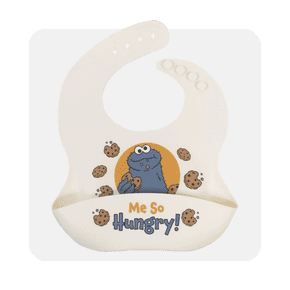
When you pick silicone, you’ll often get soft spoons, bibs, and suction bowls that flex easily. You’ll appreciate that material when your little one is learning to grip and self-feed.
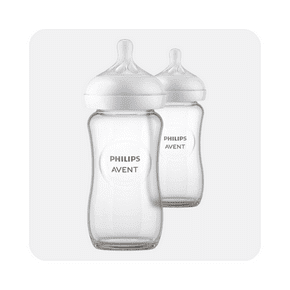
If you prefer glass, you’ll get a sturdy bottle option with a familiar feel. You’ll want to compare sleeve styles and bottle compatibility with your feeding setup.
When you choose stainless steel for utensils or insulated containers, you’ll get a durable material for repeat use. You’ll want to check size, grip, and lid style for easier serving.
You’ll also want to compare feeding gear by category, not just by look. Your routine may call for bottles, plates and utensils, bibs, storage containers, and high chairs that work together.
With high chairs, you’ll want to check tray size, seat support, and cleaning access. You’ll notice that wipeable surfaces and removable trays can simplify everyday meals.
When you compare Stage 1, Stage 2, and Stage 3 items, you’ll want clear age guidance first. Your shopping list often changes quickly as feeding patterns move from bottles to spoons and finger foods.
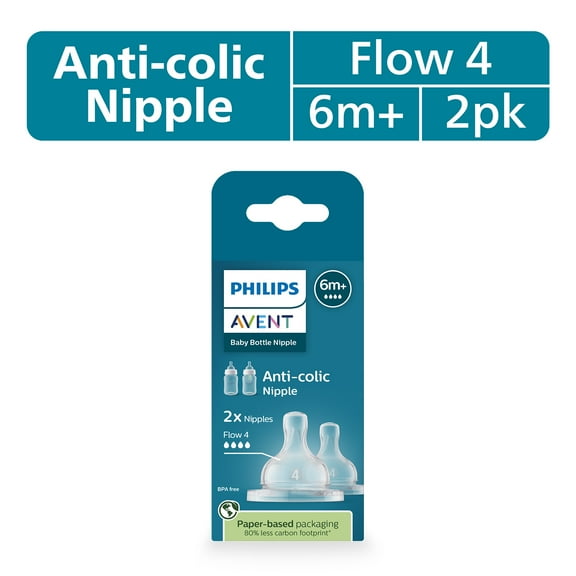
For newborn and early infant routines, you’ll often focus on bottles, nipples, and baby formula formats. You’ll want simple prep tools and feeding accessories that fit frequent feedings.
During the six to 12 month stage, you’ll usually add baby food jars, pouches, spoons, and easy-grip bowls. You’ll also start looking at bibs and seating support for messier meals.
As toddler habits develop, you’ll often need divided plates, training utensils, snack containers, and a high chair that adapts. You’ll want pieces that support more independent eating at the table.
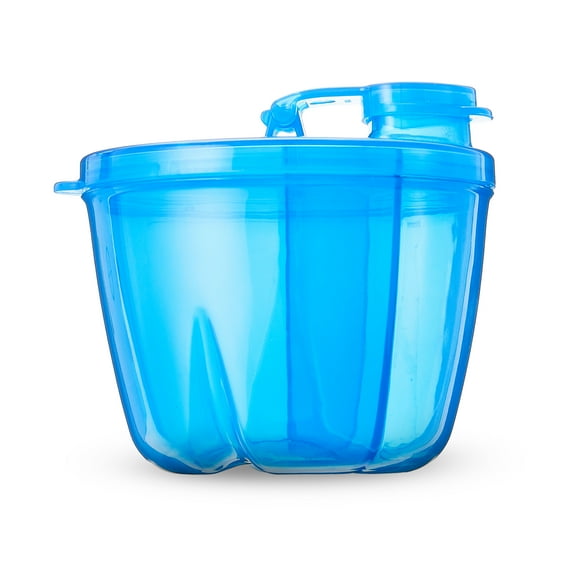
If your day includes daycare drop-off, errands, or travel, you’ll likely prioritize portable feeding supplies. You’ll benefit from compact containers, spill-resistant lids, and ready-to-pack formula options.
For home use, you’ll often focus on larger pack sizes, organized storage, and easy-clean surfaces. You’ll appreciate gear that keeps prep, serving, and cleanup more manageable across multiple meals.
When you build a complete setup, you’ll usually start with the product category that supports daily feeding first. Your needs may center on formula, baby food, bottles, plates and utensils, or high chairs.
If you’re starting from scratch, you’ll want enough bottle capacity for your usual schedule. You’ll also want burp cloths, bibs, drying tools, and storage pieces that keep feeding organized.
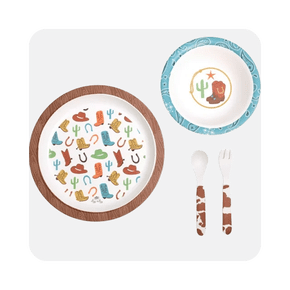
When solids enter the routine, you’ll need bowls, soft spoons, and mats that stay put on the table. You’ll find that suction bases and easy-grip handles can support early self-feeding.
For seated meals, you’ll want a high chair that fits your dining space and cleanup routine. You’ll benefit from adjustable positions and tray features that help meals feel more manageable.
You can feel more confident when your baby feeding supplies match your stage, preferred materials, and prep style. Your routine becomes easier to manage when formula, baby food, and feeding gear work together clearly.