

Moving
Bubble MailersBubble WrapFoam and Packing PeanutsMattress Moving CoversMoving Box KitsMoving BoxesPacking TapePacking PaperPostage StampsShipping BoxesShipping LabelsStretch WrapOffice SuppliesHome Moving EssentialsPicture HangersDrywall AnchorsAdhesive StripsDouble Sided TapeCommand HooksAll Command
Easy moving & simple shipping


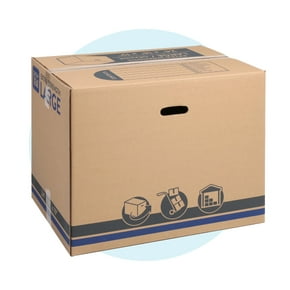
Moving boxes










Your best move yet

Make it your own

Find finishing touches






FAQ
About Moving - Walmart.com
You can handle your move with moving supplies that match your rooms, your item types, and your packing timeline. You’ll find boxes, wrap, tape, and helper options that make packing feel organized from the first room to the last.
When you plan by box size, supply type, durability, and service support, you make fewer packing mistakes. You also keep your packing list focused on what your home actually needs.
How to choose moving supplies for your home
You should start with the rooms you’re packing and the weight of your items. You’ll usually need different supplies for books, kitchen items, clothes, decor, and electronics.
For a smaller move, you may need fewer carton sizes and less wrap. For a larger home, you’ll want more box variety and a clearer room-by-room packing plan.
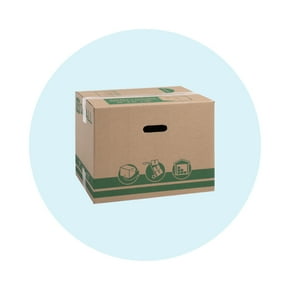
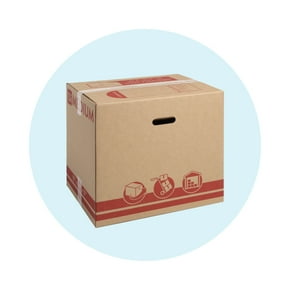
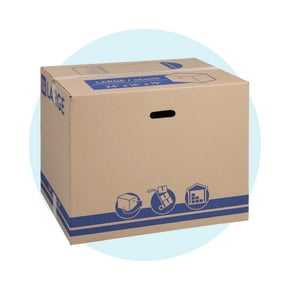
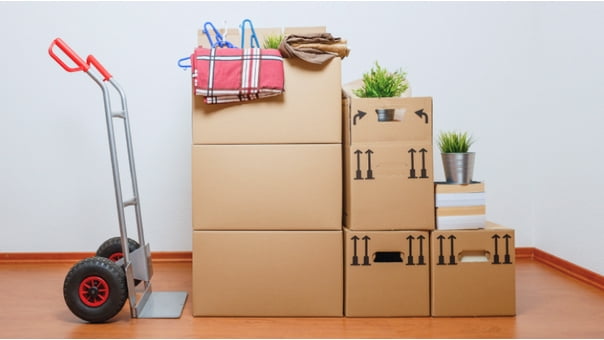
- You can use small boxes for books, canned goods, tools, and other dense items.
- You can use medium boxes for toys, folded clothes, office supplies, and pantry goods.
- You can use large and extra large boxes for linens, pillows, lampshades, and lighter bulky items.
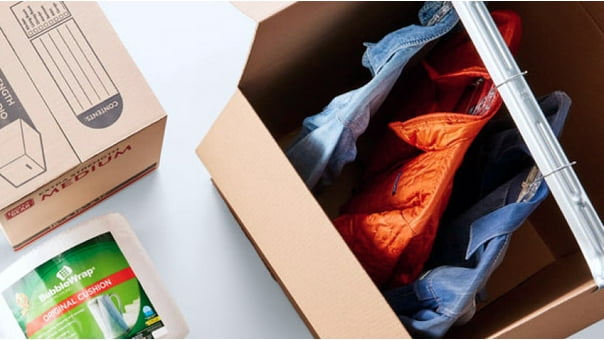
- You can use wardrobe boxes to keep hanging clothes upright and easier to transfer.
- You can pair tape, bubble wrap, stretch wrap, and packing paper with each box type.
You’ll notice that matching box size to item weight helps your move stay manageable. You also reduce wasted space when your box choice fits the contents.
Choosing the right moving boxes by size and durability
You should compare box size with what you’re actually packing, not just with what fits. You’ll get a smoother setup when heavy items go into smaller cartons.
Standard boxes can work well when your contents are lighter and evenly packed. Heavy duty and double wall options can make more sense when your items are dense or stacked.
If you’re packing dishes, books, or small appliances, you should check strength details carefully. You may see burst strength and edge crush test ratings that help you compare support.
Burst strength helps you understand how much pressure the box walls can handle during packing. Edge crush test helps you judge how well a box stands up to stacking.
You don’t need technical terms alone to make a smart choice. You just need to match stronger boxes with heavier contents and taller stacks.
Where to get moving supplies and what to include
You need more than moving boxes to keep your packing process organized. You’ll usually want tape, bubble wrap, stretch wrap, and packing paper in the same plan.
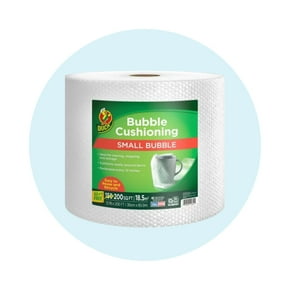
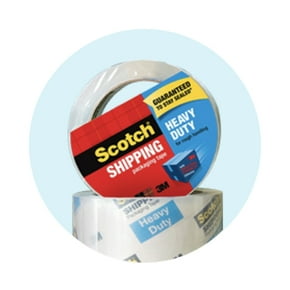
Packing tape helps you close cartons securely and label sections clearly. Bubble wrap gives your breakable items cushioning, while packing paper helps fill gaps around dishes and glassware.
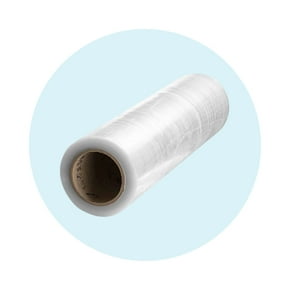
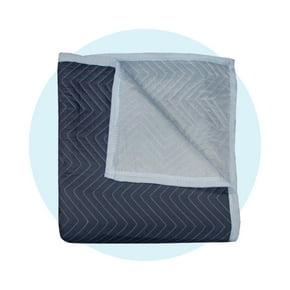
Stretch wrap can help you bundle loose items or keep drawers closed during transport. You can also use it around furniture pads or grouped items for cleaner handling.
When you’re deciding where to get moving supplies, you should look for a full assortment in one place. You’ll save time when your boxes and packing materials work together.
How to estimate quantities for each room
You should estimate by room count, furniture size, and how much you’ve stored over time. You’ll often need more supplies for kitchens, garages, and children’s rooms.
For a studio or one-bedroom move, you may need a lighter mix of small, medium, and large boxes. For a multi-bedroom home, you’ll usually want added wardrobe boxes and more wrap.
If your closets are full, you should count hanging garments before choosing wardrobe cartons. If your shelves hold many books, you should increase your small box count.
You can keep your packing list practical by grouping supplies by room before you start. You’ll unpack faster when your boxes follow the same room-by-room system.
Choosing moving helpers, loading services, and storage options
You may decide to pack on your own, or you may want moving helpers for part of the process. You can compare packing helpers, loading services, and storage units based on your timeline.
Packing helpers can make sense when you need support wrapping kitchenware, boxing decor, or organizing multiple rooms. Loading services can help when you already packed but need help with heavy lifting.
If your move has a gap between homes, you may want storage units for extra flexibility. You can use that option when your closing date and move-in date don’t line up.
You should think about service type the same way you think about box size. You’re matching the support level to your home, your schedule, and your item volume.
Planning details that support a smoother move
You may also be tracking admin tasks while you pack each room. You can keep a moving notice and a moving letter to landlord on your checklist with your packing supplies.
Some shoppers also search moving superstitions while planning a big life change. You can keep your focus on labels, room counts, and sturdy cartons that help each step feel more controlled.
You’ll feel more prepared when your moving supplies fit your boxes, your household items, and your timeline. You can move from packing to loading with fewer surprises and better organization.