


Home Moving Essentials
















About
Moving essentials help you pack faster, protect household items, and stay organized from the first box to the final unload. You can build a smoother plan when you compare box strength, material types, and protective supplies before moving day.
How to choose moving essentials for your home
You should start with a room-by-room checklist, because each space needs different packing supplies. Your kitchen often needs small boxes and wrap, while your bedroom may need larger boxes and mattress covers.
You can estimate box counts by thinking in groups instead of guessing one total. Your studio may need fewer boxes, while your three-bedroom move usually calls for small, medium, large, and extra large options.
You’ll also want move essentials that keep labeling simple during packing and unloading. Your process feels easier when you pair boxes with packing tape, bubble wrap, paper, and moving blankets.
- You can use small boxes for books, tools, canned goods, and other dense items.
- You can use medium boxes for toys, pantry goods, and folded clothing.
- You can use large boxes for linens, lampshades, and lightweight household items.
- You can use extra large boxes for bulky, lighter items like pillows and comforters.
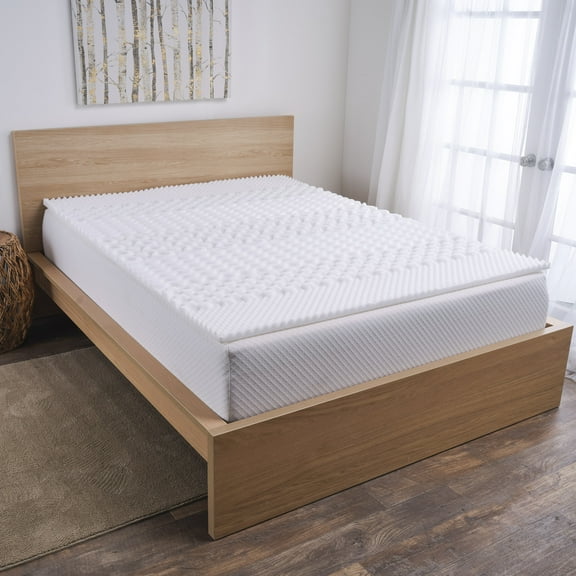
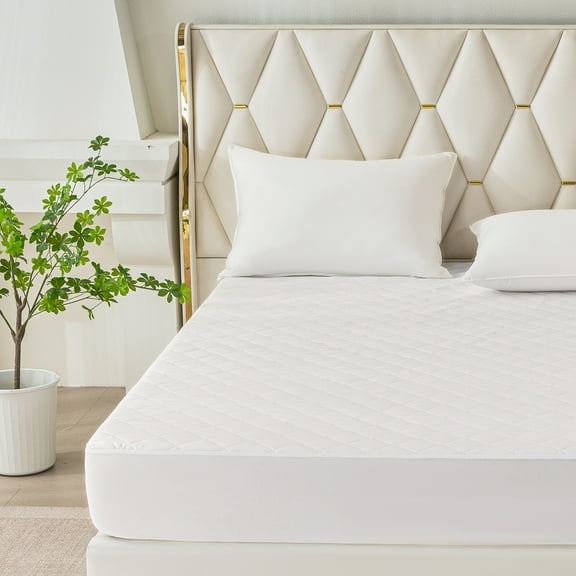
- You can add mattress covers and moving blankets when your furniture needs cleaner, more organized transport.
Choosing materials and moving necessities
You should compare cardboard, plastic, foam, and paper by how each one supports your packing plan. Your moving necessities often work together, rather than replacing one another.
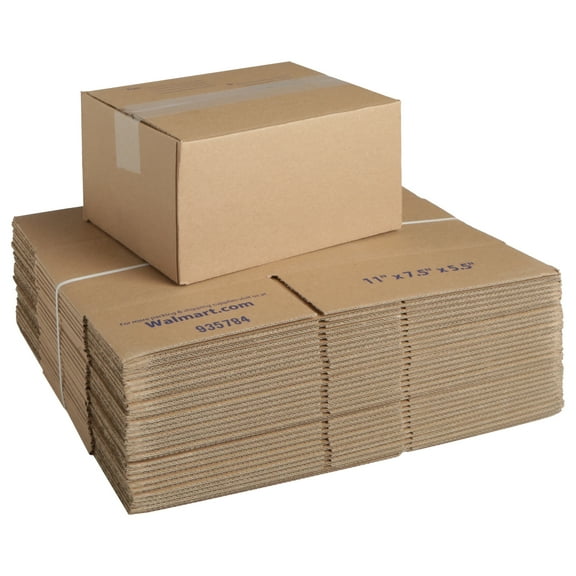
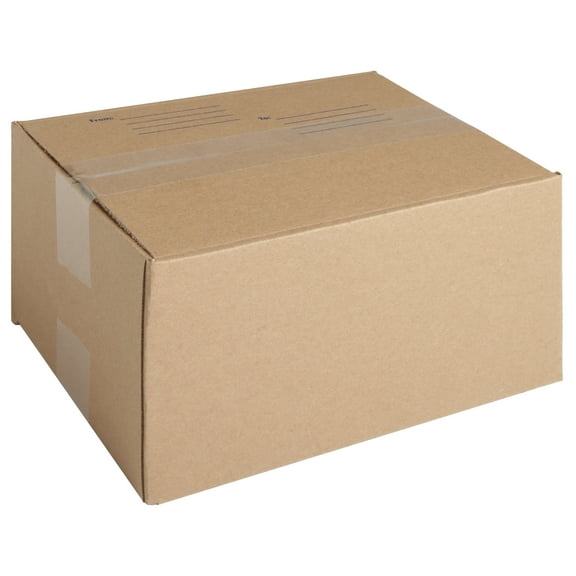
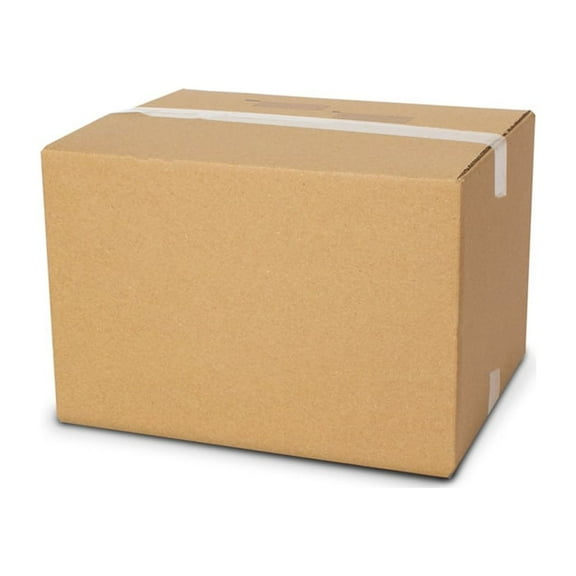
You’ll usually reach for cardboard boxes when your goal is stackable packing across many rooms. Your load stays easier to sort when you choose clear size groups and label each carton.
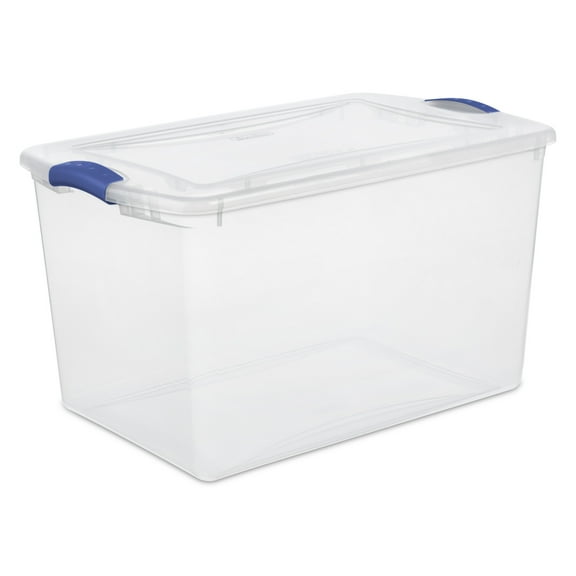
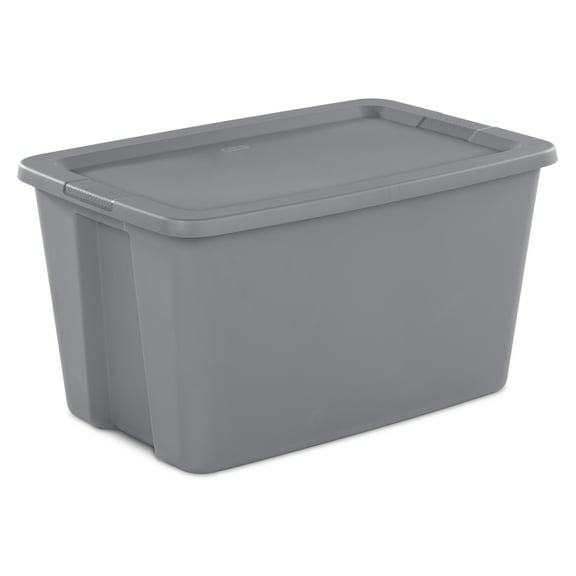
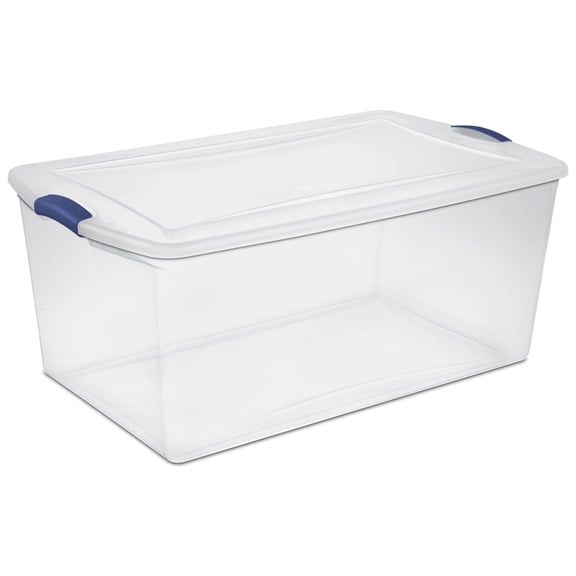
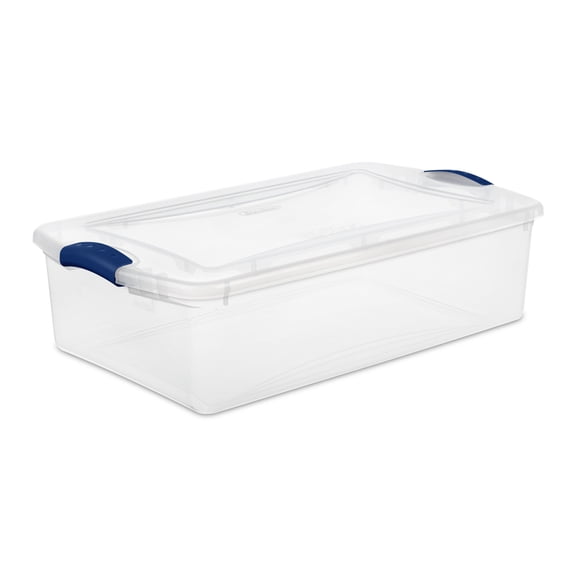
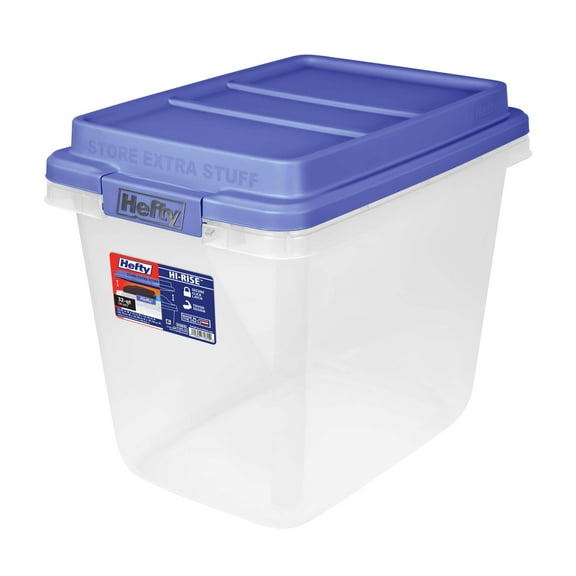
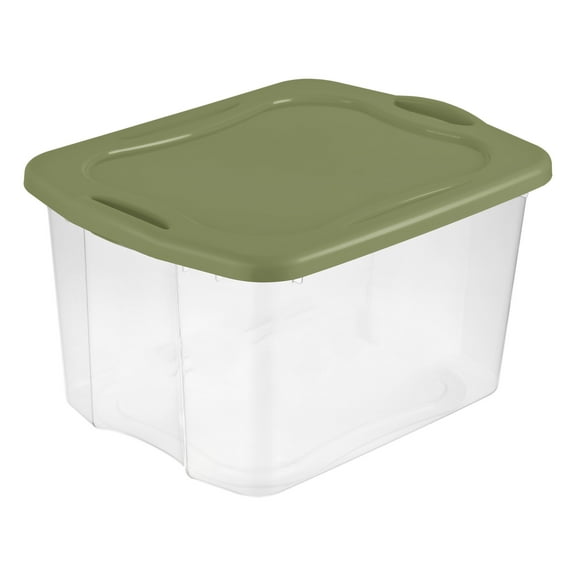
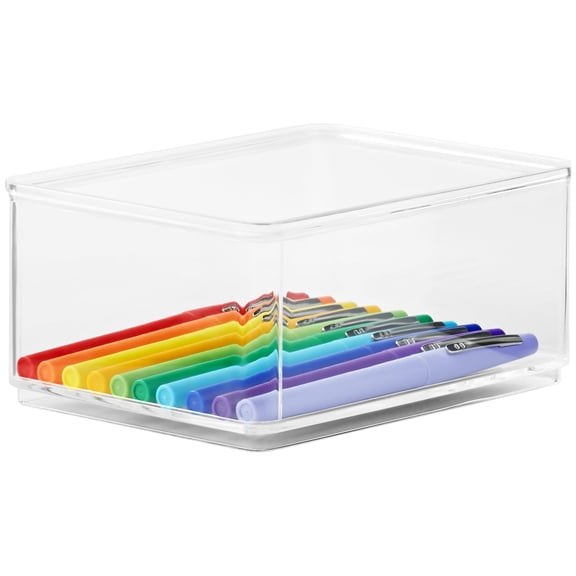
You may prefer plastic bins when your items need repeated packing, storage, or moisture-resistant handling. Your reusable containers can help with seasonal goods, garage items, and supplies you’ll unpack later.
You can use paper for wrapping dishes, filling gaps, and separating breakable surfaces inside boxes. Your fragile items often stay more organized when you layer packing paper before adding bubble wrap.
You may use foam sheets or foam peanuts when your décor or electronics need extra cushioning. Your protection plan works well when you match soft fill to open space inside each box.
What box size and strength should you compare
You should measure both item weight and item shape before choosing a moving essentials box. Your packing goes more smoothly when the box fits the item instead of forcing extra empty space.
You can choose standard boxes for lighter household goods, such as towels, bedding, and decorations. Your boxes stay easier to lift when you keep heavy contents out of oversized cartons.
You should look for heavy-duty or double-wall cardboard when you’re packing books, dishes, small appliances, or tools. Your boxes gain added rigidity, which helps stacked loads keep their shape.
You may hear single-wall and double-wall cardboard while comparing options for a move. Your single-wall box usually fits everyday items, while your double-wall box supports denser loads and longer handling.
You can also match size to room type for faster planning. Your bathroom and office often need smaller boxes, while your living room and bedroom usually need medium and large cartons.
Which tape and protective wrap fit your move
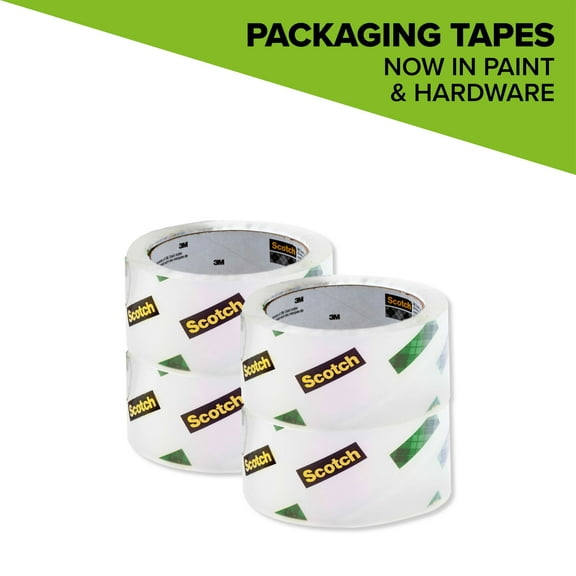
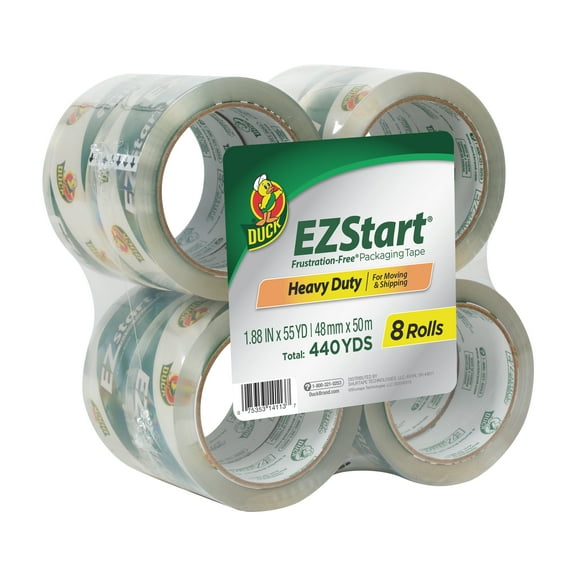
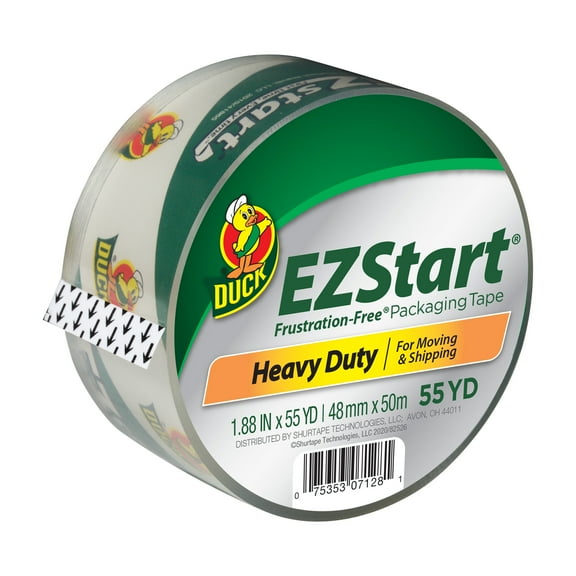
You should compare tape by adhesive type, holding power, and the surfaces you’re sealing. Your boxes need tape that stays secure through lifting, stacking, and unloading.
You may see hot melt adhesive on packing tape when strong initial stick matters most. Your fast-moving packing session can benefit when tape grabs cardboard quickly during box assembly.
You may also see acrylic adhesive when you want consistent sealing during storage or changing temperatures. Your choice depends on how long boxes stay packed and where they’ll sit.
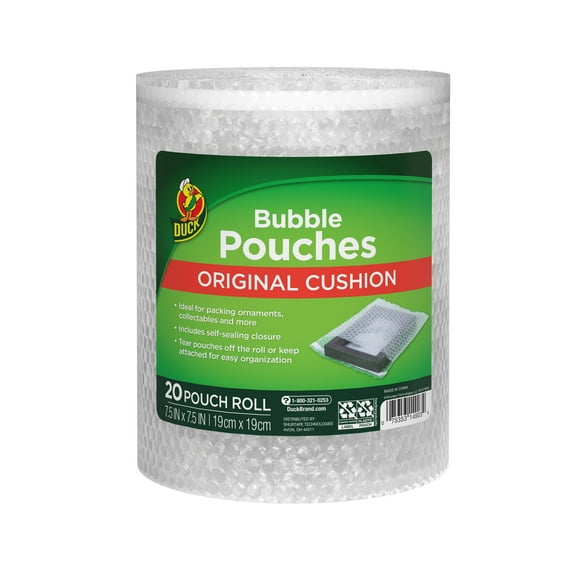
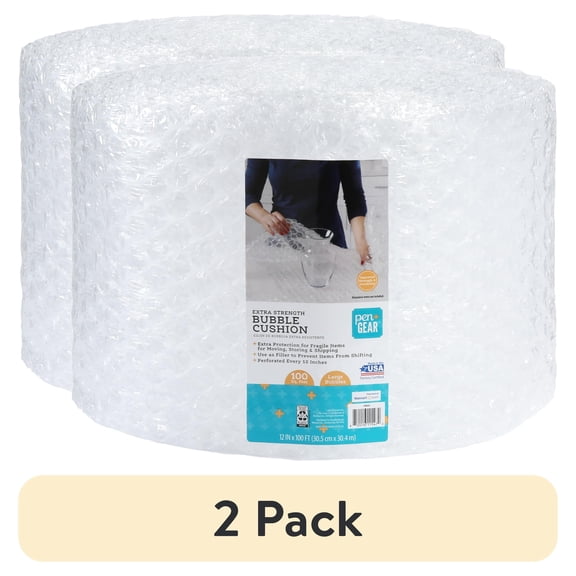
You can protect glassware, framed pieces, and dishes with bubble wrap, packing paper, and foam layers. Your fragile items travel with fewer shifting gaps when you fill corners and empty spaces.
You should add moving blankets around furniture, mirrors, and larger electronics during loading. Your surfaces stay cleaner, and your stacked truck layout feels easier to manage.
You can use mattress covers when you want cleaner handling for mattresses during transport or temporary storage. Your bedding setup stays more organized when covers go on before loading begins.
How to match moving essentials to real packing jobs
You can pack a kitchen more efficiently when you combine small heavy-duty boxes with paper and bubble wrap. Your plates, mugs, and pantry jars usually need tight packing and less empty space.
You can handle a bedroom move with medium and large boxes, mattress covers, and labels for linens. Your clothes, pillows, and décor stay easier to sort when each box matches one furniture zone.
You may pack a home office with small boxes for books and medium boxes for desk supplies. Your electronics often need foam or bubble wrap, plus moving blankets for monitors and printers.
You can prepare a living room by separating fragile décor from bulky soft goods before boxing. Your lamps, frames, and media gear usually need more wrap, while blankets and pillows fit larger cartons.
You should plan garage and utility areas with stronger boxes and dependable tape. Your tools, cleaners, and mixed hardware often need smaller containers that won’t become too heavy.
You can make unloading faster when you group boxes by room, weight, and first-night priority. Your labels, tape colors, and size choices create a clearer path from truck to shelf.
Why your checklist matters
You’ll feel more prepared when your moving essentials cover boxes, tape, wrap, and protective covers in one plan. Your move becomes easier to manage when each supply matches your rooms, item weight, and packing timeline.