

Pet deals





















































About
You can compare pet supplies easily when you shop by pet type, product category, life stage, and daily routines. You can find options for dogs, cats, birds, fish, and small animals, so your household needs stay organized.
If you’re replacing daily basics or adding pet accessories, you may want clear choices for feeding, sleeping, travel, and play. You can also narrow your search quickly when you know which details matter for your pet.
How to choose pet supplies by pet type
When you shop pet supplies, you may want products designed for your pet’s size, habits, and living space. You can compare dog supplies, cat supplies, bird basics, fish care items, and small animal essentials with confidence.
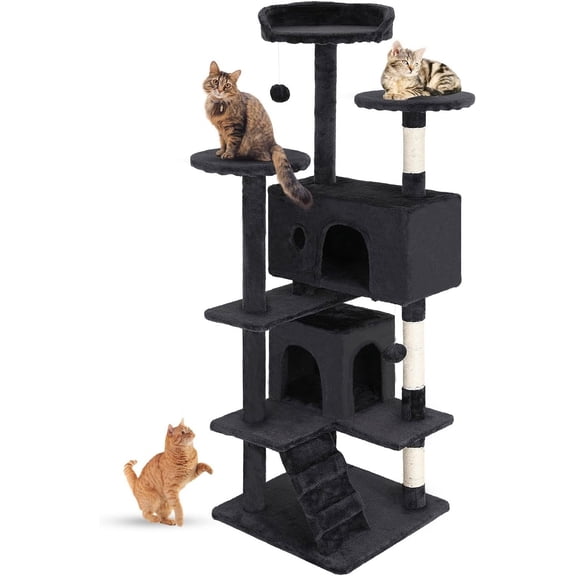
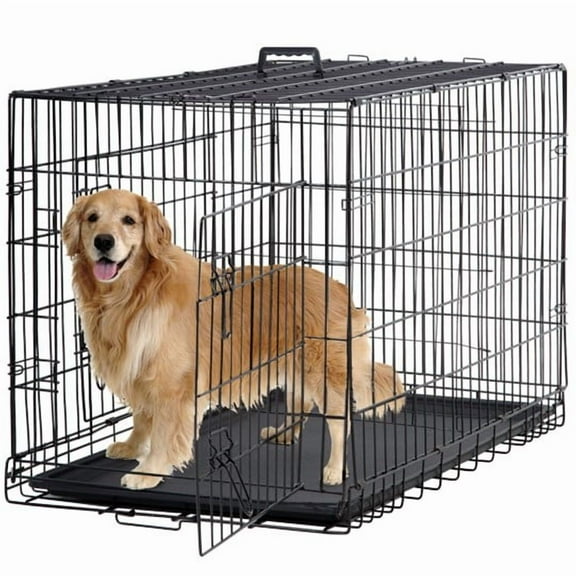
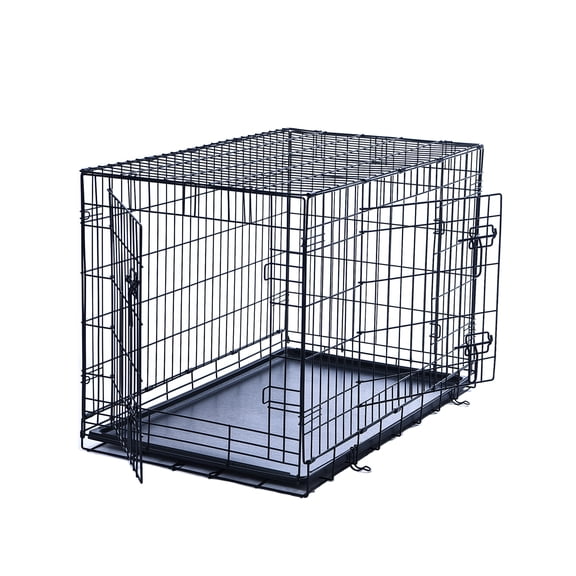
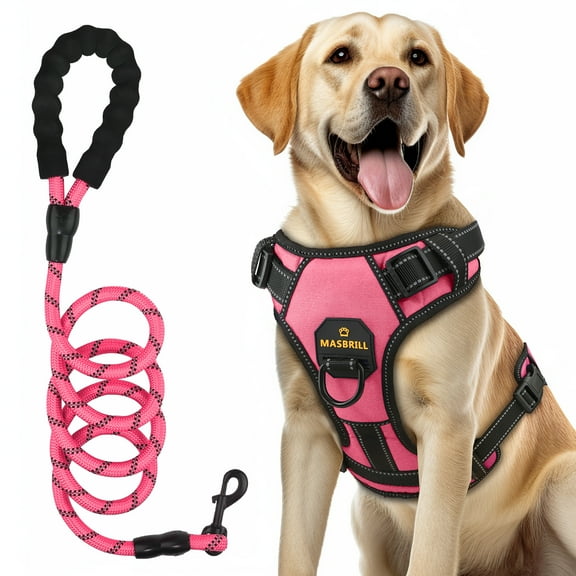
For dogs, you may look for chew-friendly toys, leashes, grooming tools, and a dog cage with room to stand and turn. For cats, you may focus on litter accessories, scratch-friendly toys, feeding tools, and cozy rest spots.
If you care for birds, you can compare perches, feeders, and habitat add-ons that fit cage layouts and daily care routines. If you keep fish, you can check tank tools, pet food types, and water-care accessories that match aquarium size.
When you care for hamsters, guinea pigs, or rabbits, you can measure habitat space and compare bedding, feeders, and chew items. You can make quick choices when each product matches your pet type from the start.
What to look for across dog supplies, cat supplies, and more
You can shop across a few core groups, including pet food, chews, toys, beds, furniture, crates, gates, and grooming items. You can use those groups as a simple checklist for daily care.
- You can choose pet food and chews by species, flavor, texture, and feeding routine.
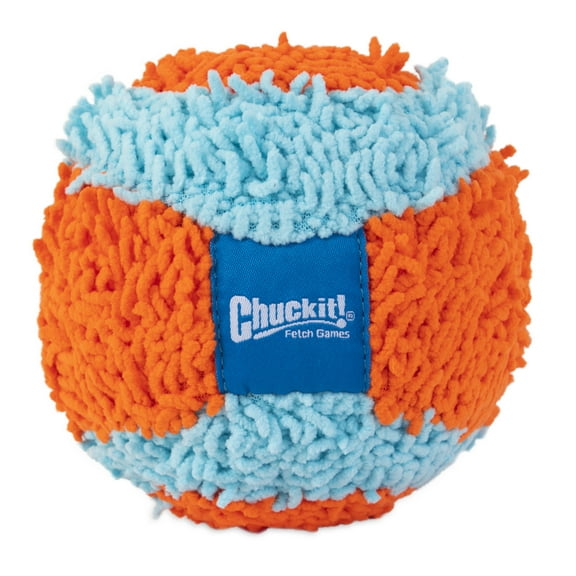
- You can compare toys by material, activity style, and indoor or outdoor use.
- You can measure beds, furniture, crates, and gates for comfort and fit.
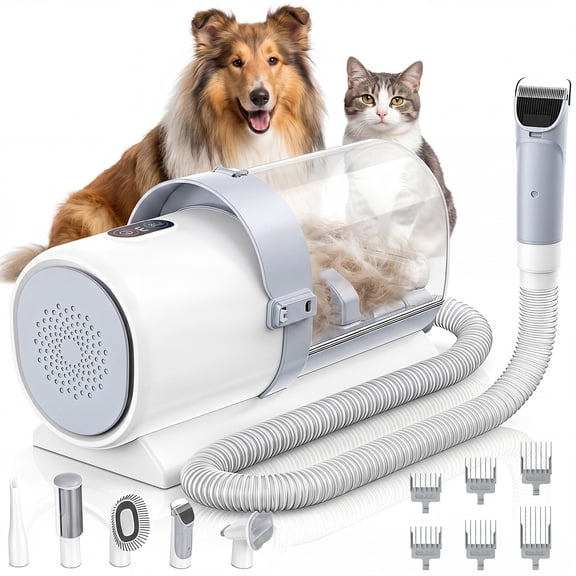
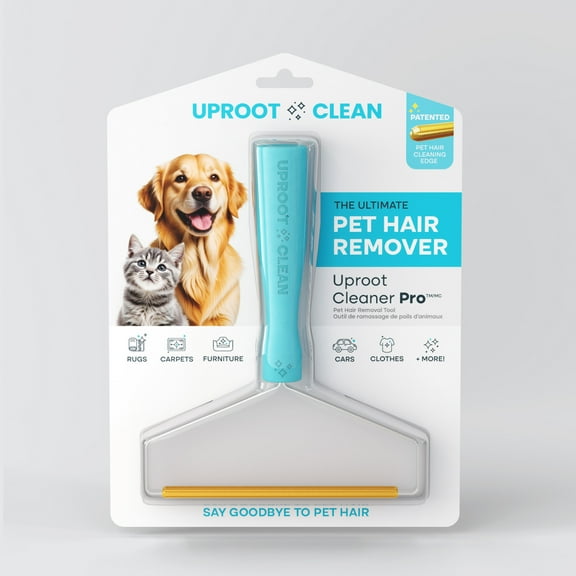
- You can check grooming tools by coat type, shedding level, and cleanup needs.
If your pet spends time in a crate, you should check exact measurements before you choose. You may want enough room for standing, lying down, and turning without wasting floor space.
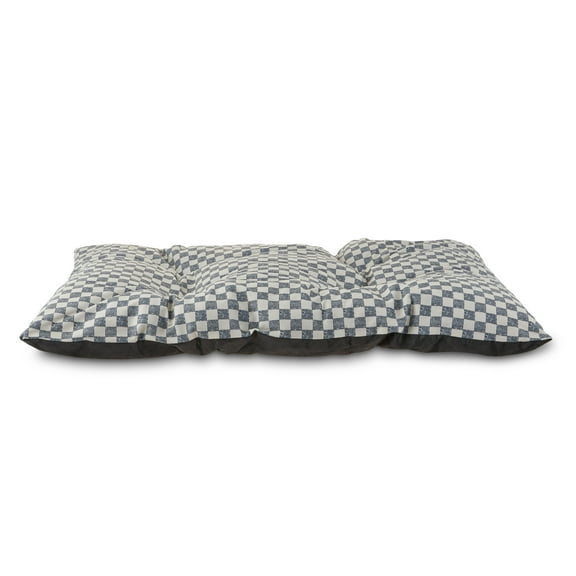
For beds and furniture, you may compare shape, fill, and surface texture based on sleeping habits. If your pet stretches out, curls up, or climbs, you can match that behavior to the design.
Choosing pet supplies by life stage and routine
You should compare products by life stage because a puppy or kitten often needs different sizes, textures, and feeding formats. Adult pets may need durable daily basics, while senior pets may need easy access and soft surfaces.
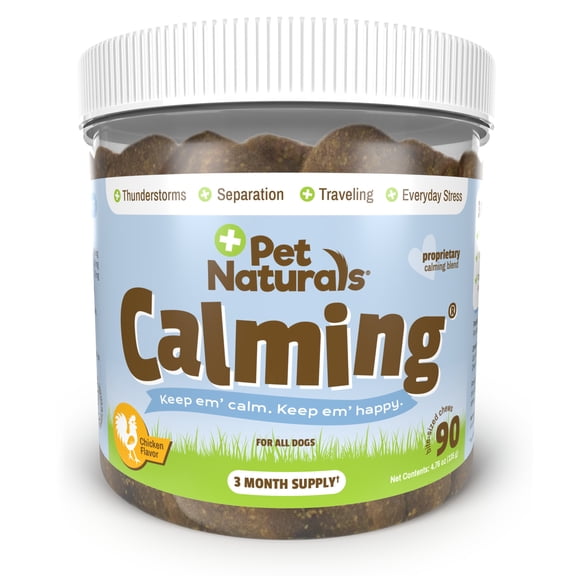
When you review pet food, you can check the label for species and life-stage guidance. You can make informed choices when food and chews align with growth, maintenance, or senior feeding routines.
You can also match toys and grooming tools to energy level and coat care needs. If your pet is active, you may prefer durable materials and easy-grip designs for frequent use.
Senior pets may benefit from lower-entry beds, steady feeding setups, and simple grooming tools with comfortable handling. You can create a smoother routine when each item fits your pet’s current stage.
Choosing special-needs pet accessories
You may compare special-needs options like heated pet mats, orthopedic beds, grain-free food, or formulas for sensitive stomach routines. You should focus on format, measurements, and intended use before you choose.
If you’re considering heated pet mats or electronic pet accessories, you should check listed voltage and cord design. You can also look for UL certification when you want clear guidance on electrical standards.
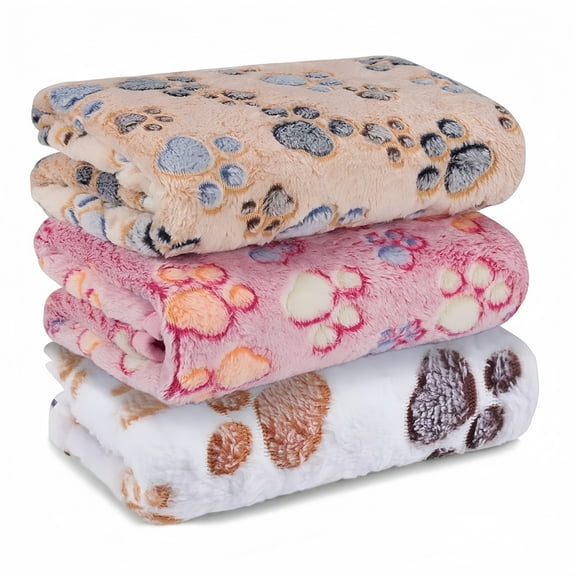
For orthopedic-style beds, you may want dimensions, fill type, and cover material that fit your pet’s sleep position. You can compare rectangular, bolstered, and lounger shapes based on where your pet rests.
When you review grain-free or sensitive-stomach pet food, you should read the package details for species, life stage, and ingredient format. You can narrow options quickly when you compare kibble, wet food, and chew textures.
How to match materials, durability, and fit
You may want durable materials if your pet chews, scratches, climbs, or spends time outdoors. You can compare fabric, rubber, plastic, and metal parts based on daily wear.
If you’re choosing toys for strong chewers, you should look for thicker construction and simpler shapes with fewer add-ons. You can also compare surfaces that are easy to wipe clean after active play.
For crates, gates, and carriers, you should measure your space and your pet before you choose. You can make informed decisions when you compare door style, frame material, and exact width and height.
Soft goods need fit just as much as hard goods do, especially for beds, mats, and furniture covers. You can avoid guesswork when you measure sleeping length, curl-up width, and entry height.
Using pet merchandise for real household routines
You may need pet merchandise for feeding time, travel days, grooming sessions, or quiet evening rest. You can build a more useful setup when each item fits a real routine in your home.
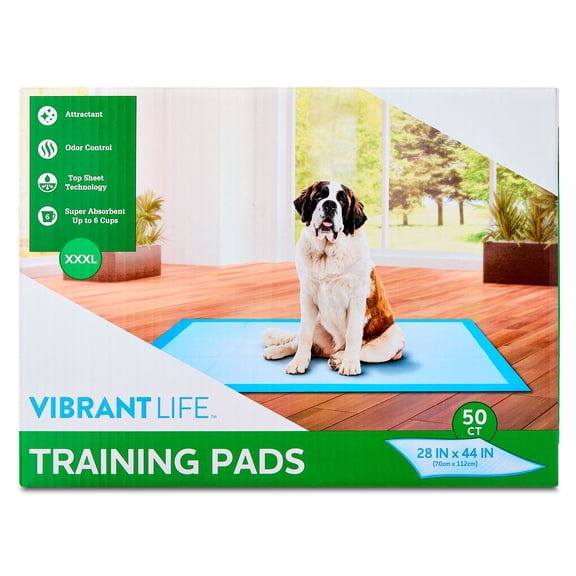
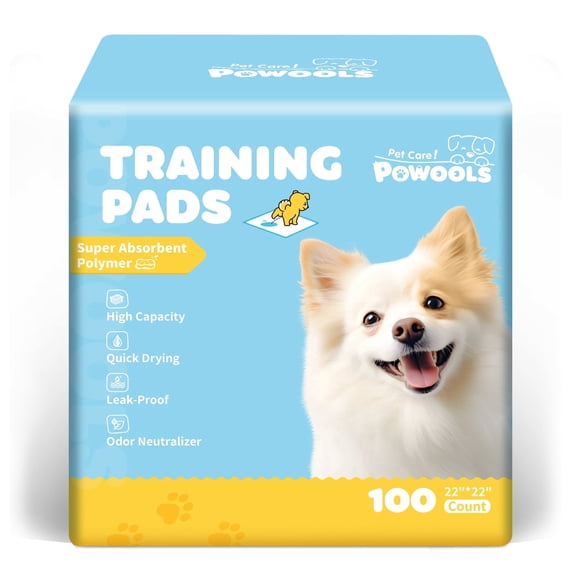
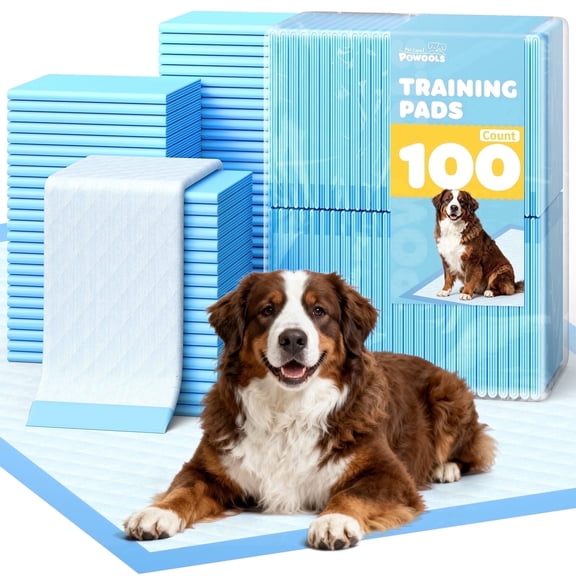
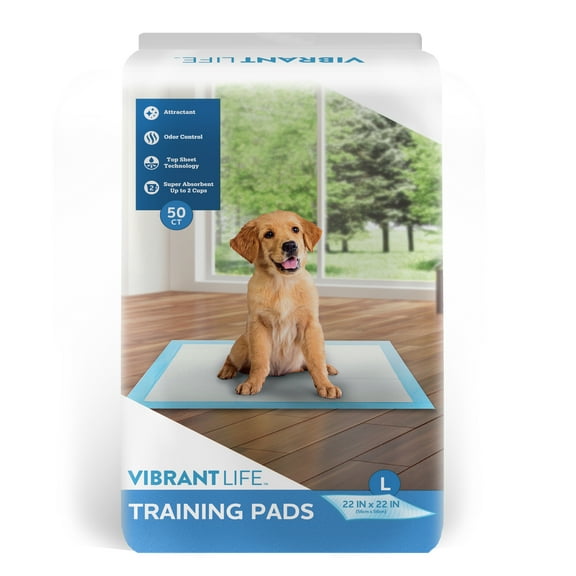
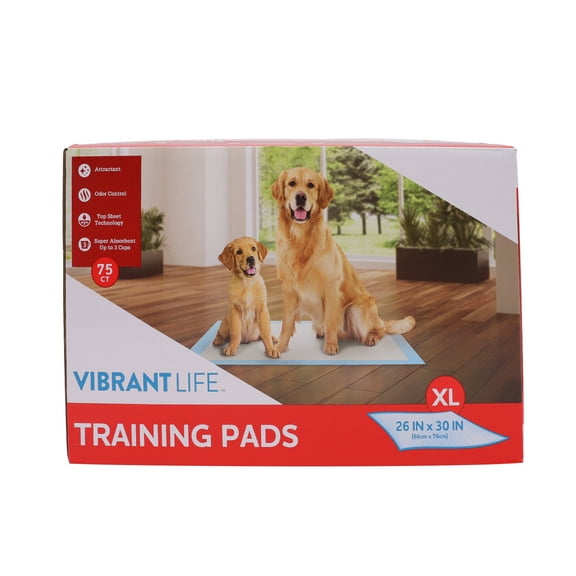
If you’re setting up for a new puppy, you might combine pet food, training pads, a crate, bowls, and chew toys. You can create a clear starter routine with items matched to growth and activity.
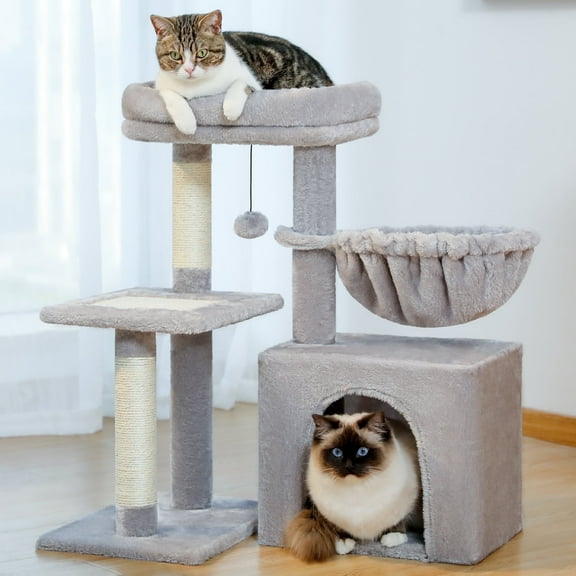
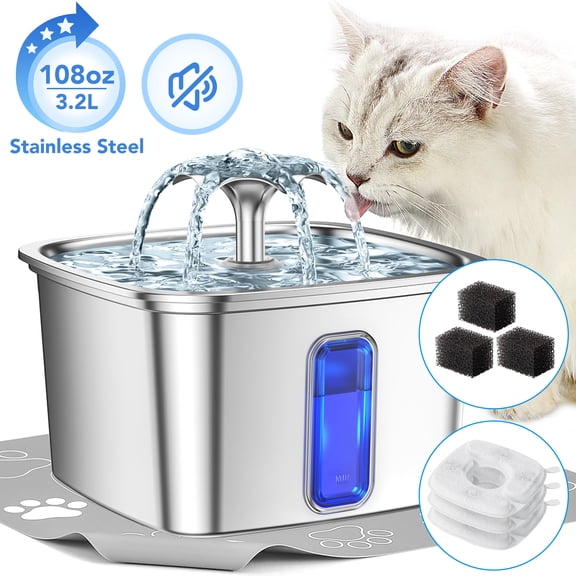
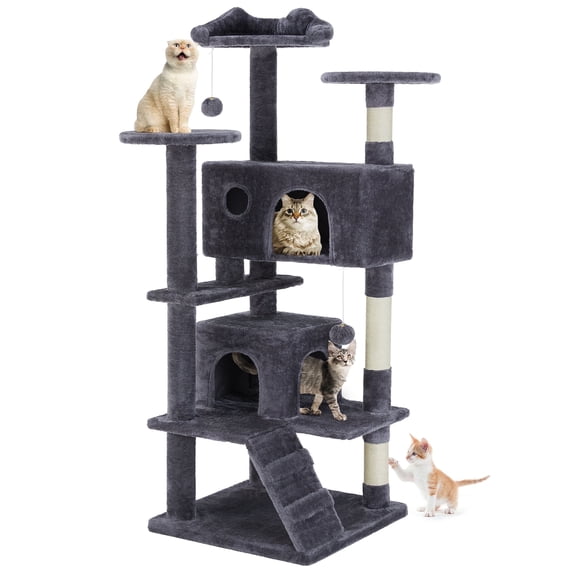
For a cat household, you may pair litter tools, scratching toys, feeding accessories, and a window perch or bed. You can support play and rest in smaller spaces with smart sizing choices.
If you care for multiple pets, you can sort supplies by species and room to simplify daily tasks. You may notice that measured crates, labeled food options, and easy-clean accessories make routines easy to maintain.
When you compare pet supplies with measurements, life-stage details, and intended use in mind, you can choose with clarity. You can find products that fit your pet’s routine, space, and everyday comfort.