





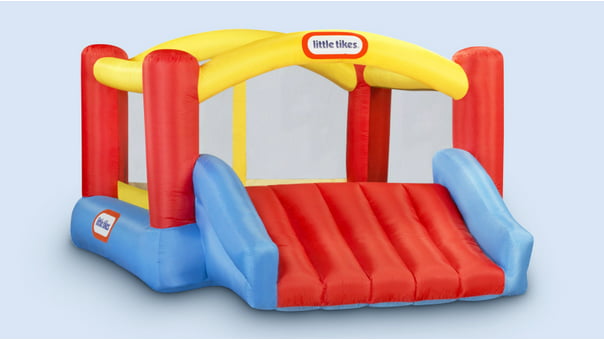
Recreation
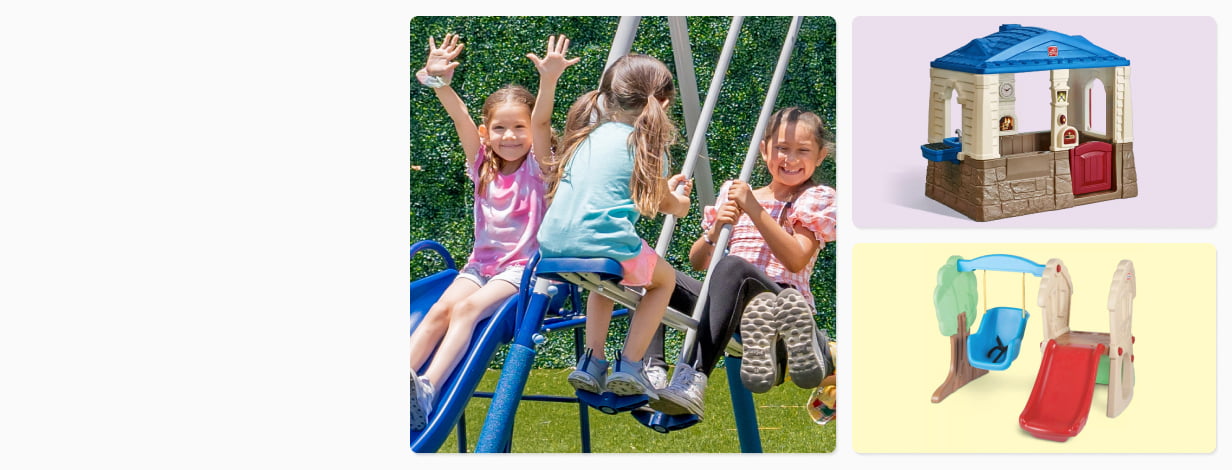
Shop by category
Playtime upgrades
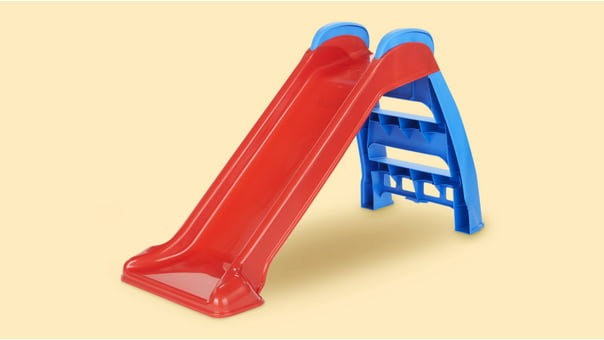
Outdoor fun & games



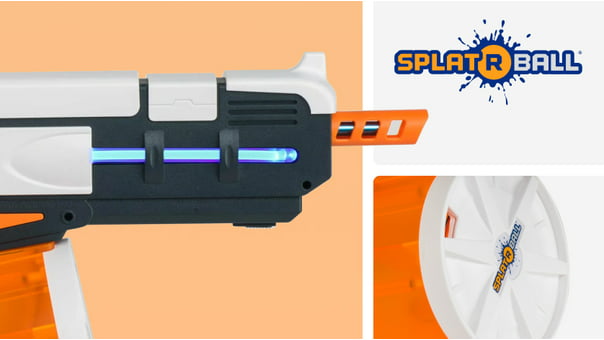
Water bead blasters

Get moving
FAQ
About Recreation - Walmart.com
Recreational games help you turn backyards, basements, patios, and shared rooms into active gathering spaces. You can compare indoor, outdoor, tabletop, and lawn options to match your space, group size, and storage needs.
You may want quick setup for family nights, or you may need sturdy picks for frequent group play. You’ll also find recreation supplies and related gear that support everything from casual tossing games to game room favorites.
How to choose recreational games for your space
Start with your setting, because your available space shapes which activities feel easy and enjoyable. You’ll want compact tabletop picks for smaller rooms, while your yard can handle toss sets, target games, and active sports.
For indoor use, you should look for options that fit around furniture and store neatly after play. For outdoor use, you may prefer weather-resistant materials that handle sun, grass, and repeated weekend use.
If your setup changes often, you’ll appreciate portable or foldable pieces that move from garage to patio fast. If your game room stays ready year-round, you may lean toward heavier pieces with a more anchored feel.
Comparing recreation games, recreation items, and supplies
You’ll often shop across full game sets, smaller recreation items, and practical add-ons in one trip. That mix helps you build a setup that fits your plans, whether you host parties or fill everyday downtime.
- You can choose tabletop formats when you want quick play in tighter indoor spaces.
- You can pick lawn games when your yard, driveway, or park day calls for larger movement.
- You can add recreation supplies like replacement pieces, storage accessories, or setup essentials for seamless play.
- You can consider multiplayer formats when your family events, team breaks, or neighborhood gatherings need group participation.
When you compare games and recreation categories, you should focus on how each format supports your routine. A compact set suits apartment storage, while a larger yard setup gives your group more room to spread out.
You may also want recreational products that match different energy levels across your household. Some choices keep players seated and focused, while others encourage tossing, aiming, running, or rotating through teams.
What to look for in recreation supplies and equipment
You should check materials first, because your setting affects wear over time. Indoor pieces may need floor-friendly surfaces, while outdoor gear may need finishes that hold up through repeated backyard use.
Dimensions matter when you’re planning around a basement corner, patio, or shared family room. You’ll want to measure your open play area and your storage area before choosing larger recreation equipments.
Assembly is another decision point that affects how often you’ll actually use your setup. You may prefer simpler builds for spontaneous play, while fixed setups can make sense in a dedicated game room.
Foldable frames help you tuck items into closets, garages, or trunks between events. Heavy-duty builds can suit school spaces, club rooms, or frequent gatherings where your equipment sees regular handling.
You should also compare audience fit before you choose your final set. Kids may need lighter pieces and simpler rules, while adults or mixed groups may want larger formats and longer rounds.
Matching recreational games to your group
Your audience shapes the right pace, size, and play style. Family gatherings often work well with easy-to-learn formats, while adult groups may enjoy skill-based competition or longer tournaments.
If you’re shopping for kids, you should check size, handling, and activity level in plain terms. You’ll want pieces that feel manageable for smaller hands and games that match your child’s stage and attention span.
For multiplayer use, you may prefer sets that let players rotate in and out without slowing the action. That flexibility helps during birthday parties, cookouts, school events, and neighborhood get-togethers.
You can also mix quiet tabletop options with active outdoor picks to cover different times of day. That balance gives your home or event space choices for rainy afternoons and sunny weekends.
Using recreation items across indoor and outdoor routines
You can build a full activity plan by matching formats to real-life moments. Tabletop sets fit family rooms and game rooms, while lawn formats bring energy to patios, driveways, and backyard parties.
During cooler months, you may lean toward indoor games that set up quickly after dinner or during visits. During warmer months, you can move toward outdoor tossing, aiming, and team-based recreation games.
If you host often, you should look for recreational materials that clean easily and store without much hassle. Portable cases, fold-flat parts, and stackable components help you reset your space faster.
You may also use recreation items for break rooms, youth groups, vacation homes, and shared community spaces. In those settings, durable finishes and simple setup steps can make repeat use feel more convenient.
Choosing games and recreation options with confidence
You can make an informed choice when you compare setting, audience, storage, and durability together. That approach helps you find recreational games and recreation supplies that fit your space and keep group time active.
Combine indoor play, outdoor formats, and practical storage to create a recreation setup you can use again and again. You’ll get flexible activity options that fit family nights, parties, and everyday downtime.