












































First Aid Solutions & Supplies | Buy Neotrex at Walmart
Shop by category
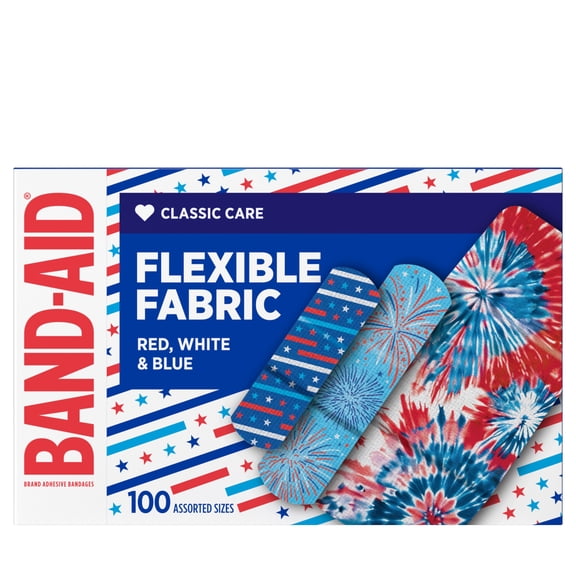
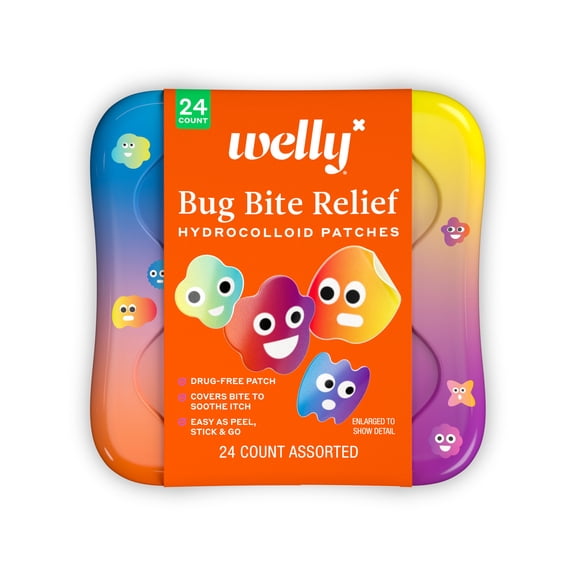
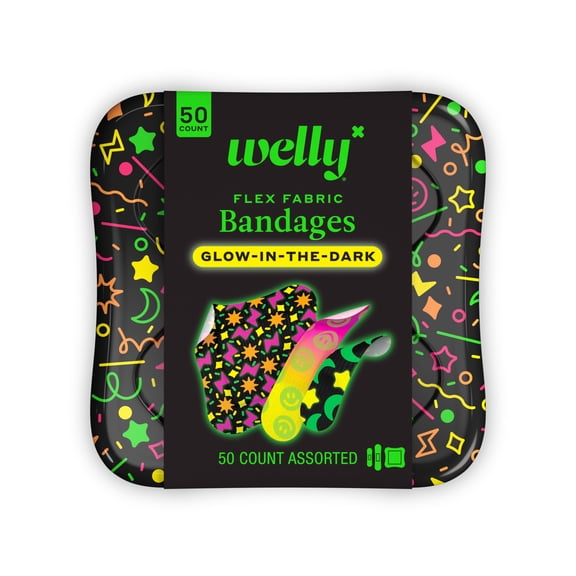
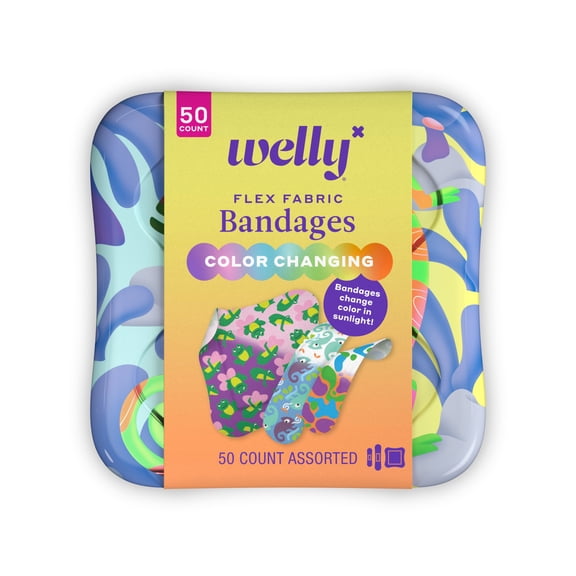
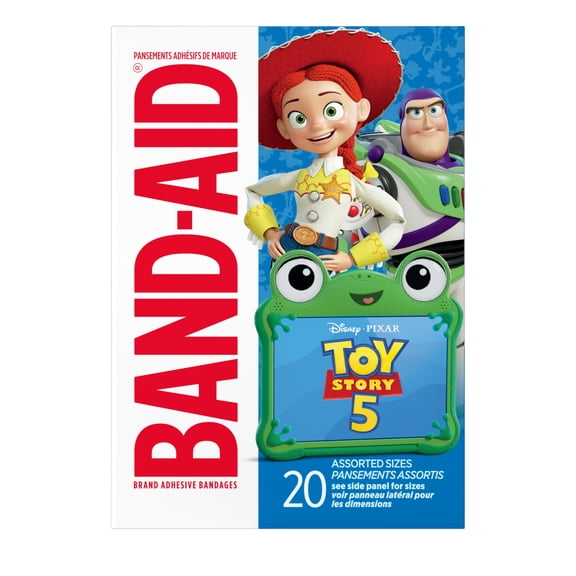
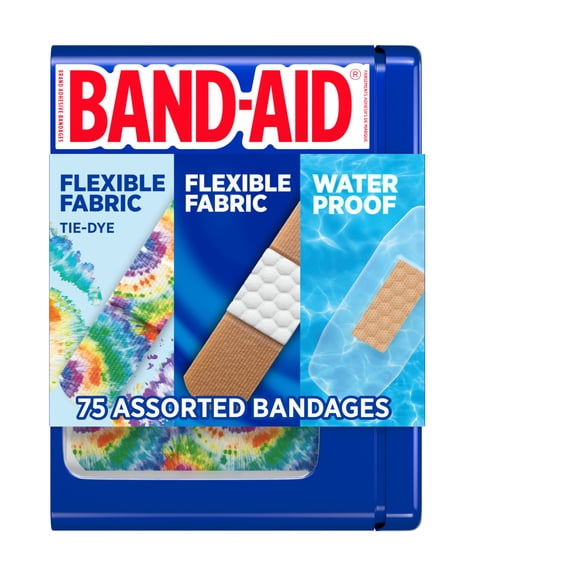
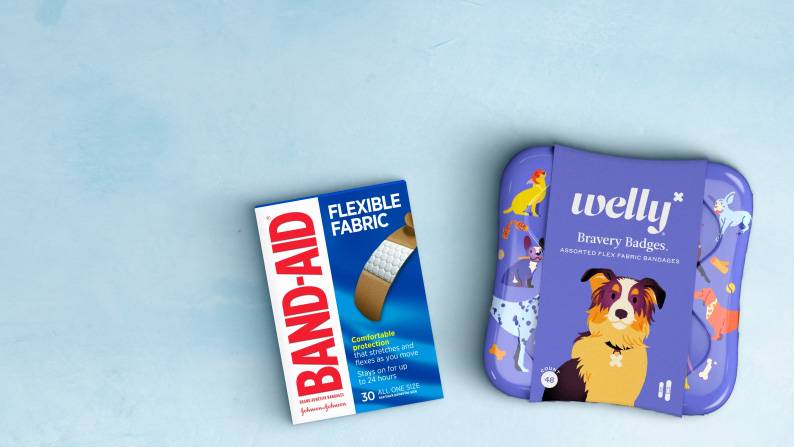
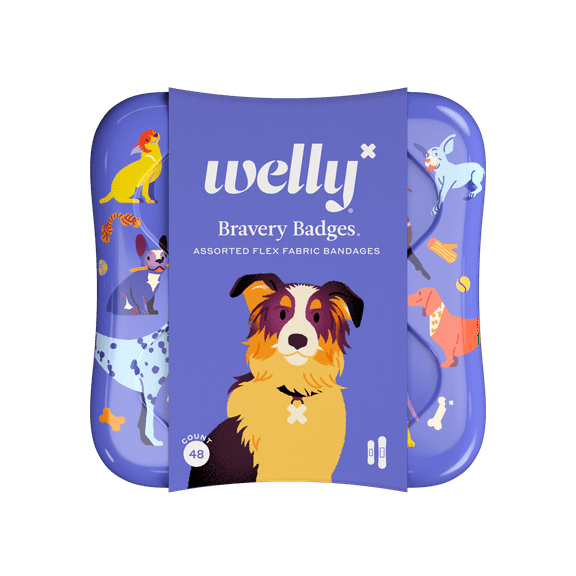
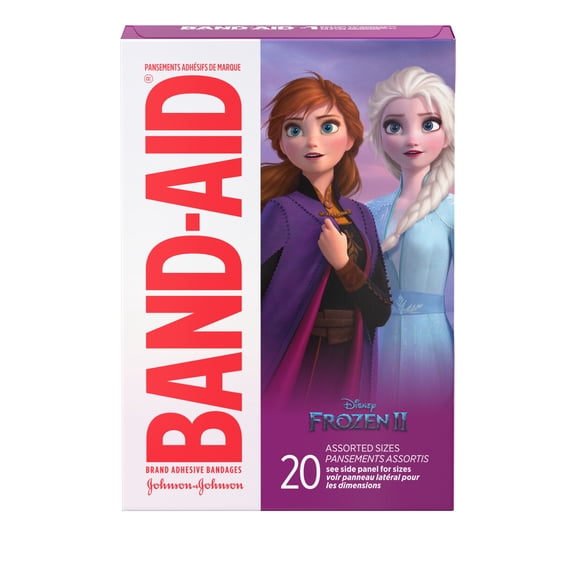
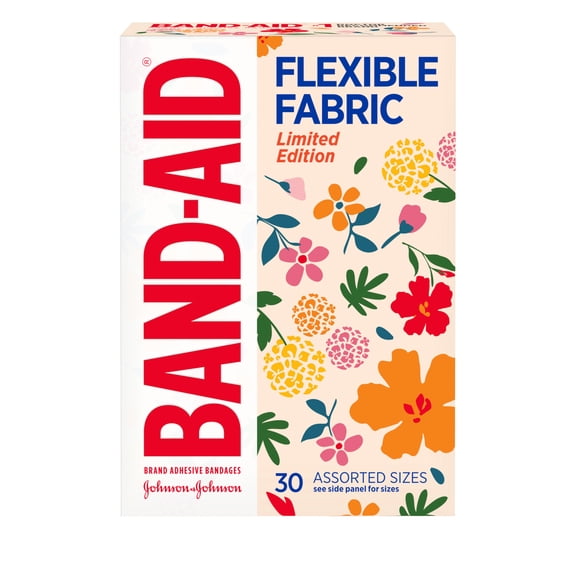
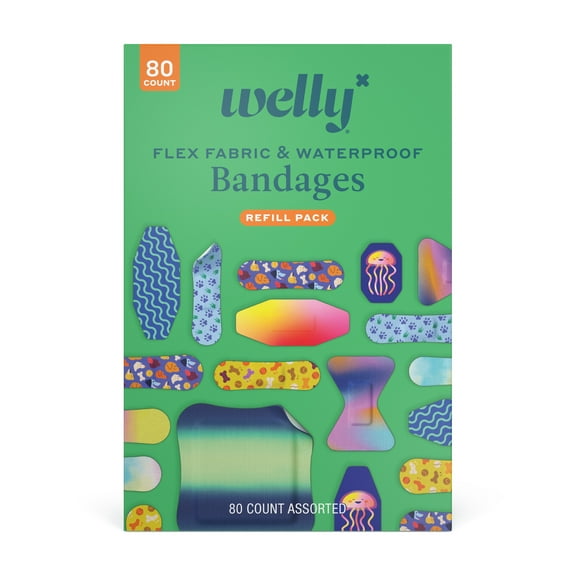
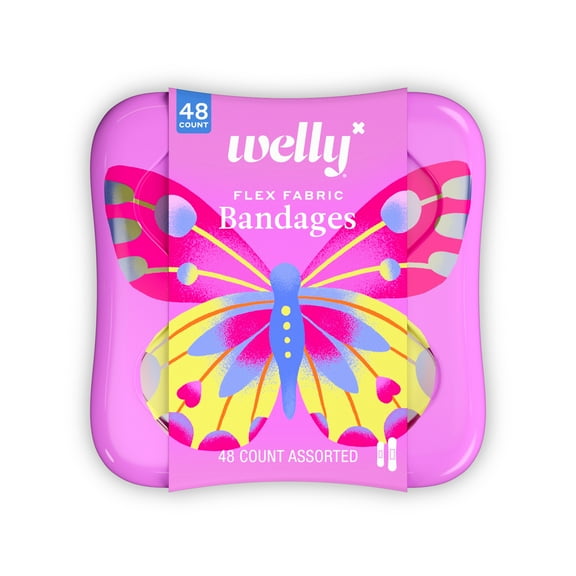
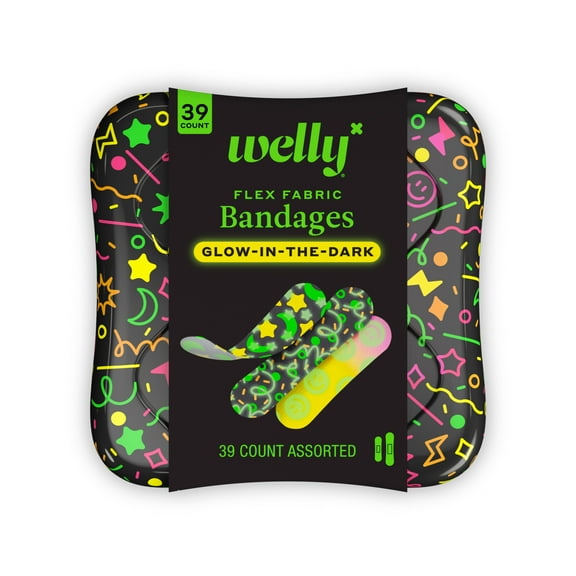
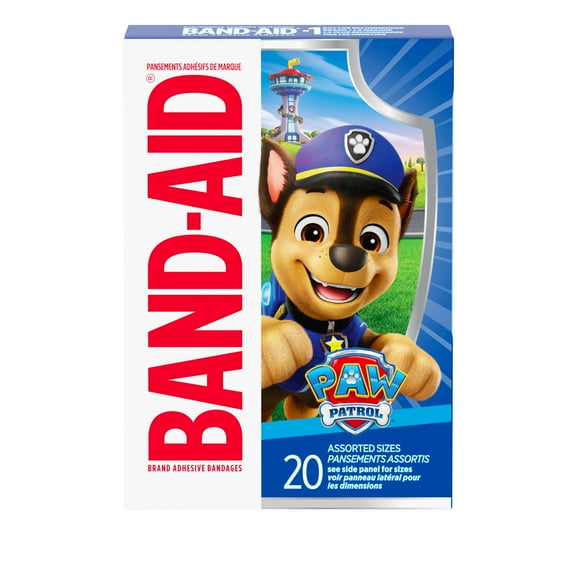
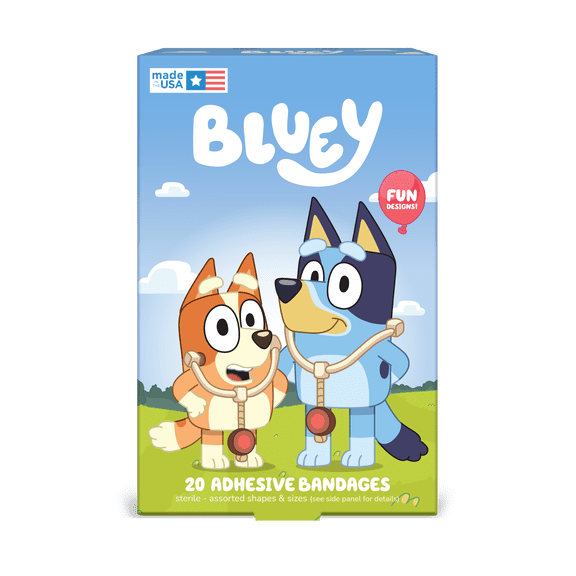
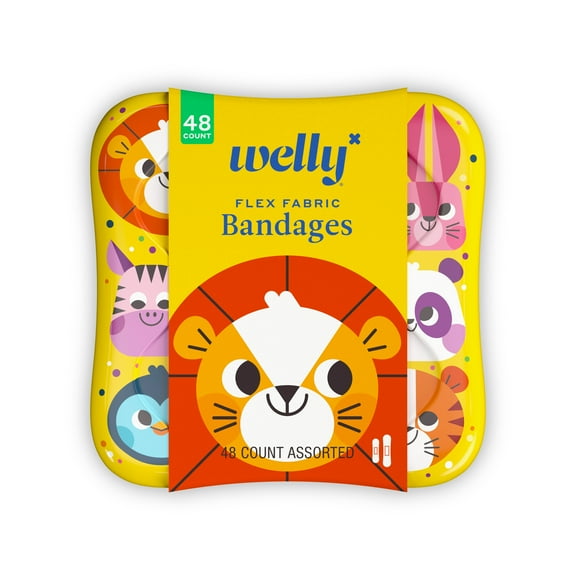
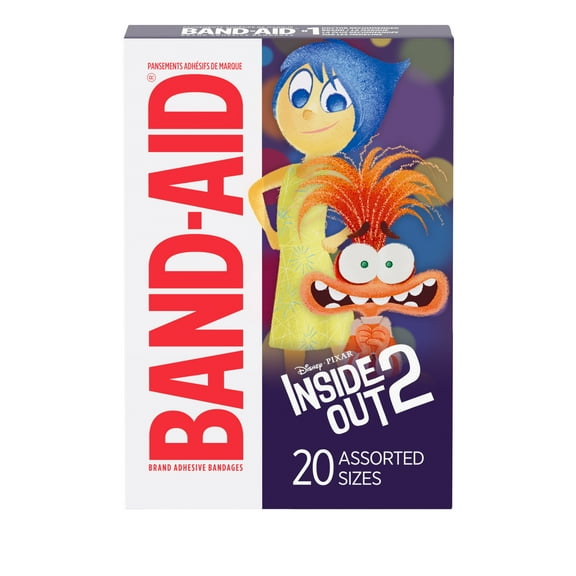
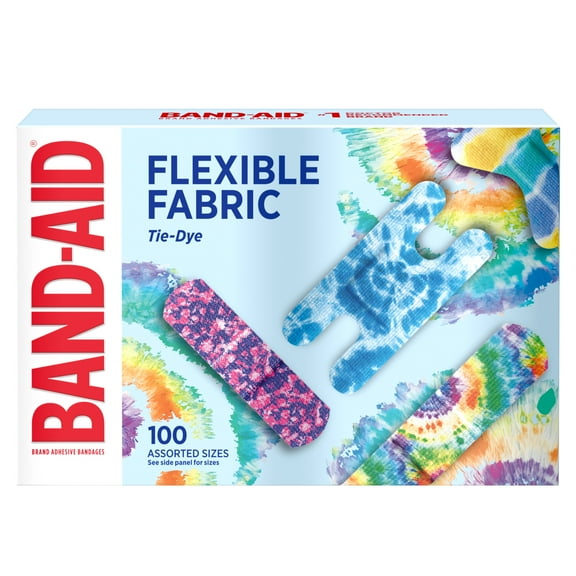
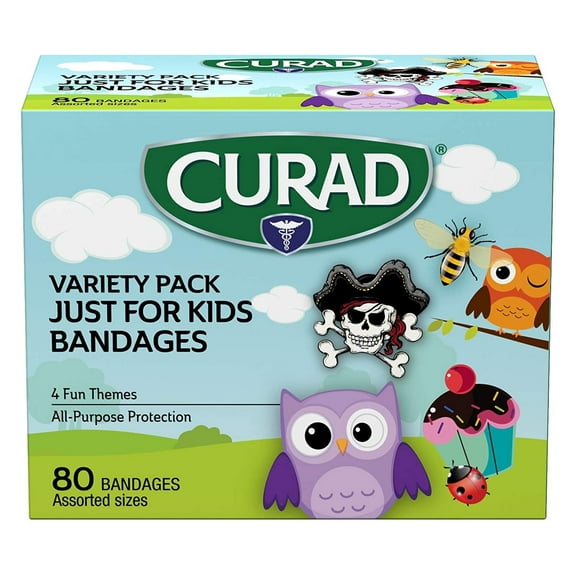
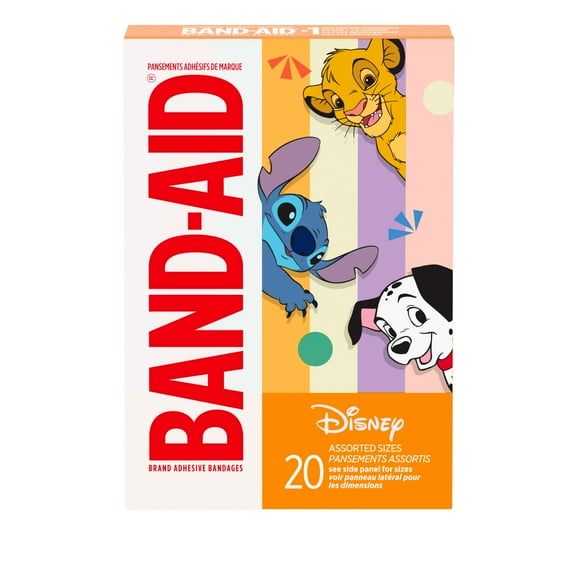
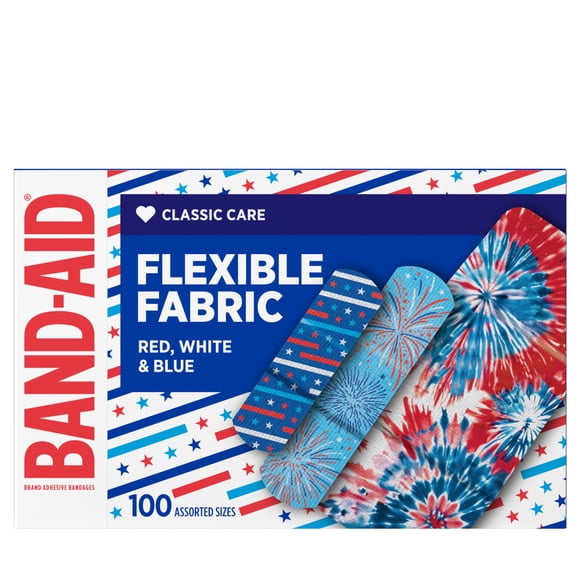
Playful bandages
Colors & patterns for happier healing.
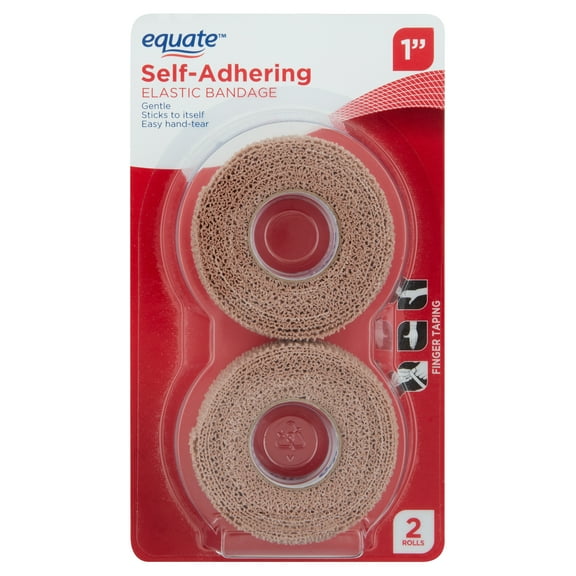
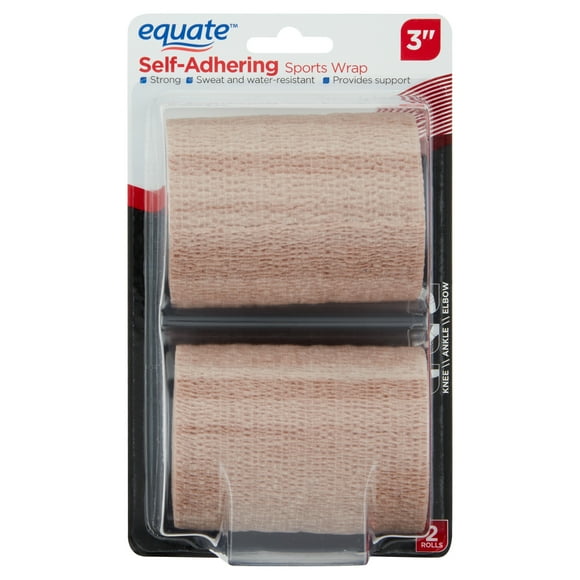
Joint & ligament support


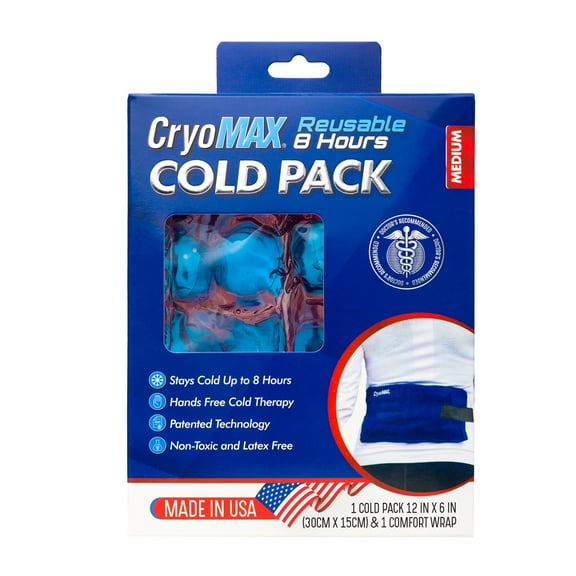
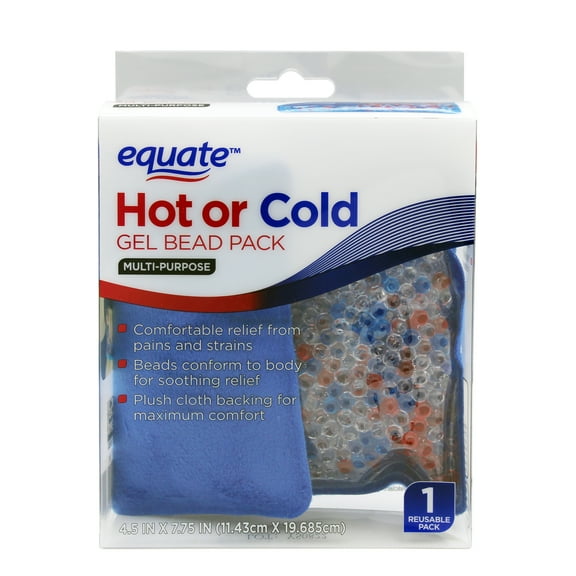
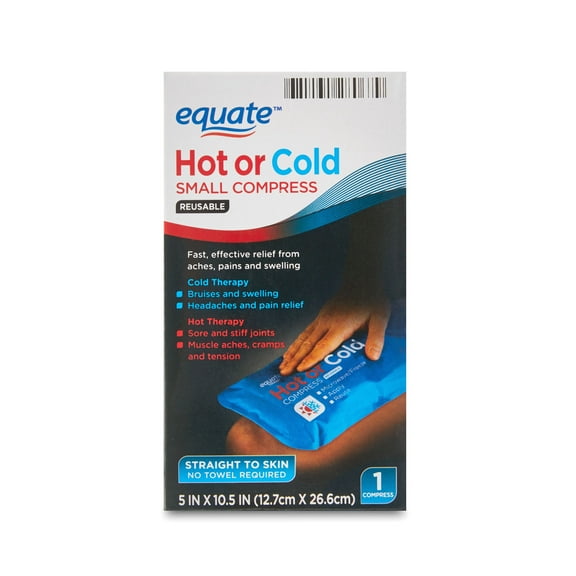
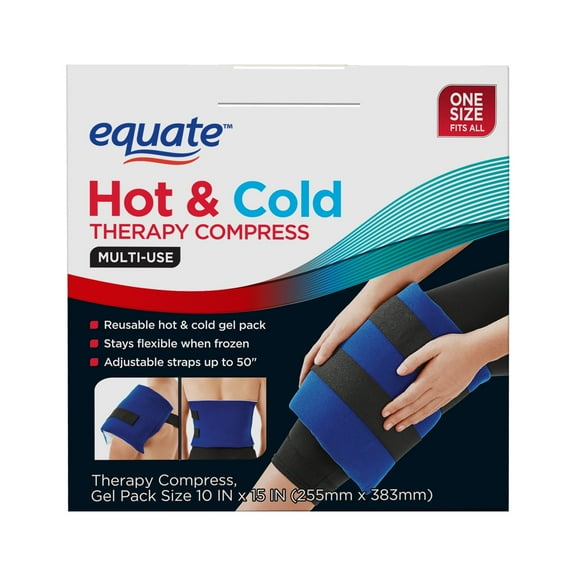
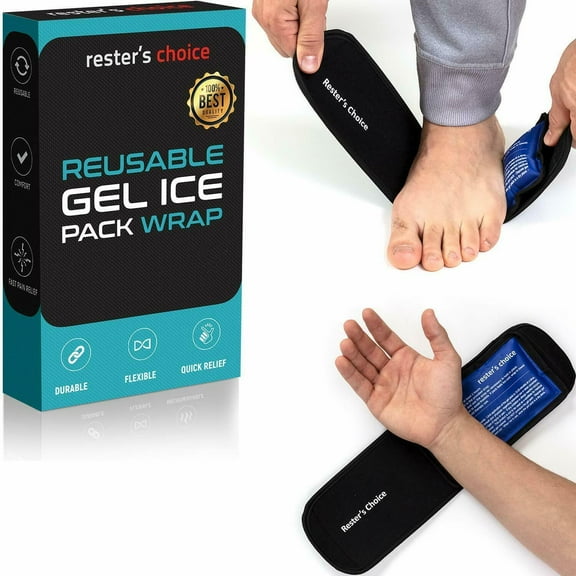
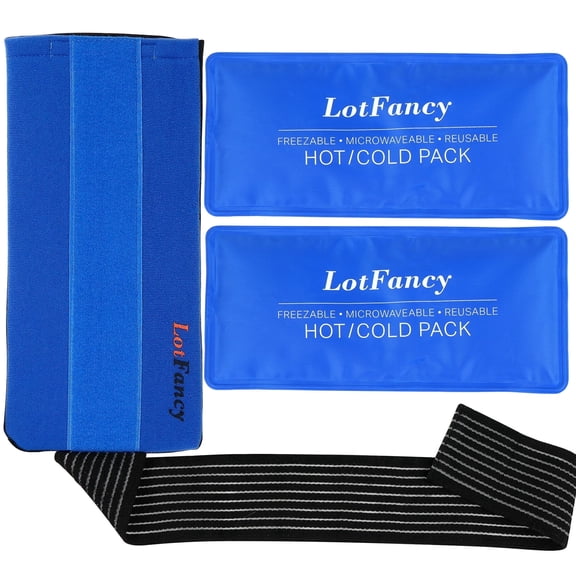
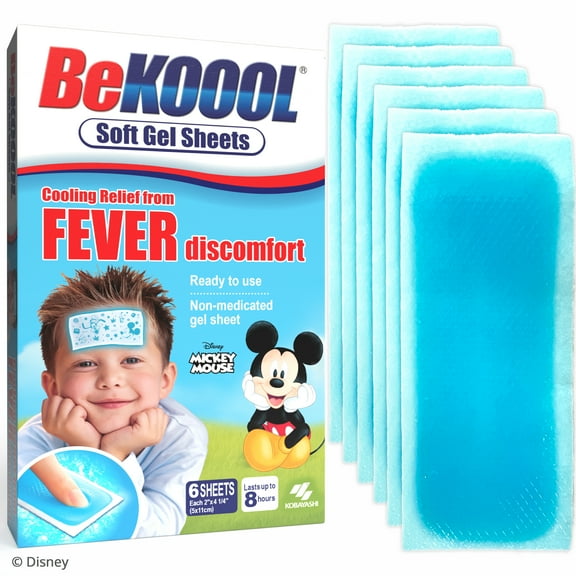
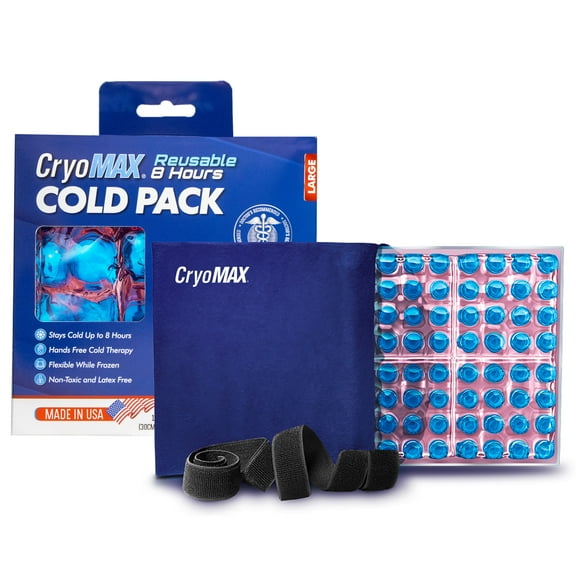
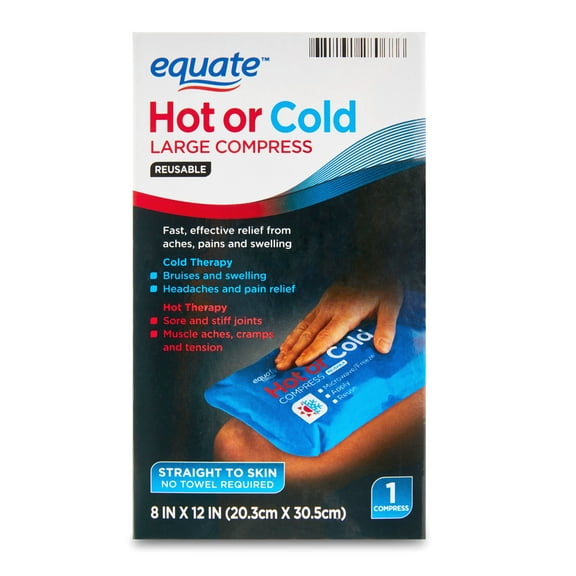
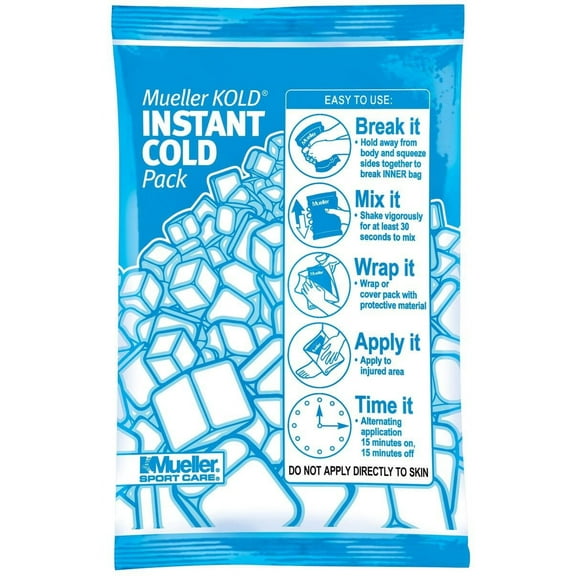
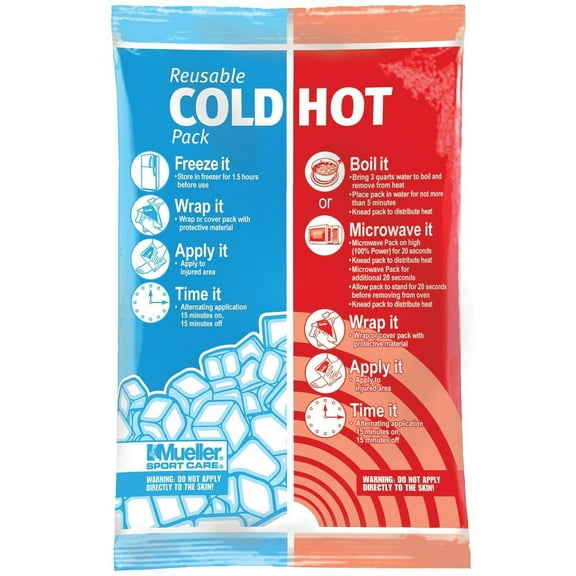
Hot & cold packs
Relief for daily aches to minor strains.












Shop all first aid
Uses external data. Price when purchased online













FAQ
About First Aid Solutions & Supplies | Buy Neotrex at Walmart - Walmart.com
When you buy neotrex and other first aid essentials at Walmart, you get clearer guidance for wound care, cleanup, and home readiness. You can compare creams, ointments, bandages, and liquid options in one place, using real first aid decisions.
Whether you’re restocking a bathroom cabinet or updating a travel kit, you can sort products by type, ingredient, application, and form. That structure helps you choose supplies that fit your routine without second-guessing each option.
How to choose first aid solutions and buy neotrex
Start with the kind of care your home, car, or bag needs most often. You’ll narrow options faster when you compare first aid kits, gauze, antiseptics, ointments, and bandages by intended use.
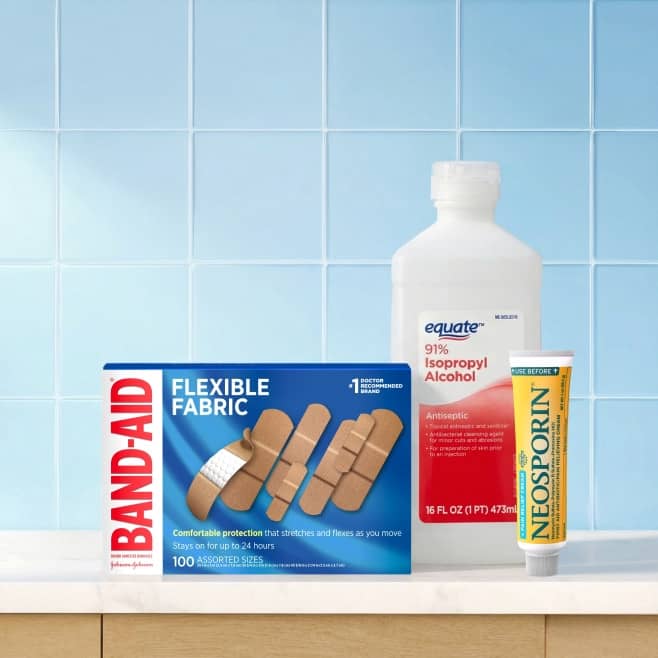
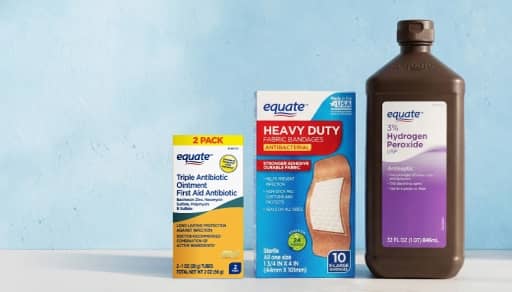
For small cuts and scrapes, you’ll want wound care supplies that clean, cover, and protect in simple steps. For grab-and-go coverage, you’ll likely prefer a stocked kit with wraps, pads, and adhesive bandages together.
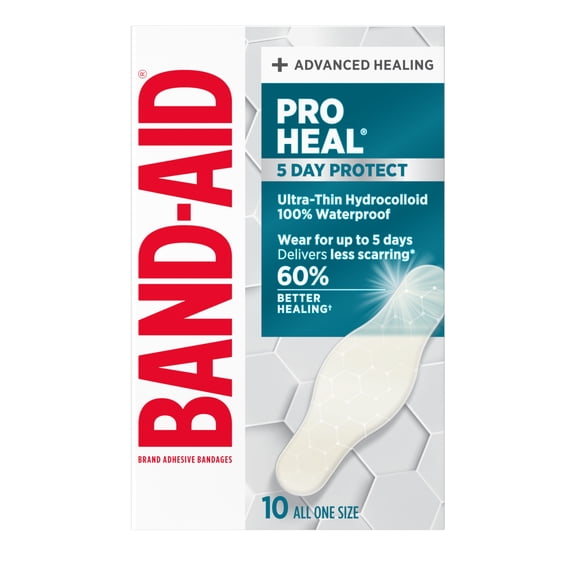
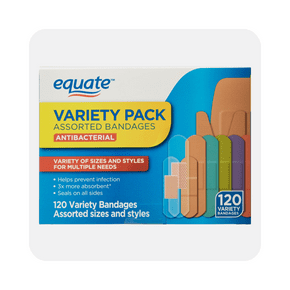
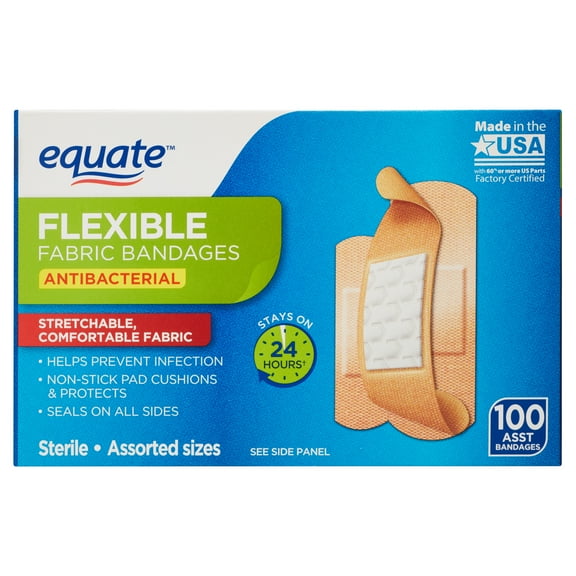
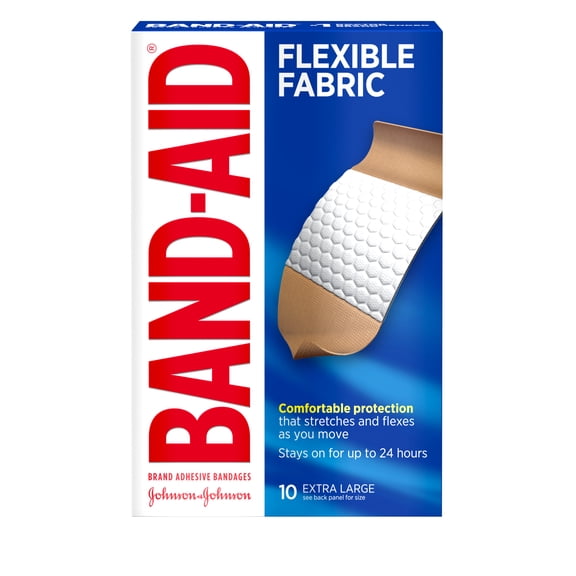
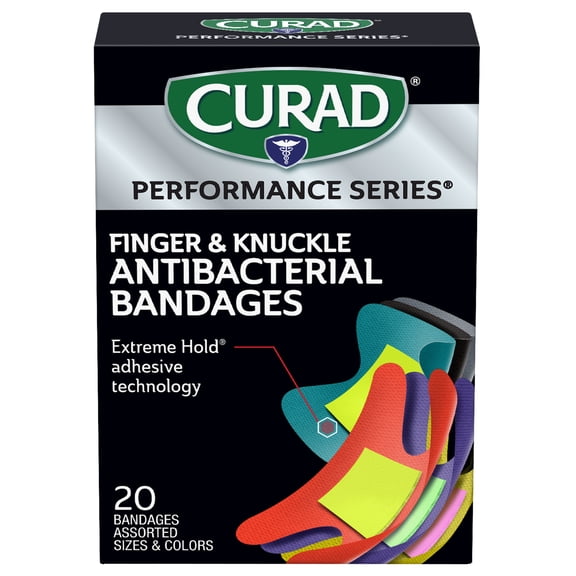
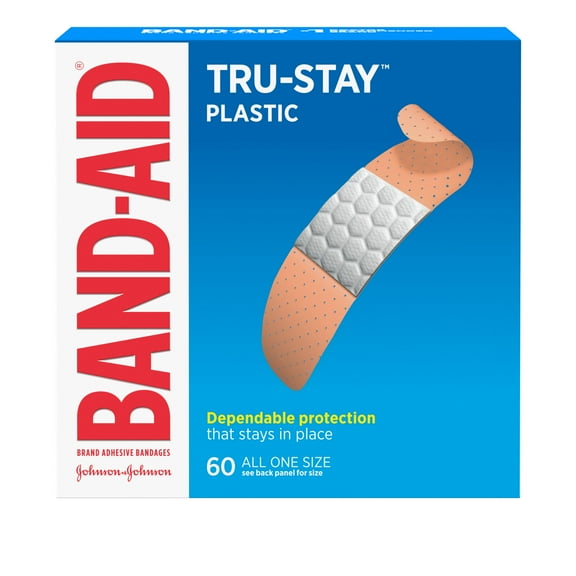
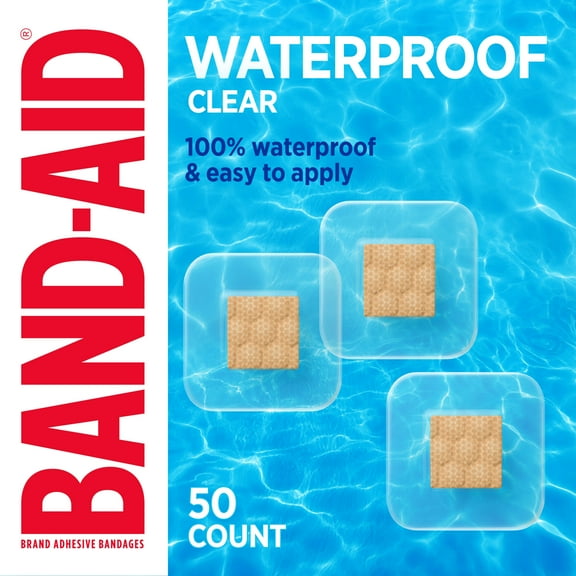
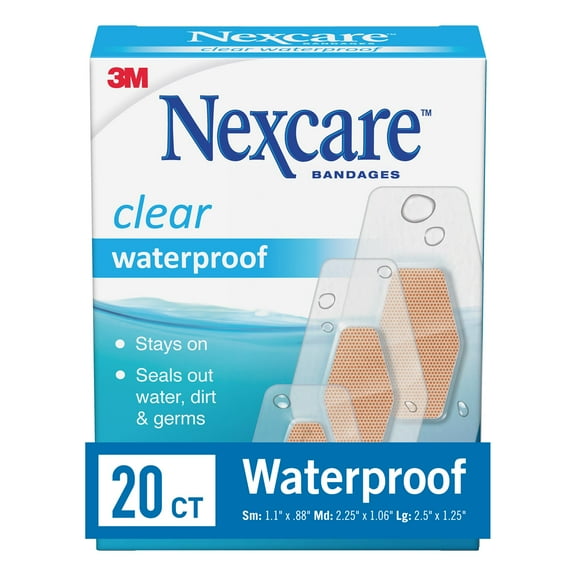
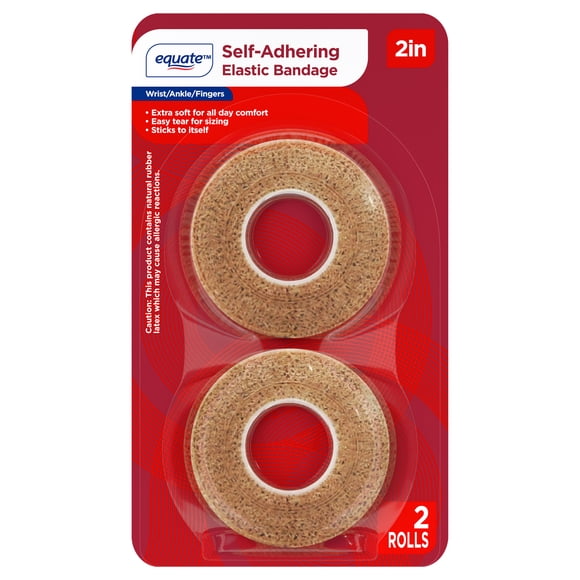
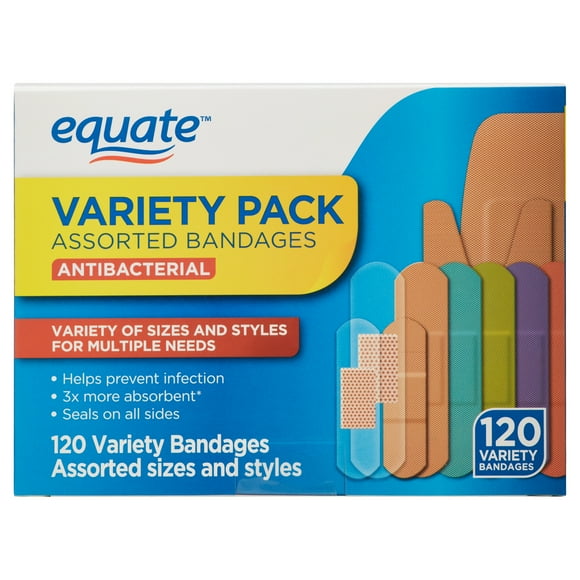
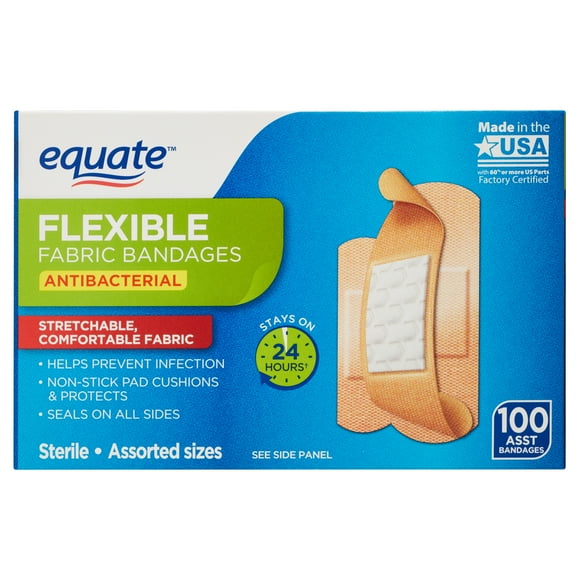
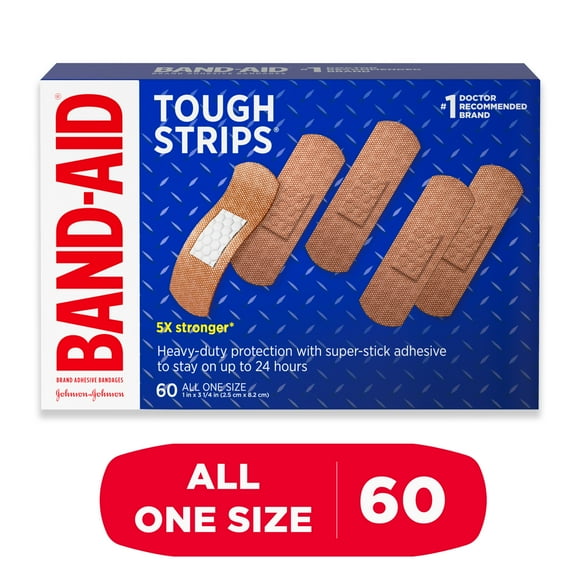
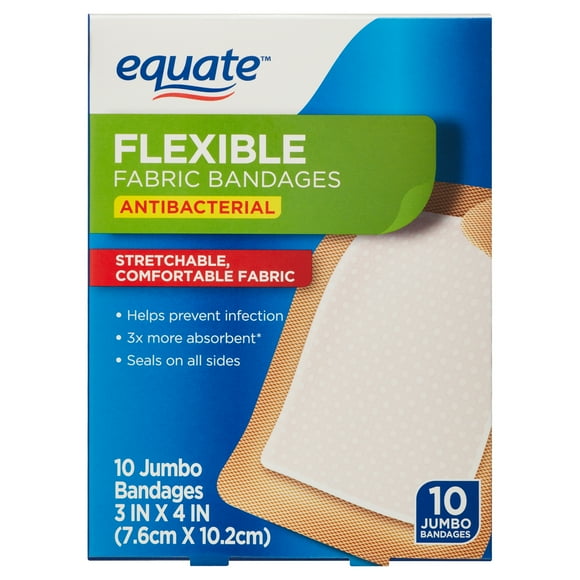
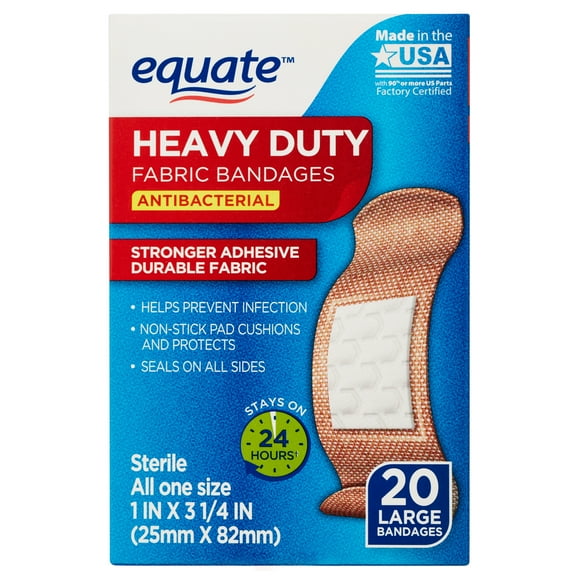
- Your bandages can give quick coverage on fingers, knees, elbows, and other busy spots.
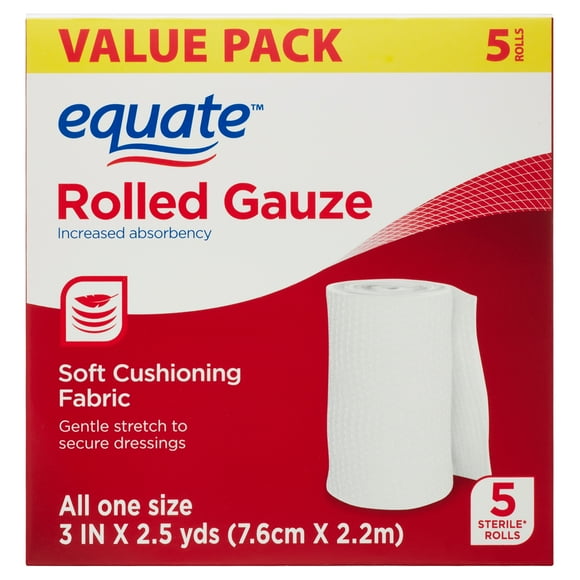
- Your gauze can offer flexible wrapping for larger areas or layered dressing changes.
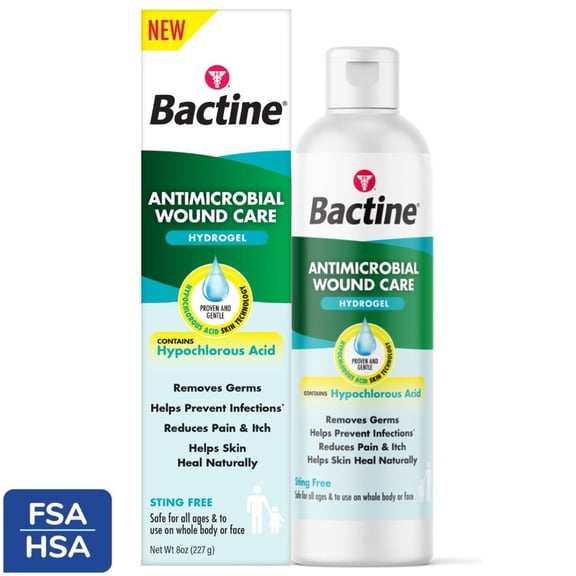
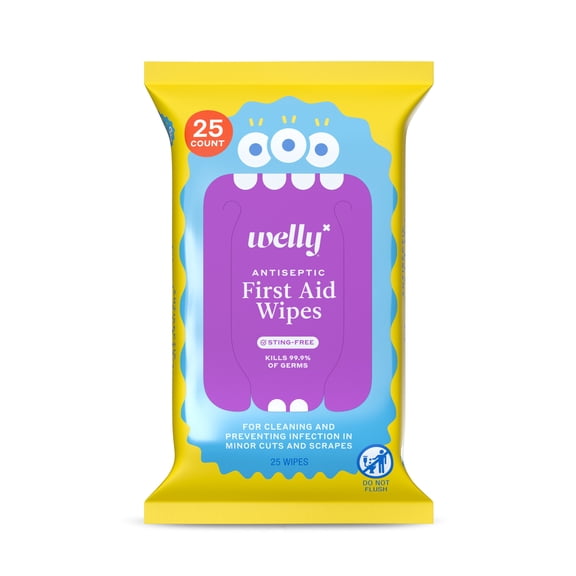
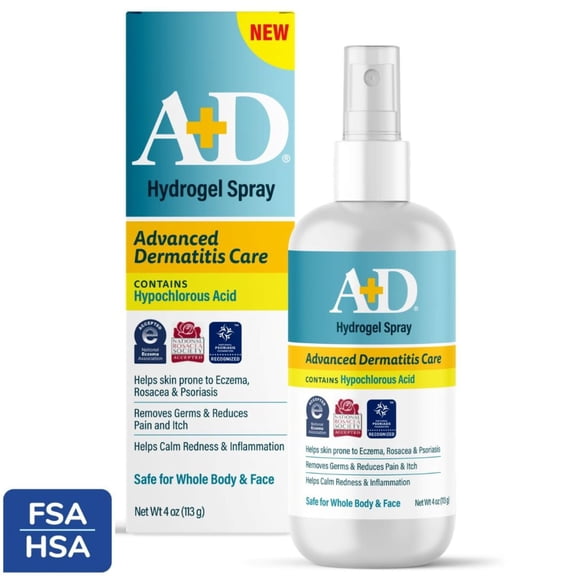
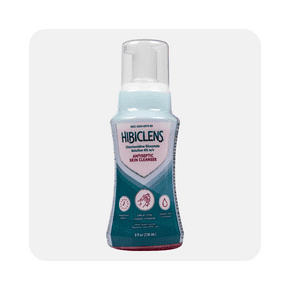
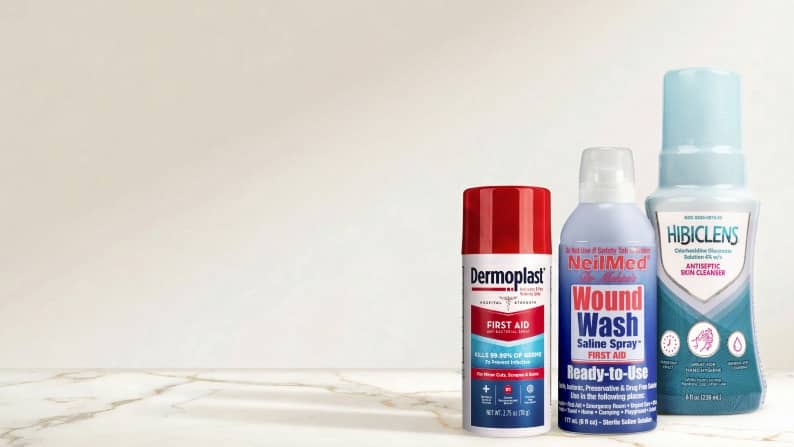
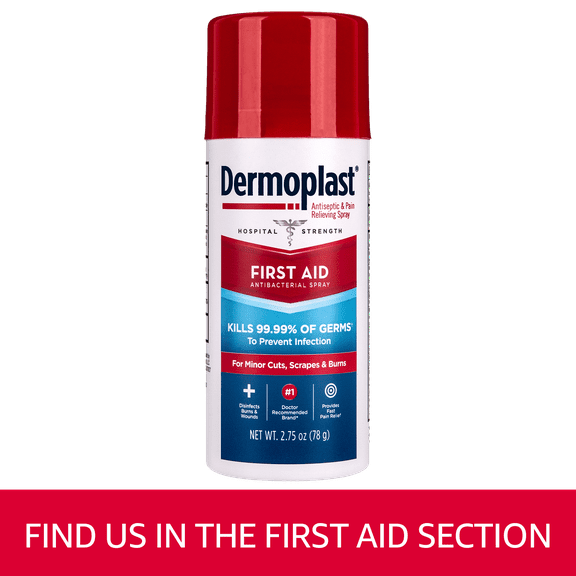
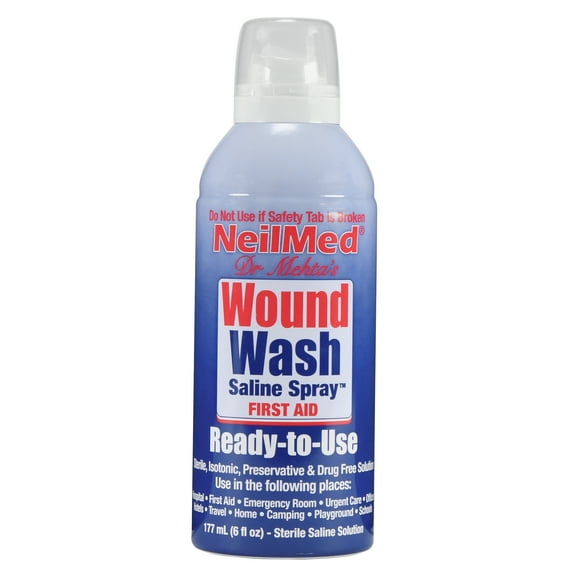
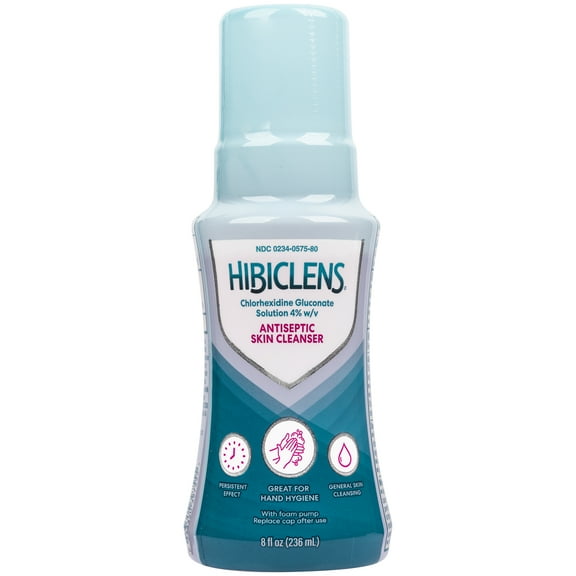
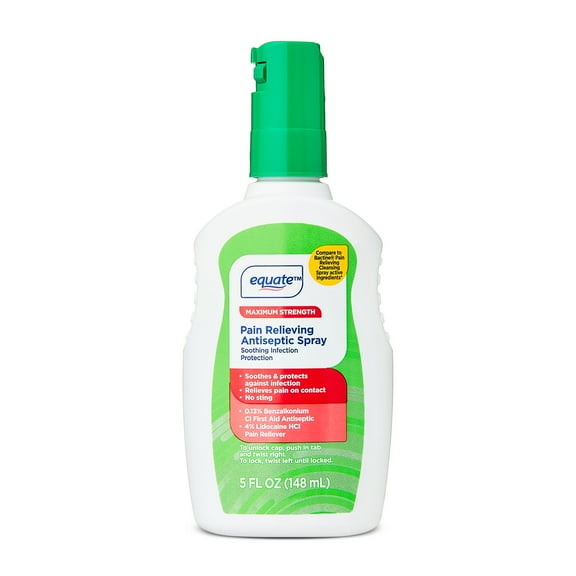
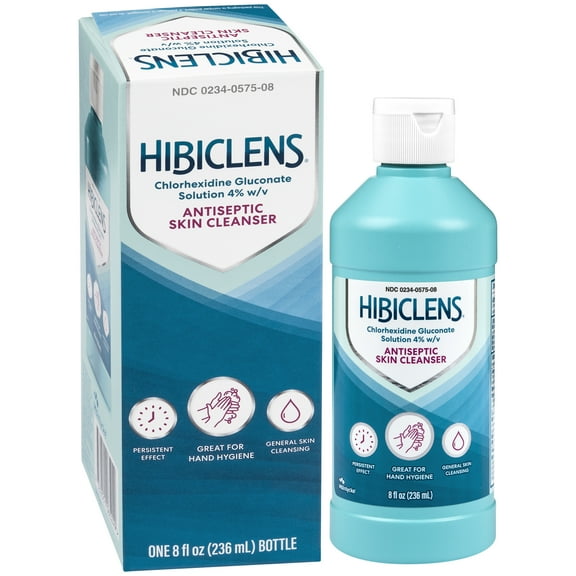
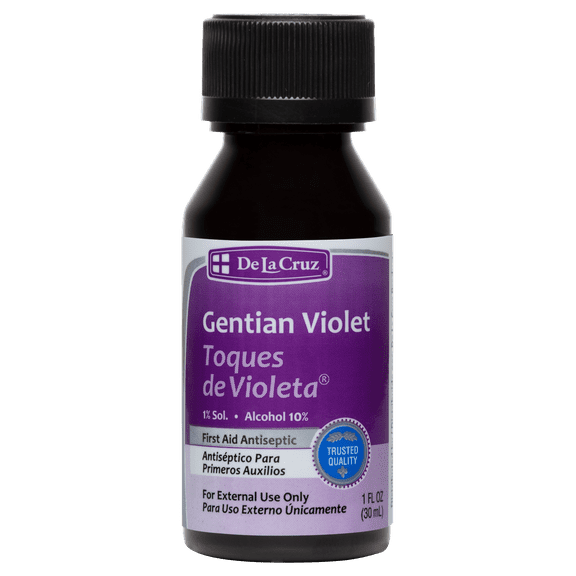
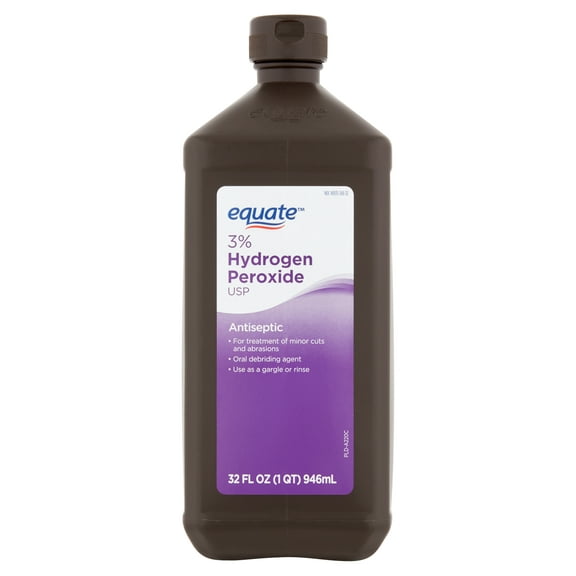
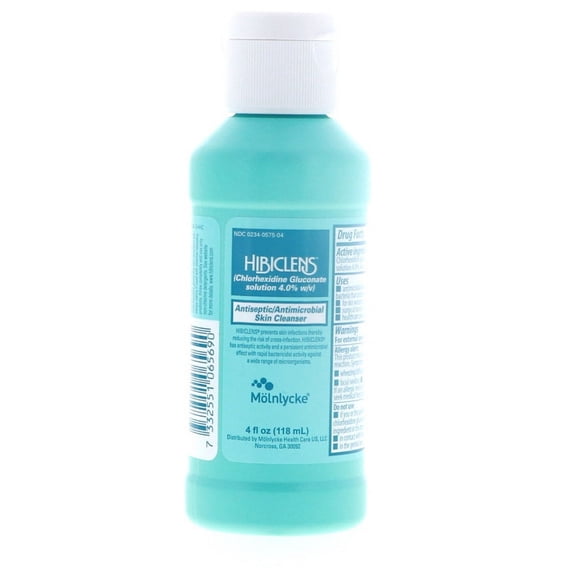
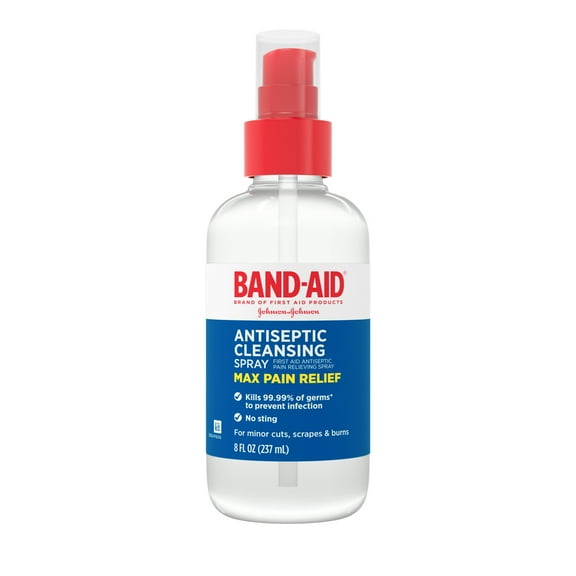
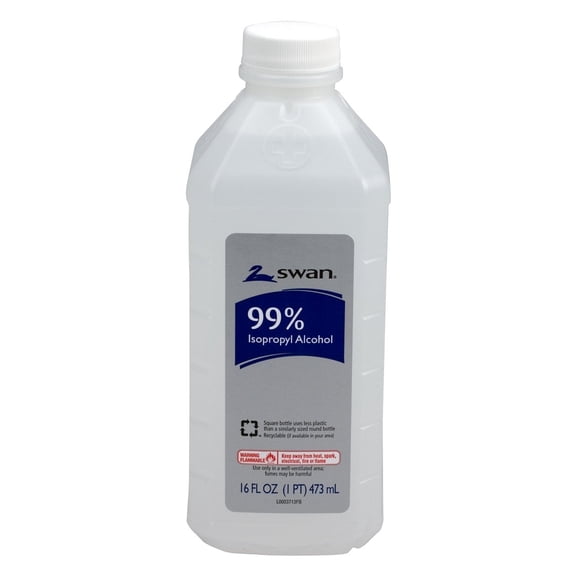
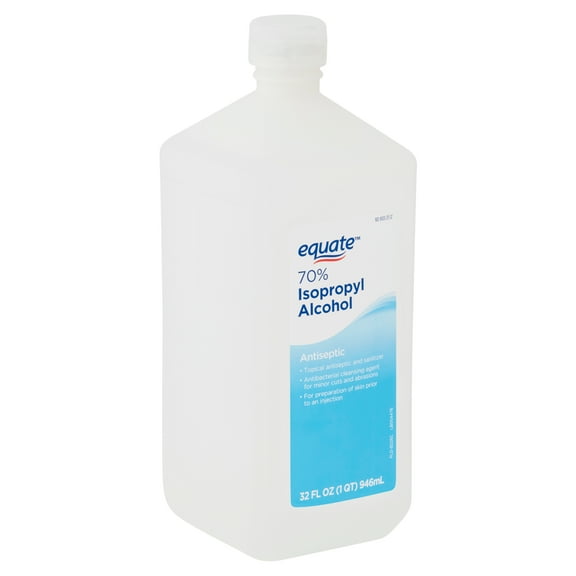
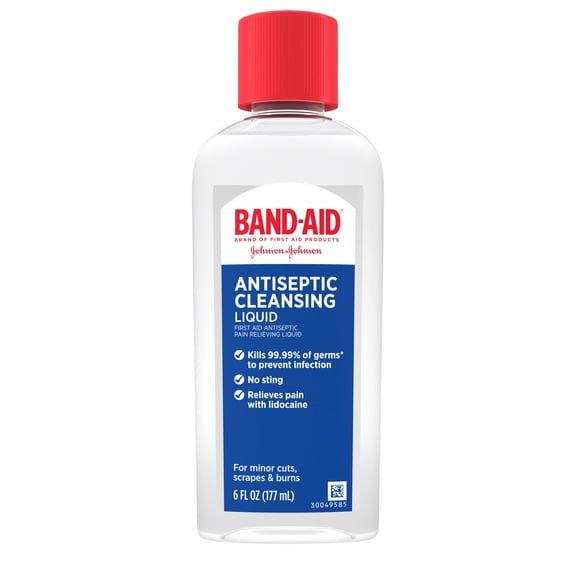
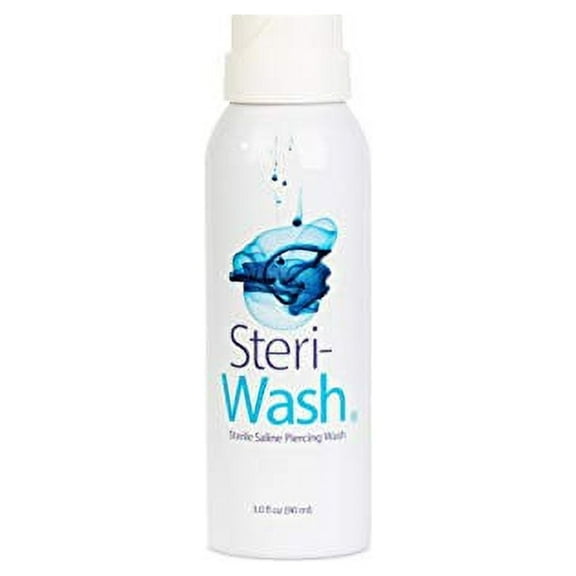
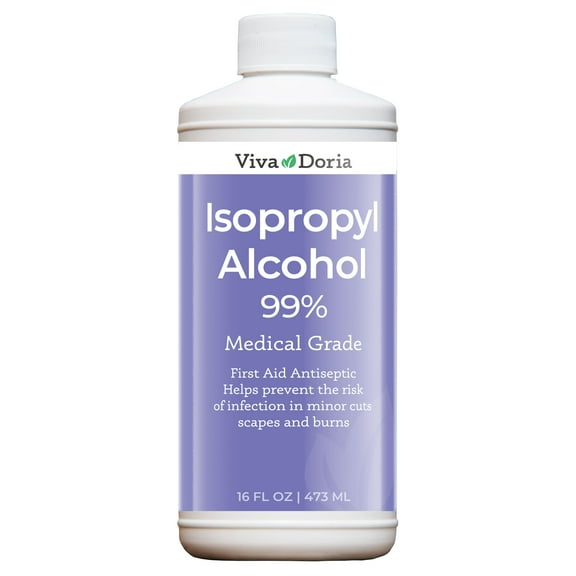
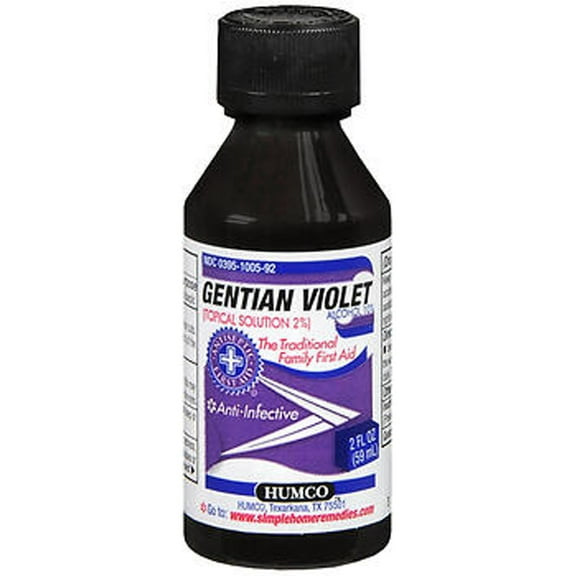
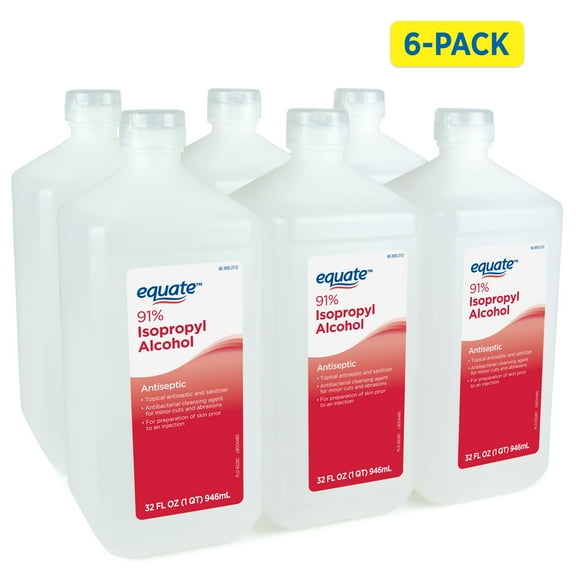
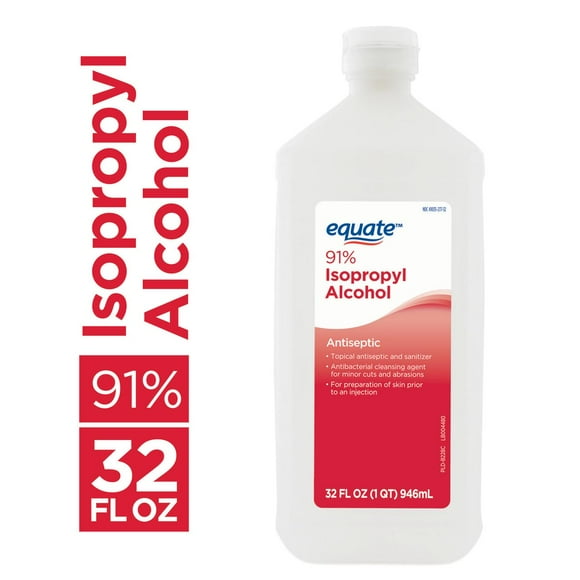
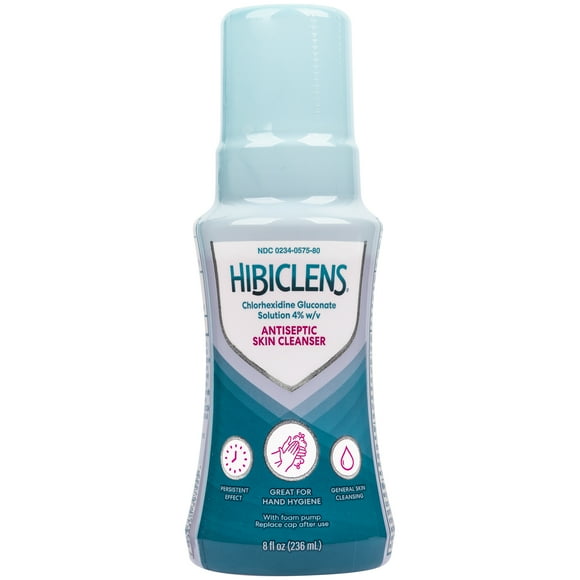
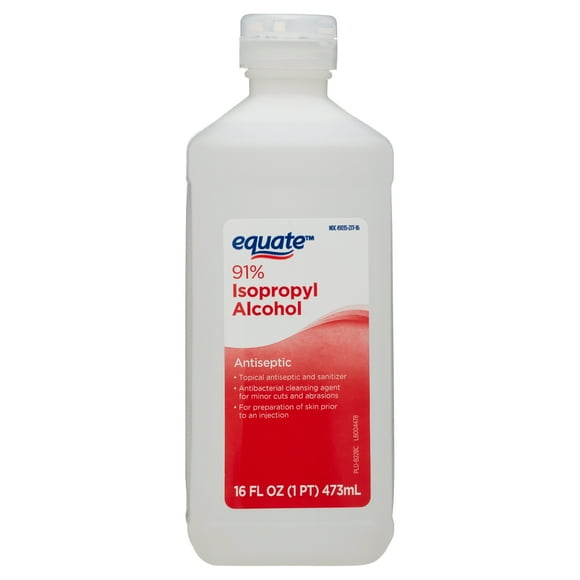
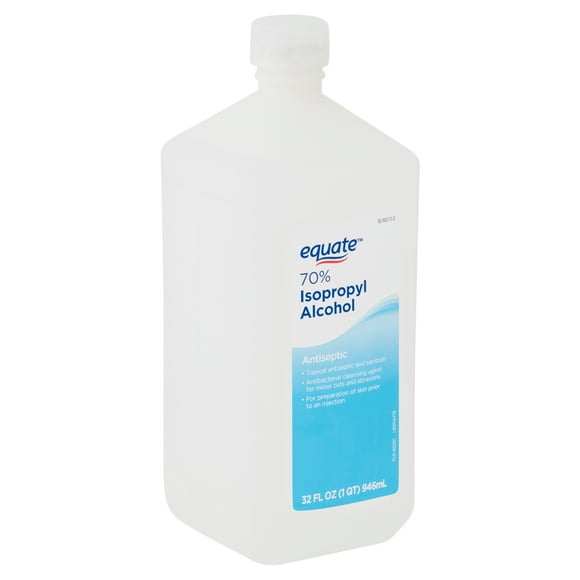
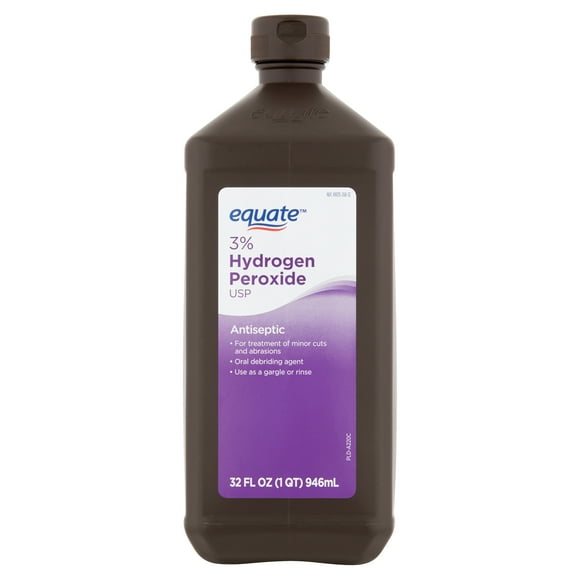
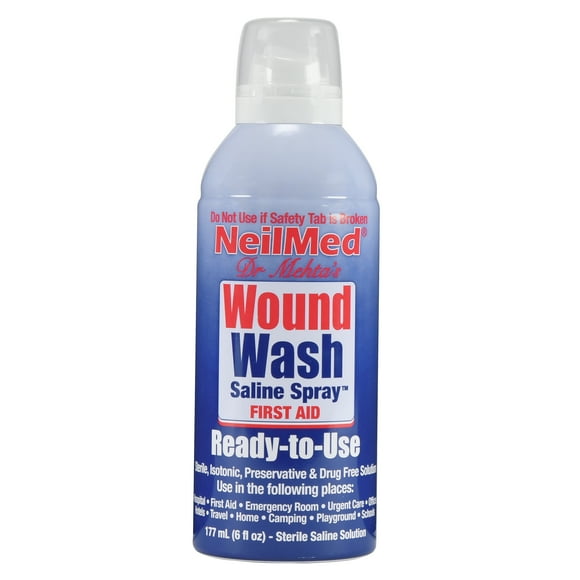
- Your antiseptics and liquid solutions can support cleansing before you add coverage.
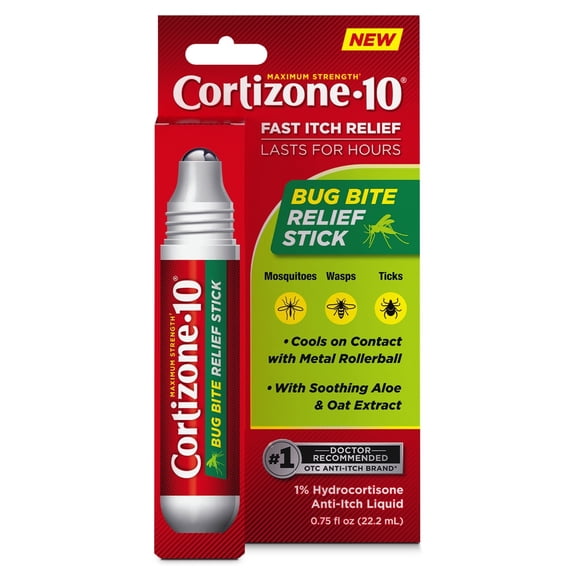
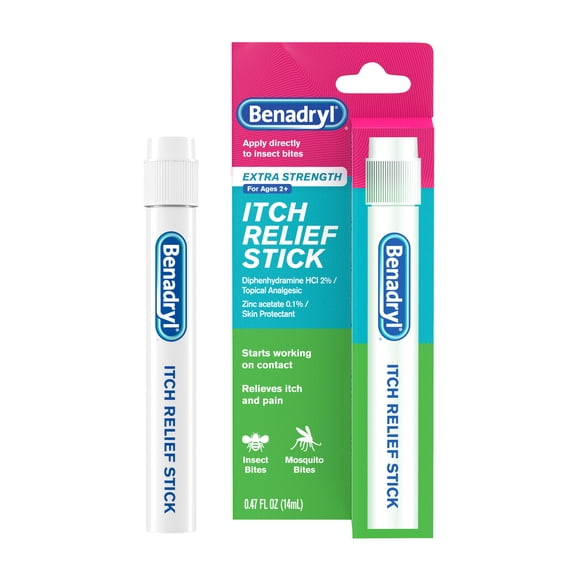
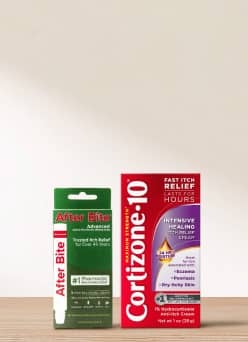
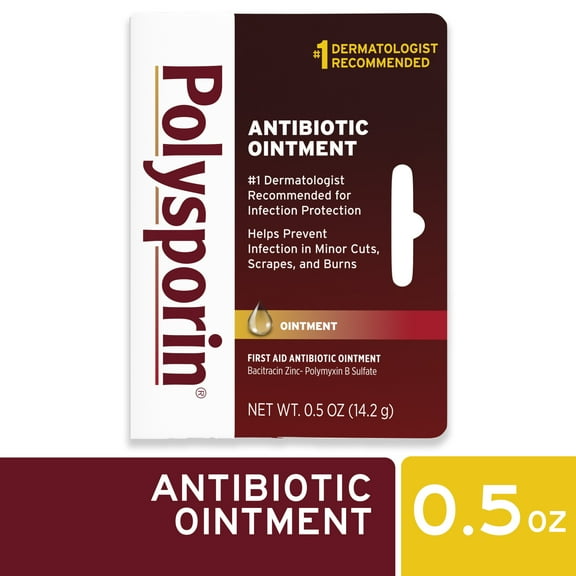
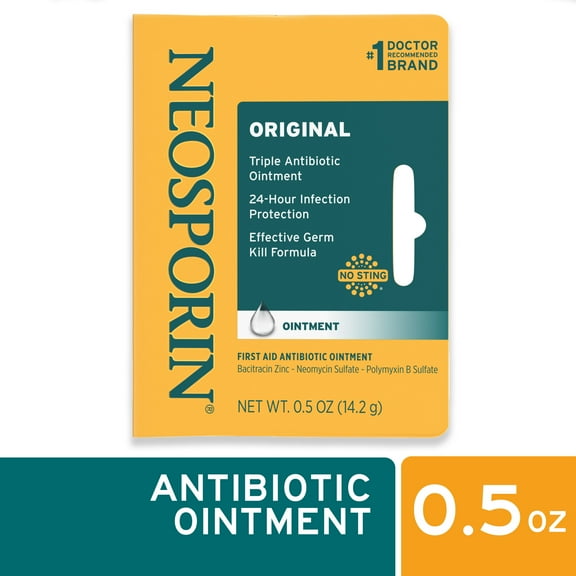
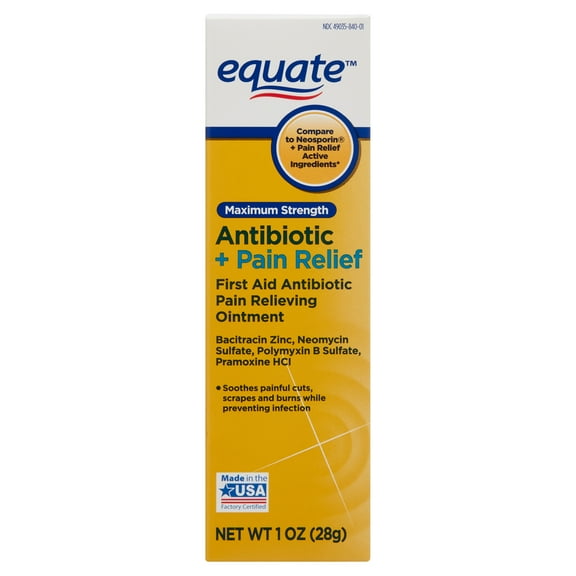
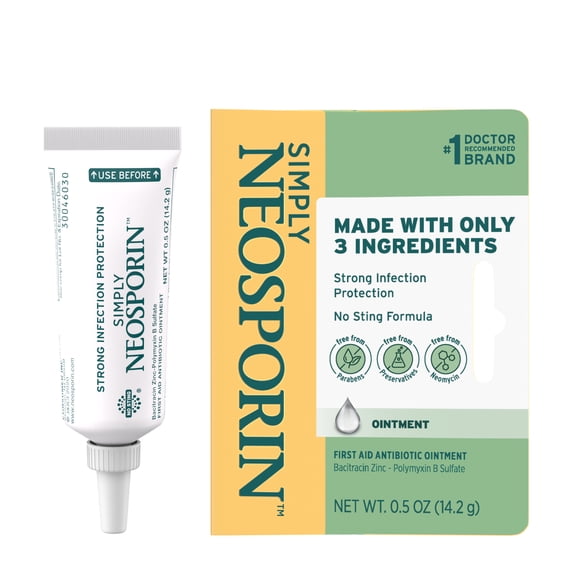
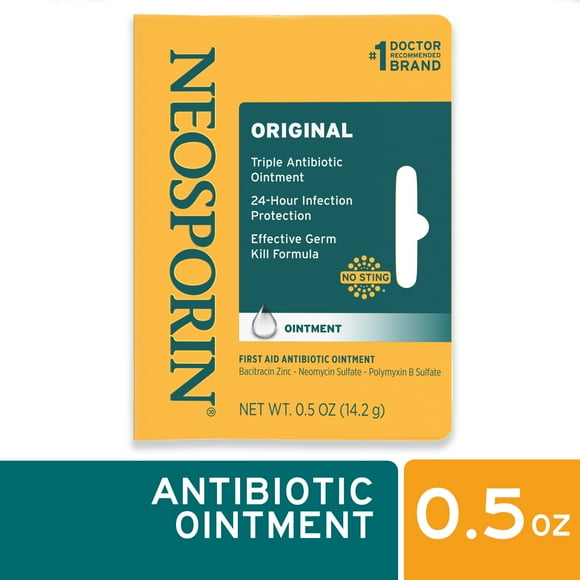
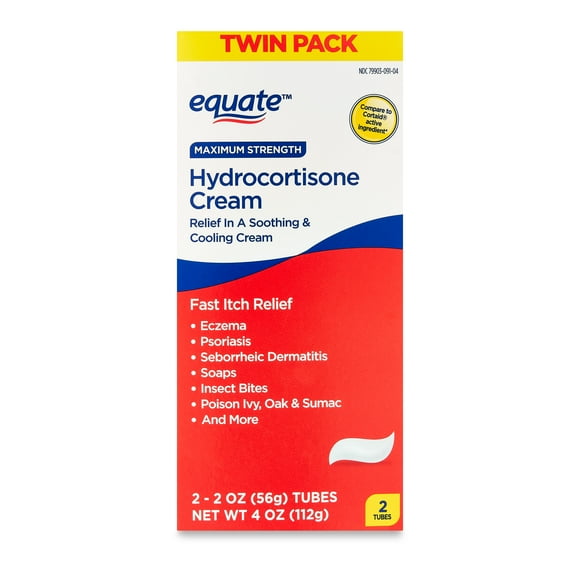
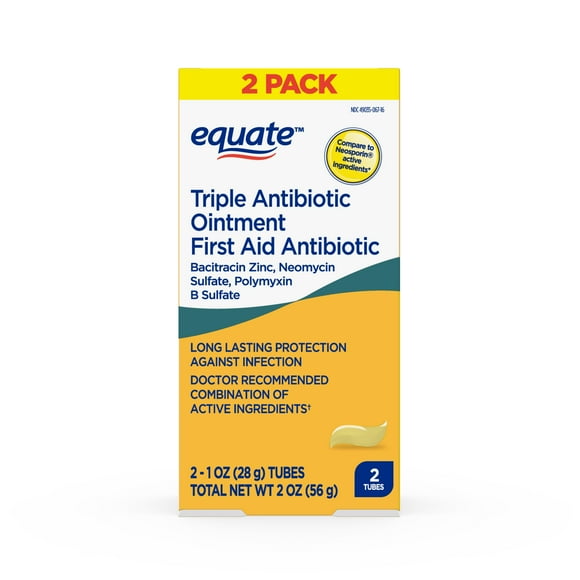
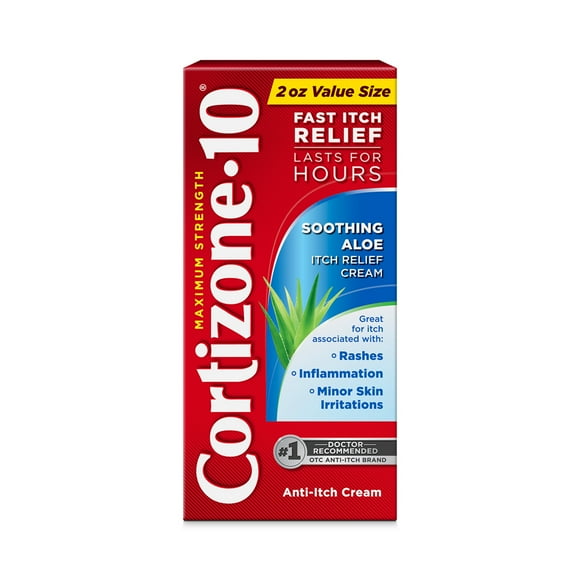
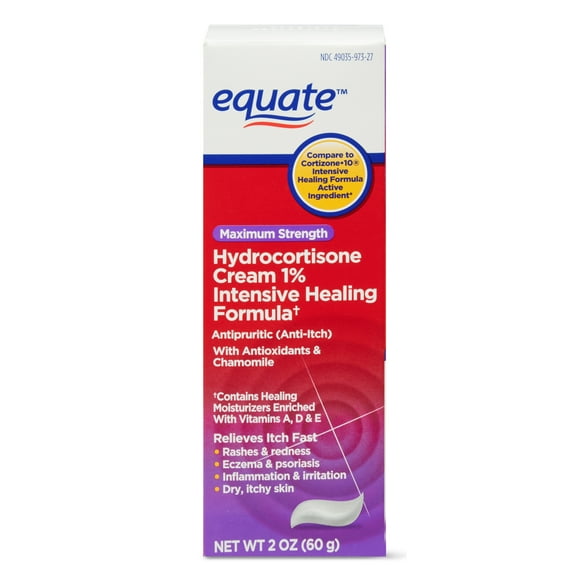
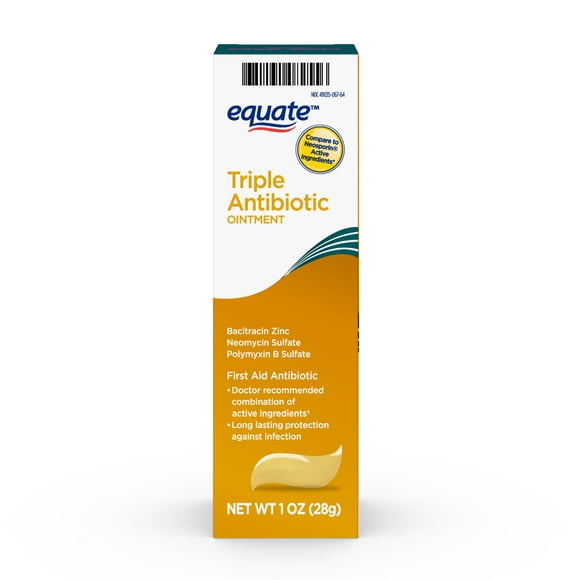
- Your creams and ointments can provide a spreadable format for targeted application.
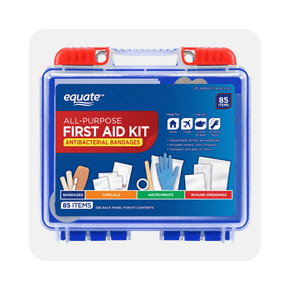
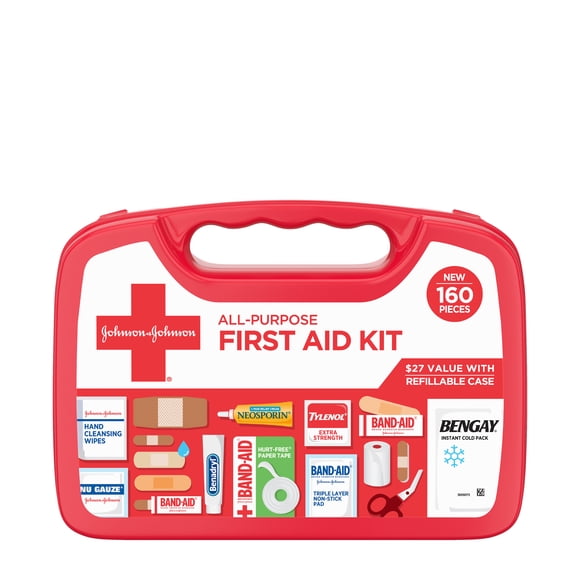
- Your first aid kits can keep everyday basics organized in one container.
Different routines call for different formats, so you’ll want to compare eye care, burn care, and general wound care items separately. That approach helps your setup stay practical, because each item serves a clear purpose.
Choosing product type, active ingredients, and first aid tube formats
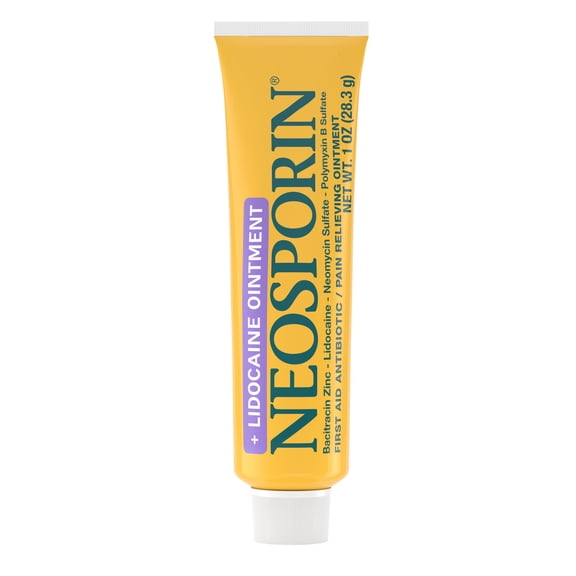
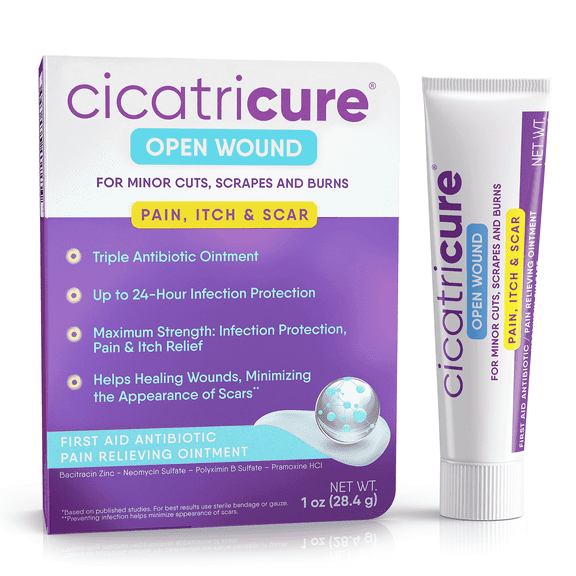
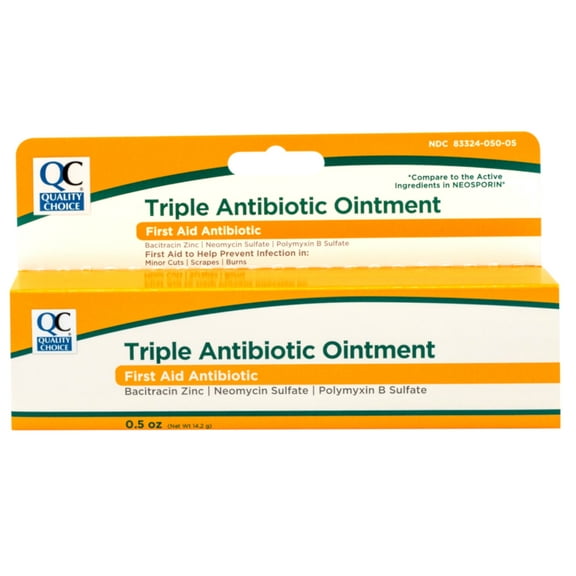
Product type matters first because format affects how you apply, store, and carry each item. If you want compact topical care, you’ll often notice a first aid tube works well in a drawer, bag, or kit.
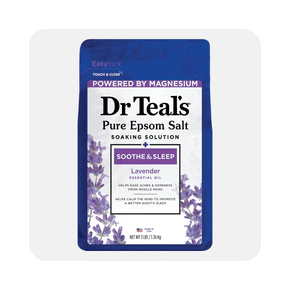
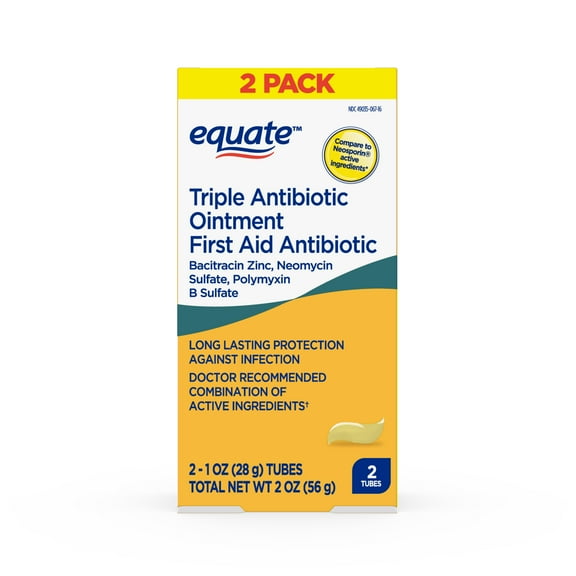
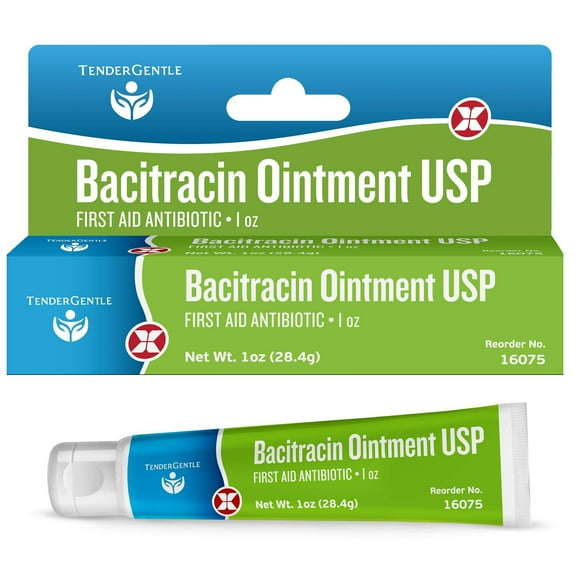
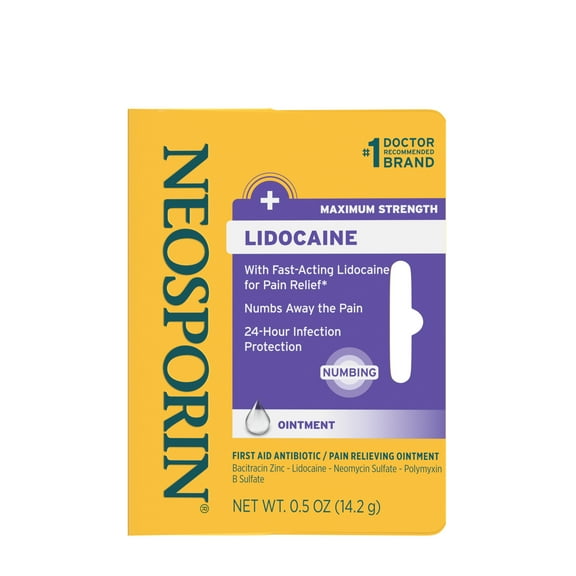
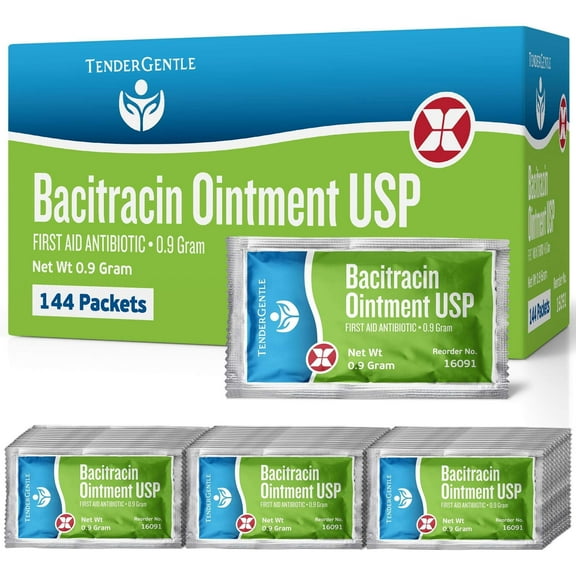
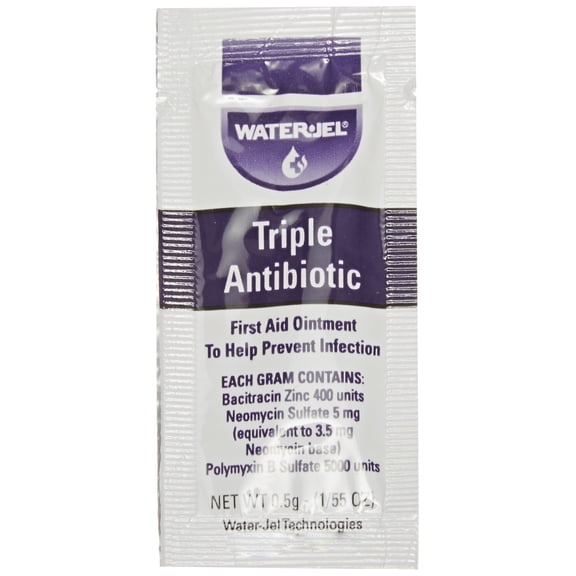
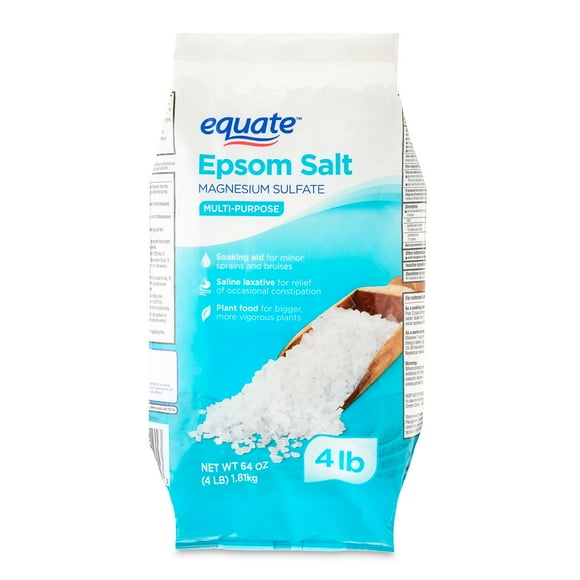
When you compare active ingredients, you can check names like bacitracin, neomycin, polymyxin, zinc, or epsom salt. Those labels help your decision, because each formula may fit a different routine or preference.
As you review options, check whether you want a cream, ointment, tablet, or liquid solution. Creams can feel lighter, while ointments can leave a thicker layer where you place them.
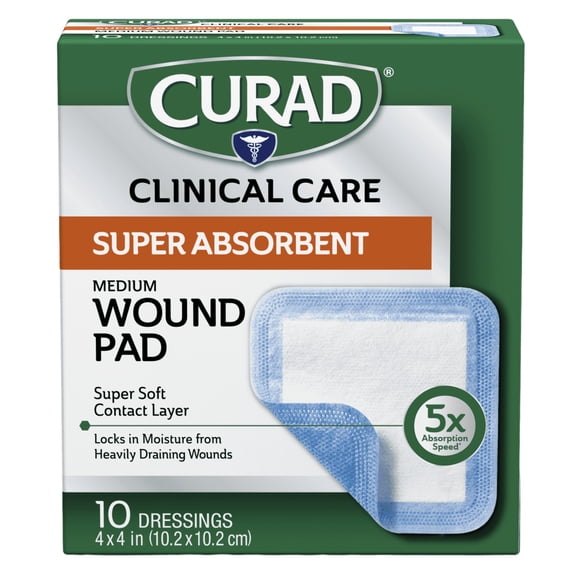
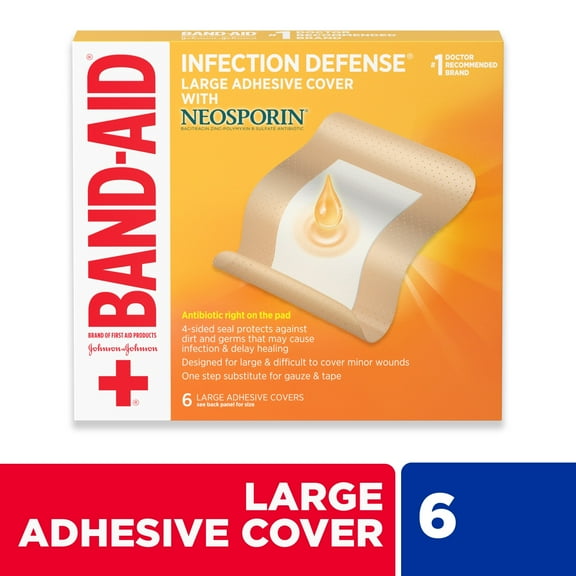
Technical details can also guide your choice when you need specific wound care supplies. You’ll want to compare sterile pads, adhesive strength, wrap length, and package size for home, car, or travel use.
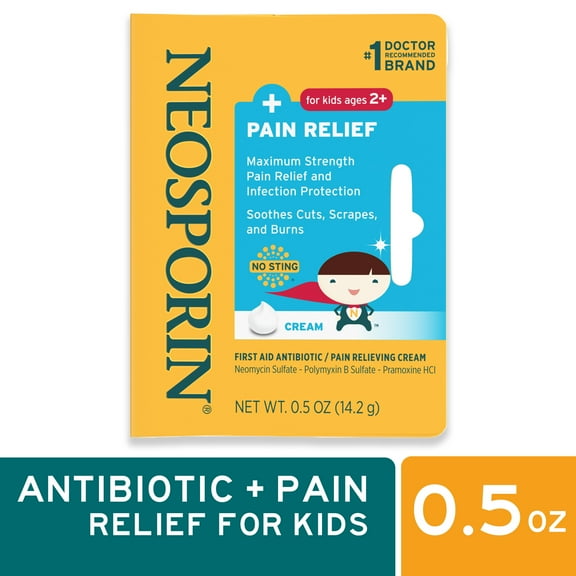
If age suitability matters in your household, read labels closely before you choose active ingredients. You’ll also want to check package directions and contraindications when you compare options for shared family kits.
Matching wound care supplies to real household use
Your setup works harder when you match supplies to the situations you handle most often. If your routine includes playground scrapes, kitchen nicks, or camping mishaps, you’ll want cleansing, coverage, and follow-up items together.
For minor household cuts, you can pair a first aid solution with gauze or bandages for a simple routine. For burn care needs, you can compare dressings and topical formats that match your preferred application style.
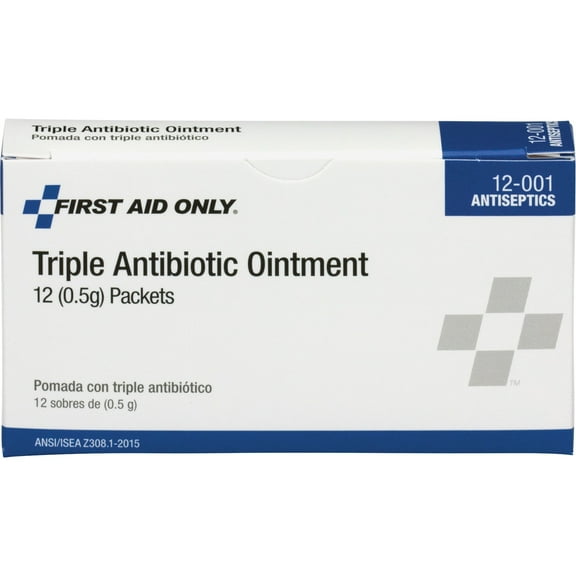
If you travel often, compact packets, a first aid tube, and slim bandages can fit neatly in a backpack. When you keep a car kit, sealed items can stay organized and easier for you to locate.
Home cabinets often need a broader mix than travel kits, so you’ll want room for ointments, antiseptics, and extra gauze. Smaller kits work well when you focus on the basics you use most.
For eye care or specialized routines, narrow your search by application and form before you choose. That filter helps your cabinet stay organized, because each item supports a distinct first aid task.
What to look for in a first aid pharmacy section
A useful first aid pharmacy section helps you move from cleanup to coverage without extra searching. You’ll compare wound care supplies, antiseptics, bandages, and ointments more easily when choices follow your routine.
Look for category cues that separate first aid solution options from wraps, dressings, and topical items. That structure helps you restock everyday basics and add targeted products for common home situations.
If you stock supplies for home, car, school, and travel, compare convenience with specificity. You’ll build a practical setup when each location has the right mix of bandages, gauze, antiseptics, and topical care.
Common first aid questions
If you’re comparing an antibiotic for skin infection searches with regular first aid browsing, focus on product format and label details. You’ll want to review active ingredients, application area, and package directions for everyday first aid use.
Many shoppers also compare cream and ointment textures before choosing a topical item. You’ll usually prefer creams for a lighter feel, while ointments can suit routines where you want a thicker layer.
Another common question involves when to choose a kit instead of separate supplies. You’ll appreciate a kit for portability, while individual items help you customize your cabinet with exact bandages, gauze, and antiseptics.
With clear product types, ingredients, and formats in one category, you can build a first aid setup that fits your household. You’ll finish with supplies that stay organized and ready for everyday use.