Pantry Foods & Stock Up Essentials | Walmart

Delivery as soon as 1 hour*
Shop your faves, fast!Shop now

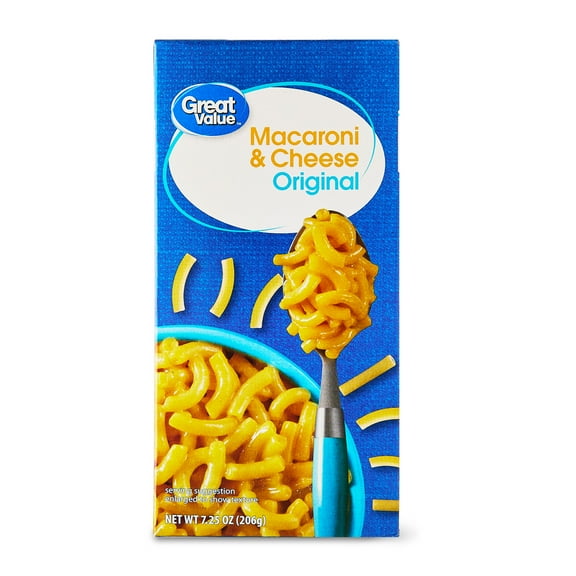
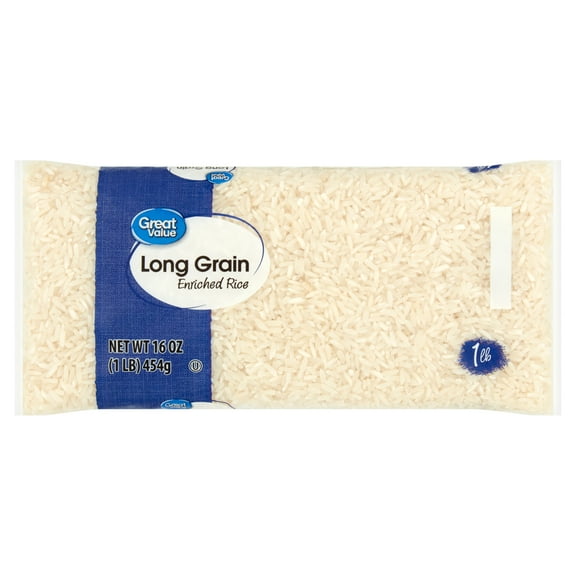
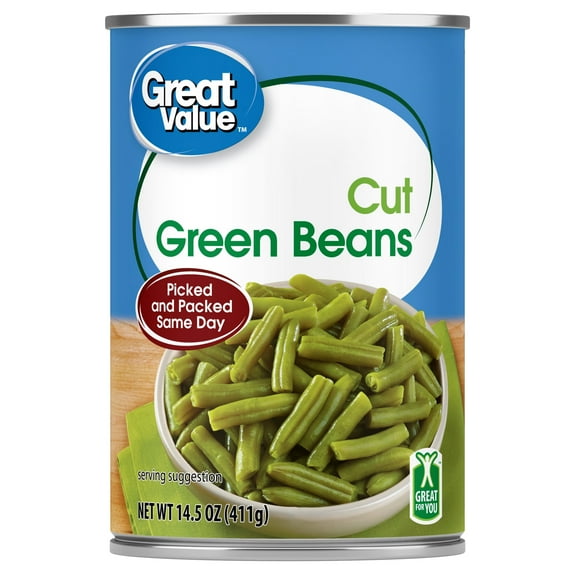
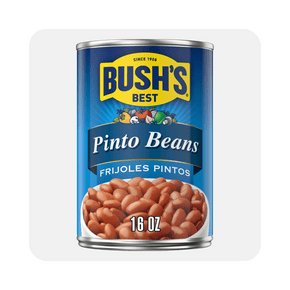
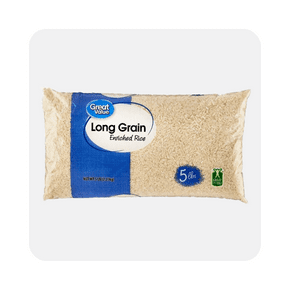
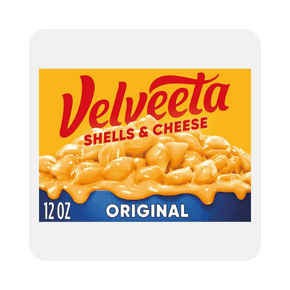
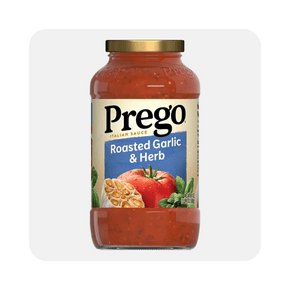
Pantry staples for under $1

View all

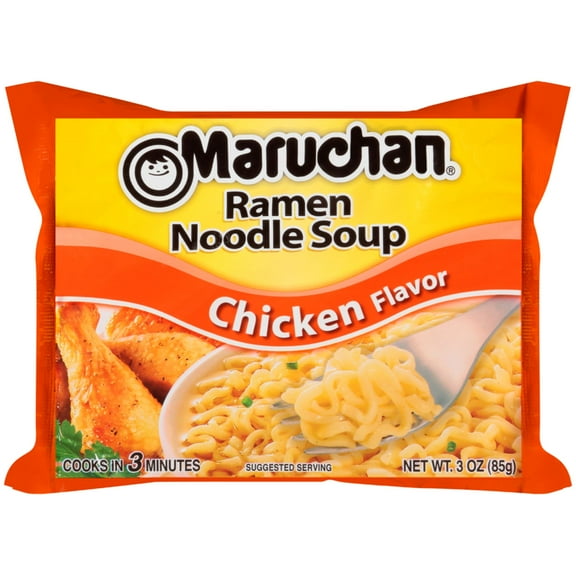
Oodles of noodles

The best way to complete a meal.

View all
A large bowl of macaroni and cheese next to a platter of fried chicken.

New finds & your go-tos

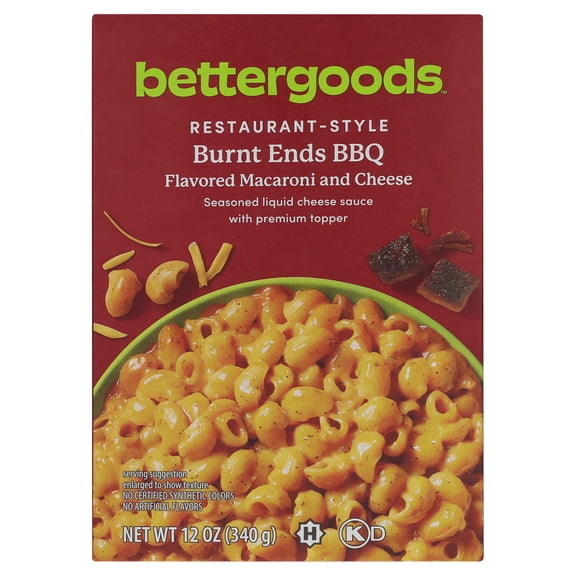
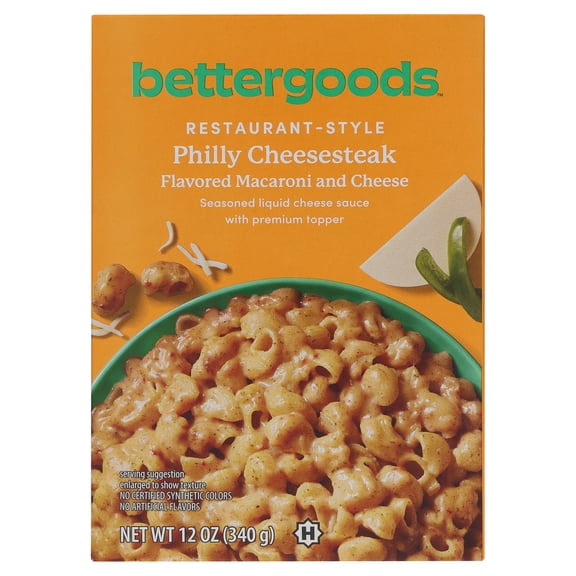
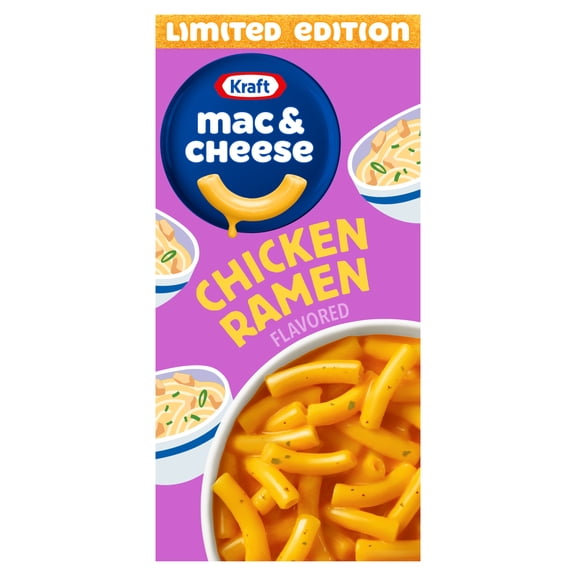
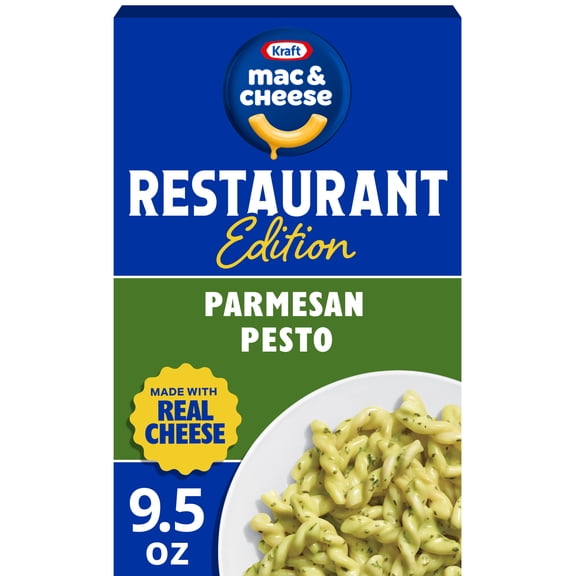
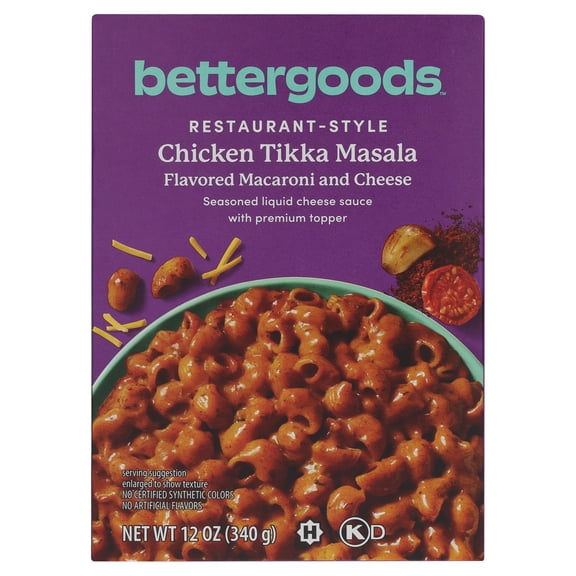
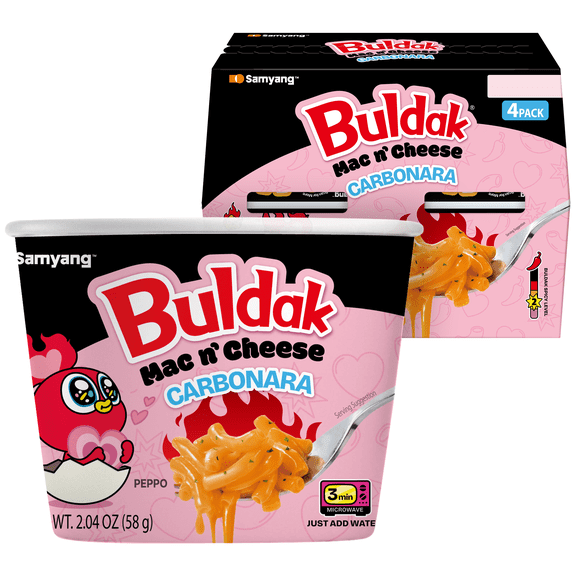
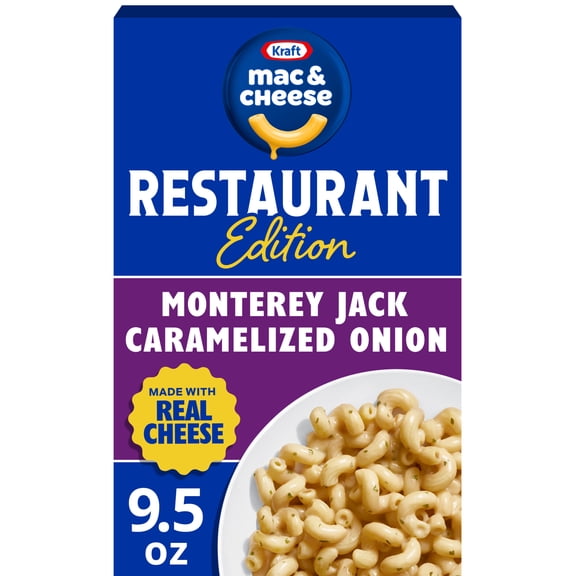
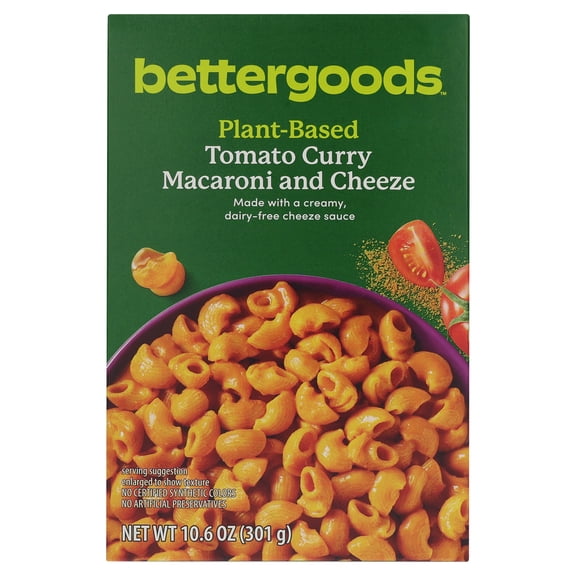
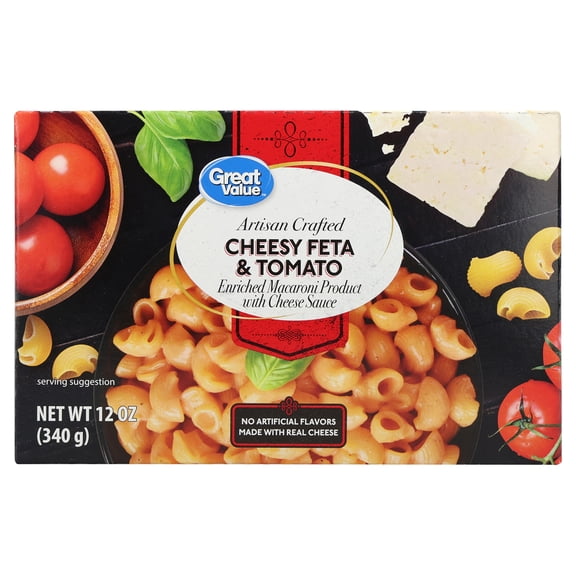
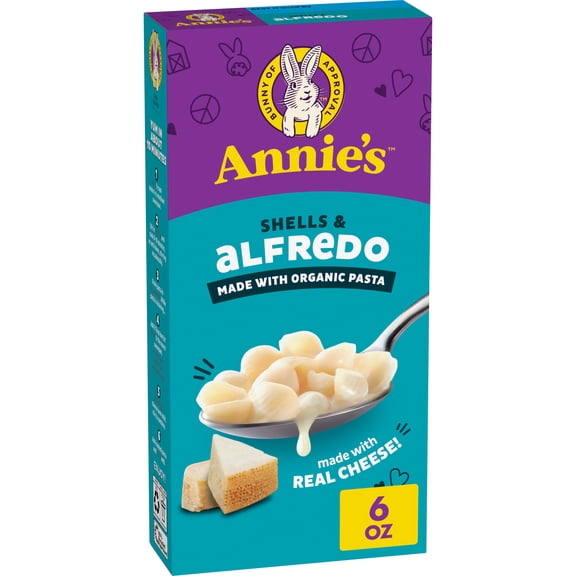
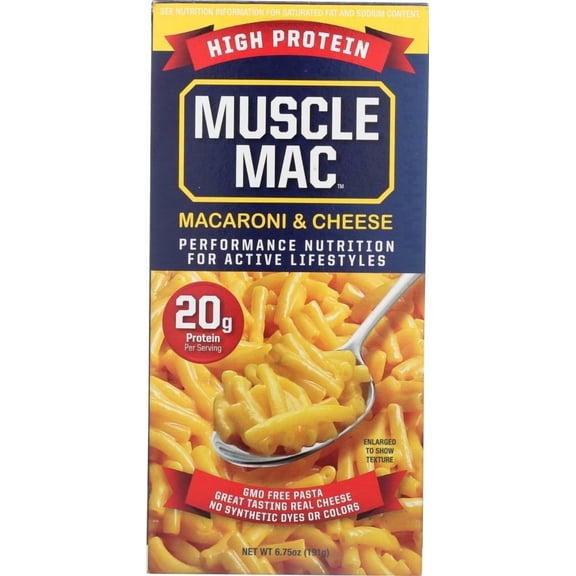
The perfect side: mac & cheese

Shop now
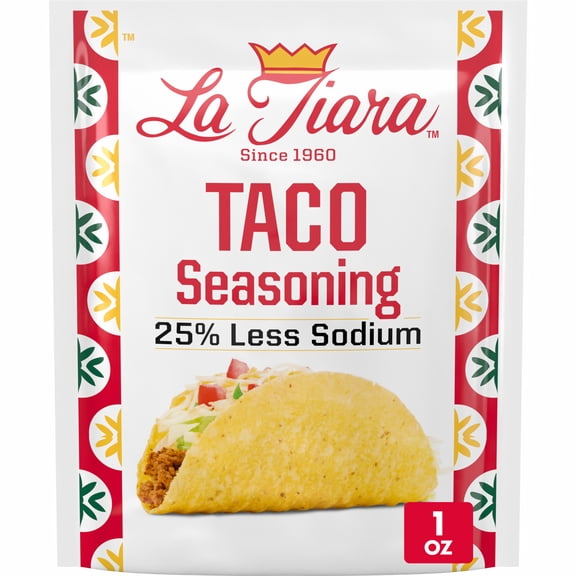
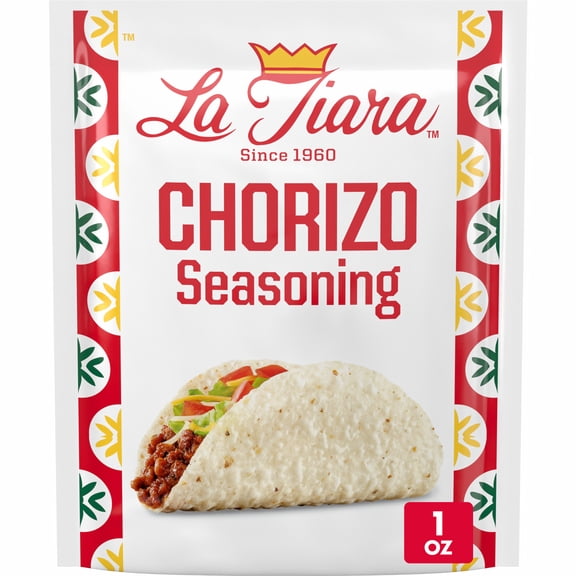
Two tacos on a plate next to a bowl of pico de gallo and a packet of La Tiara taco seasoning.

New from La Tiara & more

Taco night made easy

Shop now

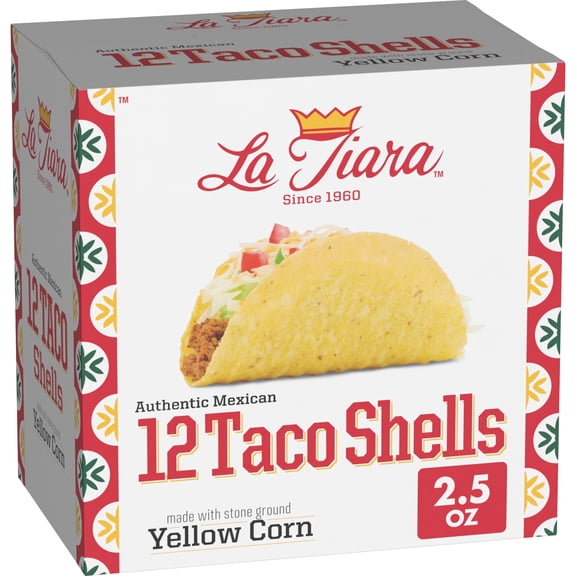
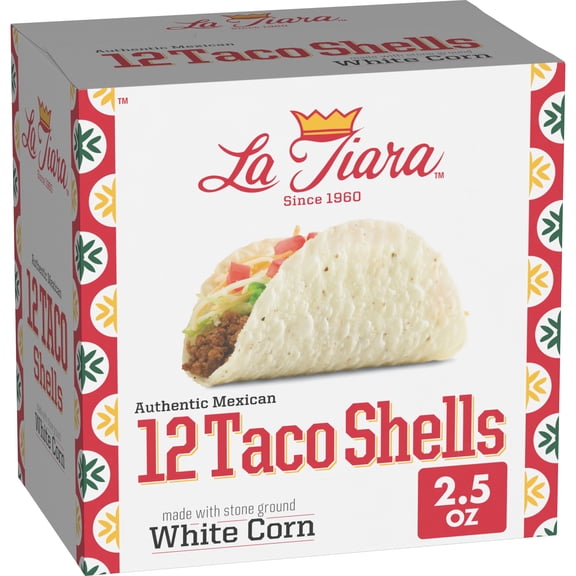
Must-haves to must-trys

Taco shells plus all your favorite toppings.

View all

Stock up for less

View all
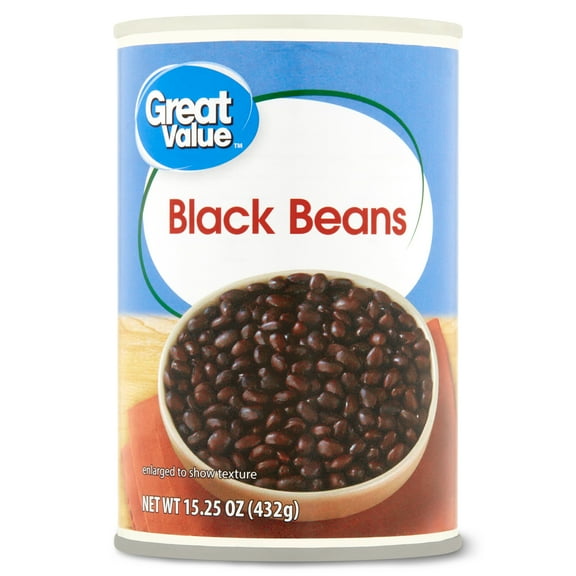
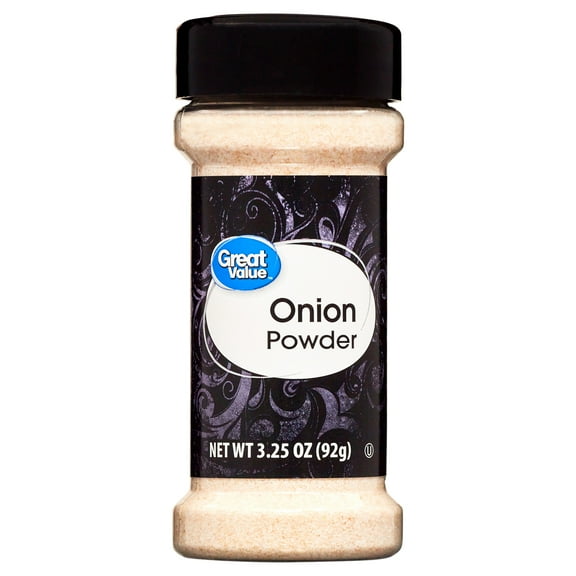
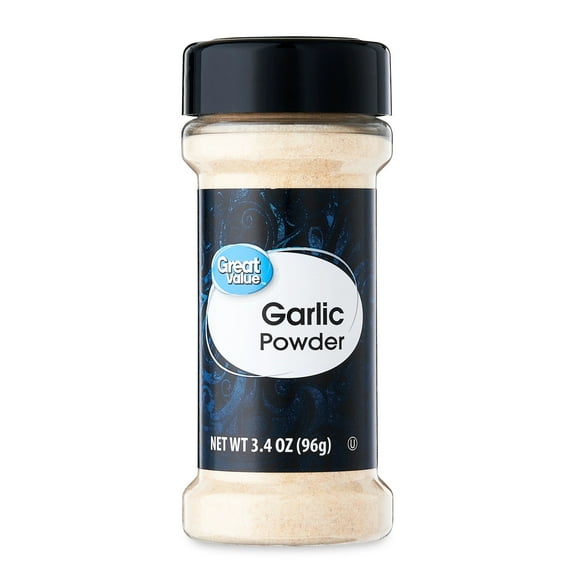
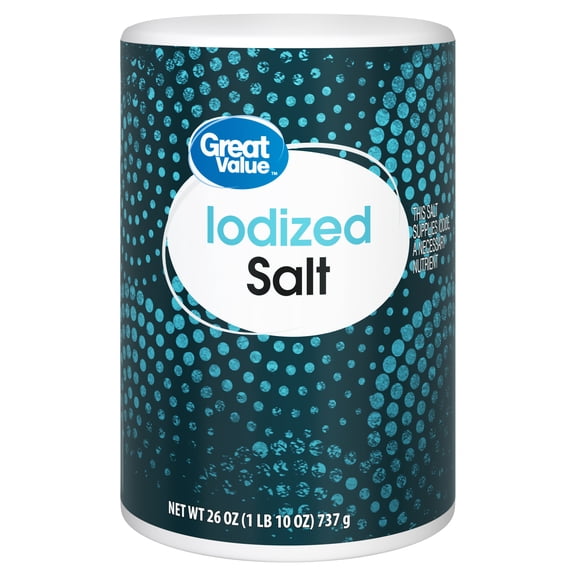
A measuring cup on a cloth napkin and a canister of flour next to Great Value black beans, iodized salt, and all-purpose flour.

Rice, beans, flour & more

Save on all your pantry staples

Shop now
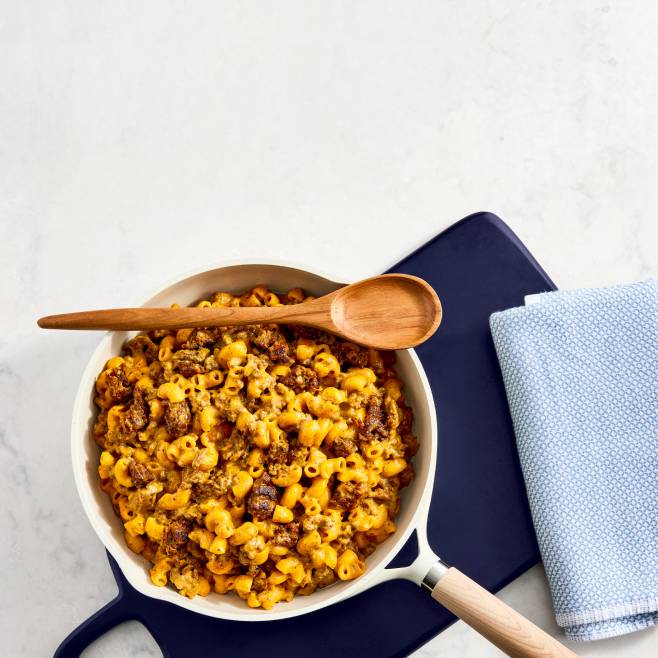
A skillet of cheesy macaroni and ground beef with a wooden spoon on a blue cutting board next to a light blue kitchen towel.

Hamburger Helper & more

Stock up on pantry dinner staples

Shop now
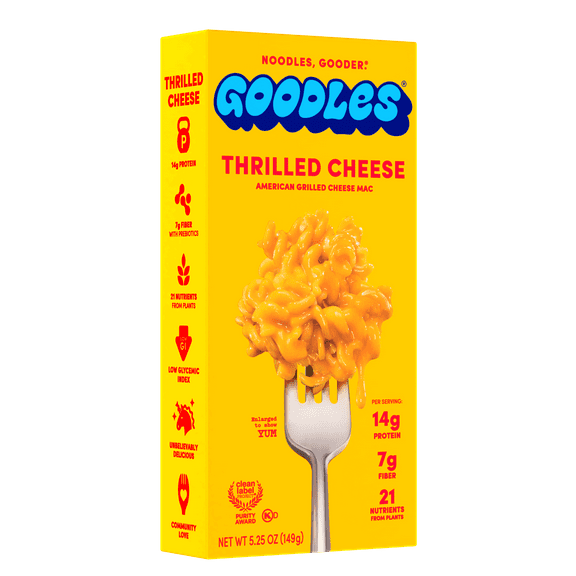
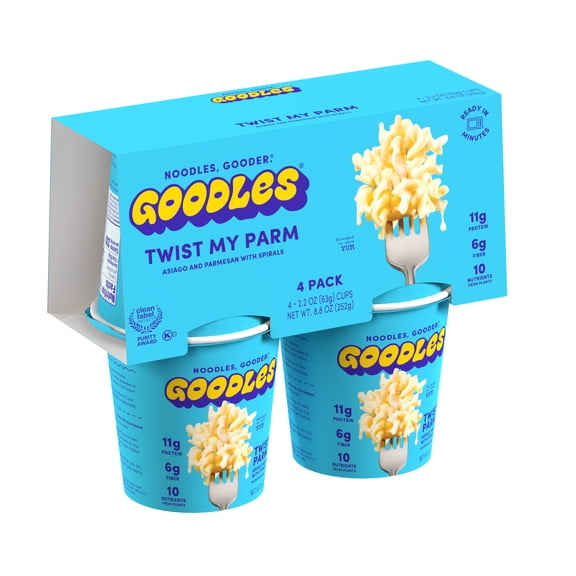
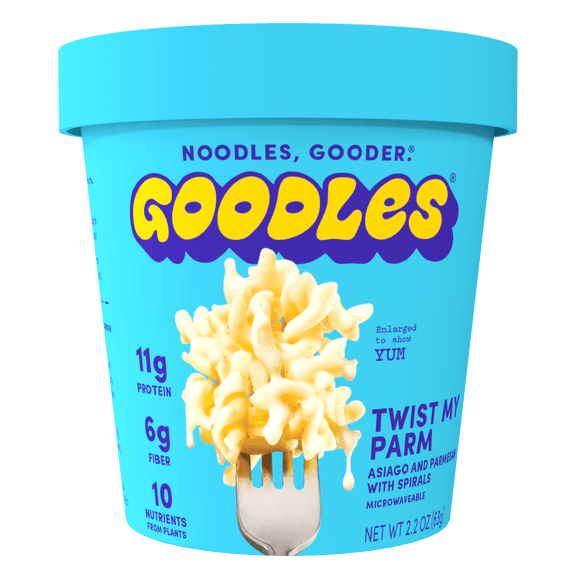
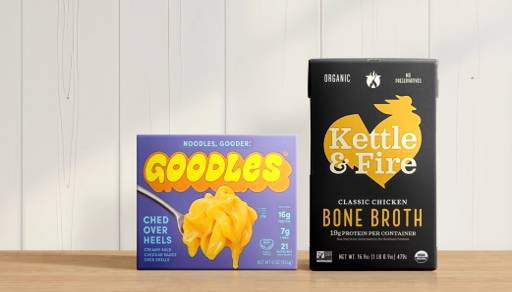
A box of Goodles mac & cheese is shown, next to a box of Kettle & Fire bone broth.

Protein-forward pantry picks

Shop now
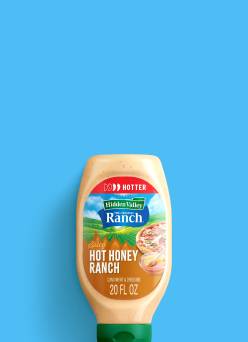
A bottle of Hidden Valley Hot Honey Ranch is shown next to a Smash Kitchen Hot Honey BBQ sauce bottle.

Fun-flavored condiments

Shop now
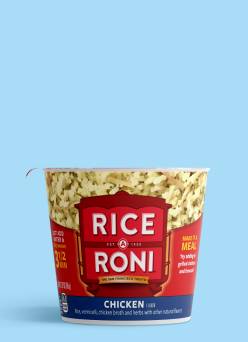
A Rice-A-Roni chicken rice and vermicelli mix cup against a light blue background.

Fast & easy lunch options

Shop now
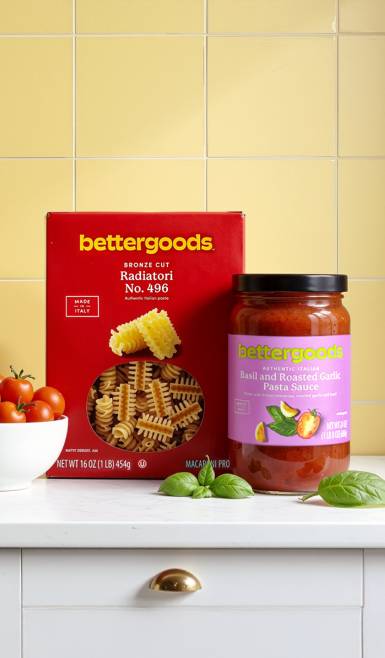
A bowl of cherry tomatoes, a box of bettergoods bronze cut radiatori pasta, and a jar of bettergoods basil and roasted garlic pasta sauce.

Only at Walmart

bettergoods pantry selects

Shop now

FAQ

What does pantry mean?

A pantry is a place to store shelf‑stable groceries—think items that don’t require refrigeration. In retail, the pantry category covers everyday essentials you reach for often.

  • Common items: canned goods, pasta and grains, sauces, condiments, snacks, breakfast foods, baking ingredients, and beverages.
  • Why it matters: Keeping a stocked pantry can make quick meals easier and help reduce extra trips to the store.
  • Shopping tip: Consider how quickly your household uses an item so you choose the right size or pack.

On Walmart’s Pantry page, you can browse a wide range of shelf‑stable groceries and choose the fulfillment option available in your area, where offered.

What pantry staples should I always keep?

Stocking versatile basics can make weeknight meals and snacks simpler. Consider starting with categories, then tailor to your tastes:

  • Grains & pasta: rice, pasta, oats.
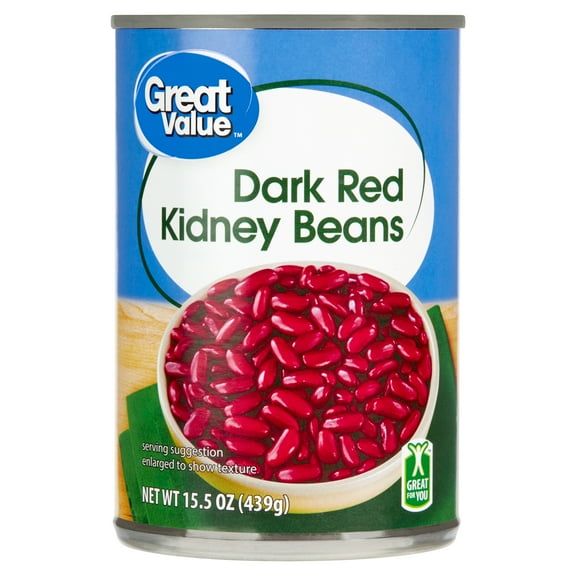
  • Canned goods: beans, tomatoes, vegetables, tuna or chicken.
  • Broths & sauces: chicken/vegetable broth, pasta sauce.
  • Cooking essentials: oil, vinegar, salt, pepper, key spices.
  • Baking basics: flour, sugar, baking powder/soda, yeast.
  • Nut butters & spreads: peanut butter, jam.
  • Breakfast & snacks: cereal, granola bars, crackers.
  • Condiments: ketchup, mustard, mayonnaise, hot sauce.

Adjust quantities based on your household size and how quickly you use each item. Checking dates and rotating newer items behind older ones can help minimize waste.

What is a pantry in a house?

At home, a pantry is any dedicated spot—closet, cabinet, or shelving—used to store shelf‑stable foods and cooking supplies.

  • Typical contents: canned goods, grains, baking supplies, snacks, and beverages.
  • Where it can be: a kitchen closet, a freestanding rack, or a section of cabinets.
  • Storage basics: keep items in a cool, dry area; use airtight containers for opened dry goods; and place heavier items on lower shelves.

Even without a built‑in pantry, a tidy cabinet or utility shelf can work well. Grouping similar items and checking dates periodically can make meal prep smoother and help you use what you have.

How can I save on pantry essentials?

Small planning tweaks can stretch your pantry budget without sacrificing convenience.

  • Make a list: plan meals first to avoid buying duplicates you won’t use soon.
  • Compare pack sizes: larger or multipack formats may offer better value if you’ll use them before the date.
  • Check unit sizes: balance price per ounce with storage space and consumption rate.
  • Prioritize versatility: choose ingredients that work across multiple recipes to reduce waste.
  • Shop conveniently: browse online and choose available fulfillment options in your area, where offered, to save time.

Storing items properly and rotating older products to the front can also help make the most of what you buy.

How do I organize a small pantry?

A few simple systems can make a compact pantry feel bigger and easier to use.

  • Group by use: keep snacks, baking, breakfast, and canned goods in zones.
  • Go vertical: add shelf risers or stackable bins to maximize height.
  • Use turntables: lazy susans can make oils, sauces, and spices easier to reach.
  • Label clearly: name bins or shelves so everything has a home.
  • Rotate stock: place newer items behind older ones to use what you have first.
  • Contain opens: store opened dry goods in airtight containers and note the date.

These steps can help streamline grab‑and‑go snacking and speed up meal prep, but the best setup depends on your space and habits.

About Pantry Foods & Stock Up Essentials | Walmart - Walmart.com

Pantry foods help you keep everyday meals, quick snacks, and baking basics ready when your schedule gets busy. You can use this pantry guide to compare shelf-stable staples, package types, and storage formats with less guesswork.

If you’re stocking a first kitchen or refilling family favorites, you need pantry foods that fit your routine and shelf space. You can also compare canned goods, grains, baking ingredients, snacks, and condiments in one place.

How to choose pantry foods for your home

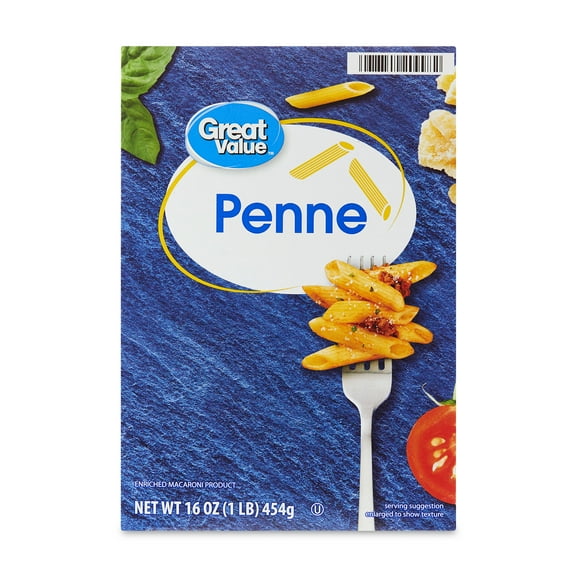
When you choose pantry staples, you should start with how you cook and how often you restock. You may want canned beans for quick dinners, boxed pasta for efficient weeknight prep, and jarred sauces for simple meal assembly.

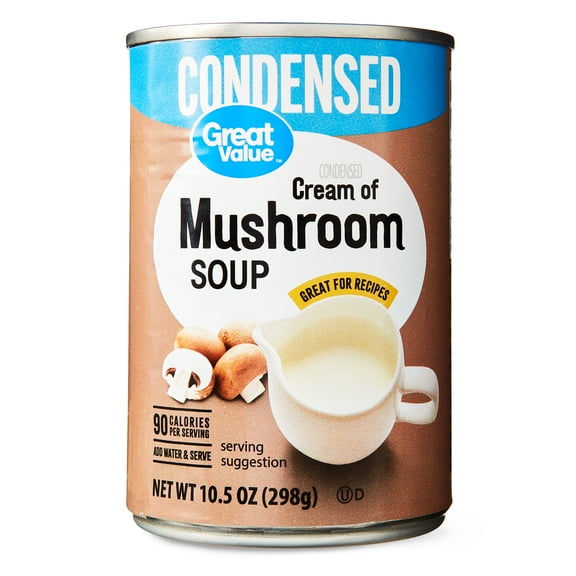
Your pantry can work harder when you mix versatile basics with ready-to-eat options. You can keep breakfast moving with oats and cereal, handle lunch with soup and crackers, and finish dinner with rice or pasta.

  • You can build quick meals with canned vegetables, beans, pasta, rice, and jarred sauces.
  • You can keep baking projects simple with flour, sugar, baking mixes, and pantry spices.
  • You can cover snacks and lunchboxes with crackers, bars, nuts, and single-serve packs.
  • You can match your shelf space with bulk sizes, individual portions, or boxed staples.

Your choices also matter when you plan around labels and ingredient lists. You can look for gluten-free certifications, organic labeling, low-sodium options, or sugar-free varieties that match your household needs.

Choosing between pantry goods and packaging types

Packaging type affects how you store, open, and use your pantry goods each week. You may prefer canned items for long shelf life, boxed foods for stackable storage, and jars for sauces, spreads, and condiments.

If your shelves are narrow, you should compare package shape as closely as package size. You can stack shelf-stable boxes neatly, while multi-packs help you group lunch items or repeat-use snacks.

Bulk sizes can work well when you cook often and have room for larger containers. Individual portions can make school lunches, office snacks, and convenient daily planning easier to manage.

You should also check date labels before you stock up on larger quantities. You can rotate older items forward, keep newer items behind them, and make your pantry simple to track.

What to look for in pantry food labels and ingredients

When you compare pantry food options, you should read labels with your meal plan in mind. You can check serving size, ingredient lists, and daily values to understand what fits your recipes.

If sodium or sugar content matters in your home, you should compare those numbers across similar items. You may notice differences between canned soups, pasta sauces, snack bars, and boxed side dishes.

Dietary preferences deserve a close look before you fill your cart. You can look for certified gluten-free products, organic labels, or clearly marked sugar-free and low-sodium pantry staples.

Baking ingredients need the same attention when you want reliable results. You should compare flour types, sweeteners, leavening basics, and mixes so your cookies, breads, and cakes come out as planned.

Matching food for pantry storage to real routines

Your food for pantry setup should reflect how you actually eat during the week. If you cook from scratch, you may want grains, pasta, canned tomatoes, broth, spices, and baking ingredients close at hand.

If your days move fast, you can lean on snacks, ready soups, oatmeal cups, and shelf-stable sides. You can also keep condiments and spreads nearby to pull simple meals together quickly.

For family households, multi-packs and larger boxes can support repeat breakfasts, packed lunches, and after-school snacks. You should measure shelf depth first so your pantry stays organized instead of crowded.

In smaller spaces, boxed grains, slim cans, and stackable jars can help you use each shelf well. You can create zones for breakfast items, dinner staples, baking basics, and grab-and-go snacks.

Seasonal planning can shape your pantry choices too. You may want broth, stuffing mixes, baking extracts, and canned pumpkin for holiday cooking, or crackers, tuna, and condiments for easy summer lunches.

How you can stock pantry foods with confidence

You can make informed pantry decisions when you compare food category, packaging type, storage format, and label details together. Your shelves stay highly useful when every item supports real meals, simplified prep, and dependable everyday routines.

Related Links