

Muay Thai Gear for Training and Fitness





































About Muay Thai Gear for Training and Fitness - Walmart.com
Muay Thai equipment helps you build a complete training setup for pads, bags, sparring, and class prep. You can compare glove weights, shin coverage, and wrap styles in one place.
If you're starting classes or replacing worn gear, you need pieces that match your routine. You can narrow your choices quickly when you understand gear type, size, material, and skill level.
How to choose Muay Thai equipment
You should start with the gear type you use frequently in training. Your common essentials usually include gloves, shin guards, hand wraps, shorts, and punching bags.
For class training, you may want gloves, wraps, and shin guards before anything else. If you train at home, you may also compare bag options and hanging space.
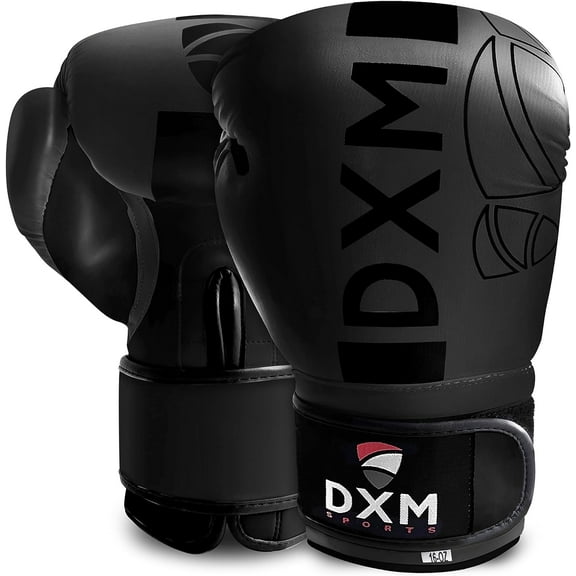
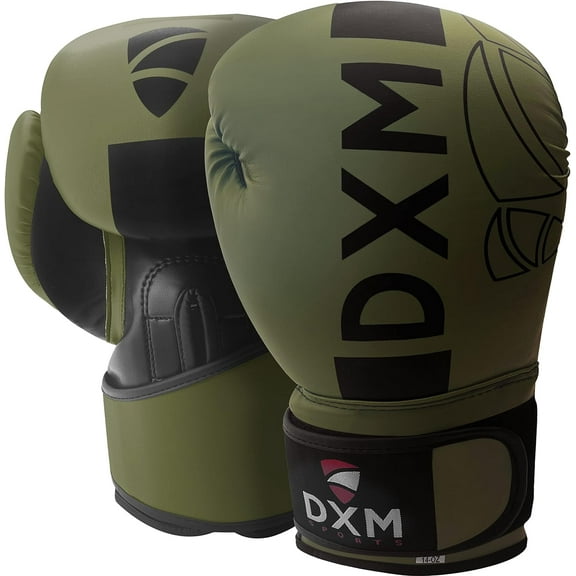
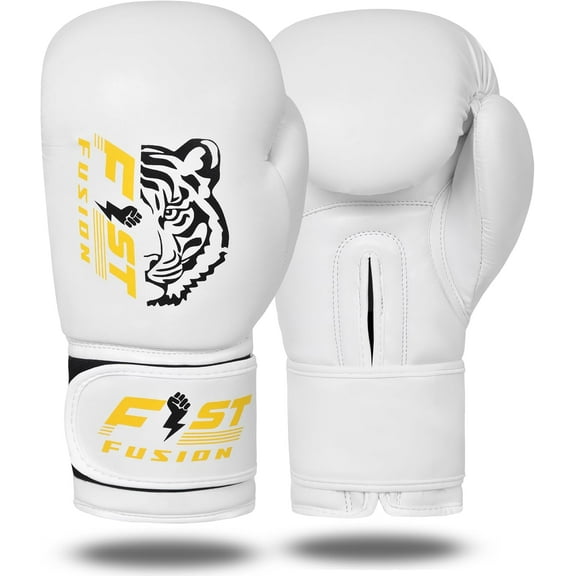
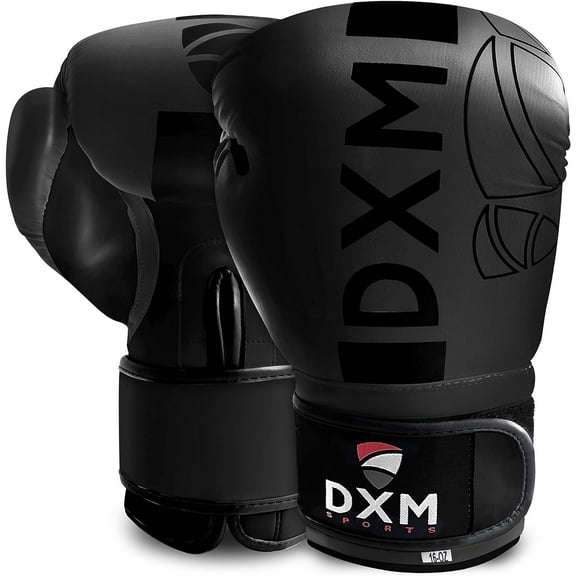
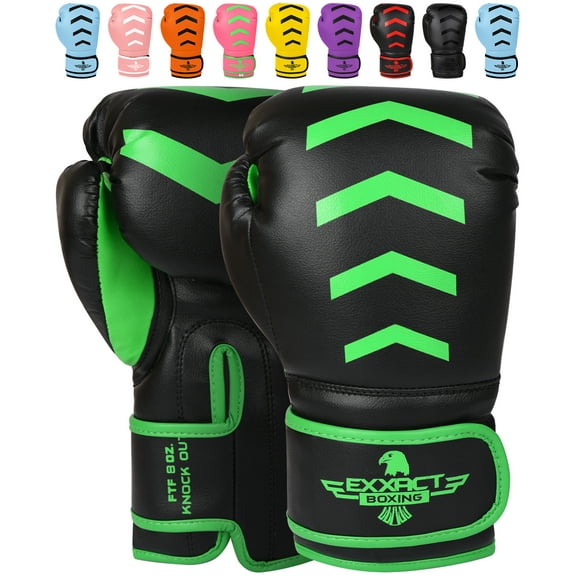
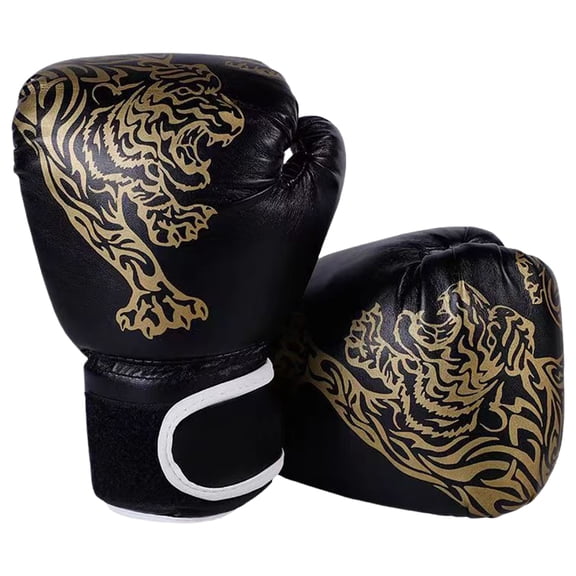
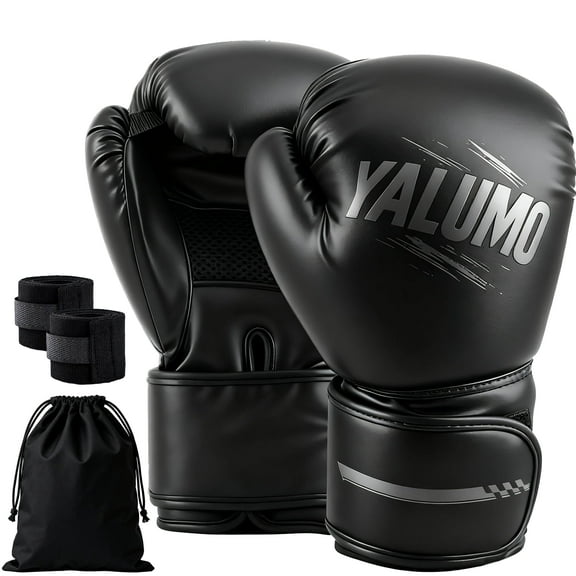
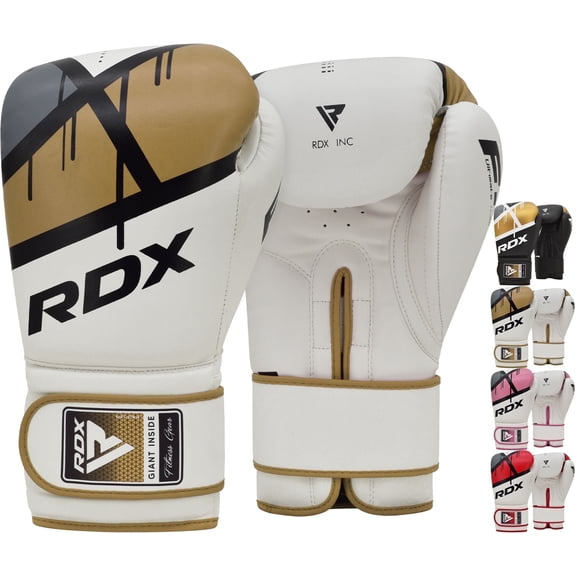
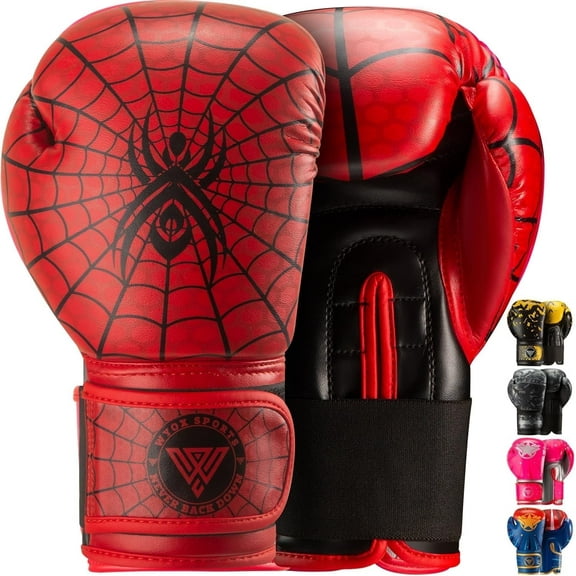
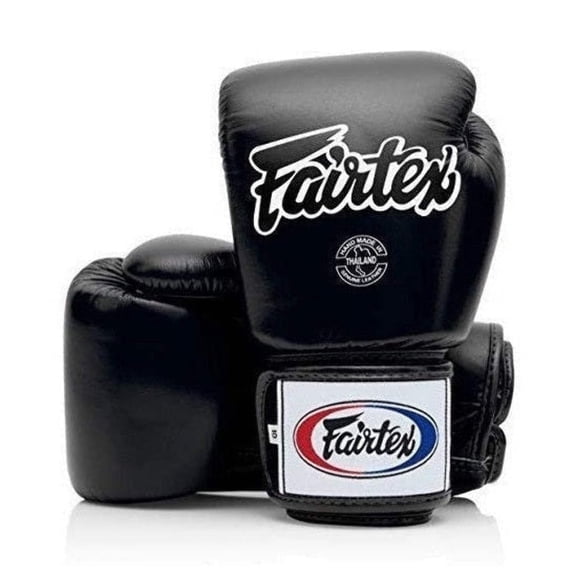
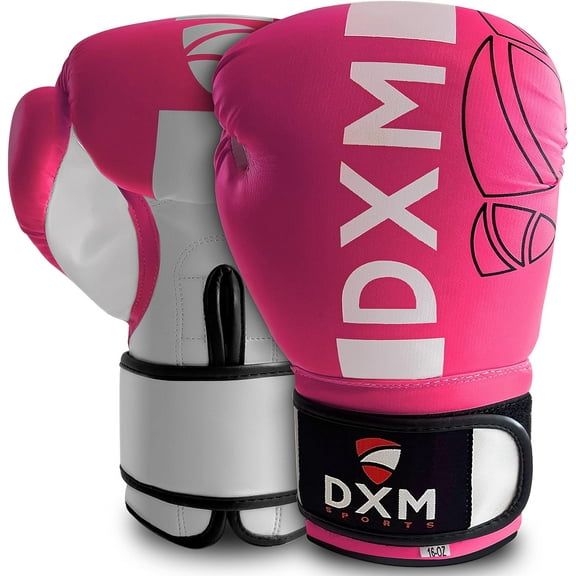
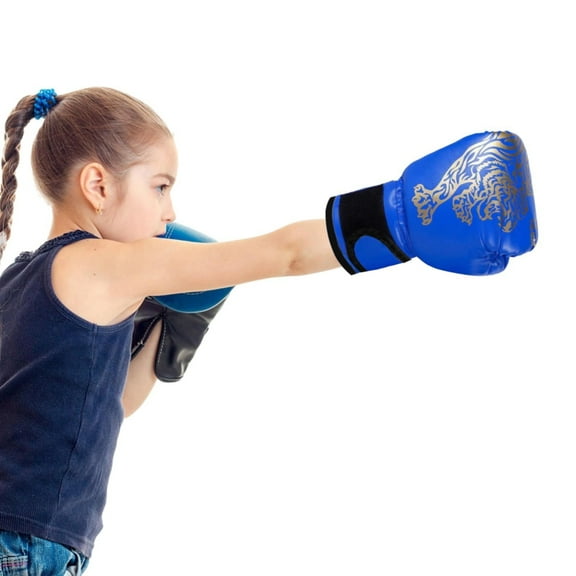
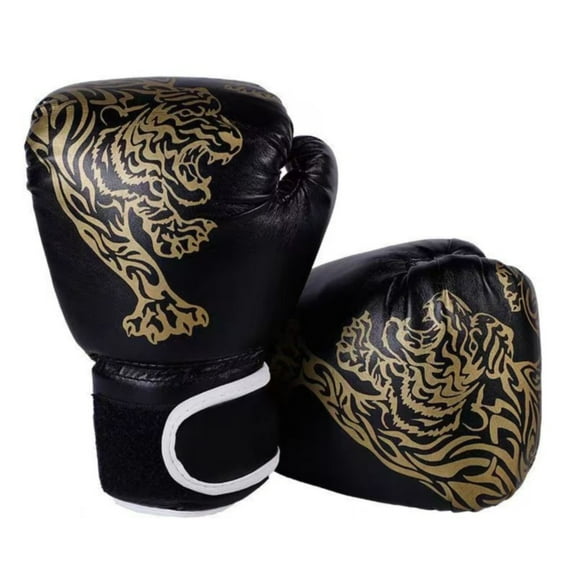
- You can use gloves to protect your hands during bag work, mitt drills, and sparring sessions.
- You can use shin guards to add coverage for kicks, checks, and partner drills.
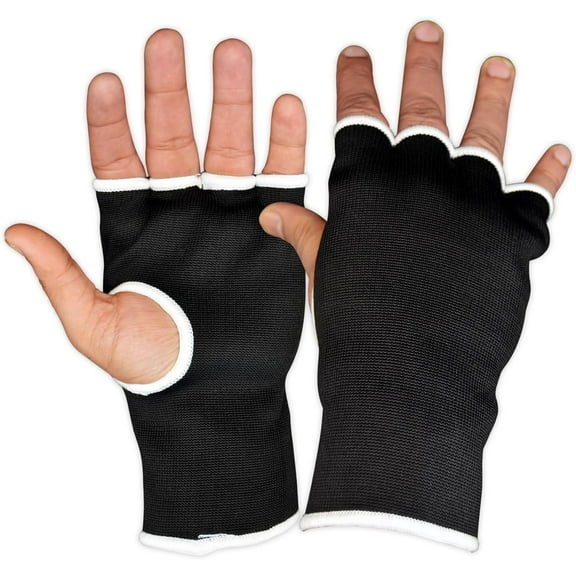
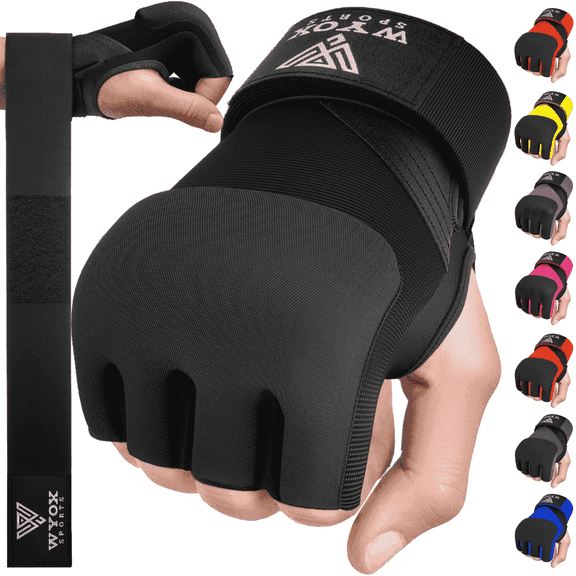
- You can use hand wraps to create a secure fit inside your gloves and support your knuckles.
- You can choose shorts with a kick-friendly cut so your movement stays open during knees and roundhouse practice.
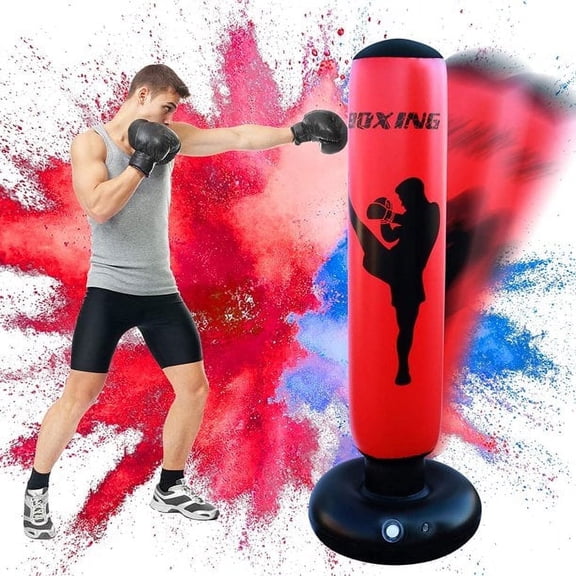
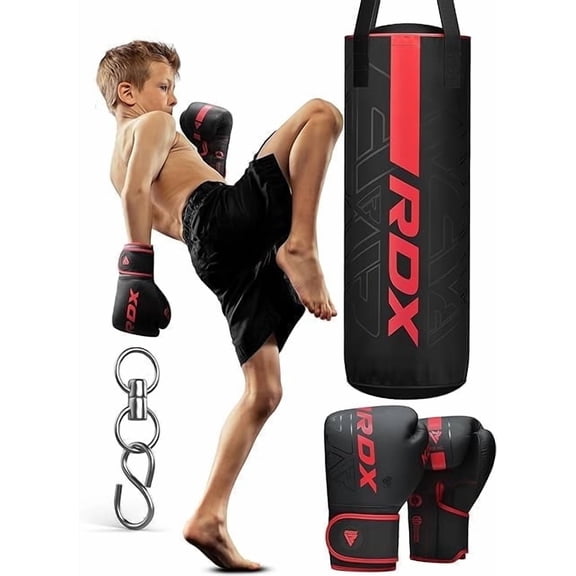
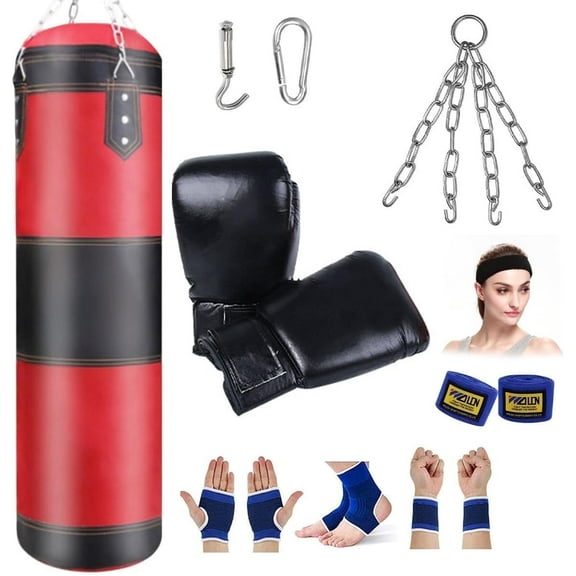
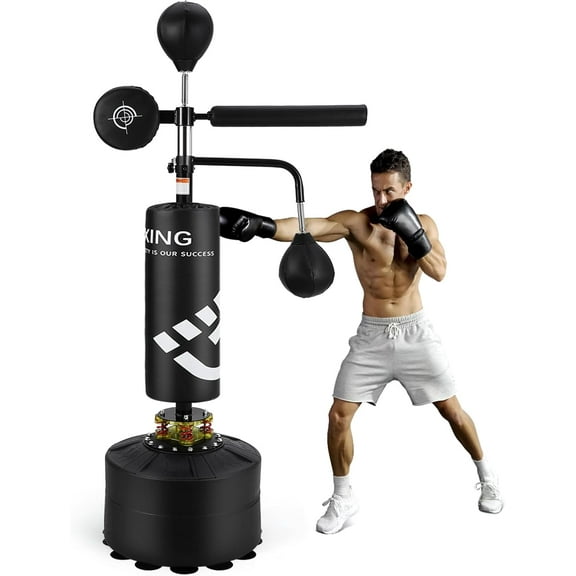
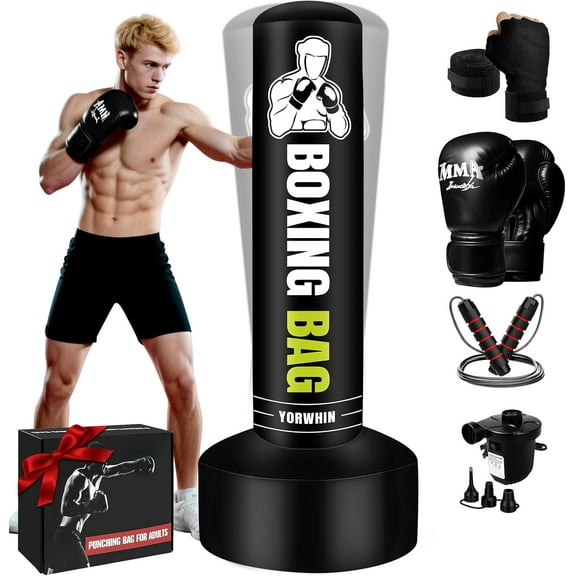
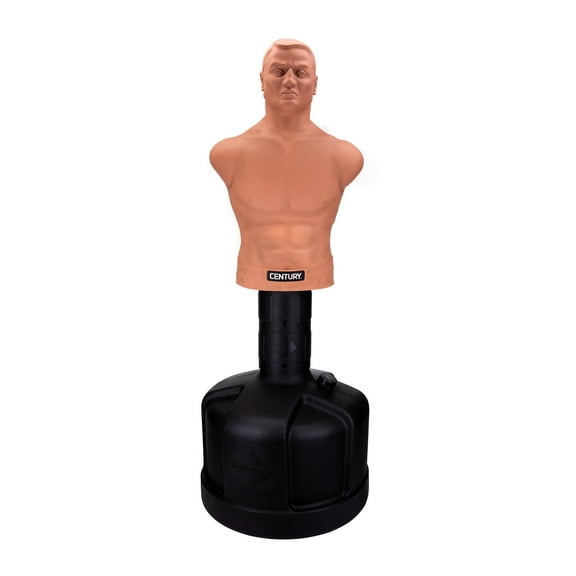
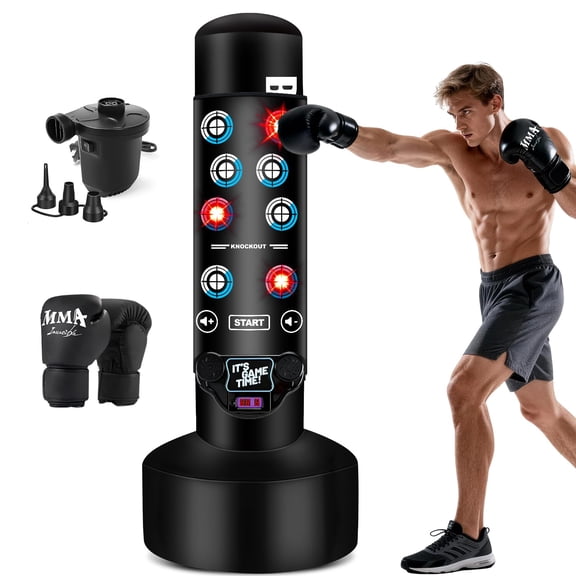
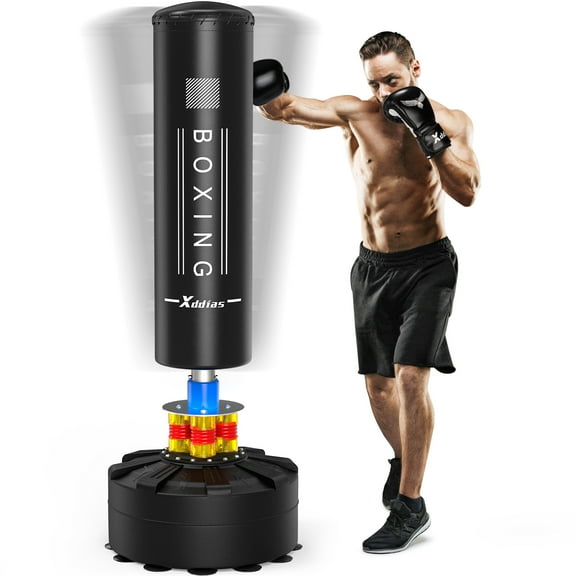
- You can add a punching bag when you want extra striking reps outside scheduled class time.
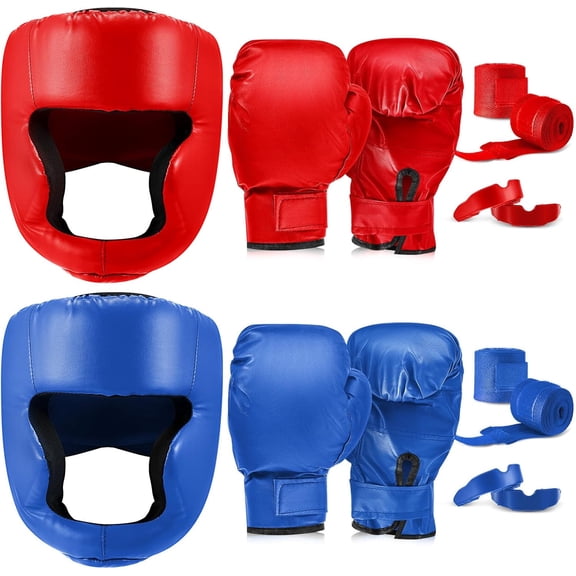
When you compare a full kit, you can avoid mismatched purchases. Your training feels consistent when each piece suits the same level and purpose.
Choosing the right size and weight
You should treat glove weight as a key decision, not a small detail. Your ounce rating changes how your gloves feel during drills, bag rounds, and controlled sparring.
For many shoppers, 10 oz or 12 oz gloves feel lighter for pad work and bag sessions. You may prefer 14 oz or 16 oz gloves when your gym requires extra padding.
You should also check how your body size and hand fit affect comfort. Your gloves should feel secure at the wrist without squeezing your fingers too tightly.
For shin guards, you should look for full shin coverage and a stable instep section. Your straps should stay in place through kicks, checks, and footwork drills.
Sizes like S, M, L, and XL help you match gear to your frame. You can measure carefully so your guards don't slide and your shorts don't restrict movement.
Comparing materials for training frequency
You should compare material choices based on how often you train each week. Your schedule can help you decide between genuine leather, synthetic leather, satin, and foam padding.
Genuine leather often suits frequent gym use because you may want a broken-in feel over time. Synthetic leather can work well when you want easy care and regular practice support.
Satin shorts give you the classic Muay Thai look and flexible leg movement. You should check the cut and waistband so your kicks rise freely during drills.
Foam padding matters in both gloves and shin guards because you want impact coverage where strikes land often. You can compare padding thickness and shape for bag rounds or partner work.
When you train several times each week, you may look for reinforced stitching and secure closures. Your gear tends to feel dependable when manufacturers build stress points for repeated use.
Matching gear to your skill level
You should choose Muay Thai equipment that fits your current experience and training goals. Your beginner setup often looks different from an intermediate or professional training kit.
If you're new, you may start with gloves, wraps, shin guards, and shorts for class basics. You can focus on fit, straightforward sizing, and easy closures while you learn gym routines.
If you train regularly, you may compare glove weights for separate sessions and add a punching bag. Your kit can become specialized as your schedule includes pads, sparring, and conditioning.
If you have advanced experience, you may check coverage, wrist support, and material wear closely. You can build a rotation for heavy bag work, technical drills, and partner sessions.
Using Muay Thai gear for classes and home practice
You can build Muay Thai gear around where and how you train. Your class bag may need compact essentials, while your home setup may include larger striking tools.
For your first class, you may want hand wraps, gloves, shin guards, and shorts with room for kicks. You can enter training with gear that supports pad work and partner drills.
For bag-focused workouts, you may compare lighter gloves and a punching bag that matches your space. Your setup should fit apartment corners, garage mounts, or dedicated workout rooms.
For partner sessions, you should check shin guard security and glove padding before choosing. Your drills usually feel smooth when your gear stays aligned through repeated movement.
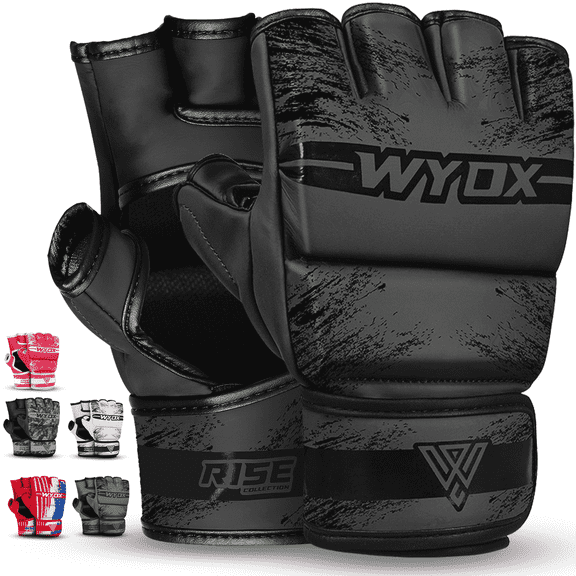
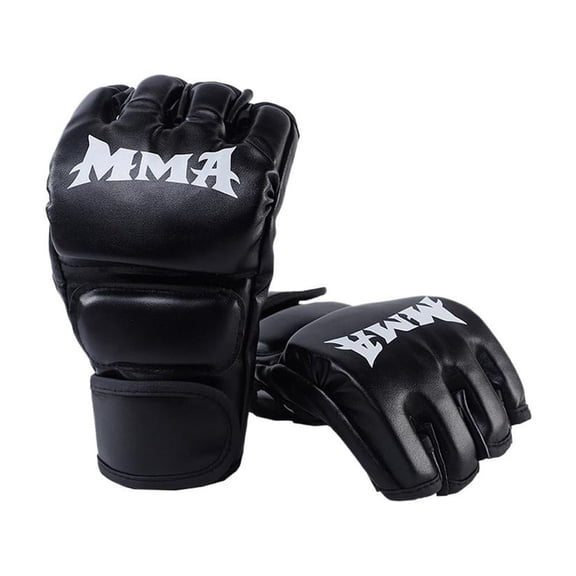
If you cross-train, you may also compare related combat sports categories for overlap. Your search may include boxing gloves, MMA gear, and protective sports gear alongside Muay Thai supplies.
When you understand these choices, you can assemble a kit that fits your training style. Your sessions stay focused when your gloves, guards, wraps, shorts, and bag all work together.
You can shop with more clarity when each gear choice has a clear purpose. Your Muay Thai equipment can support clean training flow, steady fit, and minimal interruptions between rounds.