


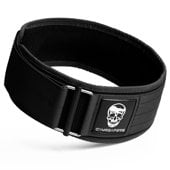
Dip Belts for Weight Lifting and Strength Training



















About Dip Belts for Weight Lifting and Strength Training - Walmart.com
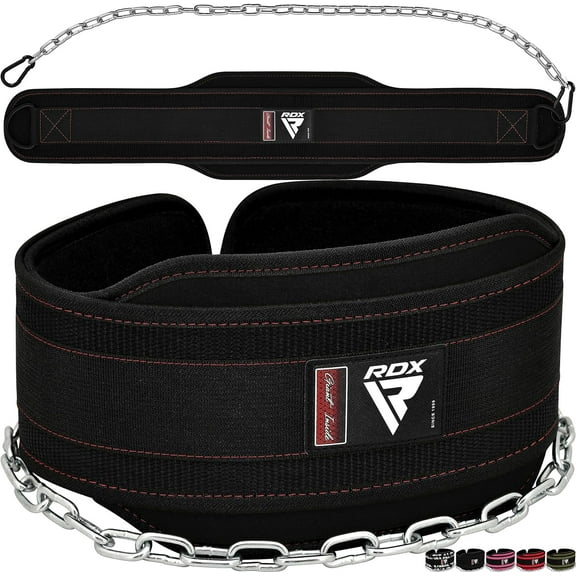
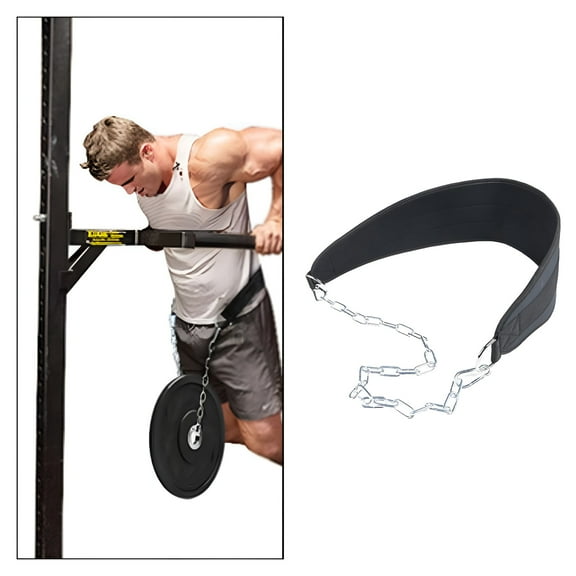
Dip belts help you add hanging weight for harder dips, pull-ups, and squats. You can compare material, chain setup, and sizing to fit your training plan.
If you're building a home gym or upgrading gym gear, dip belts give you a direct loading method. You can keep your movement pattern familiar while adding plates below your waist.
How to choose dip belts for your training
When you compare dip belts, you should start with material, attachment type, and exercise compatibility. You should also check sizing, padding, and chain hardware before picking a weighted dip belt.
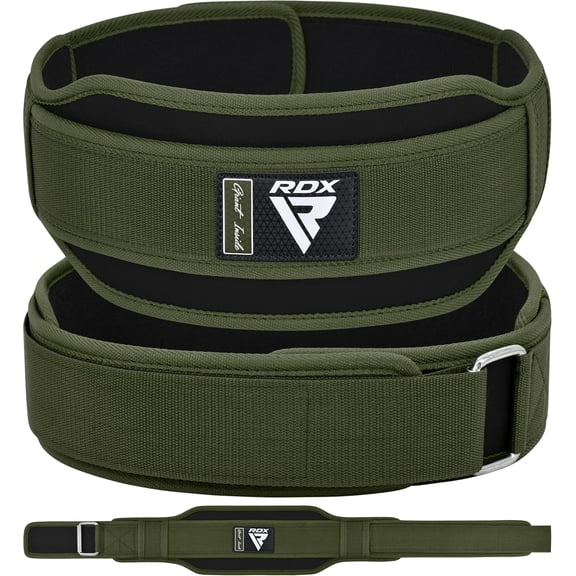
Material changes how the belt feels during longer sessions. You may prefer nylon for lower bulk, leather for structure, or neoprene for extra cushion around your waist.
- You can use dip belts to add plates for dips, pull-ups, and hip belt squats.
- You can compare nylon, leather, and neoprene for flexibility, structure, and padding.
- You can check steel chain length, steel gauge, and carabiner rating for your loading goals.
- You can match weight capacity to your current lifts and your planned progression.
- You can look for contoured padding that supports comfort through repeated sets.
You'll notice a good fit keeps the load centered as you move. Your training can feel smoother when the belt stays secure through each rep.
Choosing a weighted dip belt by material
Nylon designs can suit you when you want a lighter feel and easier packing. You may like nylon if your routine includes travel or quick exercise changes.
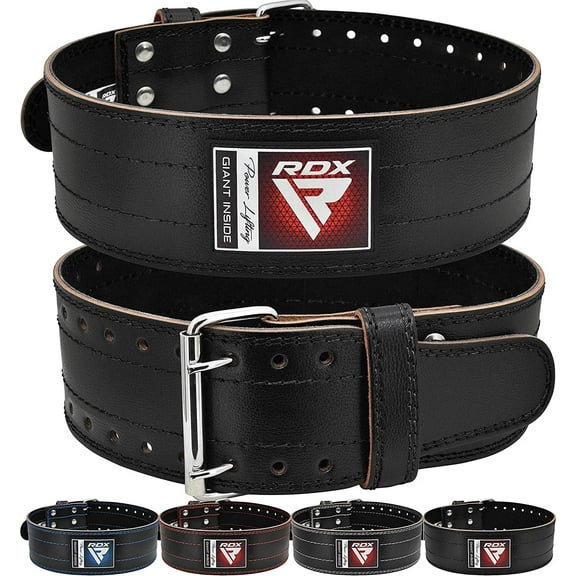
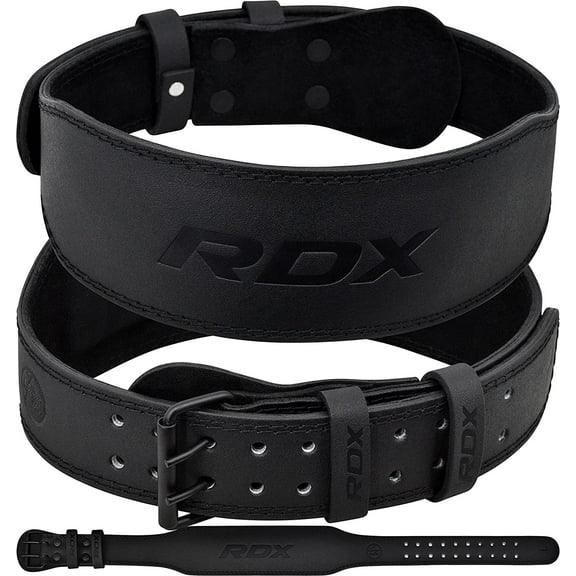
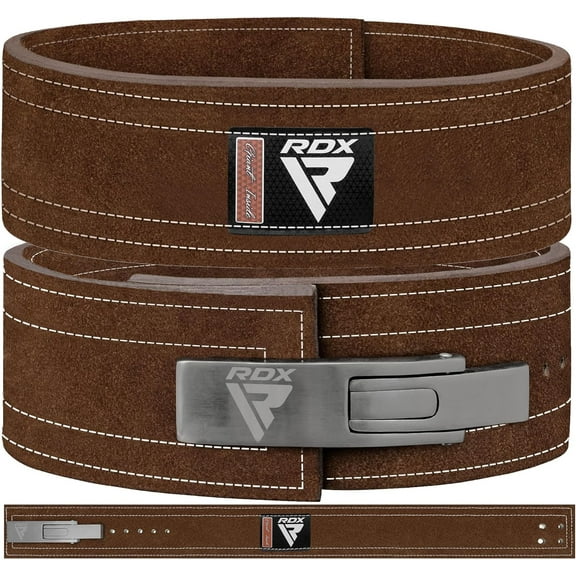
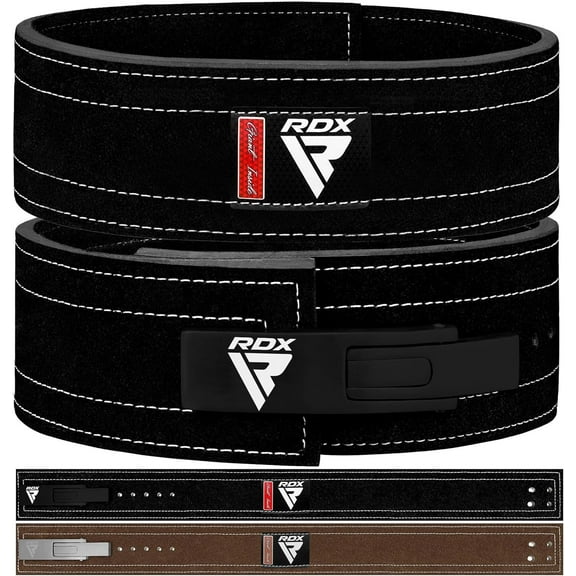
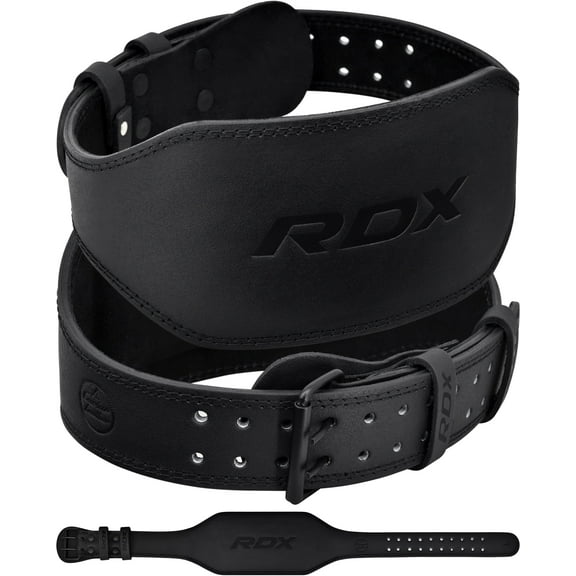
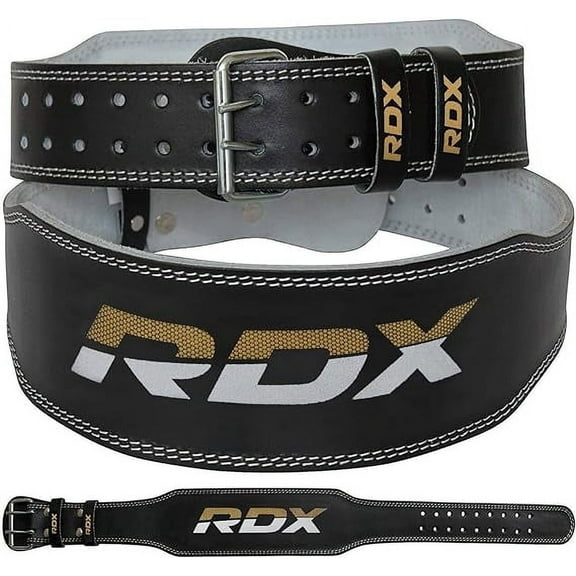
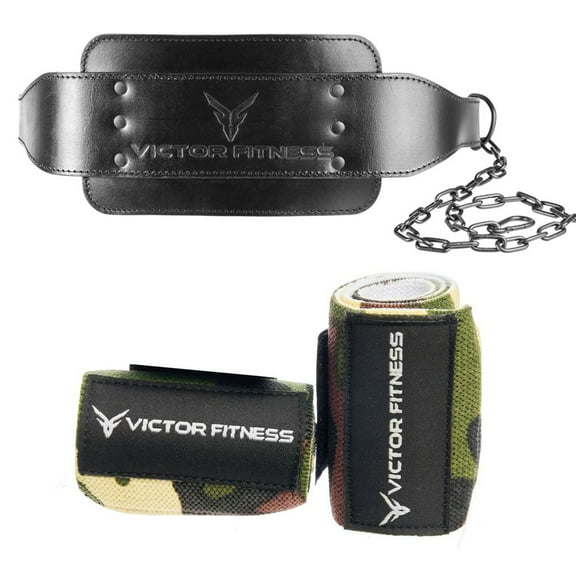
Leather options give you a firmer wrap and a classic weightlifting dip belt feel. You might choose a leather dip belt if you want a structured shape under heavier hanging loads.
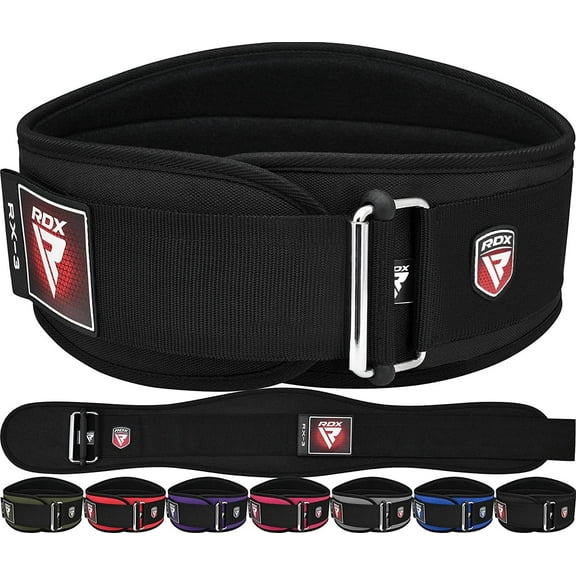
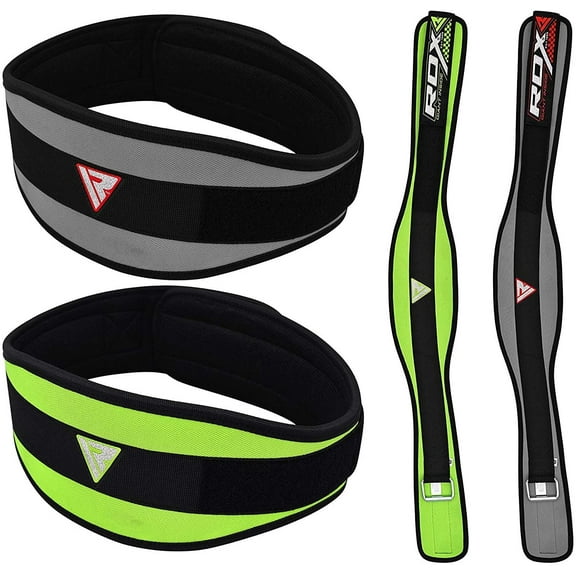
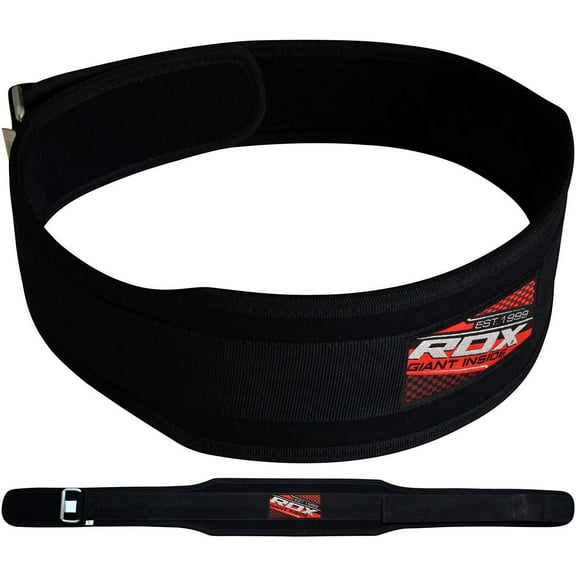
Neoprene styles can add softness where the belt meets your lower back and hips. You may prefer neoprene when your workouts include higher volume sets or longer sessions.
You should also look at the belt's contour and lumbar padding. Your comfort often depends on how evenly the belt spreads pressure across your waist.
Choosing a dip belt with chain and hardware
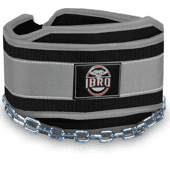
A dip belt with chain gives you a simple way to thread standard plates through the center hole. You can load and unload weight quickly when your workout includes plate changes.
Chain length matters because you need room for plates to hang cleanly below your body. You should compare chain length with your height, plate size, and exercise range.
Steel gauge is a useful detail because it helps you compare hardware thickness and feel. You can use that spec to judge how solid the chain may feel under repeated loading.
Carabiner weight rating also matters when you want a clearer picture of the connection point. You should check whether the carabiner matches your target load and training pace.
Some styles use a heavy-duty strap instead of a full steel chain. You may prefer that setup if you want less metal contact and a different loading feel.
Comparing weight capacity and sizing
You should match the belt's weight capacity to your current level and next phase. You can find options under 100 pounds, up to 300 pounds, or heavy-duty 500+ pounds.
If you're newer to loaded bodyweight work, a lower capacity may cover your short-term needs. If you're advancing quickly, you may want extra headroom for larger plates and longer progression.
Waist sizing is just as important as load rating. You should measure your waist where the belt will sit, then compare that number with the listed range.
Adjustability helps you fine-tune fit over shorts, joggers, or layered training gear. You may want extra range if you share equipment or switch clothing between sessions.
A contoured shape can help the belt sit more naturally around your hips. You'll often feel more stable when the back panel supports your waist without bunching.
Matching dip belts to your exercises
You can use dip belts for more than parallel bar dips. Your setup may also work as a pull up belt, a weighted dip belt for chin-ups, or for hip belt squats.
For dips, you may want a belt that stays comfortable when your torso leans forward slightly. You should look for padding and chain length that keep plates clear of your leg path.
For pull-ups, you may prefer a setup that hangs cleanly between your legs with less swing. You can compare chain length and plate position to support smoother reps.
For weighted squats and hip belt squats, you should check whether the design supports lower hanging load placement. You may want a strong attachment system and enough clearance for deeper range.
If your training rotates across several movements, versatility becomes a major buying factor. You can get more use from one belt when it handles dips, pull-ups, and squat variations.
What to look for before you choose dip belts
You should compare material, chain hardware, weight capacity, and sizing as one system. Your right choice depends on how you train, how much you load, and which exercises you perform frequently.
When your belt matches your plates, your waist, and your movement pattern, you can train loaded dips and pull-ups with steadier comfort. Your setup feels more dialed in from the first set.