


Weights






























About Weights - Walmart.com
Weights help you build a strength training setup that fits your space, routine, and current level. You can compare range, material, adjustability, and compatibility before you choose.
Choosing weights for your home gym
You should start with weights that match your current strength and the lifts you do most often. You may want lighter hand weights for raises, presses, and slower movement patterns.
For many routines, 2 to 10 lb options fit warmups, higher reps, and smaller muscle groups. You may prefer 10 to 50 lb choices when your workouts include everyday strength sessions.
If your plan includes squats, deadlifts, or heavy presses, you may need 50+ lb options. You can build gradually when your weight sets support steady increases over time.
You can use weights for strength training in ways that match both your goals and your available room. You may also choose home gym weights that support shared use across different strength levels.
How weights support your routine
You can shape your setup around the exercises you repeat every week. You may notice the right load makes form practice, progress tracking, and workout flow easier.
- You can use lighter weights for mobility work, controlled reps, and smaller muscle groups.
- You can choose mid-range home gym weights for mixed routines and everyday strength sessions.
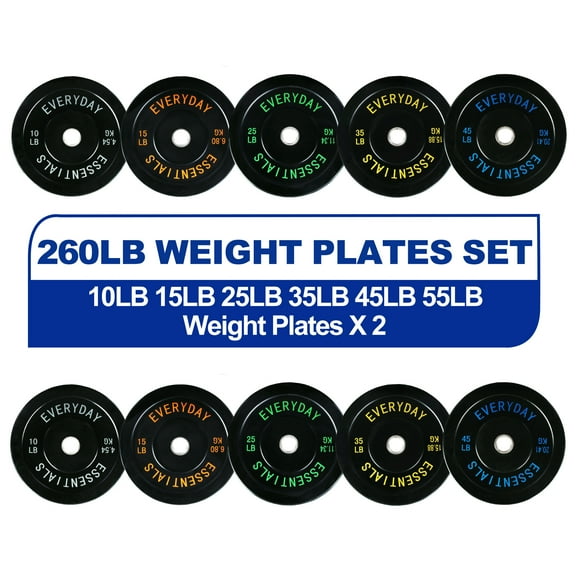
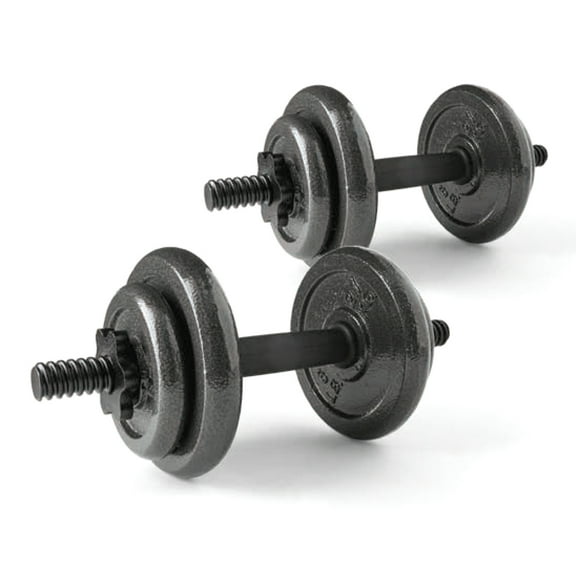
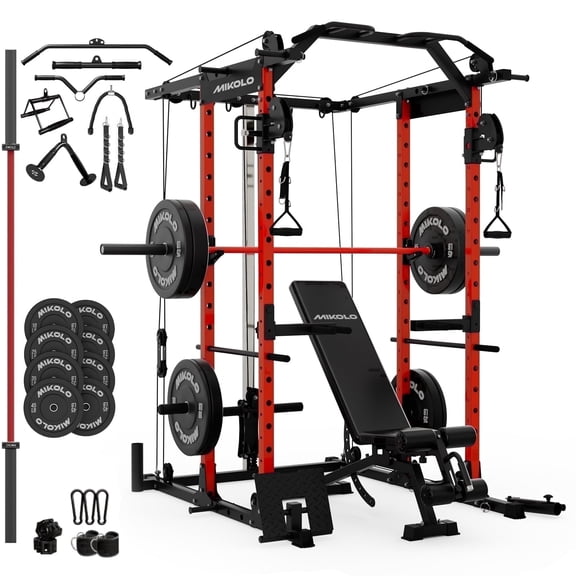
- You can add barbell plates when your compound lifts need more load and clear progression.
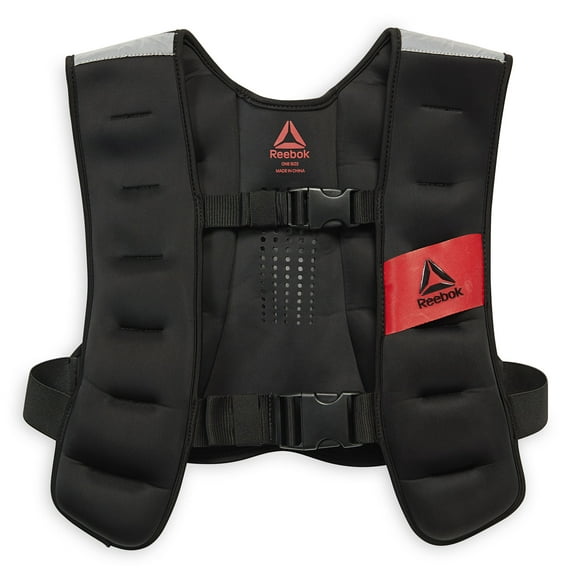
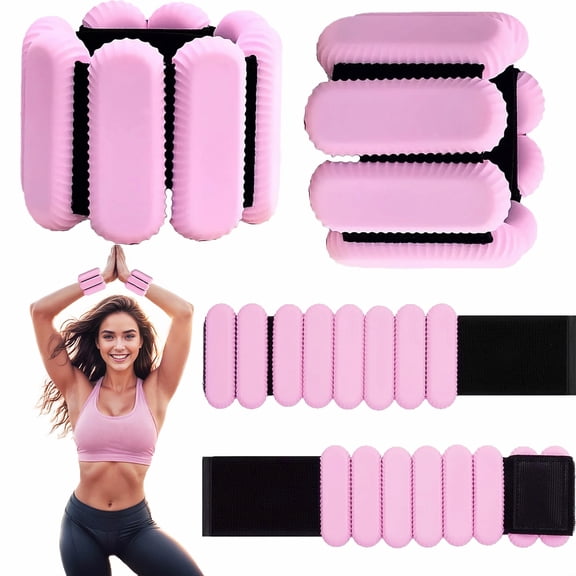
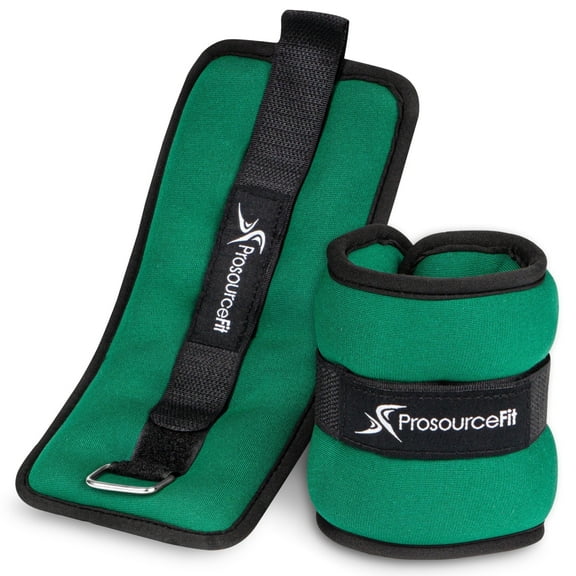
- You can keep ankle weights for walks, floor work, and light resistance sessions.
You may also find that the right format supports faster transitions during circuits and classes. You can keep your training area organized when your setup matches your floor space.
When you compare free weights by use, you can avoid extras that sit unused. You may build a more focused routine when each piece fits specific lifts.
Comparing adjustable weights and fixed options
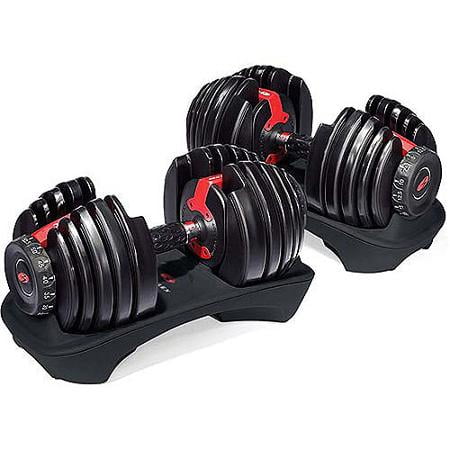
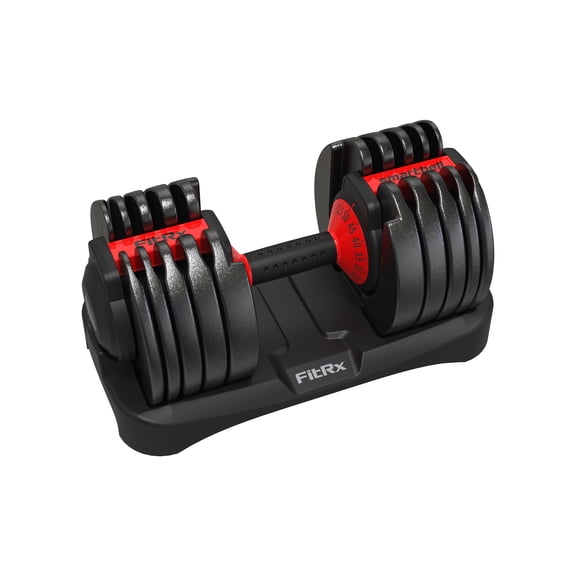
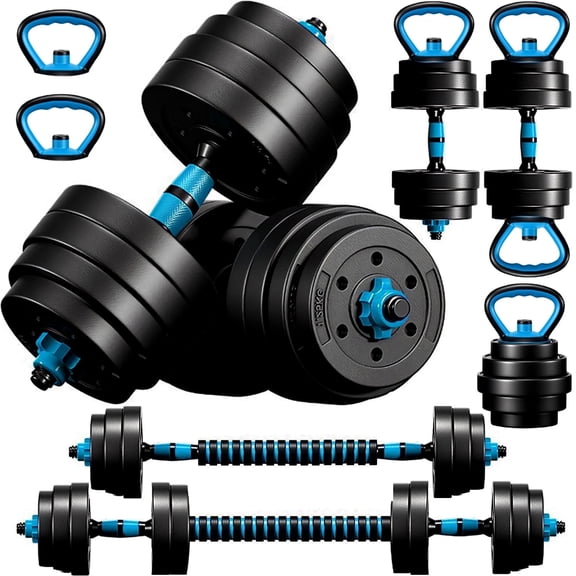
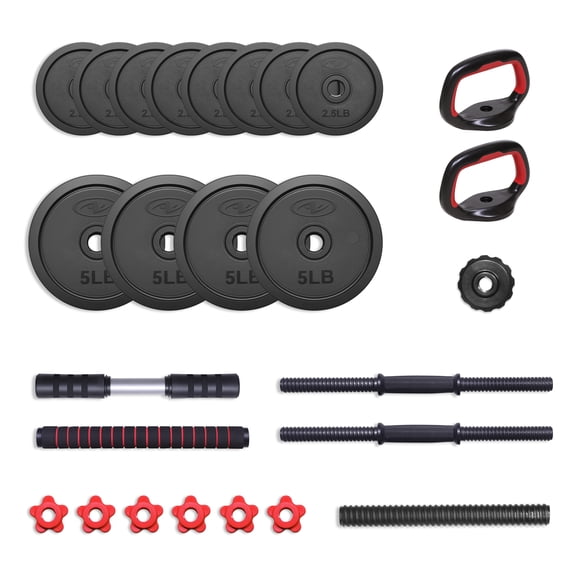
You should consider how much room you have and how often you change loads. You may like adjustable weights when you want several increments in one compact setup.
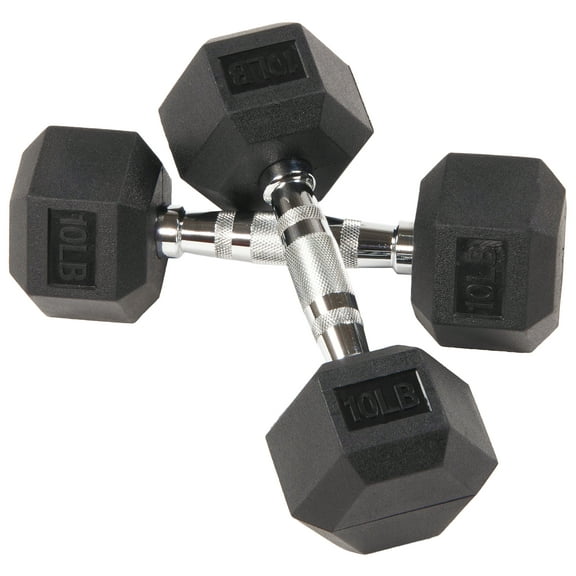
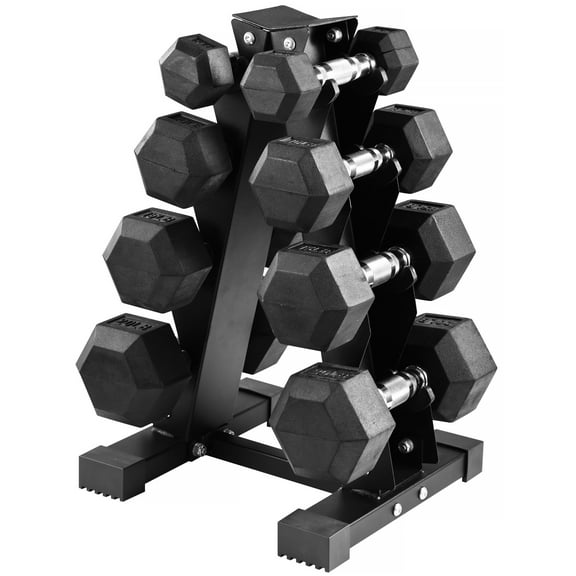
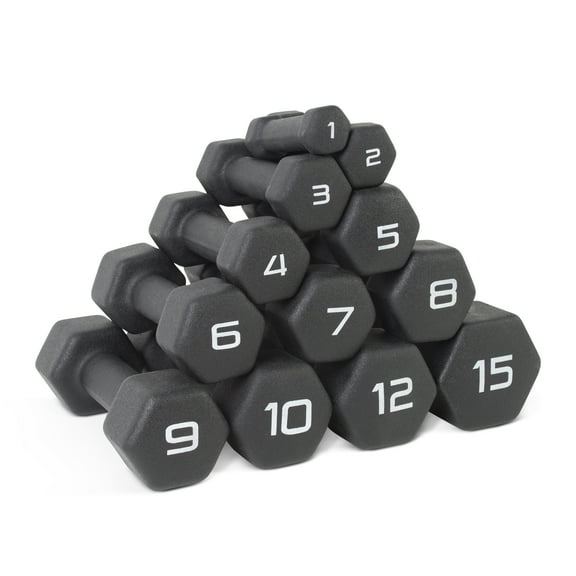
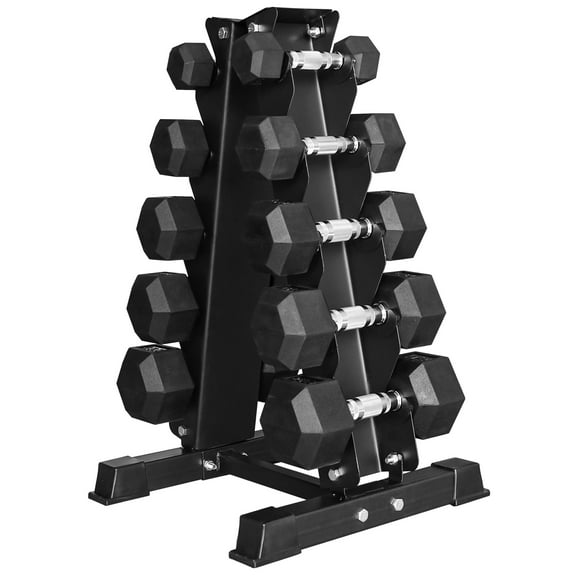
Fixed options help you move quickly between sets because each load stays ready to grab. You can keep your pace steady during supersets, circuits, and shared household workouts.
If you want one setup for presses, rows, curls, and lunges, adjustable weights can simplify storage. If you want instant transitions, fixed hand weights may fit your training style.
You should compare change speed, storage footprint, and your usual exercise mix before choosing. You may prefer a fixed weight set when multiple people train at once.
What to look for in materials and grip
You should compare cast iron, neoprene, rubber encased, and steel before you decide. You may notice each material changes feel, sound, storage, and floor contact.
Cast iron often gives you a classic training feel and a compact shape. You may choose it when you want straightforward free weights with a simple finish.
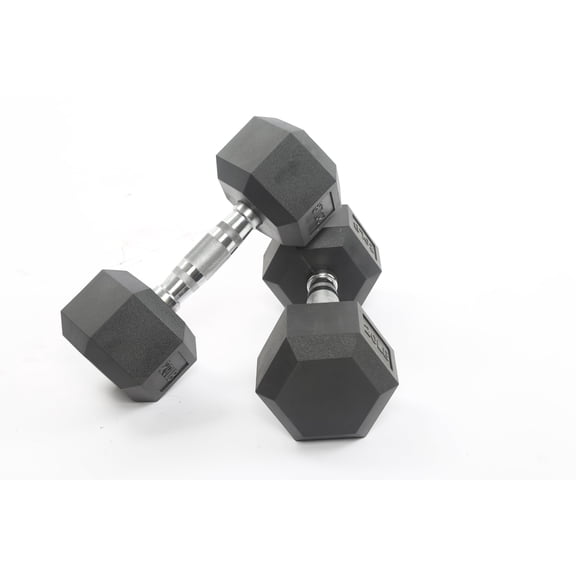
Rubber encased weights can feel quieter in busy rooms and gentler on hard flooring. You should compare rubber density and edge shape when floor contact matters in your space.
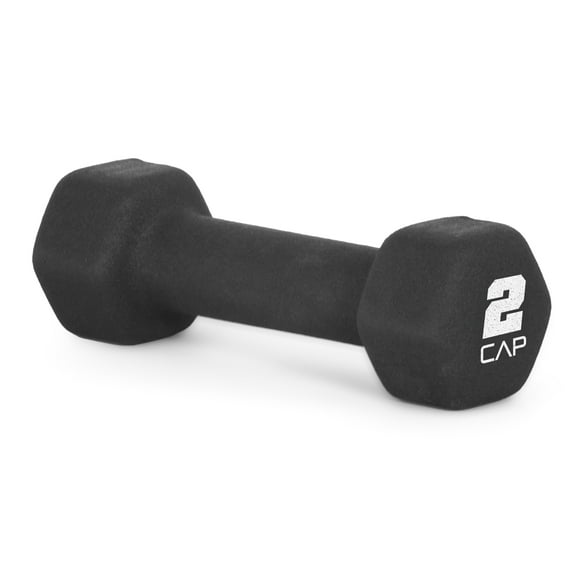
Neoprene hand weights usually offer a softer outer feel and a textured surface. You can use them for aerobic classes, light toning, and controlled repetition work.
Steel can feel sleek in your hand during repeated lifts and compact in storage. You should also compare grip style, because handle texture affects comfort and control.
Knurled chrome gives you more texture for heavier lifts and repeated sets. Textured neoprene feels more cushioned, while smooth steel offers a cleaner, simple feel.
Understanding weight types and bar compatibility
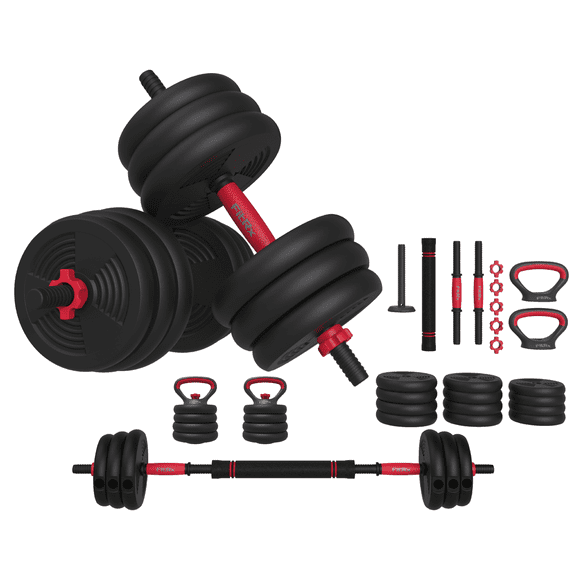
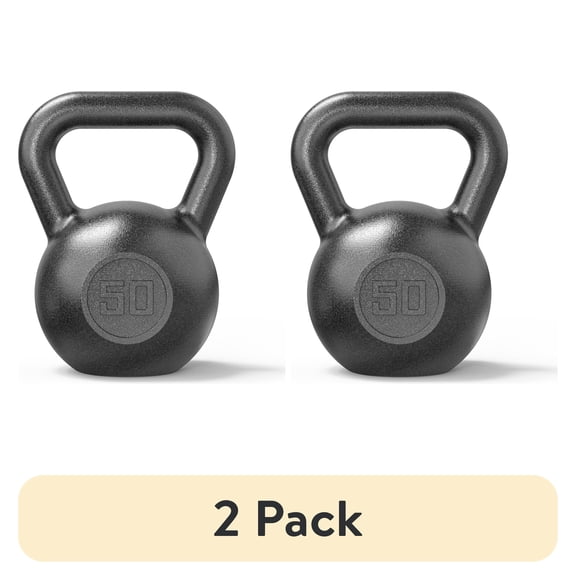
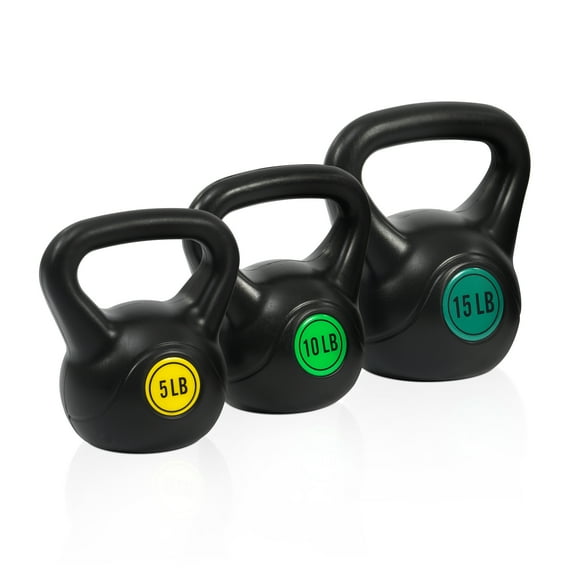
You should choose weight types based on the movements you actually perform each week. You may want dumbbells for presses and rows, kettlebells for swings, and barbell plates for bar work.
Barbell plates need careful sizing, especially if you already own a bar at home. You should check whether your plates fit a one-inch standard bar or a two-inch Olympic bar.
Standard plates fit bars with smaller sleeves, which many home setups use for lighter lifting. Olympic plates fit two-inch sleeves, and you may choose them for broader barbell compatibility.
You should confirm center hole size, plate diameter, and total load needs before ordering. You can avoid mismatch issues when you measure your current bar first.
Matching weights to real workout scenarios
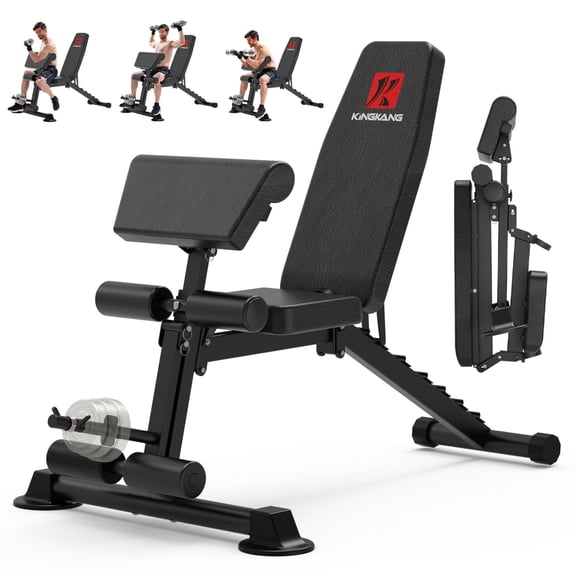
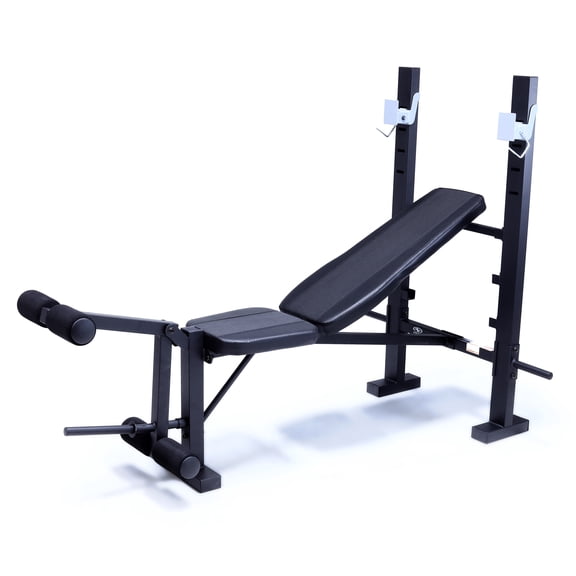
You may build a compact corner gym with adjustable weights, a bench, and a mat. You can keep your setup flexible without filling your floor with many separate pairs.
If you follow classes or quick intervals, fixed hand weights can keep transitions simple. You may prefer multiple pairs when your workout changes pace often.
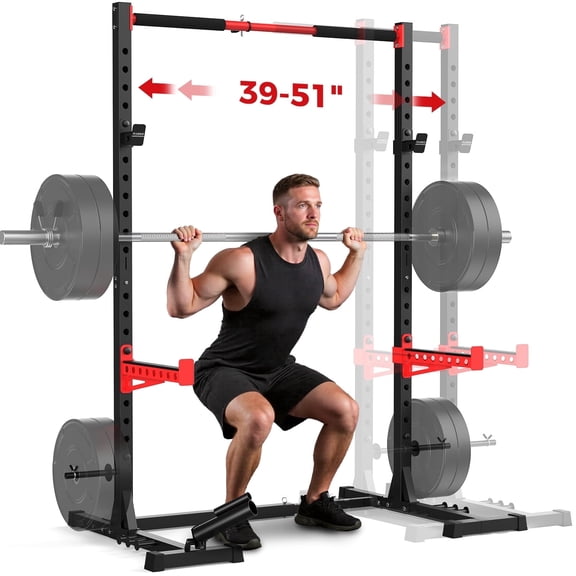
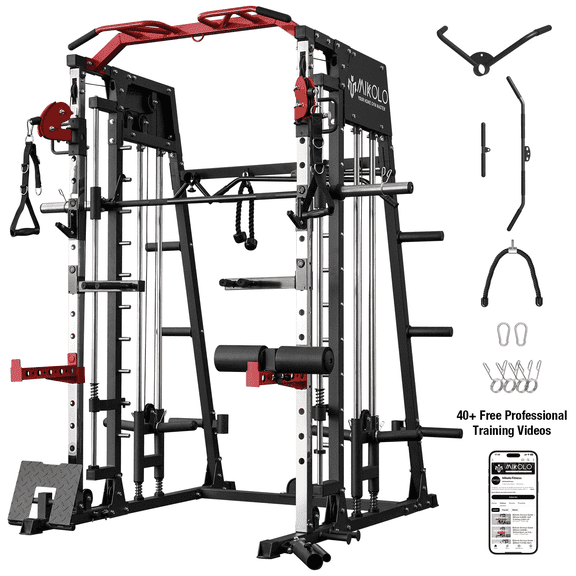
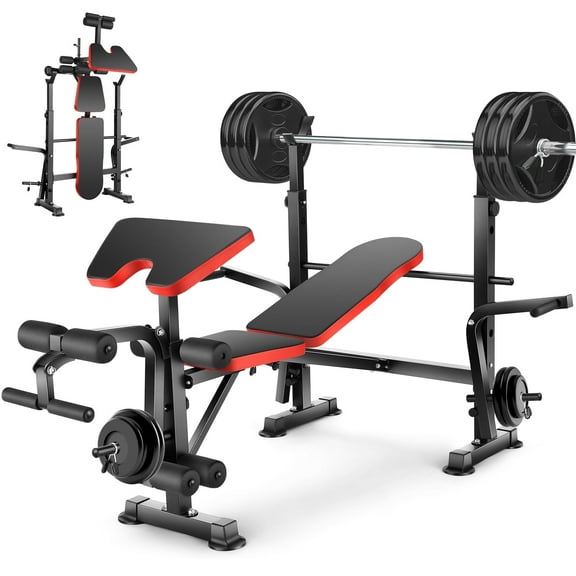
For strength-focused sessions, free weights and barbell plates support progressive loading across major lifts. You can pair them with racks, benches, and bars for a structured setup.
If your routine includes walks, floor work, or lower-impact sessions, ankle weights can add light resistance. You may also use wrist weights when you want smaller load changes.
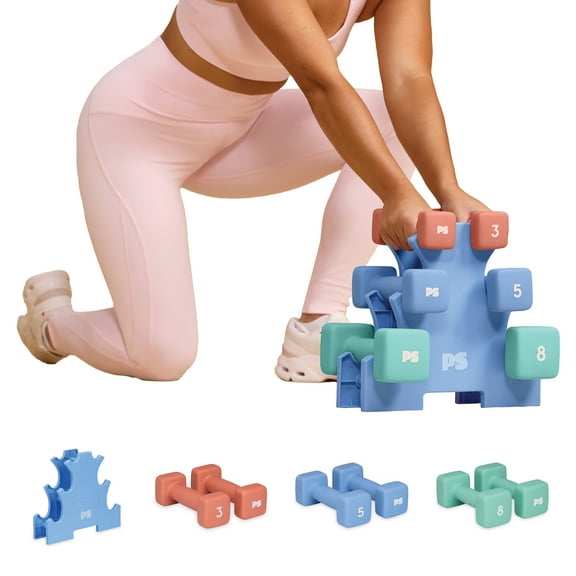
You should also think about storage before you choose heavier weights. You can compare racks, stackable designs, and compact shapes for a tidier workout area.
Weights work well when your range, material, and format match your routine and space. You can train with more consistency when your setup fits your preferred exercises.