

BJJ and Judo Gear for Martial Arts Training































About BJJ and Judo Gear for Martial Arts Training - Walmart.com
You need bjj judo gear that matches your training style, uniform rules, and daily practice routine. You can compare gi cuts, weave weights, sizes, and belt options here with practical guidance.
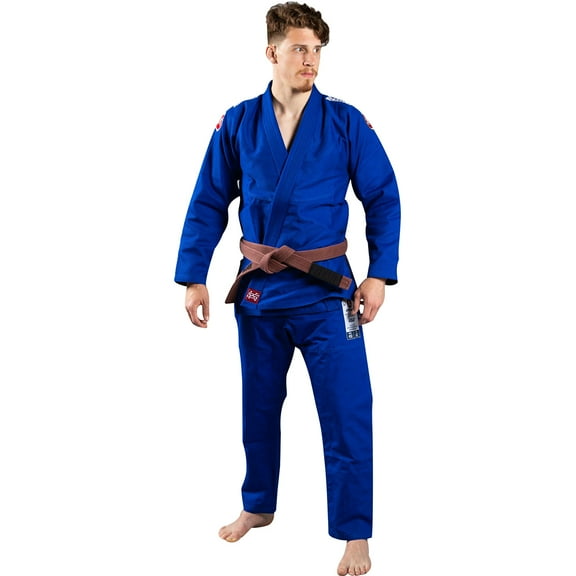
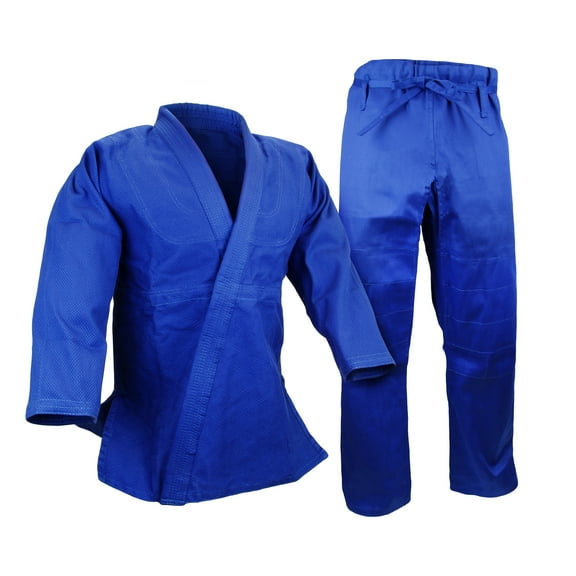
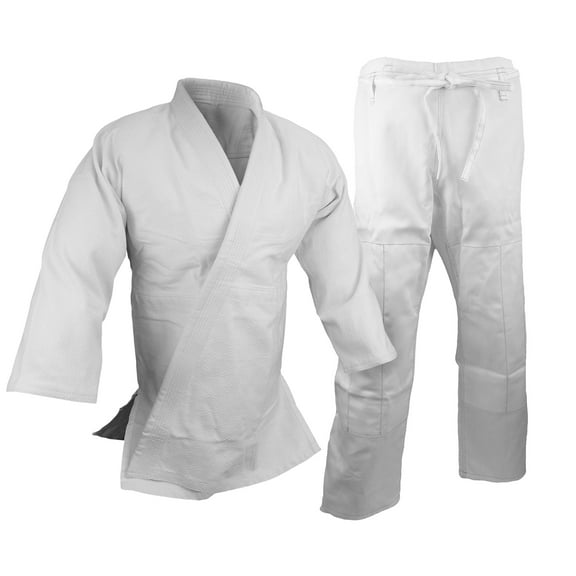
For Brazilian Jiu-Jitsu, you may want a closer fit with shorter cuffs and a trimmer skirt. For Judo, you may prefer a roomier cut that supports throws and steady grip exchanges.
How to choose bjj judo gear for your discipline
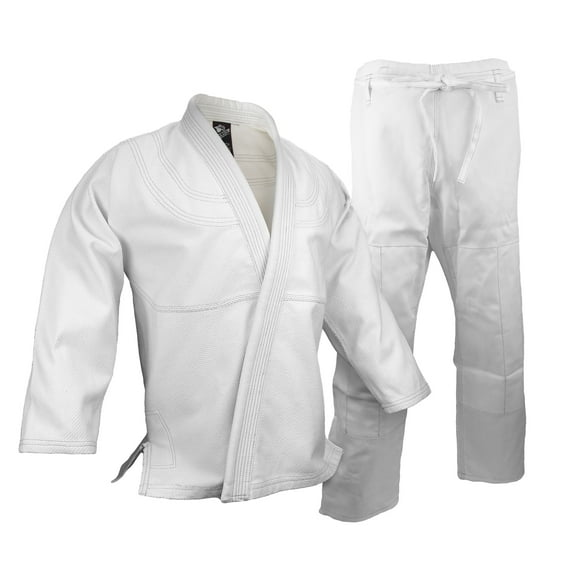
When you compare bjj gis and judo uniforms, you should start with sport-specific cut and reinforcement. You can use those details to narrow options for class needs or competition goals.
In BJJ, you may notice a trimmer profile that supports movement and grip defense. In Judo, you may notice fuller gripping areas that fit throwing practice and stand-up drills.
- You can choose a BJJ gi when you want a closer silhouette and shorter cuff length.
- You can choose a Judo uniform when you want a looser fit for throws and stronger grip exchanges.
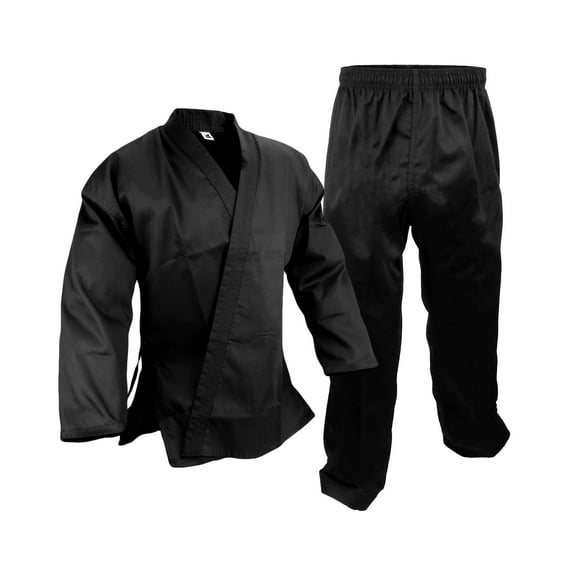
- You can compare belts, pants, and kimonos together so your setup stays consistent.
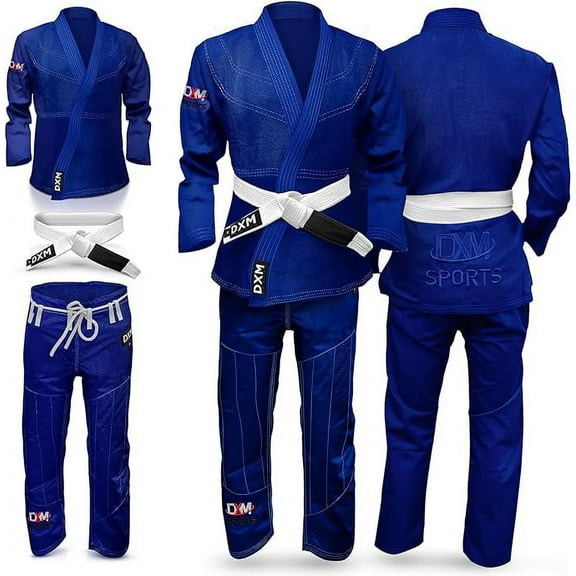
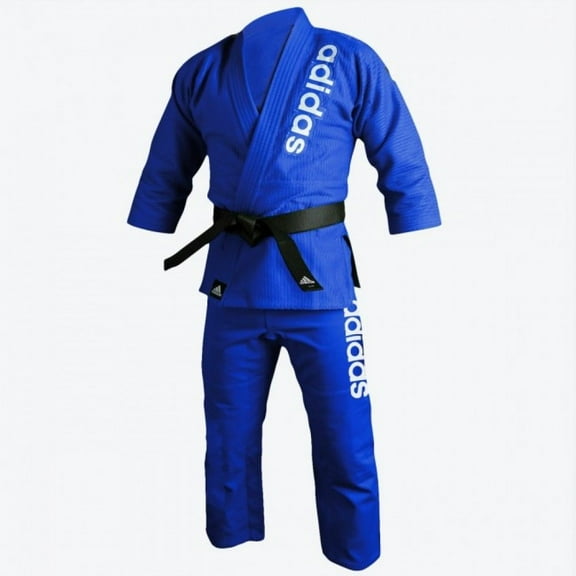
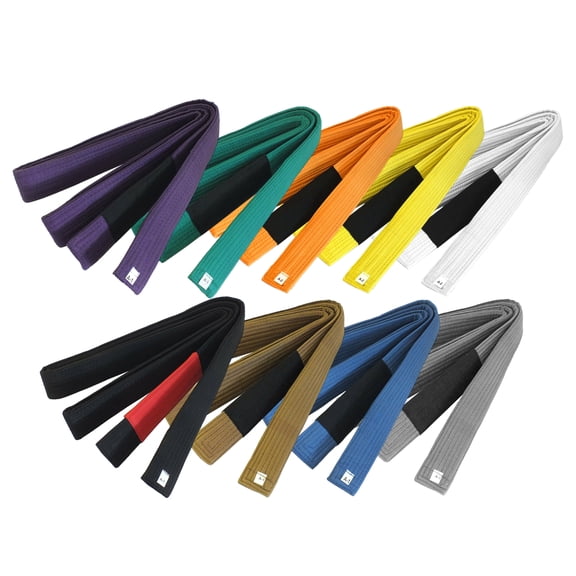
- You can match white, blue, black, purple, or brown options to rank rules and gym preferences.
Because these sports use different gripping patterns, you should avoid treating every gi as interchangeable. A sport-specific cut can help your uniform feel more natural during drills.
Choosing between bjj gis and judo uniforms
You should compare weave weight early because fabric structure changes how your uniform feels in training. You may see single weave, double weave, pearl weave, and gold weave across this category.
For a lighter feel, you may prefer single weave or pearl weave for regular classes. For a denser feel, you may look toward double weave or gold weave for heavier gripping sessions.
Material matters too, so you should compare fabric before you decide on daily use. You may find 100% cotton, cotton-polyester blend, and ripstop options across jiu jitsu equipment and apparel.
If you want a traditional feel, you may choose 100% cotton and check shrinkage notes closely. If you want easier care, you may consider a cotton-polyester blend or ripstop pants.
For competition use, you should check whether sizing, color, sleeve length, and patch areas align with IBJJF or IJF expectations. That step can help you compare options before classes, tournaments, or team orders.
You don’t need every rule memorized, but you should compare rule-focused details before deciding. A quick review of cut, color, and measurement guidance can reduce guesswork.
What to look for in size range and shrinkage
You should measure height, weight, and current uniform fit before selecting sizes like A0 through A6. Those ranges can help you narrow BJJ options for smaller adults, taller frames, or youth sizes.
For Judo sizing, you may also see ranges like M0 through M4 on selected items. You should compare each chart because brands can interpret those labels differently.
Higher cotton content means you should read shrinkage details before choosing your size. You may want extra room if your routine includes hot washes or machine drying.
If you want a closer competition fit, you should compare preshrunk notes and finished measurements carefully. You can also check whether pants and jackets break in over time.
Mobility matters as much as measurements, so you should think about your training style before sizing down. You may want room for guard work, throws, and repeated movement without extra bulk.
How belts, colors, and training pieces fit your setup
You should choose belt color based on rank requirements and your school’s expectations. You can also compare belt length to your waist size and preferred knot length.
When you shop bjj belts, you may want a firm wrap that stays tied through drilling and sparring. You should also match belt width and length to the uniform size you already wear.
Color can affect more than appearance, so you should confirm your gym or event standards first. You may commonly see white, blue, black, purple, and brown across this category.
You can also build a complete setup by comparing gis, kimonos, pants, and belts together. A planned rotation can keep your preferred fit ready between wash days and classes.
For frequent training, you may want separate pieces for class use and competition prep. That approach can make uniform rotation simpler across a busy week.
Using bjj judo gear for class, drilling, and competition prep
You should think about where and how you train before choosing fabric and cut. You may want lighter gear for daily classes and denser weaves for grip-heavy sessions.
If your focus stays on guard passing, scrambling, and mat movement, you may prefer a trimmer BJJ profile. If your practice includes throws often, you may lean toward a roomier Judo shape.
Your cleaning routine also matters, so you should consider how often you wash uniforms between sessions. Fabric choice and sizing guidance can support a more predictable weekly rotation.
For tournament prep, you should compare competition colors, cuff measurements, and patch-friendly layouts. You can narrow choices faster when you know whether an event follows IBJJF or IJF standards.
If you’re building your first kit, you can start with one gi, one spare belt, and extra pants. That combination can cover regular training needs without adding extra complexity.
With the right fit, weave, and rank color, you can train with fewer distractions and steadier movement. The right category match can help your uniform fit your sport and routine.