


Home Gym Accessories in Home Gyms































About Home Gym Accessories in Home Gyms - Walmart.com
You can upgrade your routine with home gym accessories that support strength work, mobility sessions, and compact storage in one workout space. You’ll find resistance bands, cable attachments, handles, and mats that fit different training goals and room sizes.
If you’re building a workout room at home, these accessories help you train without bulky equipment taking over your floor. You can compare attachment types, resistance levels, materials, and portability so your setup matches your gear and your plans.
How to choose home gym accessories for your setup
You should start with the accessory type that matches how you train most often. You may want resistance bands for leg exercises, cable attachments for pulling movements, handles for grip variety, or mats for floor sessions.
When you compare workout room accessories, you’ll want pieces that support more than one movement pattern. You can use a resistance band for rows, presses, squats, and stretching when you choose the right tension.
You’ll also want to think about your available space before you choose larger add-ons. If your room is compact, you can focus on lightweight bands, folding mats, and smaller attachments that store easily.
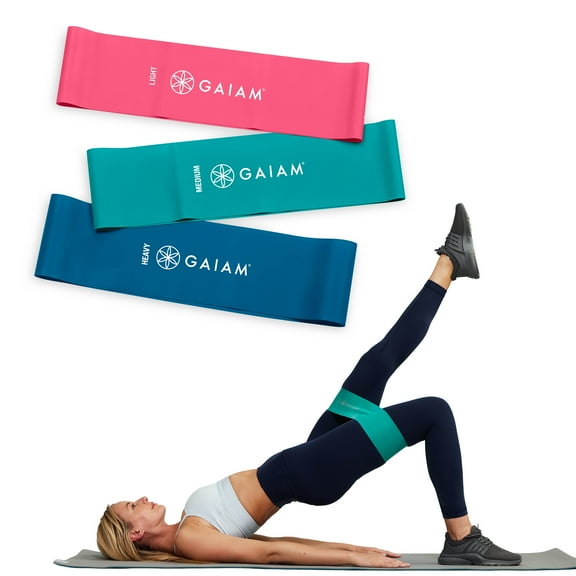
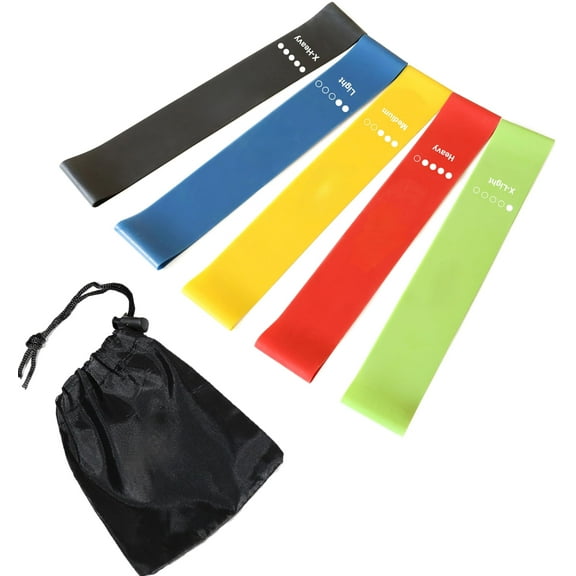
- You can use resistance bands for legs, glutes, rows, presses, and mobility drills.
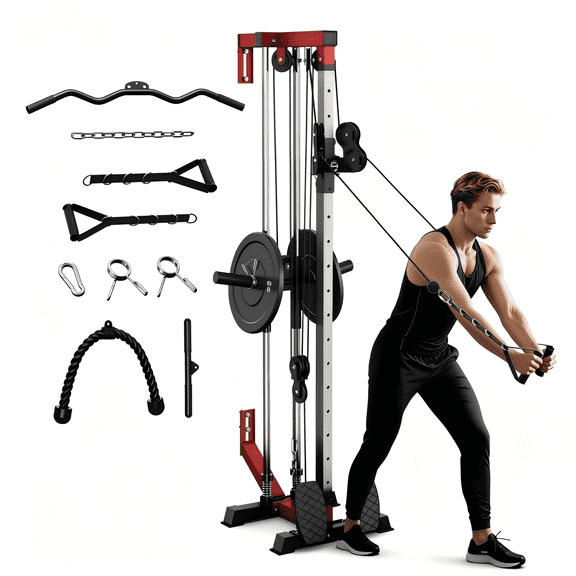
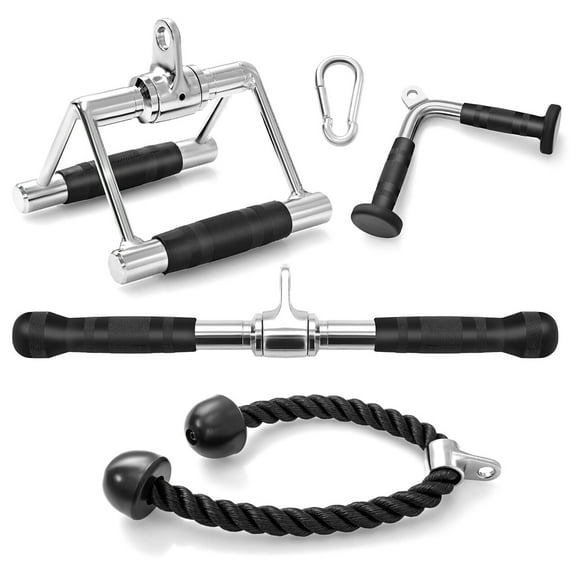
- You can add cable attachments to expand pulling, curling, and triceps movements on compatible machines.
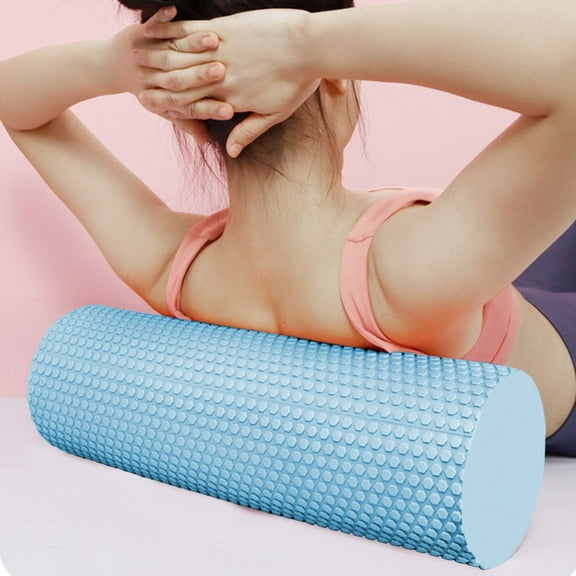
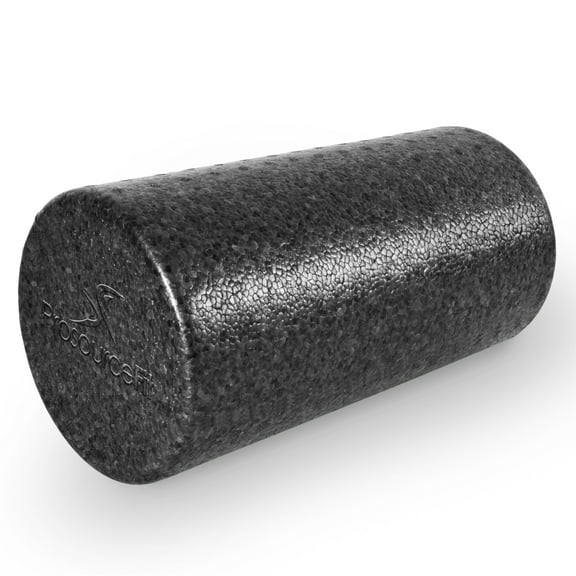
- You can use mats to create a stable surface for stretching, core work, and cooldown routines.
- You can keep compact accessories organized more easily in smaller home workout areas.
Choosing resistance bands for legs and strength training
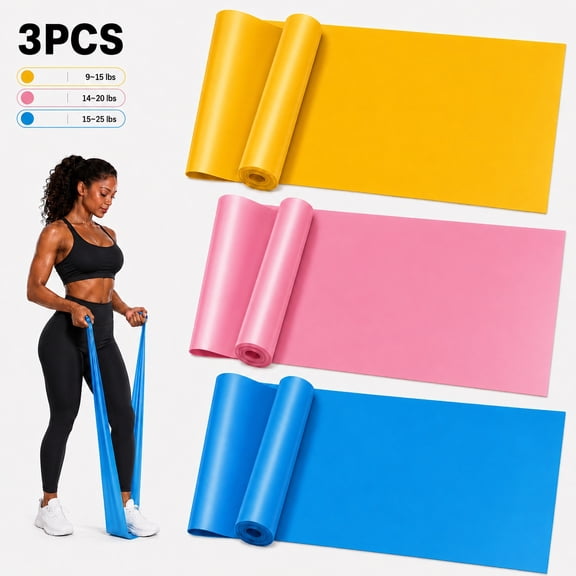
You should compare resistance level first because it changes how each movement feels during training. If you’re a beginner, you may prefer lighter tension, while intermediate and advanced users often choose stronger ranges.
When you shop resistance bands for building muscle, you’ll want tension that stays challenging through presses, rows, and squats. You can keep multiple levels on hand so your upper-body and lower-body work feel balanced.
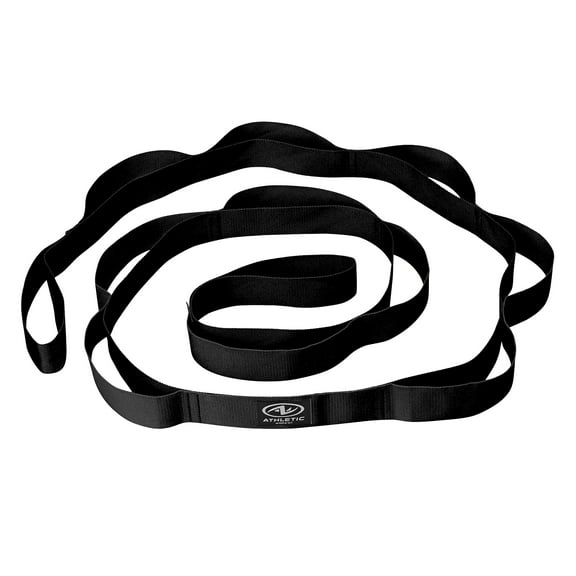
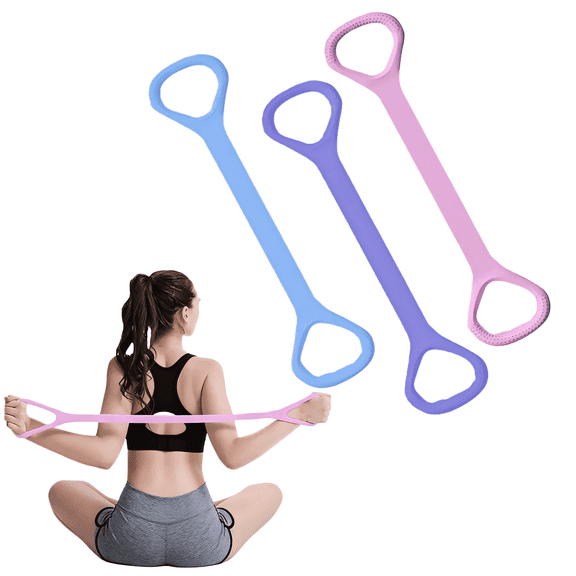
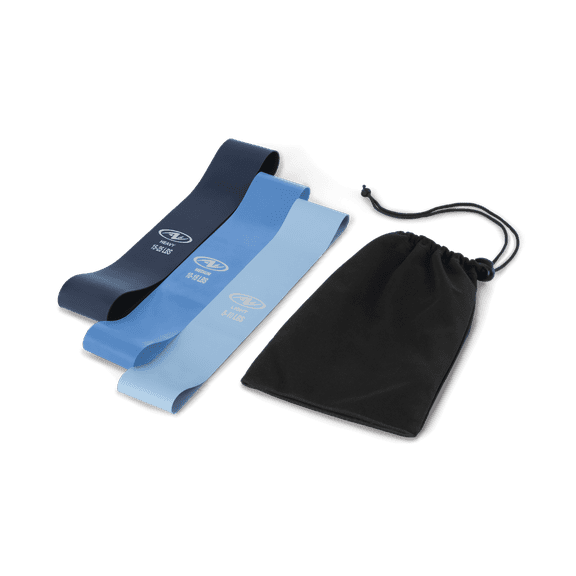
You may notice elastic bands come in loop, tube, and flat styles for different exercises. If you want a stretch band for flexibility, you may prefer a longer band that supports controlled holds.
Material matters when you use bands often and want steady performance over time. You can compare latex and fabric-covered options based on feel, stretch response, and how you plan to train.
If you want a body band for travel, you’ll likely prefer a compact design that fits in your gym bag. You can bring lightweight bands for hotel workouts, warmups, and quick mobility sessions.
Choosing cable attachments, rope bar options, and power handle designs
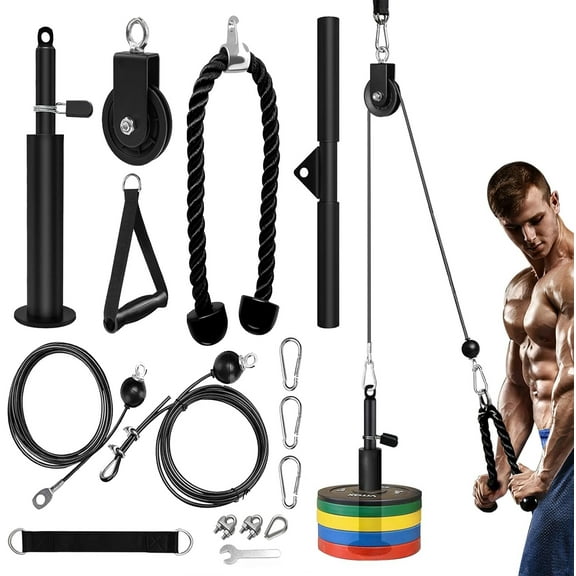
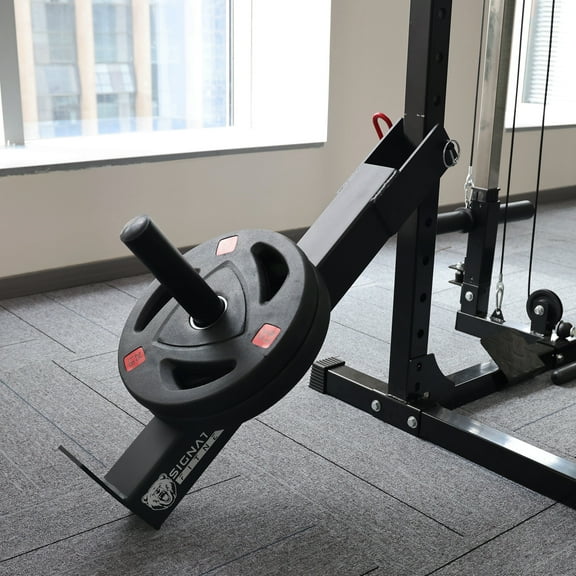
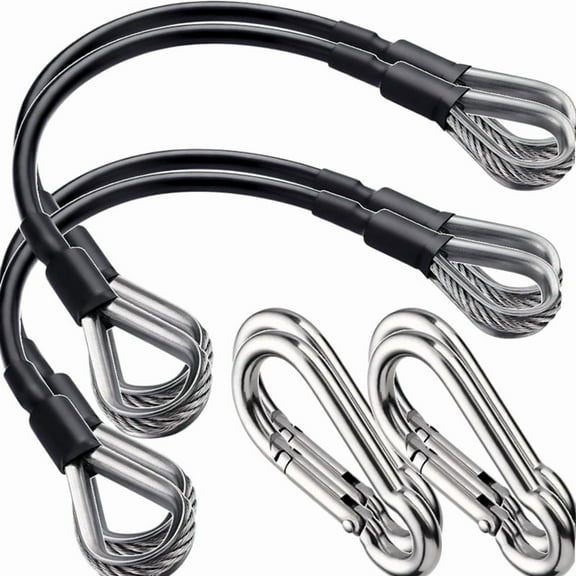
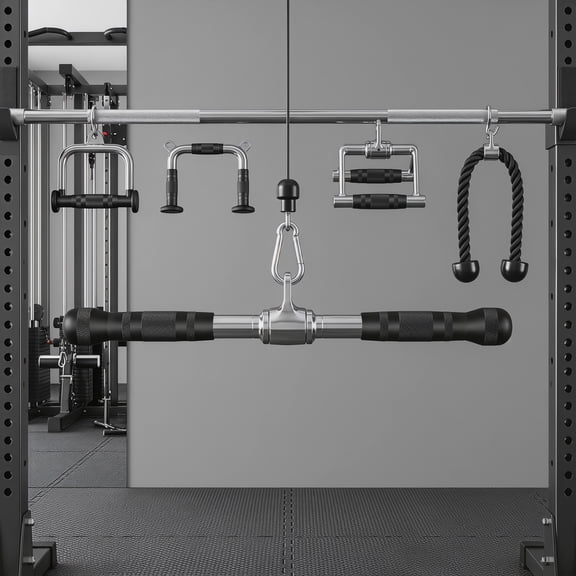
You should check compatibility before you choose cable attachments for your machine. You’ll want to compare the connection mechanism, carabiner size, and cable machine fitment for a smoother setup.
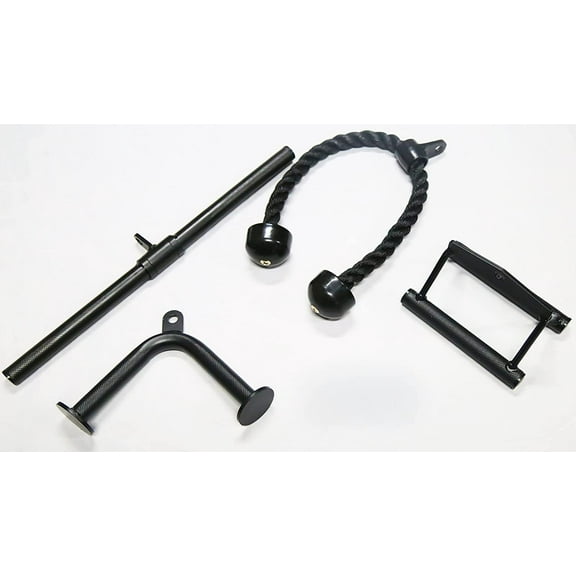
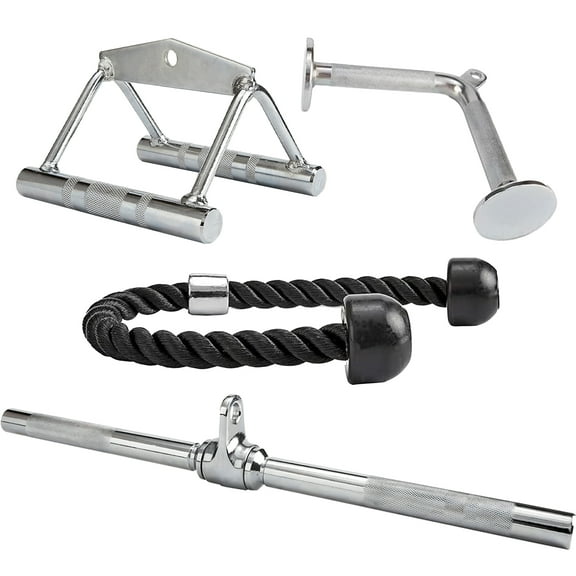
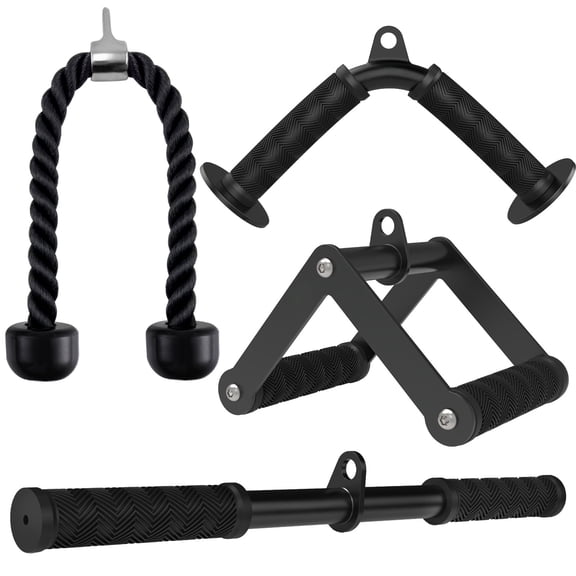
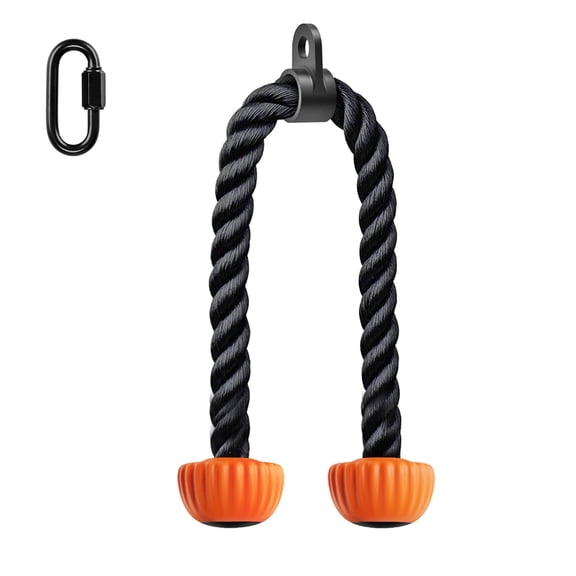
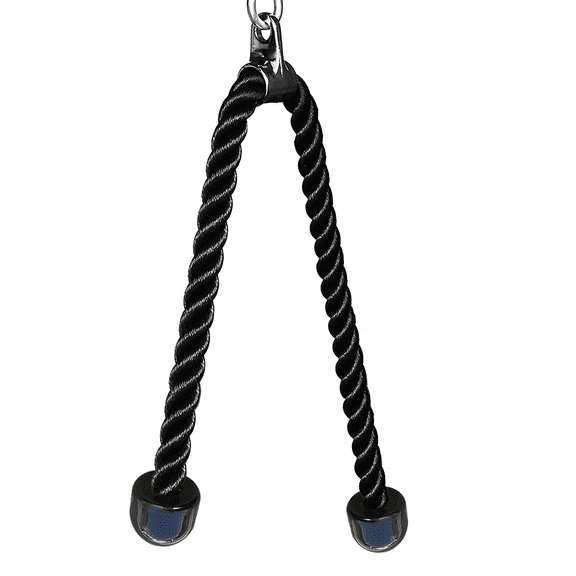
If you’re planning a bicep cable workout, you may want a straight bar, rope bar, or single-grip handle. You can shift your grip position more easily when you match the attachment to the movement.
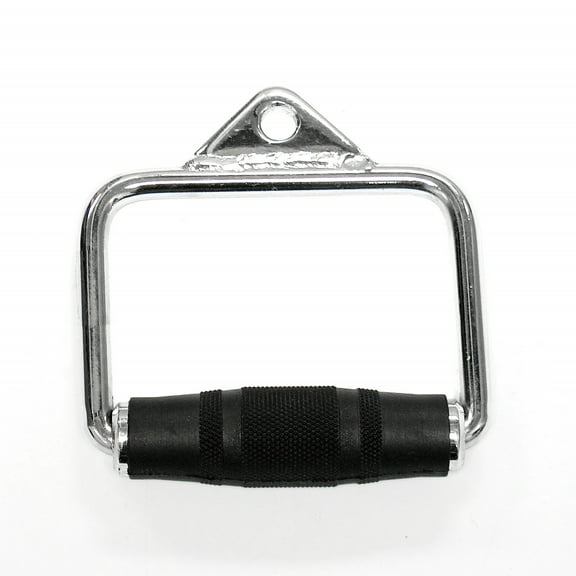
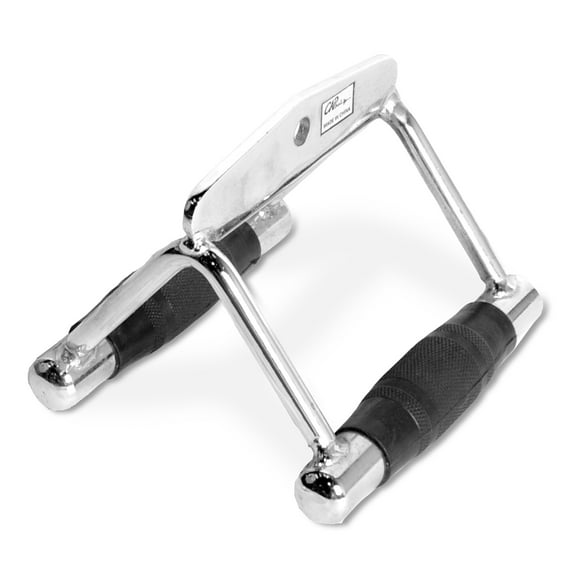
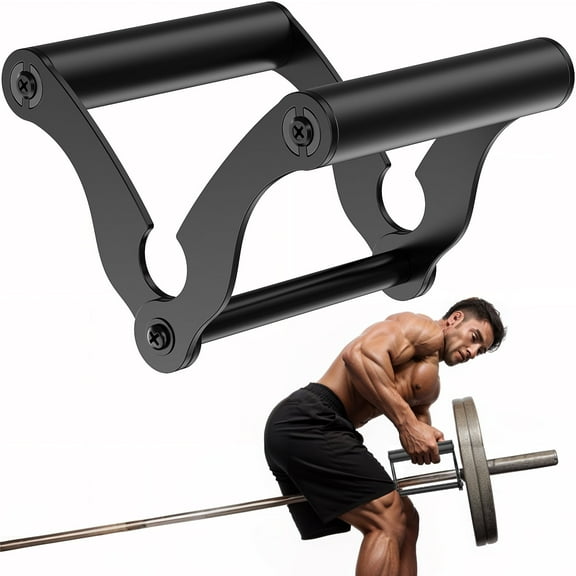
You’ll find that a power handle can support one-arm rows, presses, curls, and lateral raises. If you want more exercise variety, you can choose handles that work across several cable stations.
Material also shapes how an attachment feels during repeated sets. You can compare heavy-duty steel frames, nylon straps, and rubber grip zones based on comfort and your training style.
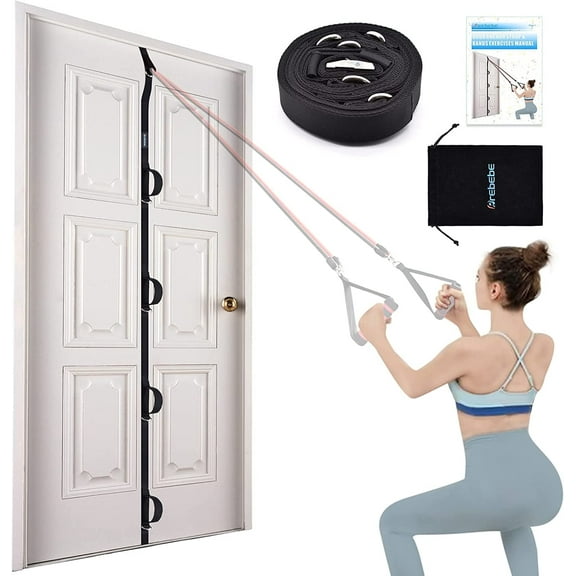
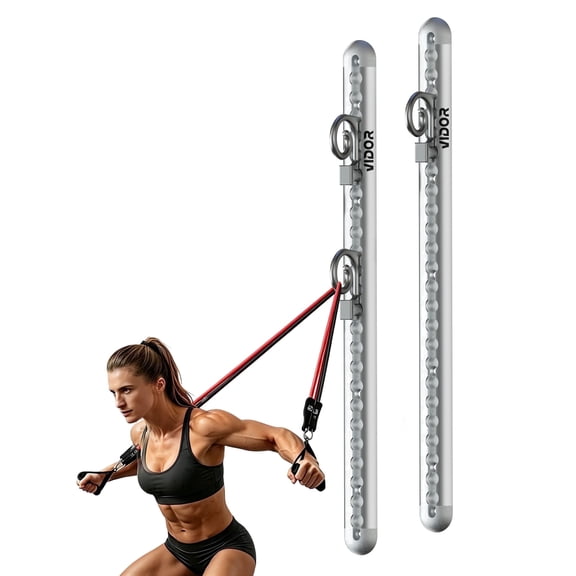
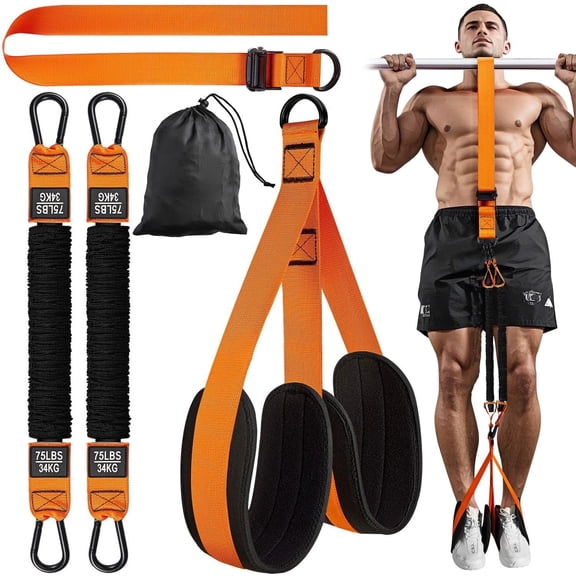
When you want accessories that work across multiple devices, you should look for universal fit details. You can also check whether door anchors, clips, or straps support your existing home gym setup.
What to look for in materials, portability, and versatility
You should compare materials closely because they affect grip, flexibility, and long-term wear. If you train often, you may want latex stretch, steel structure, nylon loops, or rubber-coated handles.
Durability details can help you narrow down options without guessing. You can look for anti-snap latex ratings on bands and steel gauge information on cable attachments and bars.
If you move your gear between rooms, portability becomes a key decision point. You may prefer travel-friendly accessories that stay lightweight and compact without giving up exercise variety.
Versatility can matter just as much as raw resistance or attachment shape. You can get more from your setup when one accessory supports warmups, strength sessions, and flexibility work.
You should also think about how each piece stores after training ends. You can stack mats, hang handles, and tuck bands into bins to keep your room usable every day.
Matching accessories to your workout focus
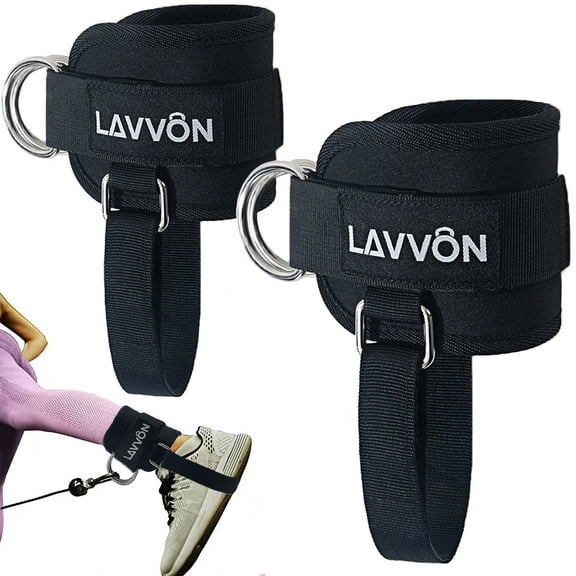
If your training centers on leg exercises, you may choose loop bands, ankle straps, and mats for lower-body sessions. You can use them for squats, kickbacks, lunges, bridges, and warmup walks.
If you’re focused on strength training, you may want handles and attachments that expand pull and press variations. You can rotate between rows, curls, pushdowns, and chest movements with fewer equipment changes.
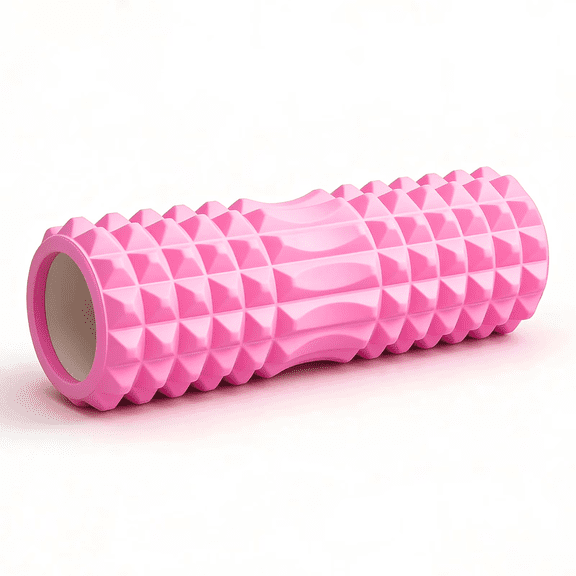
For flexibility work, you should consider a stretch band for flexibility and a mat with enough space for floor routines. You can support mobility sessions, cooldowns, and controlled stretches in smaller rooms.
If you want accessories for targeted arm work, you may build around a bicep cable workout setup. You can pair a rope bar or single handle with compatible cable machines for controlled curl variations.
You’ll get a highly functional setup when your accessories match both your goals and your available equipment. With the right home gym accessories, you can create more exercise variety without crowding your space.