


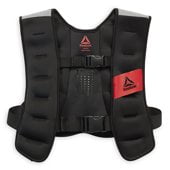
Weight Vest Plates in Weight Lifting Accessories


















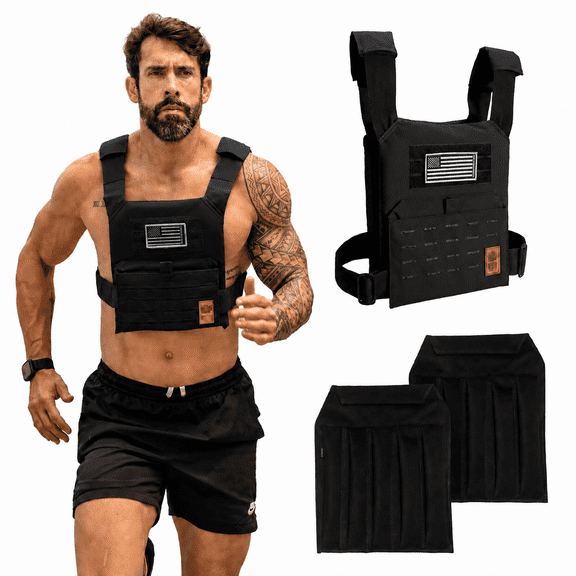
About Weight Vest Plates in Weight Lifting Accessories - Walmart.com
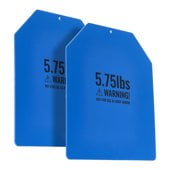
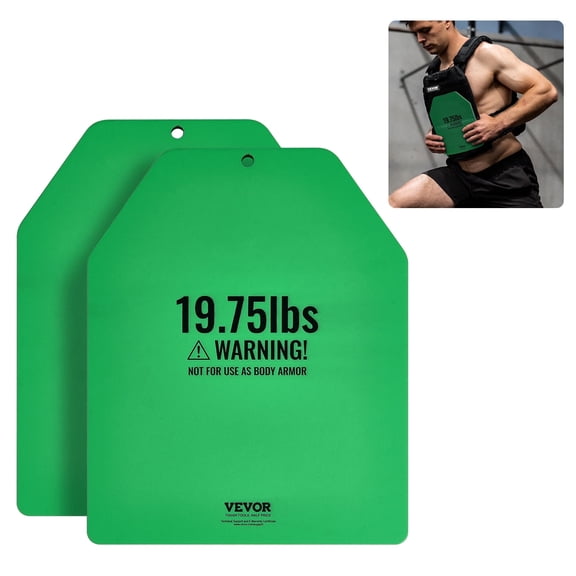
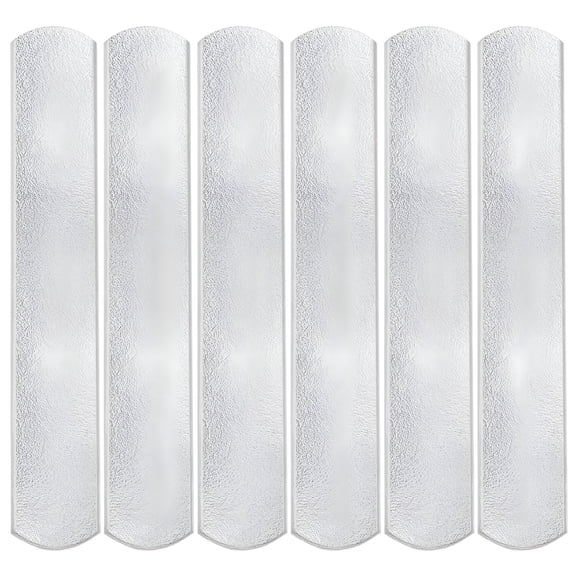
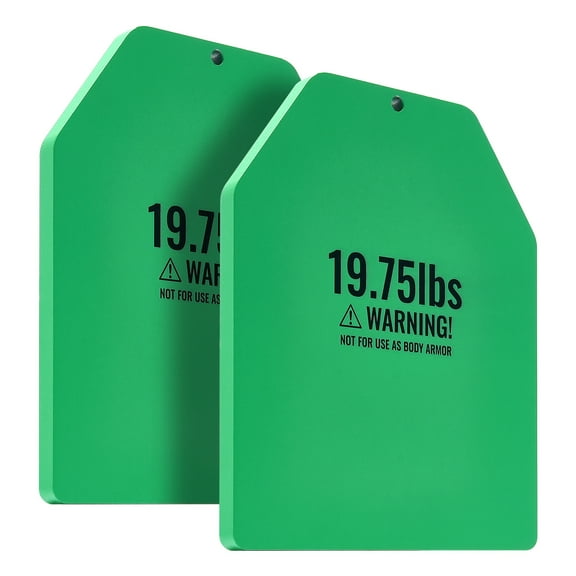
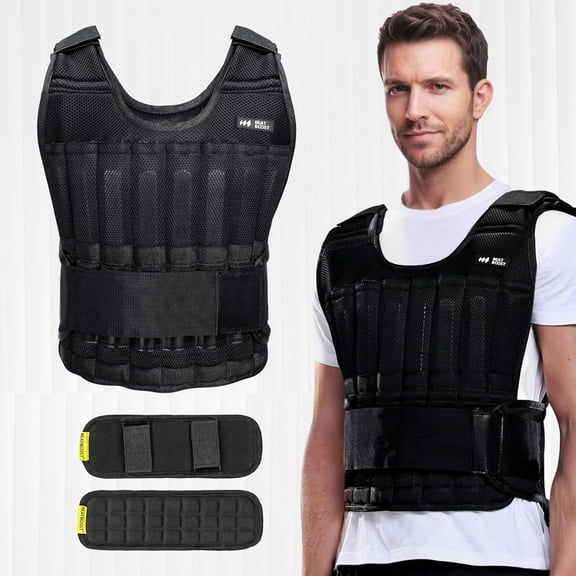
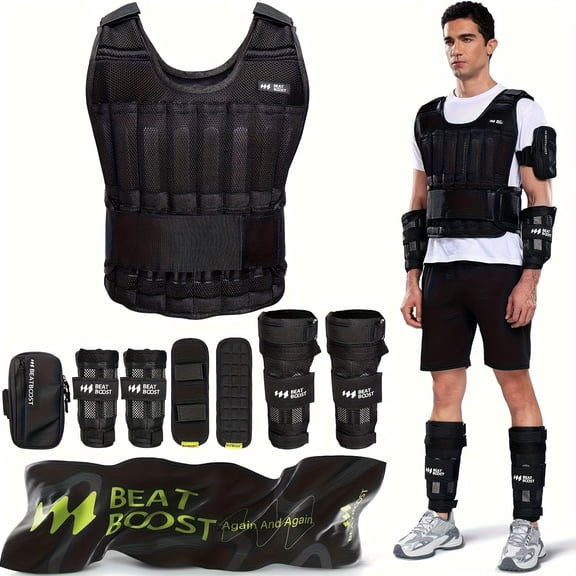
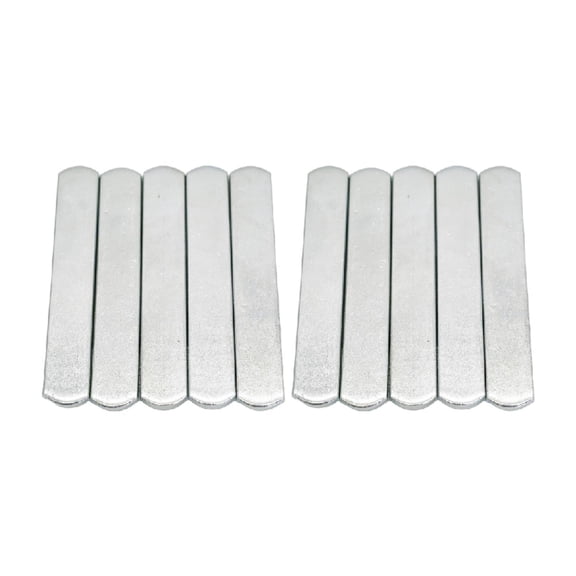
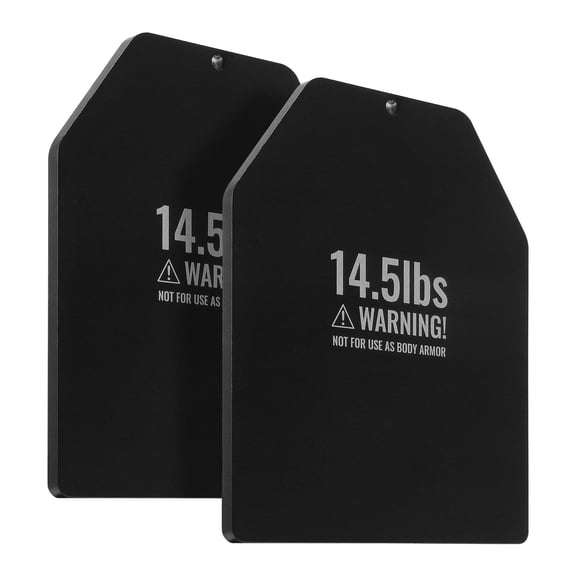
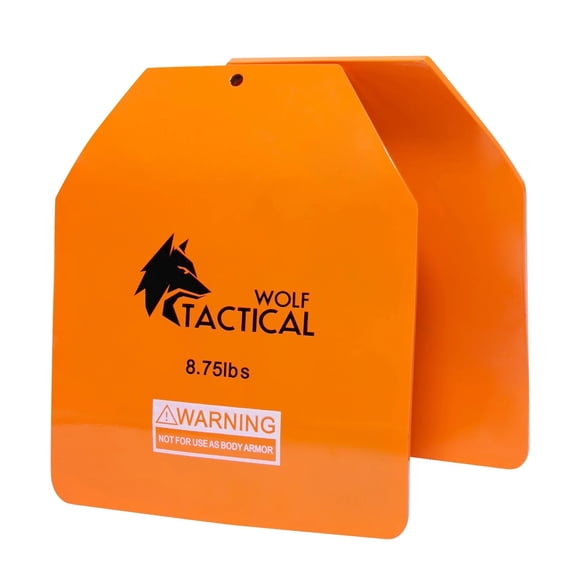
Weight vest plates help you fine-tune training load with a snug fit inside your carrier. You can compare plate profile, material, and pocket dimensions to choose inserts that match your setup.
If you're building a training kit, you need plates that fit your vest pocket dimensions. You should check length, width, and thickness first, because proper fit supports comfort, movement, and stability.
How to choose weight vest plates
When you compare weight vest plates, you should start with your vest type and training style. You may use a tactical vest, plate carrier, or CrossFit vest, and each design can vary in pocket shape.
Before you choose a pair, you should measure your vest pockets carefully. You want the plate length, width, and thickness to match your carrier, so the load sits securely during squats, runs, and step-ups.
- You can improve load balance when your plates match your pocket dimensions.
- Your training can feel steadier when you compare flat and curved profiles for your routine.
- You can build progression clearly when you select the right weight increment.
- Your outdoor sessions can benefit when you compare powder-coated steel and cast iron finishes.
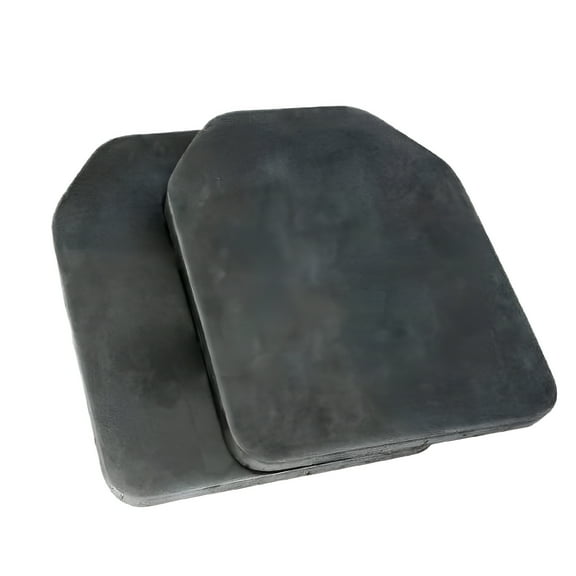
Another key decision involves how the plate sits against your torso. You may prefer curved weight vest plates when you want a body-hugging feel during faster movement.
Flat plates can work well when your vest pockets are designed for a straighter insert. You should compare your vest shape first, because a mismatch can create shifting inside the carrier.
Choosing curved weight vest plates and flat profiles
You should treat plate profile as a comfort and motion decision. Ergonomic curved and 3D curved designs follow your body's shape closely, which can feel smoother during lunges and sprints.
If your workouts include burpees, box steps, or jogging, you may notice curved weight vest plates feel less bulky. You can also compare flat plates when your vest uses a more rectangular pocket layout.
For high-movement sessions, you should look for a profile that spreads contact more evenly. You want the plate to sit evenly across your chest or back, not create hard edges in your vest.
Comparing steel weight plates for vest use
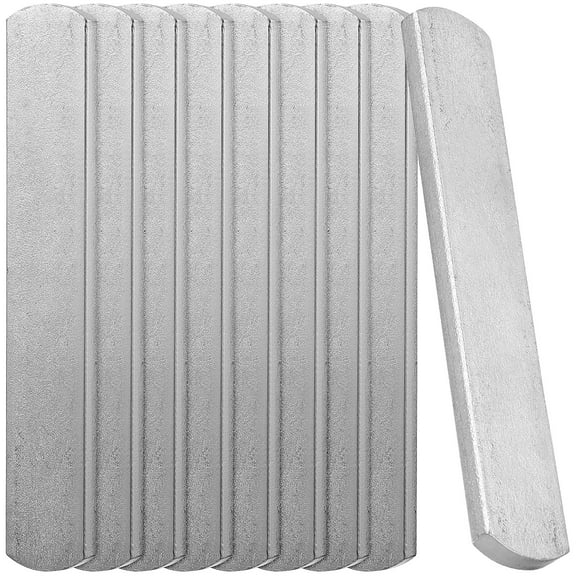
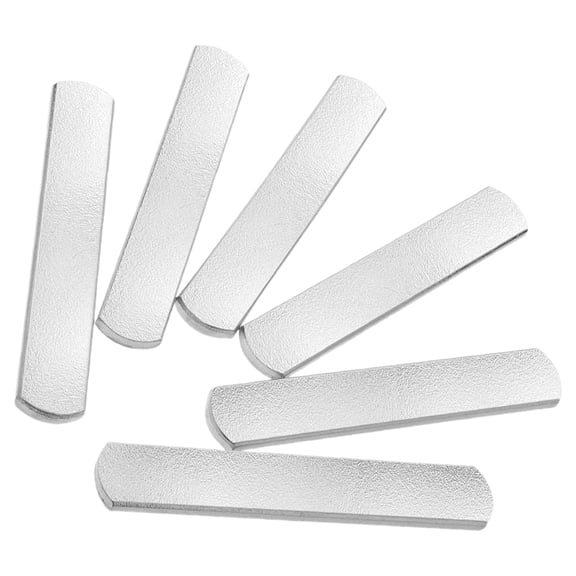
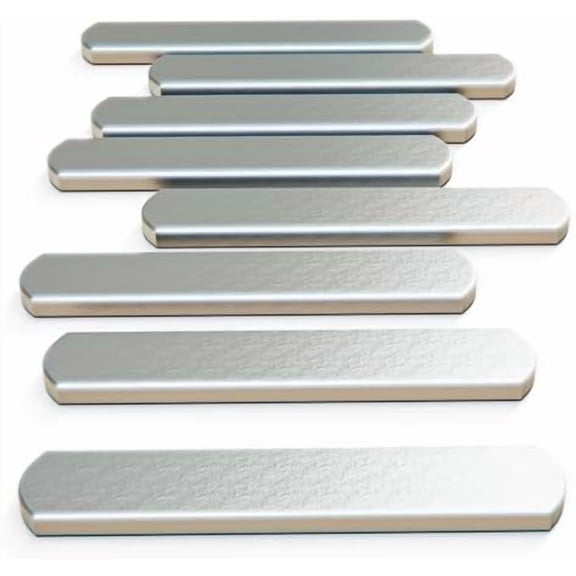
You should also compare material type before you commit to a set. Laser-cut steel and powder-coated steel can give you a clean shape, while cast iron vest plates offer a dense, traditional feel.
If you train outdoors, you should check the finish closely. Powder-coated steel can help you maintain a cleaner surface over time, especially when your gear sees sweat, garage storage, or field sessions.
You may want steel weight plates for vest use when precise shaping matters to your pocket fit. You can also consider cast iron vest plates when you want a straightforward option with familiar heft.
Raw surfaces may feel different from coated finishes during repeated use. You should compare edge smoothness and coating coverage, because those details matter when you insert and remove plates often.
Picking the right weight increment
You should choose load based on your training plan, not just the heaviest option available. Many shoppers start with lighter inserts, then move up as their walking, bodyweight, or circuit sessions feel more controlled.
Common options include five-pound plates, 8.75-pound plates, 10 lb weight plates, and 20-pound pairs. You can use lighter loads for longer sessions and heavier pairs for shorter, strength-focused work.
If you're new to vest training, you should consider how long you wear the load. You may prefer a moderate step up first, because steady progression often feels easier across multiple workouts.
More experienced lifters may choose heavier inserts for stair climbs, carries, and loaded calisthenics. You should still confirm that your vest's stated capacity matches the pair you plan to use.
Matching tactical vest weight plates to your carrier
You should treat compatibility as a key filter, especially if you use tactical vest weight plates or plate carrier weights. Your vest pocket dimensions determine whether a plate sits snugly, shifts around, or fails to insert fully.
Plate carriers often use specific internal dimensions, so you should measure before you buy. CrossFit-style vests can also vary, and your ideal insert may depend on thickness as much as height and width.
If you switch between carriers, you should compare each vest separately rather than assume a universal fit. You can avoid returns and setup issues when you verify size details before selecting your plates.
Your workout location and movement pattern also matter during selection. You may find plate carrier weights for garage sessions, outdoor rucks, and gym circuits call for different profiles, finishes, and weight jumps.
Using weight vest plates for different training goals
You can use these plates for walking, stair sessions, bodyweight circuits, and loaded conditioning work. Your choice should reflect how much movement you want, how long you train, and how close the vest sits.
For shorter strength sessions, you may lean toward denser inserts with a firm fit. For longer conditioning blocks, you might prefer a curved profile that feels smoother across repeated steps and transitions.
If your focus is progression, you should choose weight jumps that fit your plan over several weeks. You can build a more consistent routine when your plates match both your vest and your training schedule.
At Walmart, you can compare shape, material, compatibility, and load in one place. You get a clearer path to plates that fit your vest correctly and feel steady through every rep.