



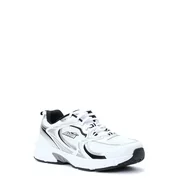
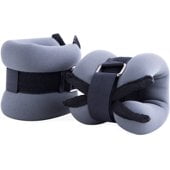
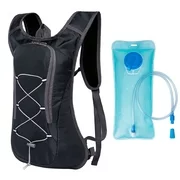
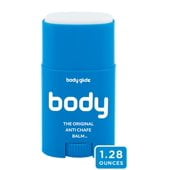
Running Gear in Exercise & Fitness Accessories























About Running Gear in Exercise & Fitness Accessories - Walmart.com
Running gear helps you stay visible, carry essentials, and stay comfortable through changing miles and weather. You can compare reflective options, secure storage, and fabric performance to match your routine.
If you run short loops, long training miles, or daily treadmill sessions, you need gear built for movement. You’ll also want choices that support phone storage, water access, and low-bounce comfort.
How to choose running gear for your routine
You should start with the gear type that matches your distance and what you carry. If you run light, you may only need socks or an armband.
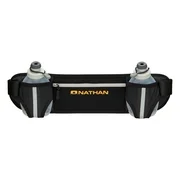
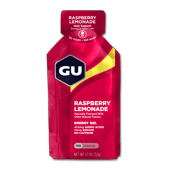
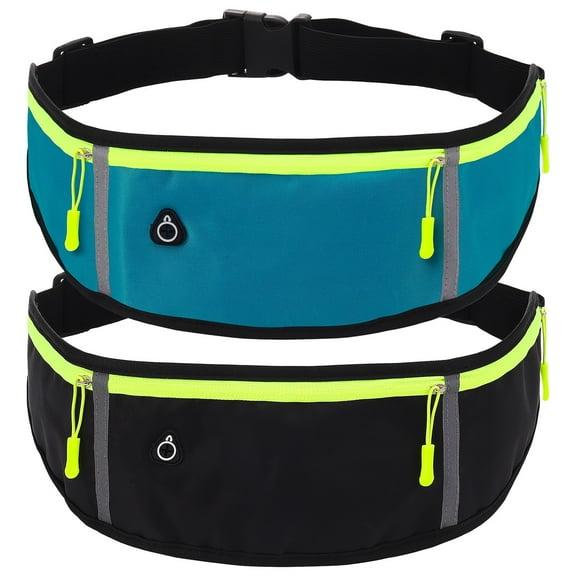
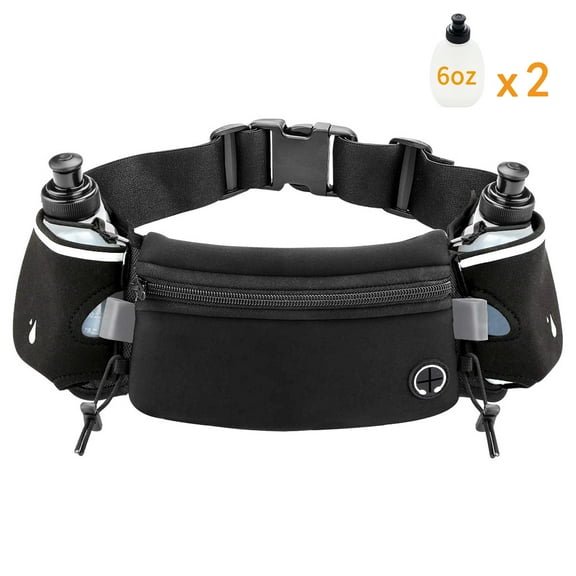
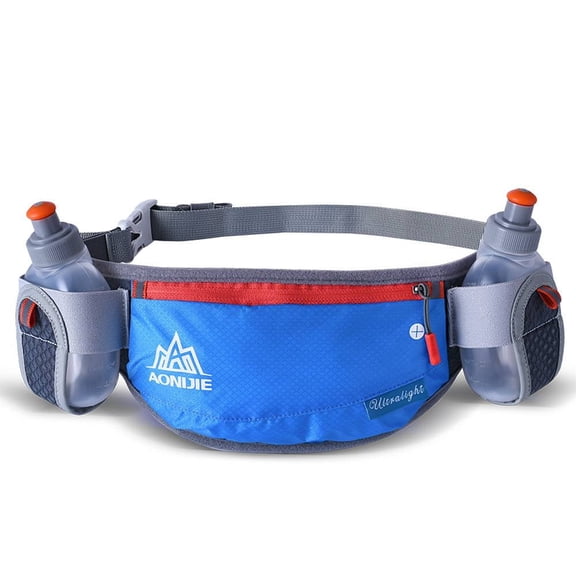
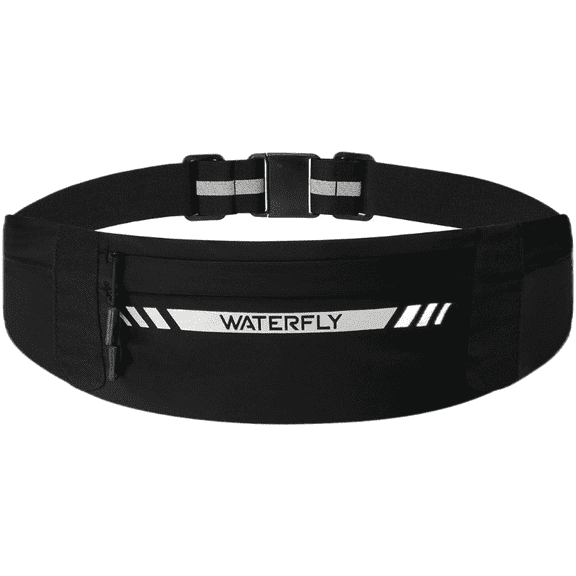
When you cover longer routes, you may prefer a running belt or water bottle setup. You can keep keys, cards, gels, and your phone close without stuffing pockets.
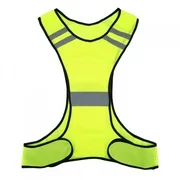
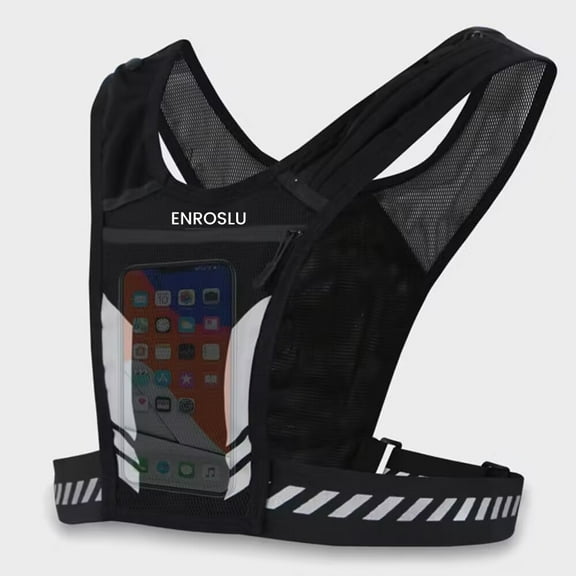
For early morning or evening miles, you should compare reflective details first. You’ll notice reflective vests and reflective trim help your gear stand out in low light.
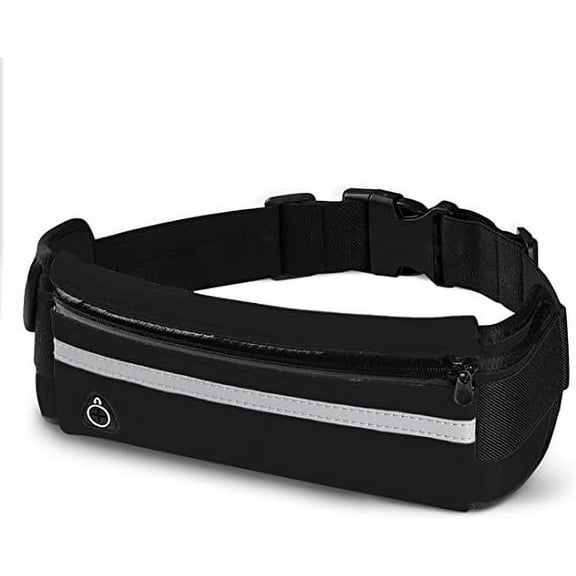
- You can use a running belt for steady storage and reduced bounce.
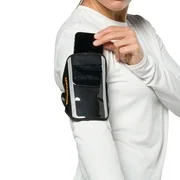
- You can choose an armband when you want quick phone access on shorter runs.
- You can add a water bottle for longer miles or warmer conditions.
- You can pick socks with breathable construction for comfort inside running shoes.
- You can look for reflective gear when your route includes darker streets or trails.
Comparing running accessories by gear type
You should compare running accessories by what you need to carry and how much movement you expect. A snug fit matters because you want your items to stay in place.
With a running belt, you can check pocket size, closure style, and waistband adjustability. You’ll want enough room for a phone and keys without extra bulk.
If you prefer an armband, you should measure your device before choosing. You can also compare strap adjustment and touch-friendly screen windows for easier control.
When you pick socks, you should look at cushioning, height, and moisture-wicking fabric. You’ll feel the difference when your pair stays drier through repeat miles.
For hydration, you can compare handheld water bottles and easy-grip shapes. You should check how the bottle feels in your hand during steady movement.
Choosing running equipment for weather and fabric performance
You should match your running equipment to the season, temperature, and forecast. Breathable and moisture-wicking materials help you feel more comfortable when your pace picks up.
In hot weather, you may want lighter layers and open airflow zones. You can look for breathable fabrics that feel less heavy as your run continues.
For cold weather running gear, you should compare thermal coverage and layer-friendly fits. You can keep your motion natural while adding warmth for outdoor miles.
If your route includes drizzle or mixed conditions, you can consider rain-resistant options. You should also check whether seams, closures, and materials suit all-season use.
Reflective material is another key decision when weather reduces visibility. You can combine thermal pieces with reflective accents for darker winter runs.
Picking the right fit for men, women, and adjustable styles
You should consider how the fit feels once you start moving, not just when you stand still. Adjustable details can help you fine-tune comfort through different outfits and seasons.
If you’re comparing running gear for men or running gear for women, you may focus on size range first. You can also compare unisex options when you want flexible sizing.
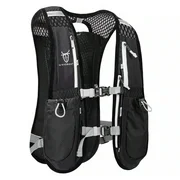
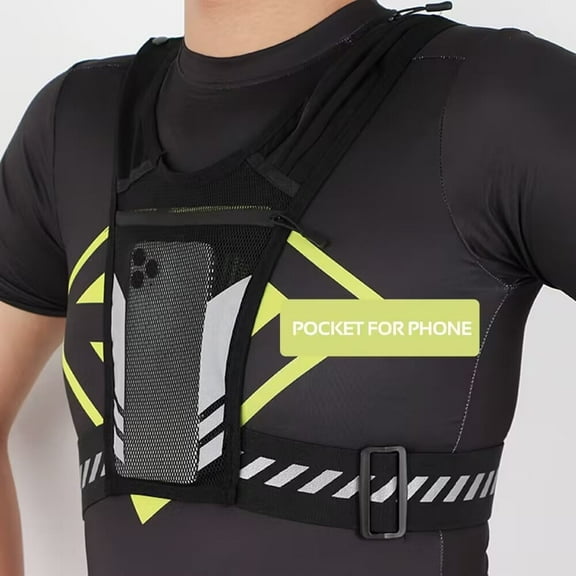
A secure fit matters most with belts, armbands, and reflective vests. You should look for adjustable straps or waistbands that stay comfortable through repeated strides.
When you wear layers in cooler weather, you’ll want room without excess looseness. You can check whether the design works over light tops or thermal layers.
Using running gear for distance, storage, and visibility
You can match simple gear setups to your run length and route conditions. For a quick neighborhood jog, you may only need socks, an armband, and reflective details.
On longer training runs, you may want a belt for nutrition and a water bottle for hydration. You can keep small items organized instead of juggling them by hand.
If you run before sunrise or after work, you should prioritize visibility. You can wear a reflective vest and choose accessories with reflective panels or trim.
For treadmill sessions, you may prefer lighter running accessories with minimal storage. You can keep your phone secure and reduce extra bulk during indoor miles.
When you travel between seasons, you should compare all-season options that adapt easily. You can rotate breathable pieces for summer and thermal layers for winter running.
You’ll get more from your setup when each piece matches your distance, weather, and carry needs. With the right running gear, you can move with steadier comfort and clearer focus.