


Treadmills by Brand for Home Exercise





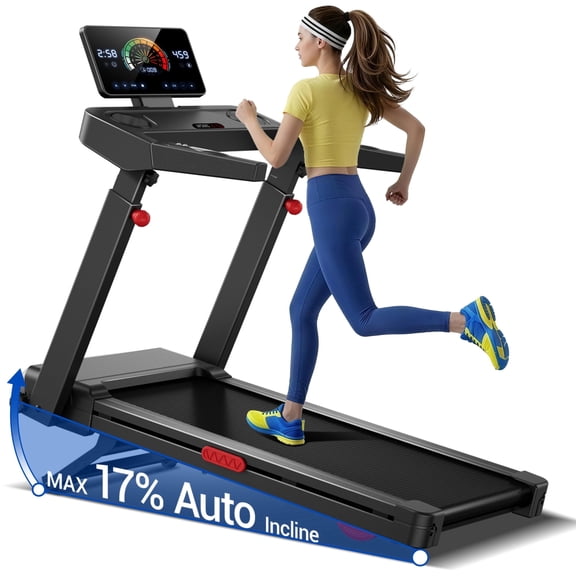
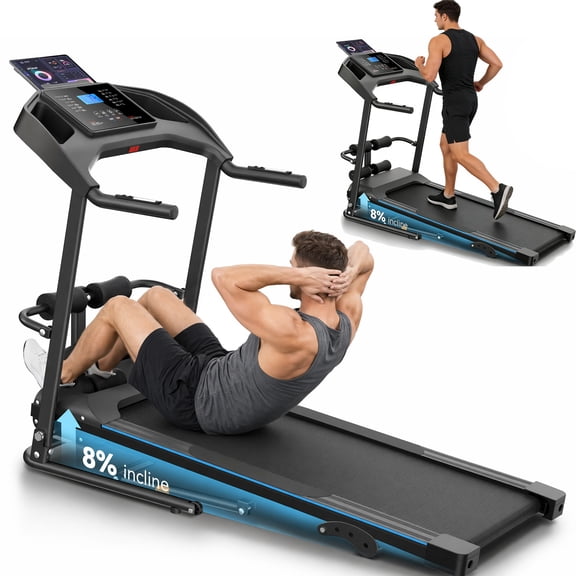

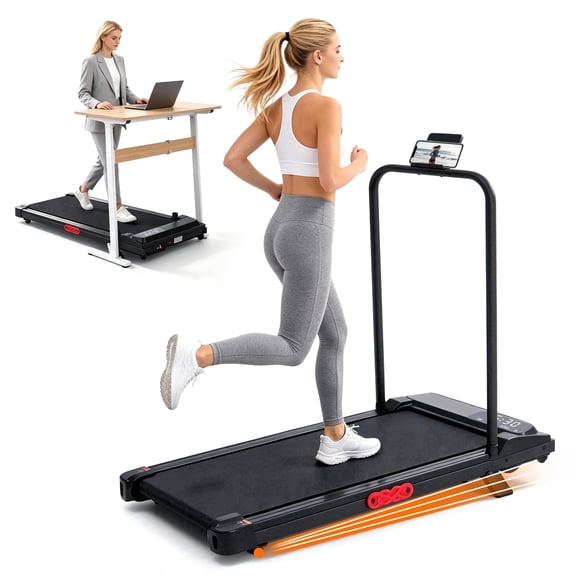
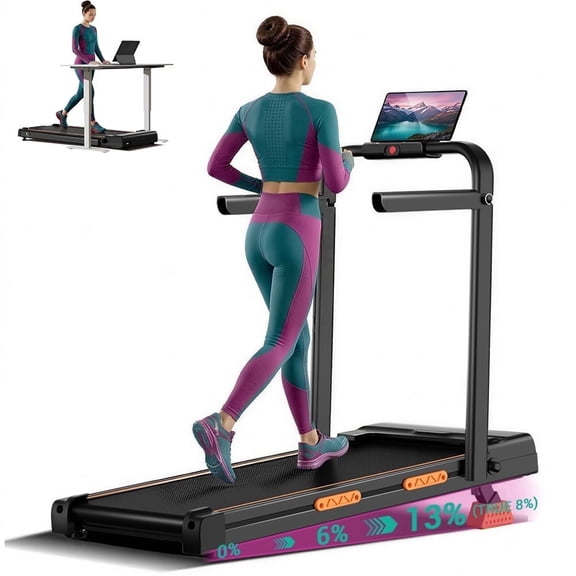




























About Treadmills by Brand for Home Exercise - Walmart.com
Treadmills by brand help you compare motors, frames, and screens faster. You can narrow your search by workout goals, room size, and preferred console style.
When you compare brands on one page, you can spot differences that matter for daily runs. You can also match your budget, storage needs, and training habits without jumping between separate collections.
Choosing treadmills by brand for your space
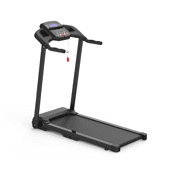
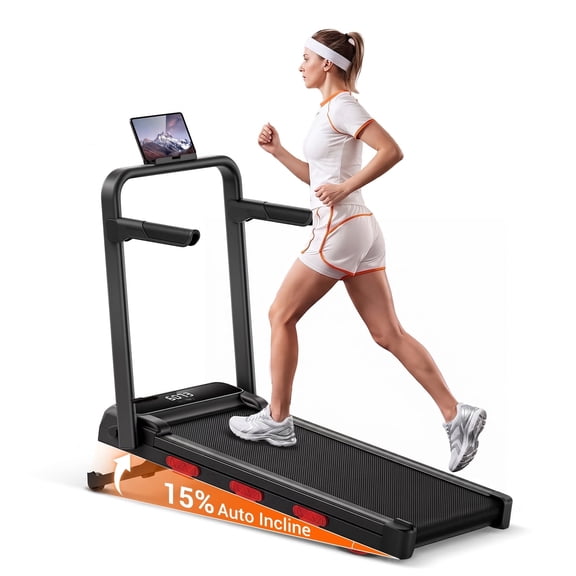
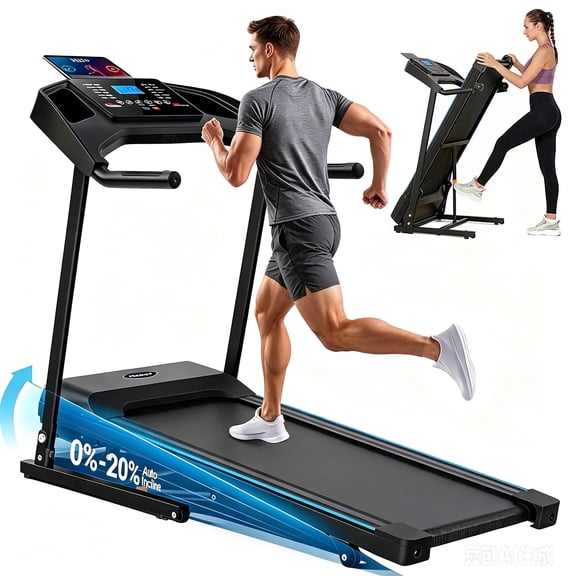
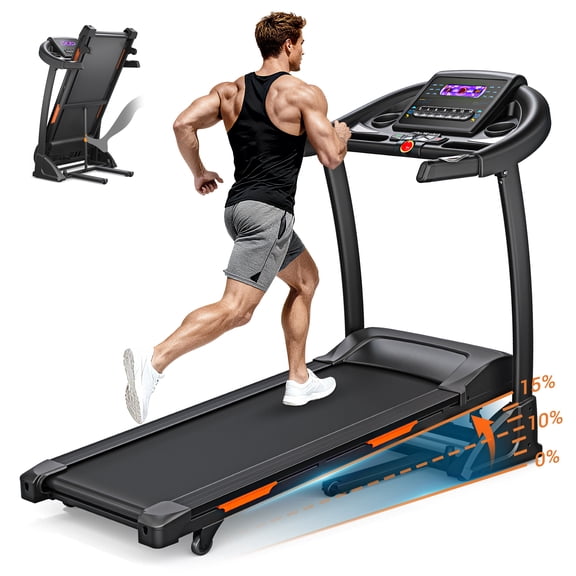
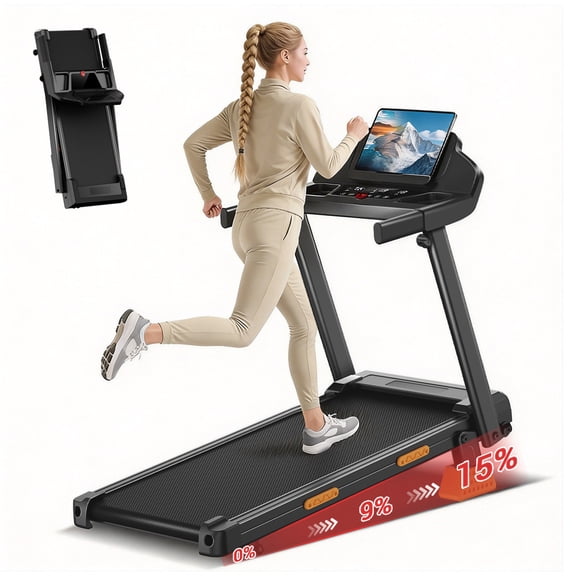
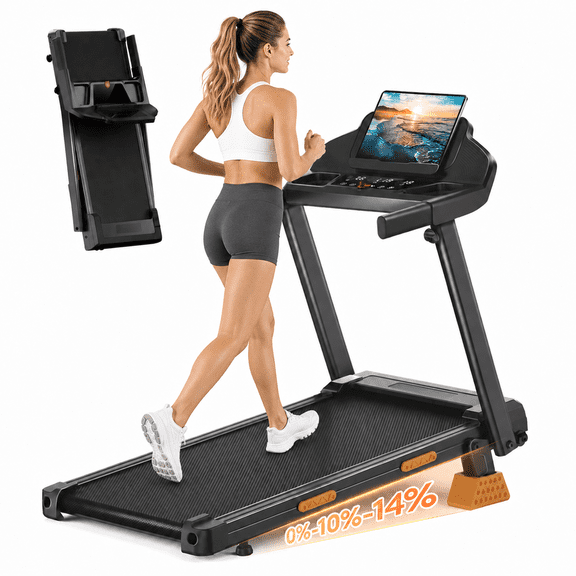
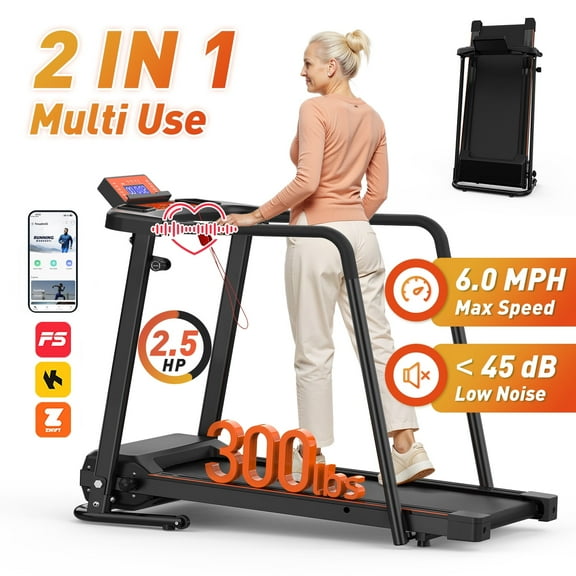
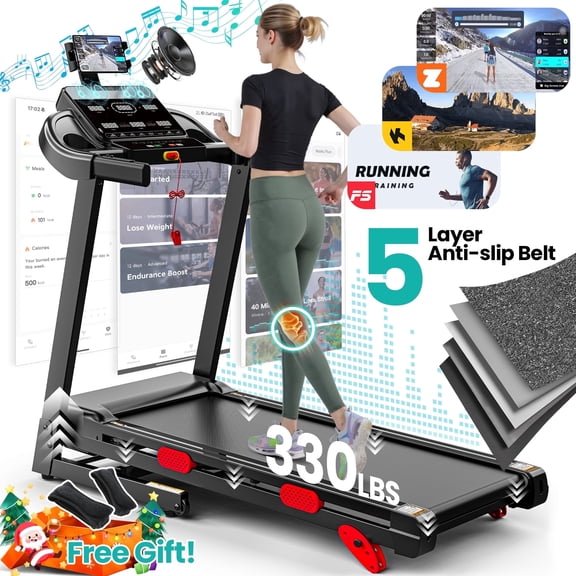
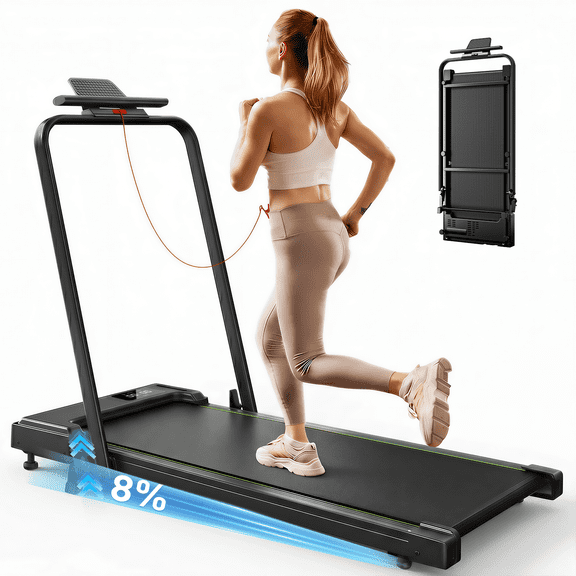
You should start with frame style because your floor plan shapes every other choice. You may prefer folding treadmills if you need easier storage between workouts.
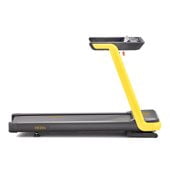
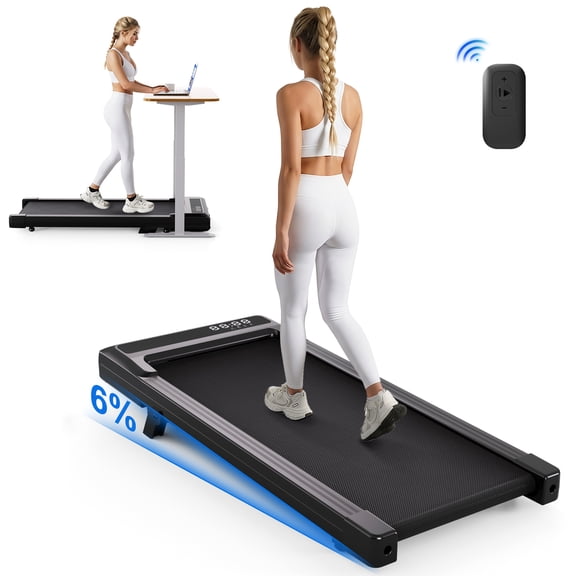
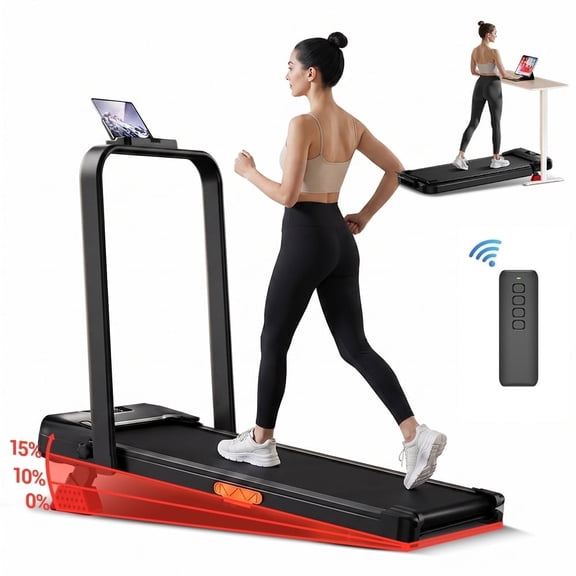
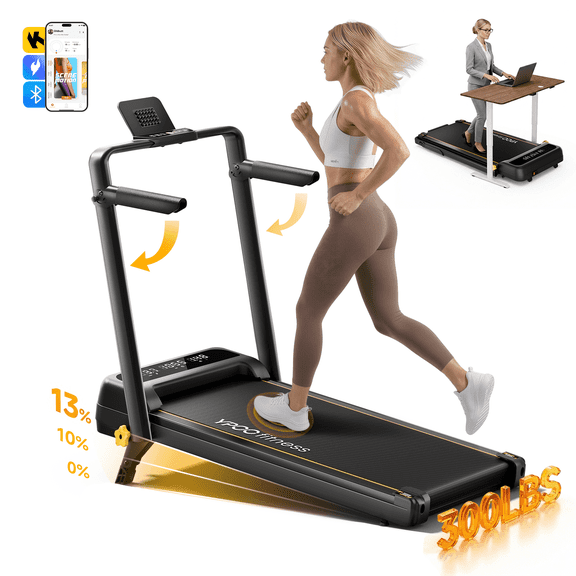
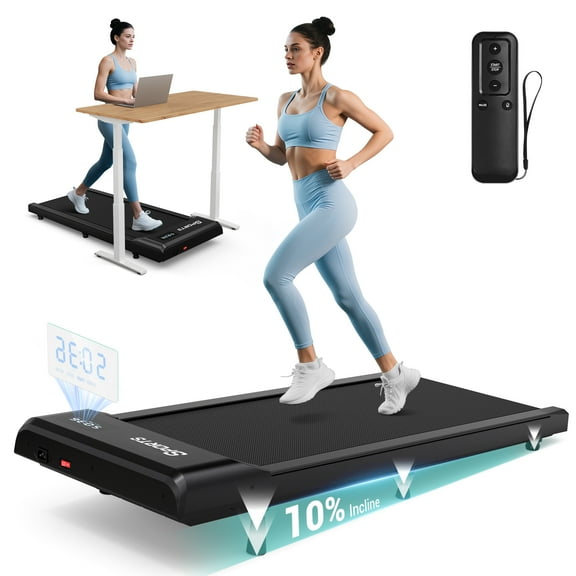
If you want a steady setup, you may choose a non-folding frame for a dedicated workout room. If your space is tighter, you may compare compact or under-desk options for lighter walking sessions.
You should also check folded dimensions, transport wheels, and handle placement before you decide. Those details help you picture how your treadmill fits beside furniture, walls, or a home office setup.
- You can choose folding frames when your room needs a smaller storage footprint.
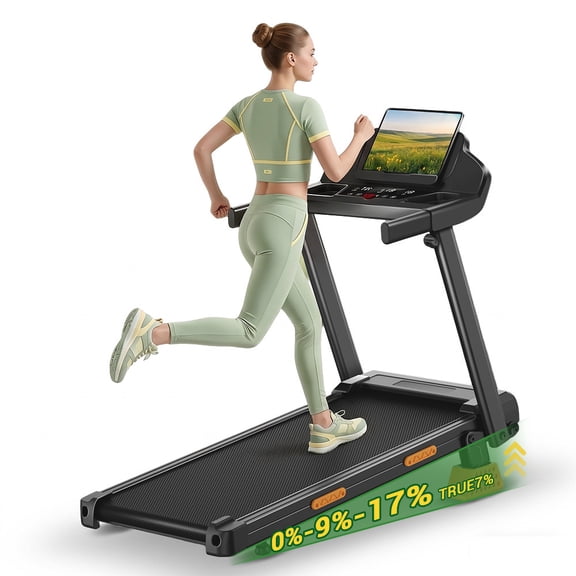
- You can choose non-folding frames when your routine calls for a permanent workout station.
- You can choose compact designs when your apartment, office, or shared room needs flexibility.
- You can compare console styles to match simple tracking or immersive training.
What to look for across treadmill brands
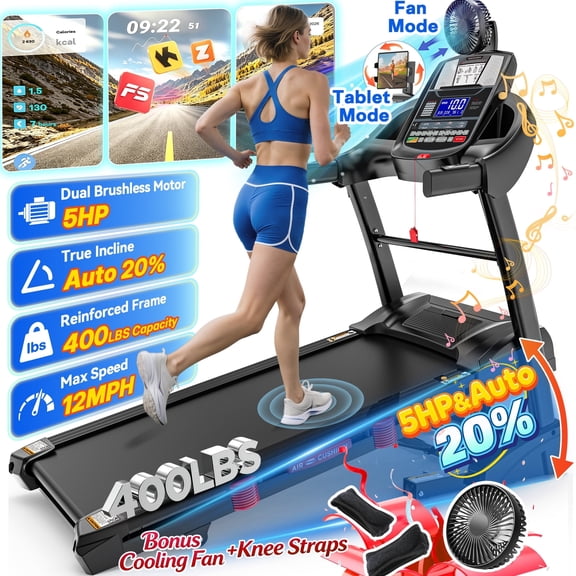
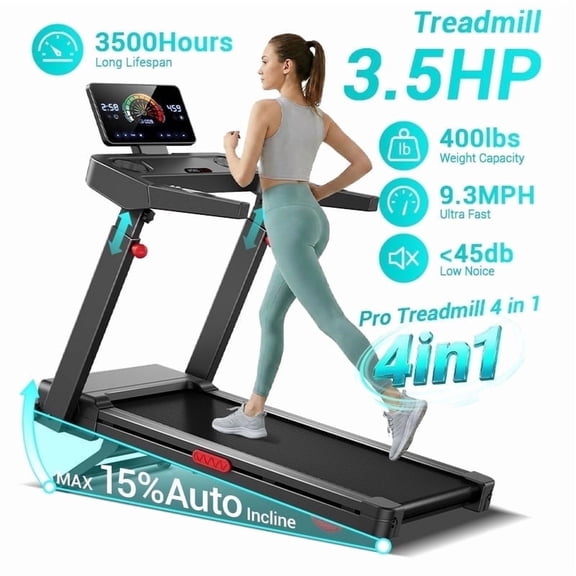
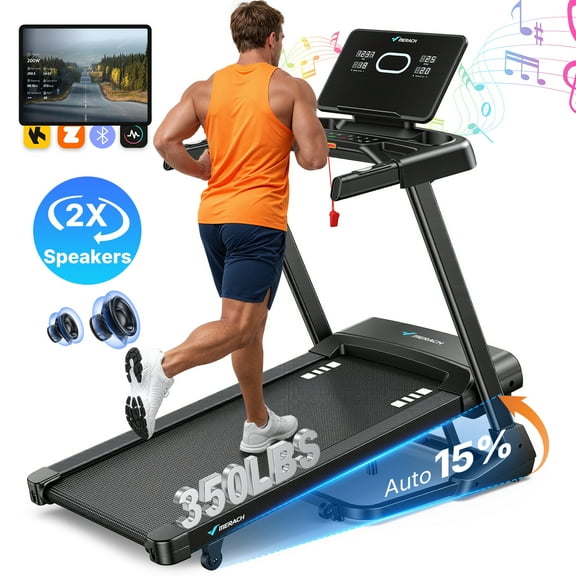
You should compare motor power based on how often and how intensely you plan to train. For motorized treadmills, under 2.5 CHP often suits walking and light jogging.
If you run several times each week, you may want 2.5 to 3.0 CHP for steadier performance. If you train harder, you may look at 3.0+ CHP for longer runs and faster intervals.
You should pair motor power with deck size before you choose a model. Compact decks under 50 inches can fit smaller rooms, while 50 to 55 inches supports a more natural stride.
If you want more room for longer steps, you may compare 60-inch decks. That length often feels more comfortable when your pace increases or your height calls for extra running space.
You should also compare cushioning because deck feel changes your workout experience. Some treadmill brands focus on softer shock absorption, while others feel firmer and more road-like underfoot.
You may prefer a softer deck if you want a gentler landing feel during longer sessions. You may prefer a firmer platform if you like a more grounded response during faster training.
Comparing screens, connectivity, and tracking
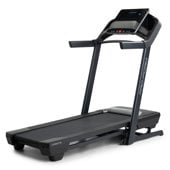
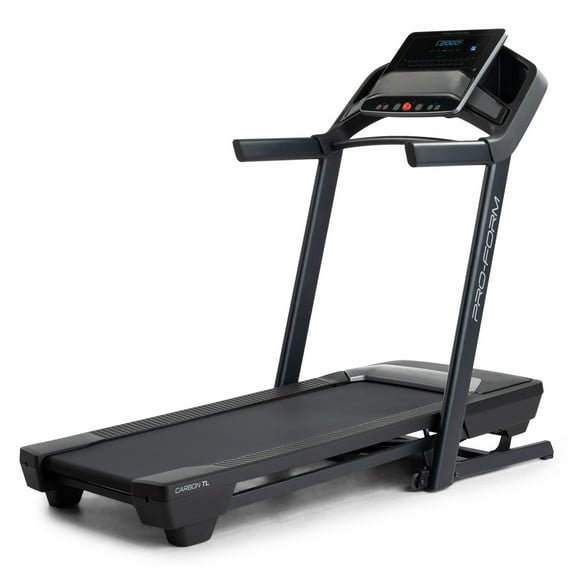
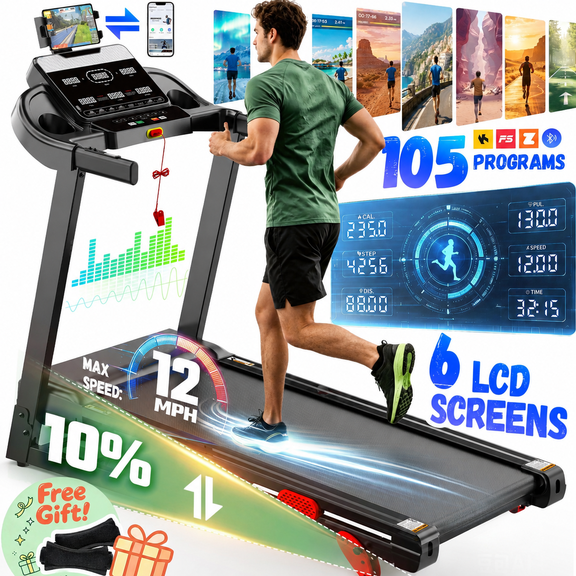
You should decide how much workout guidance and entertainment you want on the console. Some home treadmill brands keep controls simple with an LCD display for speed, time, distance, and incline.
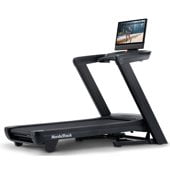
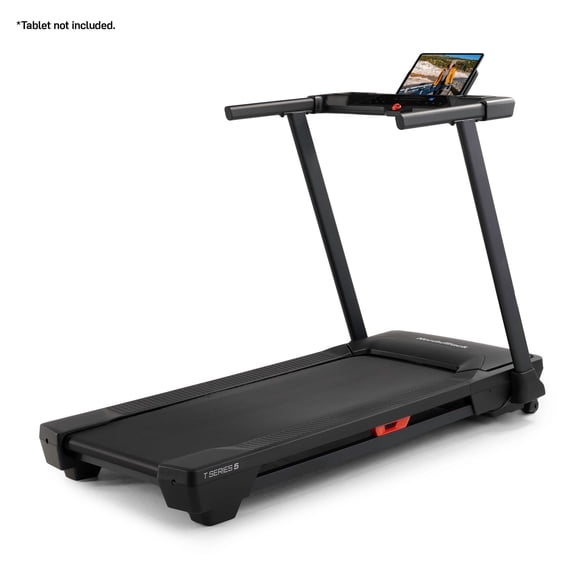
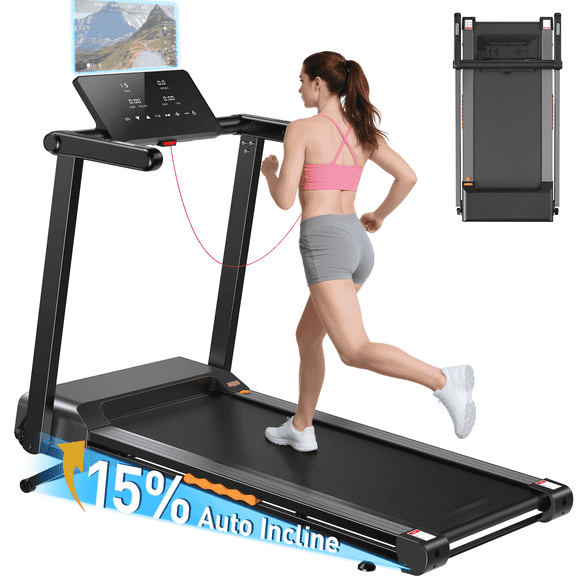
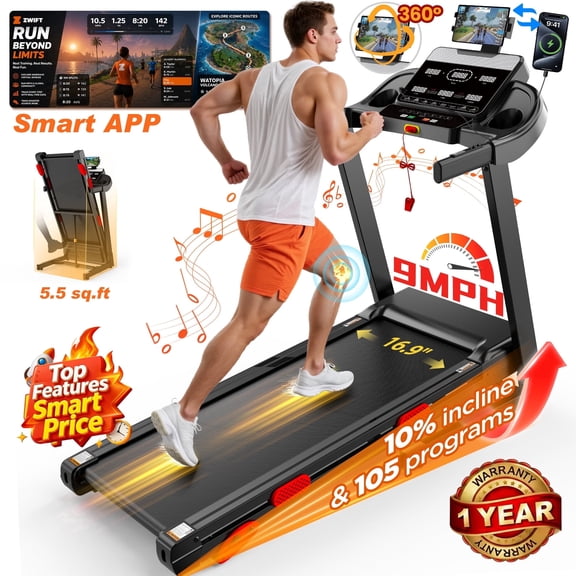
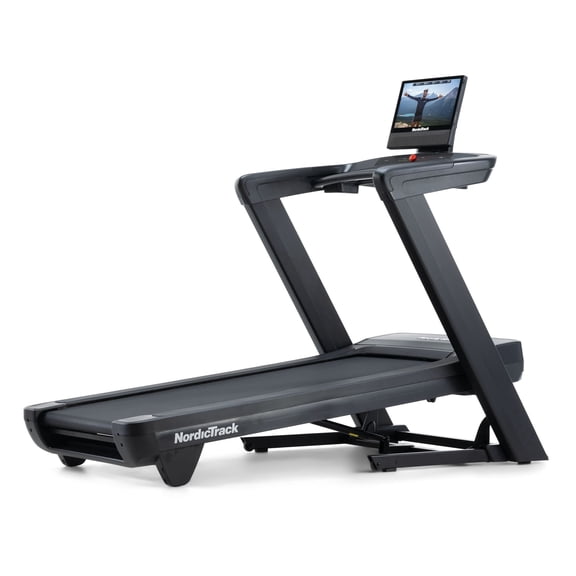
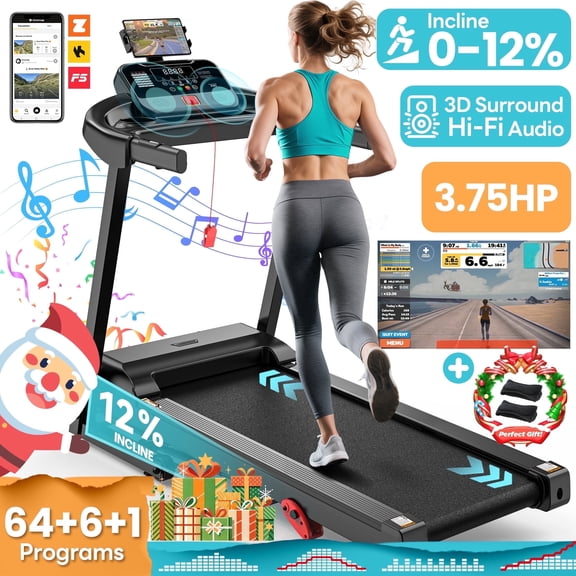
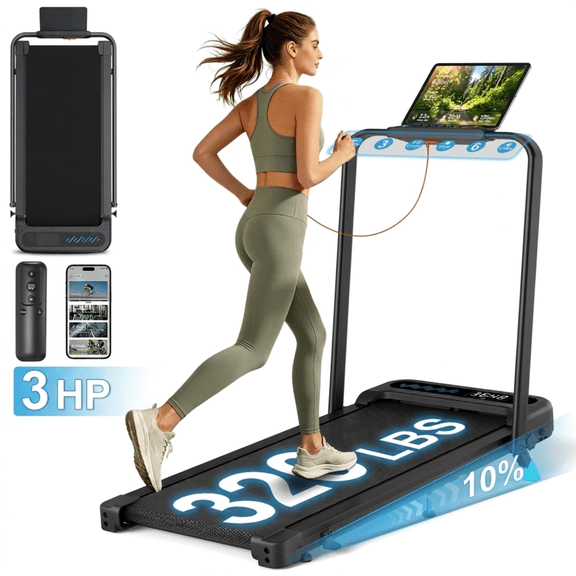
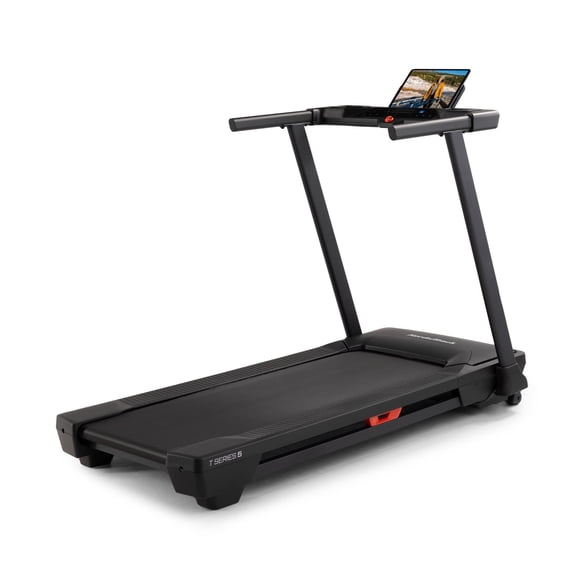
If you want more visual guidance, you may look for a touchscreen with built-in workout content. If you already use your own device, you may compare tablet-compatible designs instead.
You should also check how the console handles app pairing, heart rate display, and preset programs. Those features shape how easily your treadmill fits into your current routine.
If you want fewer extras, you may prefer straightforward buttons and quick-start controls. If you want connected training, you may focus on larger screens and guided class compatibility.
You should remember that screen type also affects where a treadmill works in your home. A simpler console may suit shared spaces, while a larger display can anchor a dedicated home gym.
Using treadmill brands to match your workout style
You can use treadmill brands as a shortcut when you already know your workout priorities. Some brands lean toward folding frames, while others emphasize larger decks and stronger motors.
If you walk during work calls, you may focus on compact frames and simple displays. If you train for regular runs, you may compare electric treadmills with stronger motors and longer decks.
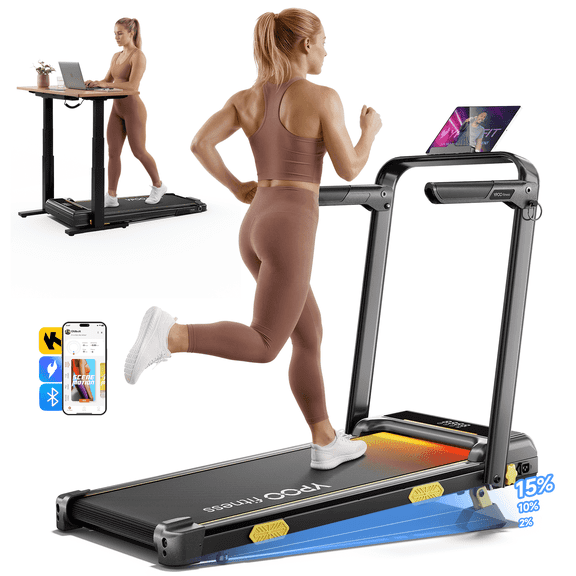
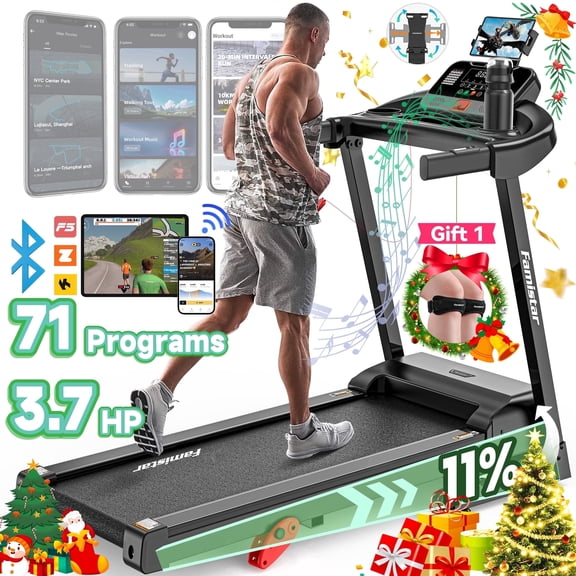
You may want a folding model with tablet support if your room serves more than one purpose. That combination gives you guided sessions without giving up valuable floor space after your workout.
If your household shares one machine, you should compare deck length, speed range, and profile options. Those details help you support different stride lengths and workout preferences on one treadmill.
You should also think about how often you'll move the machine after each use. Brands with practical folding mechanisms and manageable footprints can feel easier to live with day after day.
When you build treadmills for home gym plans, you should balance performance with room layout. A larger running deck, stronger motor, and bigger screen make more sense when your space stays dedicated.
If your setup doubles as a bedroom or office, you may prioritize compact storage and quieter operation. That approach helps you keep your workout area usable without overwhelming the room.
How you can choose with more confidence
You can make a smarter pick when you compare treadmill brands through motor power, frame style, deck size, and screen type. That clearer comparison helps you choose a treadmill that fits your space and supports your routine.