

Karate & Taekwondo in Martial Arts



























About Karate & Taekwondo in Martial Arts - Walmart.com
Karate taekwondo gear helps you build a complete training setup for class, drills, and sparring. You can compare uniforms, belts, pads, and targets by discipline, fit, and protection level.
How to choose karate taekwondo gear
If you're starting out, you should first match your gear to karate, taekwondo, or general martial arts training. You’ll notice that each discipline uses different uniform cuts, movement patterns, and sparring needs.
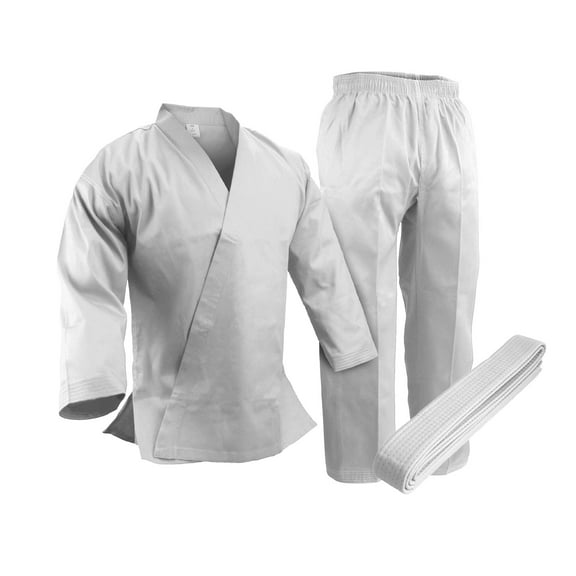
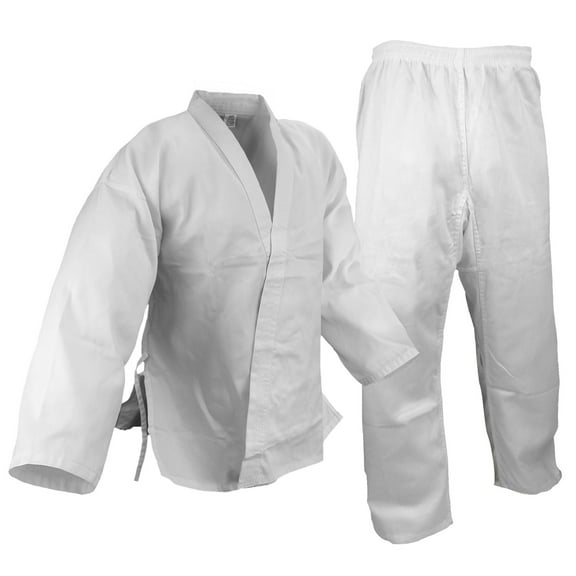
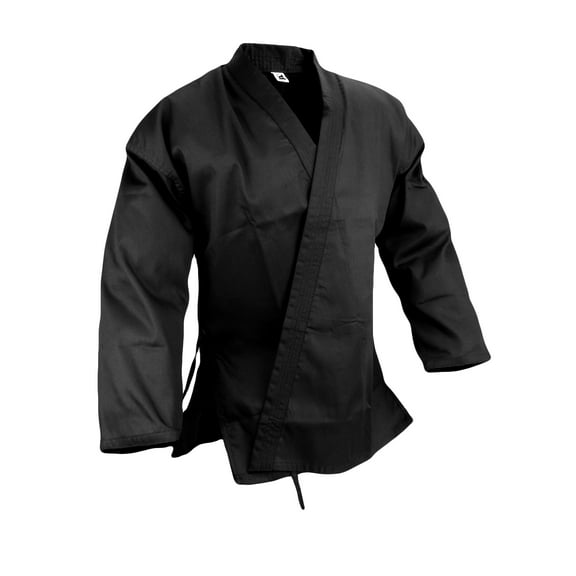
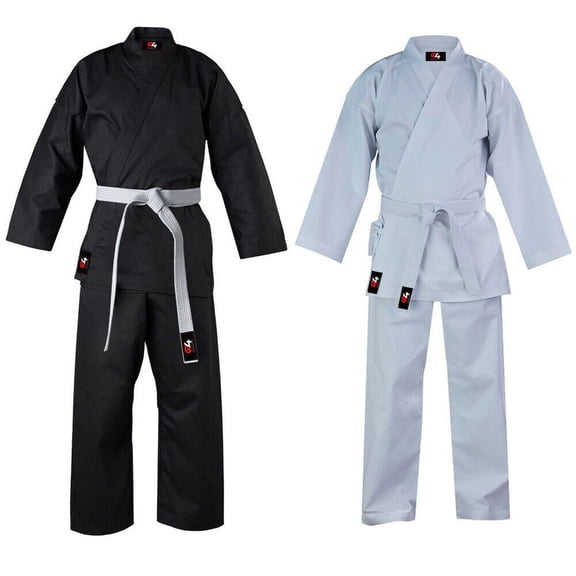
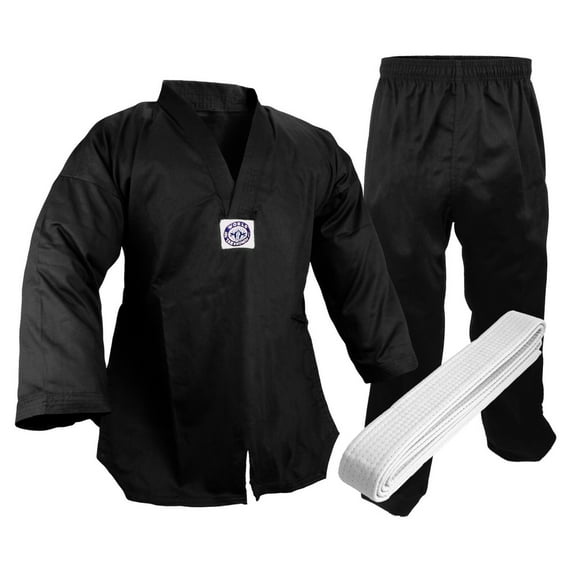
For karate, you may prefer a wrap-front gi with a traditional look and a structured feel. For taekwondo, you may look for a dobok with a V-neck design that supports fast kicking drills.
When you compare general martial arts training equipment, you should focus on versatile items for practice across multiple classes. You can use targets, shields, and basic sparring gear for shared training routines.
- You can choose discipline-specific uniforms that match class expectations.
- You can compare light contact pads with full sparring protection.
- You can select belt lengths and uniform weights that fit your training style.
- You can add targets and shields for kicking, striking, and partner drills.
Choosing martial arts uniforms by fit and fabric
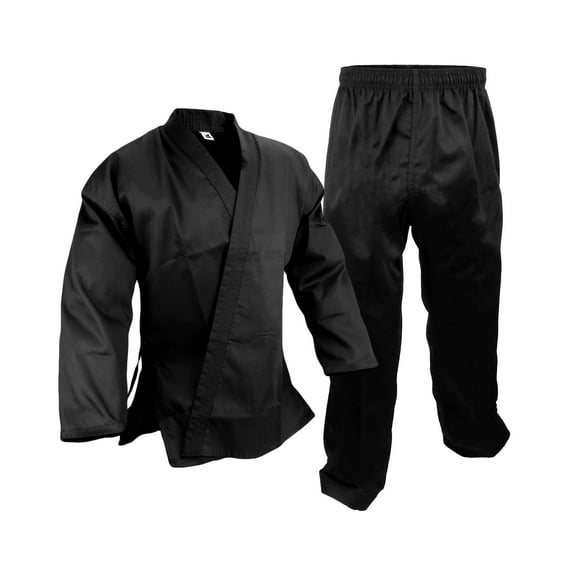
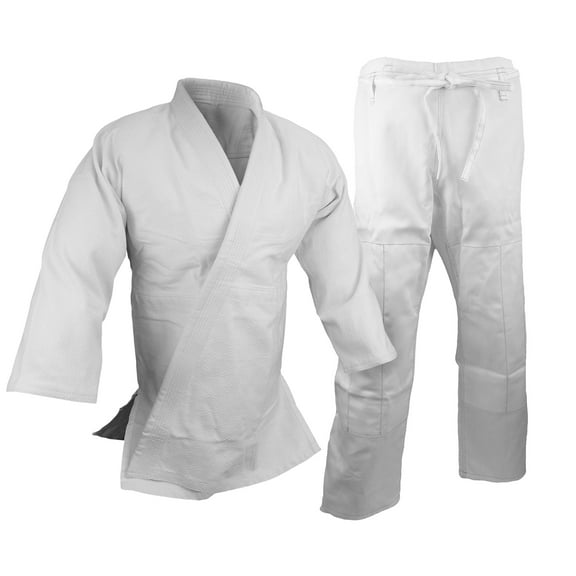
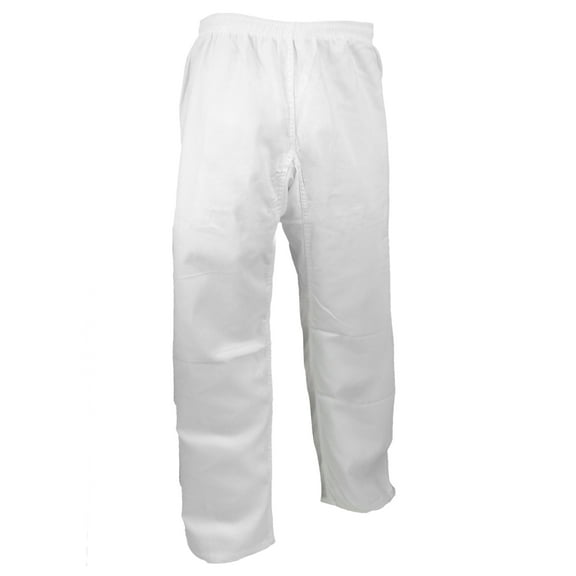
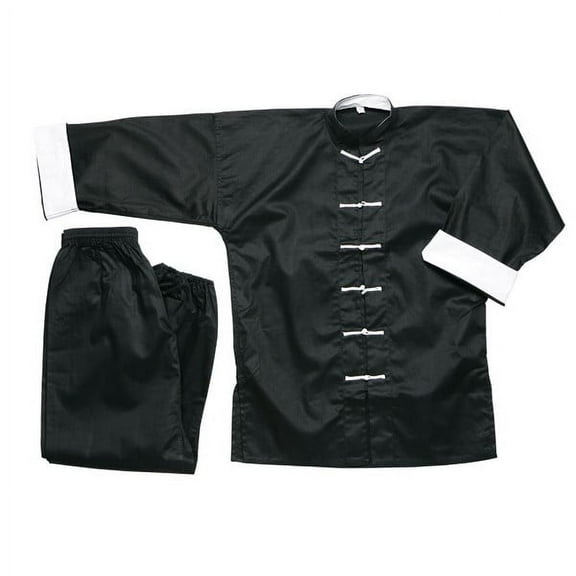
When you shop martial arts uniforms, you should compare cut, weight, and sizing before anything else. You’ll feel the difference between a karate gi and a taekwondo dobok during every stance and kick.
A karate gi usually gives you a wrap-front jacket and a more traditional training shape. A taekwondo dobok usually gives you a V-neck top that helps you move through repeated kicking combinations.
You should also compare fabric weight because it affects comfort, structure, and how the uniform moves. Lightweight options, around five to six ounces, can feel easier during warm gyms and quick drills.
If you want more structure, you may prefer medium weight uniforms around eight ounces for regular classes. If you want a firmer snap and heavier feel, you can consider 10 to 14 ounce uniforms.
Uniform sizing often runs from 000 to seven, so you should check charts before you choose. Smaller numbers usually fit younger students, while larger numbers usually fit taller teens and adults.
You may also want extra room for growth, shrinkage, or layering during cooler practice spaces. You should compare height and weight guidance together, not just one measurement alone.
What to look for in karate belts and taekwondo equipment
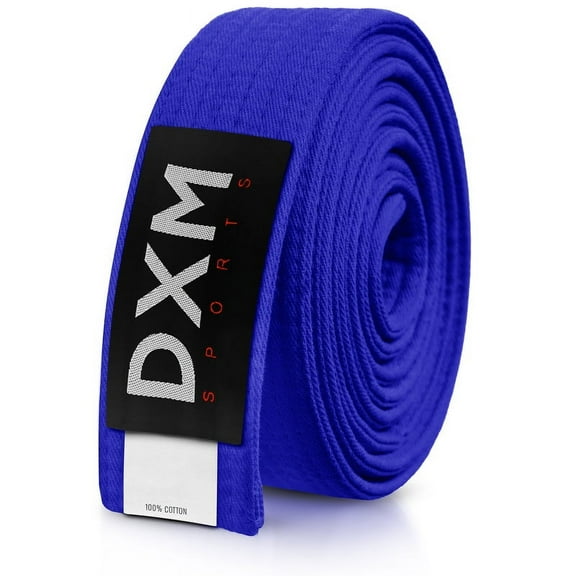
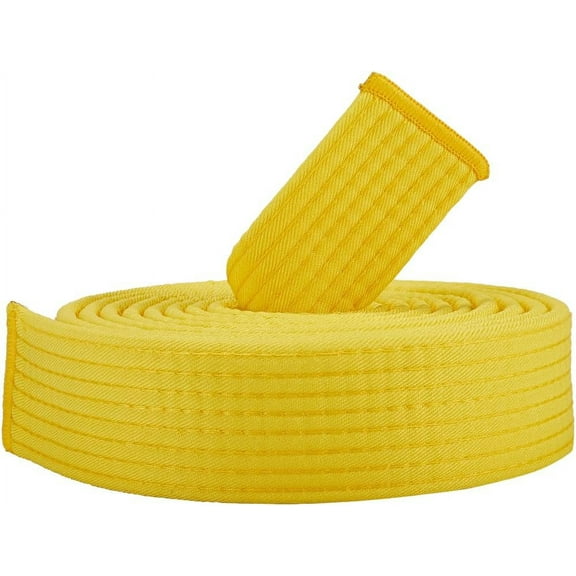
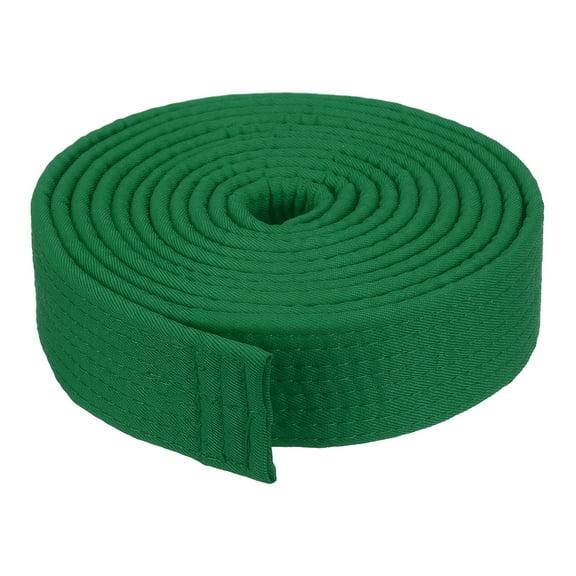
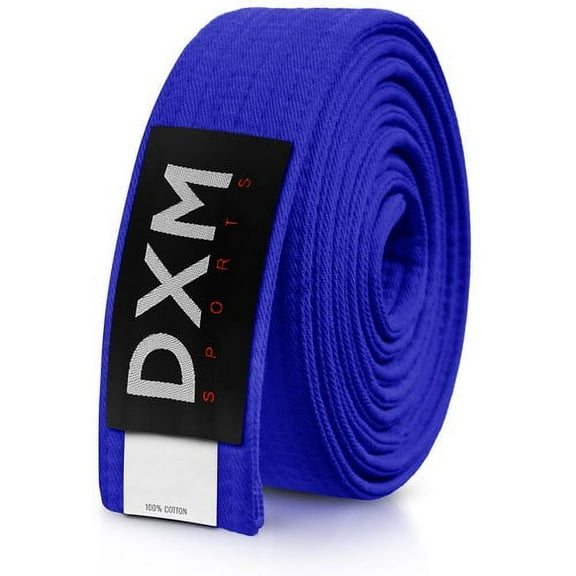
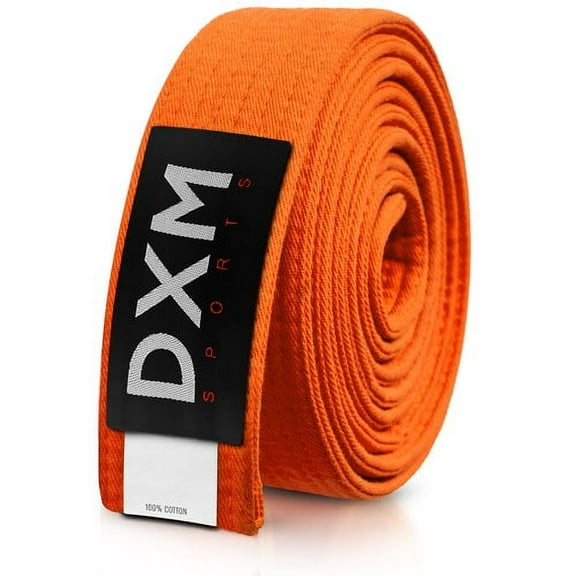
Your belt should match your waist size, uniform width, and preferred double-wrap style. You’ll want enough length for a secure knot and even belt ends after tying.
If you choose a belt that’s too short, you may get a tight knot with uneven tails. If you choose a belt that’s too long, you may find extra length distracting during forms.
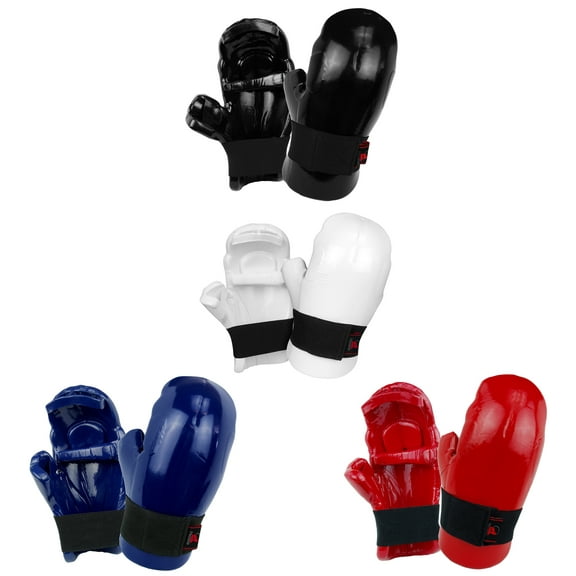
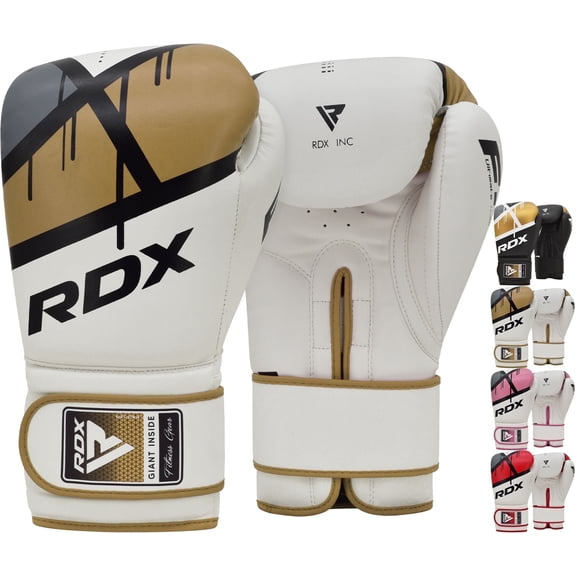
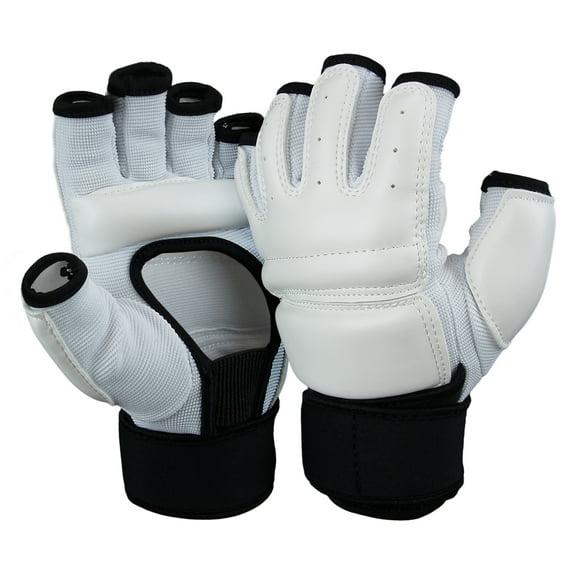
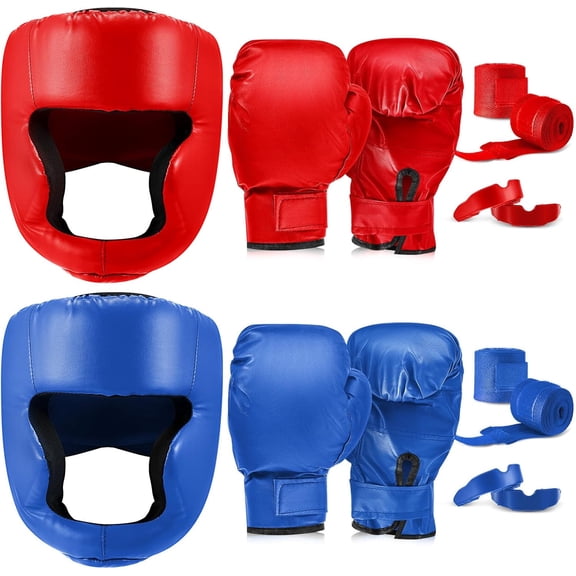
When you compare taekwondo equipment and karate gear, you should think about class requirements first. You may need hand protection, foot protection, or head coverage depending on your training format.
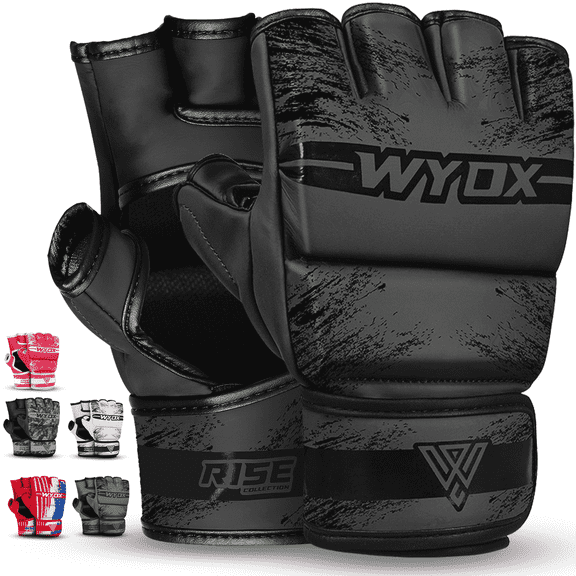
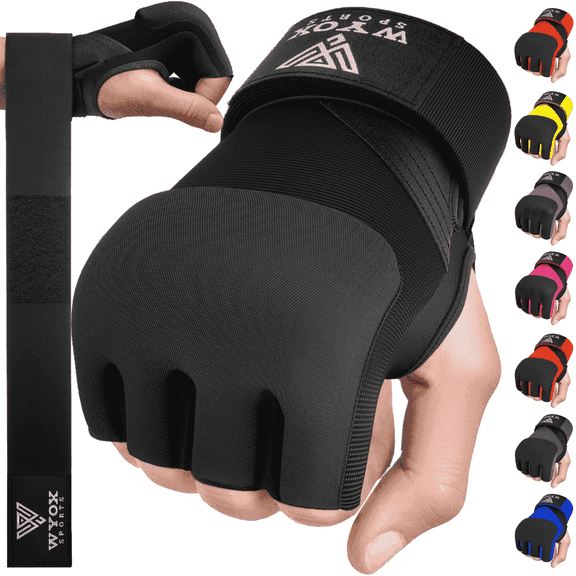
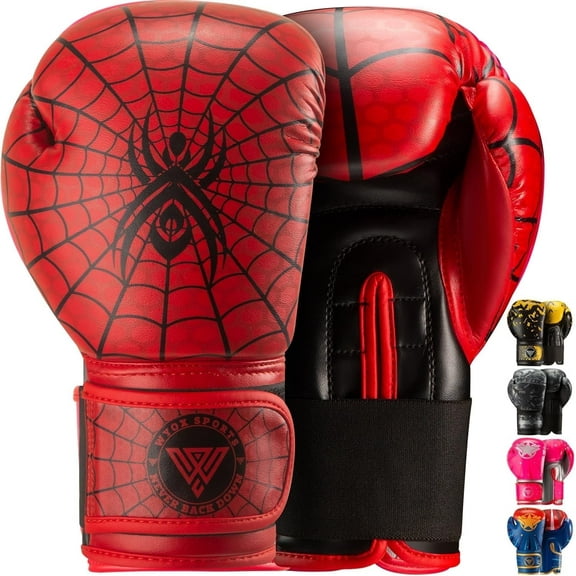
For light contact classes, you can often use streamlined sparring gear with flexible foam padding. For full sparring sessions, you should check whether thicker padding and broader coverage fit your program.
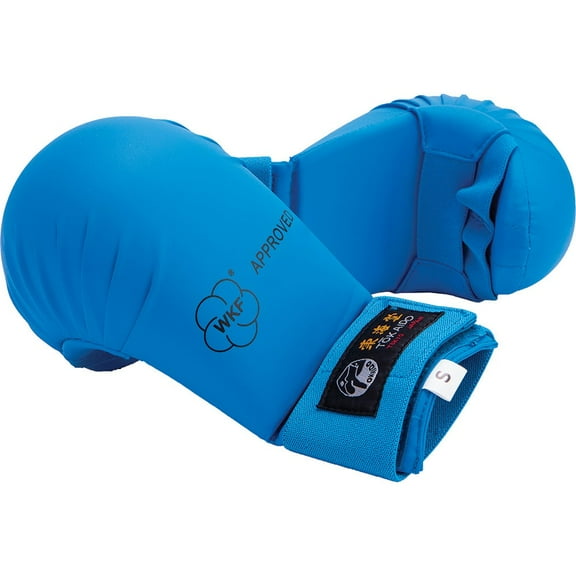
If you compete, you may need approved sparring gear that matches WKF or WTF rules. You should always compare the listed approval standard because competition requirements can differ by event.
Targets and shields also matter when you build a complete practice setup. You can use kicking paddles, strike shields, and focus targets to sharpen timing, accuracy, and repetition.
Matching sparring gear to training and competition
Your sparring gear should match how you train, who you train with, and where you train. You can keep practice more organized when your pads align with class contact levels.
For beginner classes, you may start with basic protective pads and simple training targets. You can build familiarity with stance work, blocking drills, and partner practice without overcomplicating your setup.
If you attend taekwondo classes, you may prioritize kicking targets and foot-focused protection. If you attend karate classes, you may prioritize gear that supports forms, striking drills, and controlled sparring.
For youth students, you should check child and youth sizing across uniforms, belts, and pads. You can make movement feel more natural when sleeves, pant legs, and protective pieces fit correctly.
For adult unisex sizing, you should compare chest, waist, height, and inseam details before choosing. You’ll get a more useful fit when you measure your current uniform and belt at home.
If you train at home, you can add martial arts training equipment like shields and targets for solo repetition. You can practice kicks, punches, and combinations with gear designed for repeated impact drills.
When you prepare for tournaments, you should check approved protection levels, uniform style, and belt presentation. You’ll avoid last-minute surprises when your gear matches event standards before check-in.
Karate taekwondo essentials are easier to choose when you compare discipline, sizing, fabric weight, and protection level together. You can build a setup that supports clean movement, consistent practice, and confident class preparation.