

Wrestling in Martial Arts






















About Wrestling in Martial Arts - Walmart.com
Wrestling gear helps you prepare for practice, tournaments, and school matches with the right mix of fit, movement, and protection. You can compare shoes, singlets, headgear, knee pads, and mouthguards in one category built around wrestling-specific needs.
If you're building a starter setup or replacing worn essentials, you need items made for mats, quick pivots, and close contact. You can use this guide to compare gear types, size ranges, materials, and protection details with more confidence.
How to choose wrestling gear for your setup
You should start with the gear type you need most, because each piece affects performance in a different way. Your shoes support traction on the mat, while your singlet supports mobility during shots, sprawls, and turns.
For school use, you may also need wrestling headgear and a mouthguard, depending on your program rules. Your knee pads can add coverage for repeated mat contact during drills, takedowns, and scrambles.
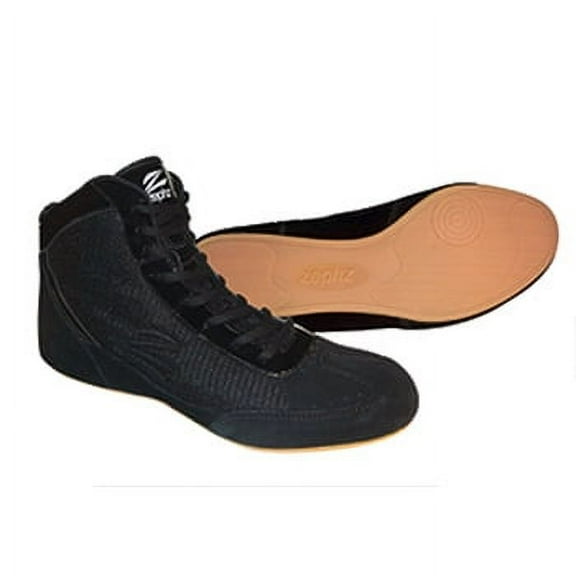
- You can use wrestling shoes for mat grip, ankle support, and quick direction changes.
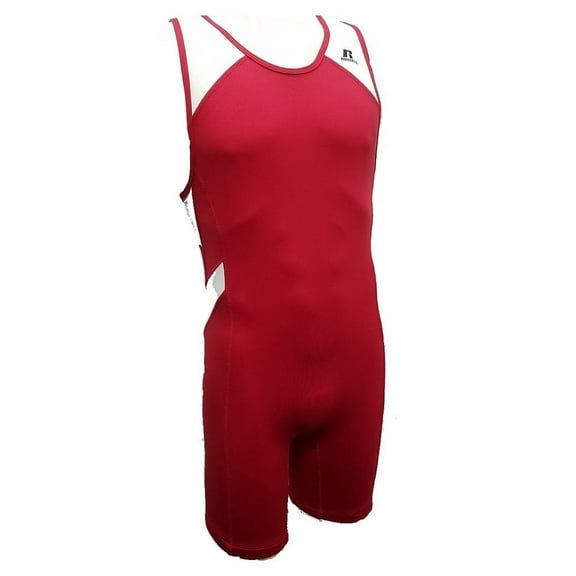
- You can choose wrestling singlets when you want a close fit that stays in place.
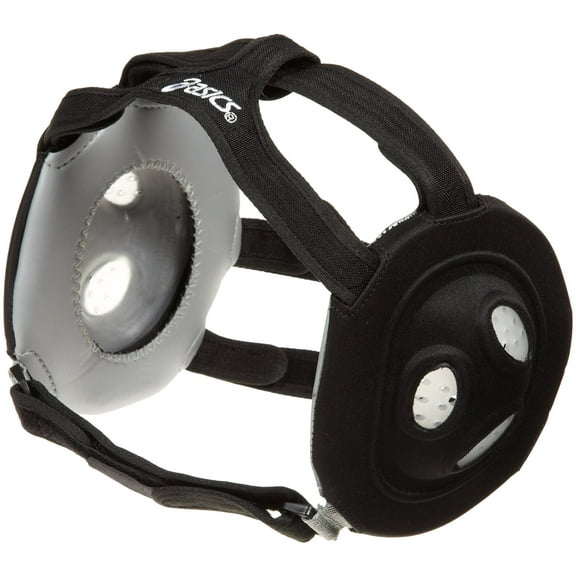
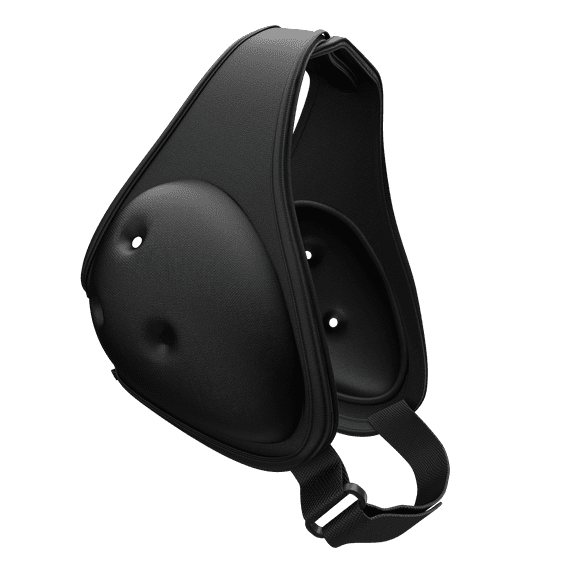
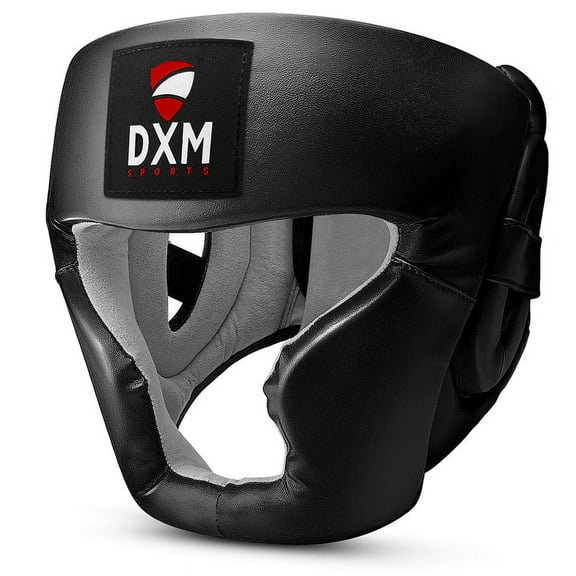
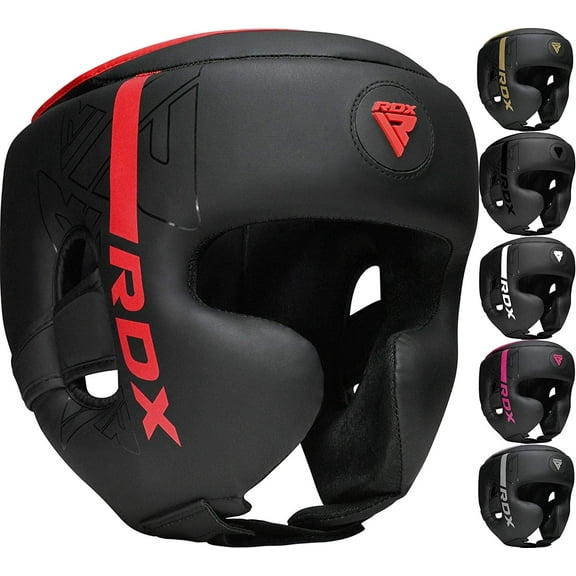
- You can add wrestling headgear and mouthguards when your team requires protective wrestling equipment.
- You can wear wrestling knee pads when you want extra coverage during practice and live work.
When you compare these pieces together, you can avoid mismatched gear that feels bulky or restrictive. Your complete setup should work as one system, especially when you move from warmups to full-speed rounds.
Choosing wrestling shoes and size range
You should focus on fit first when you compare wrestling shoes, because loose footwear can distract you on the mat. Your wrestling shoes often fit close, so you should check size charts and measure your foot carefully.
If you're deciding between youth wrestling gear and adult sizes, you should compare the brand's exact measurements. Your youth sizes usually scale for growing athletes, while adult sizes often account for broader feet and longer length.
You may also notice split-sole and uni-sole designs when you compare wrestling shoes. Your split-sole pair can feel more flexible, while your uni-sole pair can feel more structured underfoot.
Look for leather, mesh, or nylon uppers when breathability and support both matter to you. Your mesh panels can help airflow, while your leather overlays can add structure around high-movement areas.
What to look for in wrestling singlets and materials
You should expect wrestling singlets to fit close to your body so fabric stays secure during movement. Your singlet should let you lunge, bridge, and sprawl without loose material getting in the way.
When you compare materials, you'll often see lycra, spandex, and nylon in the blend. Your spandex content can support stretch, while your nylon content can support repeated practice use.
If you're shopping for youth wrestling gear, you should check size guidance before choosing compression-focused apparel. Your younger athlete may need room for growth, but the fit should still stay close and competition-ready.
You can also compare cut, strap shape, and seam placement when you want smoother movement through drills. Your comfort often depends on how the singlet feels across shoulders, hips, and legs during repeated motion.
Comparing wrestling headgear, knee pads, and mouthguards
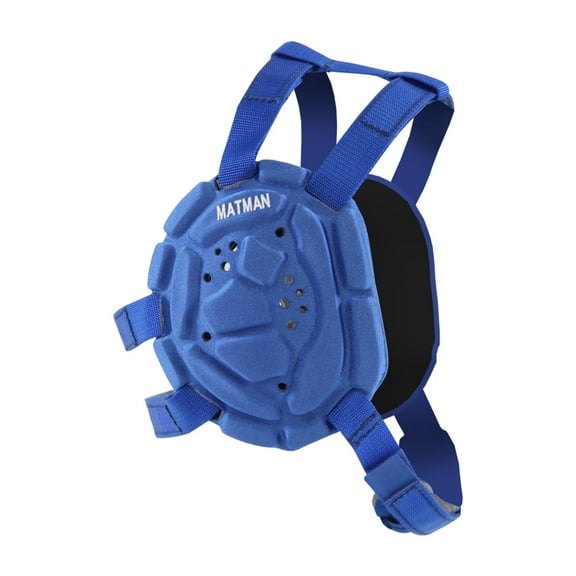
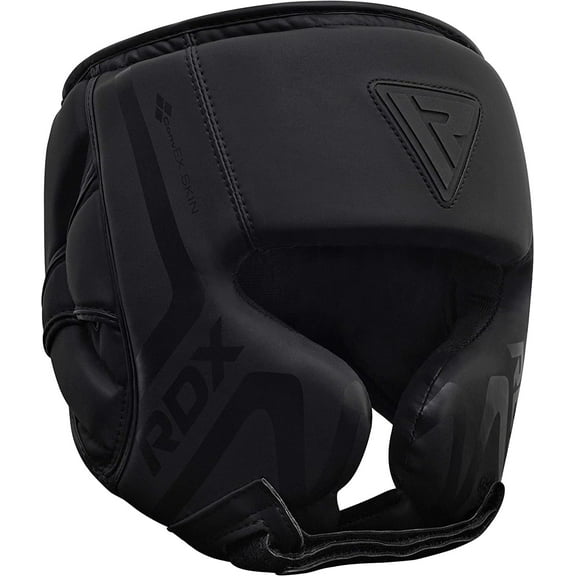
You should check program requirements before you choose protective wrestling equipment for matches or team practices. Your coach or league may require wrestling headgear, and your school may also require a mouthguard.
When you compare protection levels, you'll often see integrated padding, foam cushion designs, and hard shell styles. Your preferred option depends on the feel you want, the coverage you need, and your team's rules.
You may prefer foam cushion styles when you want a softer feel around contact points. Your hard shell option can feel more structured, while integrated padding can balance coverage with a lower-profile shape.
For knee pads, you should look at coverage area, sleeve fit, and flexibility during motion. Your knee pad should stay in place through shots and sprawls without bunching during mat work.
Matching wrestling gear to real use cases
If you're preparing for a first season, you should begin with wrestling shoes, a singlet, and required protection. Your starter setup should emphasize fit, simple care, and dependable movement during practice and meets.
When you're buying for a school athlete, you should confirm mandatory gear before checkout. Your list may include wrestling headgear, a mouthguard, and knee pads for extra mat coverage during drills.
If you practice several times each week, you should compare durable materials and secure construction details. Your nylon blends, reinforced panels, and supportive footwear can hold up through repeat sessions and tournament weekends.
For youth wrestlers, you should prioritize size guidance, flexible materials, and easy-on designs. Your young athlete needs gear that feels secure without adding bulk during stance work and takedown practice.
Adult wrestlers may focus more on exact fit, support level, and specific shoe construction. Your choice between split-sole and uni-sole designs can shape how flexible or grounded your footwork feels.
With the right wrestling gear, you can build a setup that fits your level, your league rules, and your training routine. Your final choice should help you move freely, stay covered, and feel ready for every mat session.