


Gym Chalk in Weight Lifting Accessories
























About Gym Chalk in Weight Lifting Accessories - Walmart.com
Gym chalk helps you hold bars, rings, and handles with a drier grip during tough training sessions. You can compare chalk types, gym rules, and packaging options to choose the format that fits your routine.
How to choose gym chalk by chalk type
You’ll usually choose between block chalk, liquid gym chalk, chalk balls, and powdered chalk first. Your choice affects mess level, reapplication speed, and how easily you can carry chalk in your gym bag.
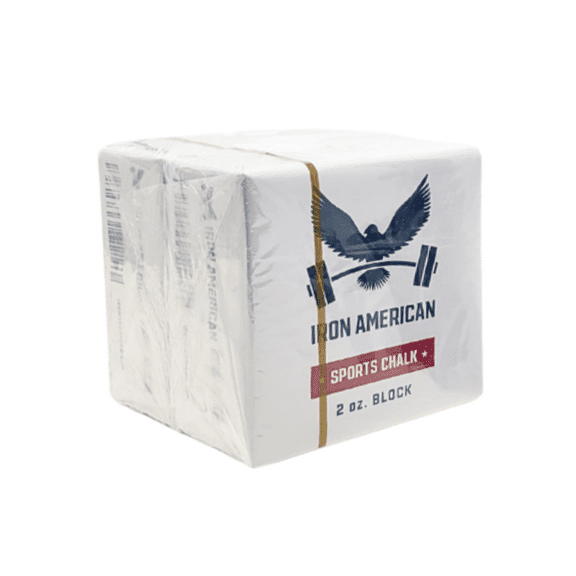
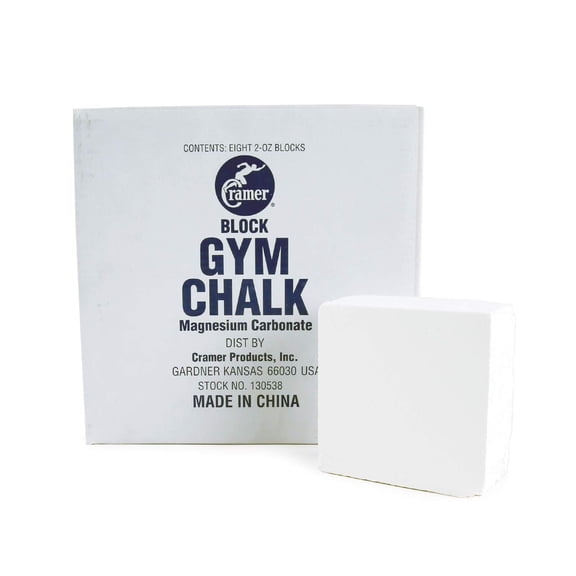
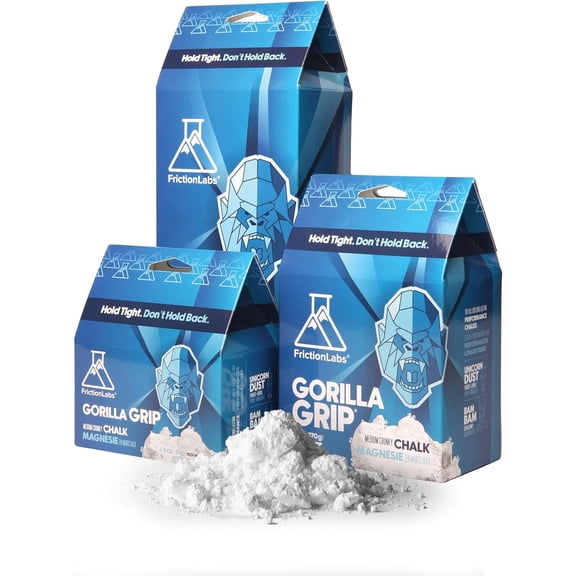
With block chalk, you can rub a solid piece onto your palms and fingers before sets. You’ll get the traditional feel many lifters and climbers prefer for quick touch-ups between attempts.
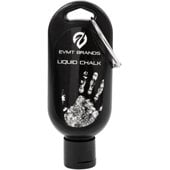
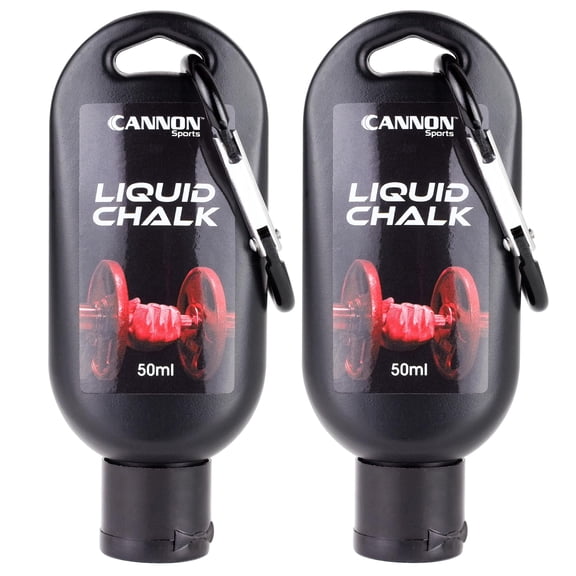
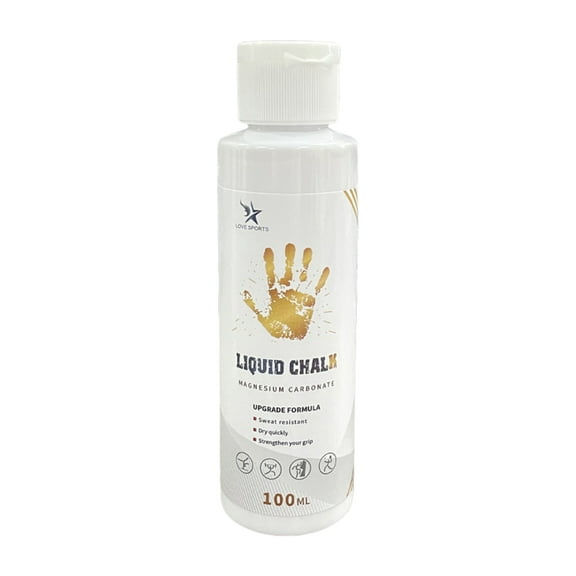
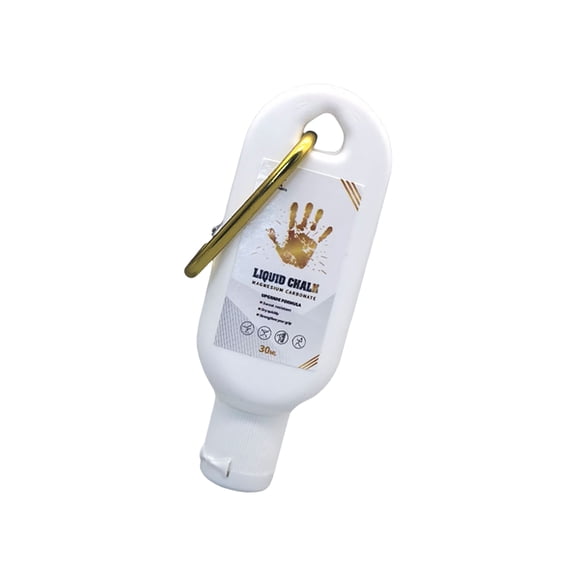
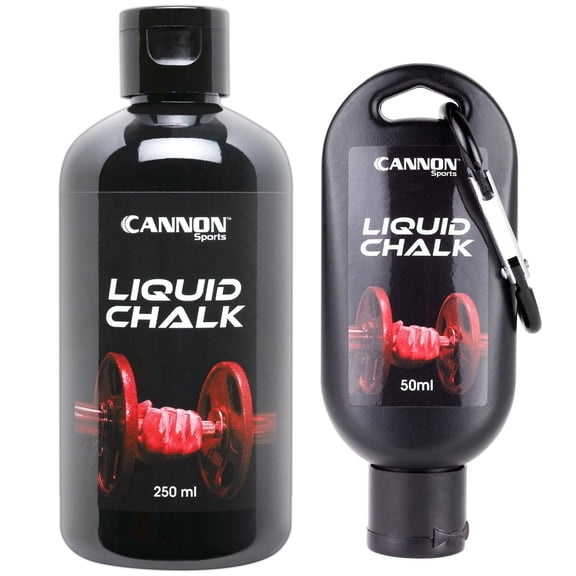
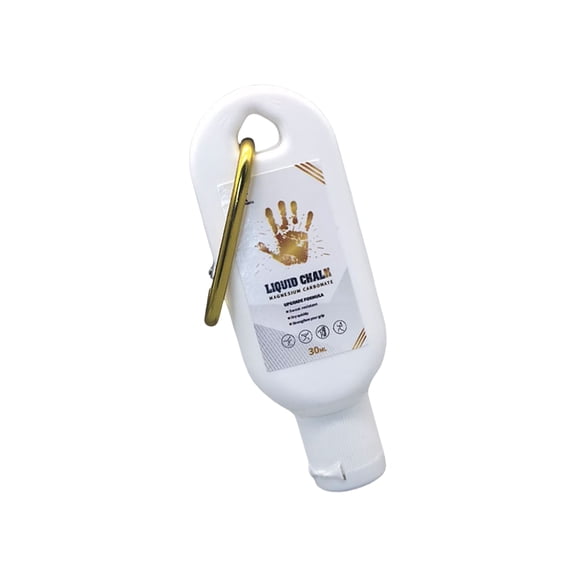
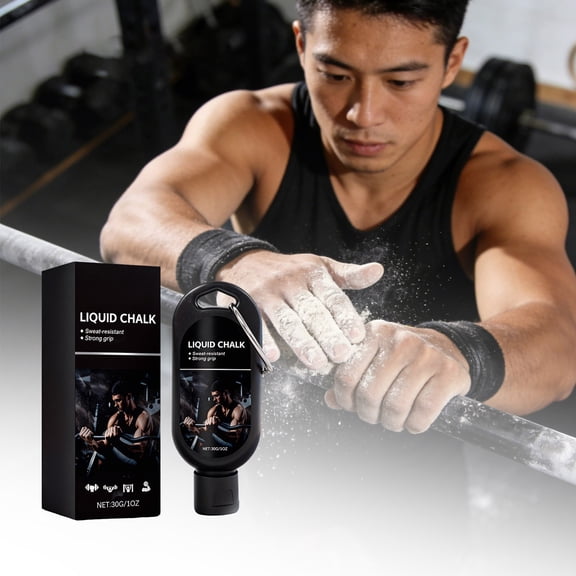
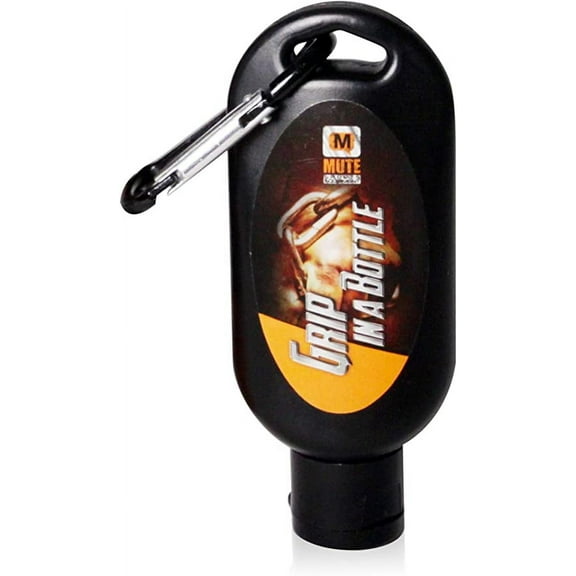
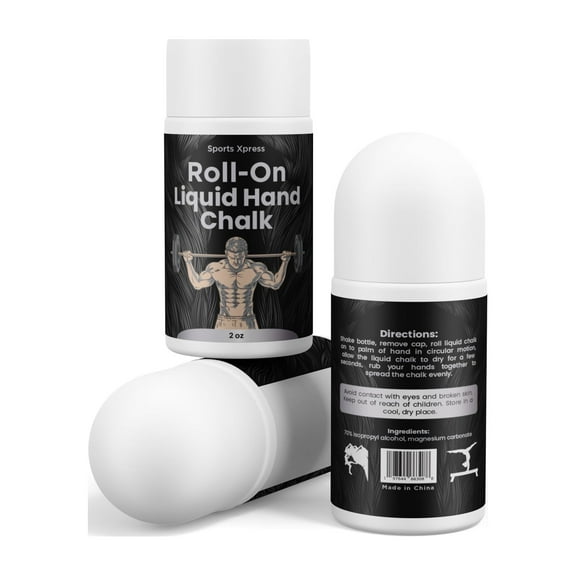
If you choose liquid gym chalk, you’ll spread a small amount across your hands and let it dry. You’ll often notice a cleaner application that fits gyms with stricter floor and equipment rules.
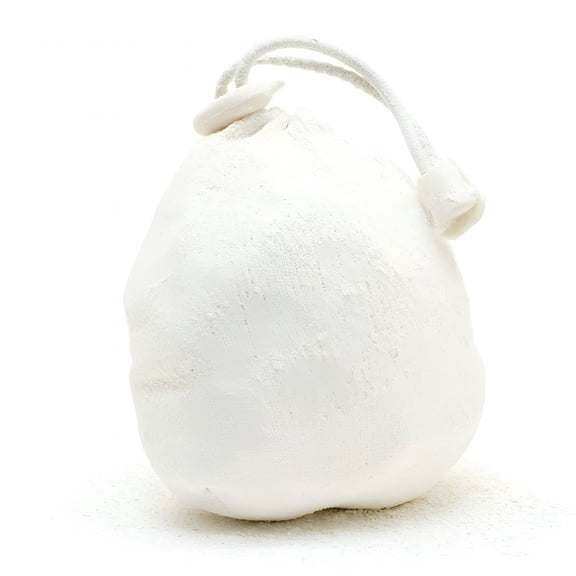
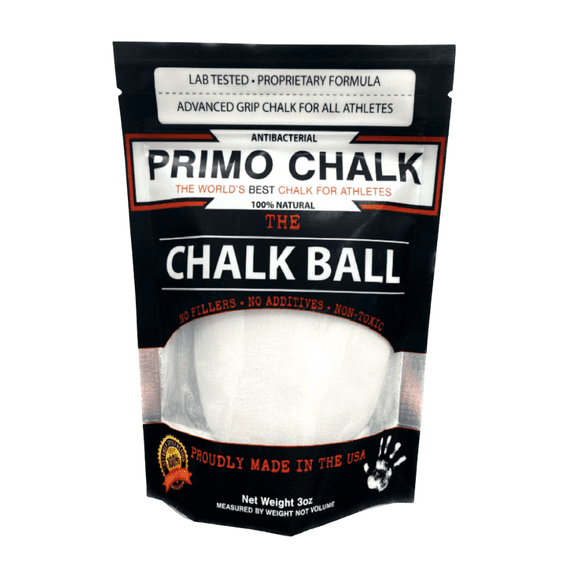
When you pick a chalk ball, you can squeeze out chalk through fabric for controlled coverage. You’ll usually get less loose dust, which helps keep benches, platforms, and bags cleaner.
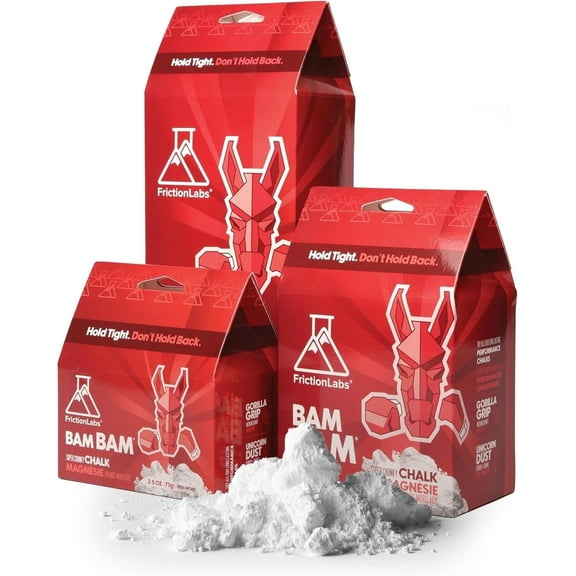
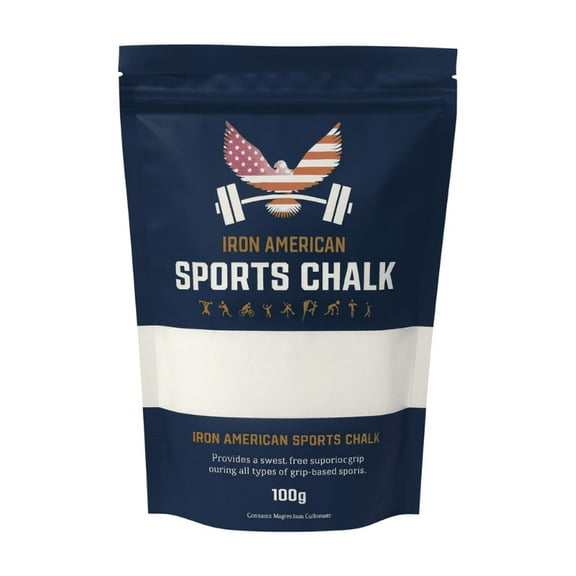
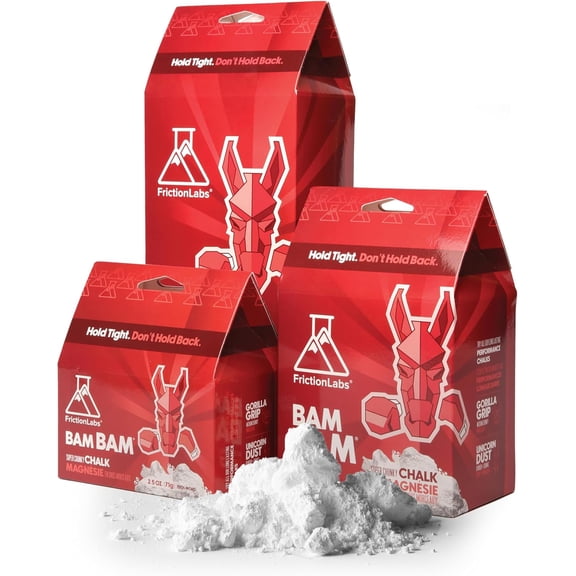
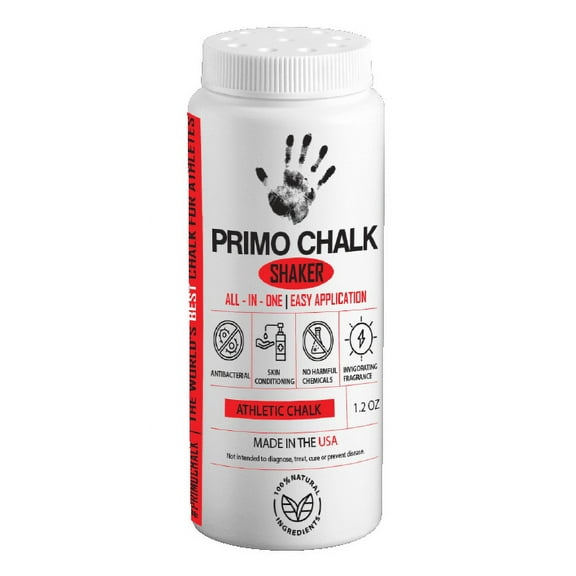
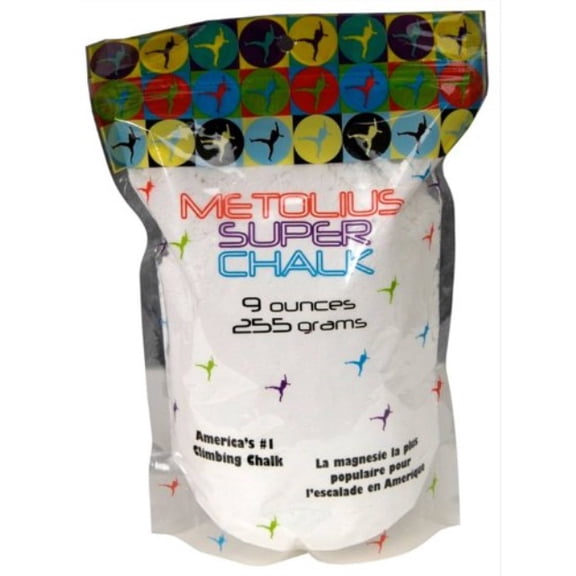
With powdered chalk, you can coat your hands quickly for repeated training blocks. You should compare how much loose dust you’re comfortable managing during weightlifting, gymnastics, or climbing sessions.
Key benefits of weightlifting chalk for your training
You use weightlifting chalk to improve hand feel when your palms get damp during heavy sets. You can keep your attention on pulls, carries, and holds instead of wiping your hands between reps.
- You can get a drier hand surface for deadlifts, pull-ups, kettlebell swings, and bar work.
- You can choose cleaner formats when your gym limits loose chalk around racks and platforms.
- You can match reapplication habits to your session length, lift style, and equipment setup.
- You can carry single blocks, bottles, or individual balls based on your bag space.
For commercial gyms, you may prefer liquid formulas because they usually create less visible residue. You can train with fewer interruptions when your facility expects a tidier setup around shared equipment.
During longer strength sessions, you may want a format that’s easy to refresh between sets. You can reapply block chalk fast, while you may choose liquid options when you want less dust.
Choosing liquid gym chalk or gym chalk block by features
You should compare chalk type with packaging size so your supply matches your training frequency. You may want a single block for occasional lifts, an eight-pack box for regular training, or a 200ml bottle for easy squeezing.
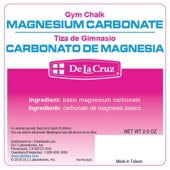
When you review ingredient labels, you’ll often see pure magnesium carbonate in traditional formats. You may also see alcohol-based liquid chalk, which dries quickly and changes how the chalk feels on your skin.
If your hands prefer a simpler formula, you should check whether the ingredient list stays minimal. If you use liquid styles often, you may want to compare drying agents and scent before choosing a bottle.
You should also consider grip duration during hard sessions with many working sets. You may find block chalk easier to refresh often, while liquid formulas can suit workouts where you want fewer mid-session touch-ups.
For cleaner storage, you can compare sealed bottles, boxed blocks, and individual chalk balls. You’ll want packaging that stays neat in your locker, car, or backpack after training ends.
Matching gym chalk to your activity and gym rules
You should match your workout chalk to the movements you do most often. You may want one feel for heavy deadlifts, another for barbell cycling, and another for rings, ropes, or climbing holds.
For weightlifting and powerlifting, you may focus on palm coverage and fast reapplication between attempts. You can keep a gym chalk block nearby when you want a familiar texture before pulls and carries.
For gymnastics training, you may look for coverage that reaches fingers, palms, and key contact points quickly. You can compare chalk balls and loose formats when you want controlled application around bars and rings.
For rock climbing sessions, you may prefer climbing chalk formats that travel easily and apply without much waste. You can choose a chalk ball or powdered option when you need repeat use across many routes.
Gym rules matter just as much as performance when you choose a format. You should check whether your facility allows loose chalk, since many shared spaces prefer liquid gym chalk for easier cleanup.
If your sessions move between home and commercial spaces, you may want two formats ready. You can keep block chalk for personal setups and a liquid bottle for facilities with stricter mess expectations.
What to look for before you commit
You should compare feel, mess level, packaging, and ingredients before settling on a type. You can narrow your options faster when you know where you train, how often you reapply, and how much chalk you carry.
With the right gym chalk, you can keep your grip routine consistent across lifting, gymnastics, and climbing sessions. You’ll finish with a format that fits your hands, your gym rules, and your training flow.