


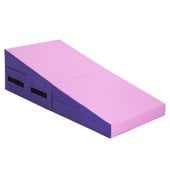
Gym Flooring in Home Gyms


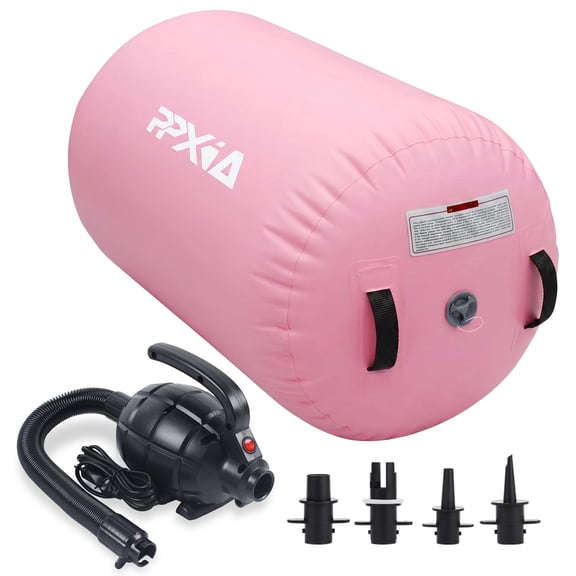

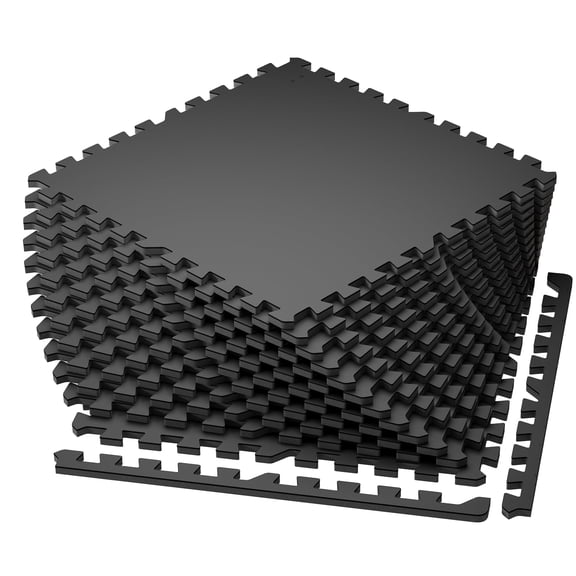


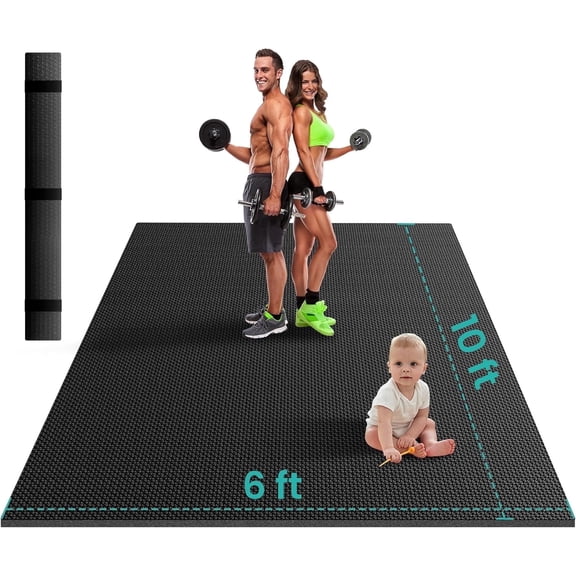






































About Gym Flooring in Home Gyms - Walmart.com
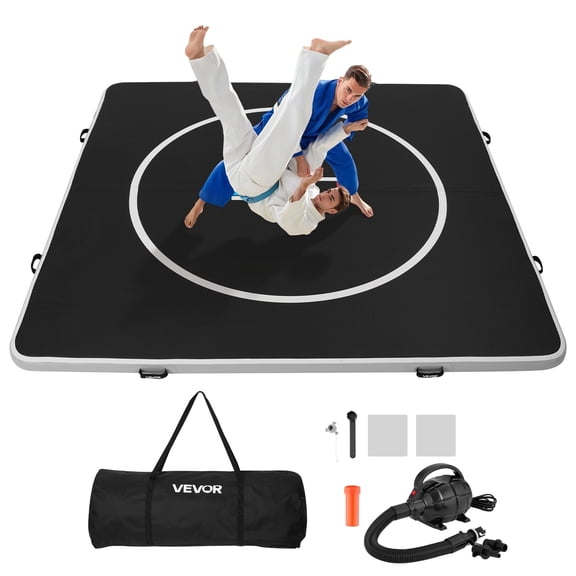
Gym flooring helps you protect your floors, steady your equipment, and create a more comfortable workout area at home. You can compare rubber gym mats, interlocking gym tiles, and foam exercise mats to match your space and training style.
If you lift in a garage, stretch in a spare room, or set up cardio equipment indoors, you need the right surface first. You’ll notice the right base can help your room feel more organized and workout-ready.
How to choose gym flooring for your space
When you choose gym flooring, you should start with your workout type and your room size. You’ll want different materials and thickness levels for heavy weightlifting, cardio sessions, and yoga practice.
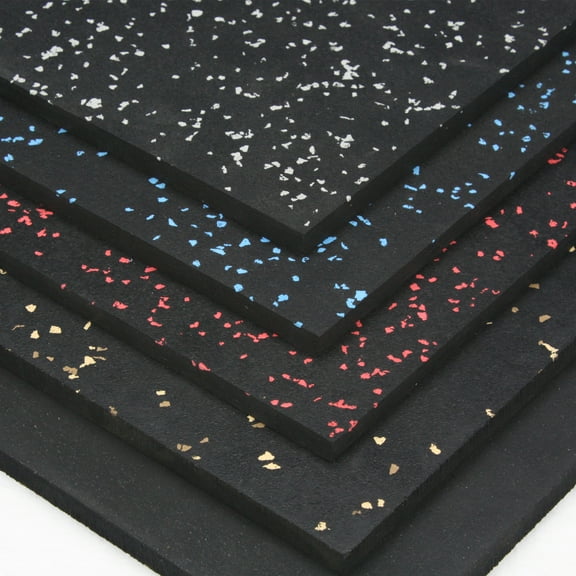
Rubber works well when you want a dense surface under racks, benches, and free weights. Foam works well when you want a softer feel for floor exercises, stretching, and mobility work.
Turf gives you a training lane for sled pushes, agility drills, and functional movement patterns. Vinyl can suit spaces where you want a smooth, easy-clean surface with a finished room look.
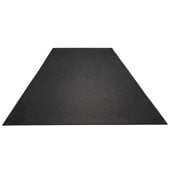
- You can use rubber gym mats when your setup includes dumbbells, barbells, benches, or loaded machines.
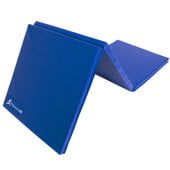
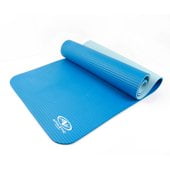
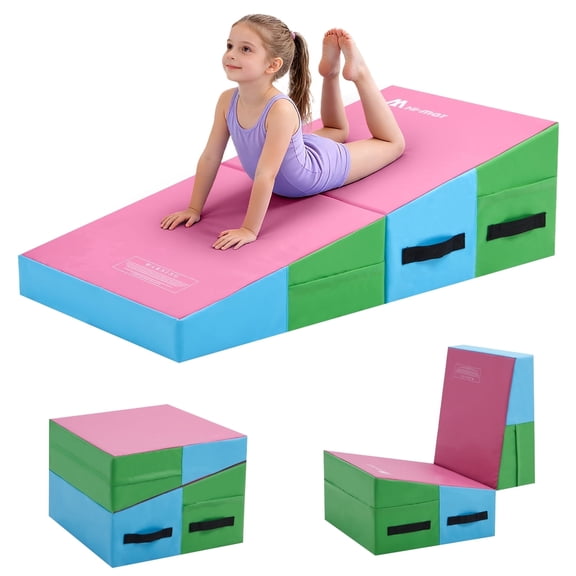
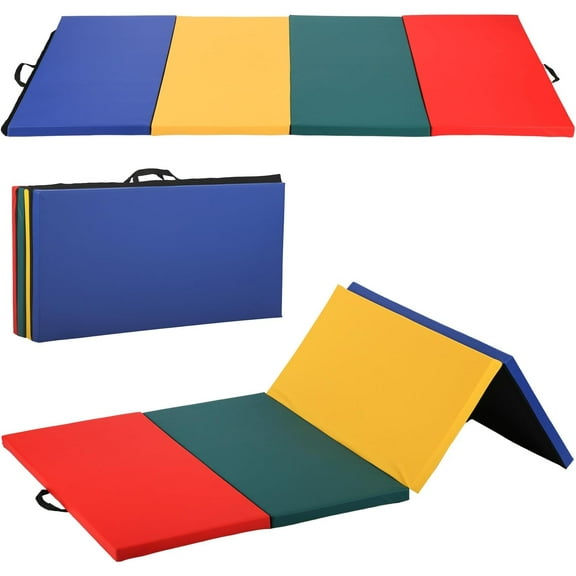
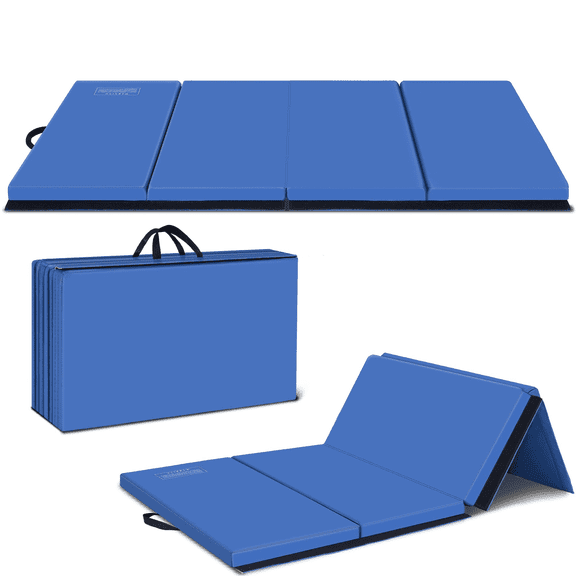
- You can choose foam exercise mats when your workouts focus on stretching, yoga, Pilates, or bodyweight movement.
- You can consider turf when your training includes short sprints, footwork drills, or push-and-pull conditioning.
- You can pick tiles, rolls, or mats based on how much floor area you need to cover.
Choosing material and thickness for home gym flooring
Material and thickness shape how your home gym flooring feels underfoot and how much floor coverage you get. You should compare density, comfort, and setup needs before you choose a layout.
A 1/4 inch option can work for lighter cardio areas, compact bikes, and general exercise zones. You may prefer 3/8 inch or 1/2 inch surfaces when you place heavier equipment or train with weights.
Thicker flooring usually gives you more cushioning and a sturdier buffer between equipment and the floor below. You’ll also notice thicker surfaces can help mute impact sounds in shared indoor spaces.
Rubber often feels firmer and heavier, which can help your equipment stay planted during demanding sessions. Foam usually feels lighter and softer, which can support floor routines where comfort matters more.
If you’re covering a garage gym flooring area, you may want denser materials that handle racks and repeated foot traffic. If you’re building a yoga corner, you may want a softer surface for kneeling and stretching.
Comparing tiles, rolls, and mats
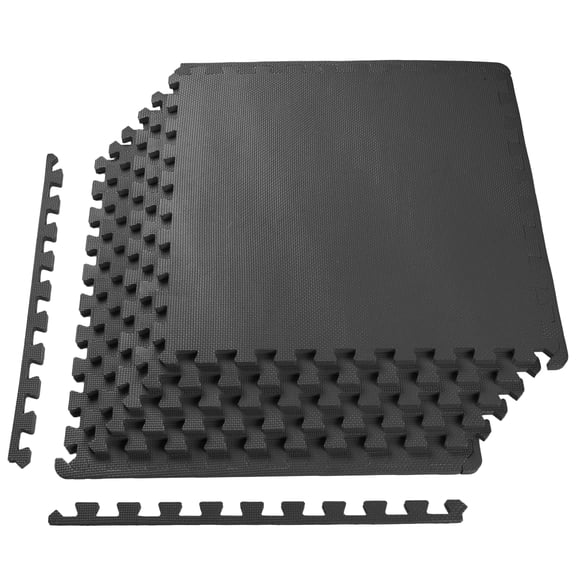
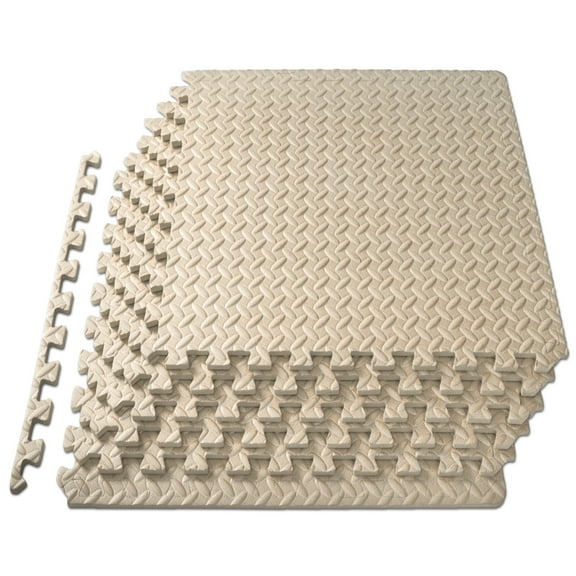
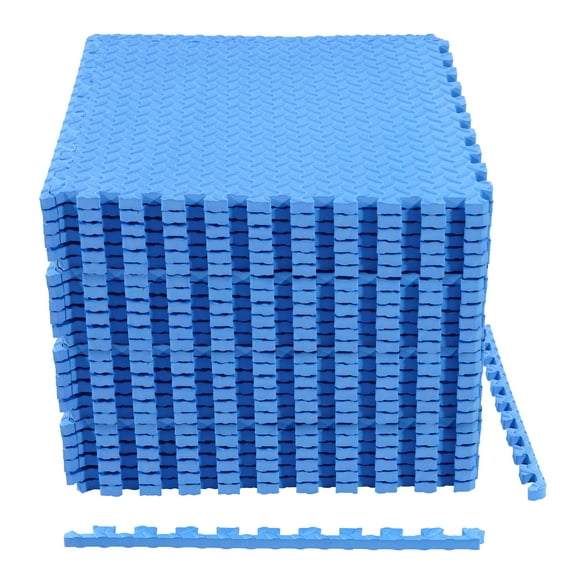
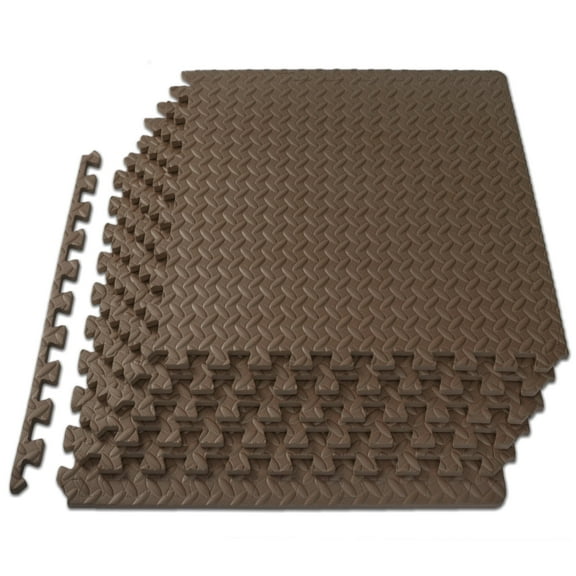
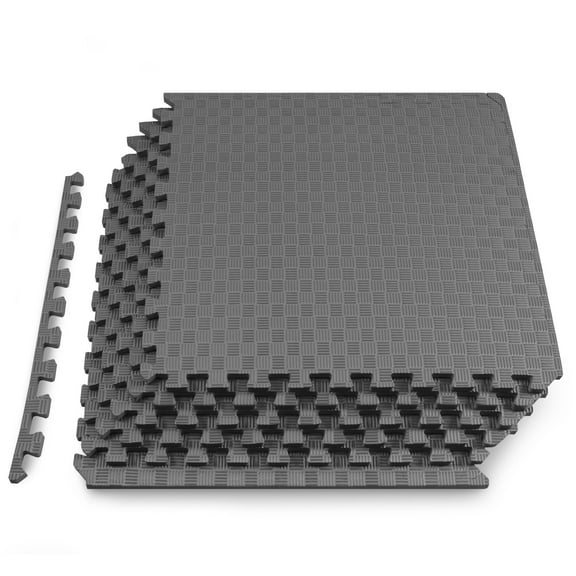
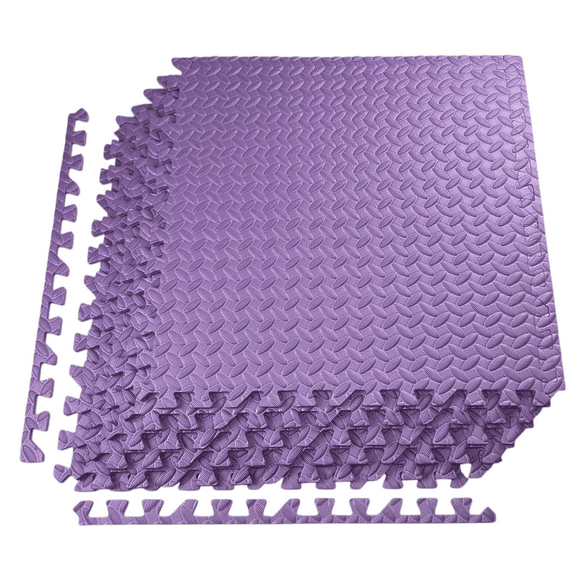
You should match the format to your room shape, installation preference, and workout footprint. Interlocking gym tiles can help you build around equipment without cutting a full-room roll.
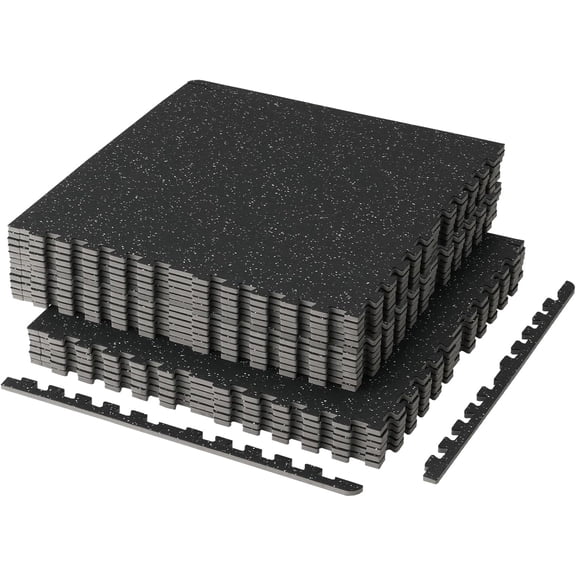
Tiles work well when you want flexible coverage and a modular layout you can expand over time. You can replace one section more easily if your setup changes or your room needs a new shape.
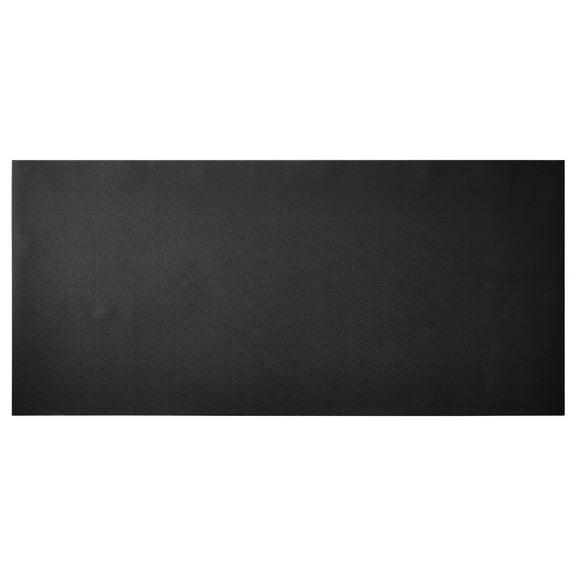
Rolls can suit larger spaces where you want fewer seams across the floor. You may like rolls when you want a cleaner look under cardio equipment or across a training lane.
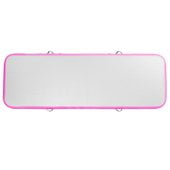
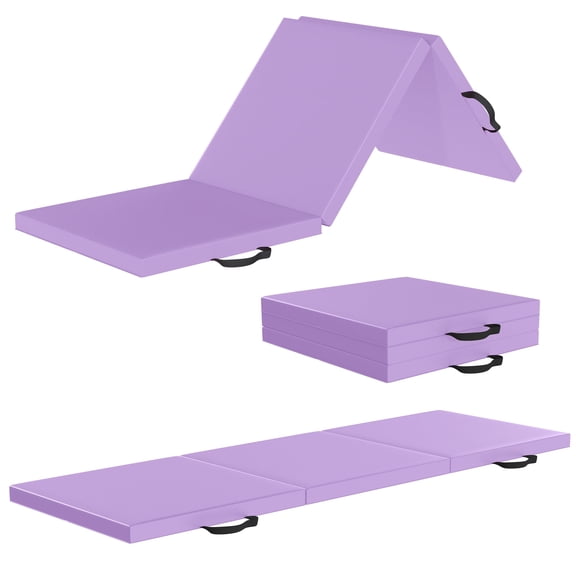
Mats can make sense when you want targeted coverage under a bike, rower, bench, or lifting zone. You can move mats more easily if your workout area doubles as a garage or multipurpose room.
For installation, you should compare interlocking, puzzle, and adhesive styles based on your room and timeline. Puzzle edges can help you create a fitted layout, while adhesive setups can feel more permanent.
You’ll want to measure door clearance, wall-to-wall dimensions, and equipment placement before you choose a format. You can avoid awkward gaps when you map your layout before installation starts.
What to look for in rubber gym mats and protective floor mats
You should look for protective floor mats that match both your equipment weight and your training movement. Your floor coverage should support the way you lift, step, push, and recover between sets.
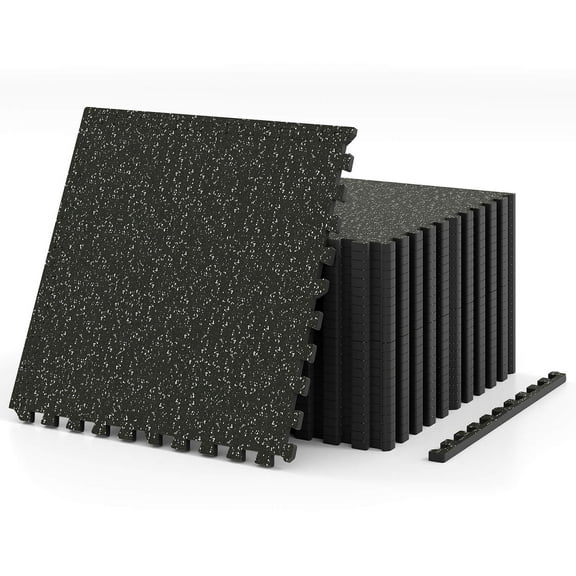
For heavy weightlifting, you may want rubber gym mats with a denser feel and thicker profile. You’ll get a steadier base for benches, racks, and loaded bars in that kind of setup.
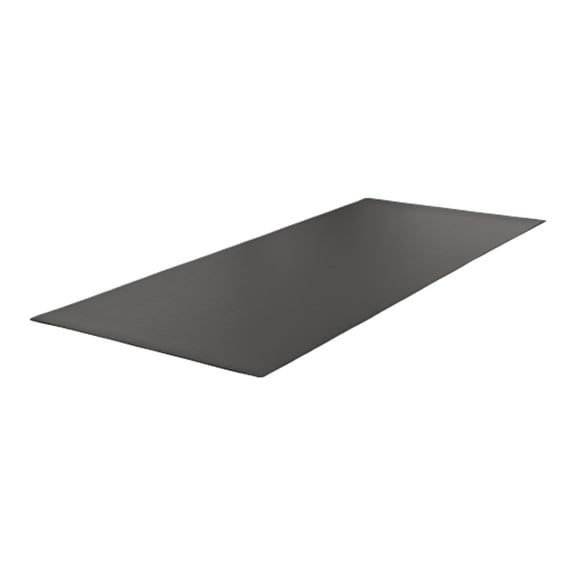
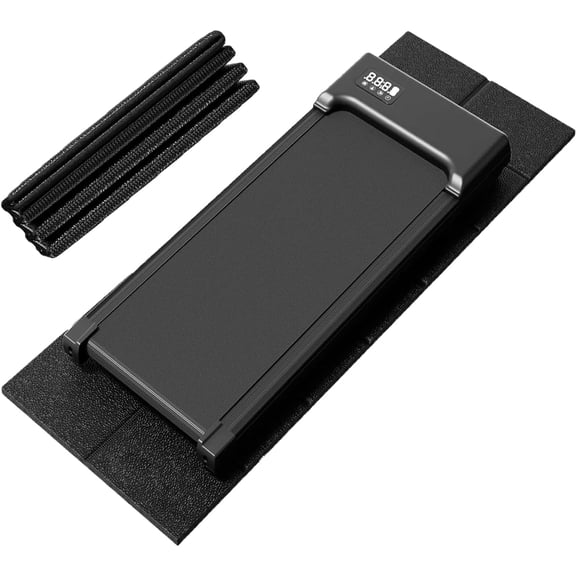
For cardio, you may want flooring that helps reduce vibration under treadmills, bikes, or rowers. You can also use it to define your machine area and keep the room looking tidy.
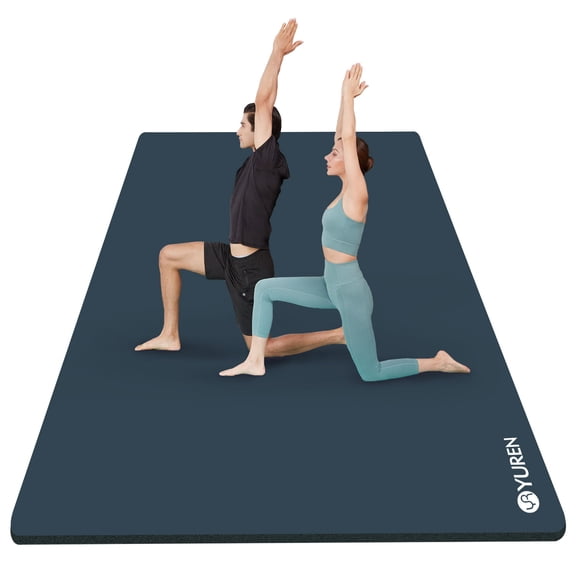
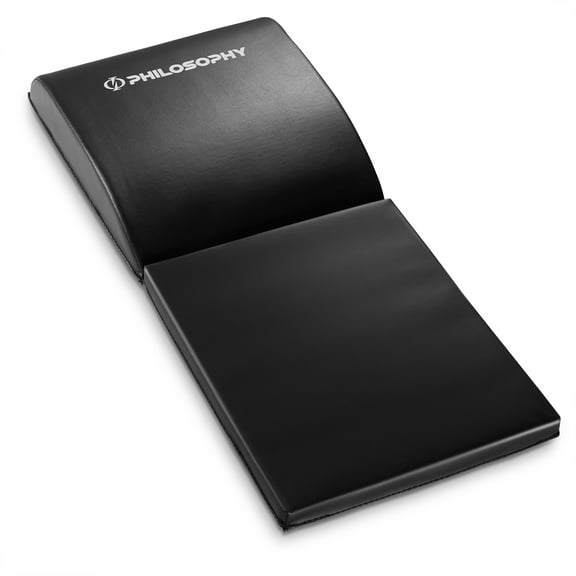
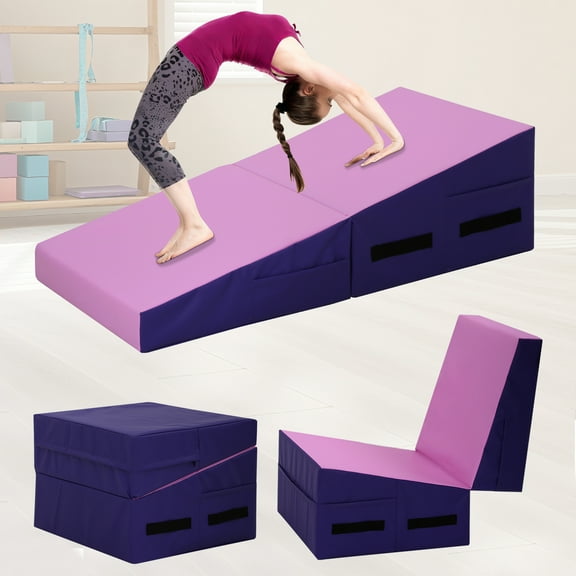
For yoga and floor work, you may want foam exercise mats that feel gentler during kneeling and stretching. You’ll likely appreciate a surface that supports planks, sit-ups, and cooldown routines.
If your home gym shares space with storage or parking, you may want mats or tiles that you can place only where needed. You can build a practical zone without covering every inch of the room.
You may also pair your flooring with nearby strength and cardio gear to complete your setup. Your space can feel more functional when flooring aligns with your bench, dumbbells, or treadmill footprint.
Using gym flooring in real workout setups
You can build a compact home gym flooring layout in a bedroom corner with foam tiles and a small mat. Your setup can support stretching, bands, and bodyweight work without taking over the room.
In a garage, you may choose thicker rubber pieces under a rack and bench area. You can keep a firm surface where you train most often and leave open space around it.
For mixed-use rooms, interlocking gym tiles can help you create a workout zone that’s easier to adjust later. You can add pieces as your routine grows or your equipment list changes.
If you train with a treadmill or bike, you may want a mat or roll that sits neatly under the machine. You’ll create a defined cardio station with a cleaner edge and more polished look.
For functional training, turf can give you a dedicated strip for sled work, footwork, and warmups. You can separate strength work from movement drills without changing rooms.
When you choose the right gym flooring, you create a surface that fits your equipment, your room, and your routine. You’ll get a more stable, protective foundation for every workout at home.