

MMA Gear and Mixed Martial Arts Equipment
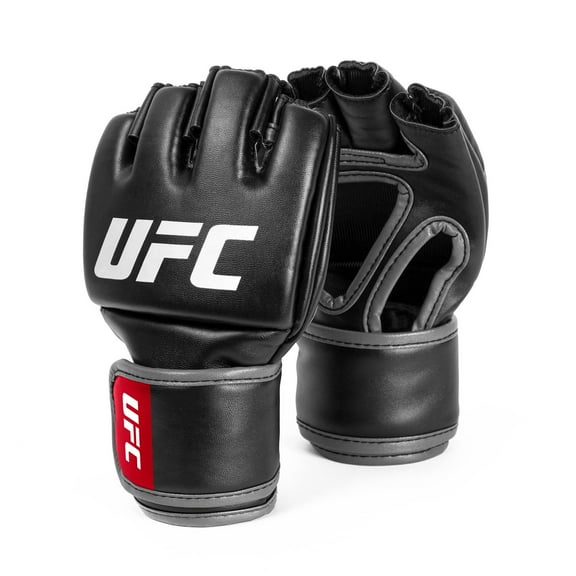

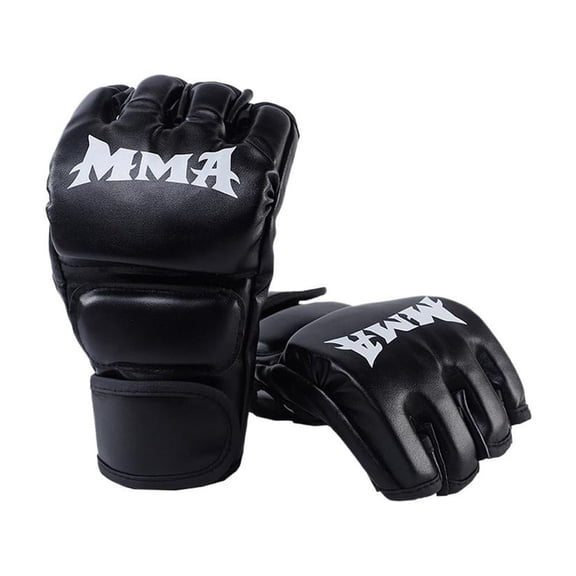


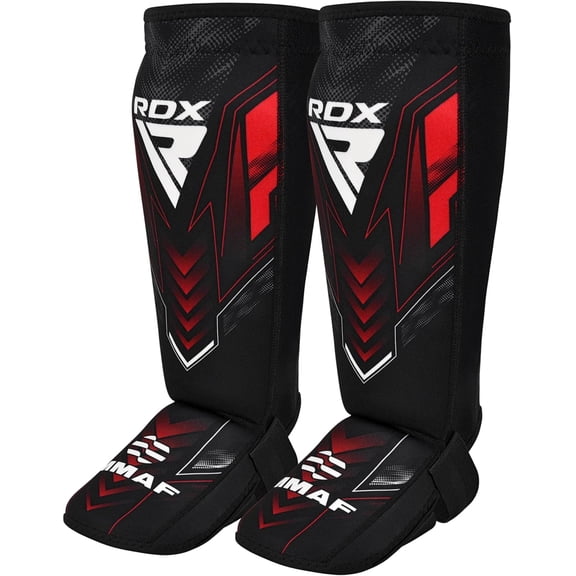






























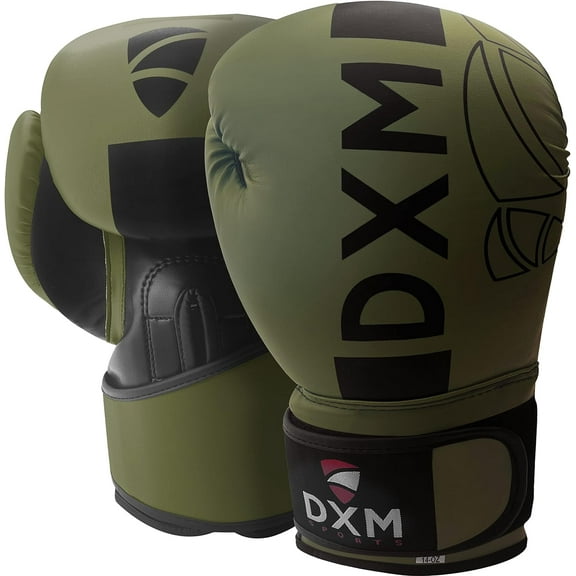


About MMA Gear and Mixed Martial Arts Equipment - Walmart.com
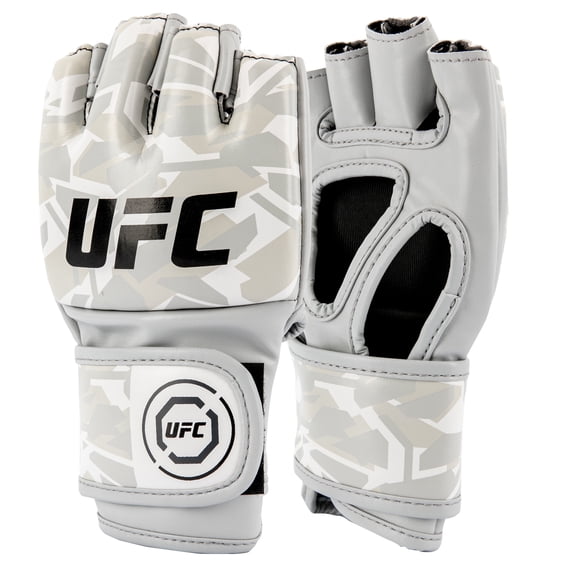
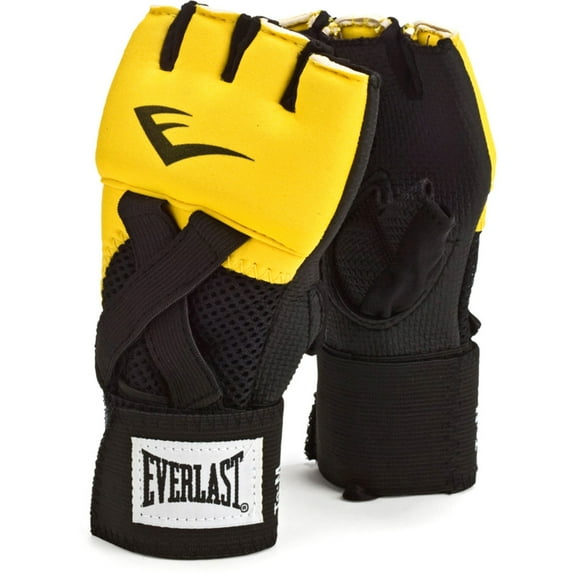
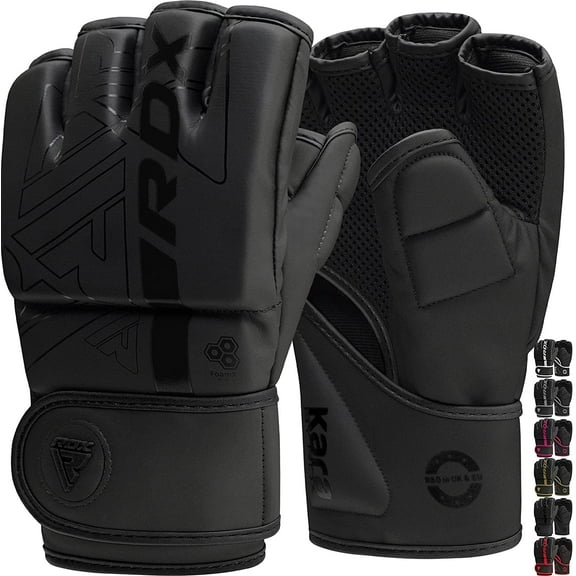
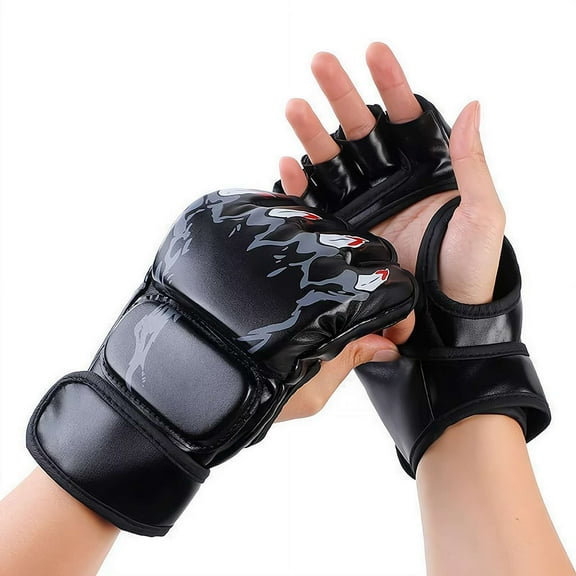
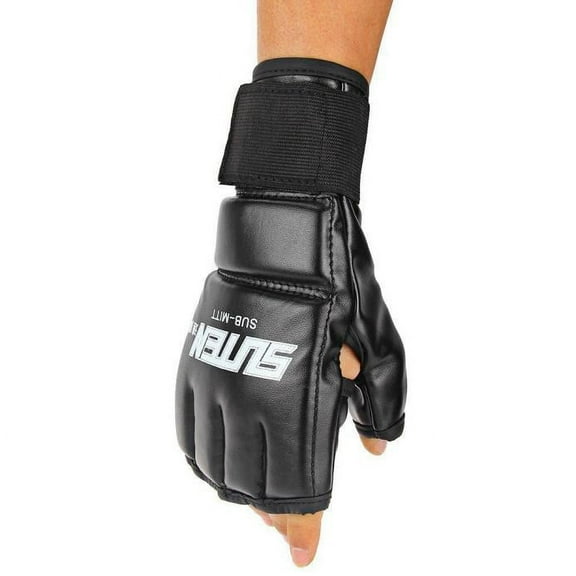
You can compare mma mixed martial arts gear faster when you understand glove weight, protection levels, and training use. You’ll also find category-specific options like 4 oz gloves, shin guards, headgear, mouthguards, and punching bags.
How to choose mma mixed martial arts gear
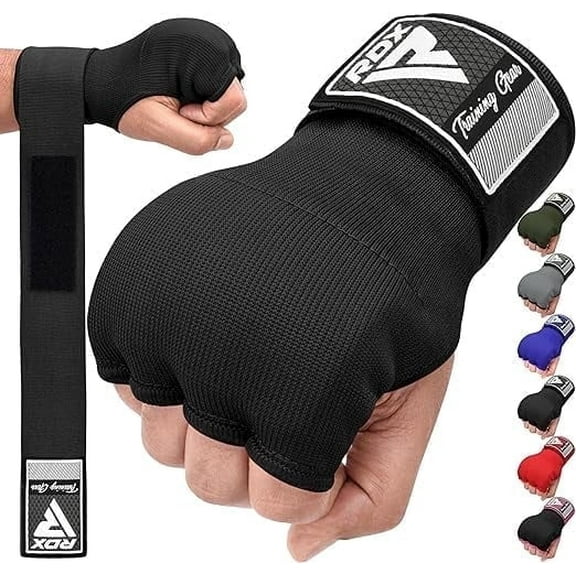
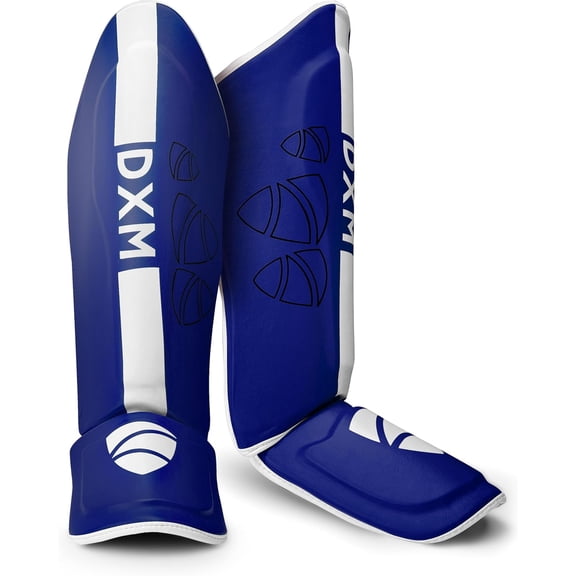
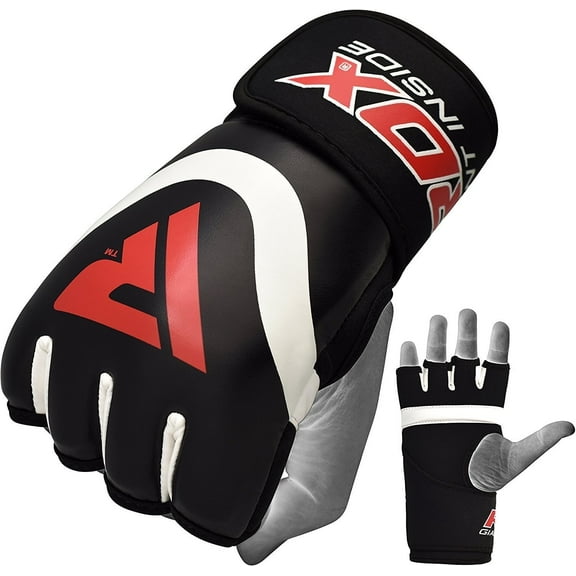
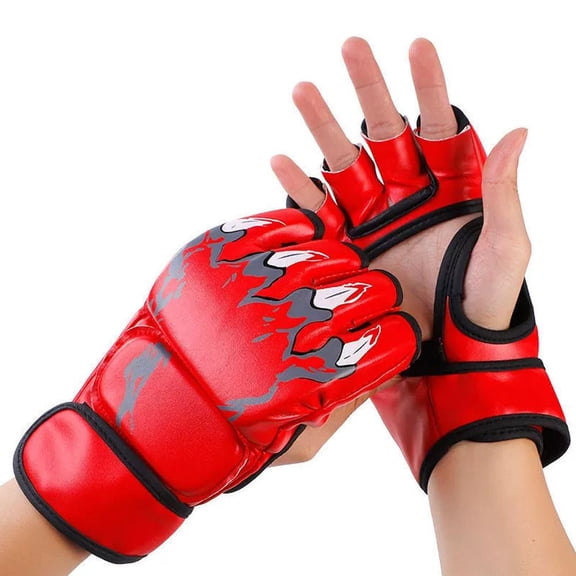
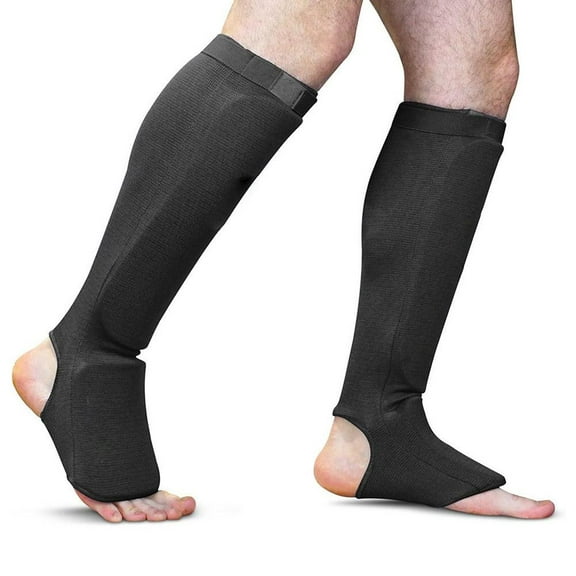
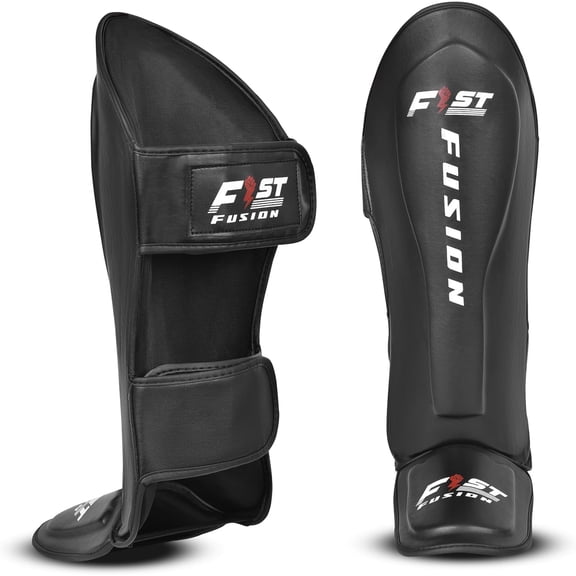
You should start with the gear type that matches your training plan. You may need mma gloves for drills, shin guards for kick work, and headgear for heavier sparring.
You can use mouthguards for gym sessions and competition prep, while punching bags support home training. You’ll make a clearer choice when you match each item to a specific practice style.
You may compare beginner, intermediate, and professional options by how often you train. You’ll usually want simpler setups first, then add more specialized mixed martial arts equipment over time.
What benefits you get from the right mma gear
You gain more focused training when your gear matches sparring, bag work, or technique drills. You’ll also spend less time adjusting fit when you choose the right size and weight.
Your sessions can feel more controlled when padding density fits your activity. You’ll notice lighter gloves move faster, while heavier gloves add more cushion during partner work.
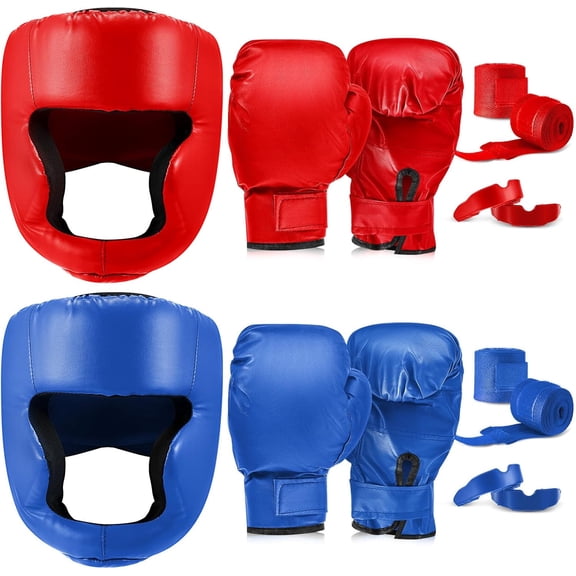
- You can build a practical starter setup with gloves, shin guards, headgear, and a mouthguard.
- You can separate bag training from sparring by choosing gear with padding designed for each use.
- You can compare materials like leather, synthetic leather, neoprene, and gel padding by feel and upkeep.
- You can choose protection levels for lightweight sparring, heavy sparring, or competition grade needs.
You also get a better training rhythm when your mma training gear supports your discipline. You’ll move from striking drills to conditioning work without mismatched equipment slowing you down.
If you’re just starting, you can use a simple checklist to avoid guesswork. You’ll usually want gloves, shin guards, a mouthguard, and a bag or pads for skill practice.
Choosing glove weight, sizing, and protection
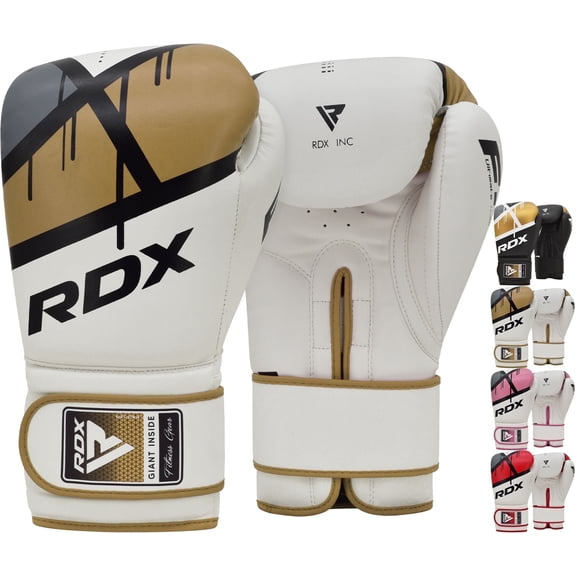
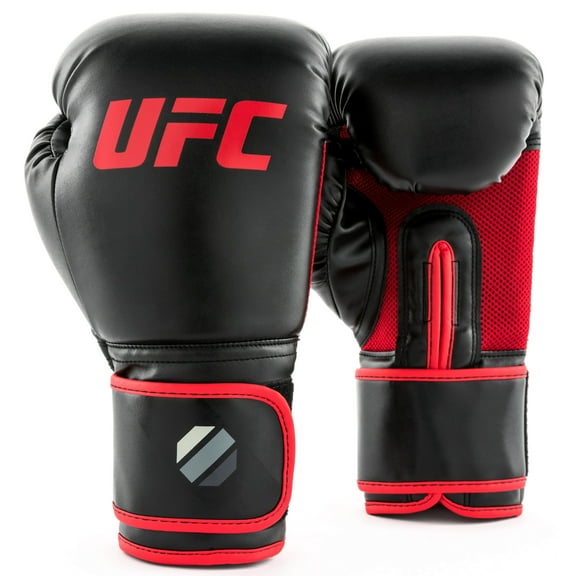
You should compare glove weight first because oz ratings affect feel and intended use. You’ll often see 4 oz and 6 oz options for competition-focused training, while 12 oz through 16 oz add more padding.
You can look at hand circumference with the size chart before choosing mma gloves. You’ll get a steadier fit when your gloves wrap securely without pinching your knuckles or wrist.
Your sparring choice should reflect how much cushioning you want during contact drills. You’ll usually use denser padding for heavier partner sessions and firmer, slimmer designs for bag work.
You can think of padding density in simple terms. You’ll feel softer impact spread during sparring, while bag gloves often feel more compact and direct on the target.
If you’re training across several formats, you may want separate pairs for different sessions. You’ll keep your mixed martial arts equipment more purpose-built when each pair serves one main role.
Comparing materials in mixed martial arts equipment
You can compare materials by durability, feel, and upkeep instead of by name alone. You’ll often find leather, synthetic leather, neoprene, and gel padding across core martial arts protective gear.
You may prefer leather when you want a broken-in feel over time. You’ll often choose synthetic leather when you want easy cleaning and a consistent surface after repeated sessions.
Your shin guards or supports may use neoprene for a flexible, close fit. You’ll often notice gel padding in areas where you want a cushioned feel during repeated drills.
You should also check closures, lining, and surface texture before deciding. You’ll get a better match when the material feels right for your training frequency and storage routine.
Matching skill level and use case to your setup
You can build your setup differently based on experience level. You’ll usually want beginner gear that’s straightforward, intermediate gear that supports regular classes, and professional gear with more specialized specifications.
If you’re new, you can start with an essential gear checklist and add pieces as your classes expand. You’ll likely begin with gloves, shin guards, headgear, and a mouthguard before adding a punching bag.
You may choose lightweight sparring gear when you’re drilling technique and movement. You’ll usually move to heavy sparring protection when your sessions include more contact and longer rounds.
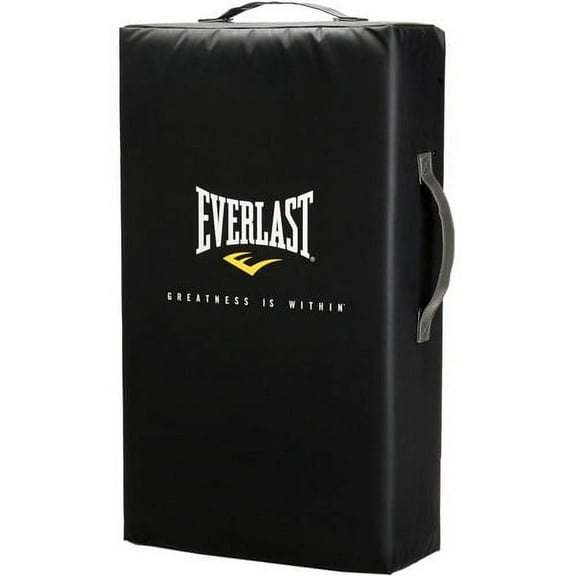
If you train at home, you can add a punching bag to support footwork, combinations, and conditioning. You’ll create a more complete routine when your bag setup matches your glove choice.
You can also compare competition grade items when you’re preparing for regulated formats. You’ll want to check weight classes, glove weight rules, and the exact protection requirements for your event.
Your mma mixed martial arts setup works better when each piece supports a clear training purpose. You’ll choose with more confidence when you compare gear type, size, material, skill level, and protection level together.