



Running Safety & Visibility in Running Gear










































About Running Safety & Visibility in Running Gear - Walmart.com
Running safety gear helps you stay visible during early miles and dark routes. You can compare reflective vests, safety lights, bands, and headlamps for the visibility setup your run needs.
When you run before sunrise or after sunset, you need gear built for motion and changing light. You’ll find options that support visibility from the front, sides, and back without interrupting your stride.
How to choose running safety gear
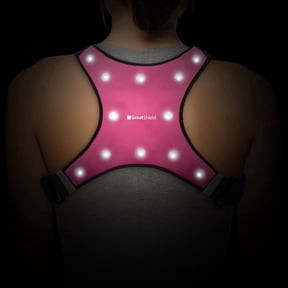
You should start with the difference between passive and active visibility. You’ll notice passive reflective materials shine when light hits them, while active LED gear creates its own light.
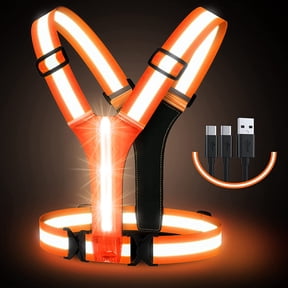
If you run on streets, you may want both types working together. You can use reflective running gear for broad coverage and running safety lights for stronger visibility in dim conditions.
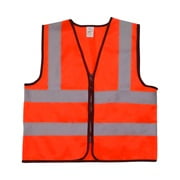
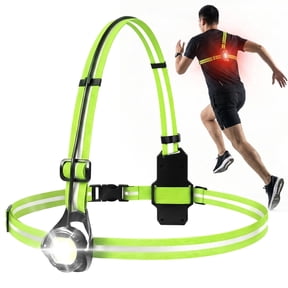
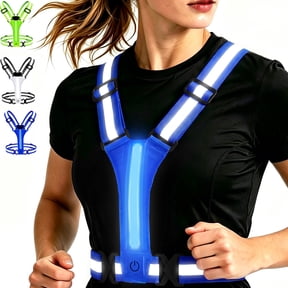
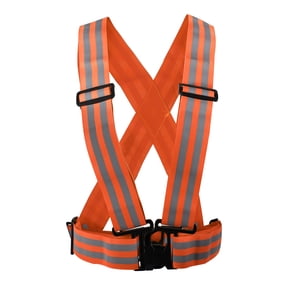
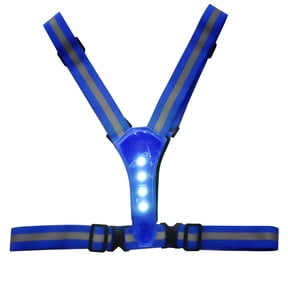
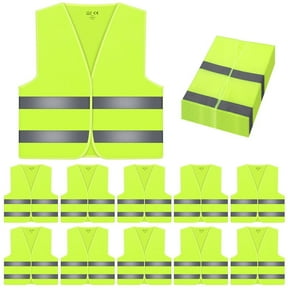
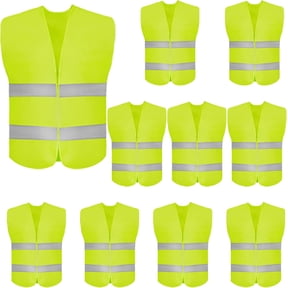
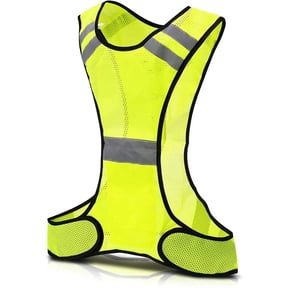
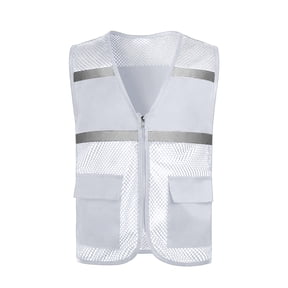
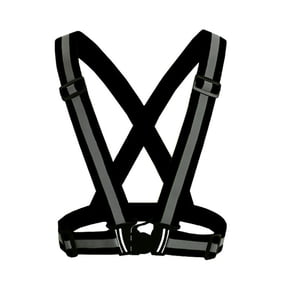
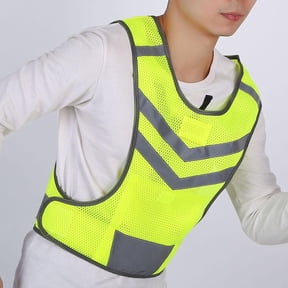
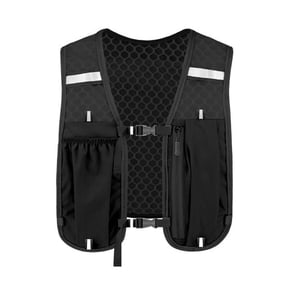
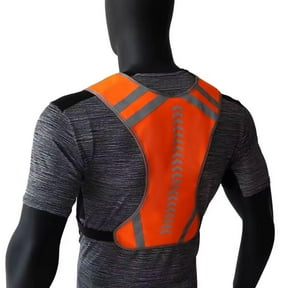
You should also consider where you want visibility on your body. You may prefer a high visibility running vest for torso coverage, or reflective bands for runners on wrists and ankles.
- You can combine reflective fabric and LED lights for 360-degree visibility.
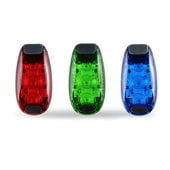
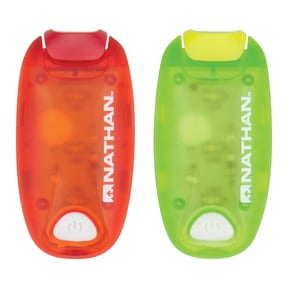
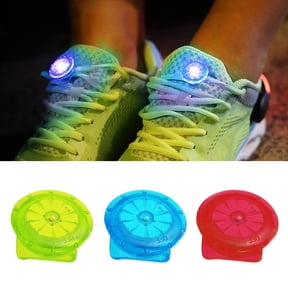
- You may choose clip-on lights when you want quick setup on shirts, belts, or packs.
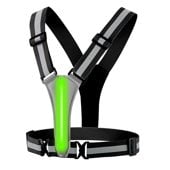
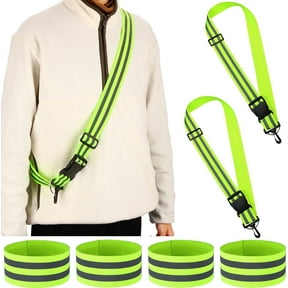
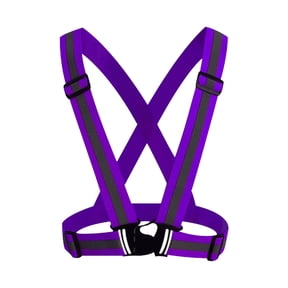
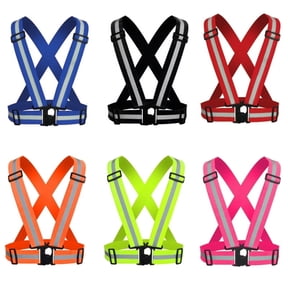
- You can wear adjustable vests when you want steady coverage during longer runs.
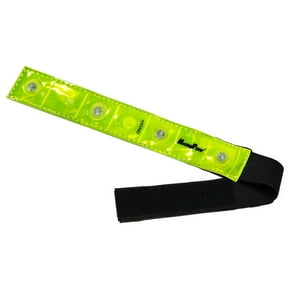
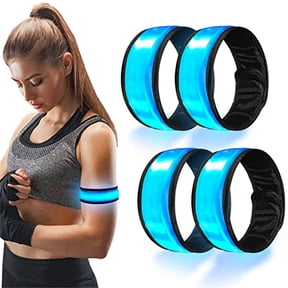
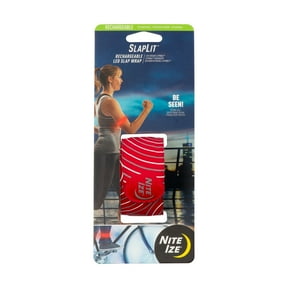
- You may use bands on arms or ankles when you want visible movement cues.
Choosing reflective running gear by gear type
You should compare gear type first, because each option solves a different visibility need. You’ll usually get wider coverage from vests and more focused illumination from lights or headlamps.
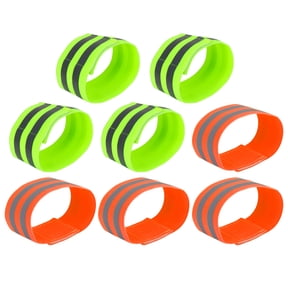
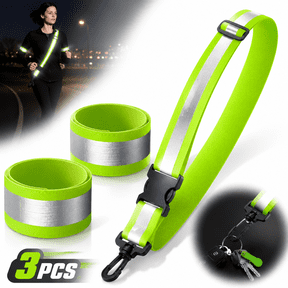
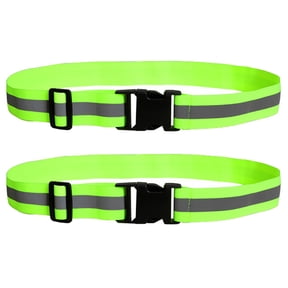
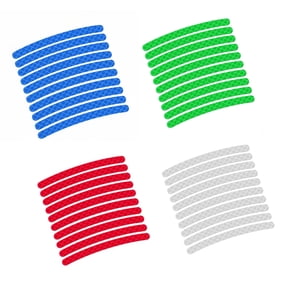
If you want passive coverage, reflective vests and reflective bands can help you stand out when headlights pass by. You may prefer elastic bands when you want a compact option.
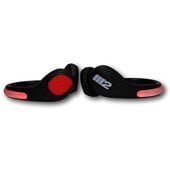
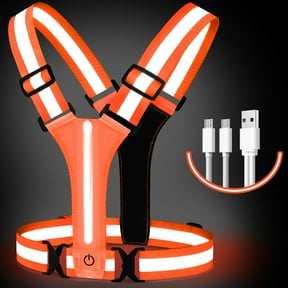
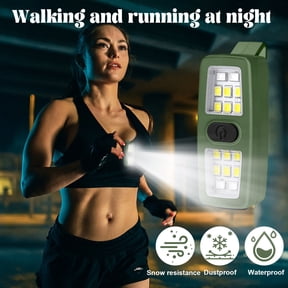
If you want active visibility, running safety lights and headlamps can project light or flashing signals. You can clip lights to a waistband, vest, or pocket for flexible placement.
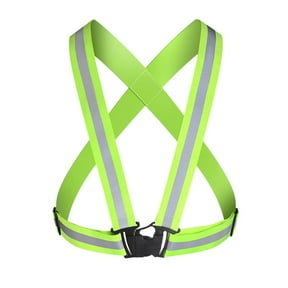
You should check fit and attachment before you choose. You may want adjustable straps for layering, elastic bands for quick wear, or hook-and-loop closures for easy changes.
Comparing visibility types and brightness needs
You should match visibility type to your route, timing, and traffic pattern. You may want high-visibility neon colors in daylight, then add reflective panels and LEDs for low-light runs.
Passive reflective gear works when outside light hits the surface and sends it back. You’ll often like this option when you want non-electric gear with no charging step.
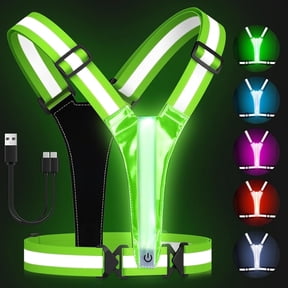
Active LED gear creates its own light, which helps you stand out in darker spaces. You can choose steady or flashing modes based on how much attention you want.
If you run near intersections, you may want visibility from several angles. You can look for front-facing light, side reflectivity, and rear coverage in one setup.
Checking power source, battery life, and weather details
You should compare power source before you commit to night running gear. You may prefer USB rechargeable lights for repeat use, or battery operated lights for quick swaps.
USB rechargeable options can work well when you run often during the week. You can recharge them between runs and avoid keeping spare coin cells on hand.
Battery operated lights can suit you when you want simple replacement on the go. You may like them for travel bags, backup kits, or occasional evening runs.
You should also check battery life and light modes together. You can use a lower mode for longer sessions or a flashing mode for quick visibility cues.
Weather matters when you run outdoors, so you should review water resistance details. You can look for an IPX rating, because it helps you compare how gear handles rain and wet conditions.
If you run through drizzle or humid mornings, you may want a stronger IPX rating. You’ll have an easier time comparing options when that rating appears in the product details.
Finding comfort and fit for night running gear
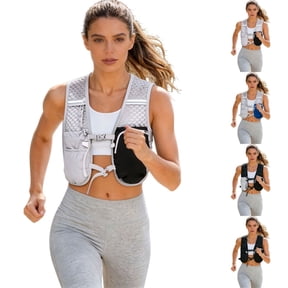
You should choose gear that stays comfortable while your pace changes. You may want lightweight materials, soft edges, and adjustable sections that move with your body.
A high visibility running vest can work well when you want balanced coverage without holding an item. You should check strap range if you plan to layer over jackets or thicker tops.
Reflective bands for runners can suit you when you want minimal bulk on short routes. You may place them on arms or ankles, where movement helps others notice you.
Headlamps can help you when you want hands-free light on darker paths. You should compare strap comfort, beam direction, and battery setup before longer runs.
Matching running safety gear to your routine
If you run in neighborhoods before dawn, you may want reflective running gear plus a compact clip-on light. You can keep your setup light while adding visibility from multiple angles.
If you train on darker paths, you may want a headlamp and reflective vest together. You’ll get forward light for the path and reflective coverage for passing traffic.
When you want a simple backup for changing daylight, reflective bands can fit easily in a gym bag. You can slip them on fast when your run extends later than planned.
If you alternate between short weekday runs and long weekend sessions, you may want rechargeable lights and an adjustable vest. You can build a setup that adapts to distance, weather, and layers.
You’ll feel more prepared when your running safety gear matches your route, light level, and comfort needs. You can choose a setup that keeps visibility consistent from warm-up through cooldown.