


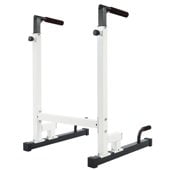
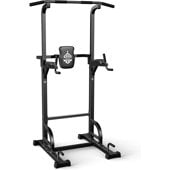
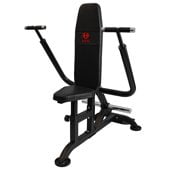
Calisthenics in Home Gyms
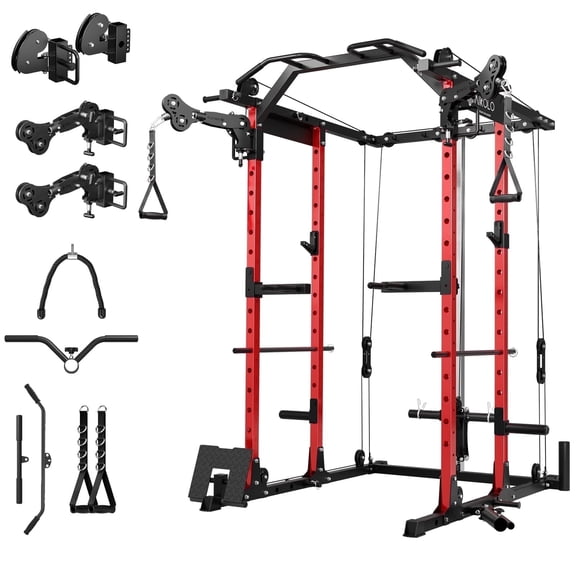




































About Calisthenics in Home Gyms - Walmart.com
With calisthenics equipment, you can build a focused home setup for pull-ups, dips, holds, and bodyweight progressions without crowding your space. You’ll find category-specific options like gymnastic rings, parallettes, doorway bars, and weighted vests that support skill-building at home or outdoors.
How to choose calisthenics equipment for your space
You should start by comparing your available space, mounting options, and training goals before choosing any piece. You’ll want portable gear for shared rooms, while fixed setups suit dedicated workout areas.
When you compare installation types, you should check doorway dimensions, wall mounting hardware, and floor clearance first. You’ll avoid fit issues when your bar width, anchor points, and room height match your space.
If you need flexibility, you can look for portable rings, resistance bands, or a doorway pull up bar. If you train in one spot, you may prefer wall-mounted or freestanding stations for repeat sessions.
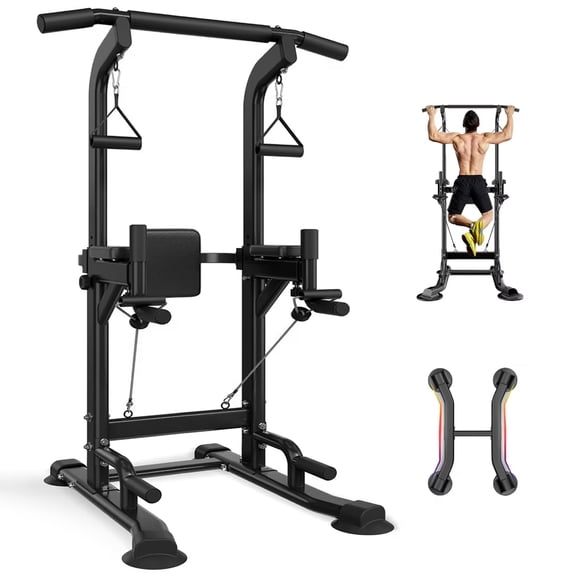
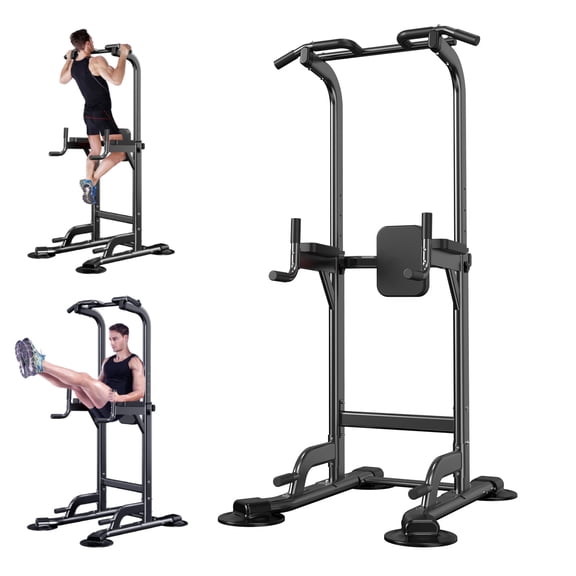
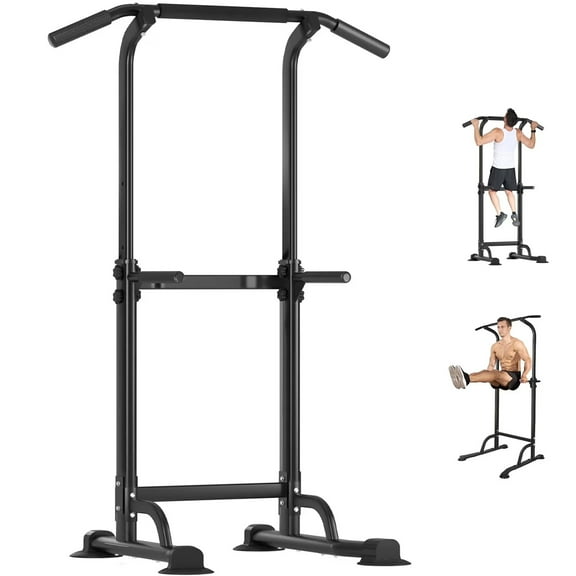
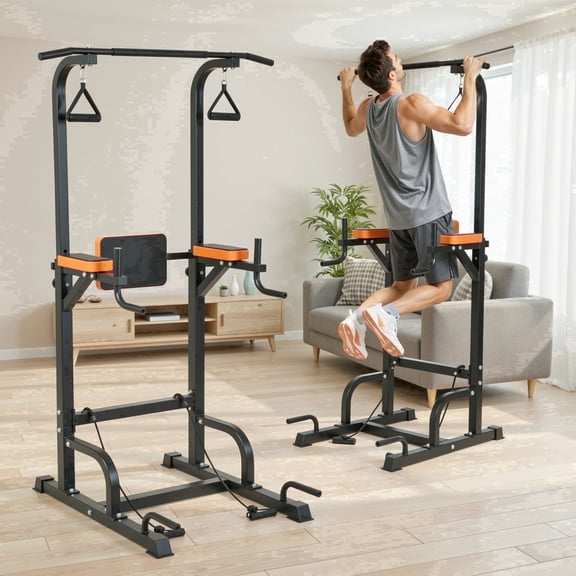
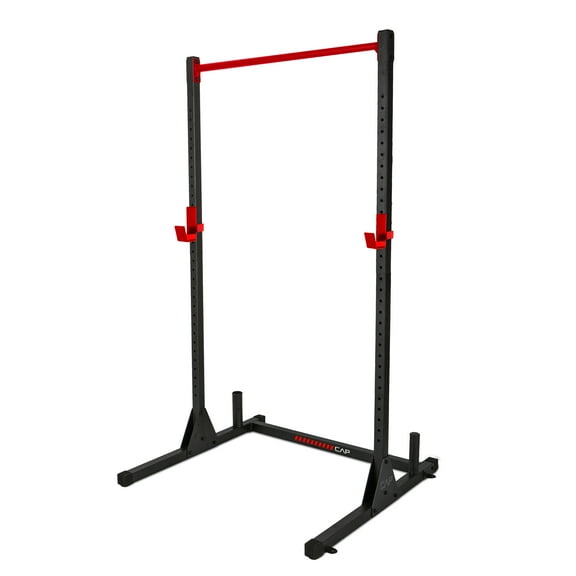
- You can use pull-up bars for rows, leg raises, hangs, and classic pull-up work.
- You can use gymnastic rings for unstable training, deeper range of motion, and strap height adjustments.
- You can use parallettes for push-up variations, L-sits, handstand practice, and tuck work.
- You can use resistance bands to scale difficulty, add assistance, or increase challenge during bodyweight movements.
- You can use weighted vests when your bodyweight drills feel consistent and controlled.
Choosing materials and grip in calisthenics workout gear
You should compare material choices because grip feel changes how each session feels in your hands. You’ll notice wood, steel, rubber, and heavy-duty plastic each support different training preferences.
If you like a natural hand feel, you may prefer wooden gymnastic rings for ring rows, dips, and support holds. If you want a firmer structure, you may choose steel bars or steel parallettes for repeated daily use.
You should check foam padding, textured grips, and handle diameter before you decide. You’ll usually get more comfort during longer sets when your grip surface matches your hand size and movement style.
Rubber contact points and protective ends can matter when you train on finished floors or door frames. You’ll appreciate those details when you want steady placement and less shifting during push work.
Comparing weight capacity and build details
You should treat weight capacity as a key filter because your setup needs to match your bodyweight and added load. You’ll want to compare options rated up to 250 lbs, up to 300 lbs, or 350+ lbs.
If you plan to use a weighted vest, you should leave room above your current load. You’ll also want to compare load-bearing capacity across bars, rings, and dip stations before combining equipment.
You should review steel gauge, frame thickness, and anchor design when you compare heavy duty pull up bar options. You’ll get clearer buying guidance when technical specs connect to steadier hangs, kips, and controlled negatives.
For doorway models, you should confirm trim clearance, frame depth, and contact points before purchase. For wall-mounted gear, you should check whether your hardware and wall type match the installation method.
Matching equipment type to your skill level
You should match equipment type to your current level so your setup supports progress instead of guesswork. You’ll often start with beginner calisthenics equipment like bands, doorway bars, and basic parallettes.
If you’re building foundational strength, you can use resistance bands to assist pull-ups and support gradual range work. You can also use low parallettes for wrist-friendly push-ups, holds, and simple balance drills.
At an intermediate level, you may add gymnastic rings for instability and more exercise variety. You’ll be able to adjust strap height for rows, dips, support holds, and controlled core movements.
If you train advanced skills, you may look for rigid bars, sturdy parallettes, and weighted vests with a close fit. You’ll want dependable support for muscle-up practice, deeper dip ranges, and longer static holds.
Using calisthenics equipment indoors and outdoors
You can build an efficient home routine by choosing bodyweight training equipment that fits your room, schedule, and training style. You’ll often need only a few pieces to cover pulling, pushing, core work, and progression drills.
For apartments or multiuse rooms, you may prefer portable rings, foldable bars, or compact parallettes that store easily. You’ll keep your area usable while still supporting short daily sessions and longer weekend workouts.
If you train outside, you can consider outdoor calisthenics equipment that travels well and sets up quickly. You’ll benefit from portable straps, weather-conscious materials, and gear that moves from backyard practice to park sessions.
You should also think about exercise versatility before you commit to one item. You’ll get more from your setup when one bar supports hangs and rows, or when rings handle rows, dips, and suspended push-ups.
With the right calisthenics equipment, you can create a setup that matches your space, skill level, and training goals with clearer decision points. You’ll feel more confident choosing gear that fits securely, trains smoothly, and supports steady bodyweight progress.