


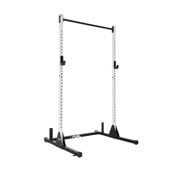
Home Gym Equipment in Home Gyms
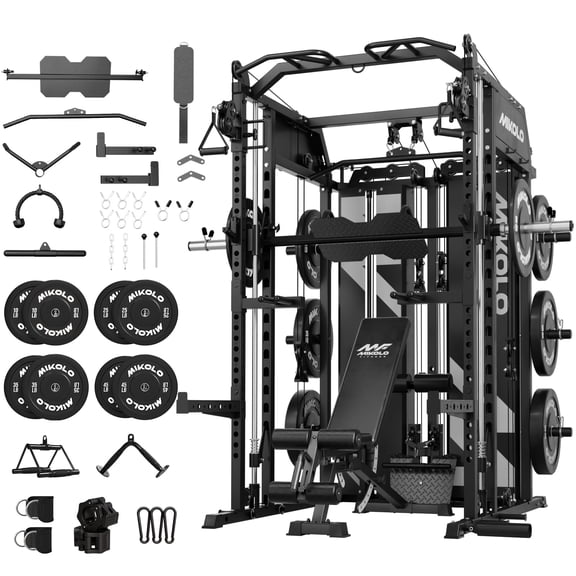
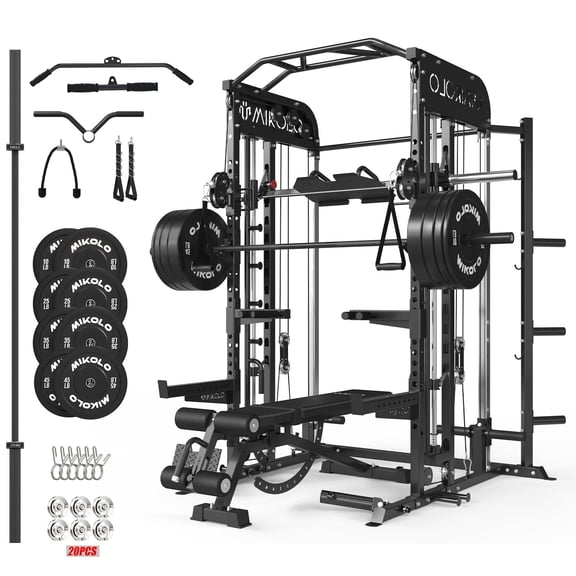


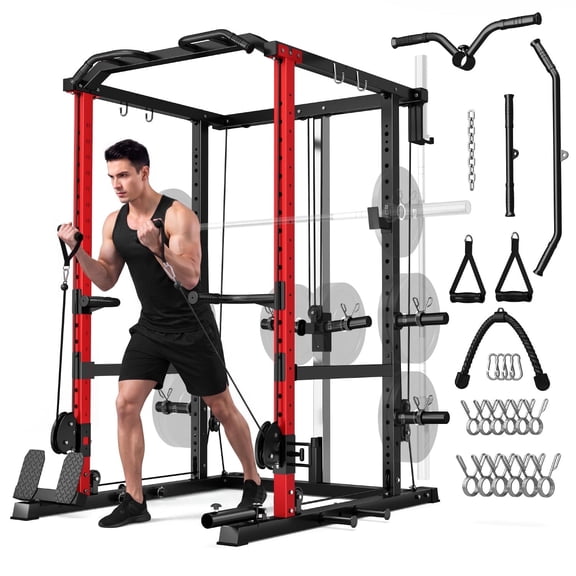






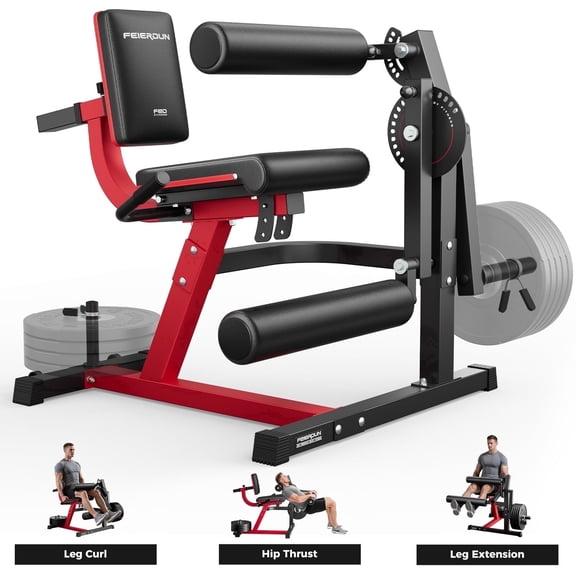


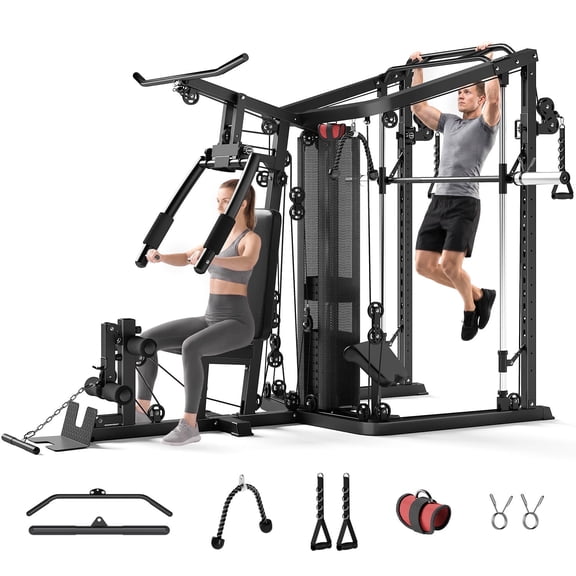
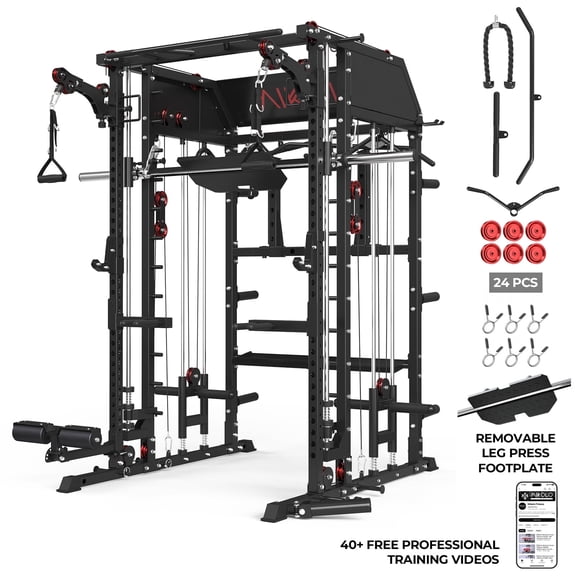


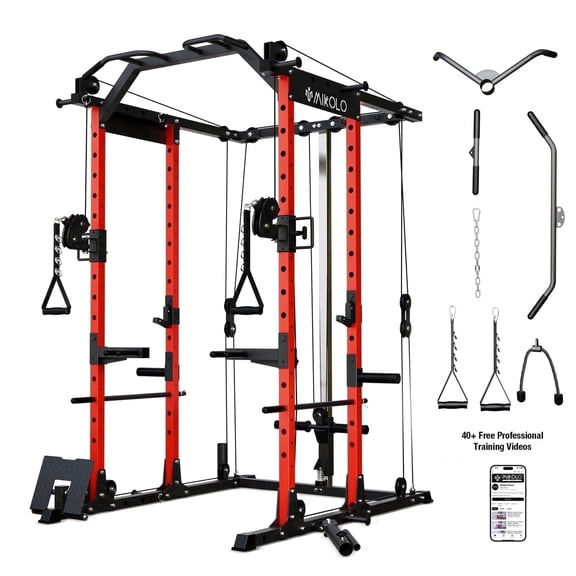


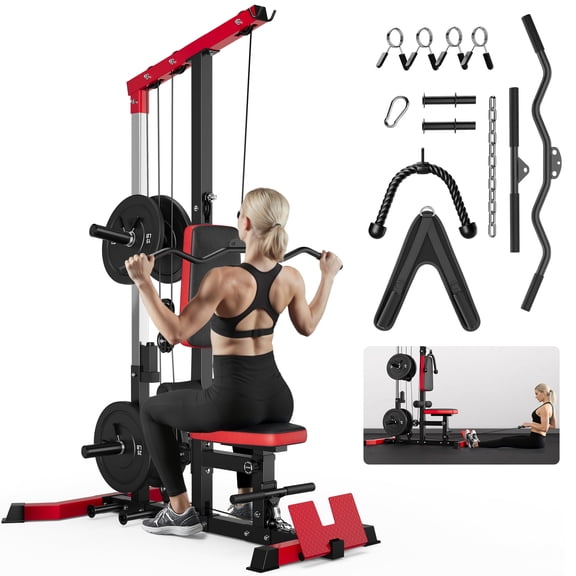


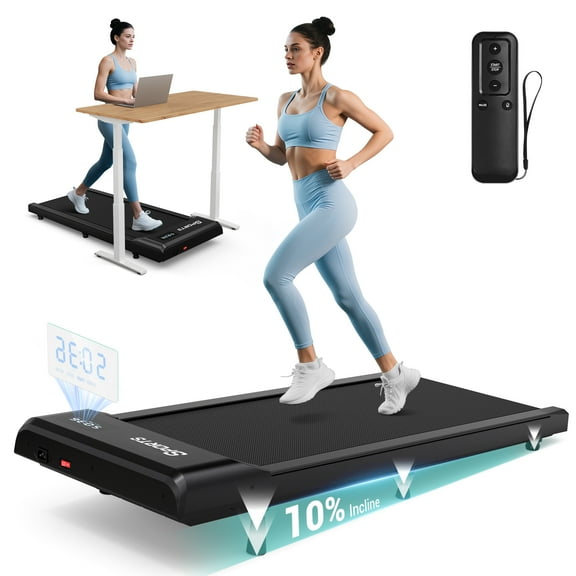


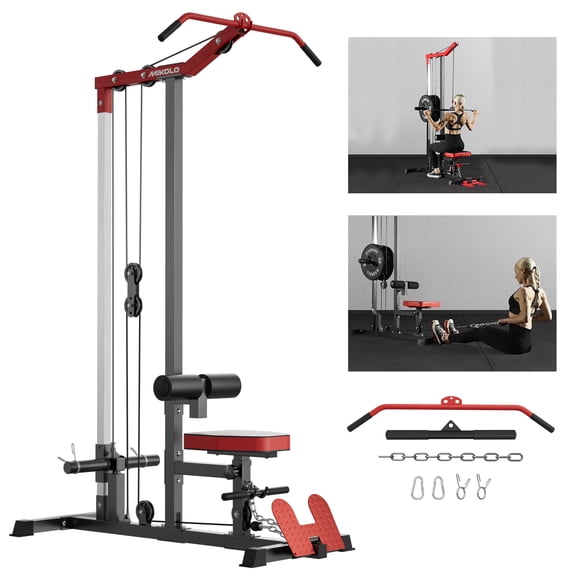
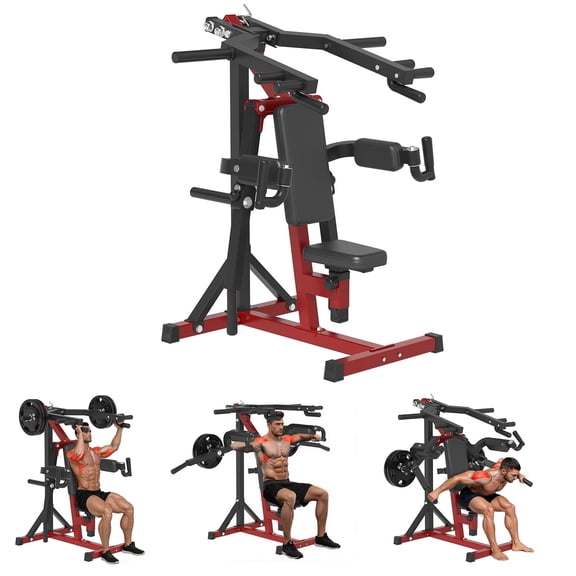


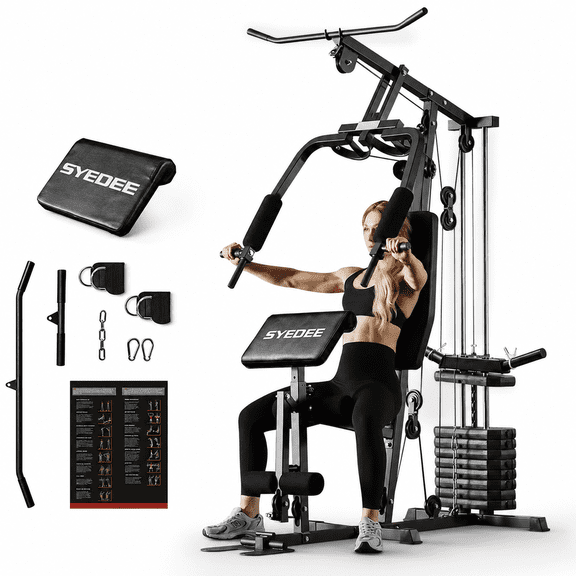


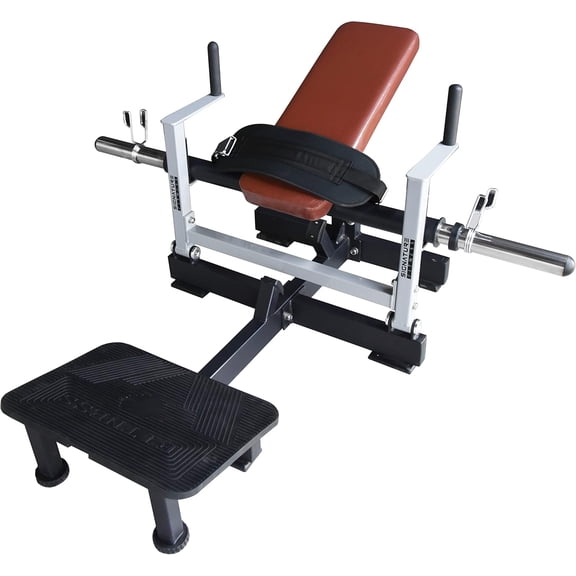


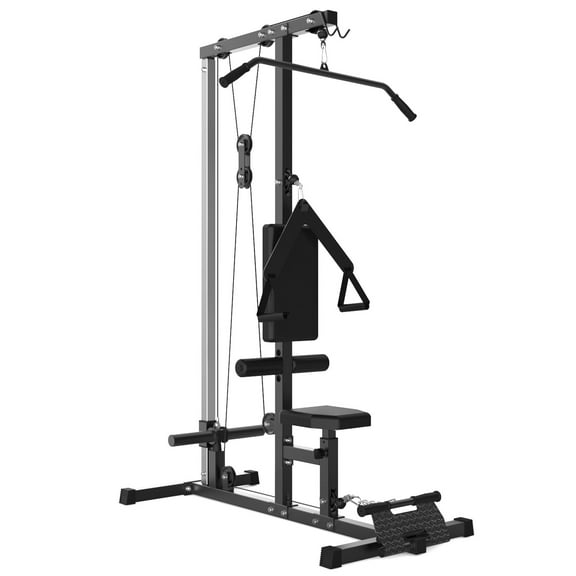





















About Home Gym Equipment in Home Gyms - Walmart.com
Your gym exercise equipment setup can turn a spare room, garage, or corner into a practical workout zone. You can compare space needs, resistance styles, and training goals before you choose pieces that fit your routine.
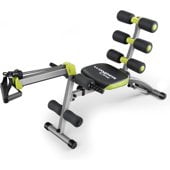
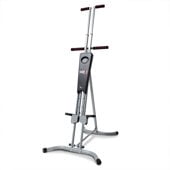
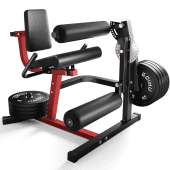
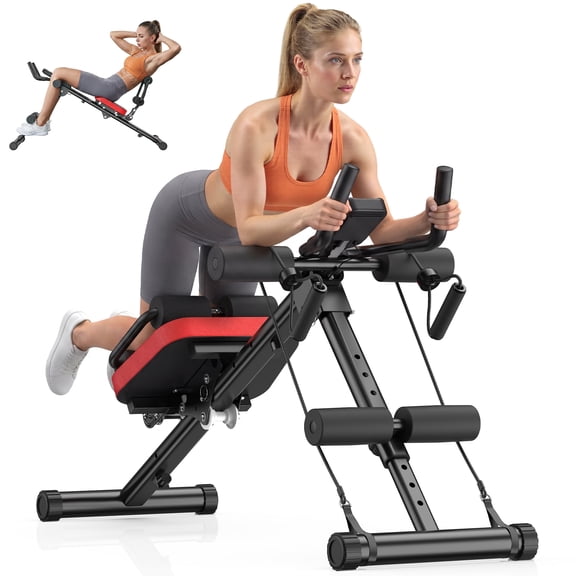
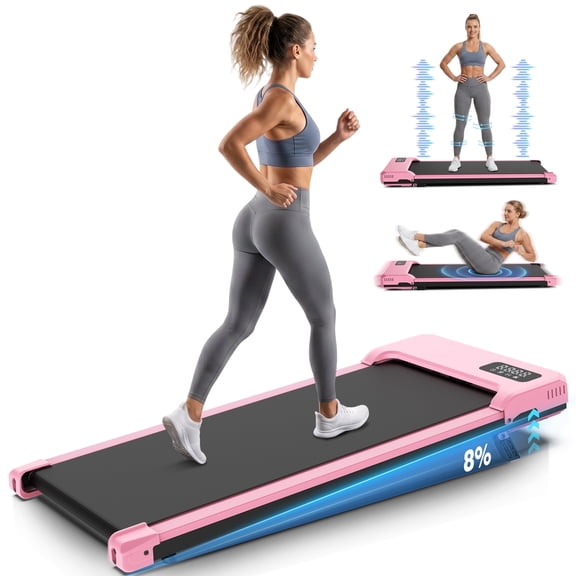
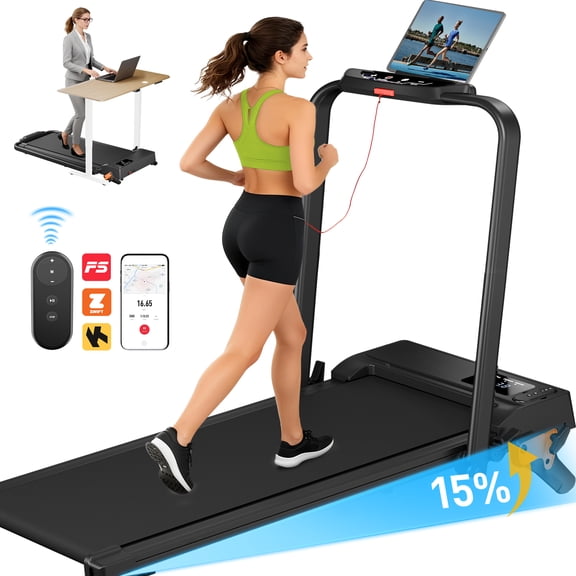
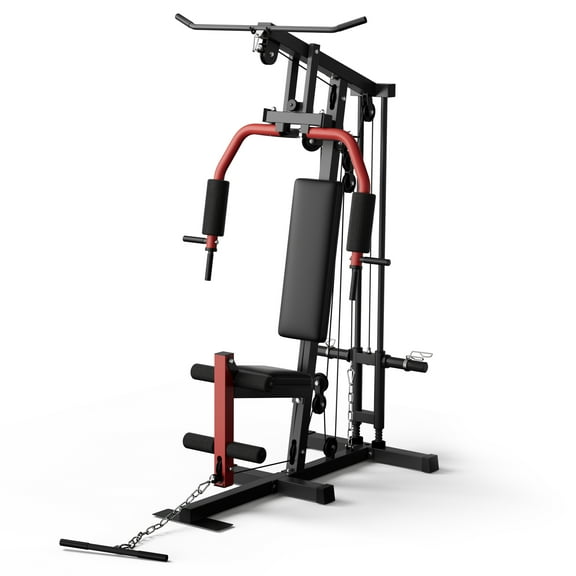
When you shop this category, you’ll see options for strength training, cardio machines, flexibility and recovery, and weights and bars. You can build around one key machine or combine several pieces for a more complete home setup.
How to choose gym exercise equipment for your space
Start with the footprint you can actually use during workouts, not just the floor area you can see. You should measure width, depth, and ceiling height before you compare compact, folding, full-size, or wall-mounted designs.
If you live in a shared space, you may prefer folding equipment that stores between sessions. If you have a dedicated room, you can consider full-size stations that stay ready for daily use.
Compact pieces help you keep walkways open and make smaller rooms feel usable. Wall-mounted designs can also help you keep floor space clear when your workout ends.
Choosing equipment type for your routine
You should match equipment type to the workouts you’ll actually repeat each week. Strength training pieces support presses, rows, squats, and pulls, while cardio machines support steady or interval sessions.
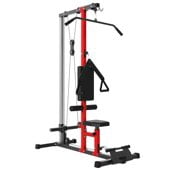
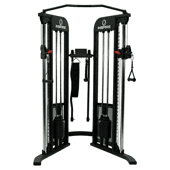
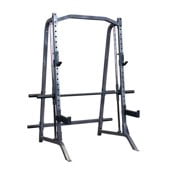
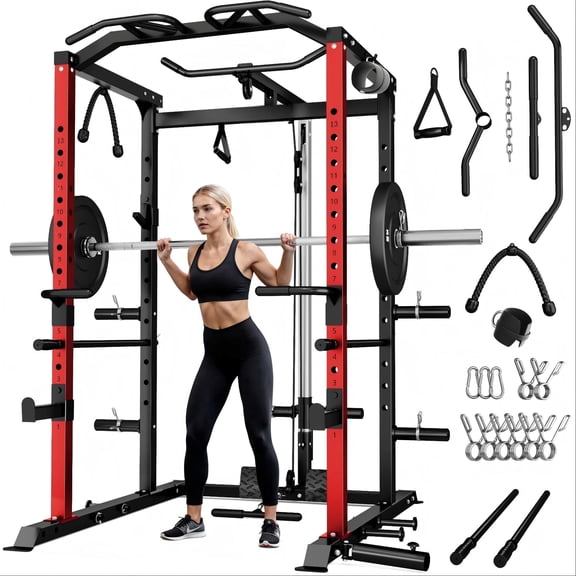
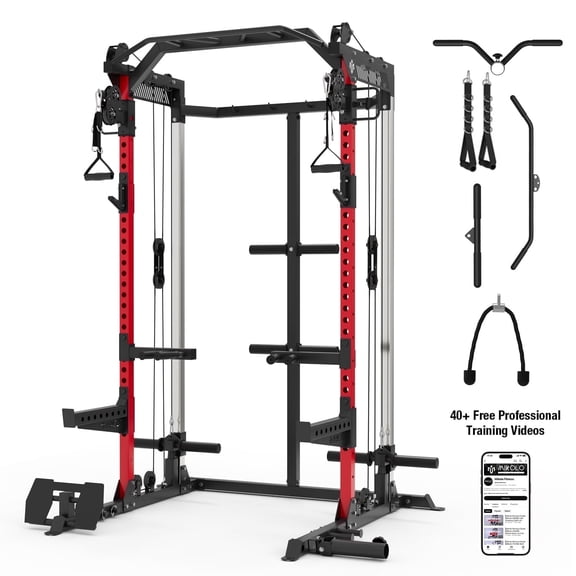
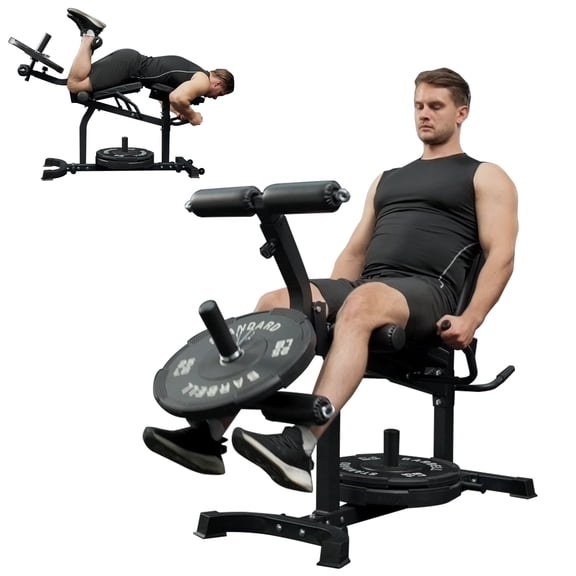
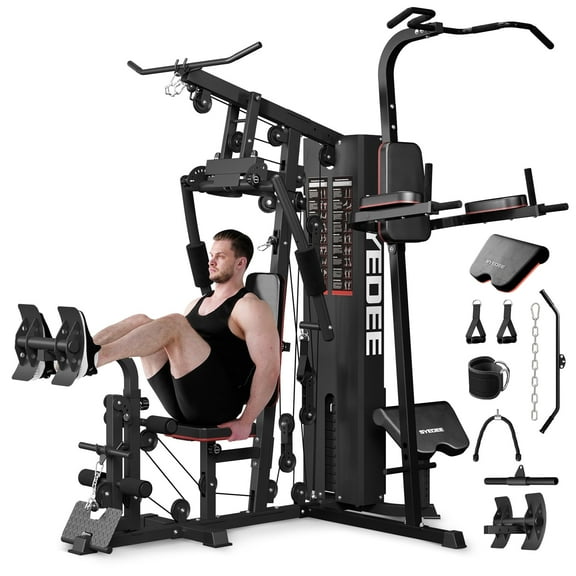
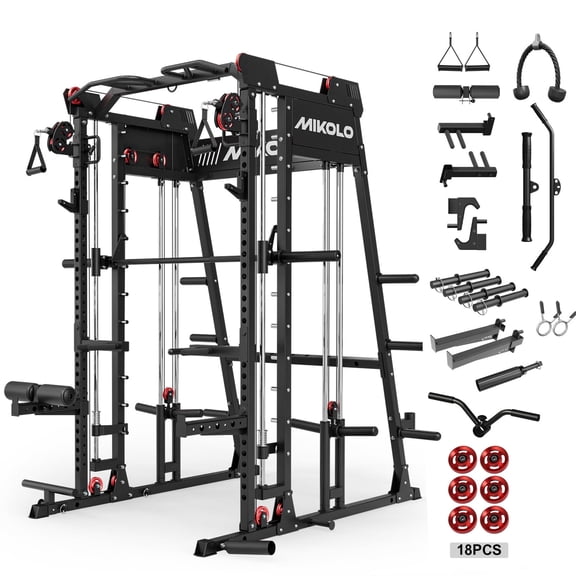
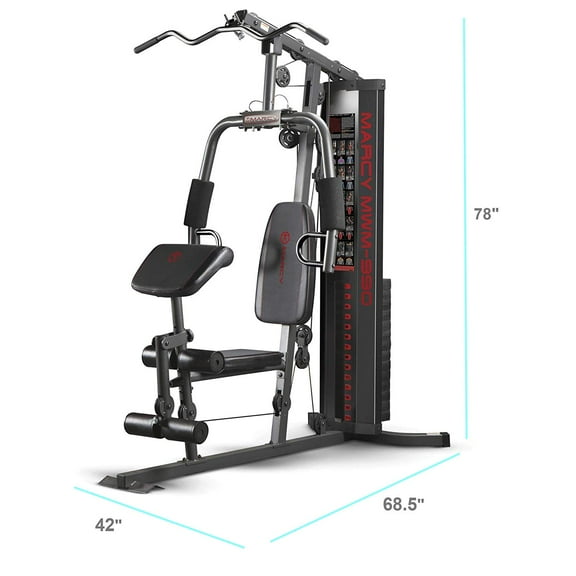
If you want broader training variety, you can compare multi-function stations with dedicated pieces. A multi-gym can give you several movements in one footprint, while a single bench can support focused lifting plans.
Weights and bars give you flexible progression because you can adjust loads over time. Flexibility and recovery tools help you add warmups, cooldowns, mobility work, and stretching to the same home routine.
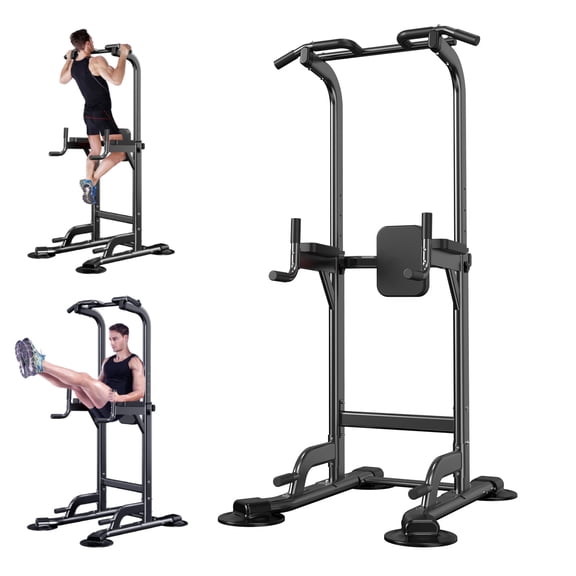
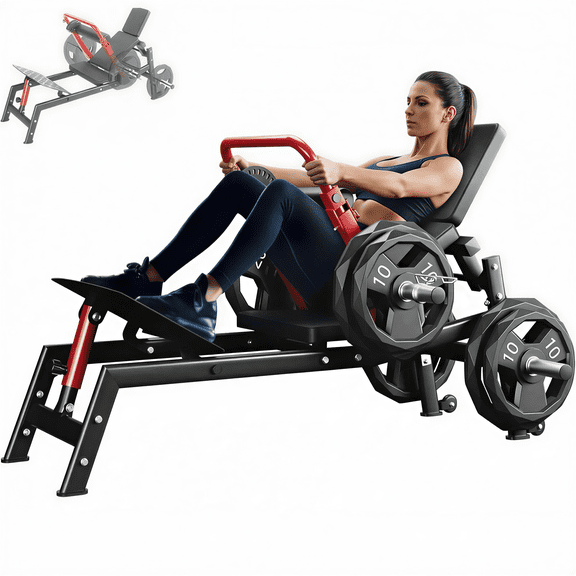
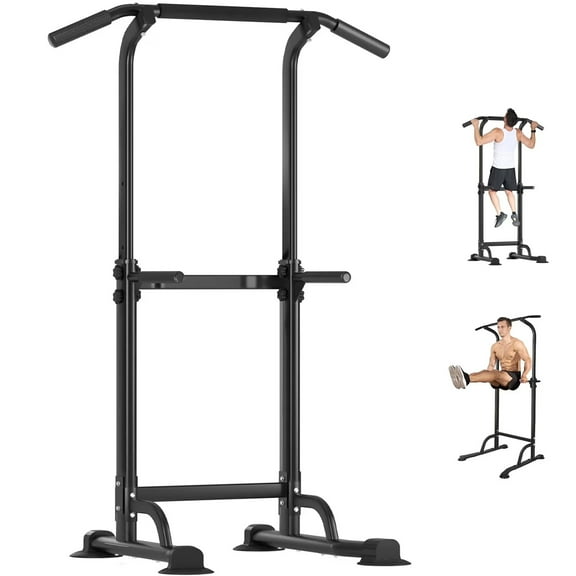
- You can build strength with benches, racks, bars, and dumbbell-based setups.
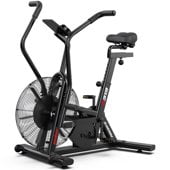
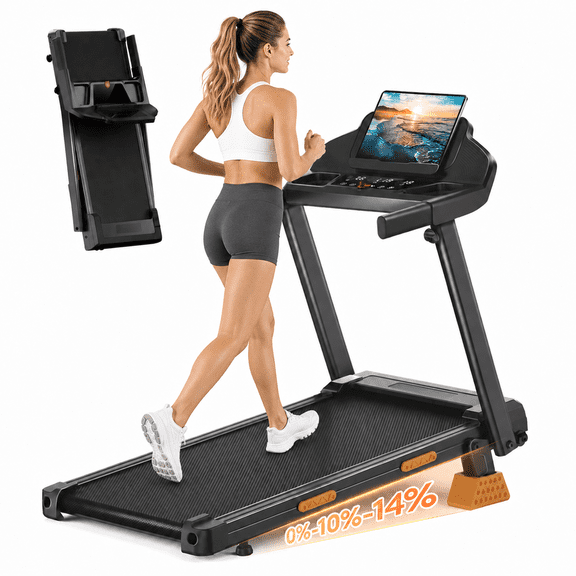
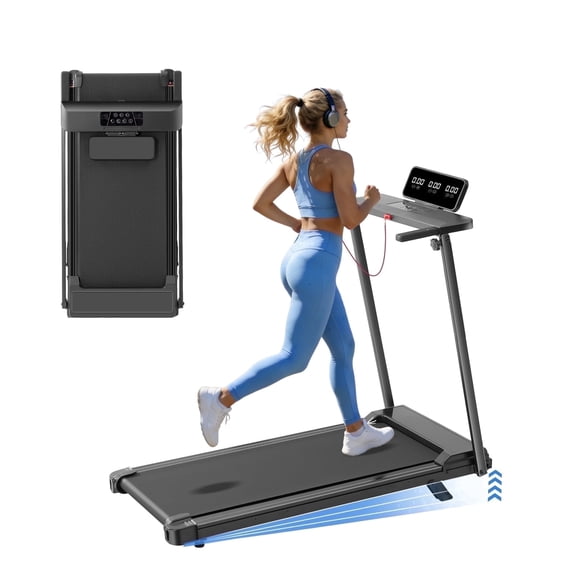
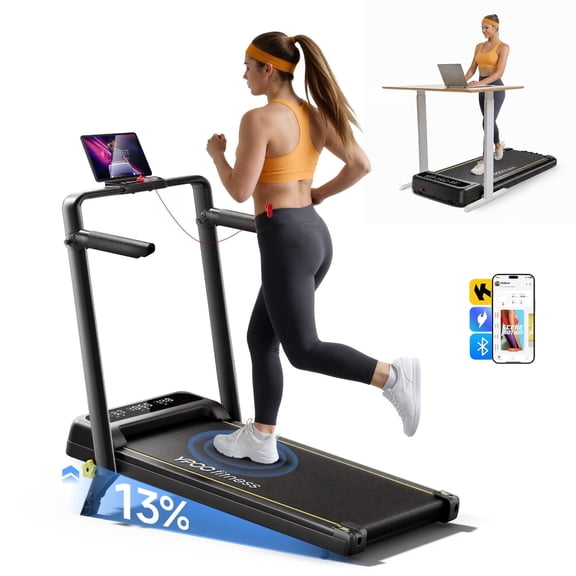
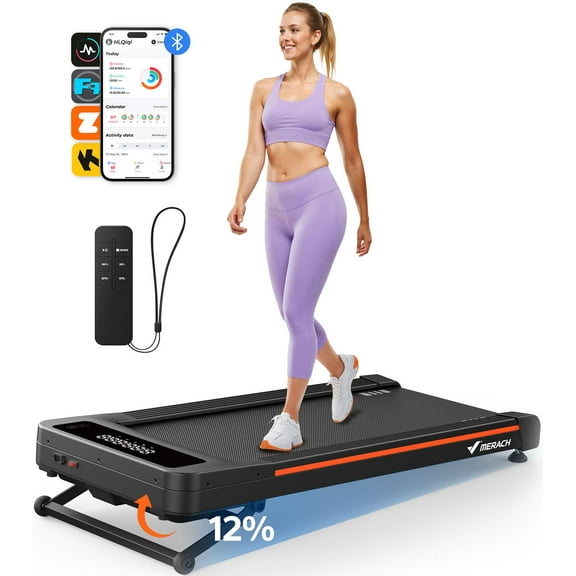
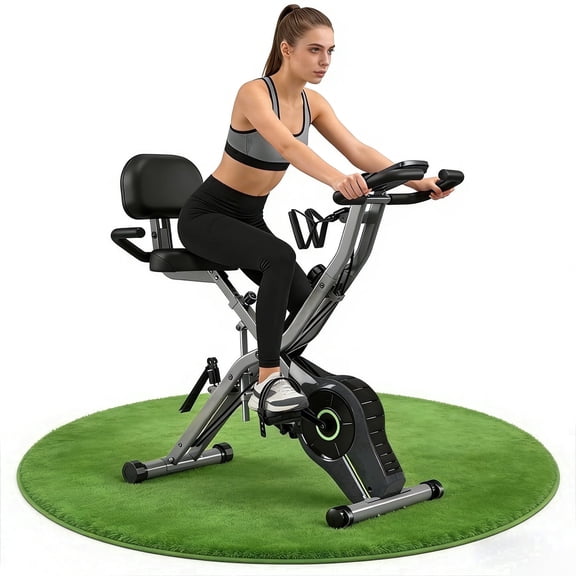
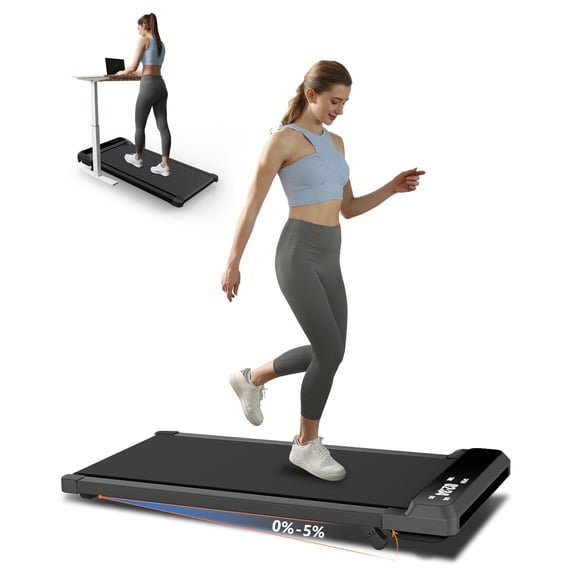
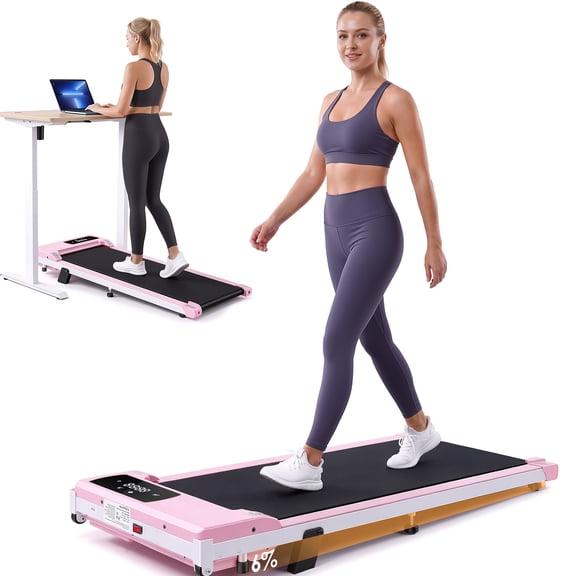
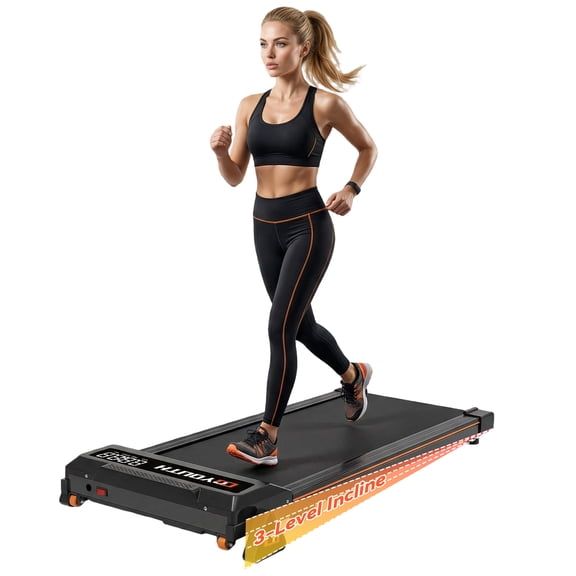
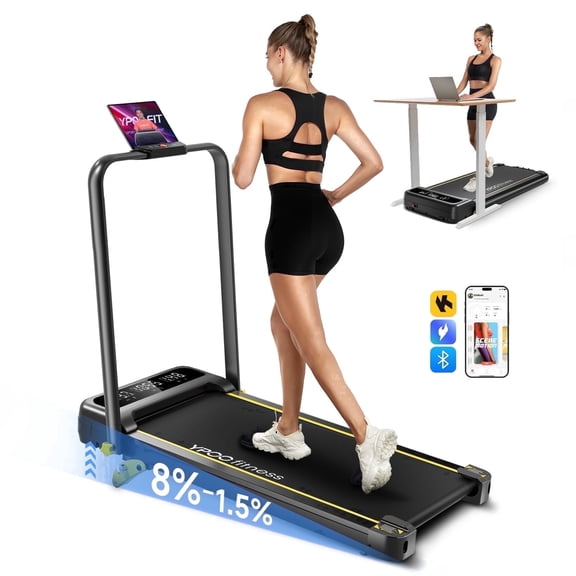
- You can add cardio with treadmills, bikes, rowers, or other motorized machines.
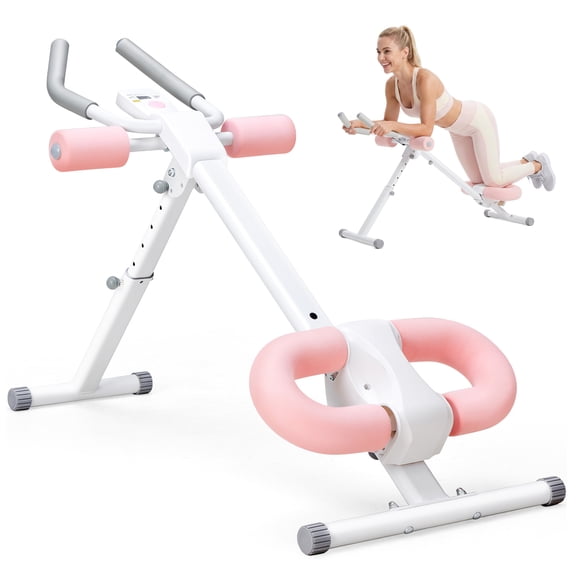
- You can support mobility with mats, rollers, and stretching-focused accessories.
- You can choose versatile stations when you want more exercise options in one area.
What to look for in frames, load capacity, and resistance
You should check maximum load capacity before you choose benches, racks, or home stations. Your load limit needs to account for your body weight plus the weight plates, bars, or attachments you plan to use.
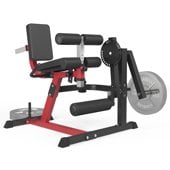
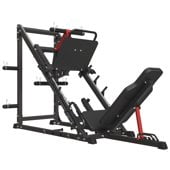
You may also want to compare frame steel gauge when you review heavier-duty strength pieces. A thicker steel frame often supports a steadier feel during presses, pulls, and loaded lower-body movements.
Resistance type changes how your workouts feel and how you progress over time. You can compare bodyweight systems, free weights, cable and pulley setups, and magnetic resistance based on your training style.
Free weights let you make small load changes and support many classic lifts. Cable and pulley systems help you change angles easily, while magnetic resistance often gives cardio sessions a quieter feel.
Comparing fitness levels and training progression
You should choose gym exercise equipment that matches your current experience and your next training step. Beginner setups often focus on simple adjustments, clear movement paths, and manageable resistance changes.
If you train consistently, you may want intermediate options with more attachments or higher capacities. Advanced setups can support heavier loads, broader exercise variety, and more demanding training splits.
You can also think about how quickly your routine may expand over the next few months. Adjustable benches, plate-based systems, and modular racks can help you grow without replacing your whole setup.
Understanding power needs for cardio equipment
You should check whether motorized cardio equipment needs a standard household outlet before placement. Outlet voltage matters because you’ll want compatible power where you plan to train.
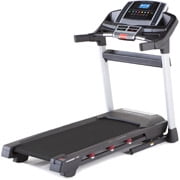
You may also compare horsepower when you review treadmills for walking or running sessions. A stronger motor can feel more consistent during longer workouts or higher-speed intervals.
If you want fewer placement limits, you can consider non-motorized options or simpler equipment styles. That approach can work well when your room layout, outlet access, or shared space changes often.
Using gym exercise equipment in real home setups
If you’re building a starter space, you can pair a bench with adjustable weights and a mat. That combination can support presses, rows, lunges, core work, and stretching without taking over the room.
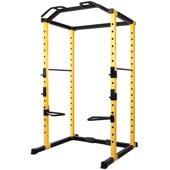
For a garage layout, you may choose a rack, bar, and plates with room for progression. You should still measure storage zones so your bars, clips, and plates stay organized between sessions.
If your routine centers on cardio, you can anchor your room with a treadmill, bike, or rower. You can then add a few recovery or strength accessories to round out the space.
When every square foot matters, you may prefer folding or wall-mounted pieces with faster setup. You’ll keep your training area flexible while still covering strength, cardio, and mobility needs.
With gym exercise equipment that matches your space, training level, and workout style, you can create a setup that feels practical every day. You’ll train with more consistency when your equipment fits your room, your goals, and your routine.