




Running Nutrition in Running Gear














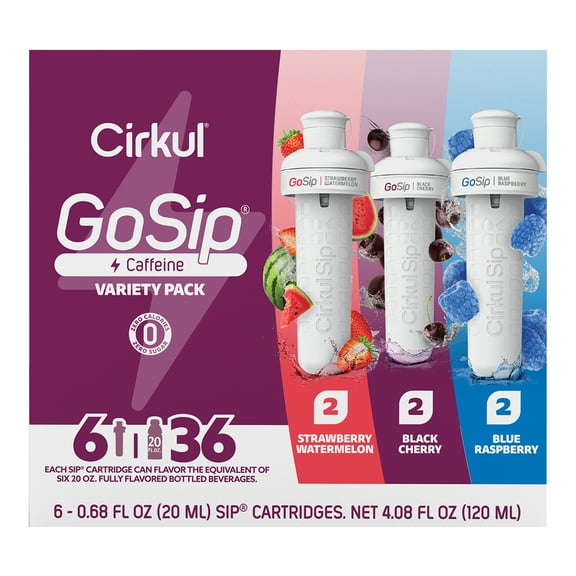

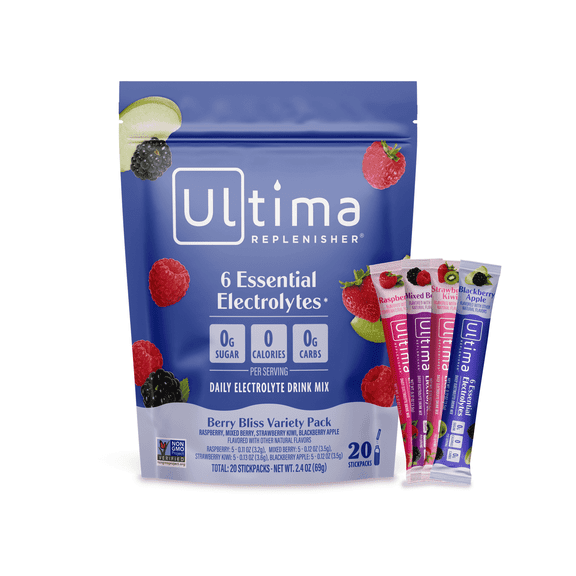


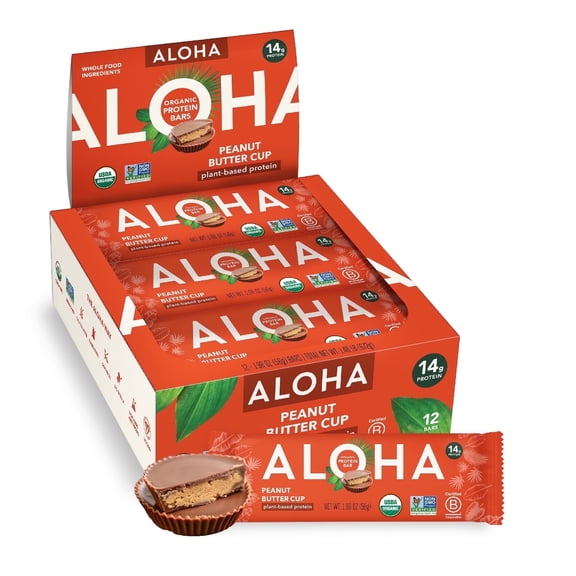
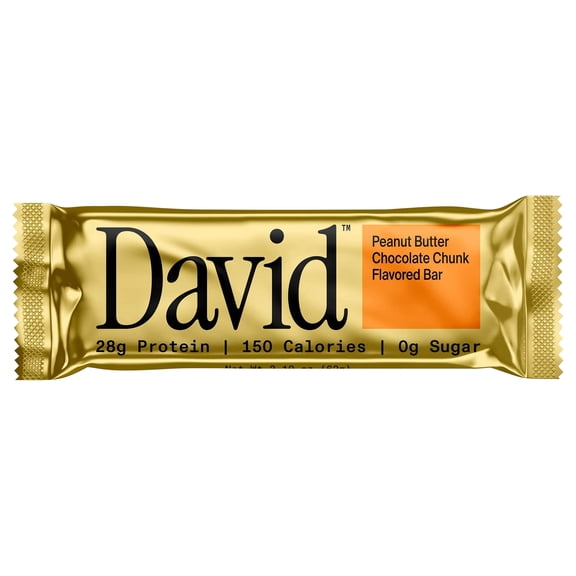



About Running Nutrition in Running Gear - Walmart.com
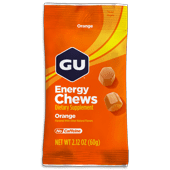
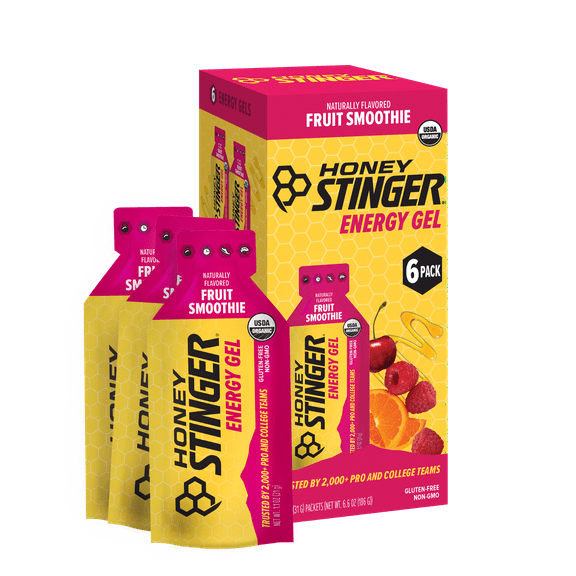
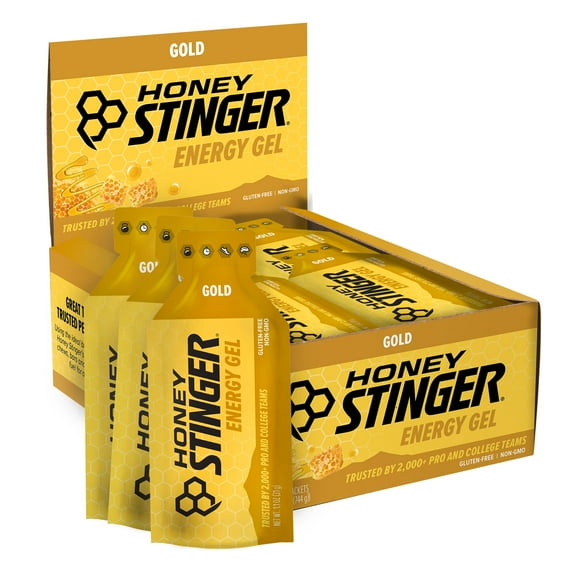
Energy gels help you fuel long runs with quick, portable carbs that fit training days, race mornings, and marathon plans. You can compare carbohydrate sources, caffeine levels, and texture options to match how you run and how you refuel.
How to choose energy gels for running
When you choose running fuel, you should start with how your stomach handles carbs during effort. You may prefer a simple energy gel that goes down easily without slowing your pace.
For longer sessions, you can compare maltodextrin, fructose, and glucose to understand how each formula delivers usable carbohydrates. You should also check whether the gel is isotonic, because that often means you can take it with less water.
If you train for half marathons, marathons, or long trail days, you may rotate flavors and textures to avoid taste fatigue. You can also compare packet size and tear openings, so your fuel feels easy to use mid-stride.
Key benefits of energy gels
You get a compact format that fits shorts pockets, belts, and vests without adding much bulk. You can carry several packets and keep your fueling plan simple from warmup through finish.
- You can take fast carbs without stopping for a full snack.
- You can choose caffeinated or caffeine-free options for different workout goals.
- You can match texture and flavor to what feels comfortable during hard efforts.
- You can plan fuel timing around training blocks, race pace runs, and endurance events.
Because energy gels fit active movement, you can use them easily compared to solid foods. You may find that a liquid gel works well when breathing hard and moving fast.
Flavor variety also matters when you run for over an hour. You can switch between fruit flavors, chocolate or coffee notes, and unflavored options to keep each serving easy to finish.
Choosing carbohydrate source and caffeine content
You should compare carbohydrate source first, because it shapes how the gel feels and performs during a run. You may see maltodextrin, fructose, or glucose listed alone or in blended formulas.
Maltodextrin often gives you a less sweet taste, which many runners prefer during repeated servings. Formulas commonly pair fructose with other carbs, so you can spread carbohydrate intake across different transport pathways.
When you compare a maltodextrin-to-fructose ratio, you’re checking how a formula balances sweetness and intake during endurance efforts. You should look for ratios that support steady fueling and feel manageable during long miles.
Isotonic formulation is another useful term when you review labels. You can think of it as a thinner, drink-like gel that may feel easy to take without much water.
Caffeine content is the next major decision point for many runners. You can choose caffeinated options for key workouts or race segments, while your caffeine-free options fit later-day runs.
You should check the caffeine amount per packet before race day, especially if you stack multiple servings. You can build a predictable plan when you know which gels include caffeine and which do not.
Comparing texture, flavor, and packet design
Texture changes how easily you can swallow fuel when your breathing gets heavier. You may prefer a liquid gel for quick intake, while your thick gel may feel familiar and controlled.
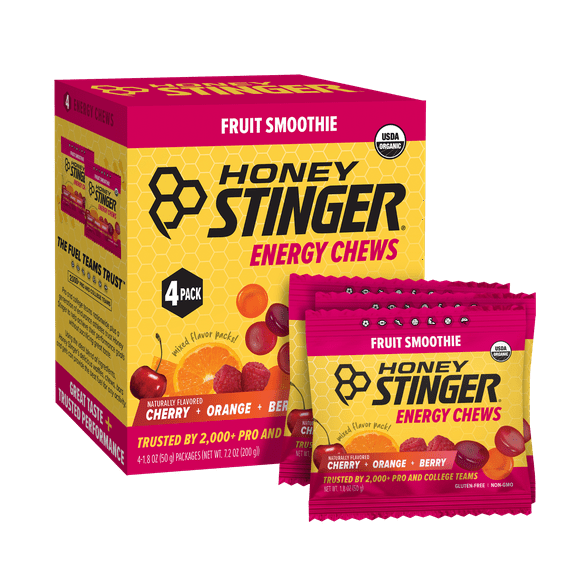
If you want variety, you can also consider chewable formats within running nutrition. You may like chewable fuel when you want portion control instead of taking a full packet at once.
Flavor profile becomes increasingly important as your run gets longer. You can start with fruit flavors for a bright taste, then mix in chocolate or coffee notes for later miles.
Some runners prefer unflavored options when sweetness builds up over time. You can use that option when you want your hydration mix or sports drink to provide the majority of the taste.
Packet design deserves attention because you may open each serving while moving. You should look for tear tabs, easy-grip packaging, and sizes that fit your pocket layout or vest pockets.
If you practice with your race fuel in training, you can learn which packets open cleanly with sweaty hands. You may appreciate that detail when every second and every stride feels deliberate.
Matching energy gel options to your training
For short speed sessions, you may only want one packet with a familiar texture and a straightforward flavor. You can keep your focus on the workout instead of adjusting to a new formula.
During long marathon training runs, you can rotate energy gels by flavor and caffeine content across planned intervals. You should test your schedule early, so your race-day fueling feels predictable.
If you run trails or train in changing weather, you may prefer packets that stay easy to carry and easy to open. You can pair them with hydration packs, sports drinks, and your usual running setup.
When you train before sunrise, you might choose caffeinated options for early effort blocks. If you run later in the day, you may want caffeine-free gels that fit your evening routine.
You can also use texture as a planning tool during longer events. You may start with thicker gels early, then shift to liquid gel options when your stomach wants a smoother feel.
By comparing carbs, caffeine, consistency, and flavor before race week, you can build a fueling plan that feels practical under pressure. You can run with fewer surprises when each packet matches your pace, timing, and routine.
With the right running nutrition setup, you can choose energy gels that fit your distance, effort, and personal taste. You can feel prepared when your fuel plan works as smoothly as your training plan.