


Barbell Pads in Weight Lifting Accessories

























About Barbell Pads in Weight Lifting Accessories - Walmart.com
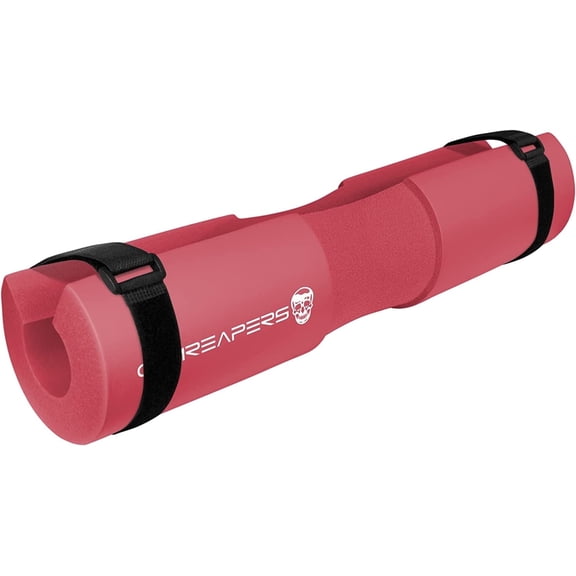
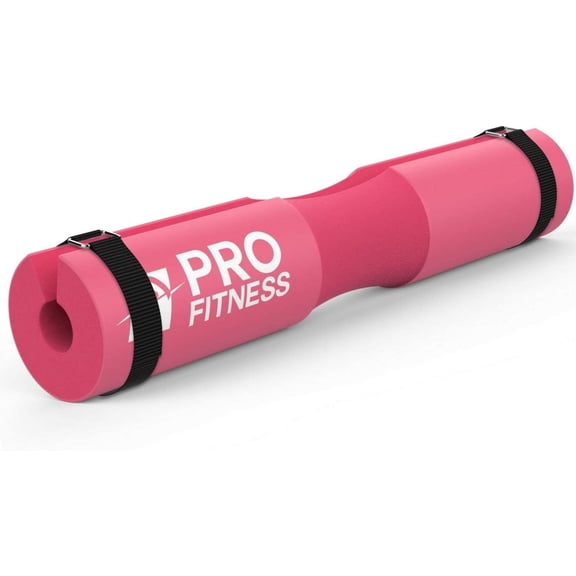
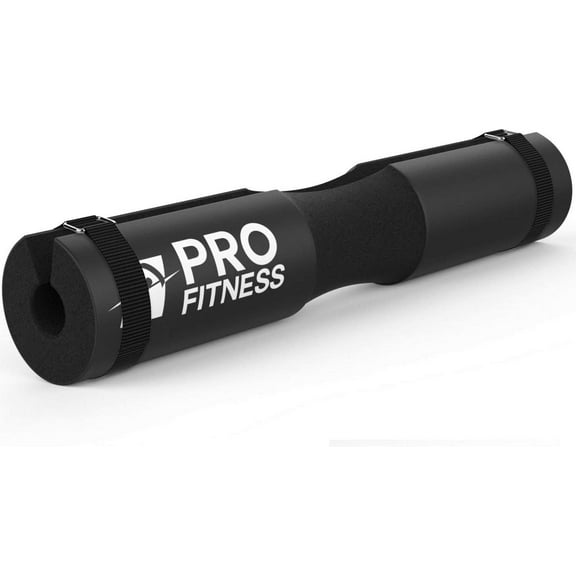
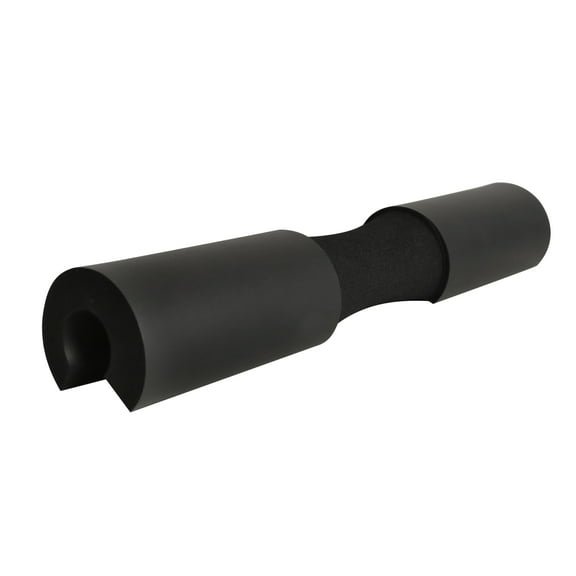
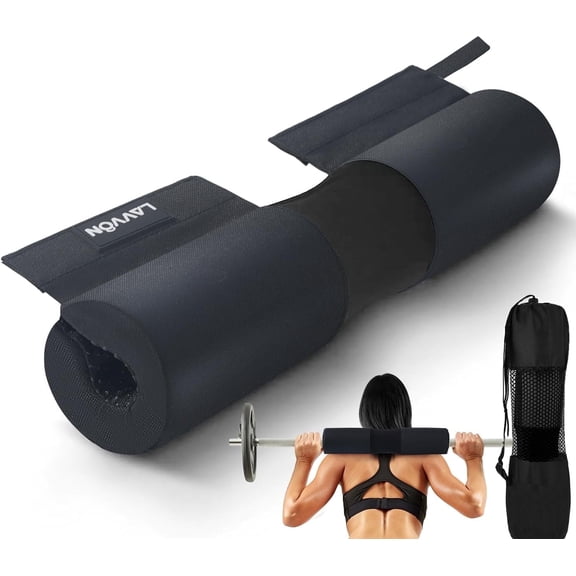
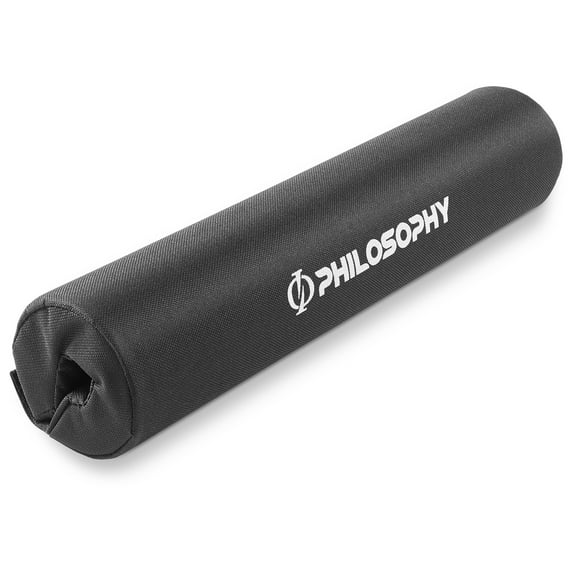
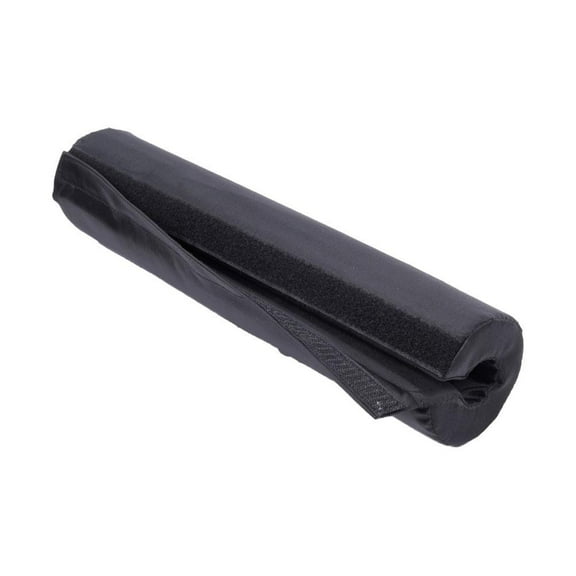
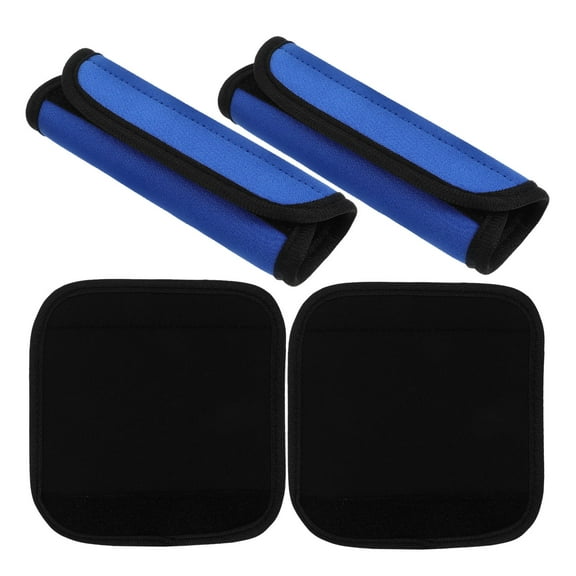
Barbell pads help you add cushioning during squats, hip thrusts, and lunges while keeping your setup focused on comfort and bar control. You can compare bar fit, foam density, and closure style here, so your lifts feel more stable from the first rep.
How to choose barbell pads for your lifts
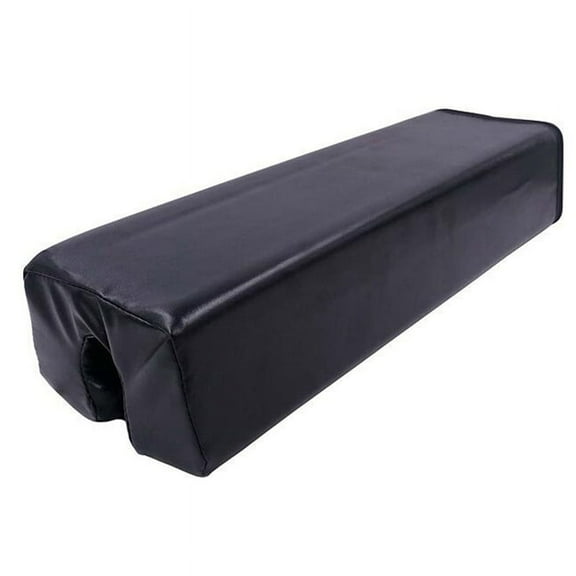
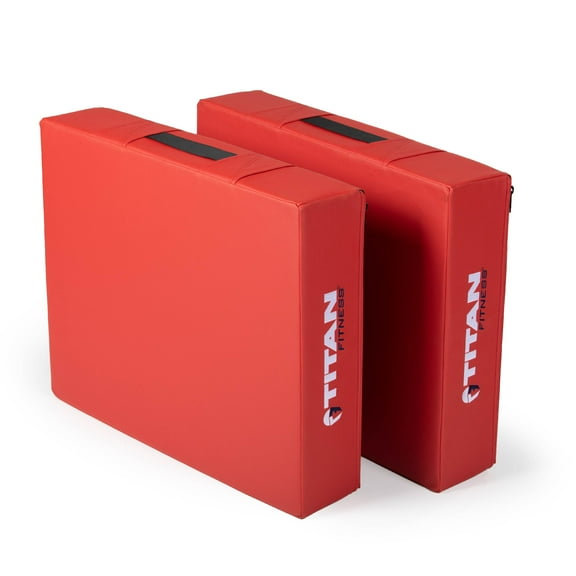
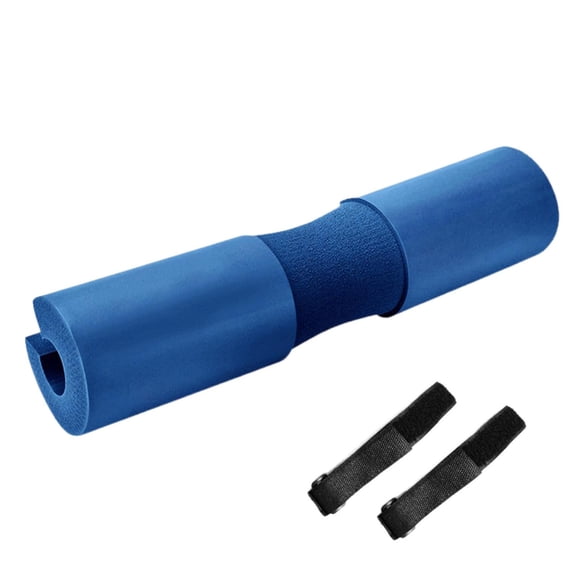
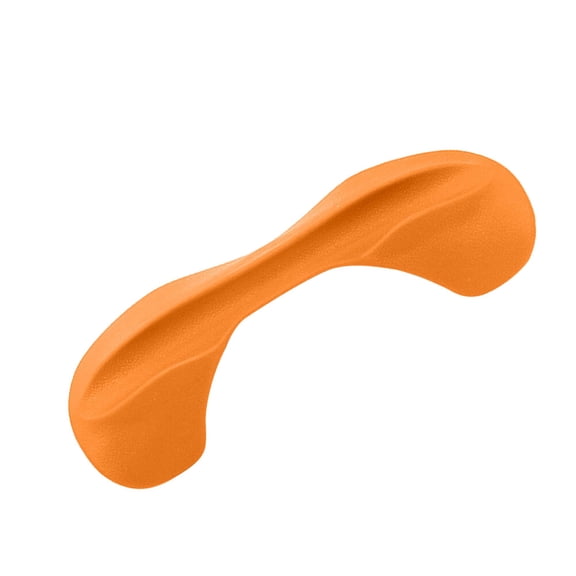
You'll want to start with the exercise type you do most often. A squat pad supports your upper back contact point, while a hip thrust pad cushions your hips during glute drives.
If you rotate between squats, hip thrusts, and lunges, you may prefer a shape that works across several bar positions. You can use that flexibility to keep one accessory in your gym bag.
You'll also notice that barbell pads can change how the bar feels at setup. Your training comfort often improves when the pad matches the movement instead of adding bulk in the wrong place.
- You can reduce pressure on your shoulders during back squats with thicker center cushioning.
- You can make hip thrust setups feel more comfortable with wider padding across the hips.
- You can keep transitions faster when your pad fits your main bar size and closes securely.
- You can maintain steadier bar contact when your pad resists sliding between reps.
Choosing the right squat pad and hip thrust pad
When you compare shapes, consider where the bar sits on your body. You'll usually want a squat pad profile that stays compact on your upper back and a hip thrust pad profile that spreads pressure wider.
You should also check cushioning thickness and density together. Higher-density foam usually feels firmer, so you get support without the overly soft bounce some lifters dislike.
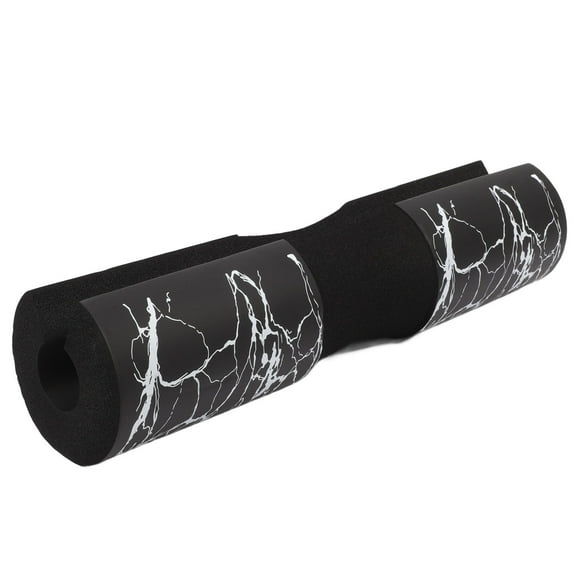
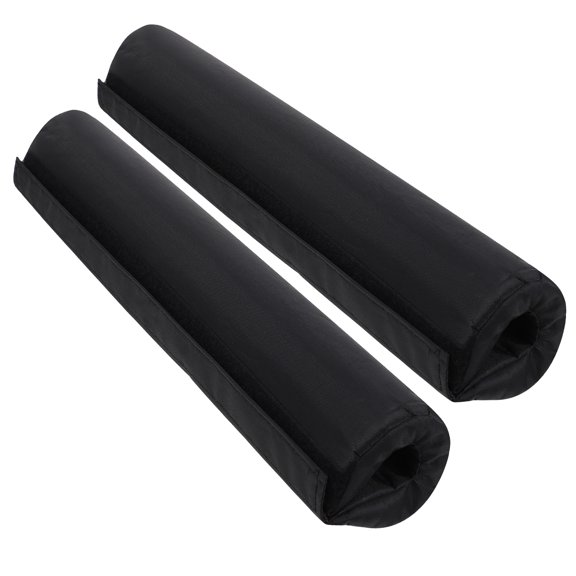
If you prefer a balanced feel, a foam barbell pad can cushion contact points while still letting you feel centered under the bar. You can often tell the difference during heavier sets and paused reps.
What to look for in material and cushioning
You may see high-density foam, rubberized gel, or oxford cloth covers across this category. Each material changes how your pad feels, cleans up, and holds its shape over repeated workouts.
High-density foam gives you a familiar gym feel with steady compression. You'll often choose it when you want cushioning that doesn't flatten quickly during squats or thrusts.
Rubberized gel can feel slightly denser at the contact point. You may prefer that feel when your setup needs a more planted surface against the bar.
Oxford cloth covers can help you wipe down your pad after training. You'll appreciate that outer layer when your workouts get sweaty and your gear needs easy cleanup.
You should compare thickness with stability, not comfort alone. A thicker barbell cushion can feel softer, but you may want moderate padding if you like closer bar contact.
Checking bar compatibility before you choose
You should measure your bar diameter before you pick from these barbell pads. Standard 1-inch bars and Olympic 2-inch bars need different fits, and that fit affects how securely the pad stays in place.
If your home gym uses a standard bar, you may want a narrower opening. If your rack uses an Olympic bar, you'll want a pad designed around that wider shaft.
You can think of compatibility as a control issue, not just a size detail. When your pad matches the bar, you usually get less shifting during unracking, thrust setup, and rep changes.
You should also consider whether you switch between bars at home and at the gym. A flexible design may suit you if your training spaces use different barbells across the week.
Comparing security features and outer grip
You should check how each pad stays closed once it wraps around the bar. Safety straps, hook-and-loop closure, and anti-slip matte finishes each support a different setup preference.
Safety straps can help you secure the pad before your first set. You'll like that option if you want an adjustable hold around the bar during repeated heavy setups.
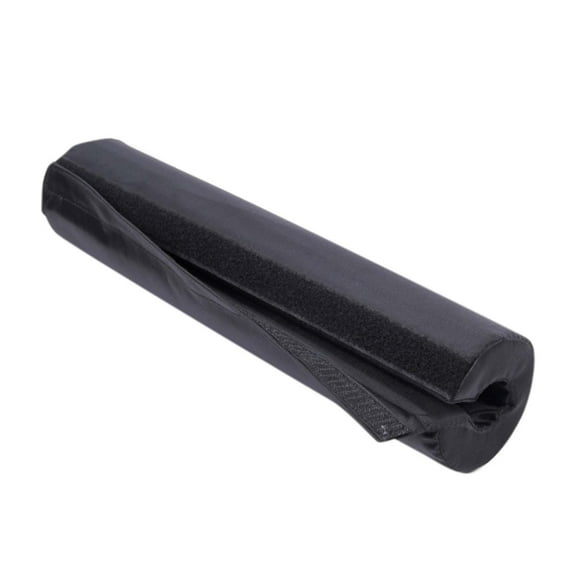
Hook-and-loop closure works well when you want quick on and off use. You can remove it fast between movements if your workout includes several bar changes.
An anti-slip matte finish can improve grip between the pad and the bar surface. You may prefer that texture when you want fewer mid-set adjustments and steadier contact.
How barbell pads fit real training routines
You might train glutes one day and legs the next, so versatility can matter. A hip thrust pad with secure closure and durable outer fabric can move with you through both sessions.
If your routine centers on back squats, you may focus on compact shape and firm foam. You'll likely want a pad that cushions your upper back without feeling overly bulky under the bar.
For lunges, you may want a pad that stays put during step changes and resets. Your setup feels more consistent when the closure holds and the outer surface doesn't slide easily.
If you share equipment, easy-clean materials can simplify your routine. You'll spend less time wiping down textured surfaces when the cover handles sweat and chalk smoothly.
You can also pair your selection with Olympic barbells, weight plates, and squat racks as your setup expands. Your accessory choice makes more sense when it matches the rest of your lifting equipment.
With the right bar fit, cushioning density, and closure style, you can choose barbell pads that support steadier setups for squats, thrusts, and lunges. Your training feels more comfortable and more consistent when the pad matches your bar and movement.