

Martial Arts Boxing Gear and Training Bags


































About Martial Arts Boxing Gear and Training Bags - Walmart.com
You need martial arts gear that matches your discipline, your training level, and your fit needs. You can compare uniforms, sparring pieces, and training tools in one place for karate, taekwondo, jiu-jitsu, MMA, and judo.
When you train often, you need gear that supports movement, repeat practice, and clear discipline rules. You can use this page to compare cuts, padding, sizing, and training formats before you choose.
How to choose martial arts gear by discipline
Your discipline shapes the gear details you should compare first. You should check uniform cut, required padding, and belt compatibility before you narrow your options.
If you practice karate, you may prefer a karate gi with a traditional wrap jacket and room for sharp movement. If you train taekwondo, you may look for taekwondo gear with a V-neck top and sport-specific padding options.
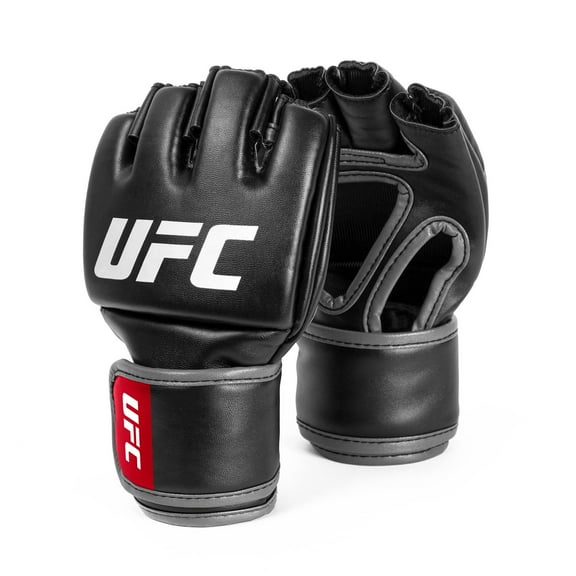
For jiu-jitsu, you may compare thicker collars, reinforced seams, and cuts built for grappling practice. For MMA, you may focus on gloves, shin guards, and training equipment that supports mixed striking and floor work.
If you train judo, you may look for a heavier jacket and sturdy stitching for repeated throws and grips. You can avoid mismatched gear when you start with your style's usual training setup.
What to look for in martial arts equipment
Your martial arts equipment choices affect comfort, range of motion, and practice flow. You should compare fabric weight, foam coverage, closure style, and bag size based on how you train.
- You can choose martial arts uniforms that support your style's required look and movement.
- You can pick sparring gear with padding that matches light contact, full contact, or drills.
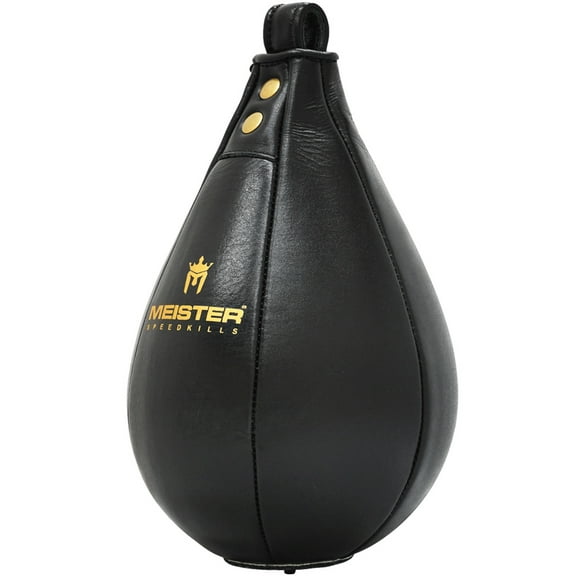
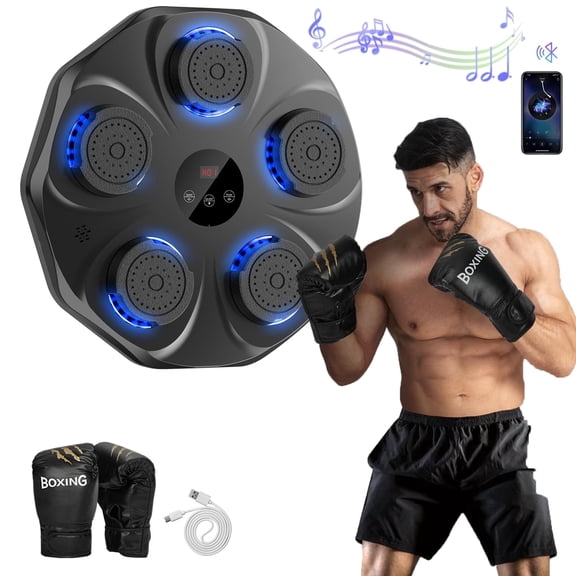
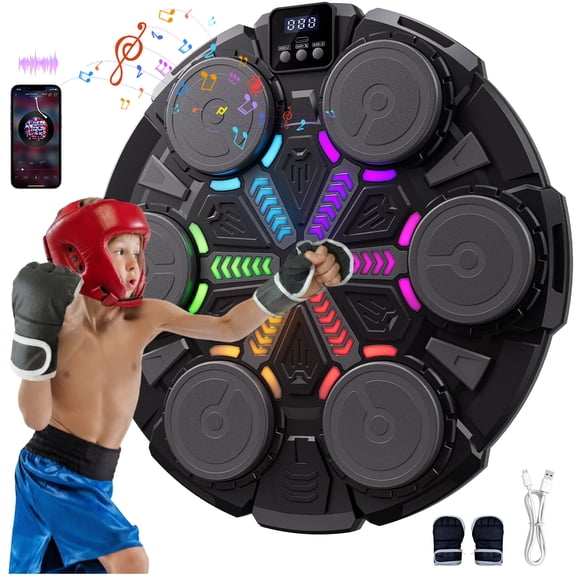
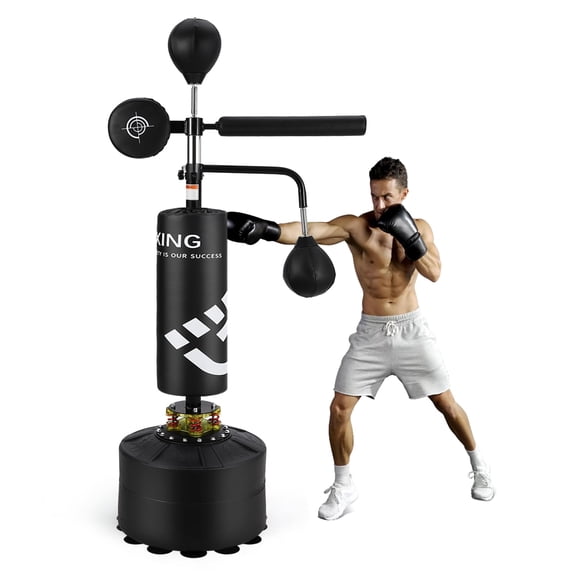
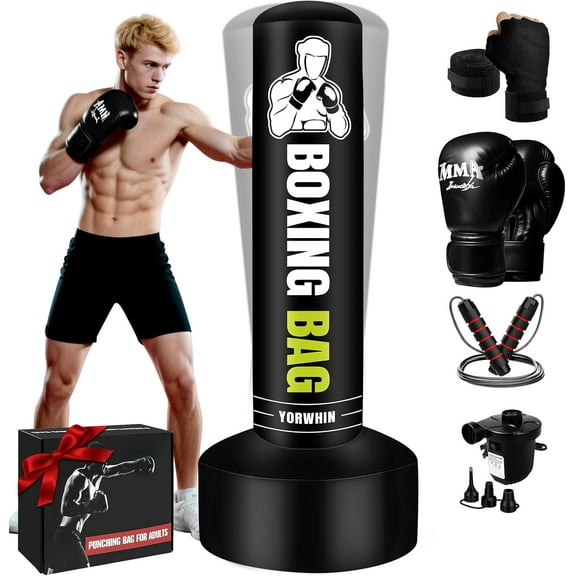
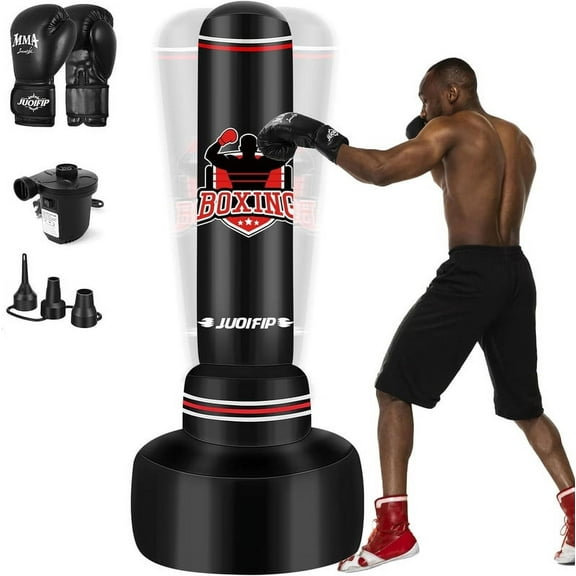
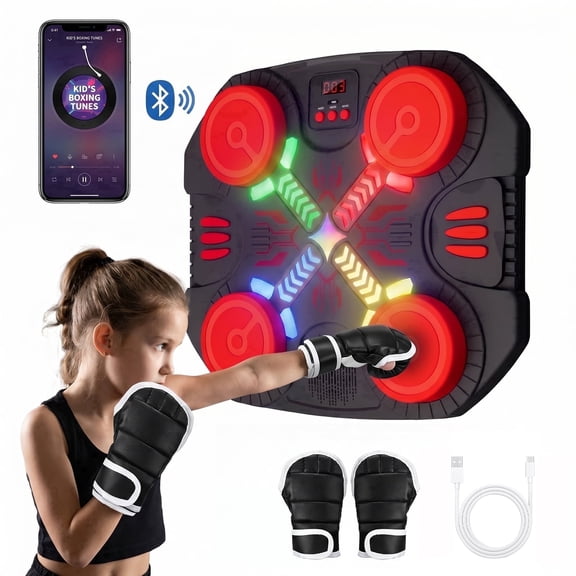
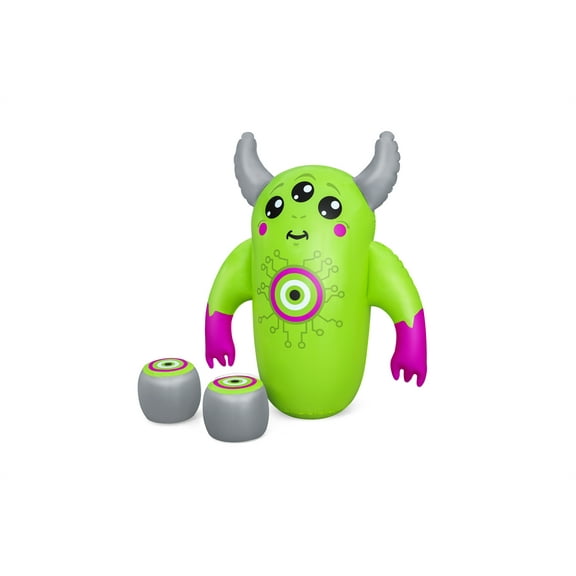
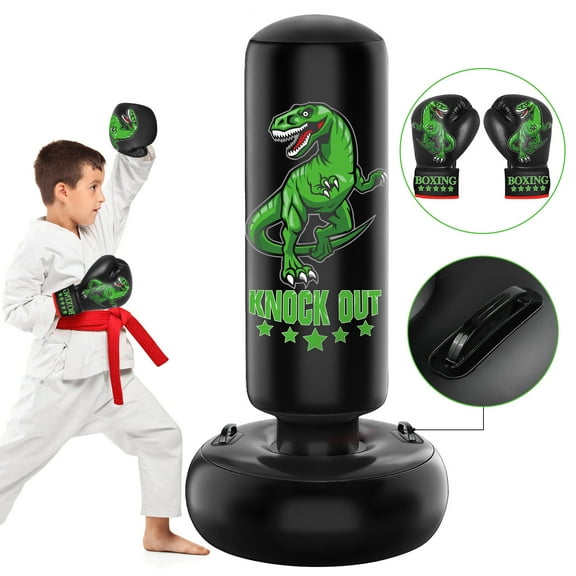
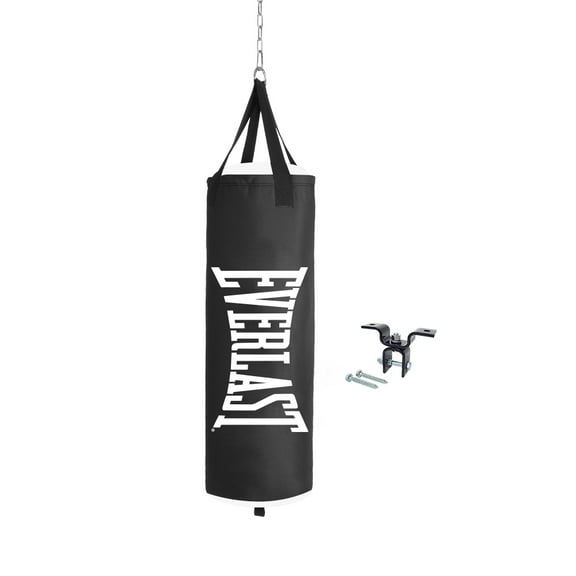
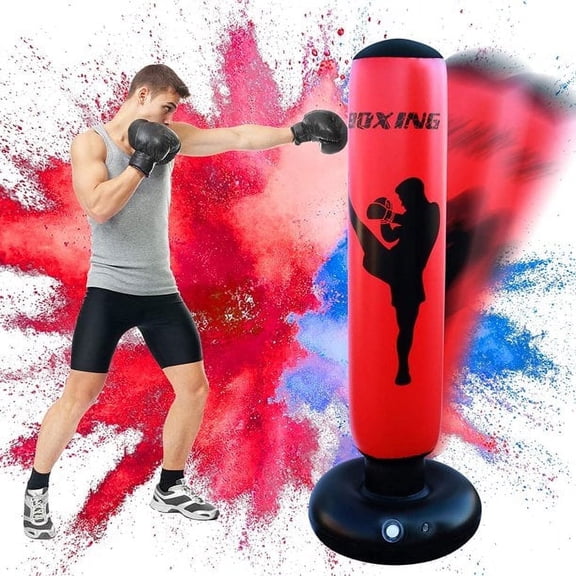
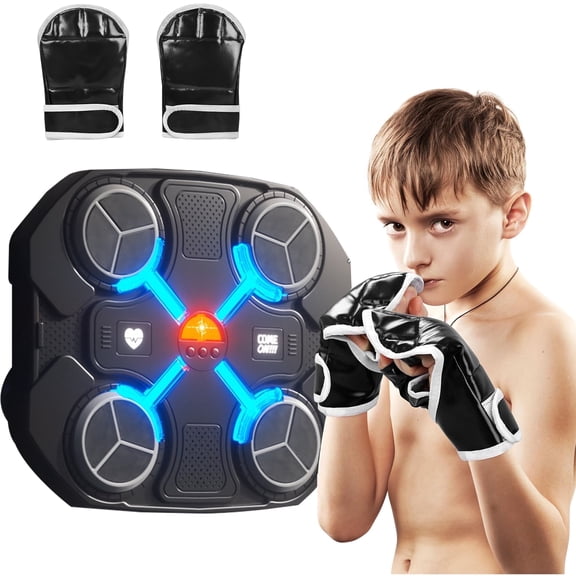
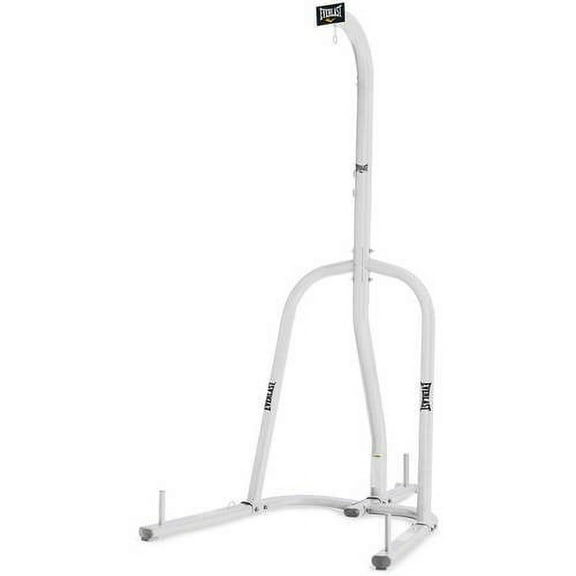
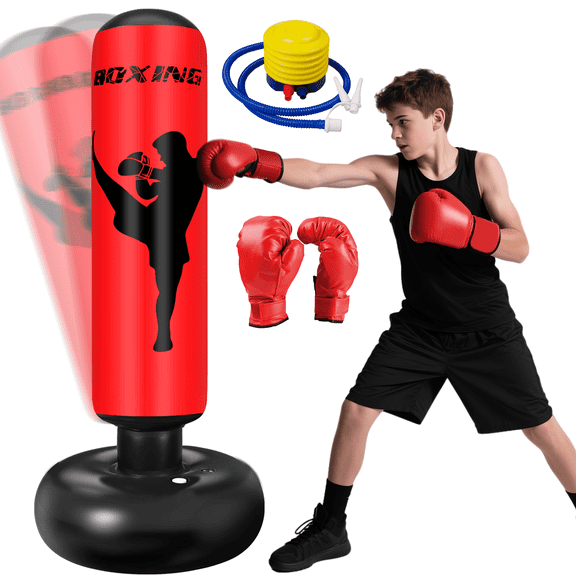
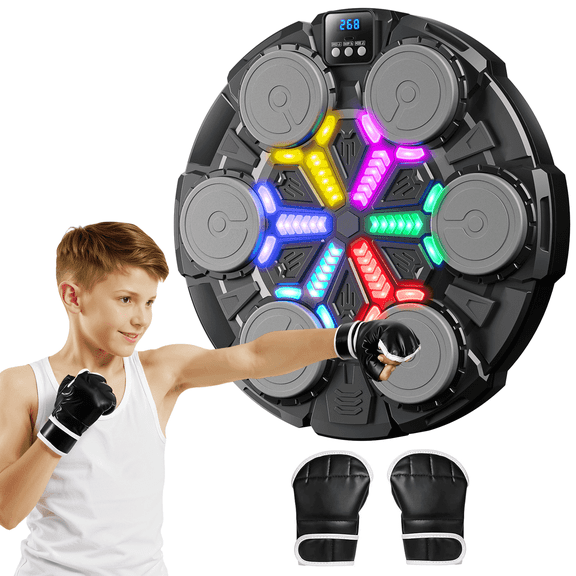
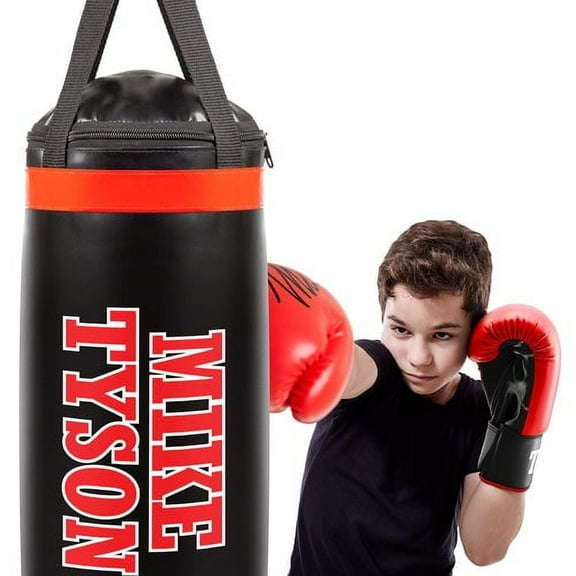
- You can compare punching bags, targets, and mitts for home workouts or class practice.
- You can select youth, toddler, and adult sizes to match your household's training needs.
When you compare gear types this way, you can build a setup that fits your real routine. You can also avoid ordering pieces that work for a different discipline or contact level.
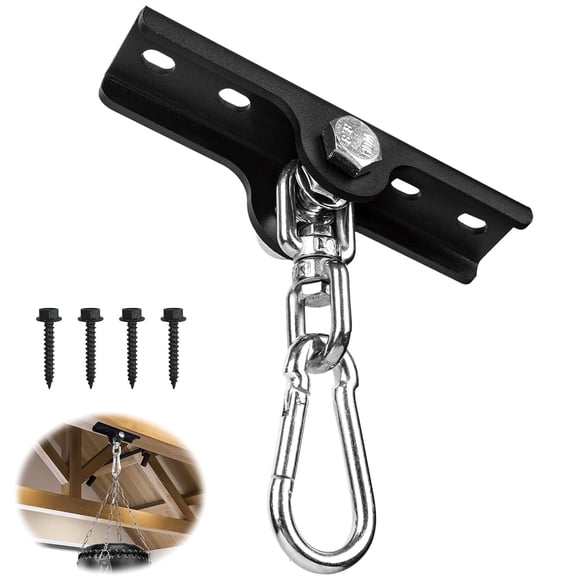
Your training space matters too, especially when you add targets and bags. You may prefer compact shields and hanging bags for home use, while class training may call for larger shared equipment.
Choosing size, fit, and traditional gi sizing
Your fit affects comfort during kicks, stances, grappling, and forms. You should compare youth, adult, and toddler options, then check each item's chart before you choose.
Many martial arts uniforms use traditional gi sizing from 000 to 7. You should match those numbers to the listed height and weight range, not just your usual clothing size.
If you're shopping for kids, you may want extra room for class growth and easy layering. If you're shopping for adults, you may compare sleeve length, pant rise, and jacket overlap for cleaner movement.
Your fabric choice can also change how a uniform feels after washing and repeated practice. You may prefer lighter material for warm gyms, while heavier weaves can feel steadier during gripping drills.
When you're choosing a karate gi or judo uniform, you should check seam placement and reinforcement points. You can often spot durability details in the collar, cuffs, knees, and tie areas.
Comparing sparring gear and protection levels
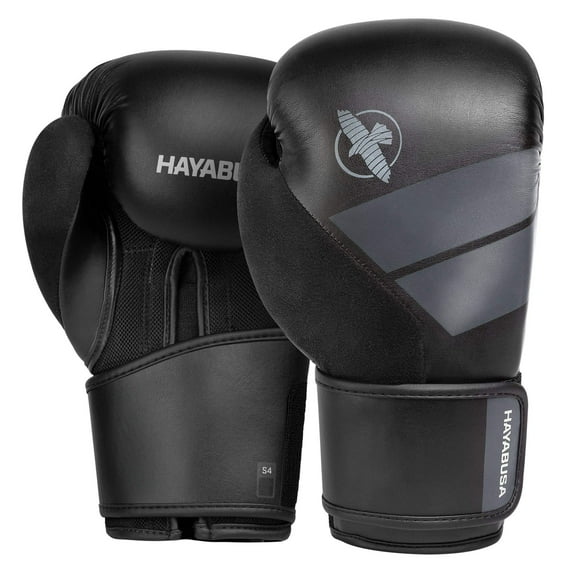
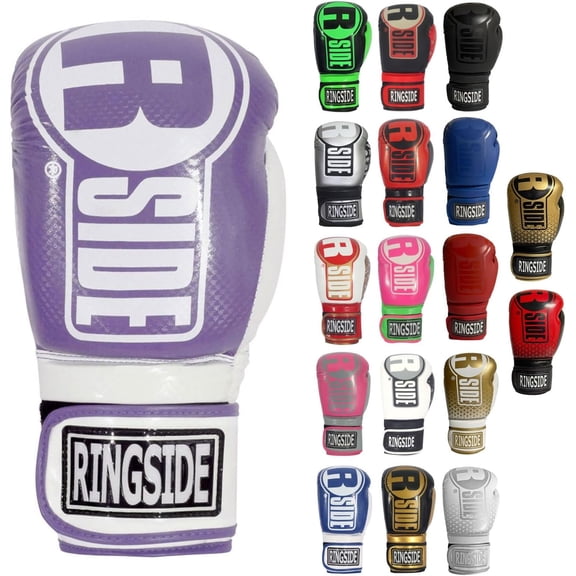
Your sparring gear should match the contact level used in your class or practice plan. You should compare light contact, full contact, and training-only options before you choose gloves or pads.
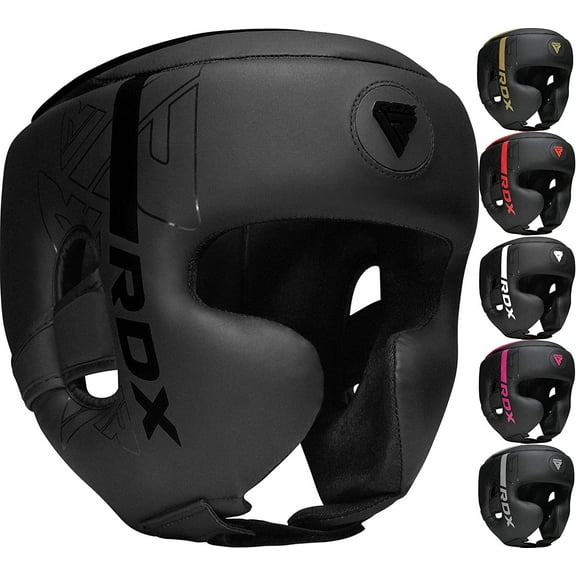
For light contact, you may want streamlined padding that supports speed and controlled drills. For full contact, you may look for broader coverage on the hands, feet, head, or shins.
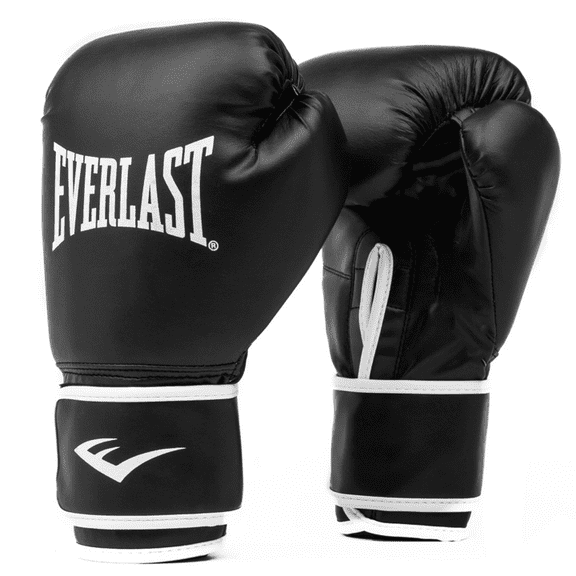
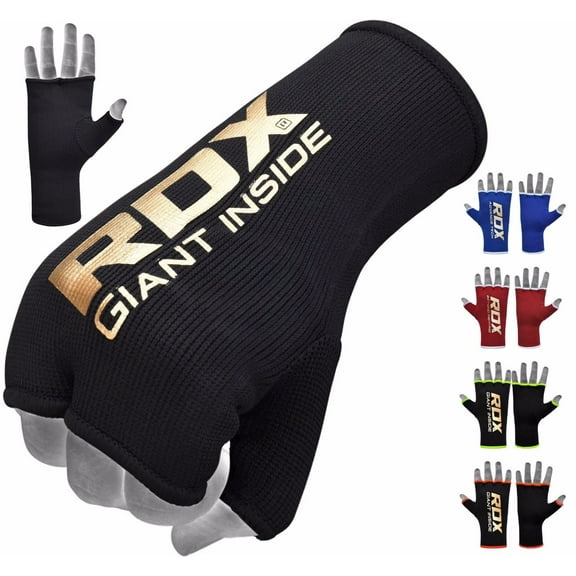
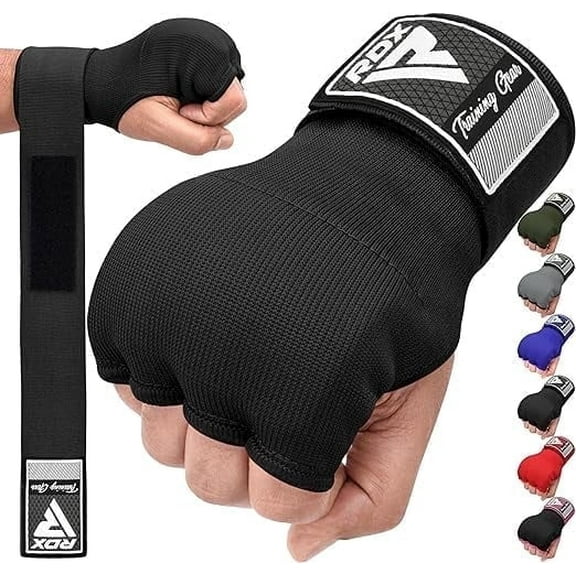
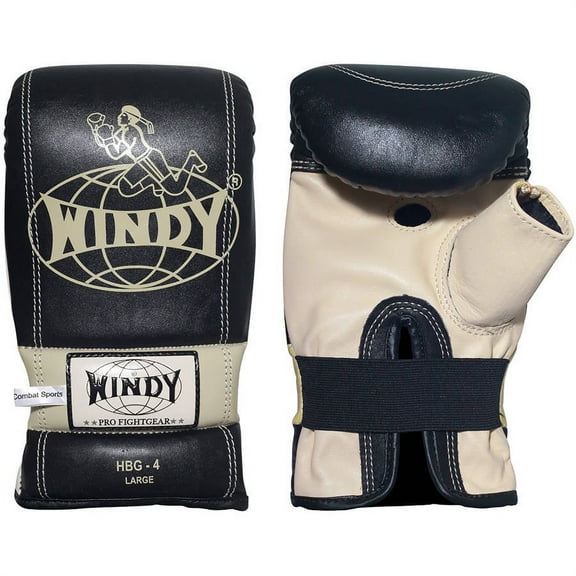
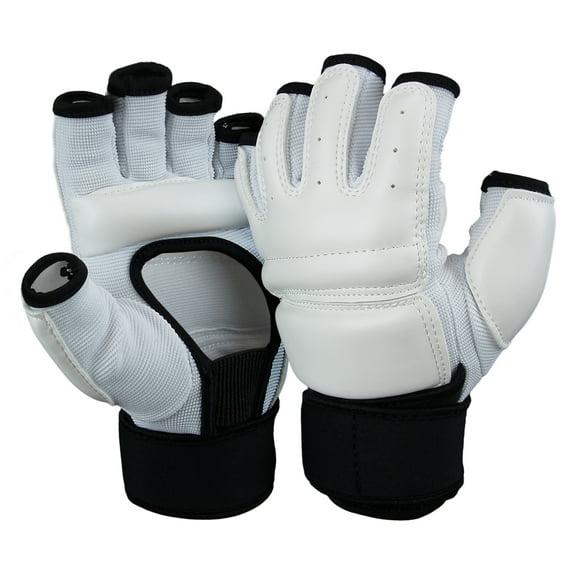
If you mainly train on bags or targets, you may choose training-only gloves and pads built for repeated striking. You can keep your setup focused by matching foam thickness and coverage to the session type.
Your closures matter during fast movement, especially in class transitions. You may prefer hook-and-loop straps for quick changes, while slip-on guards can feel simple during short drills.
When you compare protection pieces, you should also review how each item pairs with your discipline. You can build a more useful setup when your padding supports karate drills, taekwondo kicking, or MMA striking rounds.
Matching gear types to real training use
Your routine can help you choose between uniforms, sparring pieces, and training tools. You should think about where you train, how often you practice, and whether you drill alone or with partners.
If you're preparing for back to school martial arts classes, you may start with a uniform, belt, and basic protective set. You can keep beginners ready for first-week classes with discipline-specific essentials.
For home practice, you may add punching bags, focus mitts, or kick targets to build repetition. You can use those tools for footwork rounds, striking drills, and timing practice between classes.
If your household includes more than one student, you may need youth sparring gear alongside adult sizes. You can compare size ranges and protection levels together, which helps when different ages train in different styles.
As your training changes, you can add martial arts gear that fits new goals without rebuilding everything. You can start with the right basics, then expand into style-specific equipment that keeps practice organized and consistent.
You can choose with more confidence when your gear matches your discipline, your size, and your training format. With the right mix of uniforms, padding, and targets, you can train with smoother movement and fewer mismatched pieces.