

Auto Electronics


Car audio & more



More auto gear








FAQ
About Auto Electronics - Walmart.com
If you’re comparing electronica de carros, you likely want clear sound, smart navigation, and an easy upgrade path for your vehicle. You’ll find category guidance here that helps you compare fitment, connectivity, and audio components without guessing.
How to choose auto electronics for your vehicle
When you shop auto electronics, you should start with the device type that matches your driving routine. You may want car stereos for control, speakers for added sound coverage, dash cams for recording, or GPS navigation for route guidance.
You’ll also want to compare how each component works with your current dashboard layout and wiring. Your choice matters because a single-DIN opening fits differently than a double-DIN opening.
- You can upgrade daily drives with touchscreen controls, hands-free calling, and smartphone-friendly interfaces.
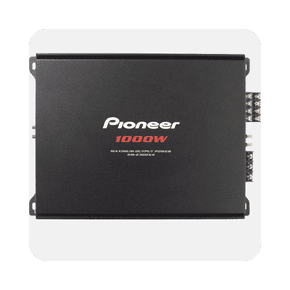
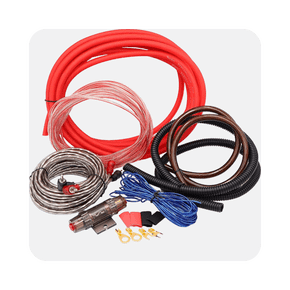
- You can build a complete system with speakers, amplifiers, and preamp outputs for clear signal routing.
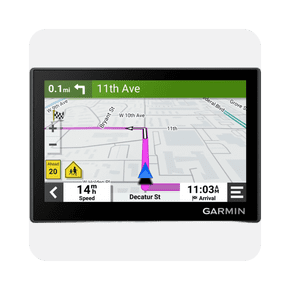
- You can add dash cams and GPS units that support commuting, road trips, and route planning.
- You can compare installation sizes and connection types before you choose matching accessories.
For many shoppers, electronica de carros means combining entertainment, navigation, and convenience in one dashboard setup. You’ll get more from your search when you match features to your vehicle and listening habits.
Choosing the right stereo para auto and fitment
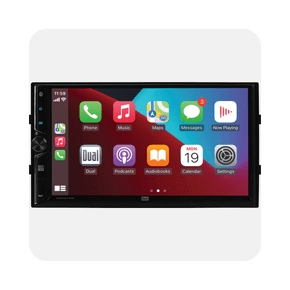
When you choose a stereo para auto, you should first measure your dash opening. You’ll usually compare single-DIN and double-DIN sizes, because each one fits a different radio slot.
A single-DIN unit gives you a compact format that works well in many older vehicles. A double-DIN unit gives you more screen space, which can make menus, maps, and backup camera views easy to see.
You should also check whether your vehicle needs a wiring harness adapter or dash kit. You’ll avoid fitment confusion when you confirm connector style, trim shape, and mounting depth before purchase.
If you’re planning a DIY install, you should consider dashboard disassembly and wire connections before choosing a head unit. You’ll often want plug-in compatibility that reduces extra steps during setup.
Comparing car stereo automotive connectivity
For car stereo automotive features, you should focus on how your phone connects during everyday driving. You’ll commonly see Bluetooth, Apple CarPlay, Android Auto, and auxiliary inputs across many setups.
Bluetooth helps you stream music and take calls without holding your phone. Apple CarPlay and Android Auto can place maps, messages, and music controls on your stereo screen.
If you prefer simple compatibility, you may want an auxiliary input for older devices. You’ll benefit from flexible connections when more than one driver uses the same vehicle.
You should check whether a stereo supports wired or wireless phone integration. Your choice can affect cable clutter, startup speed, and how easily you switch between apps on the road.
Understanding speakers, amplifiers, and sound output
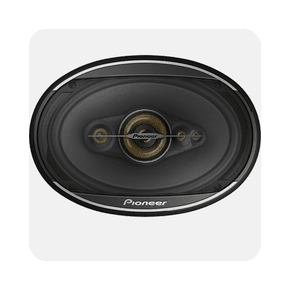
When you compare speakers and amplifiers, you should look at audio output in plain language. You’ll often see RMS power, peak power, and preamp outputs listed as key decision points.
RMS power tells you how much power a speaker or amplifier handles during regular listening. Peak power shows short bursts, but you’ll usually rely on RMS for a steadier picture.
Preamp outputs matter when you want to add an amplifier or expand your system later. You’ll get a clear path for signal transfer when your stereo includes the right output connections.
You should match speaker power handling with your amplifier and stereo settings. Your system can feel more balanced when power levels and component roles line up clearly.
Matching auto electronics to daily driving needs
If you commute every day, you may want a touchscreen stereo with Bluetooth and smartphone integration. You’ll make calls, follow maps, and control playlists from one central screen.
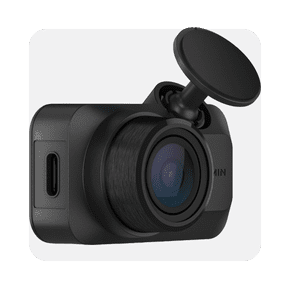
For weekend travel, you might prefer GPS navigation and a dash cam in the same vehicle setup. You’ll have route support and recorded footage during long highway drives.
If you highly value music detail, you should compare speaker size, amplifier support, and preamp outputs. You’ll notice these factors matter when you want full bass and clear vocals.
Some shoppers searching car audio store near me want pickup options and easy installation planning. You can use Walmart pickup and delivery options to find the parts you need with added convenience.
Others searching sistema de audio para autos cerca de mi may be focused on fitment help and install-ready accessories. You’ll want dash kits, harnesses, and compatible sizes that support a smooth setup.
When you compare electronica de carros at the category level, you can narrow choices by vehicle fitment, phone features, and sound goals. You’ll move forward with a setup that fits your dash and supports your drive.
What to look for before you finish your choice
Before you decide, you should confirm device type, installation size, connectivity, and output needs. You’ll make a clearer choice when your stereo, speakers, and accessories work together.
That practical approach helps you choose auto electronics that match your vehicle and routine. You’ll end up with a clean install, easy control, and sound that suits every drive.
Related Links
- Shop all Backup Cameras
- Backup Camera Brands
- Backup Camera Types
- Backup Cameras by Vehicle
- Boyo Backup Cameras
- Bluetooth Backup Cameras
- Camper Backup Cameras
- Echomaster Backup Cameras
- Furrion Backup Cameras
- Furrion RV Backup Cameras
- Garmin Backup Cameras
- Kenwood Backup Cameras
- License Plate Backup Cameras
- Rearview Mirror Cameras
- RV Backup Cameras
- RV Trailer Backup Cameras
- Trailer Backup Cameras
- Truck Backup Cameras
- Type S Backup Cameras
- WiFi Backup Cameras
- Wireless Backup Cameras
- Wireless Camper Backup Cameras
- Wireless Trailer Backup Cameras
- Wireless Truck Backup Cameras
- Wireless RV Backup Cameras
- Shop all Car Amplifiers
- 1000 Watt Car Amplifiers
- 2 Channel Car Amplifiers
- 3 Channel Car Amplifiers
- 4 Channel Car Amplifiers
- 5 Channel Car Amplifiers
- 6 Channel Car Amplifiers
- 8 Channel Car Amplifiers
- Alpine Car Amplifiers
- Amplifiers for Door Speakers
- Bluetooth Car Amplifiers
- Boss Car Amplifiers
- Car Amplifier Wiring
- Car DSP Amplifiers
- Dual Car Amplifiers
- Kenwood Car Amplifiers
- Monoblock Car Amplifiers
- Pioneer Car Amplifiers
- Sony Car Amplifiers
- Shop all Car Audio Installation
- Car Speaker Installation
- Car Speaker Adapters
- Car Speaker Grilles
- Car Speaker Wiring
- Car Subwoofer Grilles
- Car Subwoofer Wiring
- Speaker Enclosures
- Subwoofer Enclosures
- Car Stereo Installation
- Car Stereo Wire Connectors
- Car Stereo Wiring
- Car Stereo Wiring Harnesses
- Dash Kits
- Steering Wheel Interfaces
- Shop all Car Stereos
- Car Stereo Brands
- Android Car Stereos
- Apple Play Car Stereos
- Bluetooth Car Stereos
- Car Stereo Bundles
- Car Stereos with Backup Camera
- Car Stereos with CD Player
- Car Stereos with GPS
- Double Din Car Stereos
- DVD Car Stereos
- Flip Out Car Stereos
- Floating Screen Car Stereos
- In-Dash Car Stereos
- Kenwood Car Stereos
- Retro Car Stereos
- Satellite Radio
- Single Din Car Stereos
- Touch Screen Car Stereos
- Shop all Car Subwoofers
- Car Subwoofer Brands
- Car Subwoofer Sizes
- Amplified Car Subwoofers
- Bluetooth Car Subwoofers
- Compact Car Subwoofers
- Down Firing Car Subwoofers
- Kenwood Car Subwoofers
- Mini Car Subwoofers
- Portable Car Subwoofers
- Powered Car Subwoofers
- Slim Car Subwoofers
- Underseat Car Subwoofers
- Wireless Bluetooth Car Subwoofers
- Wireless Car Subwoofers
- Shop all Dash Cams
- Dash Cam Accessories
- Dash Cam Brands
- Dash Cam Features
- Dash Cams by Vehicle
- 360 Dash Cams
- 4K Dash Cams
- Blackvue Dash Cams
- Cobra Dash Cams
- Dash Cams for Cars
- Dash Cams for Trucks
- Dash Cams with GPS
- Front and Rear Dash Cams
- Garmin Dash Cams
- Kenwood Dash Cams
- Nextbase Dash Cams
- Redtiger Dash Cams
- Rexing Dash Cams
- Roav Dash Cams
- Small Dash Cams
- Thinkware Dash Cams
- Vantrue Dash Cams
- Viofo Dash Cams
- WiFi Dash Cams
- Wireless Dash Cams
- Shop all Radar Detectors
- 360 Radar Detectors
- Bluetooth Radar Detectors
- Cobra Radar Detectors
- Escort Radar Detectors
- Hardwire Radar Detectors
- Laser Radar Detectors
- Motorcycle Radar Detectors
- Passport Radar Detectors
- Radar Detector Accessories
- Radar Detectors with Dash Cam
- Rearview Mirror Radar Detectors
- Uniden Radar Detectors
- Uniden R3 Radar Detectors
- Uniden R7 Radar Detectors
- Valentine Radar Detectors
- Whistler Radar Detectors