Find auto parts that fit
Let’s search for parts that fit your vehicle.RV Generators & Replacement Parts
About RV Generators & Replacement Parts - Walmart.com
RV generators help you keep your camper powered on the road, at hookups, and off-grid. You can compare fuel type, wattage, noise, and RV outlet compatibility before you choose.
If your trip includes air conditioning, battery charging, or kitchen appliances, you’ll want category-specific guidance. You can use this buying guide to compare portable formats, inverter technology, and start systems.
How to choose RV generators
You should start with your RV’s power needs before you compare any other feature. You’ll want to check both running watts and starting watts for your biggest appliance.
If your setup includes a 13.5k or 15k BTU air conditioner, you may need extra startup capacity. You can avoid guesswork by adding the loads for your air conditioner, microwave, and charger.
Smaller campers may work well with 2000 watt models for light essentials and battery support. You may prefer 3400 watts or 4500 watts when you want stronger support for cooling equipment.
Larger rigs often need 5500+ watts when you plan to run more than one major appliance. You should also check whether your RV uses a 30-amp or 50-amp connection.
- You can use lower wattage models for lights, charging, and small appliances.
- You may need mid-range output for one air conditioner and everyday RV essentials.
- You should consider higher output when your rig has larger cooling and multiple power demands.
- You can narrow choices quickly by checking direct RV outlets and adapter compatibility.
Choosing between portable RV generators and built-in styles
You can compare portability by thinking about how often you move your generator. You may want portable RV generators with wheels when you reposition power around your campsite.
Hand-carry models can suit compact rigs, tailgate use, or short weekend trips. You should measure storage compartments first so your generator fits without wasted space.
On-board styles can make sense when you want dedicated power integrated with your RV setup. You’ll want to compare weight, mounting needs, and access for refueling before deciding.
Start systems also affect everyday convenience when you arrive late or break camp early. You may prefer electric start or remote start if you want simpler operation than recoil pull start.
Comparing quiet RV generators and inverter technology
You should pay close attention to noise ratings when you camp around other rigs. You can compare quiet RV generators by checking decibel ratings measured at 23 feet.
You may look for inverter technology because it supports smoother power output. You may prefer an inverter generator for RV use when you run electronics, chargers, and other sensitive devices.
Open-frame designs can work when you focus on higher output and broader jobsite-style use. You should compare sound levels carefully, especially if your campground posts equipment noise rules.
Quiet operation can matter during early mornings, late arrivals, and long stays in shared camp areas. You’ll notice that lower-noise models can align well with campsite expectations.
Choosing fuel type for your camping routine
You can narrow your options quickly by comparing gasoline, propane, dual fuel, and diesel formats. You should think about where you refuel, how long you camp, and what your RV already carries.
Gasoline models can be familiar when you want common fuel access during travel. You may prefer propane when you already carry LP tanks for cooking and other RV equipment.
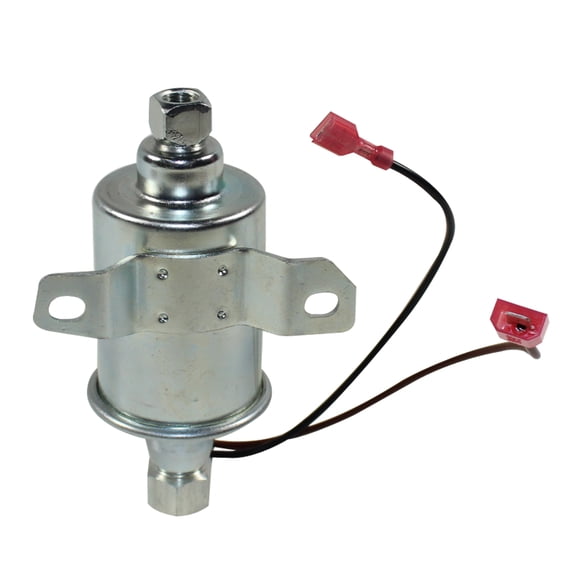
A dual fuel RV generator gives you flexibility when fuel availability changes between stops. You can switch your plan based on trip length, storage preferences, or what you already have on hand.
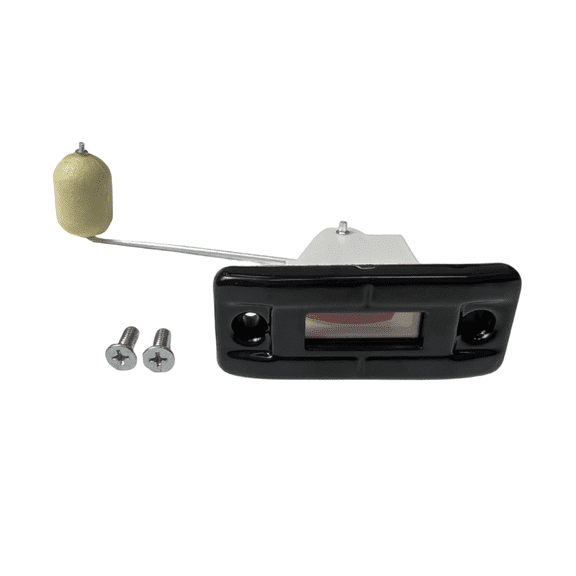
Diesel options can fit certain larger rigs and specific power setups. You should always compare runtime, tank setup, and connection details with your RV’s layout.
What to look for in RV connections and everyday use
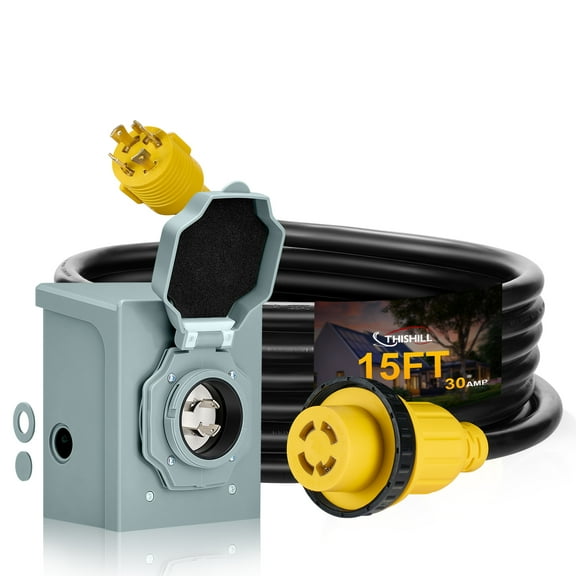
You should check whether your generator includes a direct 30-amp or 50-amp RV outlet. You can simplify setup when your plug type matches your camper without extra adapters.
Some shoppers only need battery charging and a few basics during overnight stops. You may want a smaller unit when you power lights, fans, and chargers between destinations.
Weekend campers often compare compact inverter models for easier transport and quieter campground use. You can benefit from that format when you want coffee makers, phones, and one cooling source covered.
Longer trips may call for higher wattage, longer runtime, and flexible fueling. You should compare wheel kits, handle design, and start method if you move your unit often.
If you camp in mixed weather, you may care about easier starts and simpler setup routines. You can also compare panel layouts, outlet placement, and fuel gauges for everyday convenience.
With the right match, you can power your RV more confidently and plan stops with fewer compromises. You can expect reliable performance from RV generators when wattage, fuel, noise, and outlet fit all align.