

Additives in Oils and Fluids



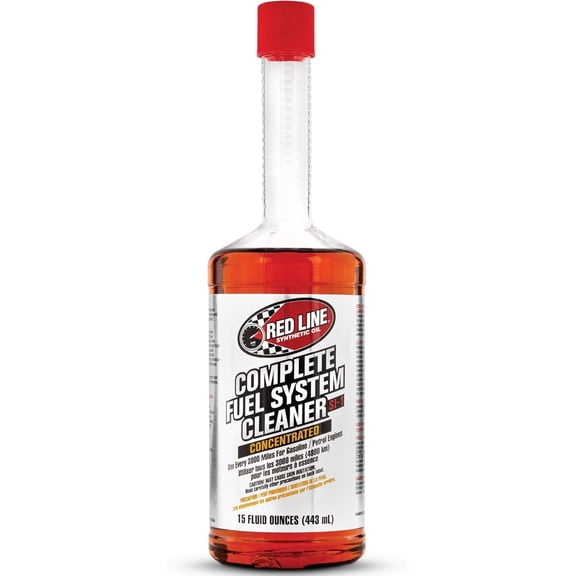


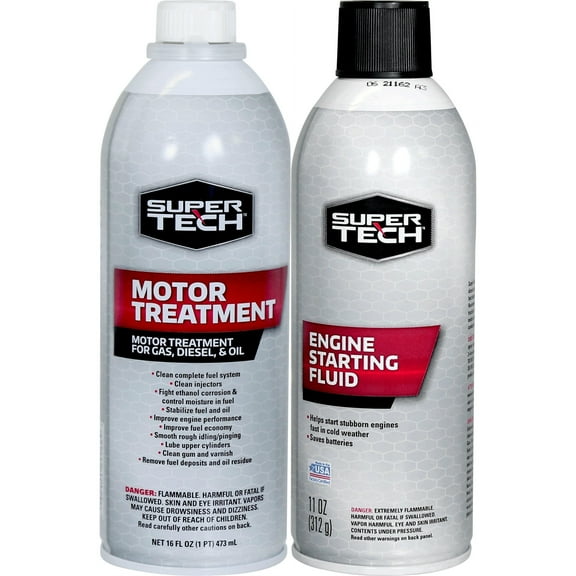
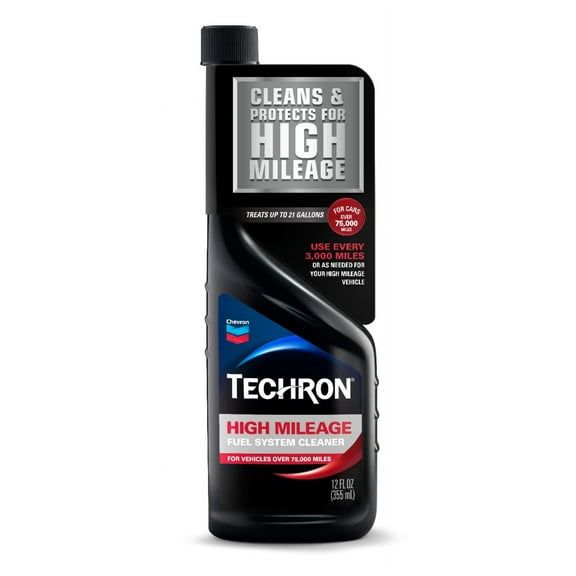
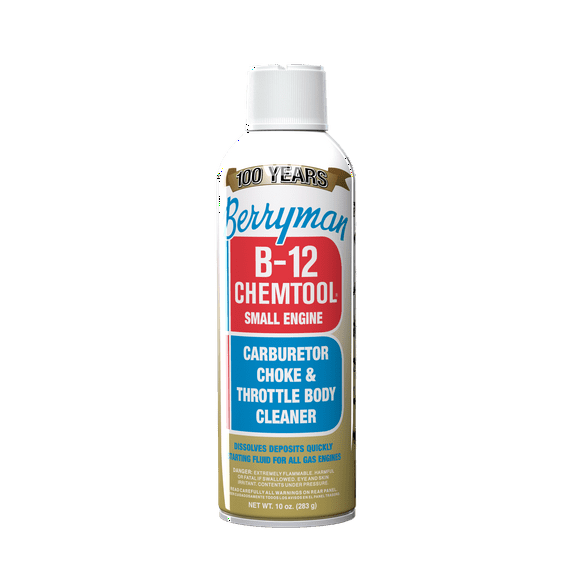
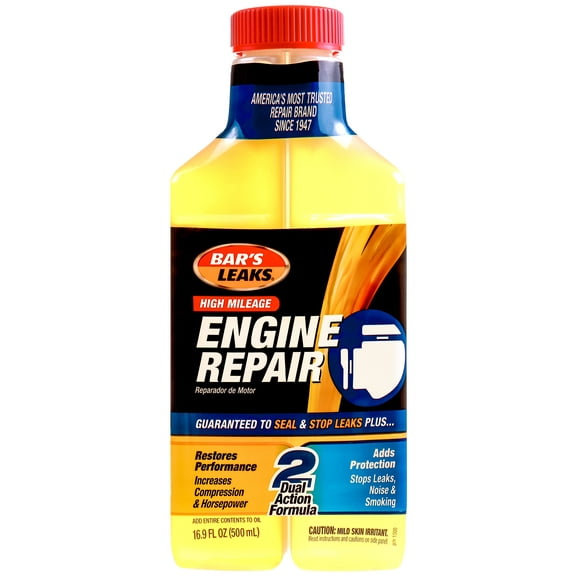
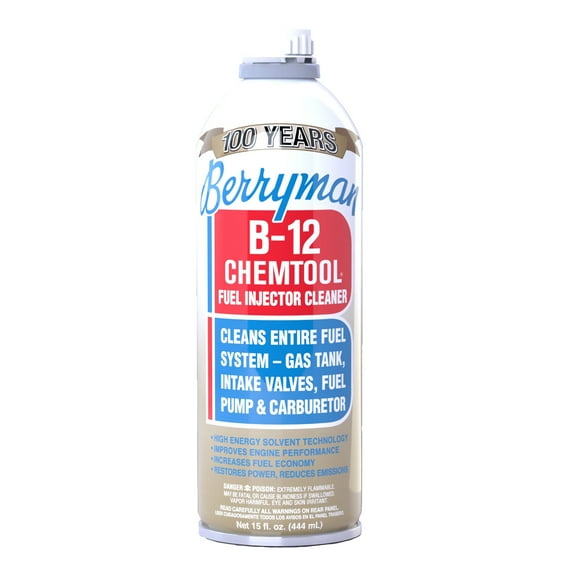
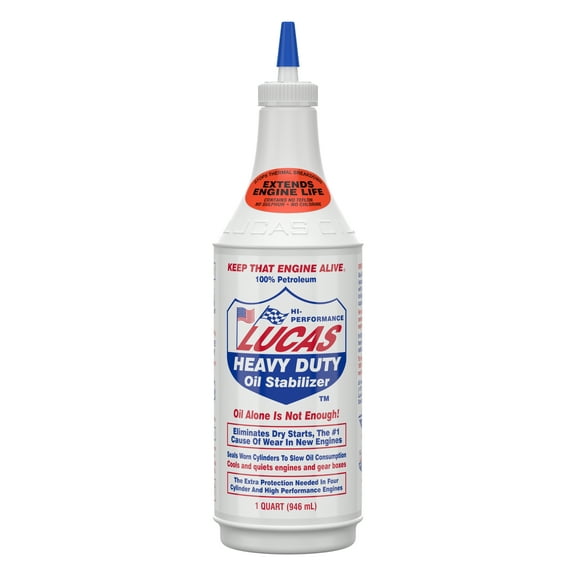
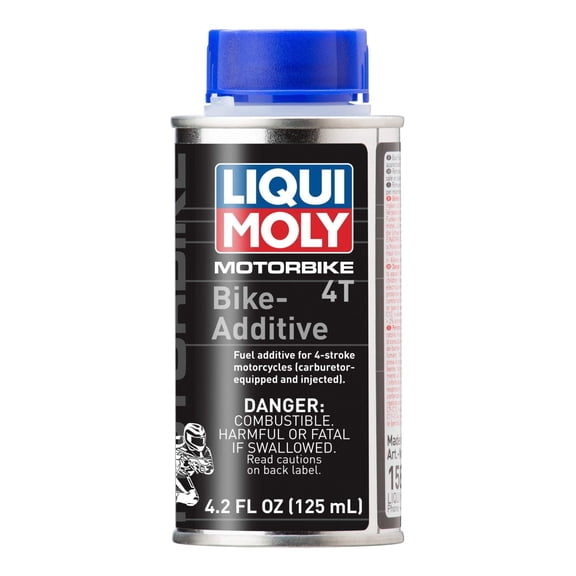





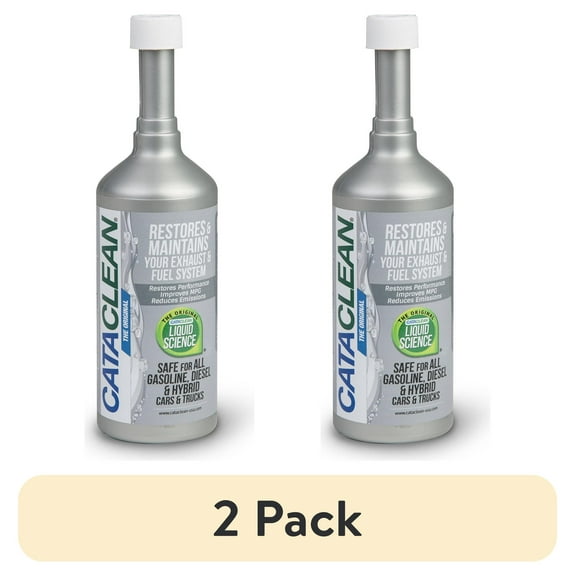
About Additives in Oils and Fluids - Walmart.com
Automotive additives help you match the right formula to your vehicle’s fuel, oil, transmission, or coolant system. You can compare additive type, engine compatibility, mileage fit, and treatment purpose before you choose.
How to choose automotive additives by additive type
You should start with the system you want to support, because each formula fits a different part of your vehicle. You’ll usually compare fuel additives, oil additives, transmission additives, and coolant additives in this category.
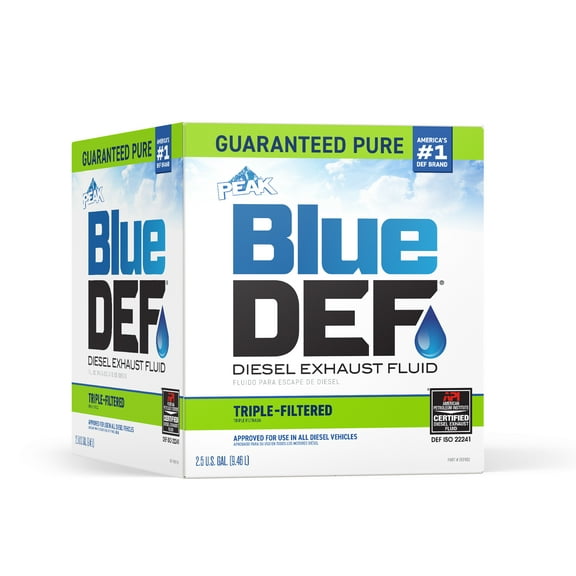
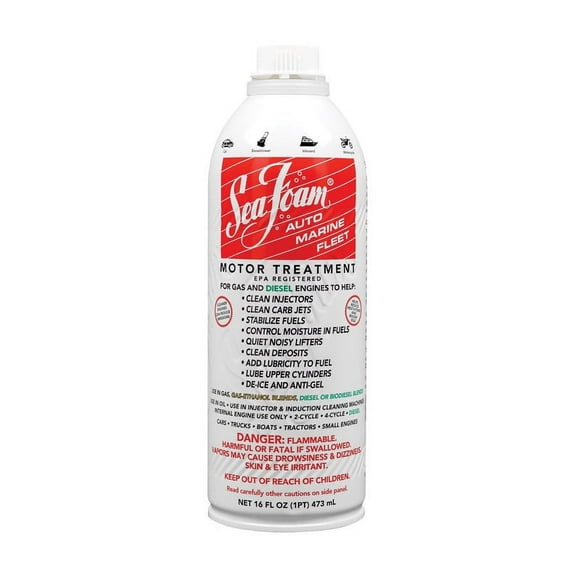
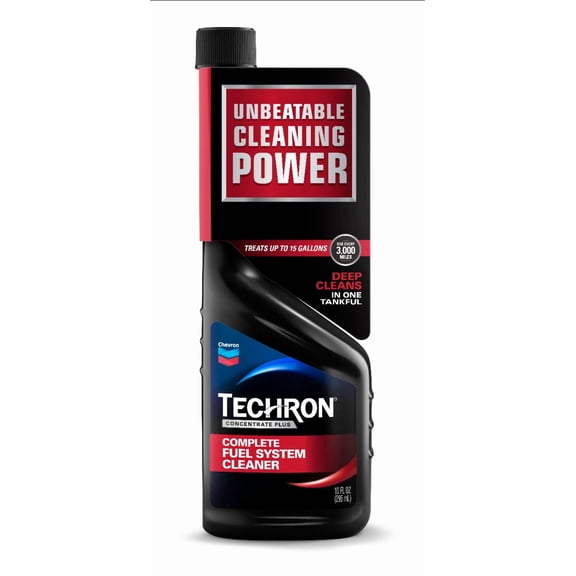
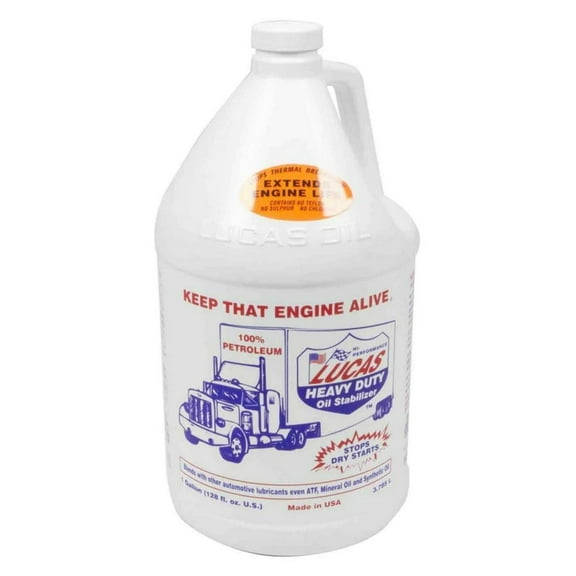
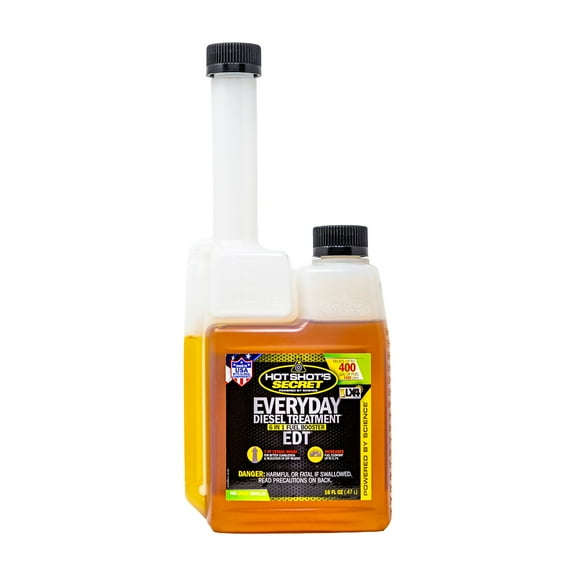
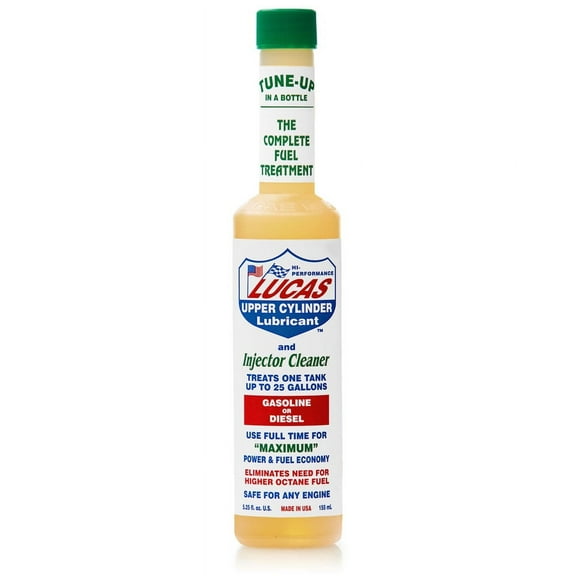
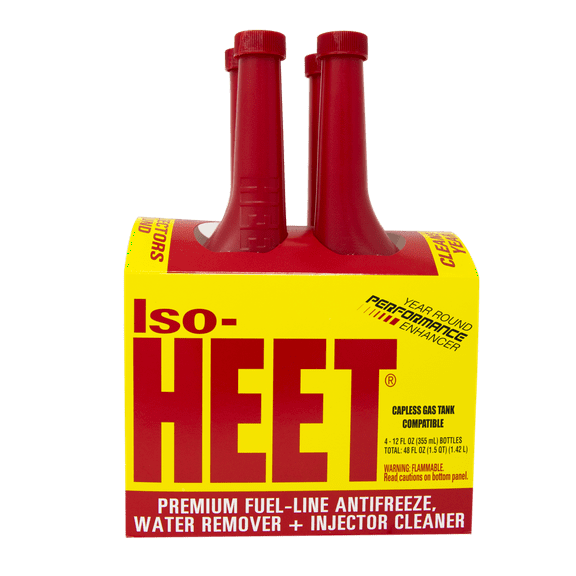
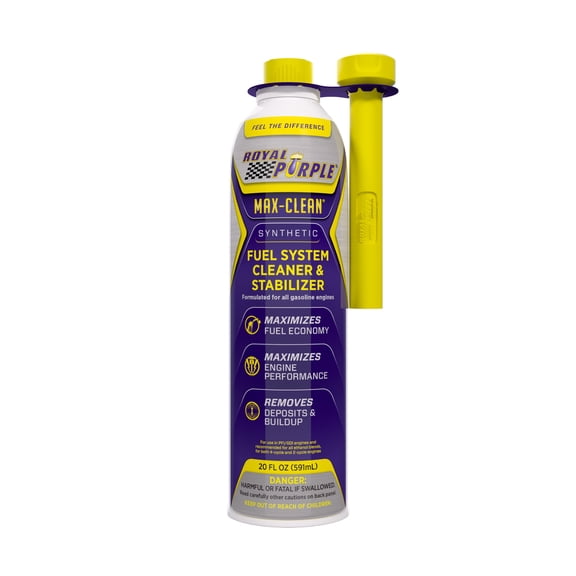
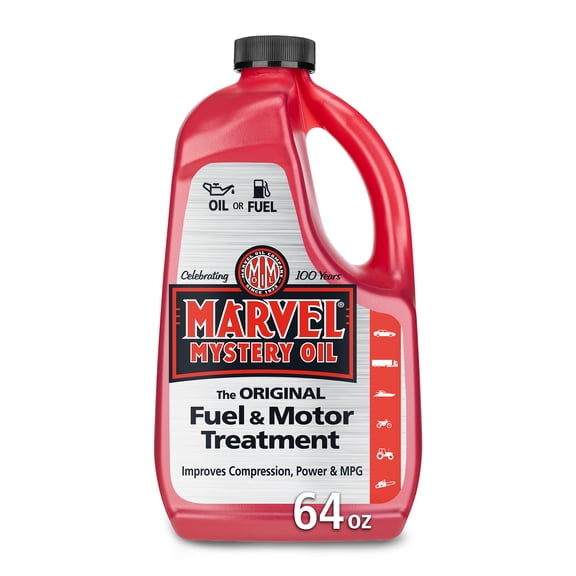
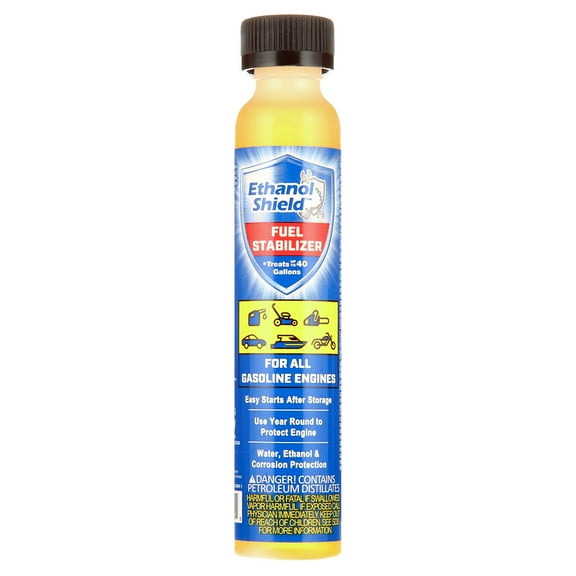
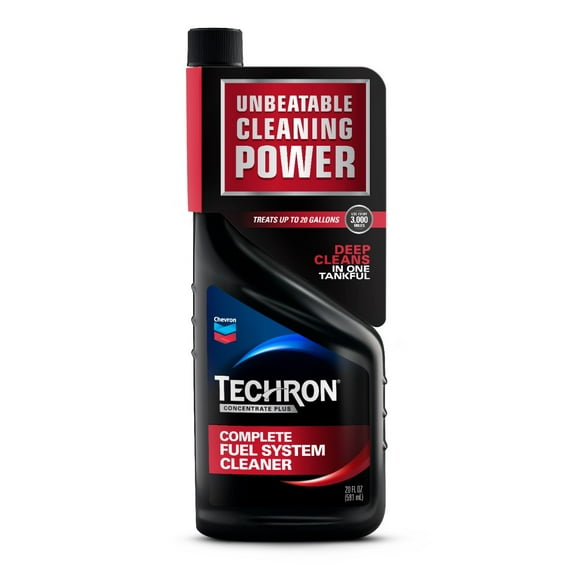
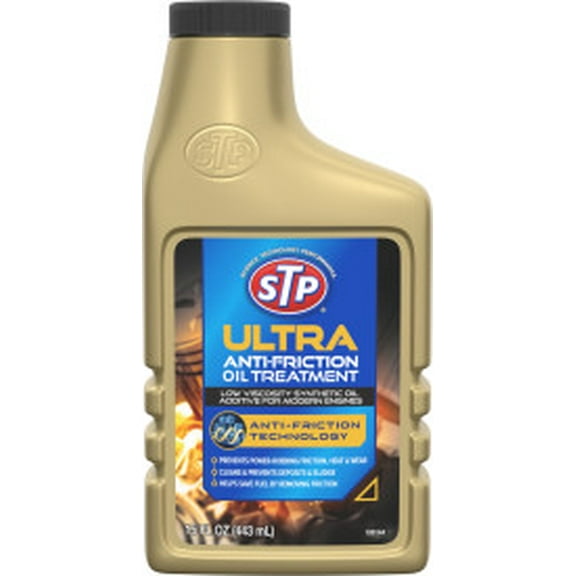
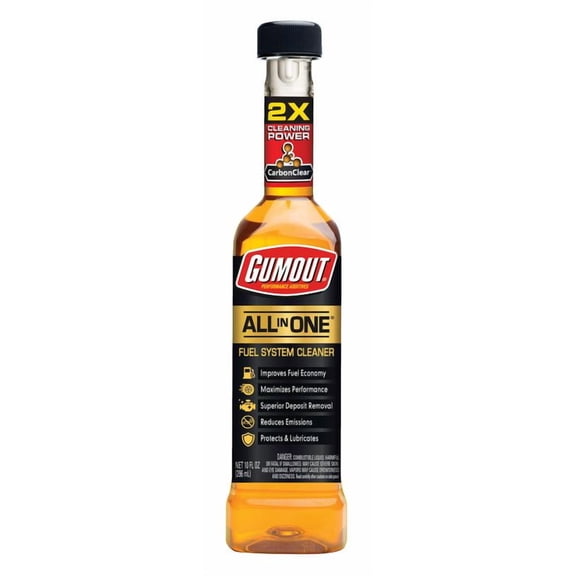
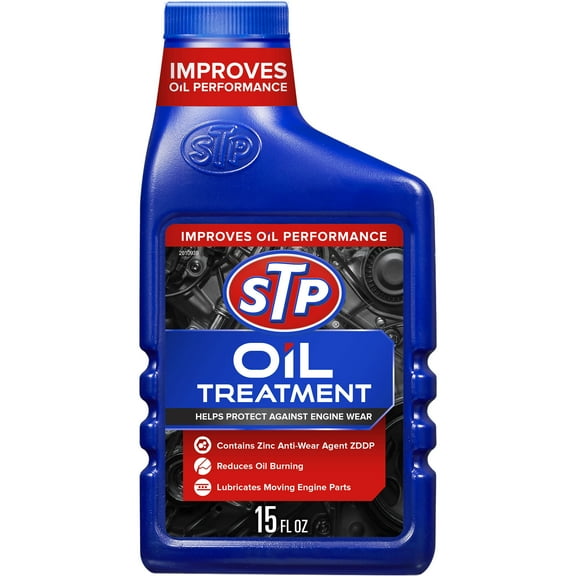
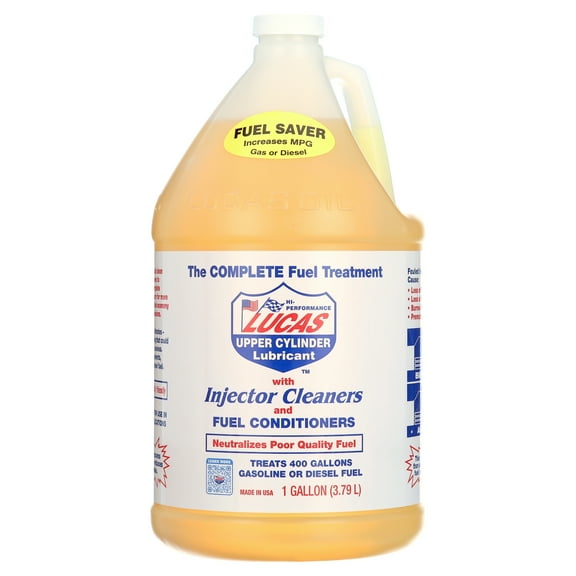
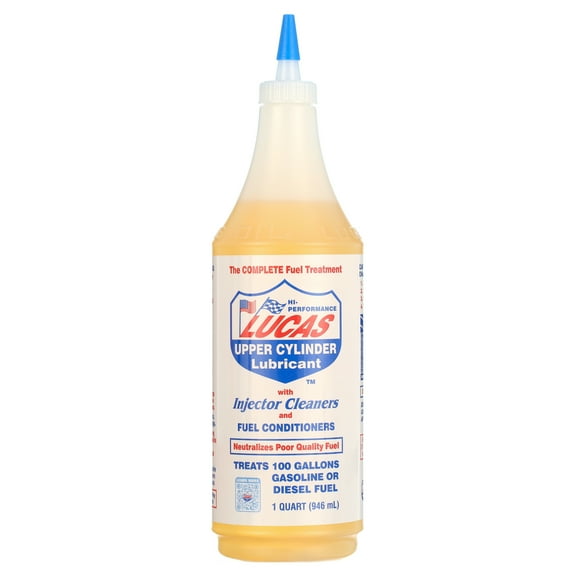
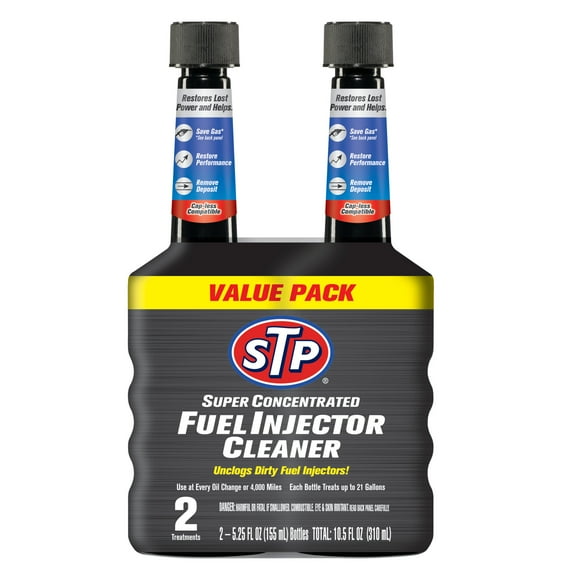
Fuel additives and fuel system cleaner options fit your gasoline or diesel tank during routine fill-ups. You can choose oil additives for your crankcase and select transmission additives based on your transmission fluid type.
Coolant additives fit your cooling system and help you maintain temperature stability, corrosion control, and system cleanliness. You’ll want to match the formula to the fluid reservoir listed on your bottle label.
- You can narrow choices by fuel, oil, transmission, or coolant use.
- You can compare formulas for high mileage or standard vehicles.
- You can select treatments aimed at cleanliness, friction reduction, or leak stopping.
- You can check whether the formula fits gasoline, diesel, or hybrid applications.
Choosing engine additives and compatibility details
You should check your engine type before you choose engine additives, because gas and diesel formulas aren’t always interchangeable. You’ll also want to confirm whether your vehicle uses a turbocharged setup or hybrid system.
Gasoline formulas often feature labels for spark-ignition engines, while diesel formulas target compression-ignition needs. You can look for wording that clearly matches your fuel type and application method.
Hybrid vehicles may still use gasoline engines, but you should verify the product label before adding any treatment. You can also check whether the formula mentions start-stop driving or mixed driving patterns.
You may also compare packaging for API-related language or manufacturer approval references when warranty compliance matters to you. You should always confirm your owner’s manual requirements before using any additive in a covered vehicle.
What to look for in oil and fuel additives
You can compare oil and fuel additives by the issue you want to address in everyday driving. You may be looking for engine cleanliness, friction reduction, fuel economy support, or leak stopping.
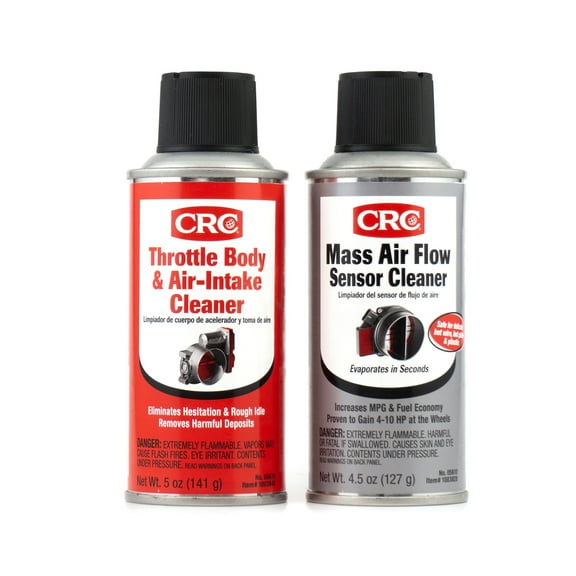
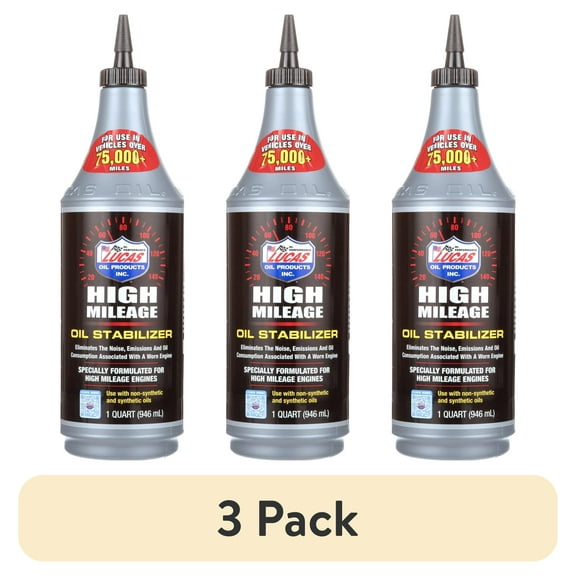
If your vehicle feels rough at idle or less responsive, you may prefer a fuel system cleaner or injector-focused formula. If your older engine uses oil between changes, you may look for high mileage oil treatments.
For transmission additives, you’ll want to check fluid compatibility and the intended use on the label. Some formulas target smoother shifting, while others focus on seal conditioning or fluid performance support.
You should also compare treatment ratio and application frequency before you buy. You may see directions listed by ounces per gallon, ounces per quart, or one bottle per service interval.
Higher treatment ratios can matter when you maintain trucks, multiple vehicles, or larger fluid capacities. You’ll want directions that match your maintenance routine, because some formulas are one-time treatments and others are repeat-use options.
Matching automotive additives to mileage and driving needs
You can use vehicle mileage as a practical filter when you compare automotive additives. High mileage formulas are usually labeled for older engines, while standard formulas fit regular maintenance plans.
If your vehicle has many road miles, you may focus on formulas aimed at seal conditioning, deposit control, or friction reduction. You can pair that search with oil additives or transmission additives, depending on the system involved.
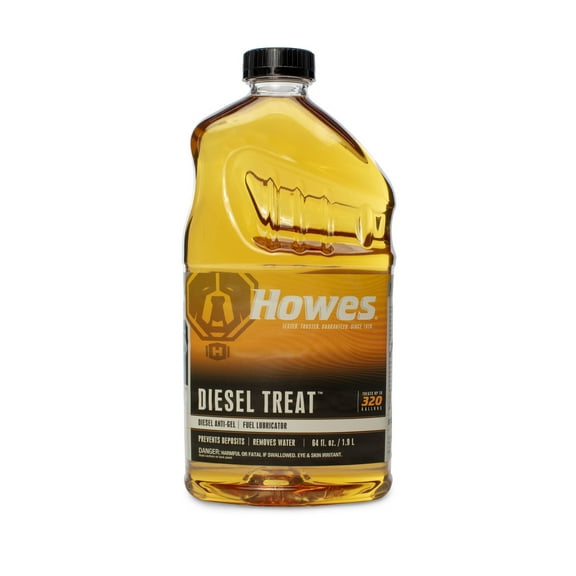
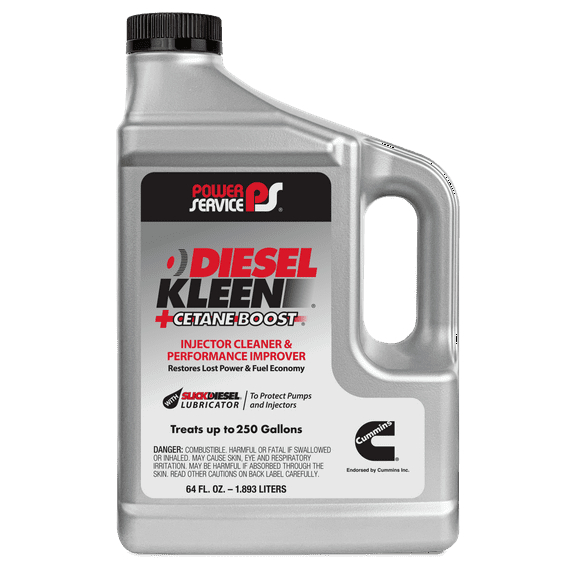
For daily commuting, you may prefer fuel additives that fit consistent fill-up habits and straightforward dosing. If you tow, drive long highway distances, or run a diesel truck, you may compare larger bottles and diesel-specific treatments.
You can also measure convenience by bottle size, pour spout design, and whether the formula is a single application. Those details help you handle routine maintenance with less guesswork at the garage or driveway.
How to compare application details before you choose
You should read the label for fluid capacity guidance, because treatment amounts can vary widely across formulas. You’ll often find directions tied to gallons of fuel, quarts of oil, or full transmission service intervals.
You can use some engine additives for preventive maintenance, or choose others for specific performance concerns. You can compare whether you need a seasonal treatment, an every-fill option, or a product for scheduled service.
You may also look for clear instructions about when to add the formula during your maintenance routine. That makes it easier for you to match the product to an oil change, fuel fill-up, or fluid replacement.
When you compare additive type, compatibility, mileage fit, and treatment directions, you can choose with more confidence. You’ll end up with automotive additives that align with your vehicle, your maintenance schedule, and your driving habits.