


Find auto parts that fit
Let’s search for parts that fit your vehicle.RV Adapters in RV Electrical














About RV Adapters in RV Electrical - Walmart.com
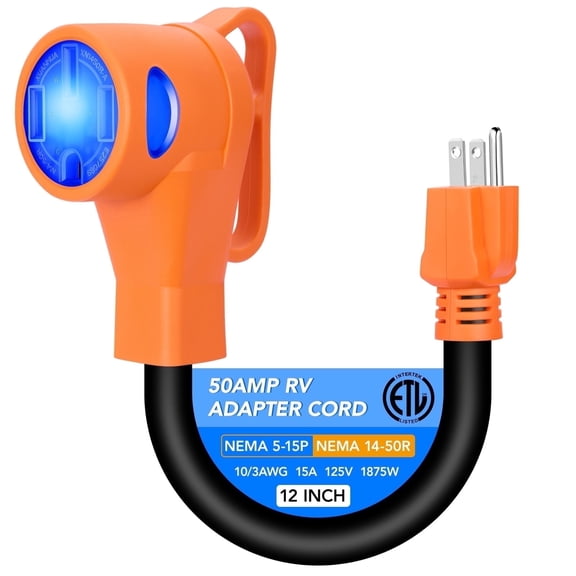
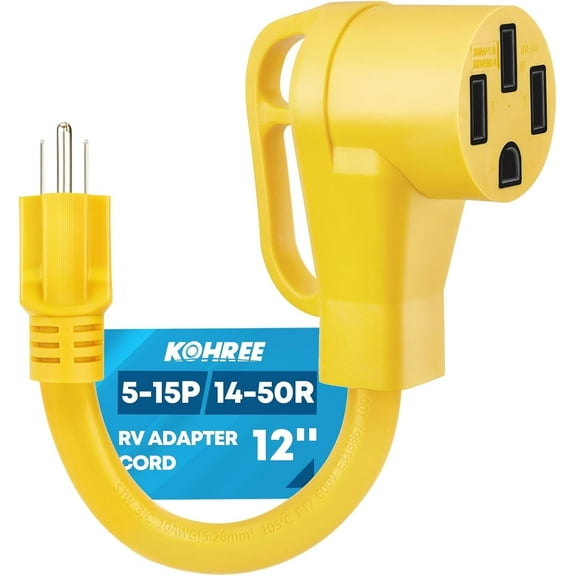
You can compare rv electrical adapters by amperage, plug style, and outdoor durability, so your hookup matches campsite power without guesswork. You'll also find common conversions, including 15 amp to 30 amp and 30 amp to 50 amp connections.
When your RV plug doesn't match the pedestal or household outlet, you need a clear way to choose the right connection. You can use this guide to compare adapter styles, voltage compatibility, and construction details that matter outdoors.
Choosing RV electrical adapters by amperage
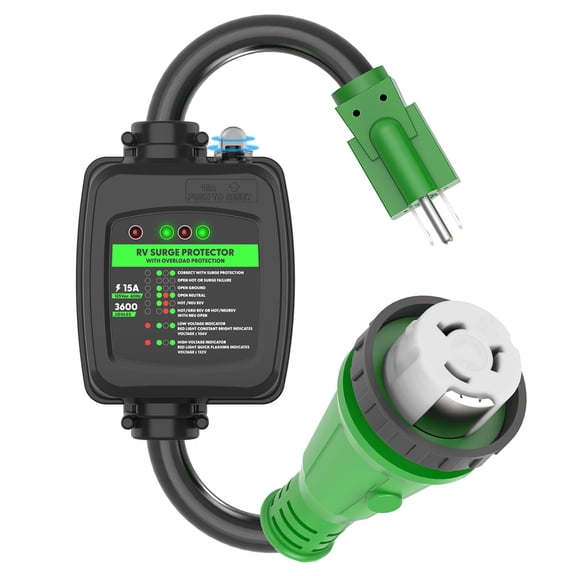
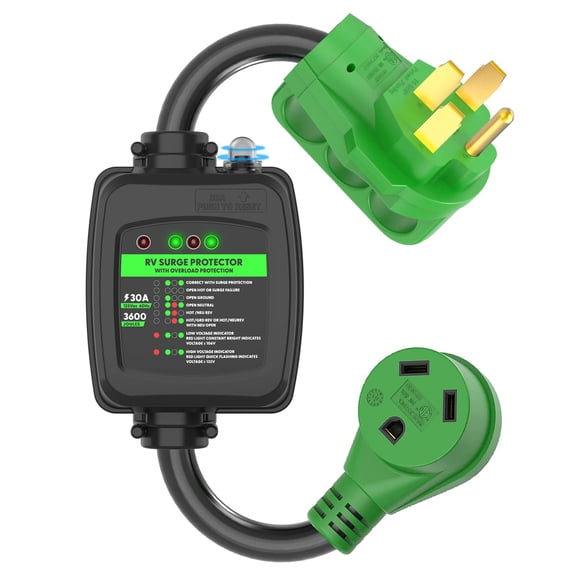
You should start with amperage conversion, because your plug pattern and service level determine which adapter fits your setup. You may need 15 amp to 30 amp, 30 amp to 50 amp, or 50 amp to 30 amp configurations.
If you want an rv to 120v adapter, you should check whether your source outlet is 120V, 110V, or 125V. You can also confirm blade shape and receptacle type before you connect your cord.
You can narrow your options faster when you match the adapter to your RV inlet and your available power source. You'll avoid confusion when you compare exact conversion labels instead of guessing from appearance alone.
- You can connect a 30 amp RV cord to a 50 amp pedestal with the correct adapter configuration.
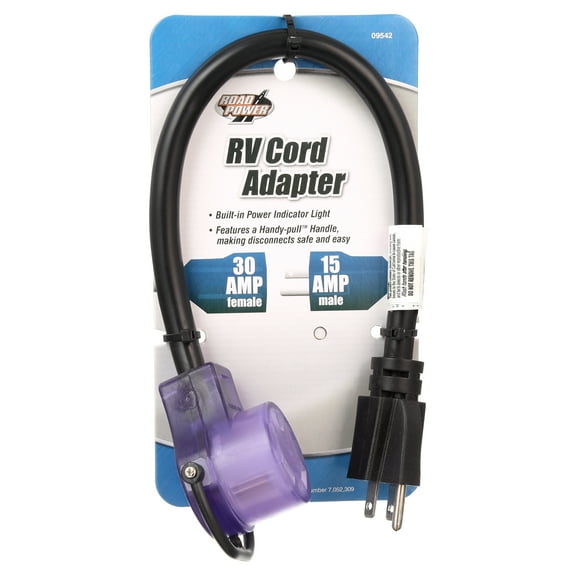
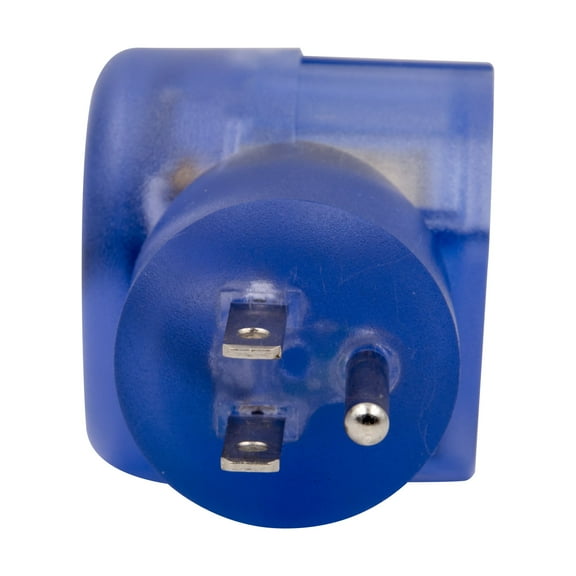
- You can use a 15 amp to 30 amp adapter when your campsite or home outlet has a standard household connection.
- You can choose a 50 amp to 30 amp adapter when your coach and site connections don't match.
- You should verify 110V, 120V, or 125V compatibility when you need an rv plug adapter to 110 style connection.
Comparing RV power cord adapter styles
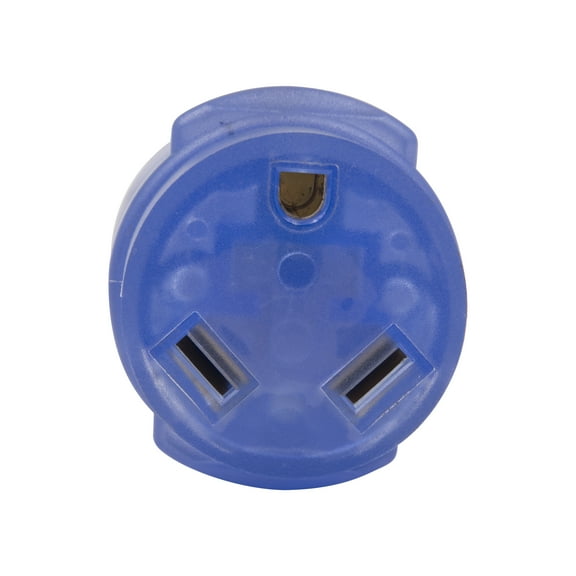
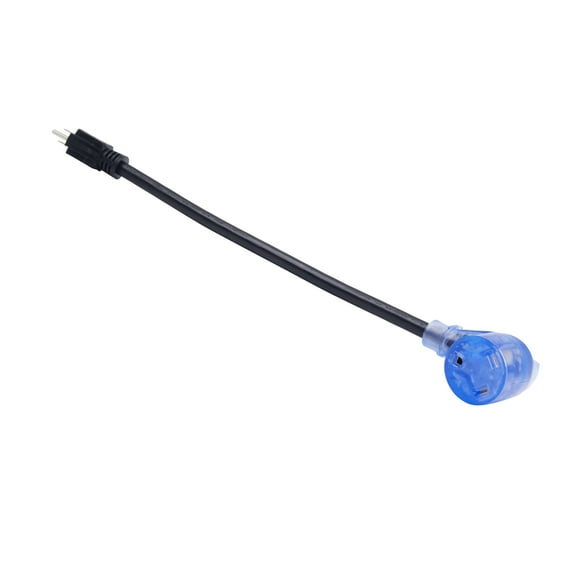
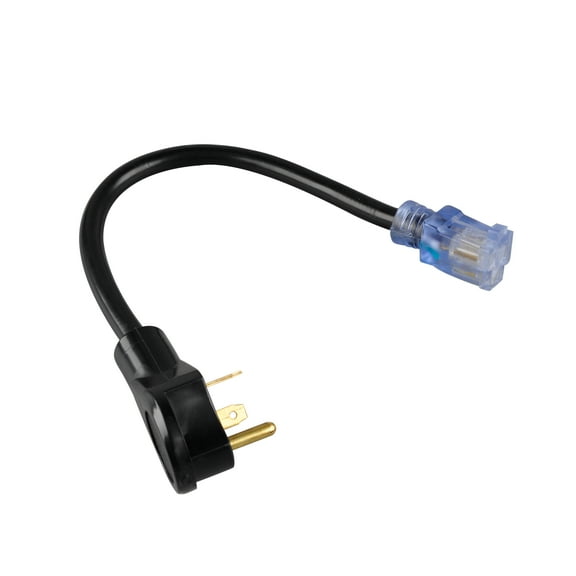
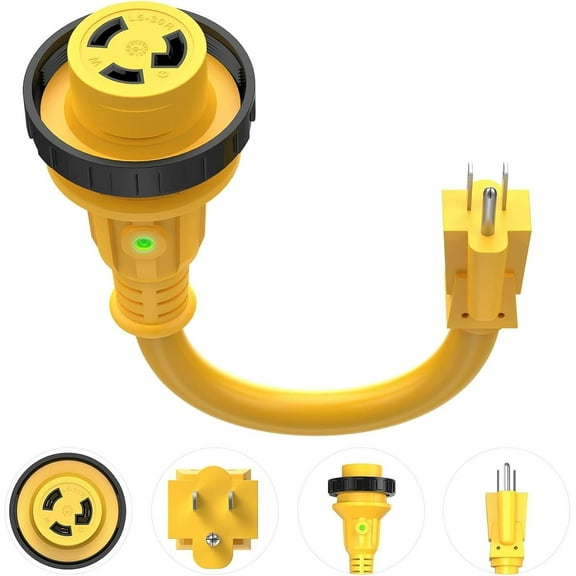
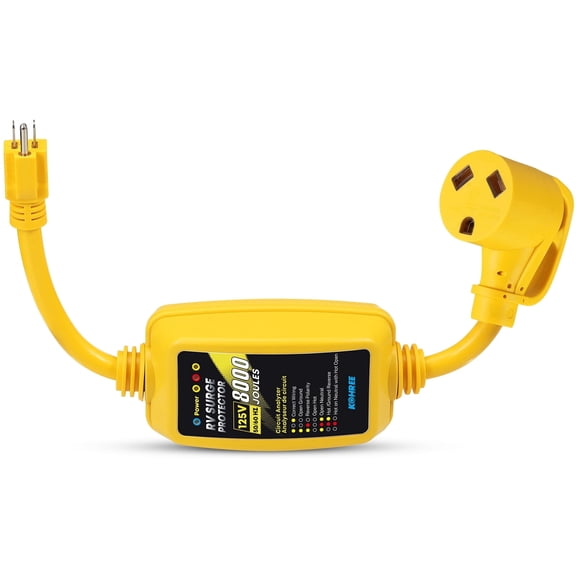
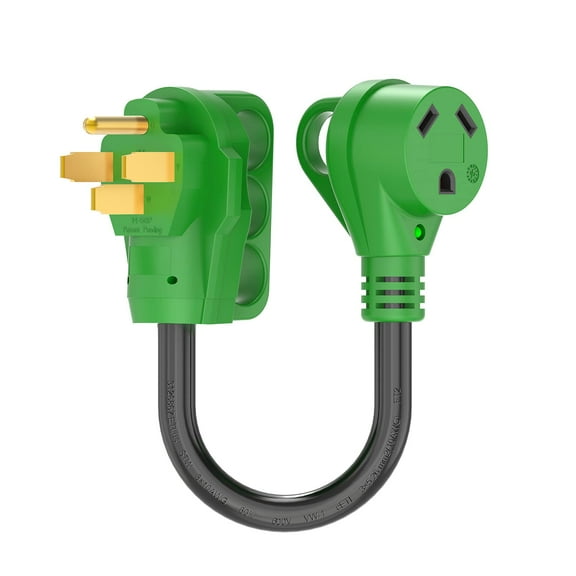
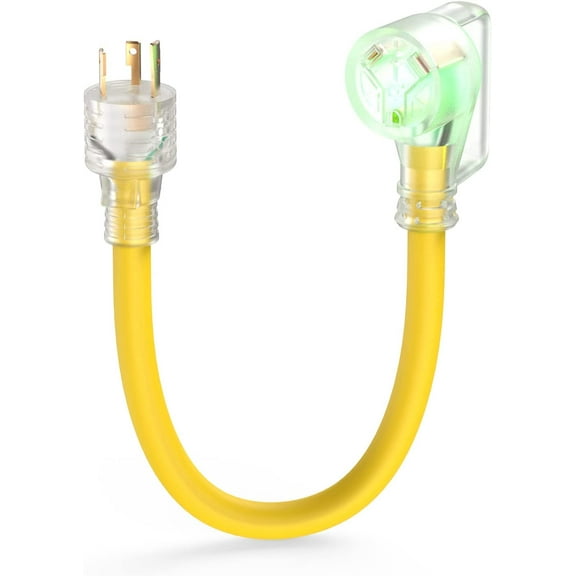
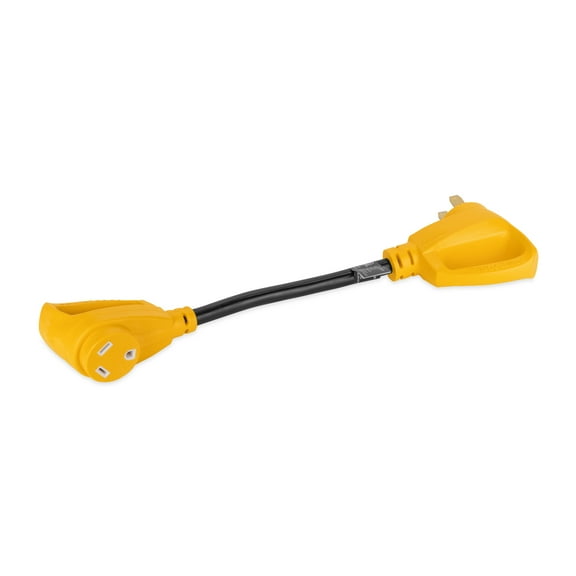
You can choose a dogbone design when you want more flexibility between the outlet and your cord. You'll notice the short cable section helps reduce strain on the pedestal connection.
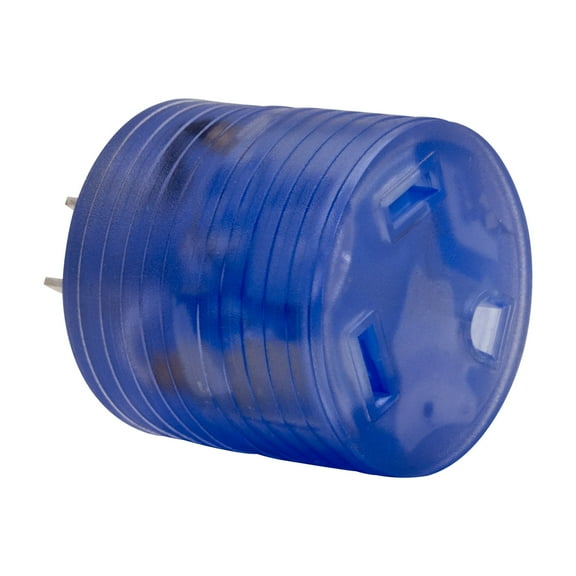
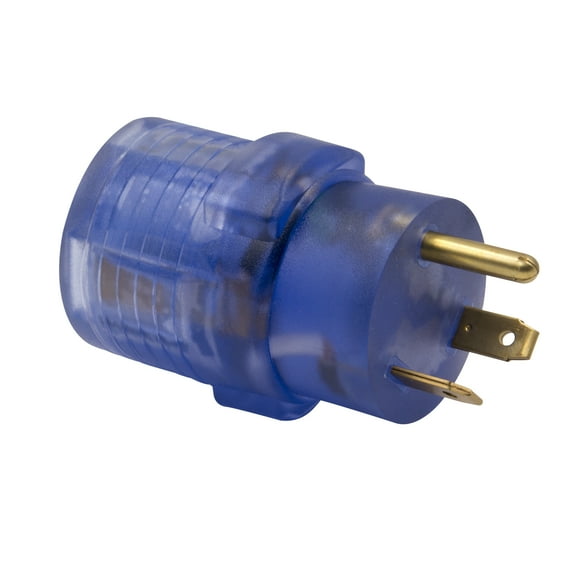
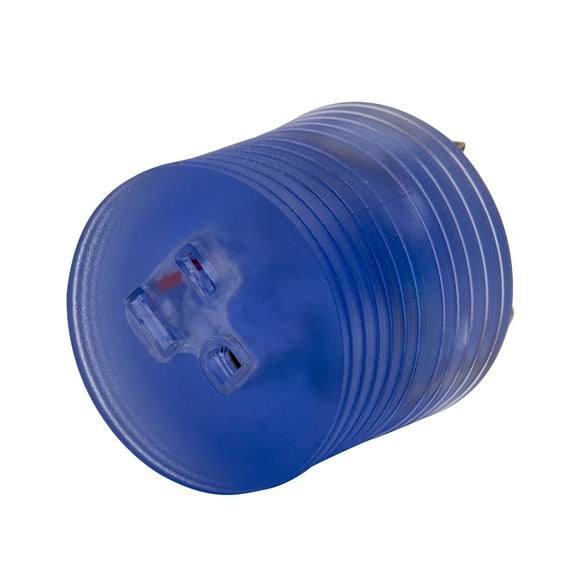
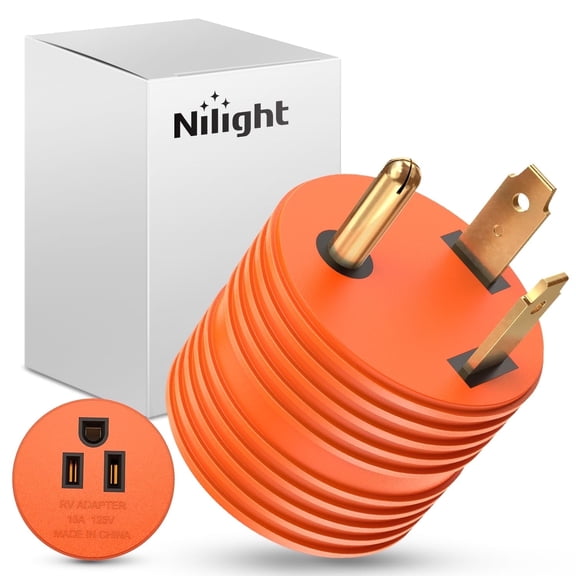
If you want a smaller camper adapter, you can look at compact plug styles for simple storage in bins or side compartments. You may prefer this design when your hookup space is open and your cord angle is straightforward.
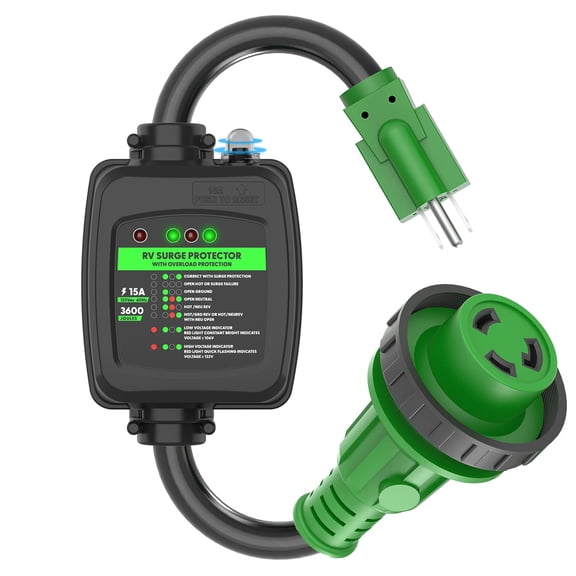
You can also compare Y-adapter options when you need a specialized split connection for compatible setups. You should check connector ends carefully, because this style serves a narrower use case.
When you compare styles, you should think about outlet clearance, cord weight, and storage space in your rig. You'll make a cleaner choice when the adapter shape matches your camping routine.
Checking voltage compatibility and certifications
You should confirm voltage markings before you choose a camper extension cord adapter for regular travel or home prep. You'll often see 110V, 120V, or 125V labels that help you match available power.
If technical details matter to your setup, you can look for UL listed or ETL certified options. You'll get a clear reference point for products designed to meet recognized electrical testing standards.
You should also review any stated IP rating when you expect outdoor exposure around hookups and storage bays. You'll understand faster how the housing protects against wet or dusty conditions.
When you compare labels, you can focus on what helps your connection stay consistent at the campsite. You'll want markings that are easy to read before early departures or late arrivals.
What to look for in material and durability
You can compare heavy-duty PVC jackets, molded copper contacts, and weather-resistant housings as practical signs of durability. You'll usually want these details when your adapter rides in storage compartments and works outdoors.
If your cord feels heavy or your connection sits at an angle, you should look for molded construction that supports repeated plugging. You'll appreciate a solid grip design when your hands are cold or damp.
You can use weather-resistant materials to handle changing campground conditions through repeated trips and seasonal storage. You'll also want a casing that wipes clean after dirt, gravel, or road spray.
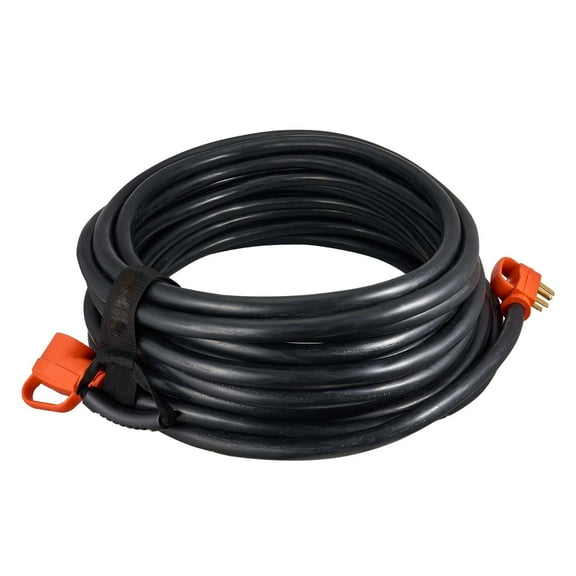
When you review durability details, you should match them to how often you camp and where you connect. You may need sturdier materials for frequent travel, long stays, or generator use.
Matching a camper adapter to real setups
You can use a camper adapter at home when you want to connect your RV to a standard household outlet. You'll typically look for a 15 amp to 30 amp option in that situation.
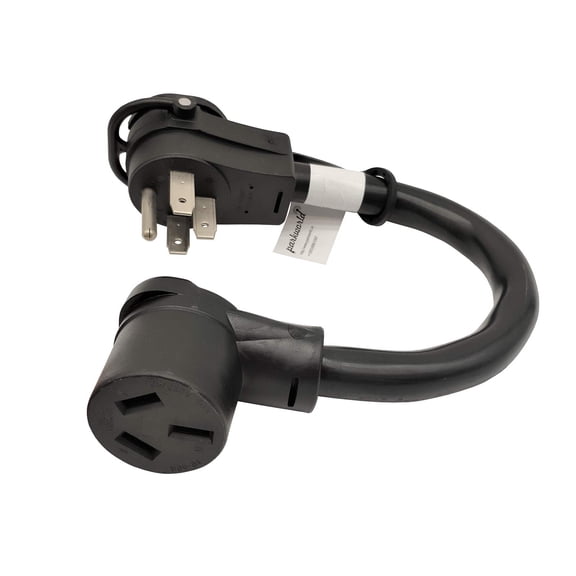
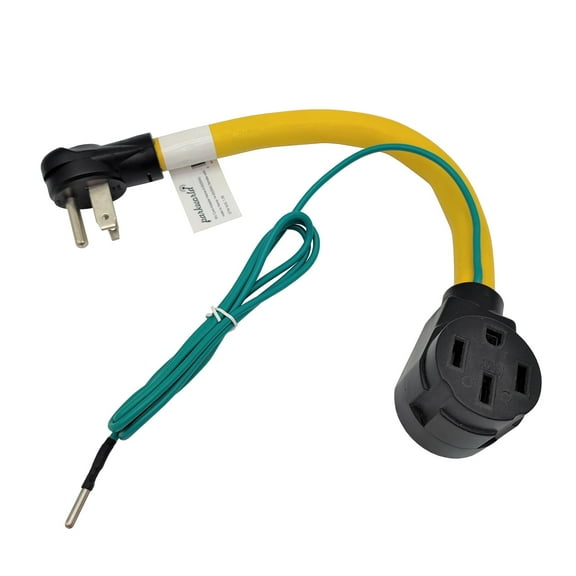
If your campsite pedestal offers a different receptacle than your coach cord, you can solve that mismatch with the right conversion. You'll often need an rv power cord adapter for 30 amp and 50 amp service changes.
You can choose a dogbone camper extension cord adapter when your cord is heavy and your outlet position is awkward. You'll reduce pull on the connection point and gain more flexibility at the pedestal.
When you're packing for varied campgrounds, you can keep more than one rv electrical adapters configuration ready in your storage bay. You'll be prepared for household outlets, campground pedestals, and common generator connections.
If you want a compact backup, you can carry a smaller rv adaptor for occasional compatibility changes. You'll like that it takes less room when your compartment space is limited.
You can make a more confident choice when you compare amperage conversion, style, voltage markings, and weather-ready construction together. You'll end with a connection setup that fits your RV, your cord, and your travel routine.