

RV Adapter Plugs in RV Plugs

About RV Adapter Plugs in RV Plugs - Walmart.com
Your rv adapter plug choice affects how easily you connect your rig to campground pedestals, home outlets, and generator power. You need the right amperage conversion, plug design, and voltage match for your RV, camper, or travel trailer.
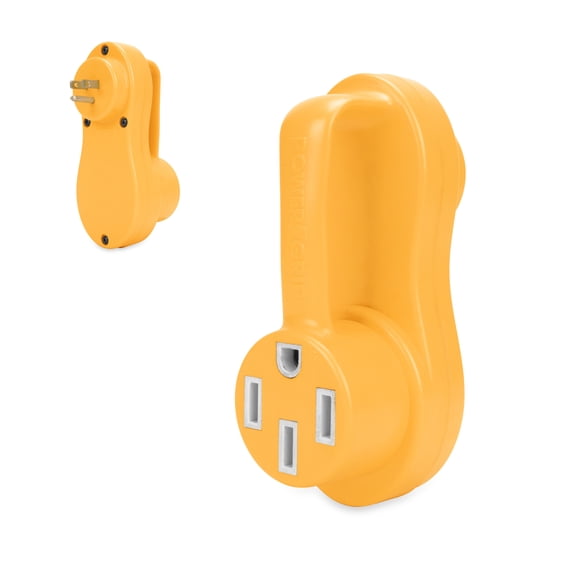
When you compare this category, you should focus on conversion paths like 30 Amp to 15 Amp and 50 Amp to 30 Amp. You should also check whether you want a dogbone style, a block adapter, or a connector plug.
Choosing the right RV adapter plug
You should start with amperage configuration because it determines which outlet your rig can use. You can match common setups like 30 Amp to 15 Amp, 15 Amp to 30 Amp, and 50 Amp to 30 Amp.
If you use a 30 Amp RV at home, you may need an adapter that fits a standard household outlet. If you run a larger coach, you may need a 50 Amp to 30 Amp option for wide hookup flexibility.
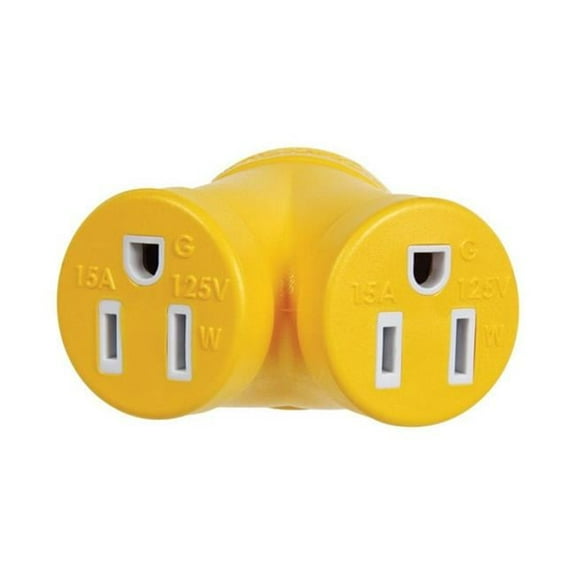
You should also compare voltage compatibility before you connect at a campsite or generator. You may see 125V and 250V options, and your setup should match your power source.
- You can connect your RV to different outlet types with the correct amperage conversion.
- You can reduce cable strain by choosing a plug design that fits your space.
- You can spot active power quickly when your adapter includes an indicator light.
- You can use outdoor hookups with confidence when your adapter has weather-resistant construction.
How to compare camper adapter plug designs
You should compare dogbone and block styles based on space, cord position, and strain relief. You may find dogbone designs simple to manage when your RV cord is heavy or stiff.
A dogbone layout gives you a short flexible section between ends, which can reduce pull at the outlet. A block adapter keeps a compact shape, which can work well when you have tight storage space.
You may also prefer a connector plug style when you want a direct, simple connection point. You should look for molded grips, firm blades, and easy-to-hold ends during setup.
If you connect often, you should check whether the adapter includes a power indicator light. You can confirm power at a glance, which helps you verify the hookup before you settle in.
Key features in RV electrical adapter plugs
You should read the label for amperage and voltage before making your choice. You can avoid guesswork by matching the adapter rating to your RV inlet and the outlet source.
Weather-resistant construction matters because you often connect outdoors in changing conditions. You should look for sealed housings, sturdy jackets, and IP-rated protection when the manufacturer lists that information.
You may want thick cord sections when you handle repeated setup and takedown through the season. You can also look for molded ends that help your grip when you unplug after a long stay.
If you want an rv outlet adapter for generator use, you should compare plug shapes carefully. You can prevent fit issues by checking blade layout, receptacle type, and the stated application.
You should also compare whether the adapter carries an RV label, a camper label, or a travel trailer label. You can use those application notes to narrow choices when several configurations look similar.
What to look for in camper outlet adapter setups
You should match the adapter to the way you camp and the places you connect. You may need different travel trailer adapter plugs for home prep, full-hookup parks, or generator backup.
If you store your trailer at home, you may want a 15 Amp to 30 Amp setup for light connection needs. If you visit older campgrounds, you may need a camper outlet adapter that fits limited pedestal options.
When you use a generator, you should verify both the receptacle type and the voltage listing. You can also check cord reach and body shape if your generator panel has close outlet spacing.
If your RV cord feels heavy, you may prefer a camper converter plug with a dogbone body. You can ease outlet stress and gain flexibility when the cord hangs at an angle.
You should think about storage too, because compact adapters fit bins and pass-through compartments easily. You may keep multiple adapters on hand when you travel between parks with different hookups.
You can also pair these adapters with related RV extension cords, surge protectors, and generator accessories. You can build a complete power setup when each connection point matches your rig.
Choosing travel trailer adapter plugs with confidence
You should focus on your rig's amperage, the outlet you plan to use, and the plug design you prefer. You can narrow the field quickly when you compare those three details first.
With the right rv adapter plug, you can connect smoothly at home, at the campground, or with generator power. You get a setup that fits your RV power needs with less trial and error.