


Find auto parts that fit
Let’s search for parts that fit your vehicle.Ignition and Tune Up in Engine & Powertrain Replacement Parts




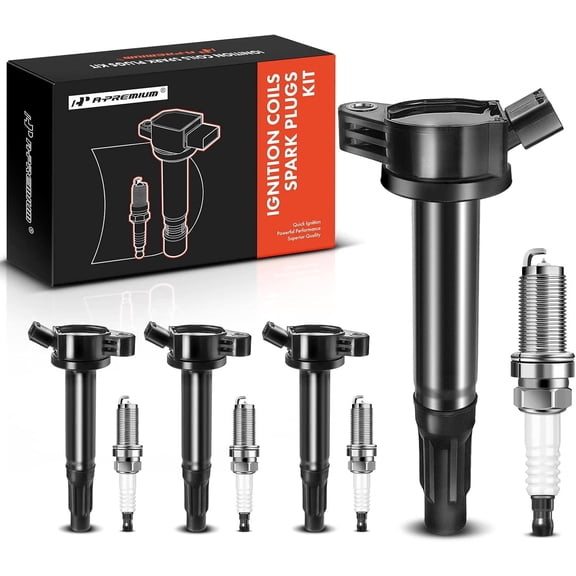
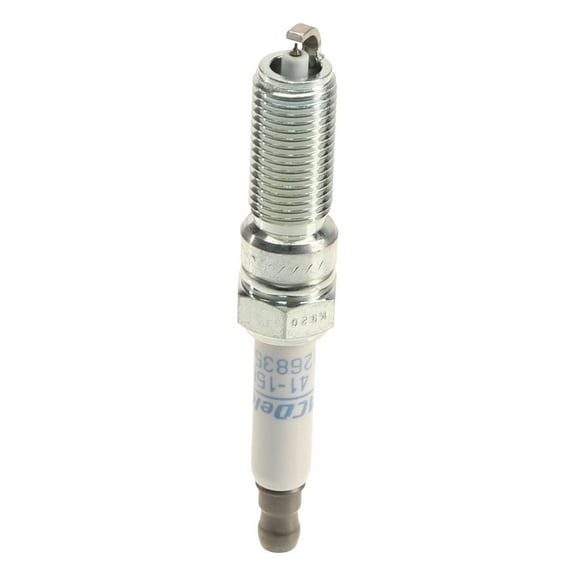
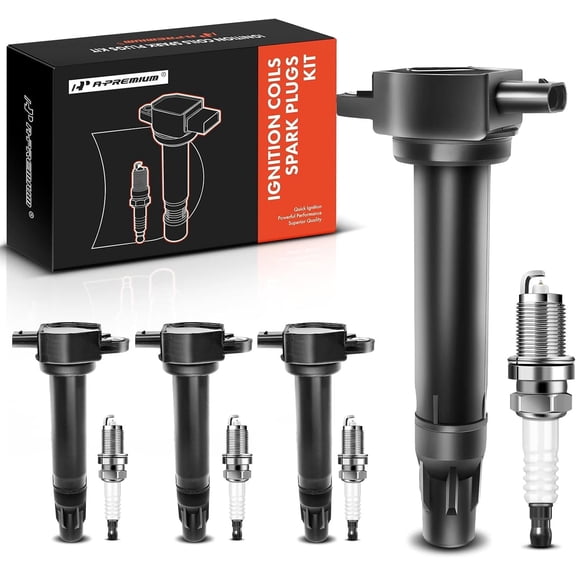


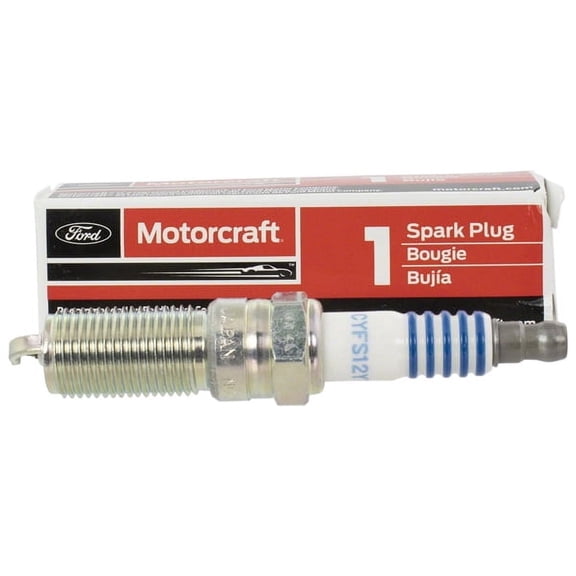


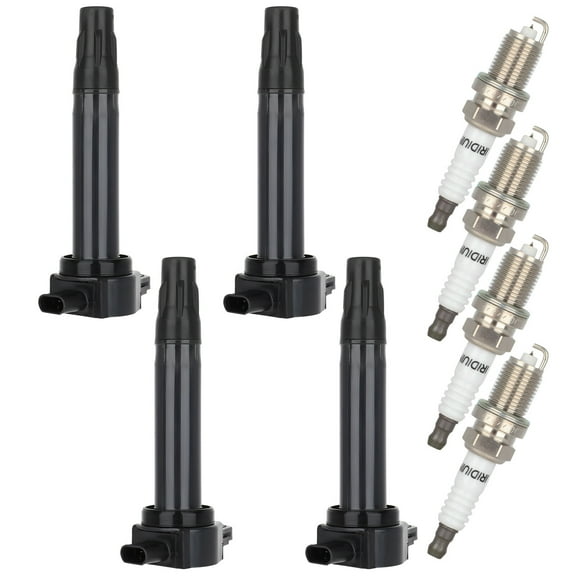

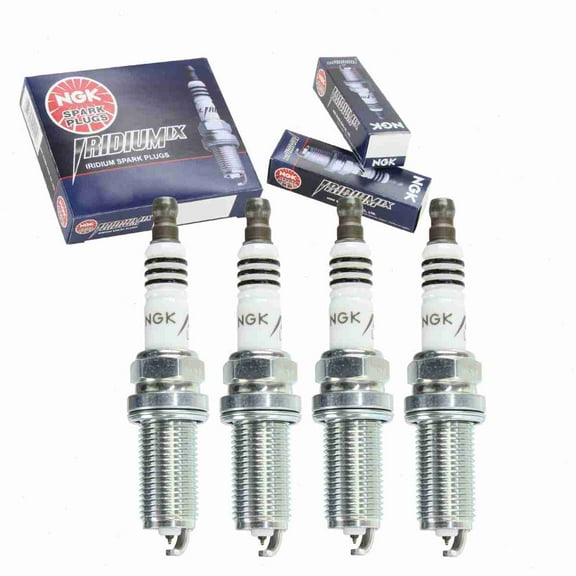


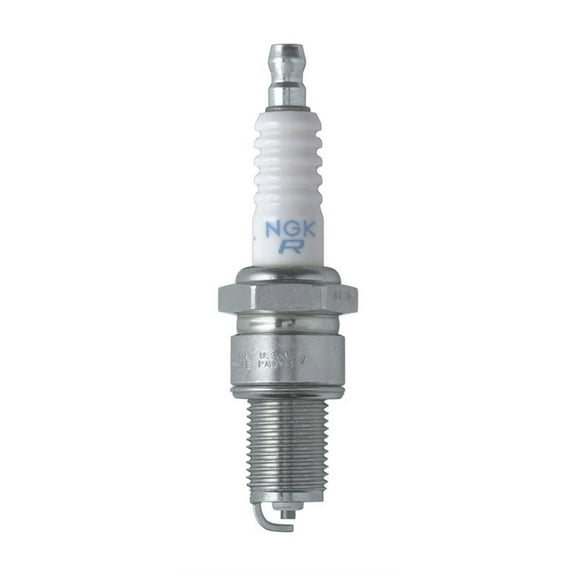
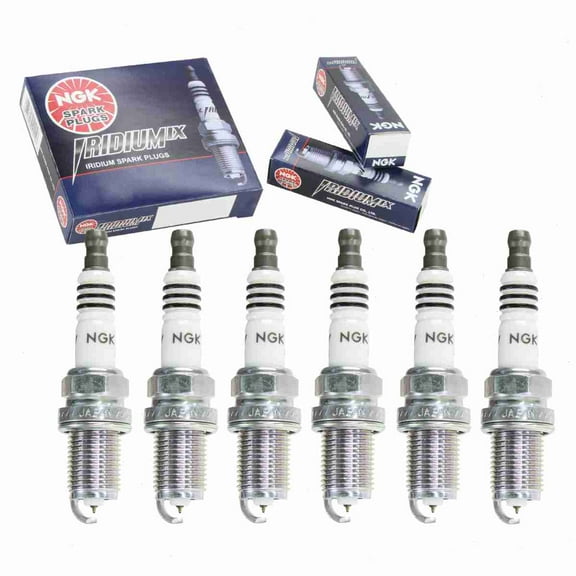

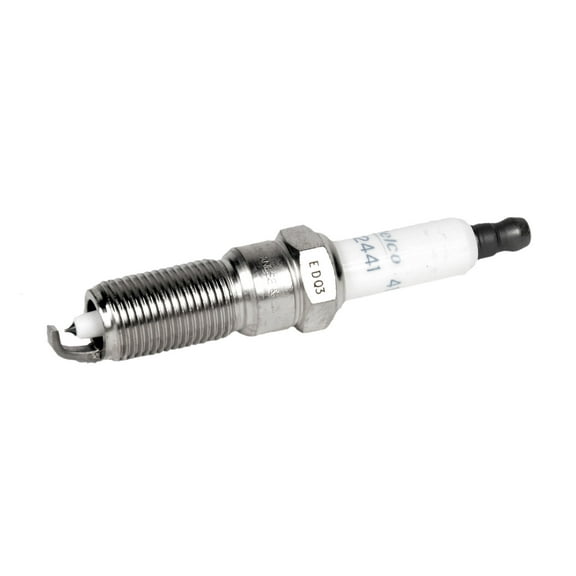

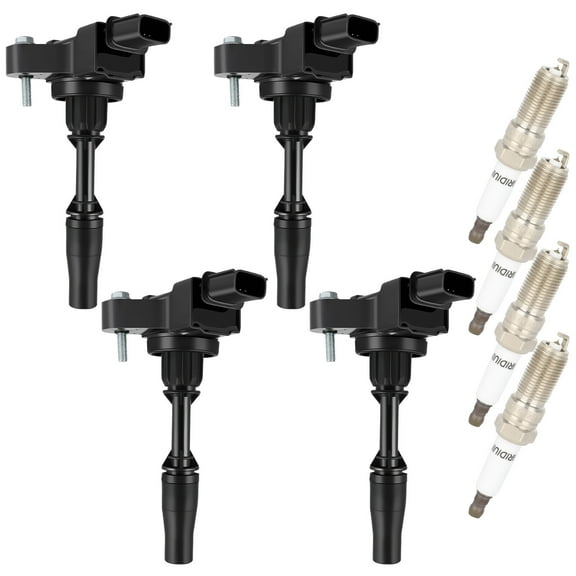


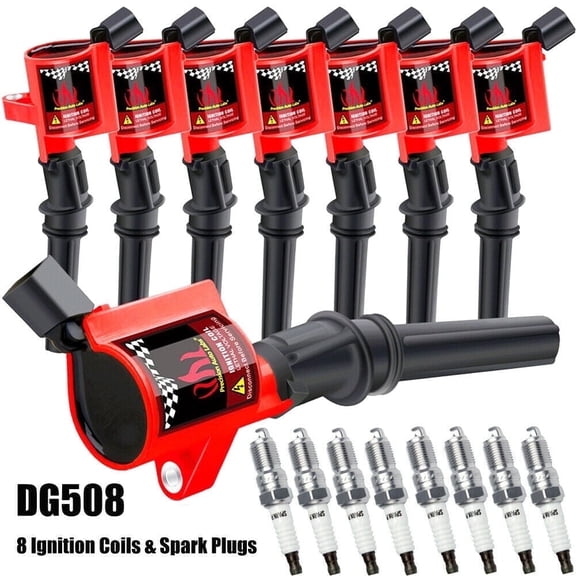


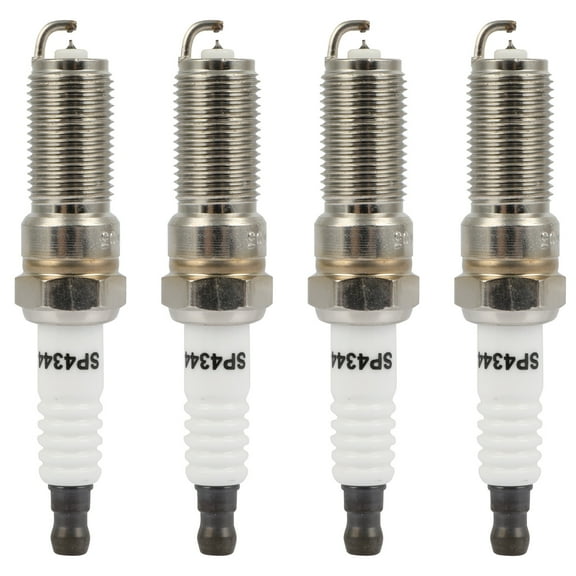


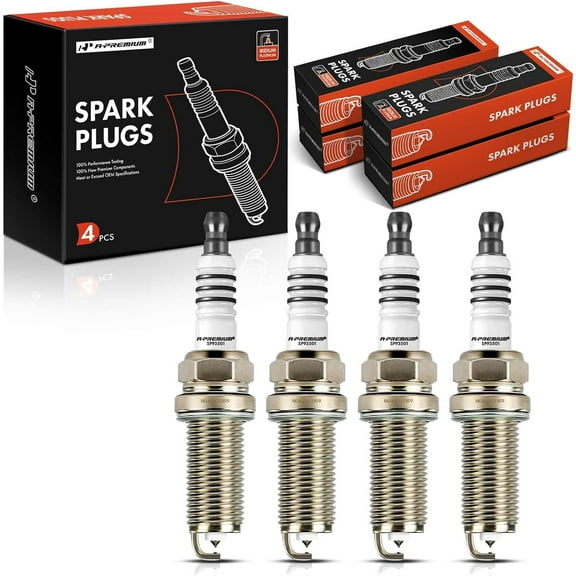
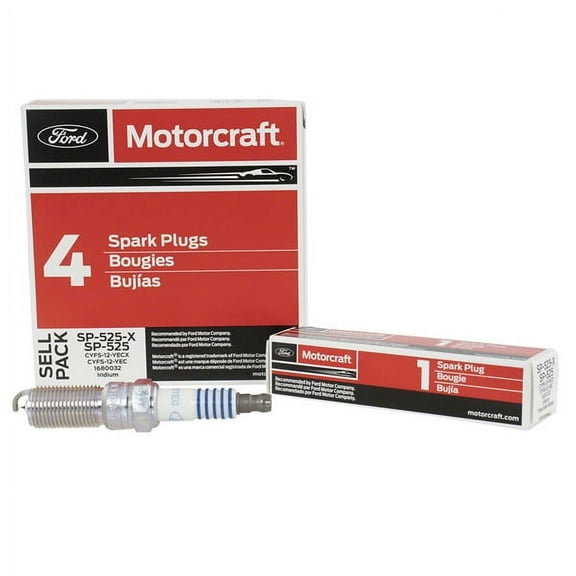
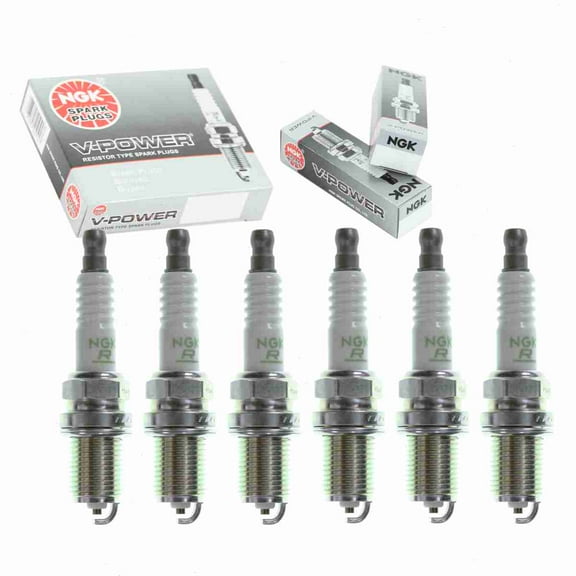


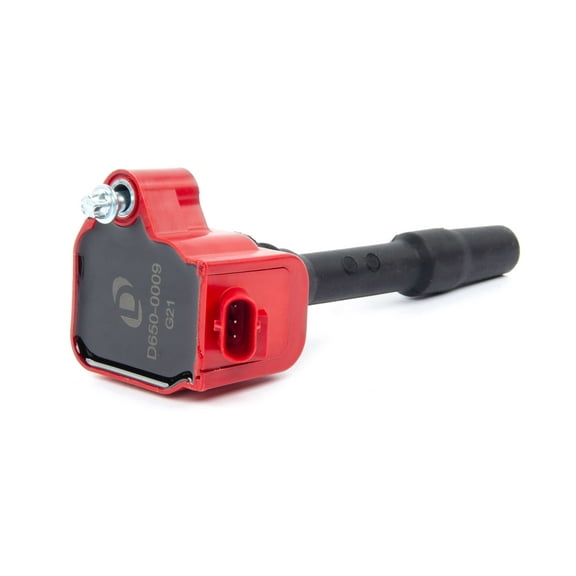

About Ignition and Tune Up in Engine & Powertrain Replacement Parts - Walmart.com
Your ignition tune up starts with parts that match your vehicle and engine setup. You can compare complete kits, plug sets, and ignition components by year, make, model, and engine size.
When you choose vehicle-specific ignition parts, you can support smooth starts and steady response. You can also avoid mix-and-match guesswork by checking fitment details before you order.
Choosing the right ignition tune up
You should start with vehicle fitment, because small differences can change what your engine accepts. You can narrow options by year, make, model, engine size, and sometimes a VIN match.
If you drive a four-cylinder, V6, V8, or turbocharged vehicle, you need parts built for that layout. You should also check spark plug gap requirements, because the wrong gap can affect fit.
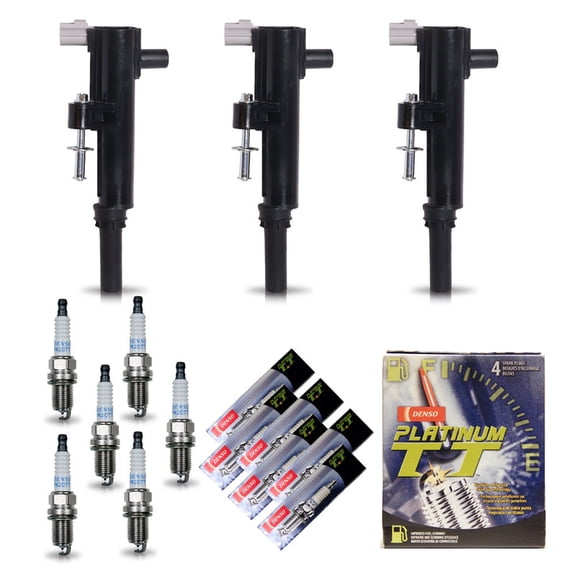
You may prefer an ignition tune up kit when you want matching parts in one package. You can also choose separate components when you only need a spark plug and wire set.
What to compare in kit contents
You should compare kit completeness before you decide, especially if you want minimal installation surprises. You may find sets with spark plugs, ignition wires, distributor pieces, or other replacement parts.
- You can choose a complete ignition tune up kit when you want key wear items grouped together.
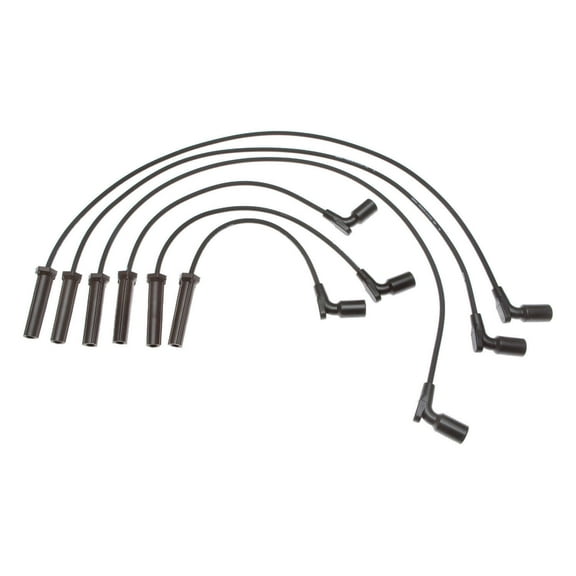
- You can look for a spark plug and wire set when your plugs and wires need replacement together.
- You can check for a distributor cap and rotor if your vehicle uses a distributor-based ignition system.
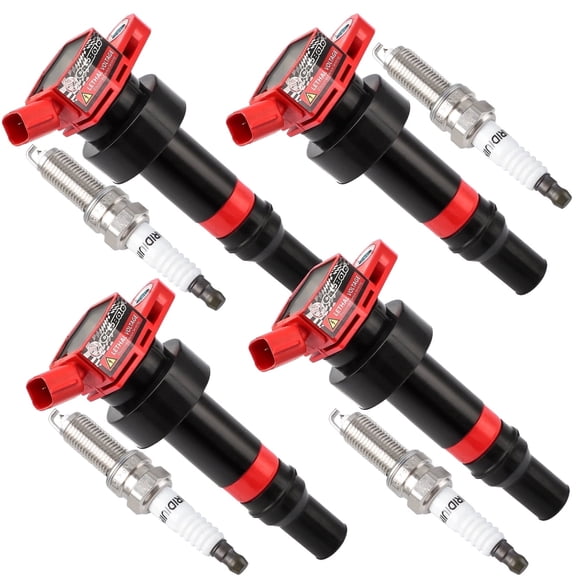
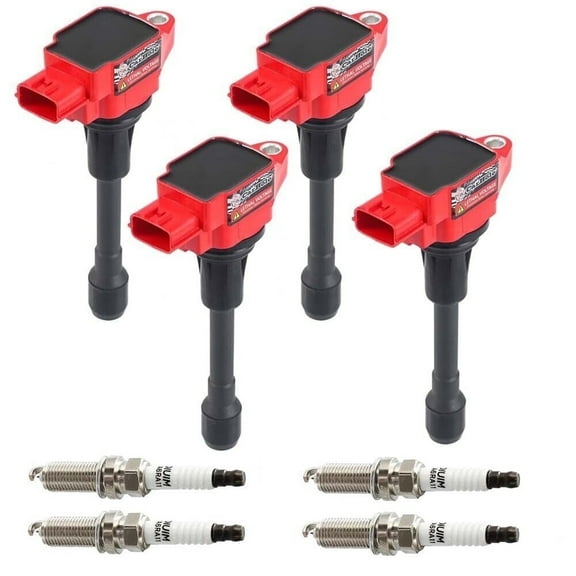
- You can review ignition coil pack replacement options when your vehicle uses coil packs or coil-on-plug designs.
You should confirm every included part before you buy, because kit contents vary by application. You can use the product details to see whether the kit includes boots, terminals, or distributor parts.
Some vehicles use modern coil systems, while others use older distributor components. You can match the right setup quickly when you compare your current ignition layout with the listing details.
Comparing spark plugs and material grades
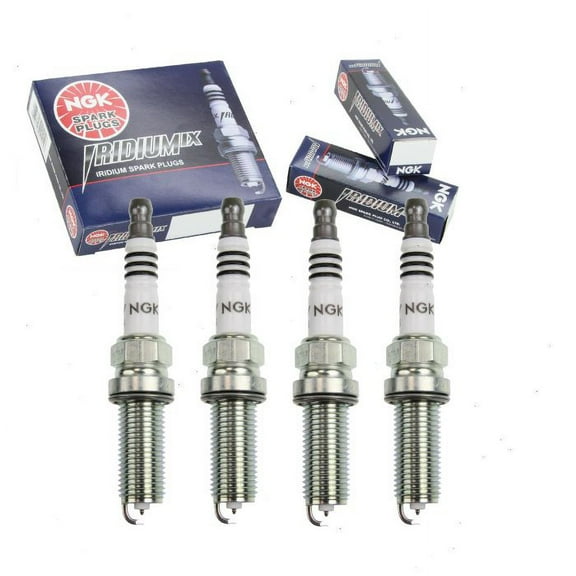
You can use spark plug material as a simple way to compare maintenance needs and driving habits. You may see copper, platinum, double platinum, and iridium options across this category.
You may choose copper plugs when your engine calls for a traditional design. You may choose iridium or platinum when your vehicle calls for durable plug materials.
You should check your owner's manual or fitment guide before changing material grades. You can keep the right heat range and design for your engine when you follow vehicle-specific recommendations.
Double platinum plugs can make sense when your ignition system uses that electrode style. You can compare those options with iridium choices if your vehicle accepts either type.
How to compare ignition tune up features
You can make a quick decision when you compare technical details with a plain-language benefit. You should look at engine size, cylinder count, and connector style before you choose replacement parts.
If your engine uses specific wire lengths, you need a set built for that routing path. You can get a cleaner installation when each wire reaches the correct cylinder without extra slack.
You should also compare terminal ends, boot shapes, and distributor compatibility where those parts apply. You can avoid returns when you match these details to your current setup.
For spark plugs, you may notice details like preset gap, thread reach, and seat type. You can use those specs to match what your engine manufacturer recommends.
If you’re considering ignition coil pack replacement, you should confirm pack style and connector design. You can then match the replacement part to your engine’s electrical layout.
Matching parts to your vehicle and routine
You may want a full refresh when your vehicle has many miles and several ignition parts are due together. You can use a complete kit to simplify maintenance and keep components matched.
If you handle routine driveway maintenance, you may prefer grouped parts with clear compatibility details. You can compare listings quickly when the contents match your engine and cylinder count.
You might only need select items after an inspection or scheduled service interval. You can choose individual plugs, wires, or a distributor cap and rotor without replacing every ignition component.
For older vehicles, you may focus on distributor-based parts that match classic ignition layouts. For newer vehicles, you may focus on coil pack or coil-on-plug replacement options.
If you drive in stop-and-go traffic, you may want durable plug materials for extended service intervals. If you maintain a weekend vehicle, you may prioritize exact fitment and correct component style.
You can also plan around engine type when you compare tune-up parts for commuting or towing. You should check whether your vehicle uses turbocharged, V6, V8, or four-cylinder ignition components.
When to replace ignition tune up parts
You may start comparing parts when your maintenance schedule calls for new plugs, wires, or distributor pieces. You can also use this category when you want vehicle-matched replacement ignition components.
You should look for complete fitment information and clear kit contents before your final choice. You can feel more confident when your ignition tune up parts match your engine and installation plan.
Popular in Ignition and Tune Up in Engine & Powertrain Replacement Parts - Walmart.com
- Mercury Milan Engine Variable Timing Solenoid
- Variable Timing Solenoid Seal
- Msd Crank Trigger Distributor
- Walbro Automotive Electrical
- Edelbrock Cams
- Edelbrock Metering Rods
- Engine Swap Kit
- Volkswagen Touareg Secondary Air Injection Check Valve
- Intake Clamps
- Hydraulic Valve Solenoid
- Honda Idle Air Control Valve
- Gas Mileage Converter