


Find auto parts that fit
Let’s search for parts that fit your vehicle.Control Arms & Components in Suspension Parts & Components

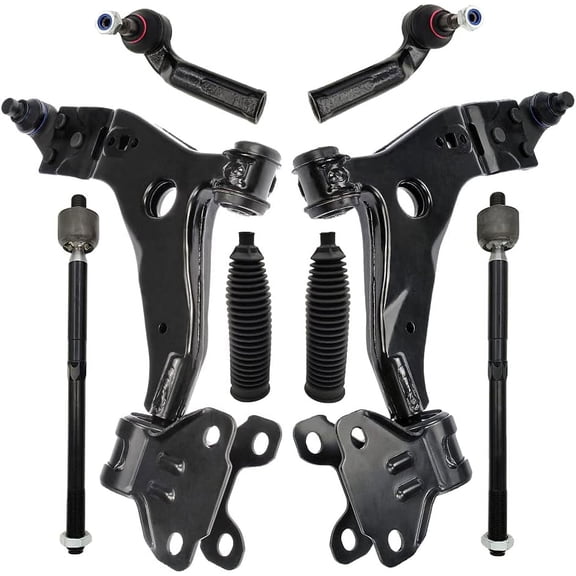

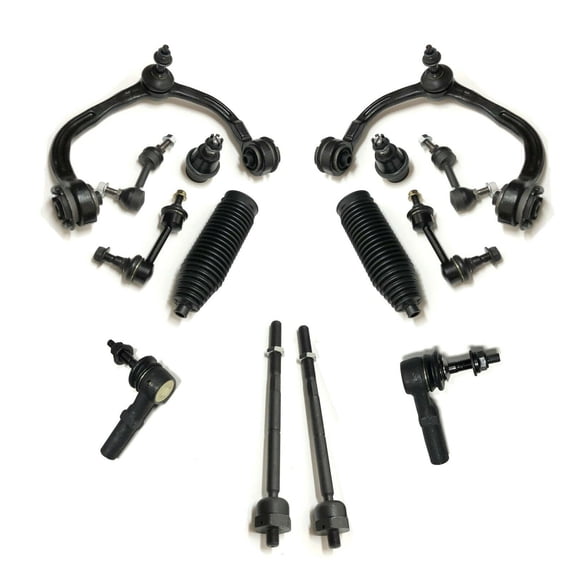
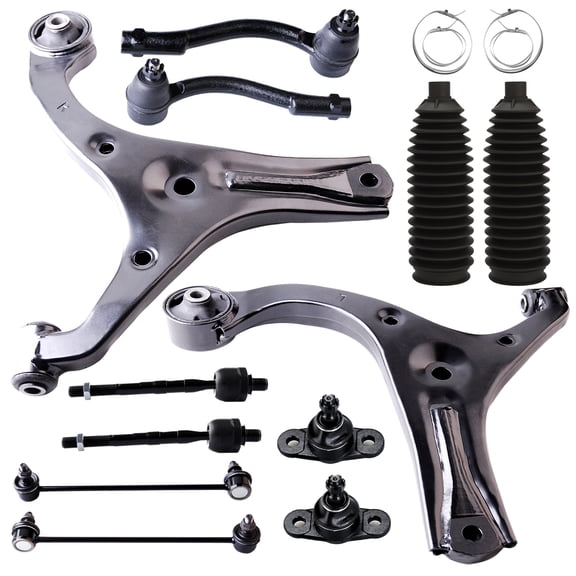
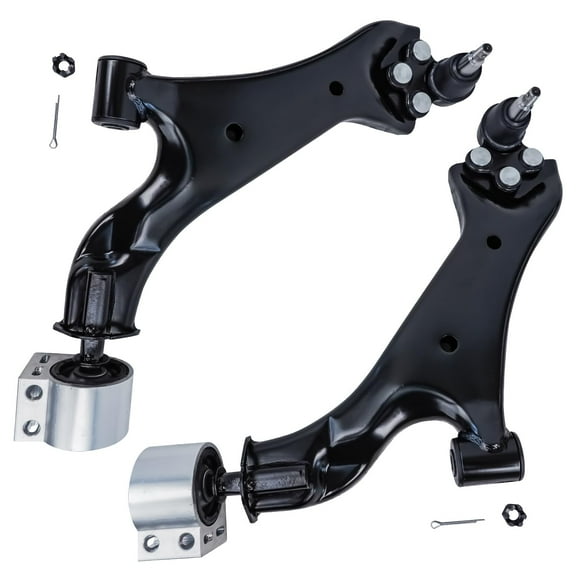
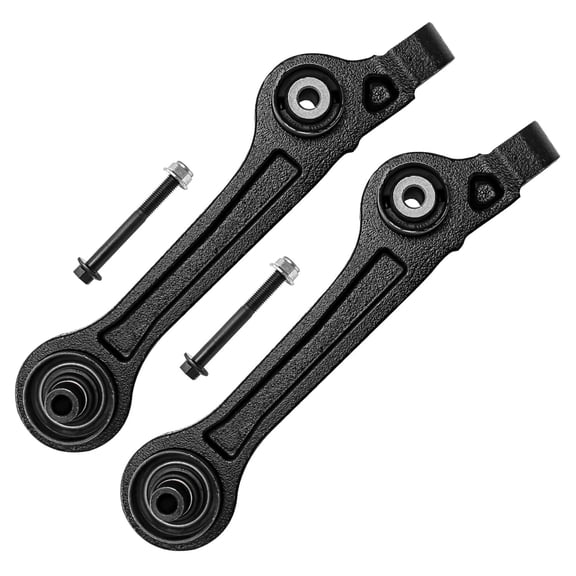

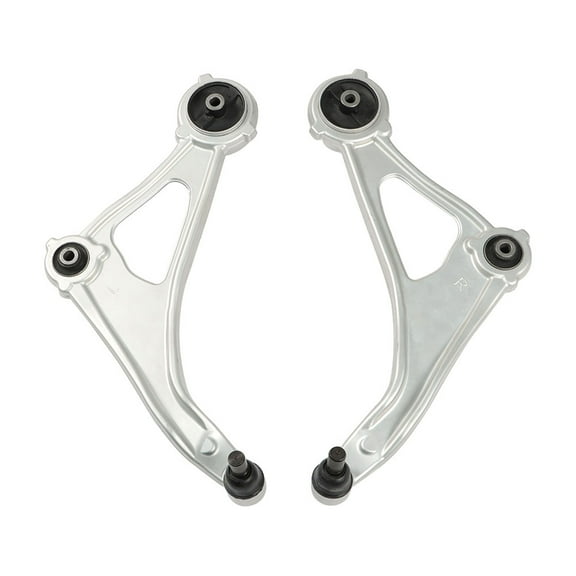
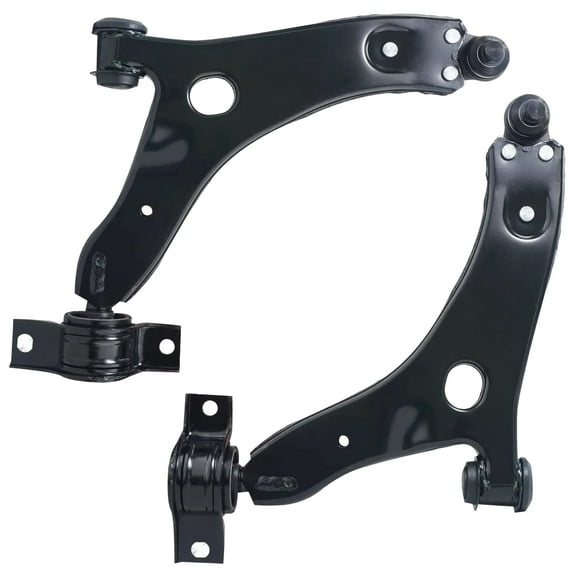

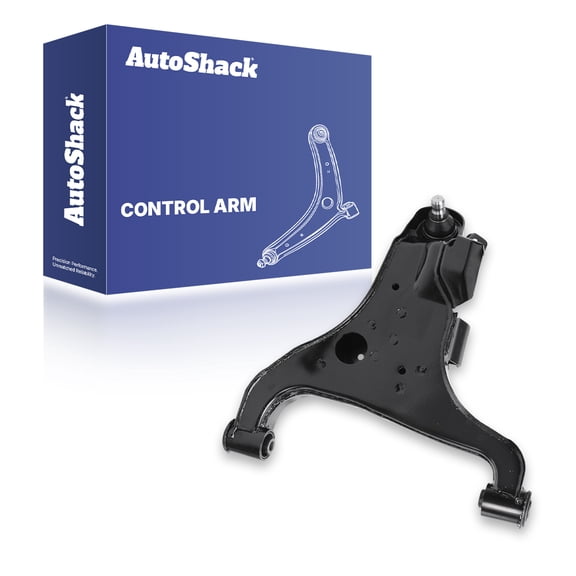
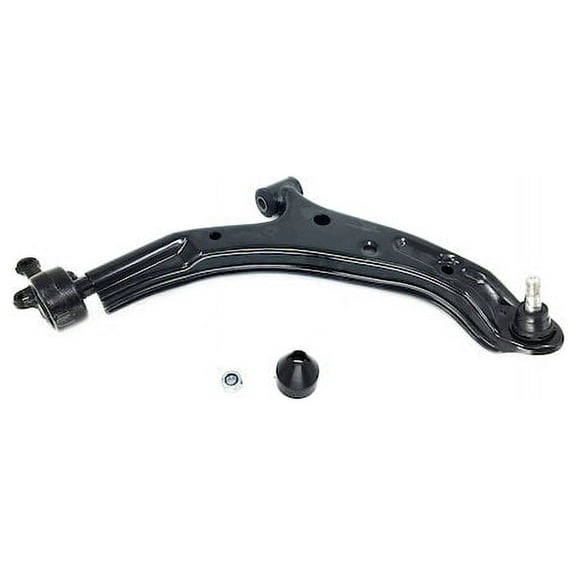
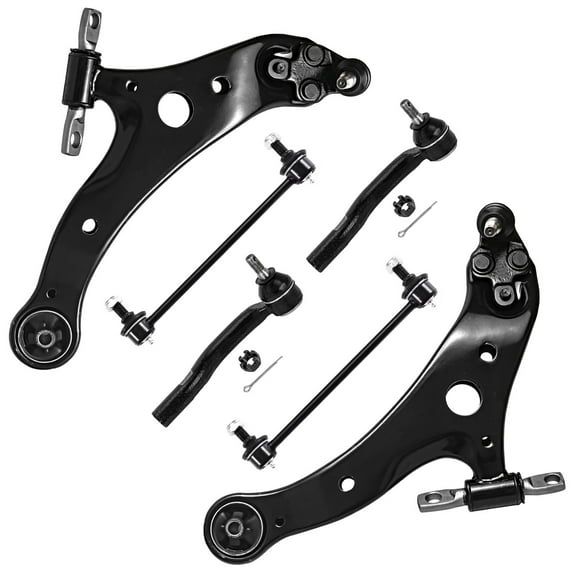
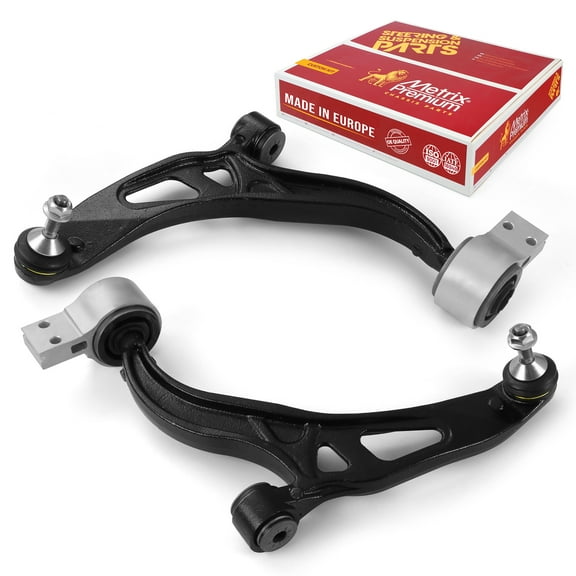
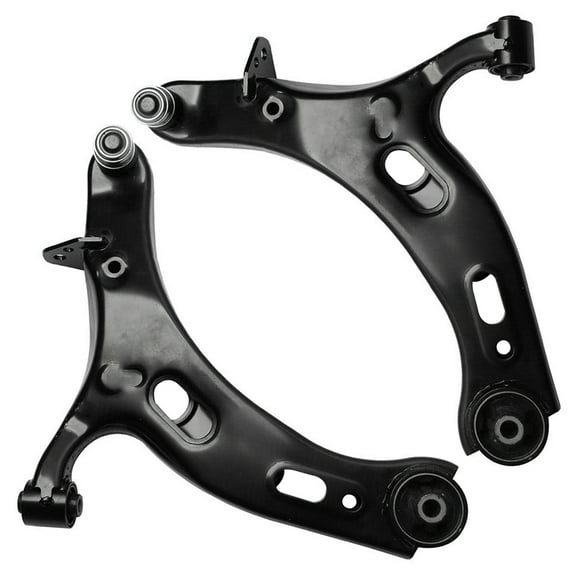
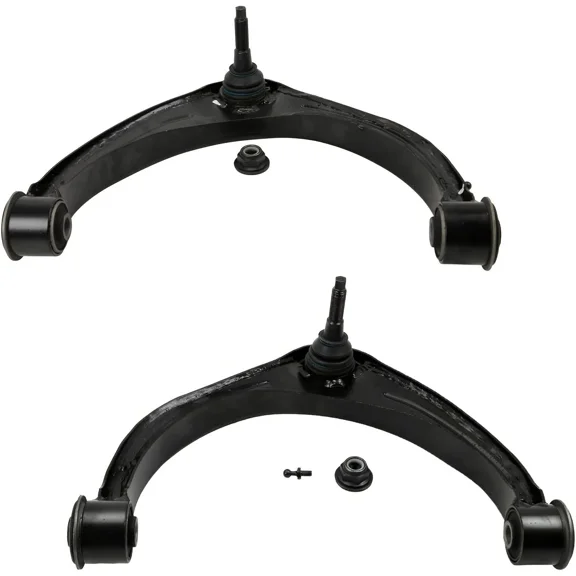
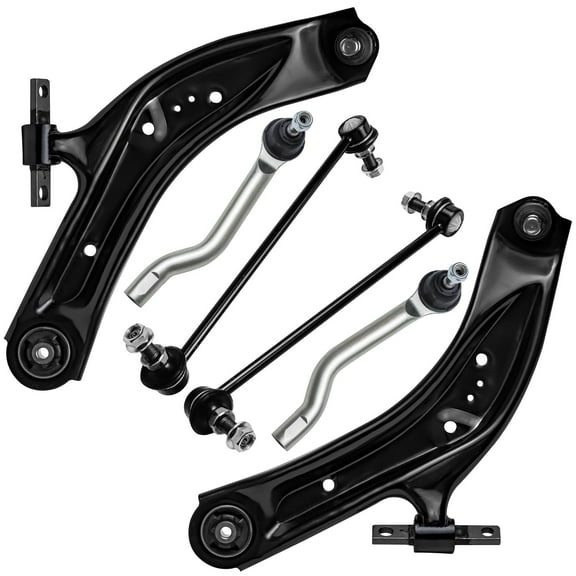
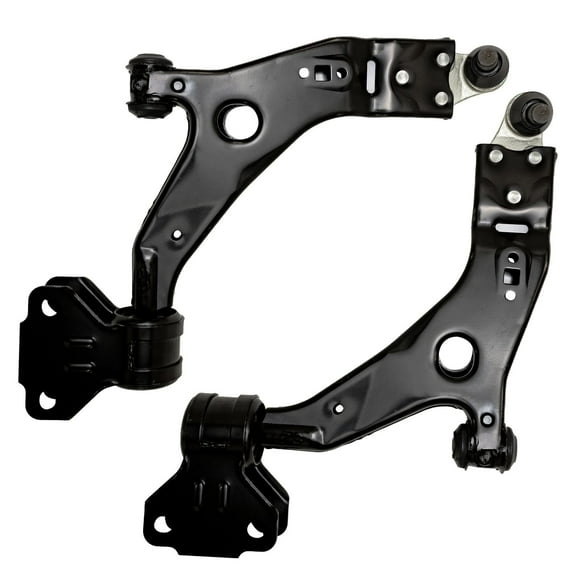
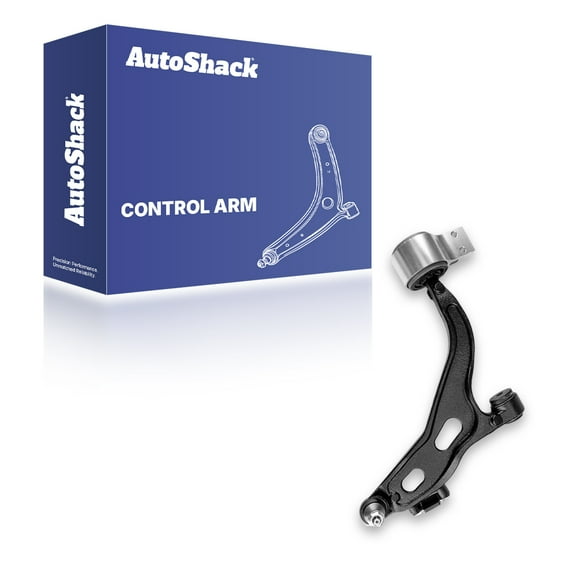
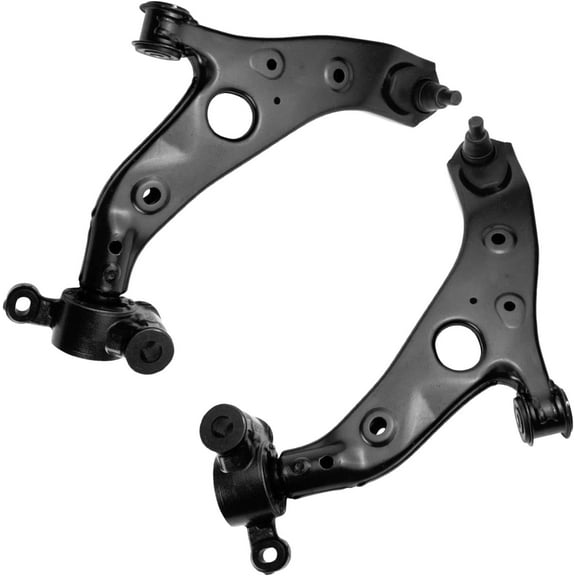
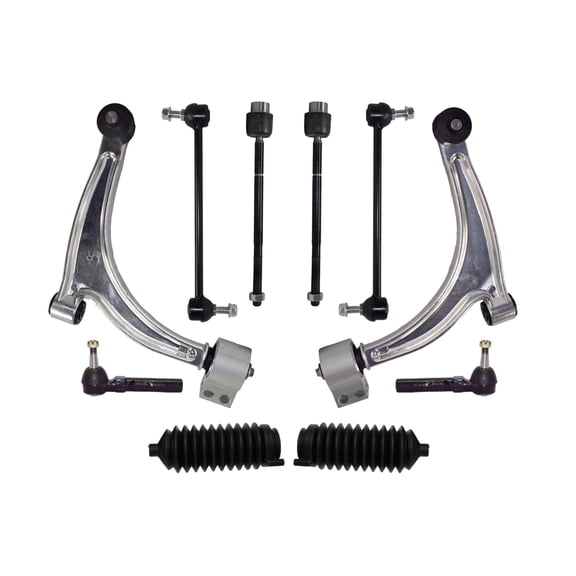

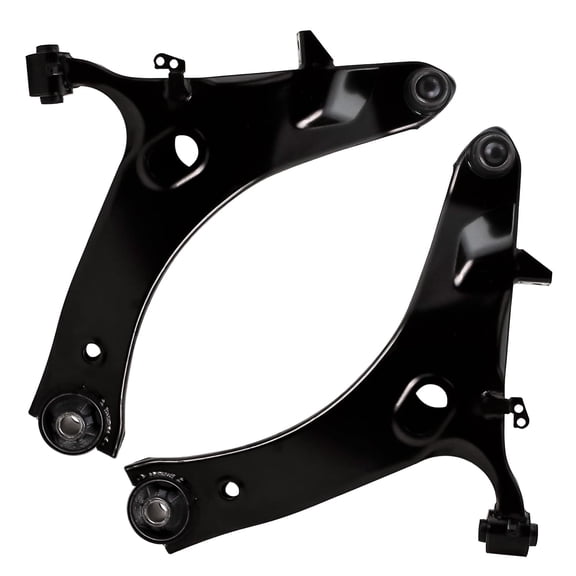

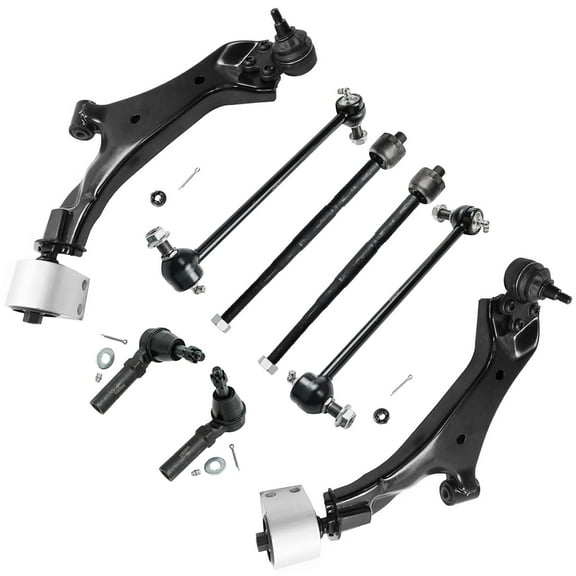


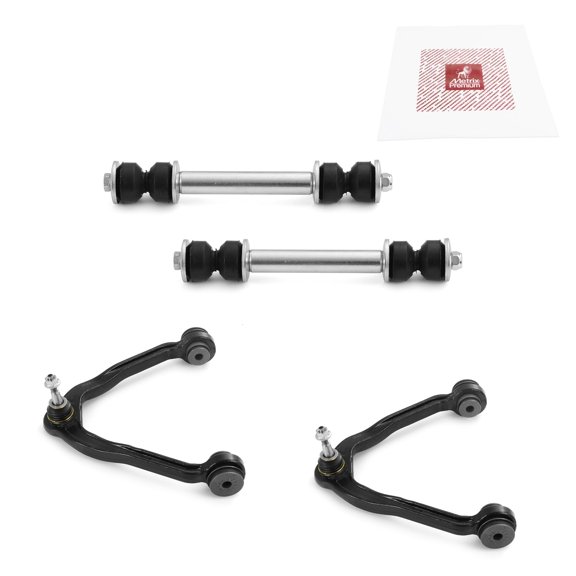
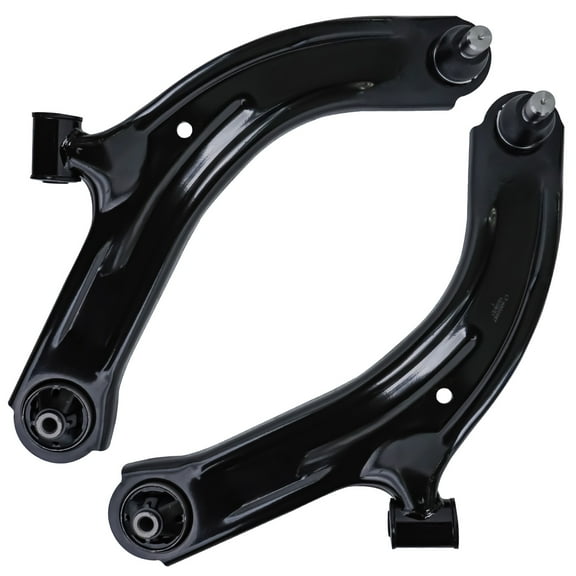
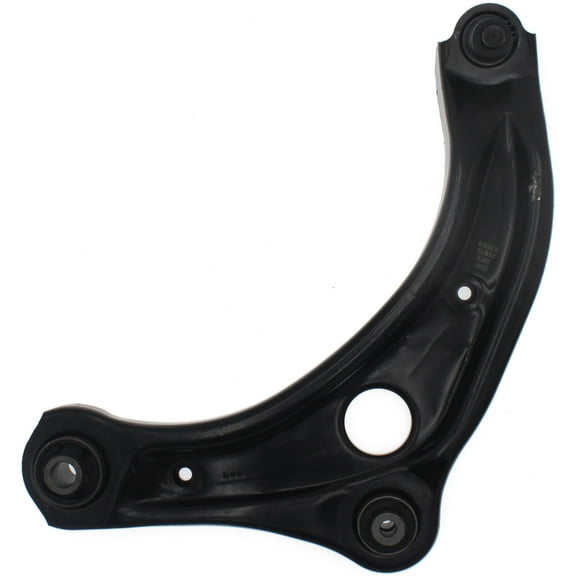
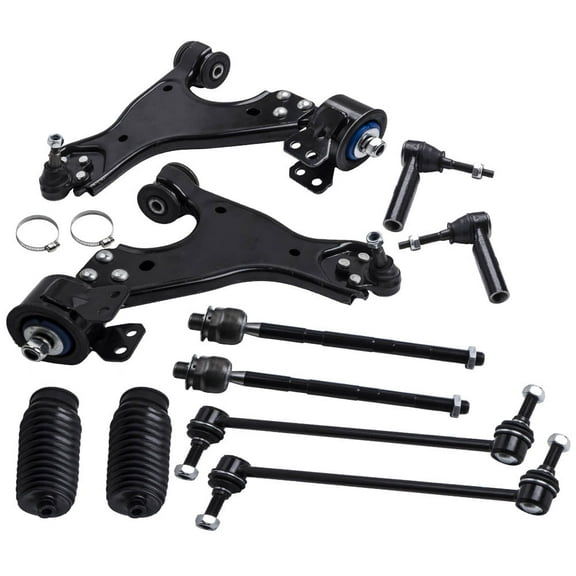
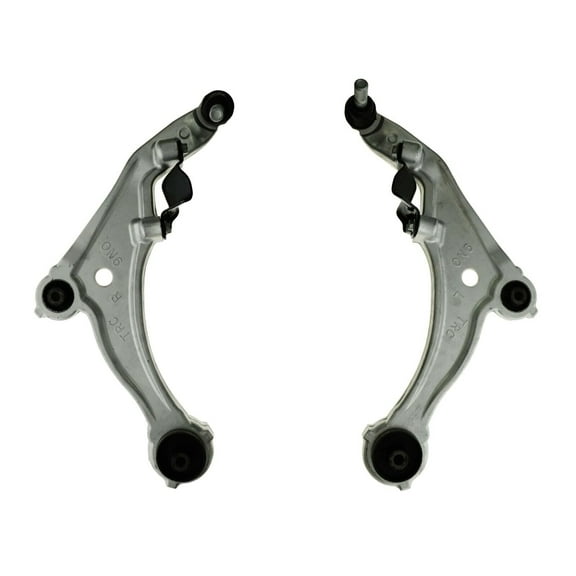

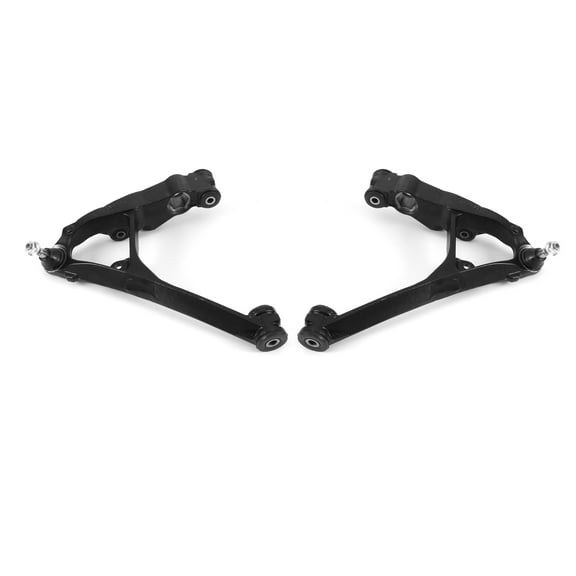
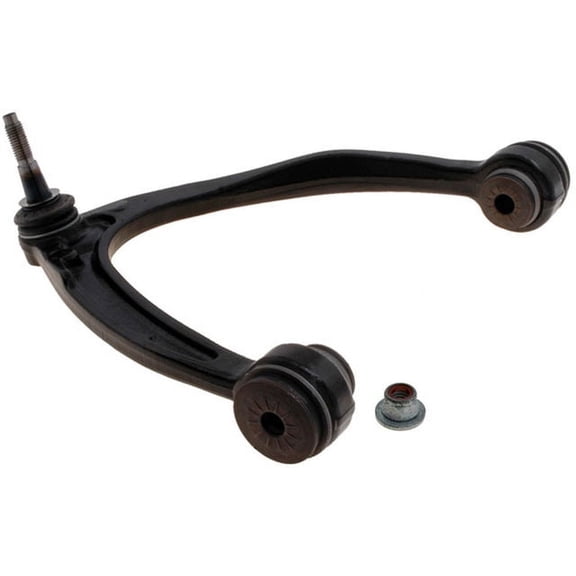
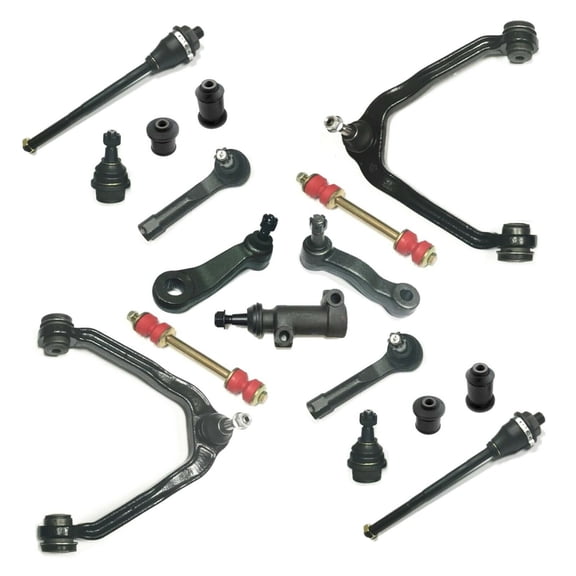
About Control Arms & Components in Suspension Parts & Components - Walmart.com
If you're comparing lower control arm price options, you'll want exact fitment details and component choices that match your vehicle's suspension layout. You'll find options for position, material, vehicle type, and included parts, so you can narrow your replacement with less guesswork.
When you replace a suspension part, you'll usually compare more than a single control arm car price. You'll also compare whether you need a complete assembly, a ball joint included, or separate bushings for your planned repair.
How to compare lower control arm price and control arm price
You can compare control arm price more accurately when you start with your vehicle's year, make, model, and exact mounting position. You'll need to confirm front lower, front upper, rear lower, or rear upper before you choose a matching part.
Your position details matter because many applications use different shapes from side to side. You'll also want to check left, right, driver side, or passenger side labels before you move forward.
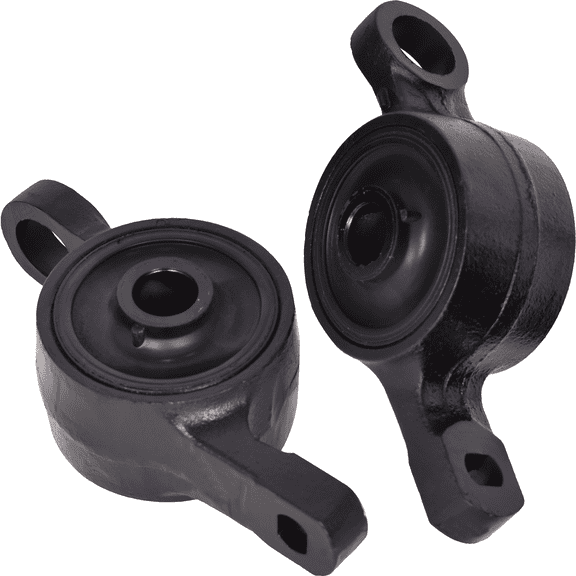
When you review control arms price, you'll notice assemblies can differ from bushing kits in what's included. You can often simplify your choice by deciding whether you want a full replacement unit or only select hardware.
- You can reduce fitment confusion by checking year, make, model, and suspension position first.
- You can compare included components, such as ball joints or bushings, before choosing your replacement path.
- You can match material choices to daily commuting, towing use, or rougher road conditions.
- You can estimate how much is a control arm by comparing complete assemblies against part-by-part repairs.
Choosing the right control arm price factors for fitment
You should treat vehicle compatibility as your first filter because suspension geometry changes across trims, drivetrains, and body styles. You'll want to verify whether your part fits a car, truck, or SUV before you compare other details.
If you're shopping for a truck or SUV, you may prioritize heavier construction and exact mounting alignment. If you drive a car, you may focus more on compact fitment and daily ride feel.
You should also measure the exact position in your suspension layout before ordering replacement parts. You can avoid mismatch issues when your listing matches front or rear placement, plus upper or lower location.
Because many pages answer how much is a control arm without fitment context, you should compare pricing only after confirming compatibility. You'll get a more useful control arm car price comparison when the part actually matches your application.
Understanding material choices for your driving needs
You can use material as a practical way to compare durability, weight, and intended use. You'll usually see cast iron, aluminum, or stamped steel, and each option supports a different driving setup.
If you carry heavier loads or drive a larger vehicle, you may prefer stamped steel or cast iron designs. You'll often choose those materials when you want a solid feel and dependable everyday use.
If you want lighter weight, you may lean toward aluminum for certain applications. You'll often consider that option when you want a part that matches specific factory design requirements.
You should compare material with your roads, vehicle size, and repair goals instead of looking at control arms price alone. You can make a smarter choice when your material aligns with how you actually use your vehicle.
Deciding between assemblies, ball joints, and bushing kits
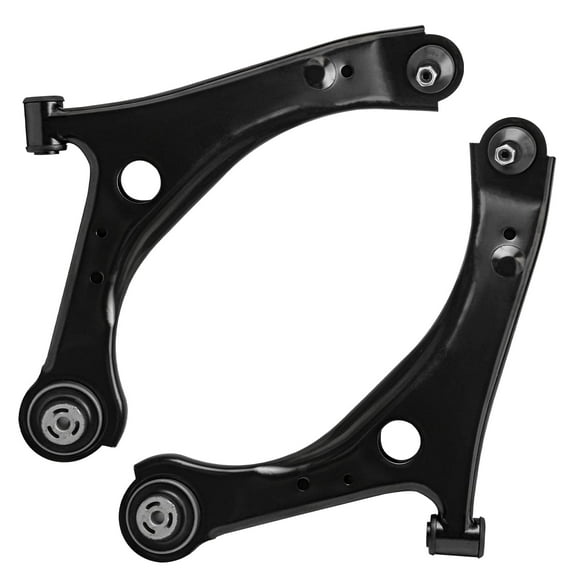
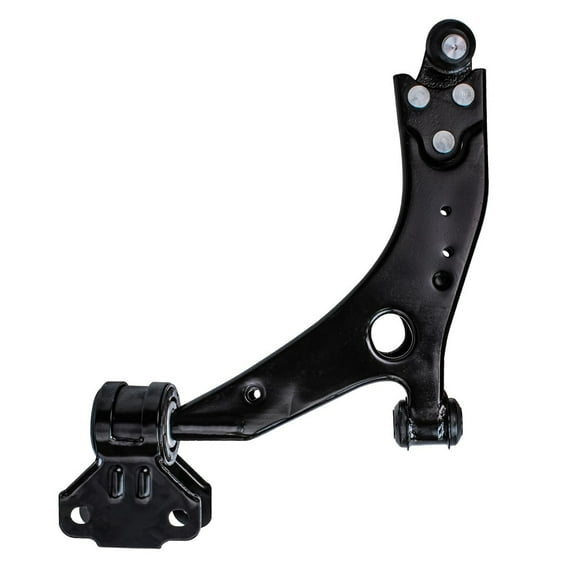
You can narrow your options faster when you know which component type fits your repair plan. You'll typically choose from a control arm assembly, a control arm with ball joint, or a bushing kit.
If you want fewer individual parts to source, you may choose a control arm assembly. You'll often appreciate a bundled setup when you want a more straightforward parts list for installation planning.
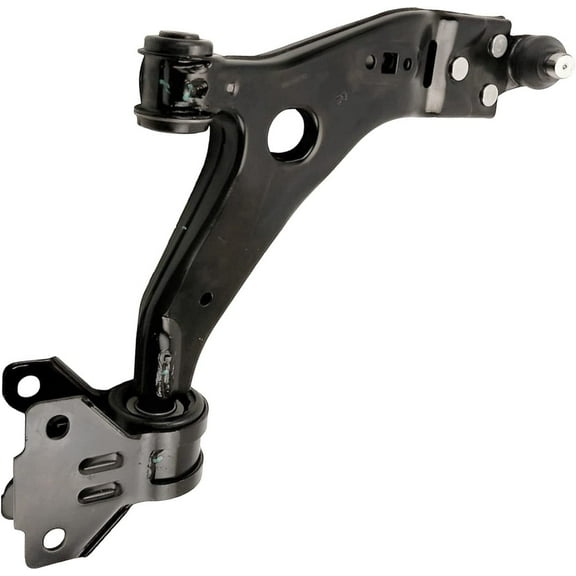
If your repair calls for a connected joint, you may choose a control arm with ball joint included. You can save time during part selection because you won't need to match that joint separately.
If you're replacing only specific wear components, you may focus on a bushing kit instead. You'll often use that route when the main arm housing still matches your repair needs.
You should compare included hardware and pre-installed pieces before deciding how much is a control arm for your project. You'll often find the answer depends on whether your replacement includes pressed-in components.
Matching your repair to real driving scenarios
If you're fixing a daily commuter, you'll usually focus on exact fitment, smooth alignment, and included parts. You'll likely compare front lower or rear lower options first because those positions are common starting points.
If you're restoring steering feel on a work truck, you may compare stamped steel or cast iron choices. You'll also want to check whether a control arm with ball joint helps simplify your replacement parts list.
If you're updating suspension parts on an SUV, you may compare left and right side listings carefully. You'll benefit from checking upper versus lower position details before you finalize your selection.
If you're planning a more focused repair, you may choose a bushing kit instead of a full arm. You'll make that route easier when your existing arm structure still fits your vehicle correctly.
You can also connect this category with related suspension jobs on your vehicle. You'll often compare these parts alongside ball joints, sway bars, and shock absorbers when you're refreshing several front-end components.
When you use fitment, material, and included components as your guide, you'll get a clearer lower control arm price comparison. You'll end with a replacement path that fits your vehicle and supports a more precise installation plan.
Popular in Control Arms & Components in Suspension Parts & Components - Walmart.com
- Mercury Sable Suspension Control Arm Kit
- Lincoln Continental Suspension Control Arm
- Mercury Mountaineer Suspension Control Arm Kit
- Saab 900 Suspension Control Arm Bushing
- Cadillac Commercial Chassis Shock Absorber
- Chevrolet Ss Suspension Control Arm
- Mercury Sable Suspension Control Arm
- Chevrolet Classic Shock Absorber Assembly Kit
- Lincoln Ls Suspension Trailing Arm
- Chevrolet Astro Suspension Control Arm
- Chevrolet C20 Suspension Control Arm
- Mercury Mountaineer Suspension Control Arm