


Find auto parts that fit
Let’s search for parts that fit your vehicle.
Car Customization Exterior Parts and Accessories





















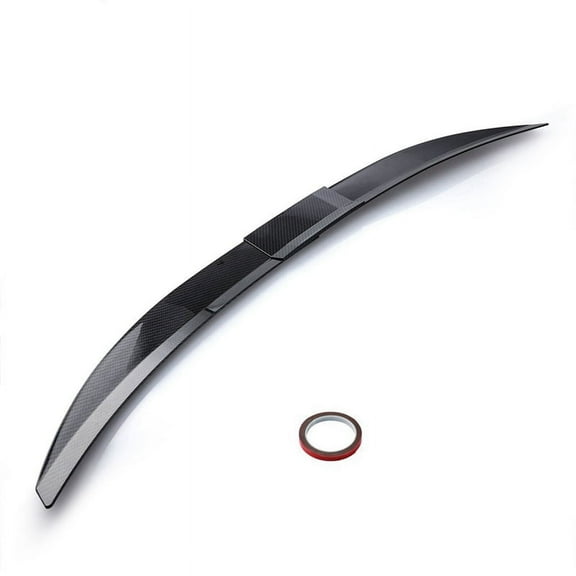





![57 inch Universal Rear Spoiler,Adjustable GT Style Car Rear Trunk Spoiler Wing,General Motors GT tail wing [matte black]](https://i5.walmartimages.com/seo/47-Inch-Universal-Rear-Spoiler-Adjustable-GT-Style-Car-Rear-Trunk-Spoiler-Wing-Compatible-Mazda-Miata-Chevy-Corvette-Camaro-Nissan-Lexus-Toyota-Honda_d2c132ab-6378-4030-9e36-99f6ea6cba3a.7d9b24fc7898f3956da76314741c2cec.jpeg?odnHeight=576&odnWidth=576&odnBg=FFFFFF)
![Carbon Fiber Look, variant on 57 inch Universal Rear Spoiler,Adjustable GT Style Car Rear Trunk Spoiler Wing,General Motors GT tail wing [matte black]](https://i5.walmartimages.com/asr/6ff9924b-290e-4cf6-bd08-df00638c5b66.55b62ec8c5ba66275a674e5bae34157b.jpeg?odnBg=FFFFFF&odnHeight=30&odnWidth=30)
![Gloss Black, variant on 57 inch Universal Rear Spoiler,Adjustable GT Style Car Rear Trunk Spoiler Wing,General Motors GT tail wing [matte black]](https://i5.walmartimages.com/asr/a828419e-60f8-49da-93b7-3f9c0337b80a.7b3025cd18012e299223b134e3918acb.jpeg?odnBg=FFFFFF&odnHeight=30&odnWidth=30)
![Matte Black, variant on 57 inch Universal Rear Spoiler,Adjustable GT Style Car Rear Trunk Spoiler Wing,General Motors GT tail wing [matte black]](https://i5.walmartimages.com/asr/d2c132ab-6378-4030-9e36-99f6ea6cba3a.7d9b24fc7898f3956da76314741c2cec.jpeg?odnBg=FFFFFF&odnHeight=30&odnWidth=30)



About Car Customization Exterior Parts and Accessories - Walmart.com
You can transform your ride with car customization accessories that match your vehicle, your style, and your installation comfort level. You’ll find category options that cover interior details, exterior accents, cargo organization, and under-hood upgrades.
When you compare this category, you should start with fit, placement, and finish before you choose any add-on. You’ll make a cleaner choice when you match each part to your year, make, model, and trim.
How to choose car customization accessories
You should begin with placement, because interior, exterior, trunk, wheel, and under-hood parts solve different goals. You’ll want cabin items for comfort, exterior pieces for visual style, and cargo upgrades for daily organization.
If you’re comparing custom car accessories, you should separate styling from utility and performance first. You’ll narrow choices faster when you know whether you want appearance changes, added function, or both.
- You can personalize your cabin with seat covers, trim accents, pedal covers, and lighting details.
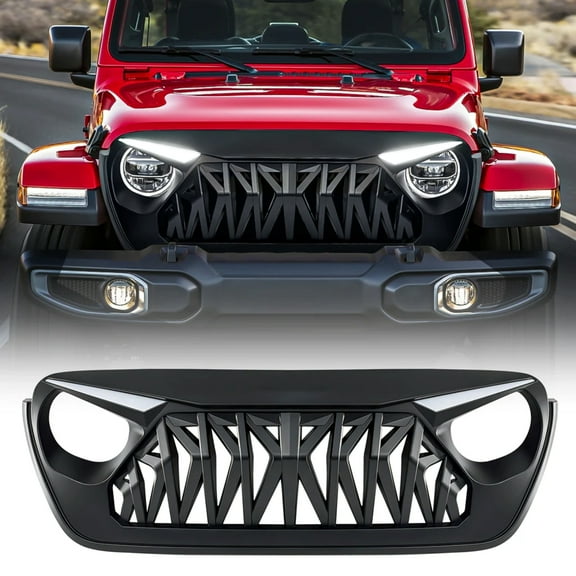
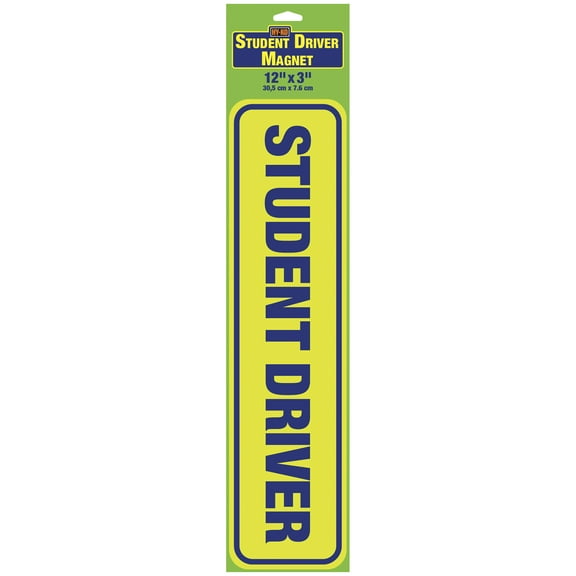
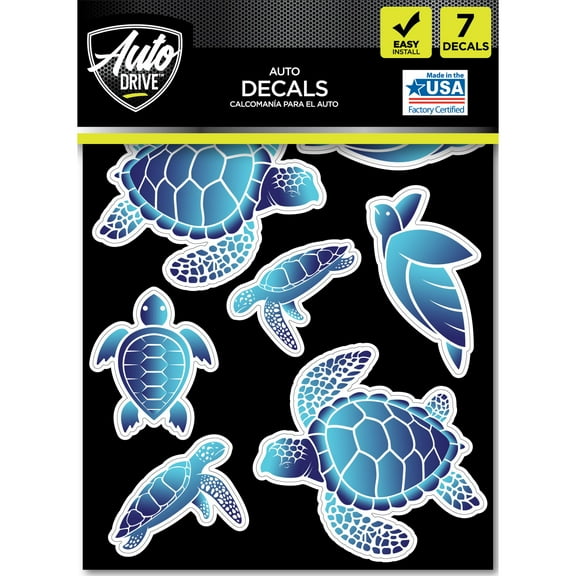
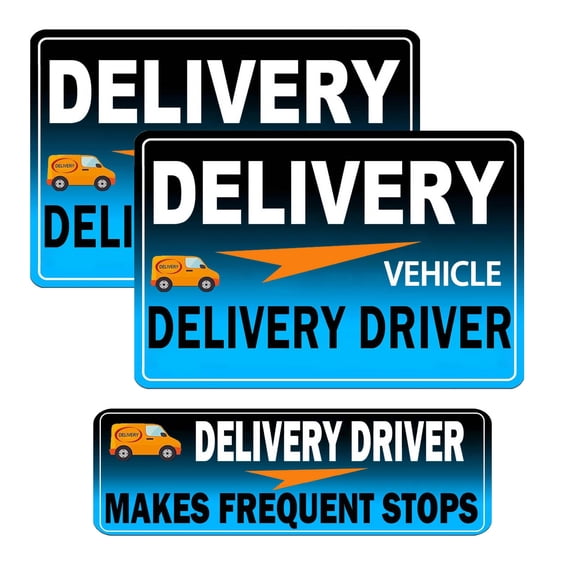
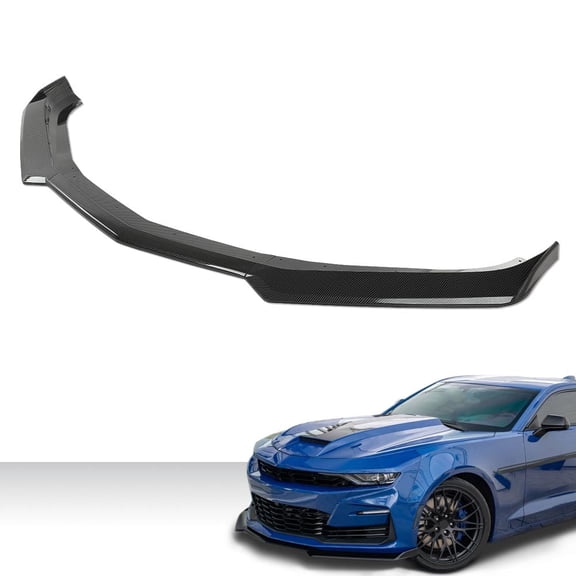
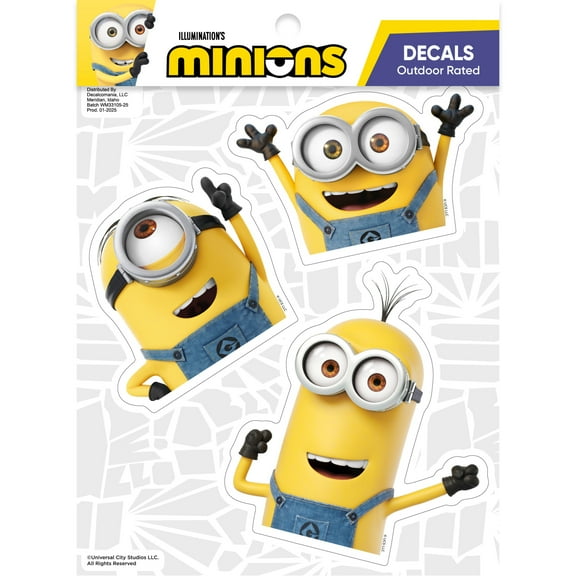
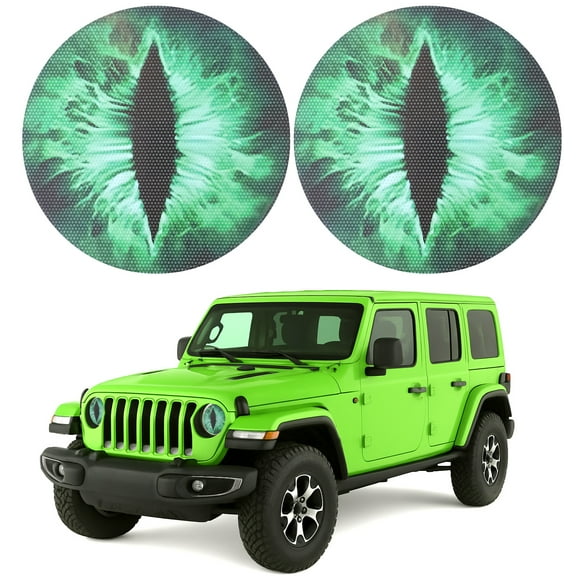
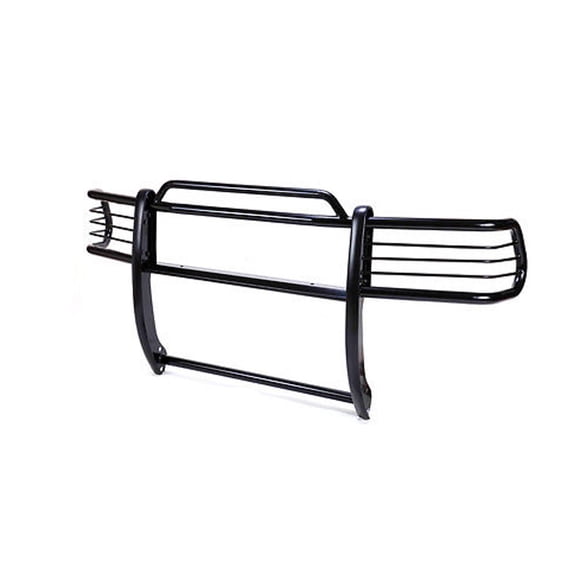
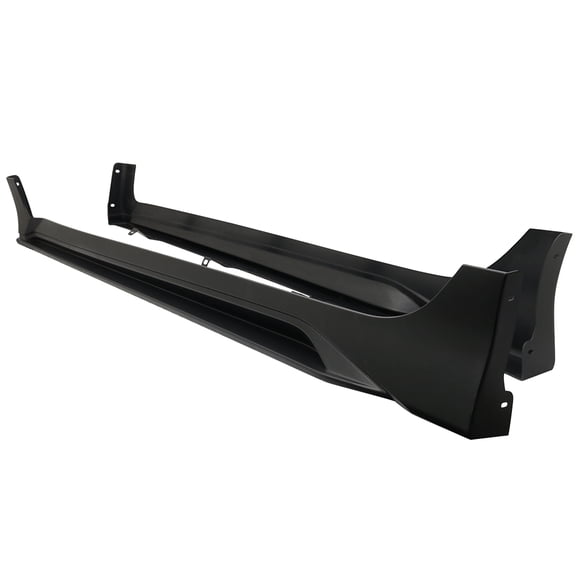
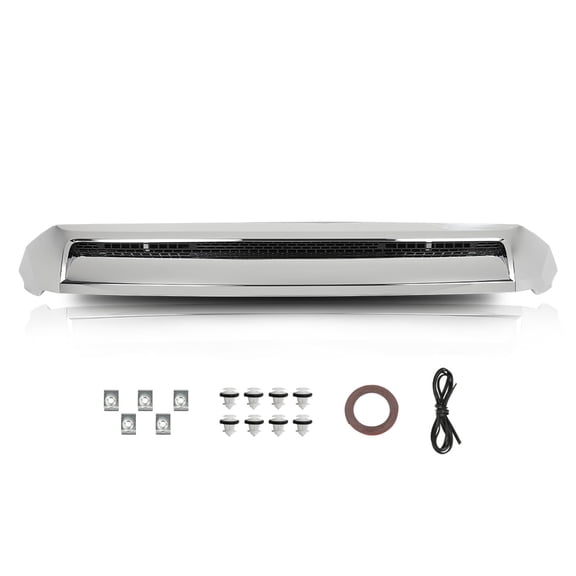
- You can update exterior car mods with spoilers, mirror caps, decals, grilles, and trim pieces.
- You can organize trunk and cargo areas with liners, nets, bins, and fitted covers.
- You can refine under-hood or wheel areas with dress-up parts, valve caps, and protective accessories.
You should also compare universal fit against vehicle-specific options before you buy. You’ll usually get easier selection with universal items, while you may prefer a tighter match from make, model, and year specific parts.
Choosing fit and car modification details
You should check your year, make, model, and trim level for any car modification part that mounts, plugs in, or replaces trim. You’ll avoid guesswork when you confirm compatibility before you choose a finish or style.
Some styling car parts fit many vehicles, but you should still measure key areas before ordering. You’ll want to compare width, depth, clip style, and mounting points for a smoother install.
If you’re selecting lighting or electrical upgrades, you should verify connector type and power requirements. You’ll also want to check whether DOT-marked components or local lighting rules apply to your intended setup.
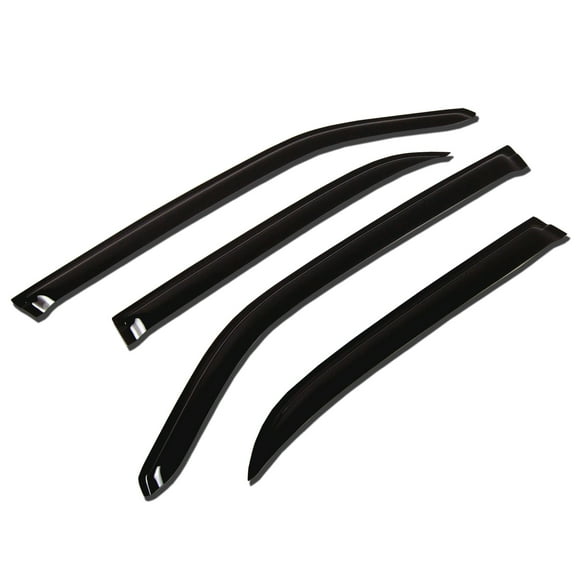
When you’re considering tint-related accessories or light covers, you should review local road-use rules first. You’ll make a smarter selection when you balance appearance with street-use compliance.
Comparing materials, finishes, and installation
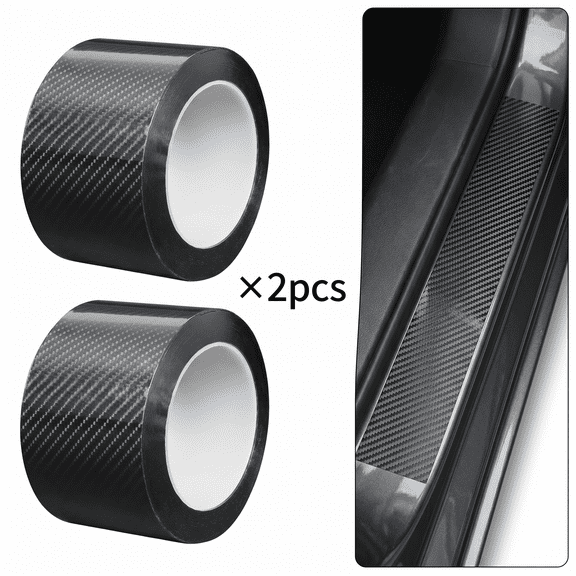
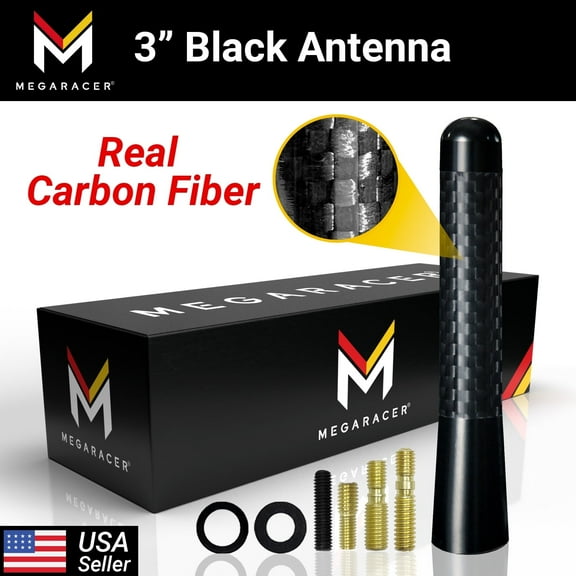
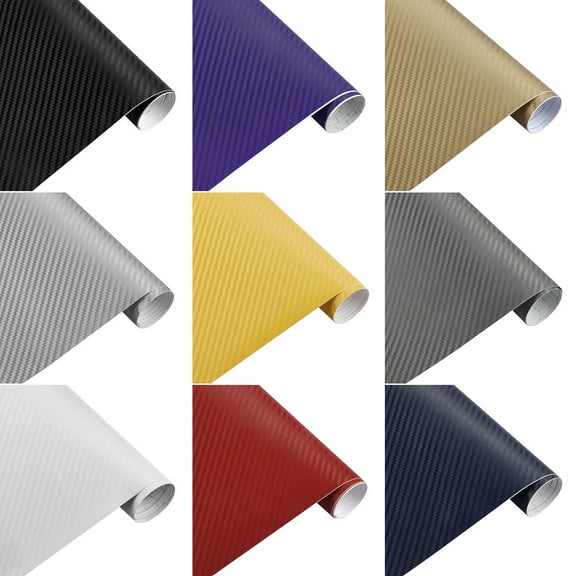
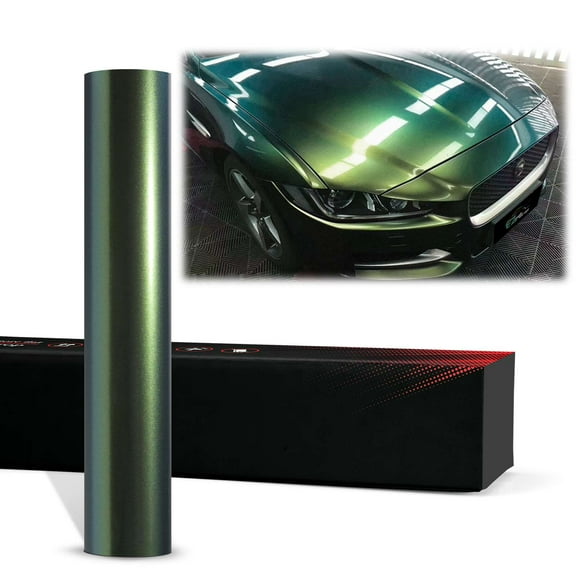
You should compare finish options based on your vehicle’s look and where the accessory sits. You’ll often choose matte black for a subtle style, chrome for shine, or carbon fiber looks for a motorsport-inspired accent.
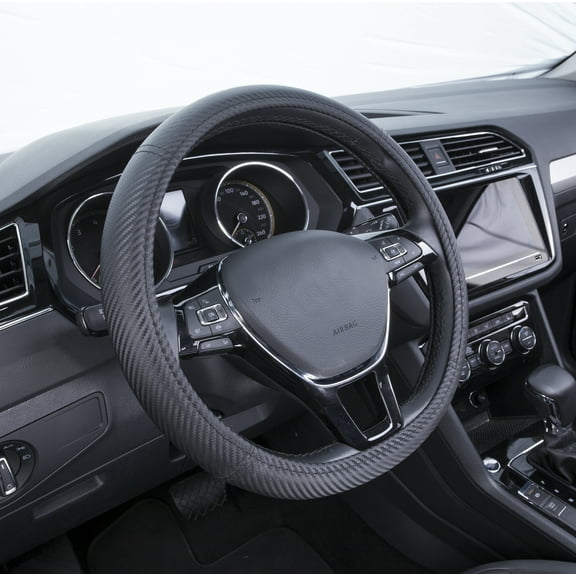
If you want a cabin upgrade, you may compare leather-look surfaces, aluminum accents, and textured trim pieces. You’ll notice that each finish changes how your interior details coordinate with dashboards, consoles, and door panels.
You should think about weather exposure for exterior car mods and wheel-area accessories. You’ll want materials that handle sun, rain, and road grime without clashing with your vehicle’s paint or trim.
Installation type matters just as much as appearance when you’re choosing custom car upgrades. You can often handle adhesive, tape, or plug-and-play options yourself, while bolt-on parts may require tools and careful alignment.
If a part calls for drilling, wiring changes, or body panel removal, you should consider professional installation. You’ll protect your finish and fitment when you match the install method to your comfort level.
Matching car customization to how you drive
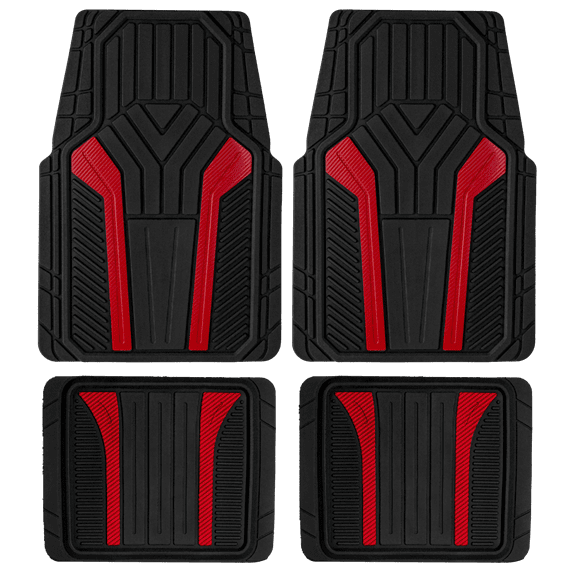
You can build a daily driver around practical upgrades that keep your interior cleaner and your cargo area more organized. You’ll often pair floor protection, seat covers, and trunk organizers for everyday convenience.
If you want a show-focused look, you may combine mirror caps, trim accents, grille pieces, and wheel details. You’ll create a more coordinated style when you keep finishes consistent across exterior touchpoints.
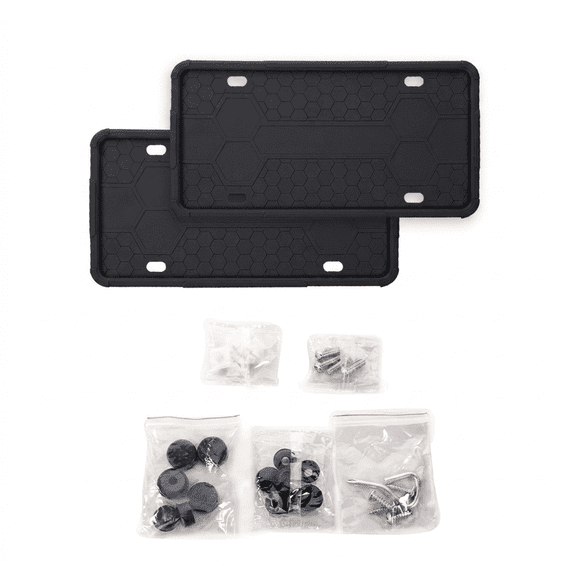
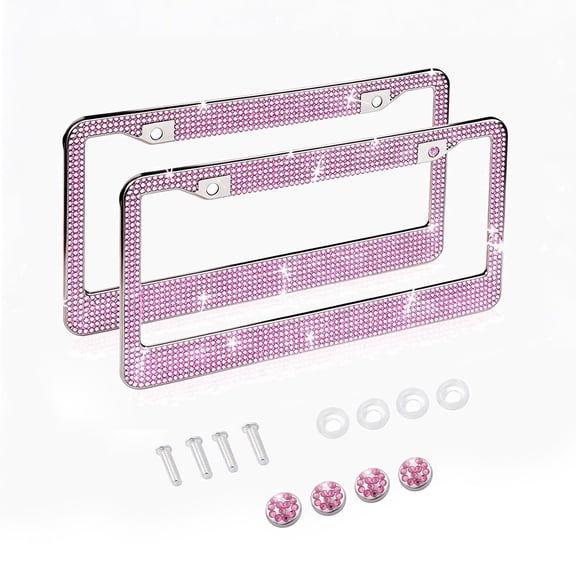
You can also focus on subtle personalization if you don’t want a dramatic change. You’ll get a tailored look from shift knobs, pedals, dash trim, and license plate frames that suit your vehicle’s character.
For weekend projects, you might choose bolt-on accents or under-hood dress-up parts that reward careful installation. You’ll want to confirm clearance, fastener type, and finish durability before you start.
If your vehicle handles hauling, commuting, or family errands, you may lean toward protection and utility first. You’ll appreciate cargo liners, organizers, and fitted covers that help keep gear contained and surfaces cleaner.
You should approach car customization with a clear plan for fit, finish, placement, and installation type. You’ll get a more cohesive result when every accessory works with your vehicle’s dimensions and your everyday driving routine.