


Find auto parts that fit
Let’s search for parts that fit your vehicle.
Chassis Components for Engine & Powertrain Parts

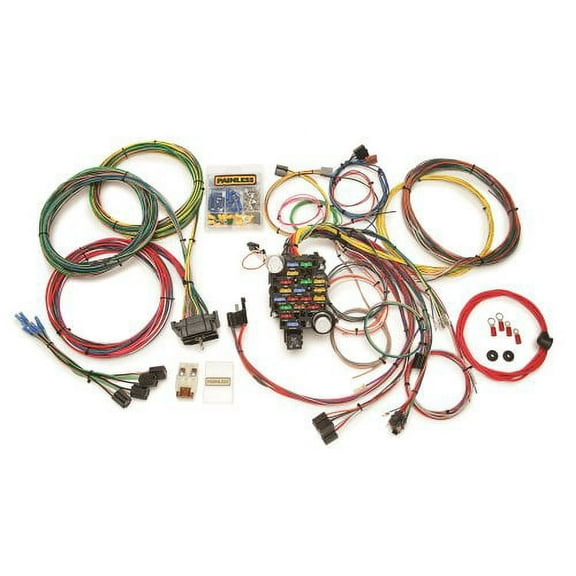


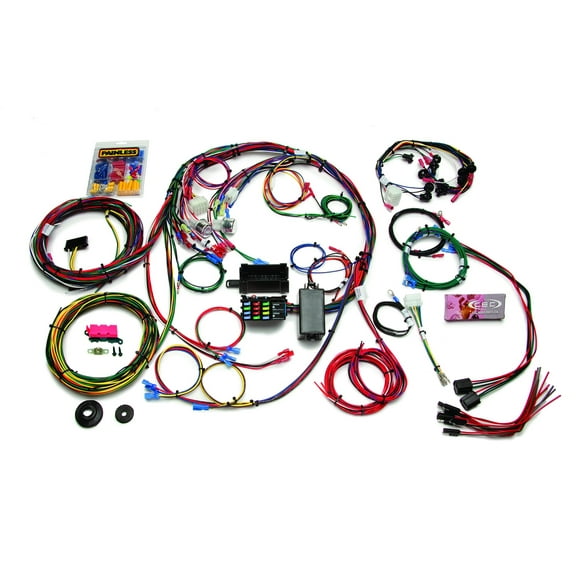
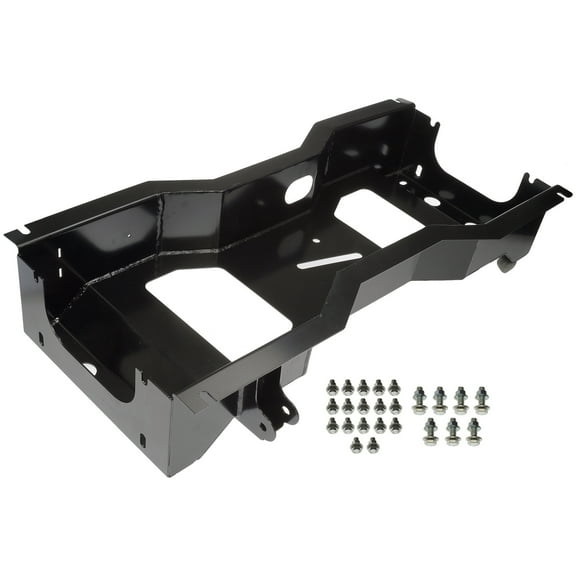
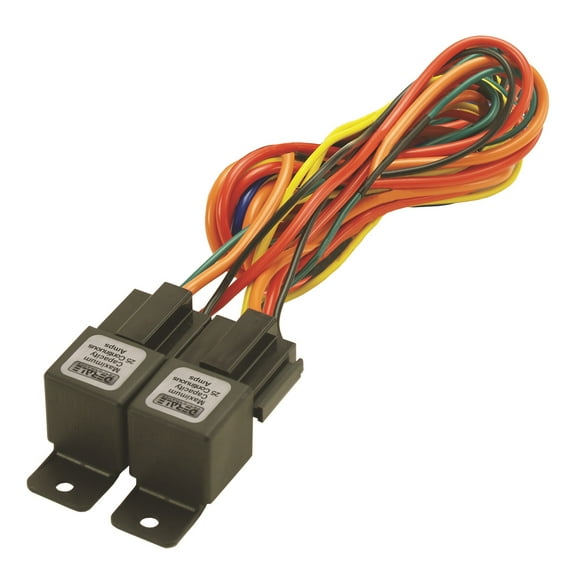
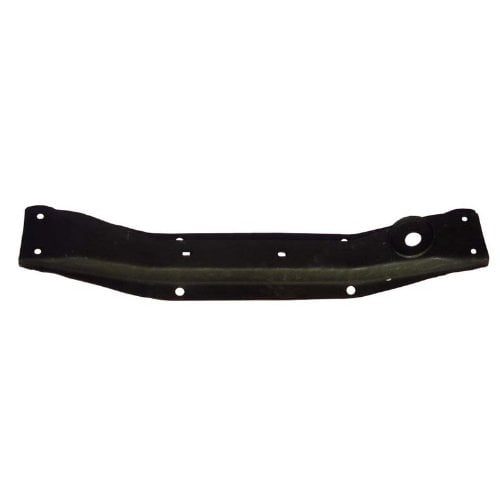
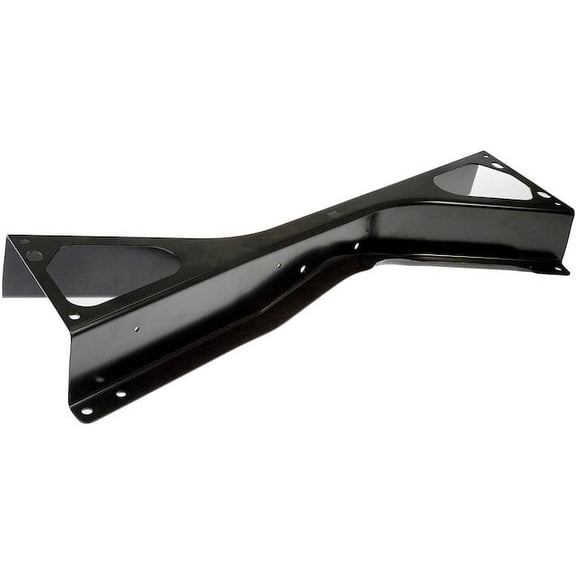
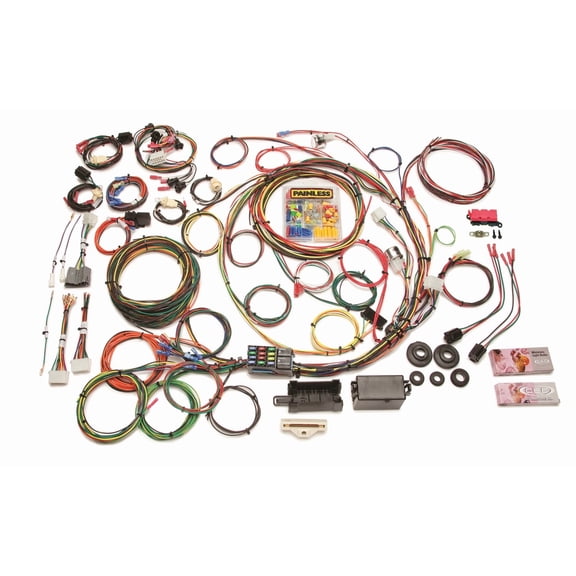
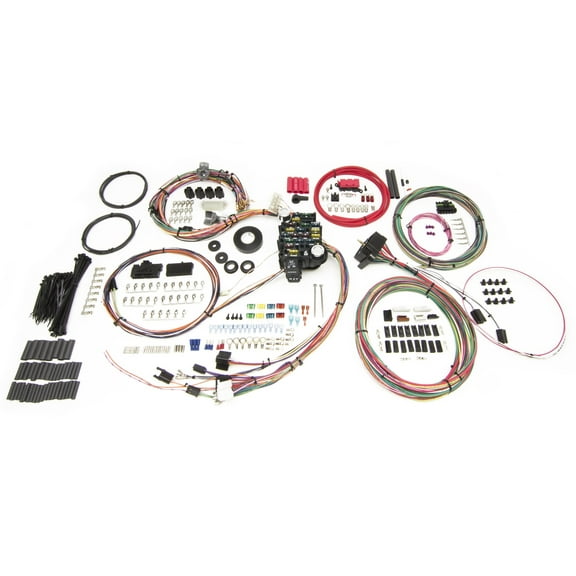
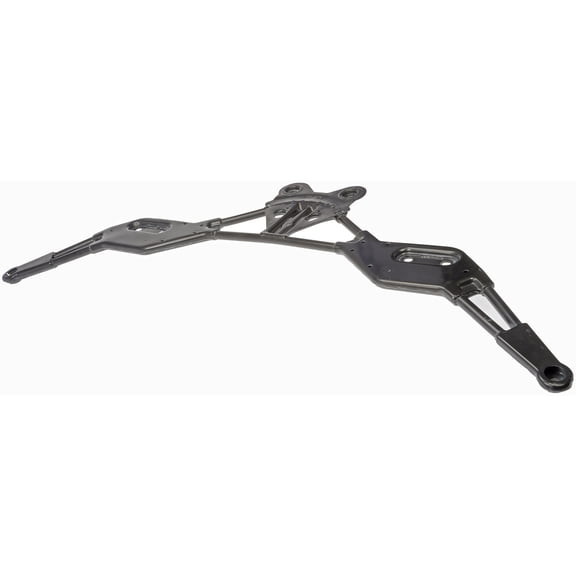

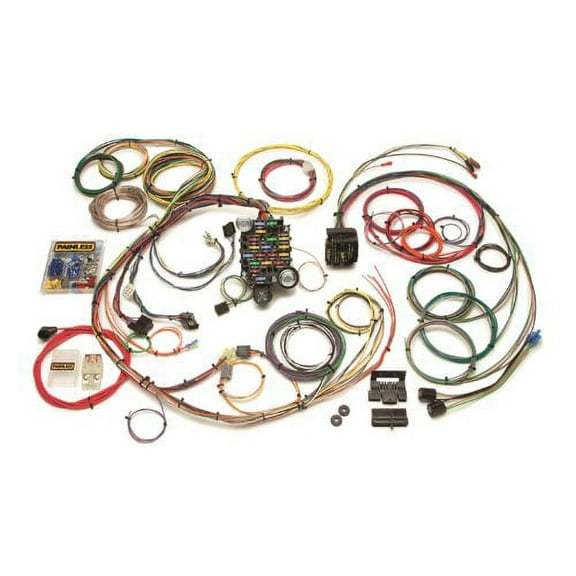
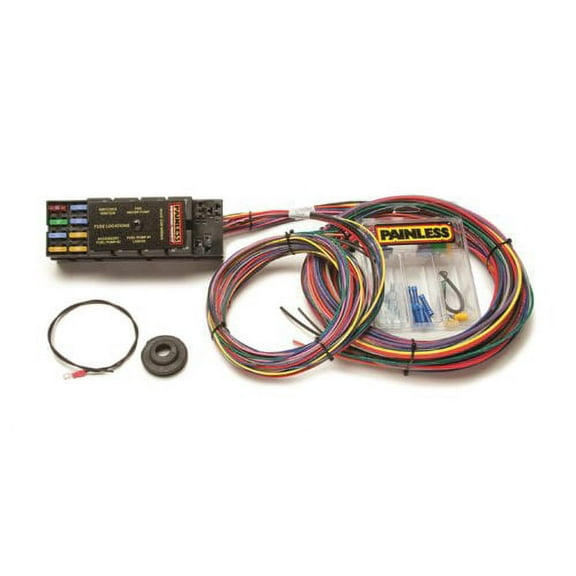
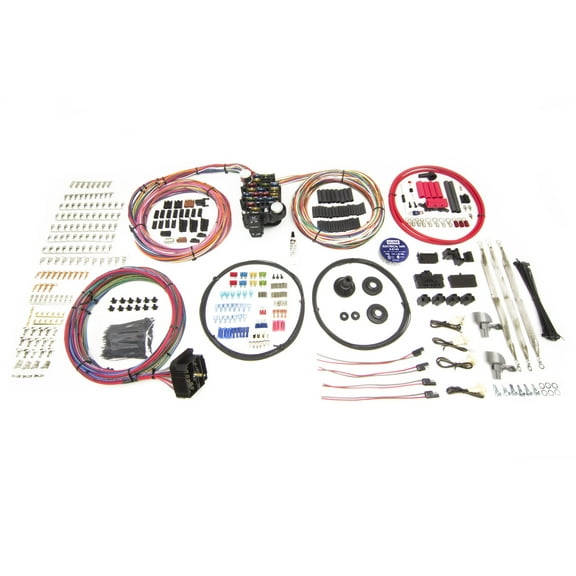
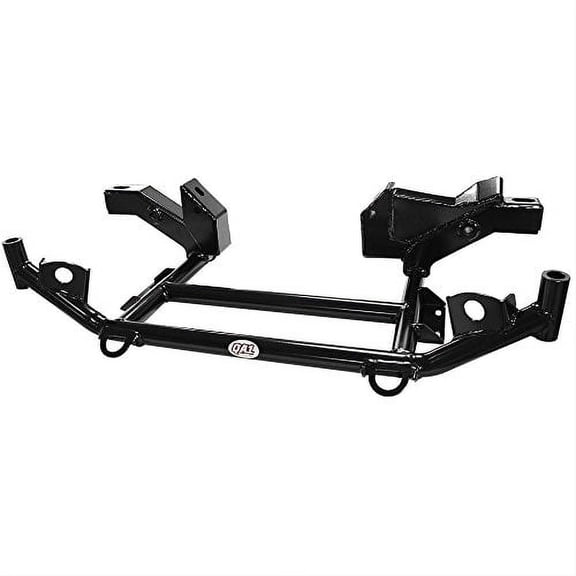




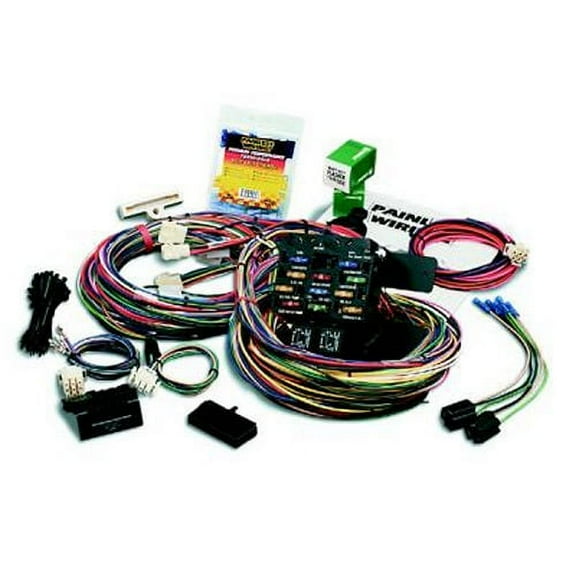
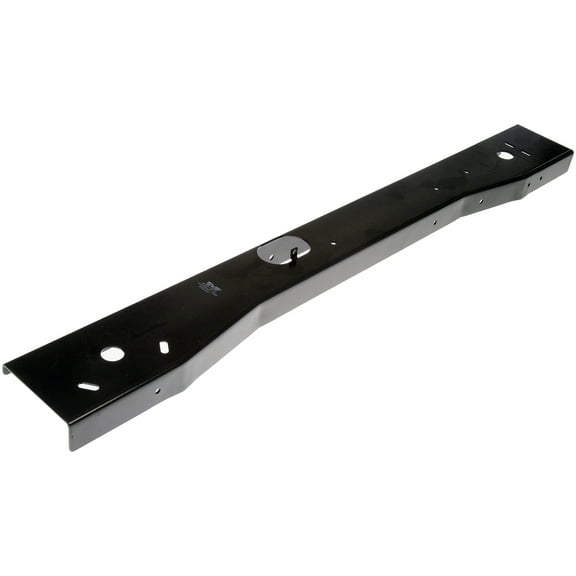
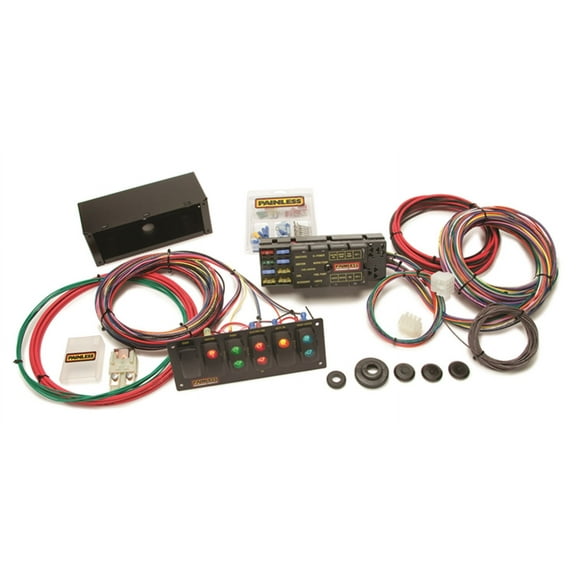


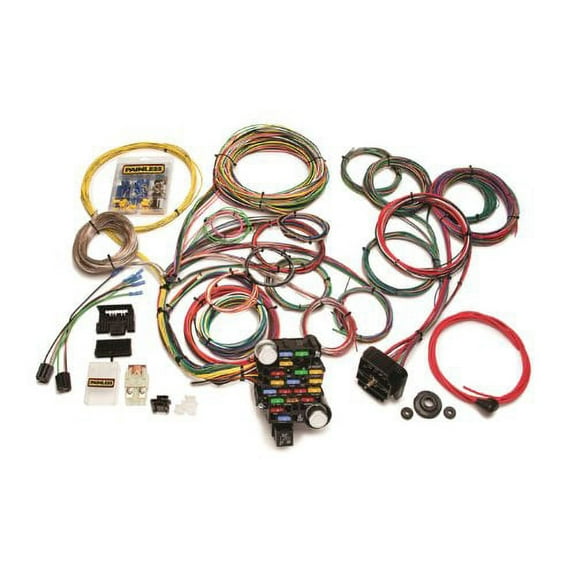
About Chassis Components for Engine & Powertrain Parts - Walmart.com
Chassis components help you restore steering feel, suspension response, and vehicle control during repairs. You can compare fitment, placement, and construction here, so your replacement matches your vehicle and repair plan.
How to choose chassis components
You should start with year, make, model, engine type, and drivetrain, because exact fitment matters in this category. You can reduce ordering issues when your control arm, ball joint, or tie rod matches the intended application.
You also need to confirm placement before you choose chassis parts for your repair. You may need front or rear parts, plus upper, lower, inner, or outer positions.
When you match location correctly, you help maintain steering geometry and suspension movement as designed. You may notice that a front lower control arm differs from an outer tie rod end.
Choosing between suspension parts and steering and suspension kits
You can replace one worn item or compare steering and suspension kits when several related parts need attention. You can often simplify planning when your repair includes matched components for the same area.
- You can target a single repair with an individual control arm, ball joint, tie rod, or sway bar link.
- You can compare complete suspension kit options when your vehicle needs several connected parts refreshed together.
- You can keep your repair organized when your kit contents match your front end or rear suspension needs.
- You can choose pairs for balanced replacement when left and right wear appear at similar levels.
You should compare kit contents carefully, because one setup may include tie rod ends and sway bar links. You may prefer individual suspension parts when only one position needs replacement.
If your steering feels loose across several connected points, you may compare broader steering and suspension kits. You can often get a clearer repair path when you address related wear together.
What to look for in material and construction
You can compare forged steel, aluminum, and cast iron as important decision points for chassis components. You can choose the material that matches your vehicle type, weight, and intended driving conditions.
Forged steel usually gives you a rigid feel for demanding use and heavier applications. Aluminum can help you compare a lighter construction for certain suspension layouts and fitment designs.
Cast iron may appear in selected chassis parts where strength and durability matter in a compact shape. You should also check whether a component uses a sealed or greaseable design.
A sealed design can give you straightforward upkeep during regular ownership. A greaseable design can add another maintenance step that some drivers prefer for service routines.
Understanding fitment and installation details
You should treat fitment as a technical check, not a rough estimate, when buying suspension parts. You should confirm year, make, model, engine type, and drivetrain before you finalize your choice.
Some repairs are easier for you to plan at home with common tools and clear access points. Other repairs may require alignment work, pressing tools, or extra labor after installation.
You can often install a sway bar link more simply than a pressed ball joint. You should review the component type first, because installation effort changes by location and design.
If your repair affects steering angles, you may need follow-up alignment after installation. You can protect handling consistency when your new parts match fitment and you install them in the correct position.
Which chassis components fit your repair scenario
You may choose a control arm when you need the arm and joint assembly replaced in one unit. You can focus on front lower or rear upper placement, depending on your vehicle design.
You may choose ball joints when you need a pivot point that supports suspension travel and steering movement. You should confirm whether your application uses press-in or integrated designs before ordering.
You can compare tie rod options when your repair centers on steering linkage and wheel direction response. You’ll need to verify whether your vehicle uses inner or outer tie rod ends.
You may look at sway bar links when you want to reconnect stabilizer movement at the suspension. You can narrow choices by front or rear placement and exact vehicle compatibility.
If your vehicle has wear across several connected points, you may compare complete suspension kit options. You can streamline parts selection when your package supports one coordinated repair approach.
You can make a smarter repair choice when your chassis components match fitment, placement, and material from the start. You can get a more consistent installation path and a more predictable driving feel afterward.
Popular in Chassis Components for Engine & Powertrain Parts - Walmart.com
- Cylinder Head Port Kit
- Ford Edge Engine Valve Spring Kit
- Hemi Cylinder Heads
- Parts Master Replacement Auto Parts
- Idle Mixture Screw
- Sbc Motor Mount Bolts
- Camshaft Thrust Plate
- Chevrolet P30 Engine Valve Lifter Kit
- Dana Rebuild Kit
- Pontiac Bonneville Engine Valve Lifter
- Saab 44690 Engine Valve Lifter
- Chrysler 200 Drive Shaft Pinion Yoke