

Teaching & Classroom Supplies








Around the classroom








Teaching & classroom supplies


























FAQ
About Teaching & Classroom Supplies - Walmart.com
Choosing teaching and classroom supplies
Keep things running smoothly in the classroom with teaching and classroom supplies at prices that are kind to your budget. There are a variety of ways you can browse through the selections. You can browse based on the age and educational level of your students. You can shop for materials to assist with teaching specific topics. Or you may want to look for materials by searching through the general category of the products you need, such as paper, art supplies or calculators.
Writing supplies
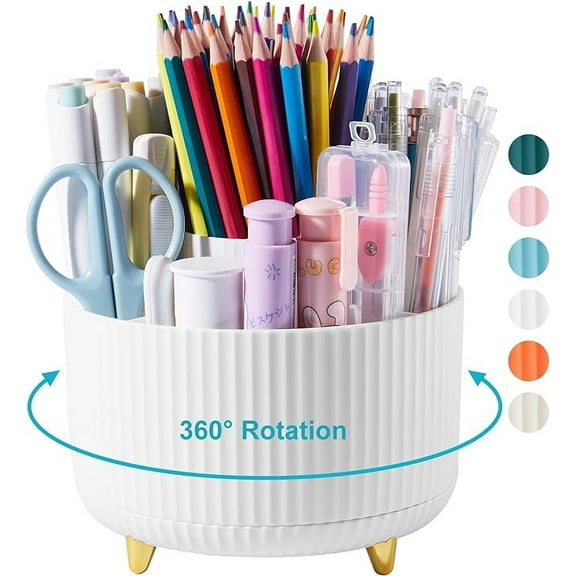
Writing supplies are a key tool for students, and having a variety of options to consider when shopping makes it easy to find the kind of writing instruments your students need.
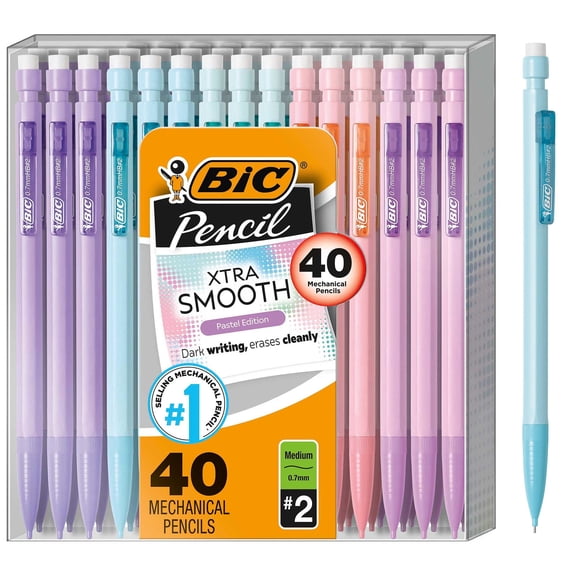
- Pencils: Choose between wood and mechanical pencils. Wood pencils are the type that needs to be sharpened frequently. They have built-in erasers and are useful when you go through large quantities of pencils, such as at testing time. Mechanical pencils have plastic bodies and removable erasers. These pencils can typically be refilled and they don’t get shorter like wood pencils that need to be sharpened.
- Pens: Pens come in ballpoint, felt tip and gel ink styles. Choose from pens with specific ink colors for projects and grading papers. You can also choose the tip type, such as a fine tip, a medium tip and a wide tip based on the type of lines you prefer to read. For example, if you find it easier to read a student’s handwriting if a paper is written in fine lines, a fine tip pen would be ideal.
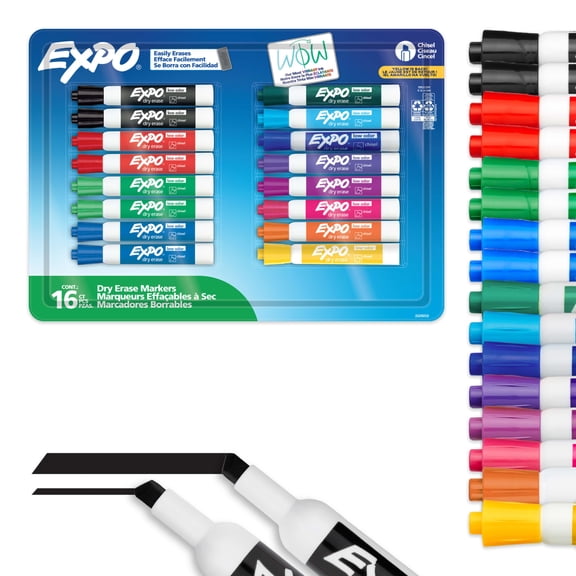
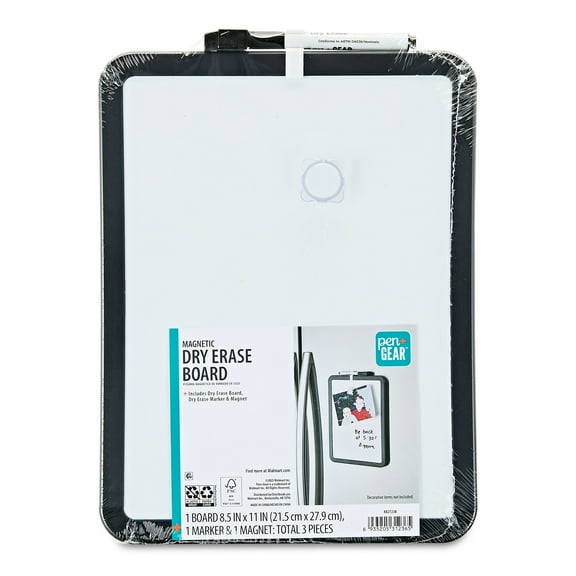
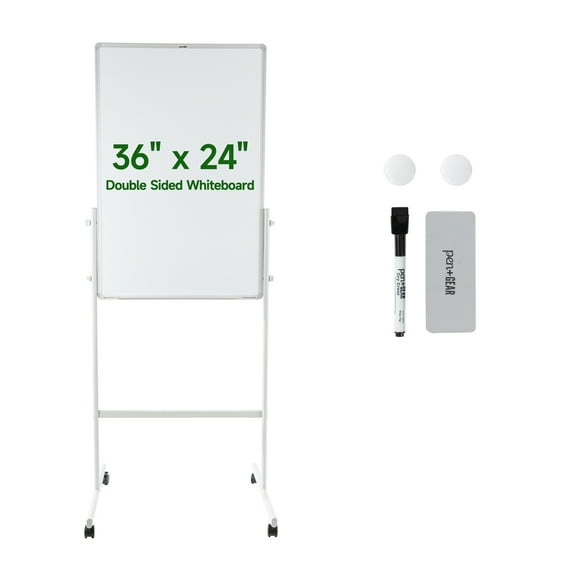
- Markers: Choose markers based on what you need to do with them. For writing on a whiteboard, dry-erase markers let you and your students generate a variety of ideas and then wipe them away and start over. Permanent ink markers are useful for making posters and labeling things in the classroom. For books students are allowed to mark in, highlighters let them put a colorful line through the text to use as a learning aid.
- Erasers and white-out: It’s also useful to have extra erasers and white-out for those times when mistakes happen. If your students use a lot of pencils, then extra erasers can extend the usefulness of pencils after the built-in erasers wear out.
Paper and notebooks
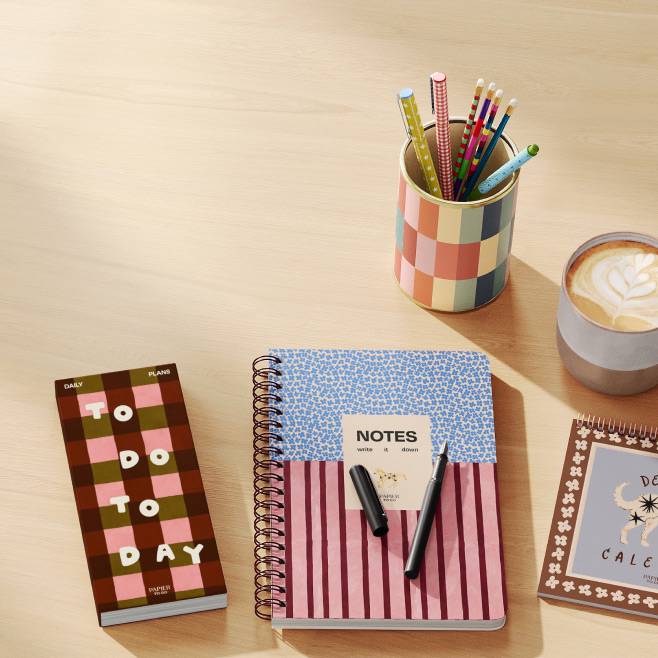
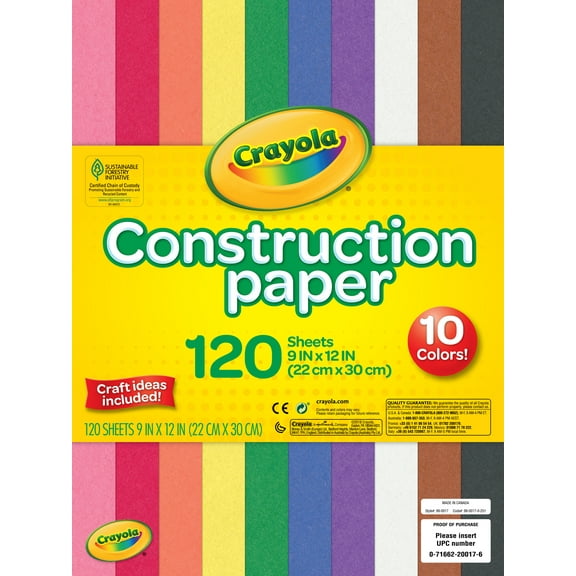
Paper and notebooks play an important role in the classroom. Lined paper and notebooks come in widths to accommodate the handwriting styles of different aged students. A wide ruled paper is offered for younger students and college-ruled paper provides more note-taking room for students with greater manual dexterity. Printer paper makes it easy to create stacks of papers to pass out to the whole class, while sticky notes let you prepare notes to help maintain classroom organization.
Cleaning supplies for the classroom
When you need to keep the classroom neat and germ-free, choose from the selection of disinfecting products, paper towels and trash bags. Paper plates and cups are also available for easy clean up after in-class parties and snack times.
Books for students
Consider choosing subject-themed books to support classroom learning objectives. These include reading, math and science workbooks for students at different grade levels. Dictionaries and thesauruses are also part of the selection of student books to help your class look up vocabulary words.
Classroom management aids and student incentives
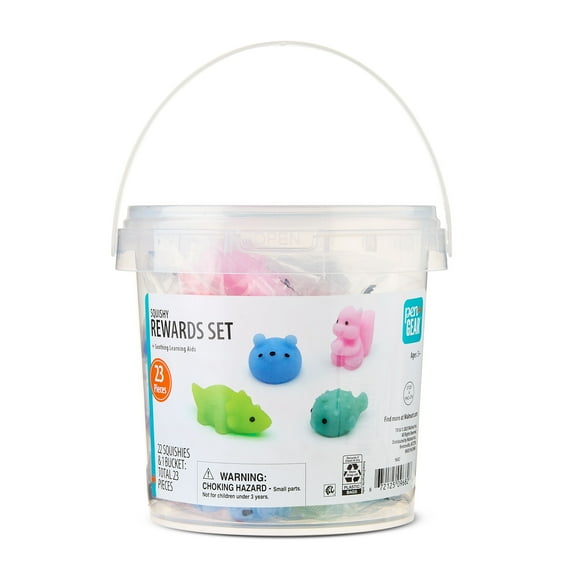
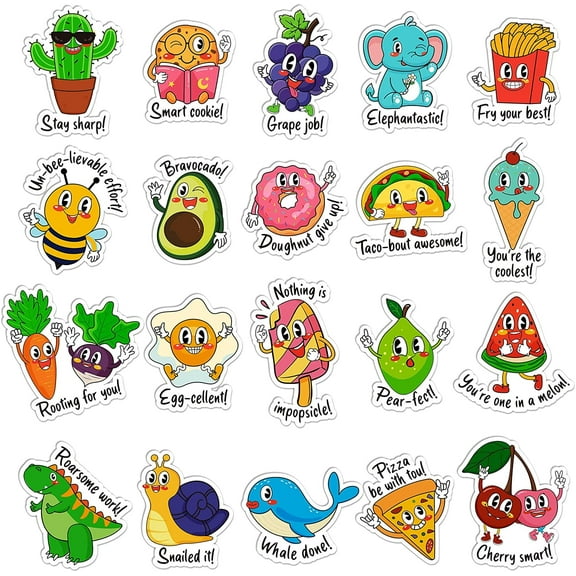
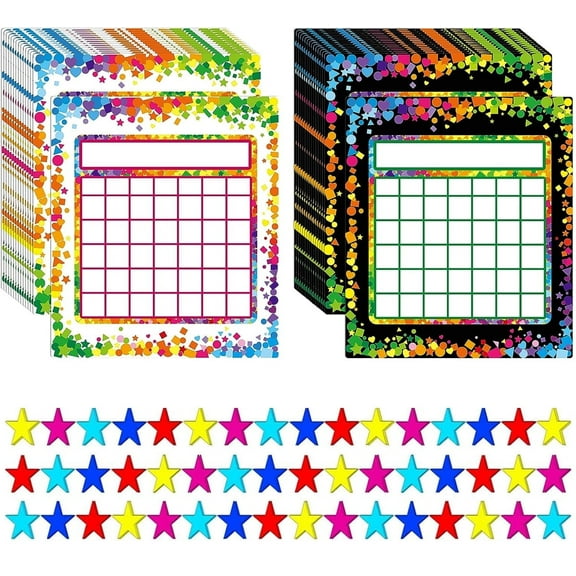
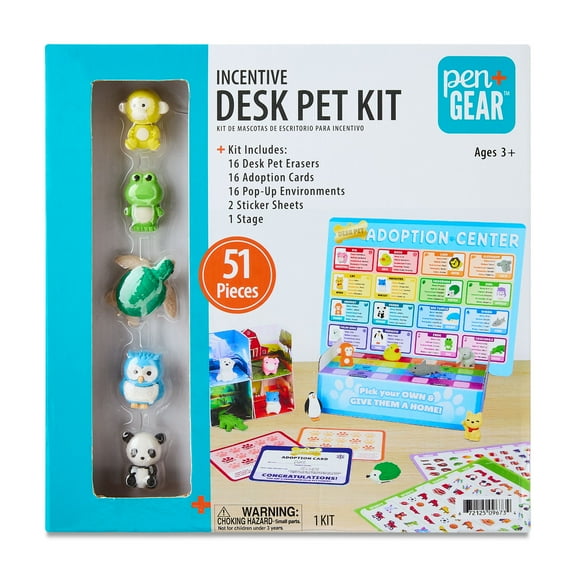
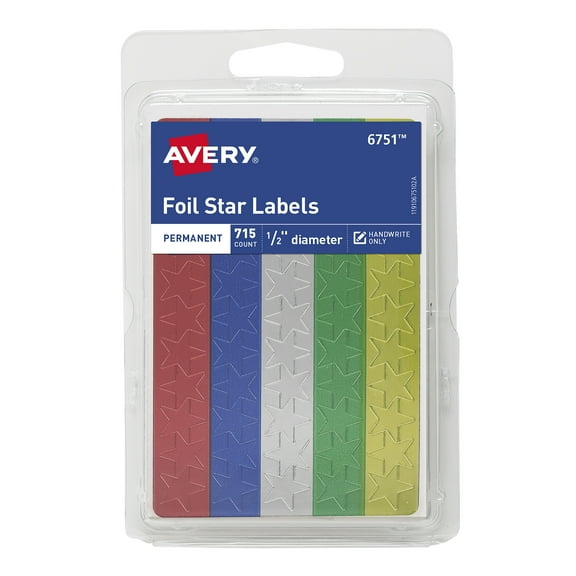
Stickers, stars and positive reinforcement charts add a happy touch to learning efforts for students. Taking advantage of these incentives can help students feel great about learning, even if a subject is hard for them, and it can help you keep the classroom organized and functioning smoothly.
Arts and crafts supplies
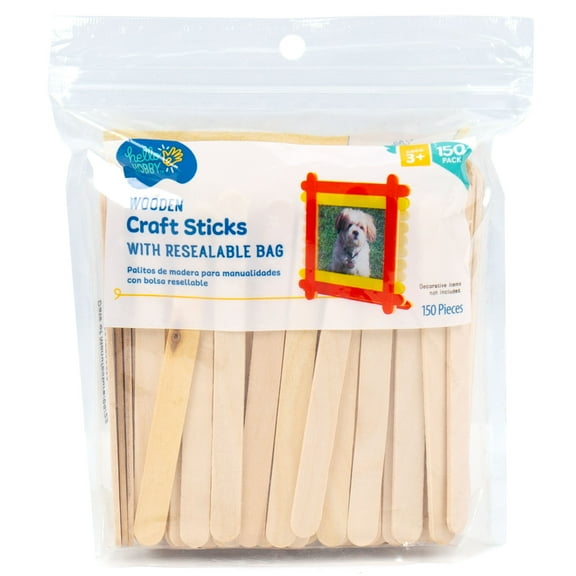
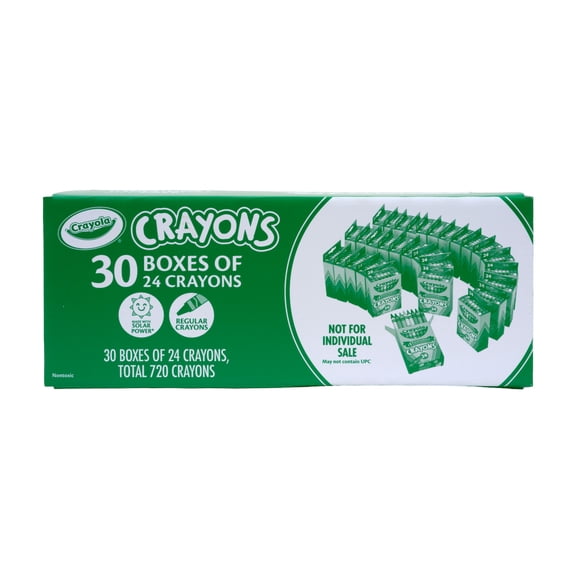
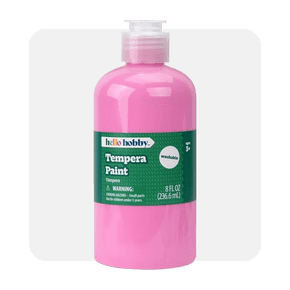
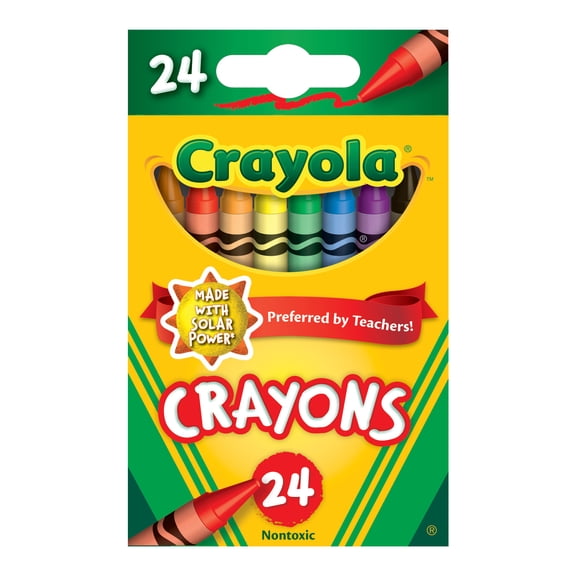
Have fun planning ways to encourage creativity for your class with the variety of craft supplies available. Crayons, colored pencils, markers and paints provide fun ways for students to add vibrant colors when making creative expressions in art class or educational posters about other subjects.
Calculators
Encourage learning and participation in math class with calculators. Choose from basic calculators with big keys and large readout displays for younger children or advanced calculators for children In higher level math classes. Types of advanced calculators include graphing calculators for algebra, scientific calculators and financial calculators for an accounting class.
Folders, binders and filing supplies
Folders and binders hold the papers your students need to stay organized for class, and they come in fun colors and a variety of styles. Filing supplies include regular and hanging file folders as well as labels so you can file and find everything you need.
"Related Links
- Calendars
- Planners
- Assorted Calendars
- Blue Sky Planners & Calendars
- Daily Planners
- Desk Pad Calendar
- Hourly Appointment Planners
- Magnetic Calendars
- Mead Planners
- Monthly Calendars
- Monthly Planners
- Pen + Gear Planners
- Personal Planners
- Pocket Planner
- Student Planners
- Teacher Planners
- The Happy Planner
- Today Is Calendars
- Undated Calendars
- Undated Planners
- Weekly Planners
- 5 Year Journal
- Bullet Journals
- Daily Journals
- Dotted Journals
- Dream Journals
- Fitness Journals
- Food Journals
- Gratitude Journals
- Idea Journals
- Journals with Prompts
- Leather Journals
- Locking Journals
- One Line A Day Journal
- Padfolios
- Password Journals
- Premium Journals
- Travel Journals
- Weight Loss Journals
- Wellness Journal
- Writing Journals
- Awards and Incentives
- Base Ten Blocks
- Bulletin Board Borders
- Bulletin Board Sets
- Classroom Decoration
- Classroom Door Decorations
- English Classroom Supplies
- Language Classroom Supplies
- Maps and Models
- Math Classroom Supplies
- Math Manipulatives
- Science Classroom Supplies
- Social Studies Classroom Supplies
- Teaching Aids