


Spring Cleaning Top 100



















About
Spring cleaning supplies help you reset your home with less guesswork and more room-by-room focus. You can compare tools, surfaces, and formulas here, so your checklist feels practical from the first task.
When you plan seasonal cleaning, you usually need more than one item to finish the job well. You may want sprays for counters, wipes for quick touchups, mops for floors, vacuums for carpets, and detergents for laundry areas.
How to choose spring cleaning supplies
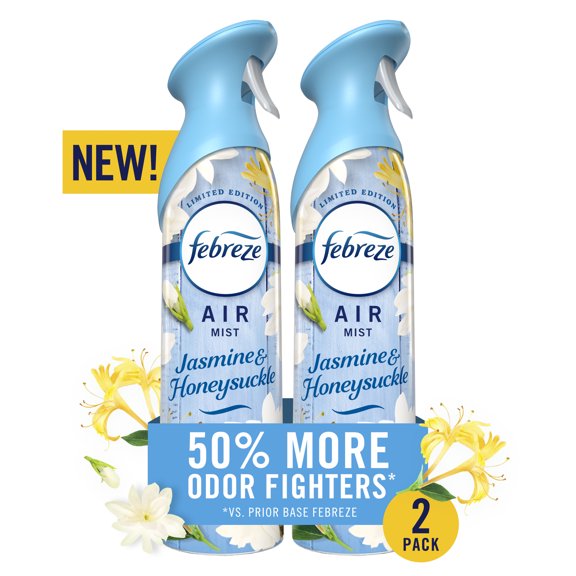
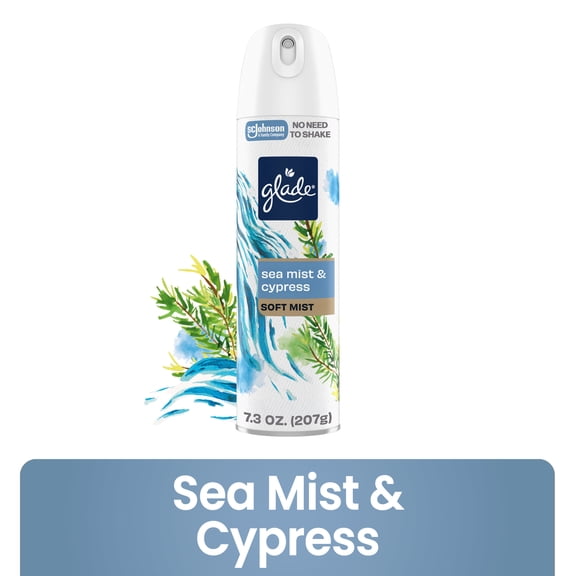
You can start with product type because each tool fits a different task. You may reach for sprays on sealed counters, wipes for fast passes, mops for larger floors, and vacuums for dust collection.
You'll usually want detergents when fabrics, utility rooms, or washable household items need a deeper refresh. You can build a smoother routine when your cleaning products match the mess instead of forcing one tool everywhere.
You can make your checklist easier by grouping items before you begin. You may want to compare these common spring cleaning essentials for faster planning.
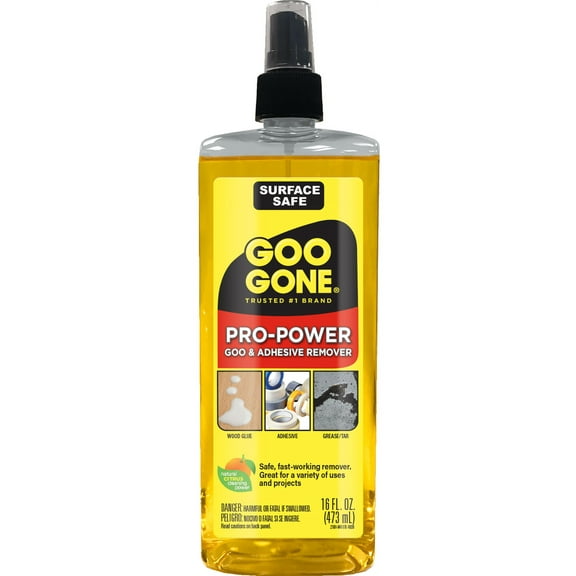
- You can use sprays when you need targeted coverage on sinks, stovetops, and sealed surfaces.
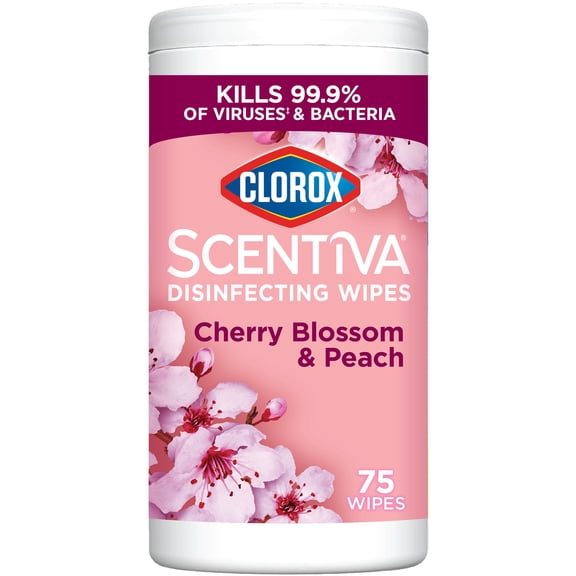
- You can grab wipes when you want quick cleanup on remotes, handles, and small bathroom areas.
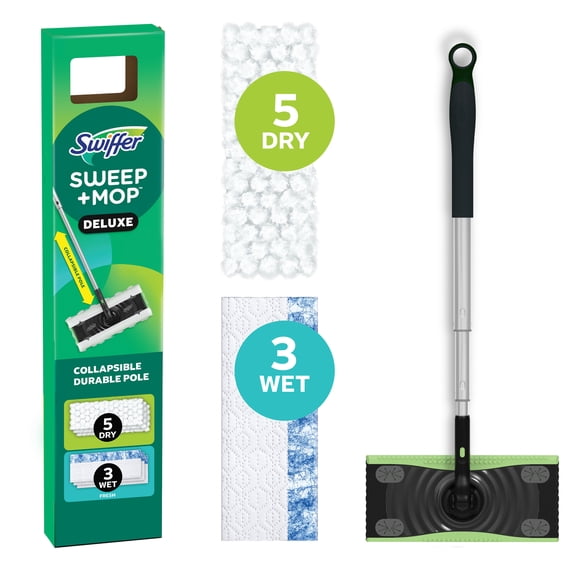
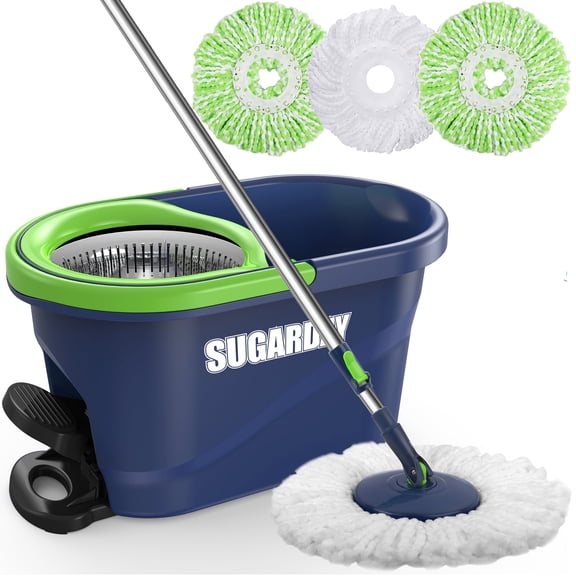
- You can choose mops when you need broad floor coverage across tile, hardwood, or multi-surface spaces.
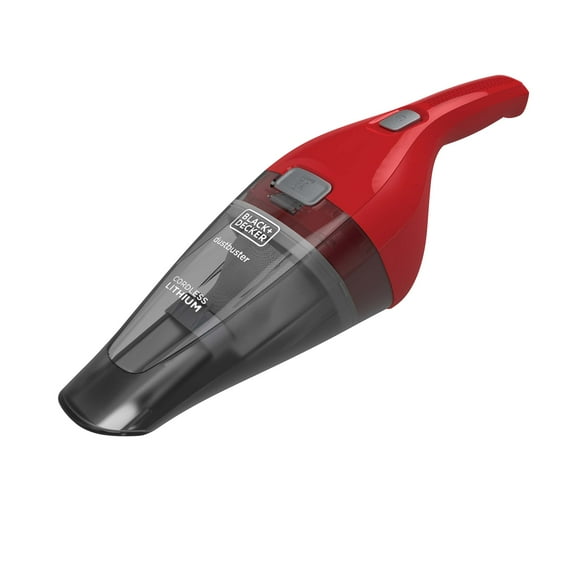
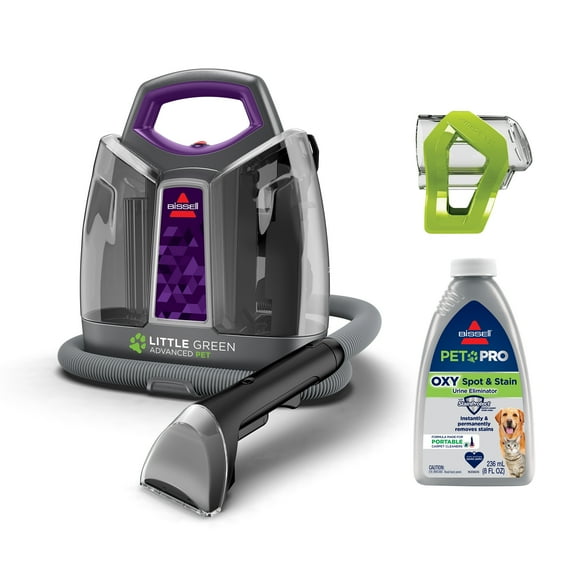
- You can use vacuums when you need to lift dust from carpets, rugs, upholstery, and corners.
- You can pick detergents when you want to wash reusable cloths, mop pads, or laundry-room textiles.
Choosing household cleaning supplies by surface type
You should check surface compatibility before you clean, because the wrong formula can leave streaks or dull the finish. You can compare hardwood, tile, glass, carpet, and multi-surface needs before filling your cart.
You'll often see pH level listed or implied in deep cleaning supplies, and that matters for delicate finishes. You can think of gentler formulas for sealed wood and stronger options for soap scum or greasy buildup.
You should also compare abrasive and non-abrasive options when you clean tubs, cooktops, or fixtures. You can use non-abrasive choices on glossy surfaces, while textured grime may call for scrubbing tools.
For glass, you may want formulas that help you wipe away fingerprints without hazy residue. For carpet, you should check whether your vacuum or cleaning tool is made for fibers, edges, and pet-hair pickup.
What to look for in formulation and strength
You can narrow household cleaning supplies by deciding how much cleaning strength your space needs. You may prefer scented options for a fresh finish, or you may want lighter formulas for everyday upkeep.
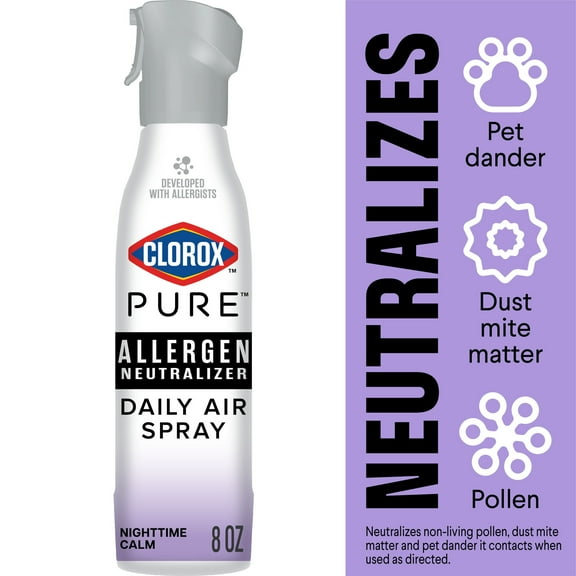
If you share your home with kids or pets, you should read labels and intended uses closely. You can look for directions that match indoor family spaces instead of heavy-duty shop environments.
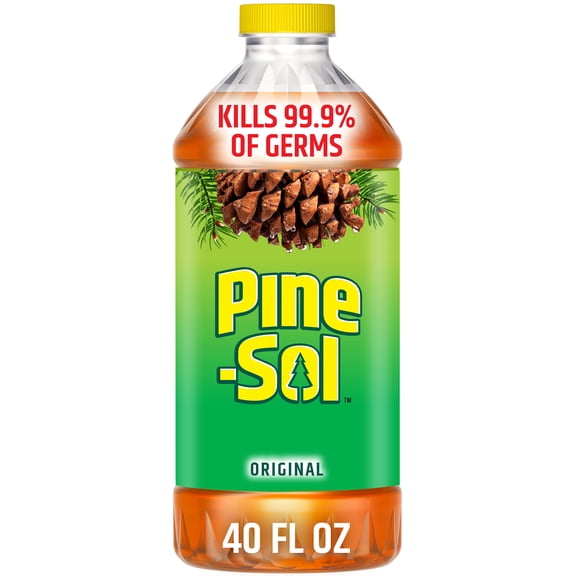
You may also compare disinfecting formulas, natural options, and other common spring cleaning essentials. You can choose what fits your routine, your surfaces, and how often you clean each room.
You'll usually get better results when the formula matches the mess, not just the room. You can reserve stronger kitchen or bathroom options for stuck-on residue, mineral marks, or greasy splatter.
Checking reusability and equipment compatibility
You can simplify your routine by deciding between disposable convenience and washable tools. You may like wipes for quick tasks, but you might prefer microfiber cloths and reusable pads for repeat cleaning.
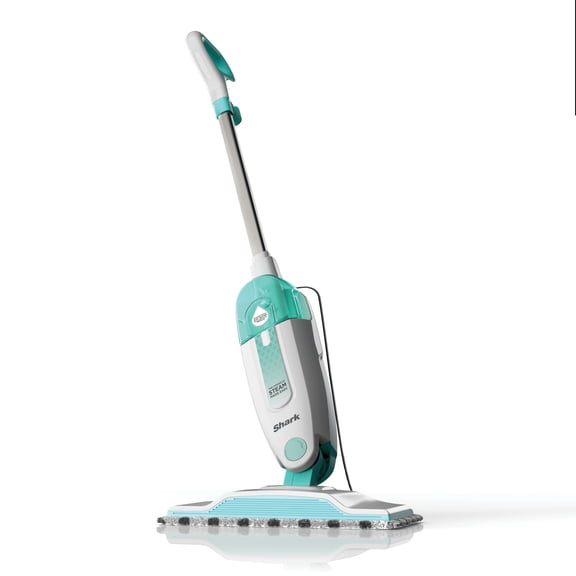
When you compare mops, you should check refill compatibility before you commit to a handle system. You can avoid interruptions when your replacement pads, cartridges, or heads fit the model you already use.
With vacuums, you should compare filter type and floor compatibility as part of your spring cleaning checklist. You can look for HEPA-style filtration when you want finer dust capture during routine household pickup.
You should also check nozzle, brush roll, and attachment options for stairs, corners, and upholstery. You can clean more efficiently when your machine reaches baseboards, vents, and under furniture without extra steps.
Using a spring cleaning checklist room by room
You can make spring cleaning supplies work harder when you assign them to specific spaces. You may want one checklist for the kitchen, bathroom, living room, and outdoor areas, so nothing gets skipped.
In the kitchen, you can pair degreasing sprays, wipes, and non-abrasive scrub tools for cabinets, backsplashes, and appliance fronts. You should check whether surfaces are sealed before using stronger deep cleaning supplies.
In the bathroom, you may want tile-focused cleaners, glass cleaners, and mop refills for splashes and residue. You can get through mirrors, fixtures, grout lines, and floors with fewer product swaps.
For the living room, you can combine vacuums, dusting cloths, and multi-surface sprays for shelves, rugs, and electronics areas. You should look for attachments that help you reach cushions, corners, and window ledges.
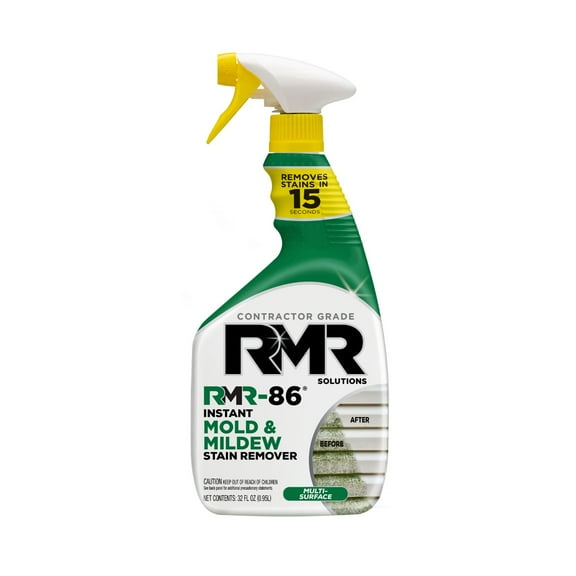
In outdoor spaces, you may choose tougher sprays, scrub brushes, and utility detergents for patio furniture and entry points. You can keep dirt from tracking inside when you clean mats, thresholds, and hard surfaces first.
You can also organize your spring cleaning checklist by task instead of room if that feels easier. You may dust first, vacuum second, wipe surfaces third, and finish floors last for a smoother flow.
Spring cleaning checklist essentials that keep you organized
You can stay on track when your spring cleaning essentials cover floors, glass, fabrics, and high-touch surfaces. You should compare product type, surface fit, formula strength, and equipment compatibility before you begin.
With the right spring cleaning supplies, you can move from room to room with fewer interruptions. You get a cleaner, more organized home when each item fits your checklist and your surfaces.