


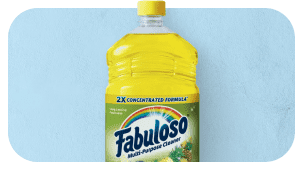
Kitchen cleaning supplies
Solutions for every surface, from stove to counter.
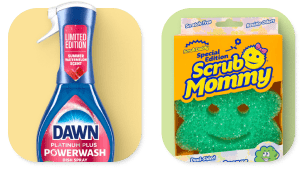

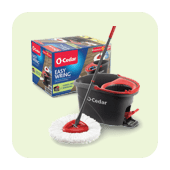

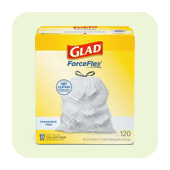
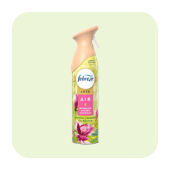

Spring Cleaning Kitchen


















About
Your kitchen cleaning supplies should match your surfaces, your messes, and your spring cleaning kitchen routine. Start with cleaners and tools that fit ovens, cabinets, sinks, and countertops.
How to choose kitchen cleaning supplies
Surface compatibility should guide your first decision when you compare kitchen cleaning supplies. Different finishes need different formulas, textures, and cleaning tools.
For granite and other sealed stone, check pH level and scrub texture before you clean. A non-abrasive formula can help your counters keep their finish looking consistent.
Stainless steel usually responds well to a stainless steel cleaner and a soft cloth. That pairing helps your appliance doors look clearer with fewer visible streaks.
Painted cabinets and hardwood trim often call for gentler liquids or wipes. Rough pads may leave your finish looking uneven, so softer materials make more sense.
Kitchen deep cleaning checklist by area
Zone-based planning keeps your spring cleaning kitchen routine more organized from start to finish. Separate your oven cleaning supplies from your sink and countertop products before you begin.
- Your stove area may need a degreaser for kitchen splatter and backsplash film.
- Your cabinets may need cabinet cleaners for doors, pulls, and sticky residue.
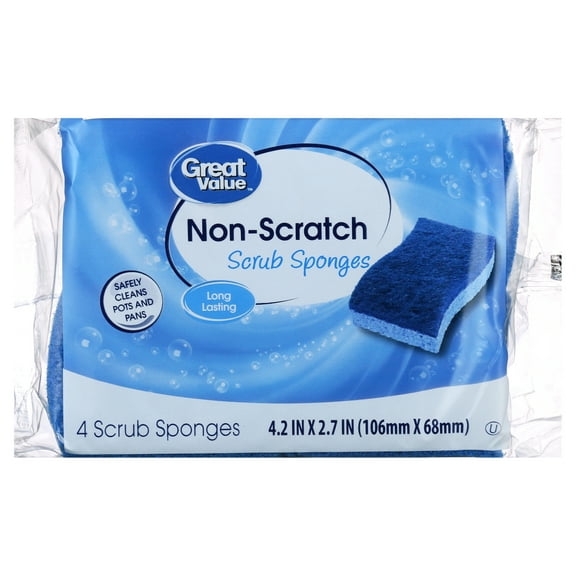
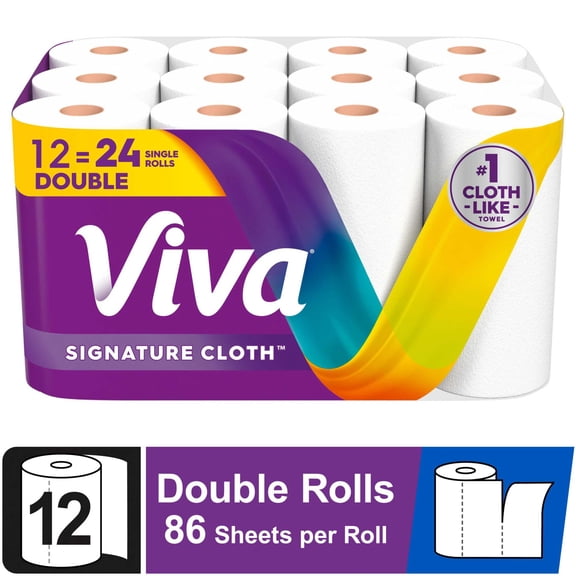
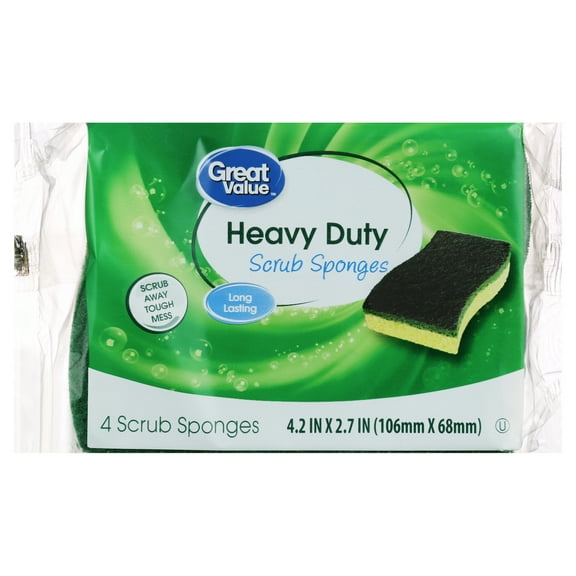
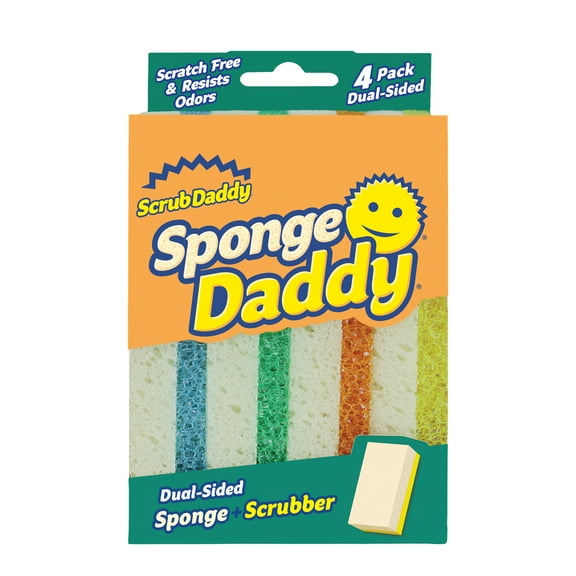
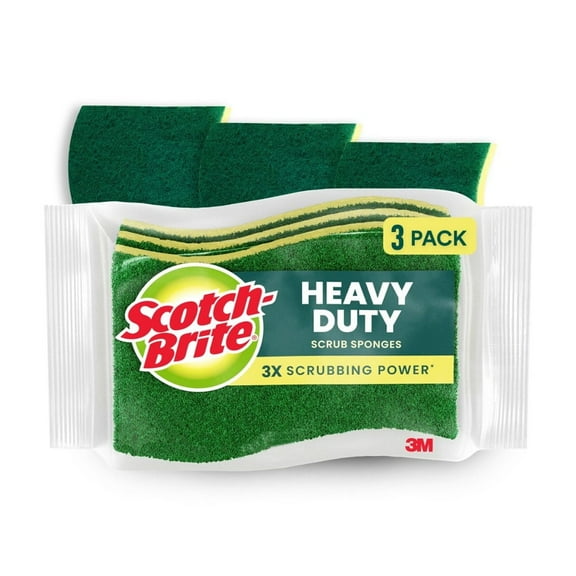
- Your sink area may need kitchen sponges and soft cloths for quick rinsing.
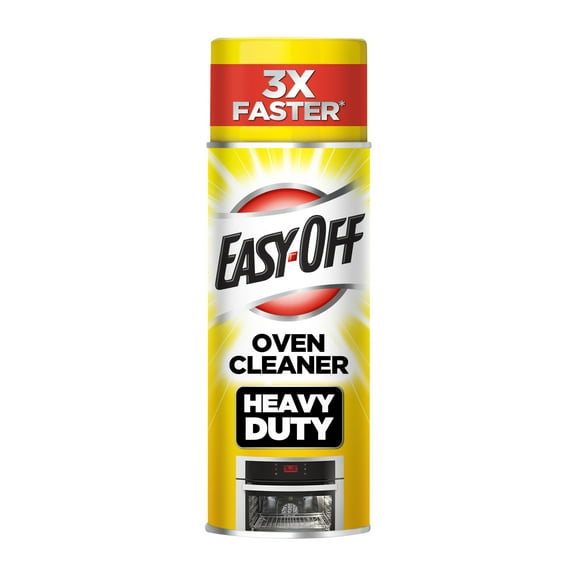
- Your oven may need oven cleaning supplies for racks, corners, and baked-on spills.
- Your counters may need surface-specific sprays for islands and food prep zones.
Ovens usually collect baked-on grease in corners, along rack supports, and around the door edge. For that reason, scrub pads and detail tools often help you reach tighter spots.
At the sink, rinse-friendly liquids or wipes can suit ceramic and stainless finishes well. That choice helps your surface look clean without leaving extra residue behind.
Choosing kitchen cleaners by product type
Product type shapes how your kitchen cleaners feel during daily wipe-downs and deeper projects. Sprays, wipes, liquids, and powders each fit different mess levels and cleaning habits.
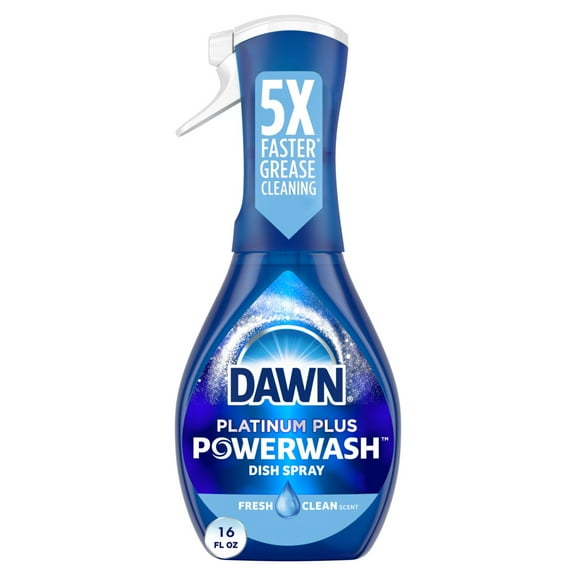
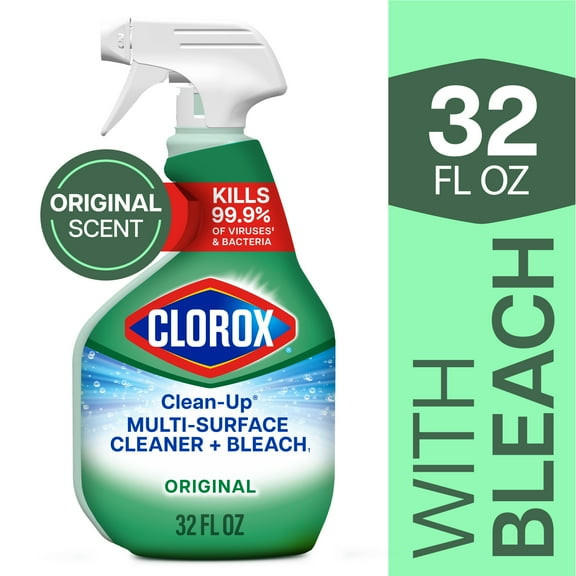
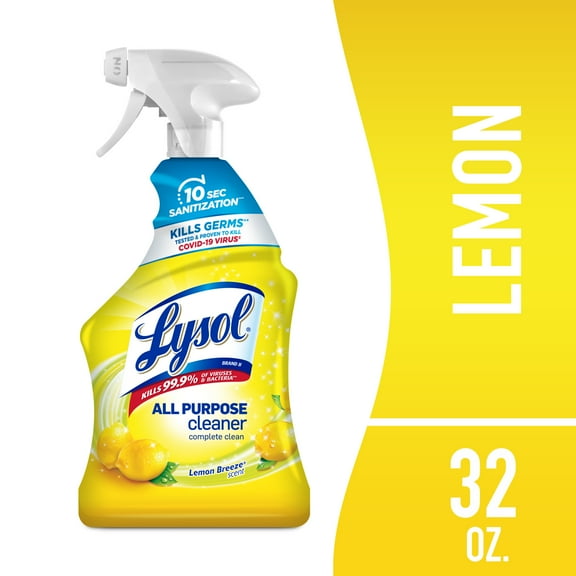
Sprays work well across counters, backsplashes, and appliance fronts where you want broad coverage. In busy cooking spaces, that format helps you move quickly from one section to another.
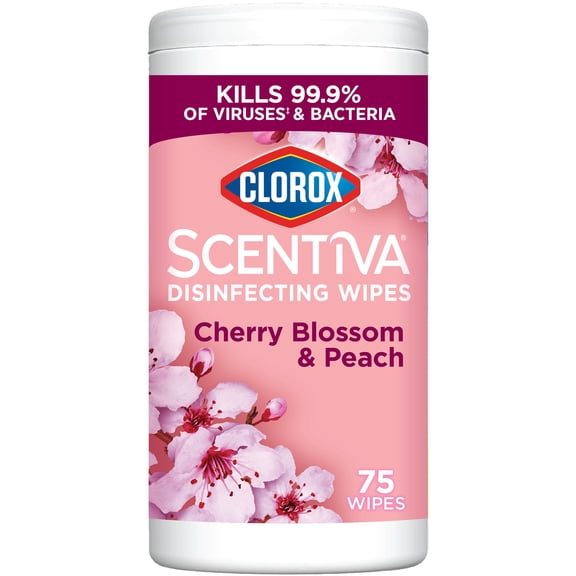
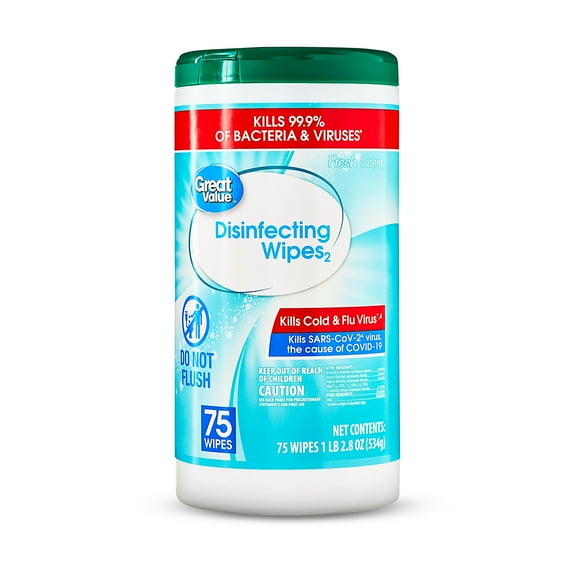
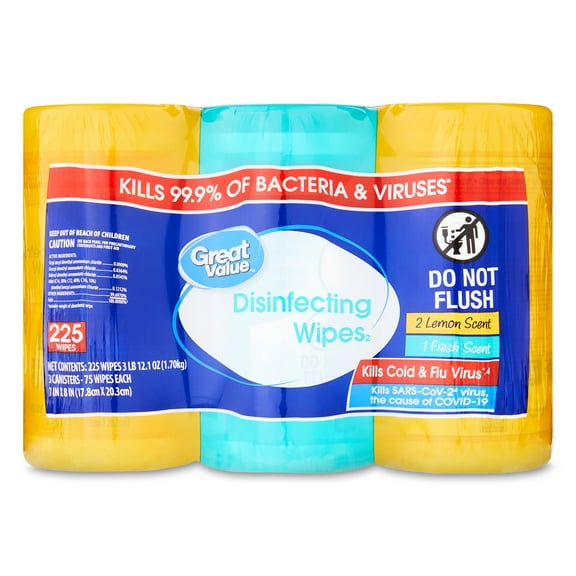
Wipes make sense for handle marks, crumbs, and small drips near prep zones. When your cleanup is light, that format keeps your routine simple and direct.
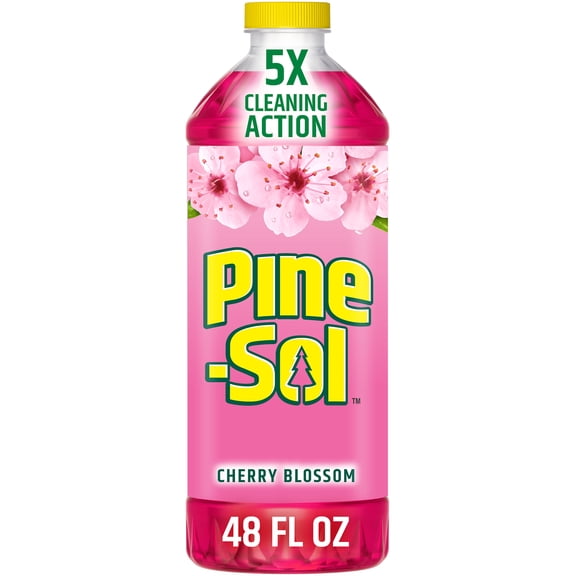
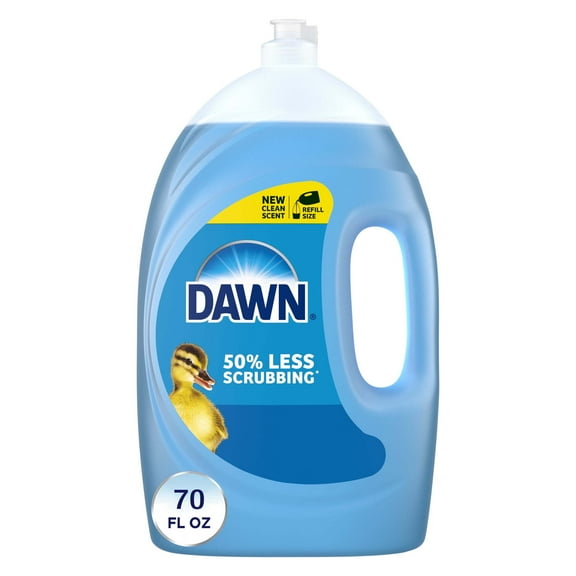
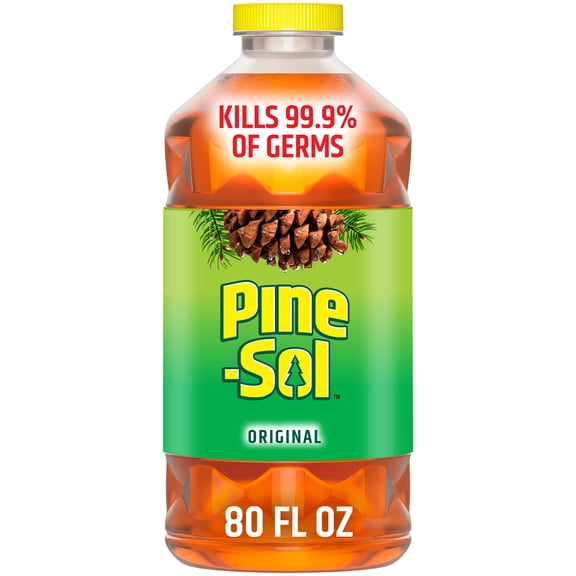
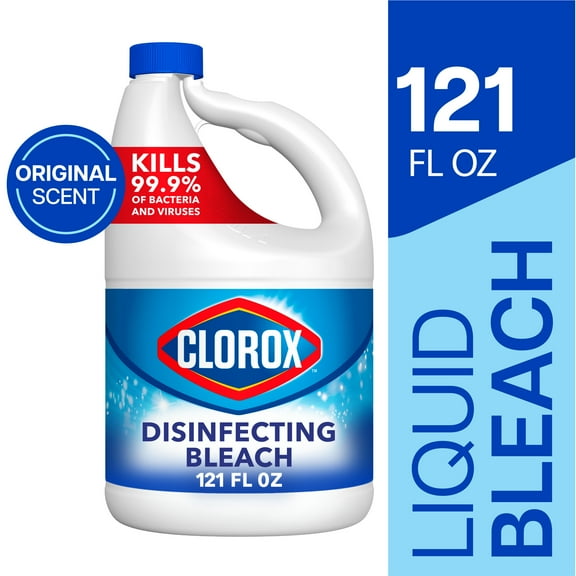
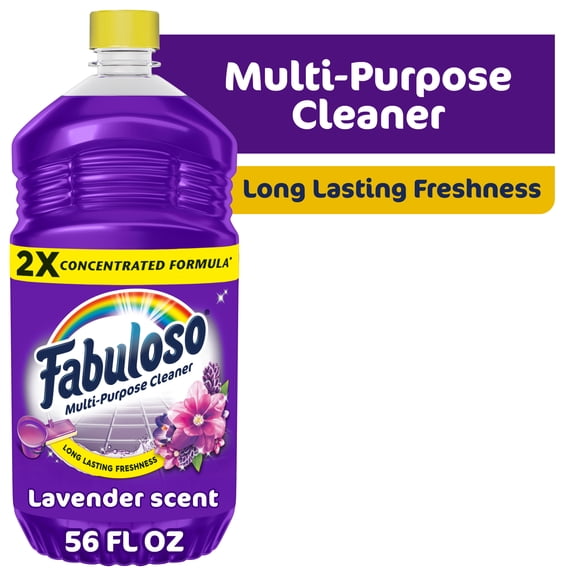
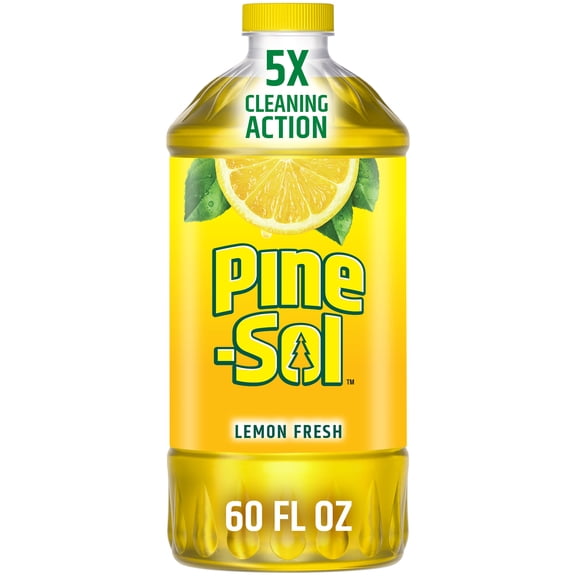
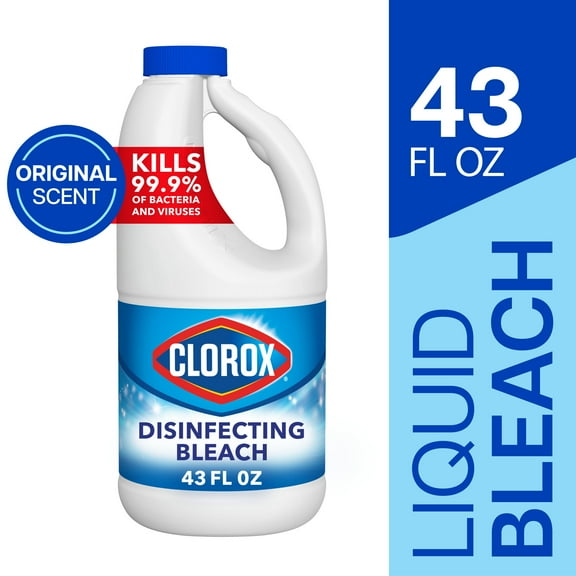
Liquids often fit soaking tasks, sink basins, and larger jobs that use water. If your cleaning plan includes cabinet fronts or floors, liquids may feel easier to spread evenly.
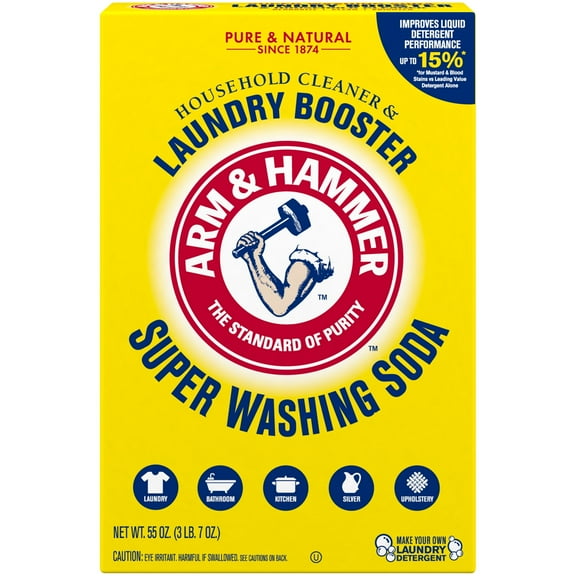
Powders can support tougher scrubbing on compatible surfaces with stuck-on residue. Before you choose one, check whether your finish can handle a more abrasive texture.
What to look for in oven cleaning supplies and grease cutting
Grease cutting power matters when your stovetop, hood, or backsplash collects oily film. Active degreasing agents help loosen residue, so wiping and scrubbing take less effort.
Stovetops, range hoods, and greasy cabinet tops often need a different approach than daily counters. Heavier formulas may suit deep sessions, while lighter sprays often fit fresh splashes.
Inside the oven, baked-on spots usually call for more focused tools and longer contact time. That is why many shoppers pair oven cleaning supplies with scrub pads and small detail brushes.
Choosing formulations for scent and routine
Formulation also changes how your kitchen cleaning supplies fit your household preferences. You can compare plant-based, heavy-duty, scented, and unscented options before you clean.
In smaller kitchens, unscented options may feel easier to use during longer cleaning sessions. If you prefer a noticeable finish, citrus or lavender scents may fit your routine.
Plant-based formulas often suit lighter wipe-downs across many kitchen surfaces. Heavy-duty options may make more sense when grease, splatter, and baked-on residue need stronger support.
Matching combinations to real kitchen routines
Your kitchen layout often points to the right mix of formulas, tools, and formats. A mixed-material space usually needs more than one cleaner to match each surface well.
For frequent stovetop cooking, a degreaser for kitchen splatter, sprays, and kitchen sponges can cover everyday messes. Nearby oven cleaning supplies also help during deeper passes on racks and doors.
Granite counters and stainless appliances call for a more specific approach during deep cleaning. Non-abrasive formulas and stainless steel cleaner help you handle both finishes with more control.
Painted cabinets, hardwood trim, and ceramic sinks usually respond to gentler cabinet cleaners and rinse-friendly liquids. That combination can make your deep-cleaning checklist feel more practical and predictable.
During spring cleaning kitchen projects, start high at cabinets and work downward toward counters and the sink. Finishing with the oven helps you keep crumbs and grease from earlier steps contained.
Your kitchen cleaning supplies should reflect your surfaces, your cleaning style, and your checklist. With the right match for each area, your kitchen reset feels more thorough and easier to manage.