












![Beyond Laundry Detergent Strips [32 strips] - Free & Clear](https://i5.walmartimages.com/seo/Beyond-Laundry-Detergent-Strips-32-strips-Free-Clear_80b56394-a9fb-4aec-8177-4557aa20e605.da1d31d321e15eafbaaae18fe6242d90.jpeg?odnHeight=576&odnWidth=576&odnBg=FFFFFF)



Spring Cleaning

Spring cleaning picks for every room
Get it in as fast as an hour.*
Spring cleaning starts here
A fresh space, for less
Make cleaning easier.
Cleaners for every space






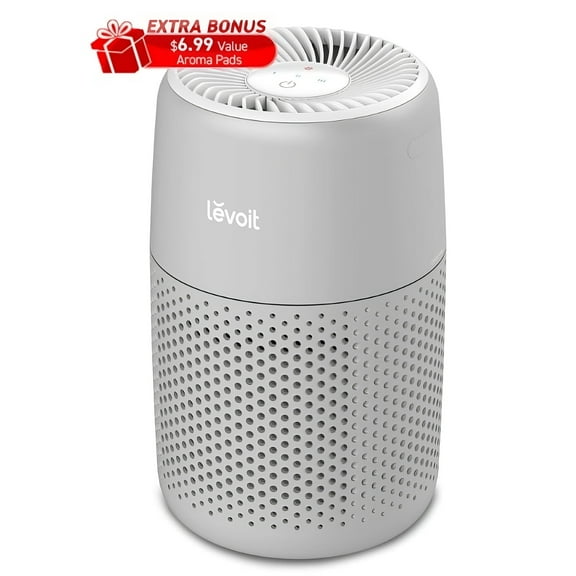
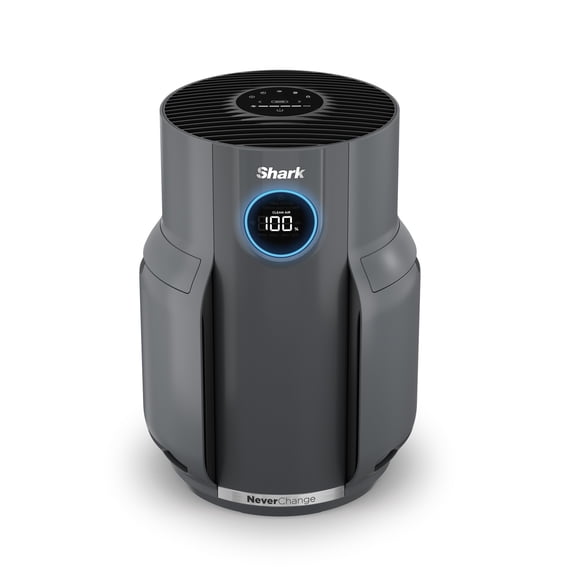
Must-try air purifiers
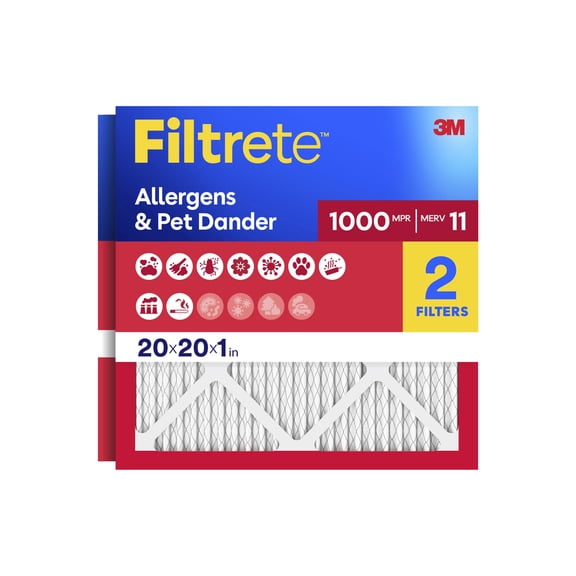
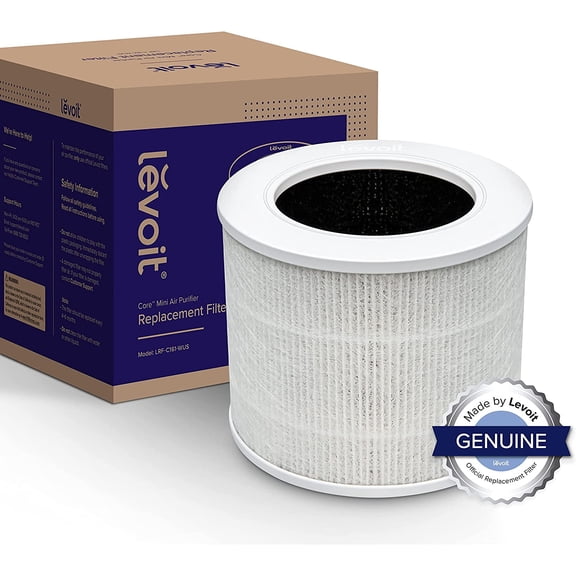
Filters & more to refresh each room.














New & trending in laundry
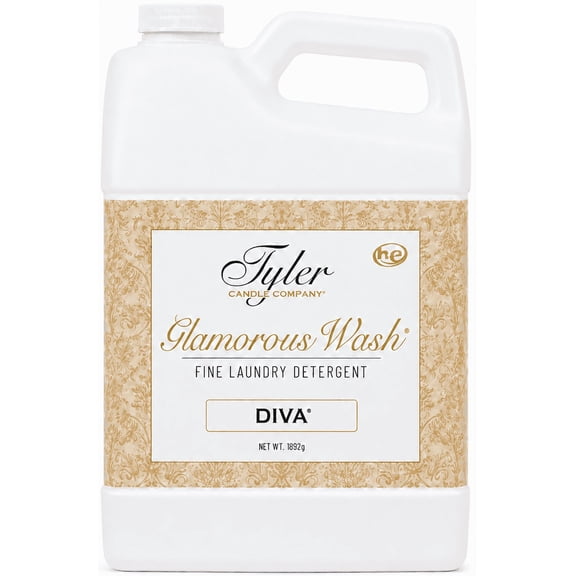
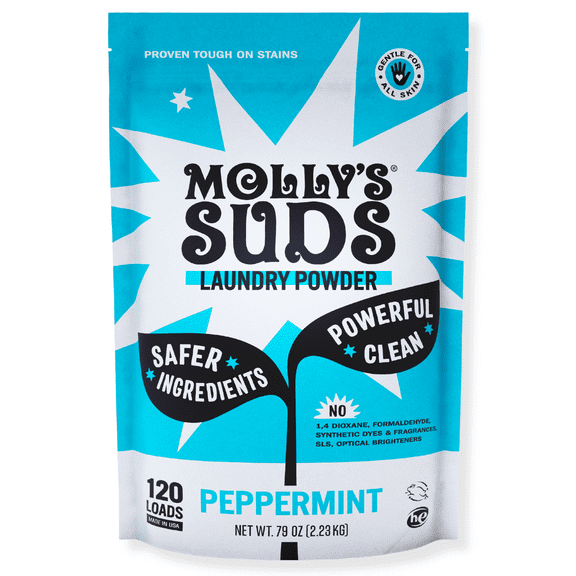
Tyler Candle, Molly’s Suds & more.












FAQ
About Spring Cleaning - Walmart.com
Spring cleaning supplies help you reset each room with less guesswork and more coverage. You can compare cleaners, tools, and fresh scents by task, surface, and pickup convenience in store.
If you're planning a full home refresh, you need products that match each room's mess. You can use this guide to sort spring cleaning items by product type, scent profile, cleaning area, and formulation.
How to choose spring cleaning supplies by product type
Product type shapes how quickly you move through dust, spills, and stuck-on residue. You should compare all-purpose cleaners, disinfectant sprays, microfiber cloths, mops, and brooms by the jobs on your checklist.
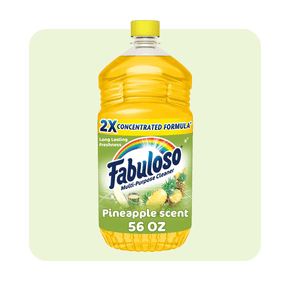
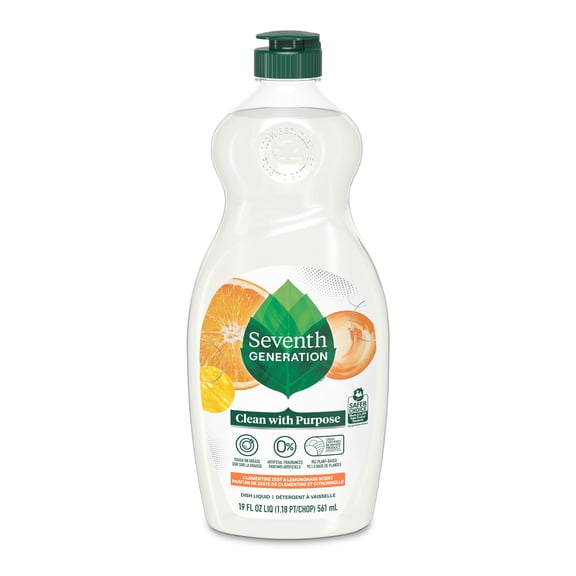
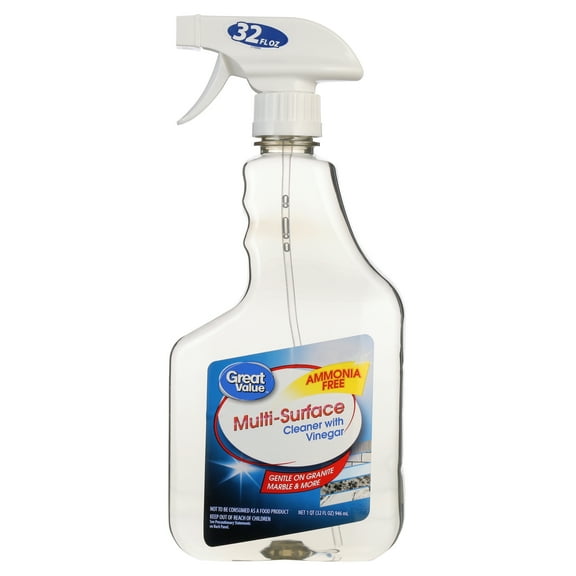
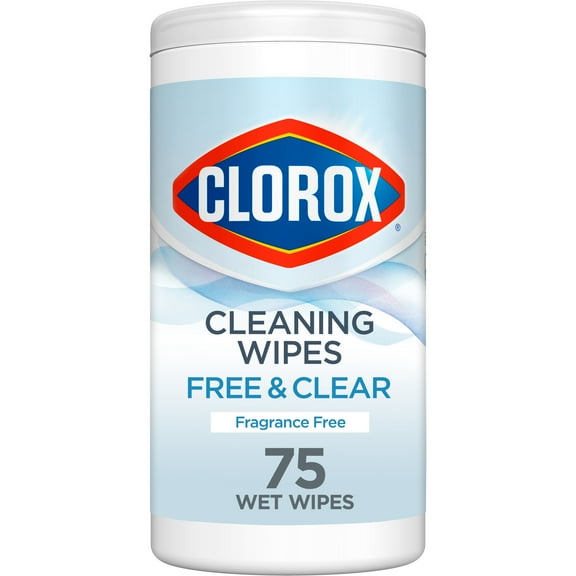
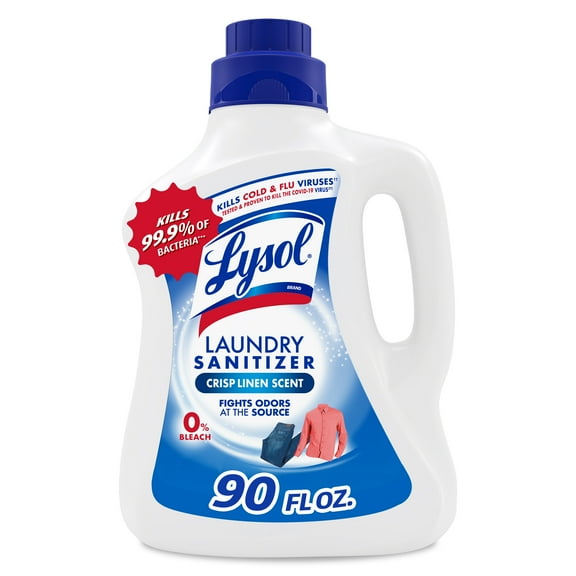
All-purpose cleaners help you handle counters, sealed surfaces, and quick wipe-downs with one bottle. You may want disinfectant sprays for frequent-touch areas, while microfiber cloths help you trap dust without leaving lint.
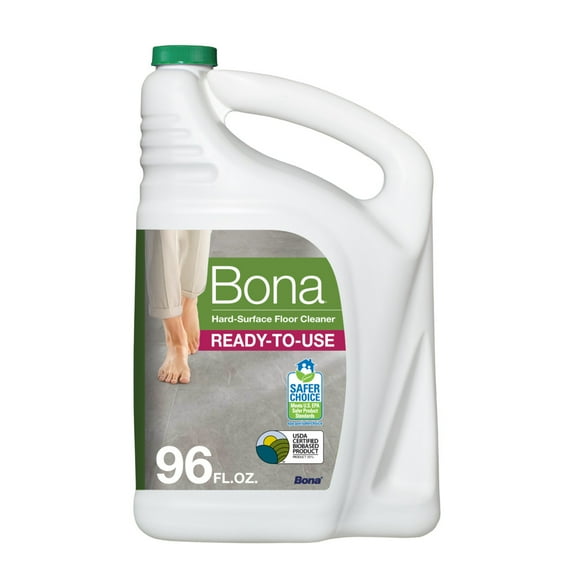
Mops and brooms matter when floors collect crumbs, pollen, and tracked-in dirt. You should check whether you want reusable heads, disposable pads, or a simple sweep-and-gather setup.
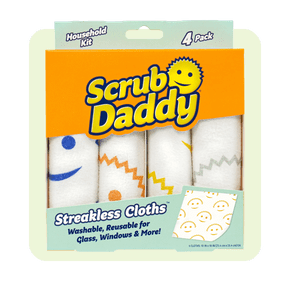
- You can use microfiber cloths for mirrors, fixtures, and electronics dusting.
- You can reach corners and baseboards faster with the right broom shape.
- You can clean sealed floors more evenly when your mop matches the surface finish.
- You can keep room-to-room tasks organized by grouping supplies before you start.
Choosing spring cleaning products for surfaces and formulations
Surface compatibility matters because your kitchen counters need different care than your hardwood floors. You should look for pH neutral options on delicate sealed surfaces and non-abrasive formulas on finishes you want to keep smooth.
When you compare abrasive and non-abrasive choices, you can match cleaning power to the mess. You may prefer heavy-duty formulas for baked-on kitchen residue, while concentrated options help you mix the amount you need.
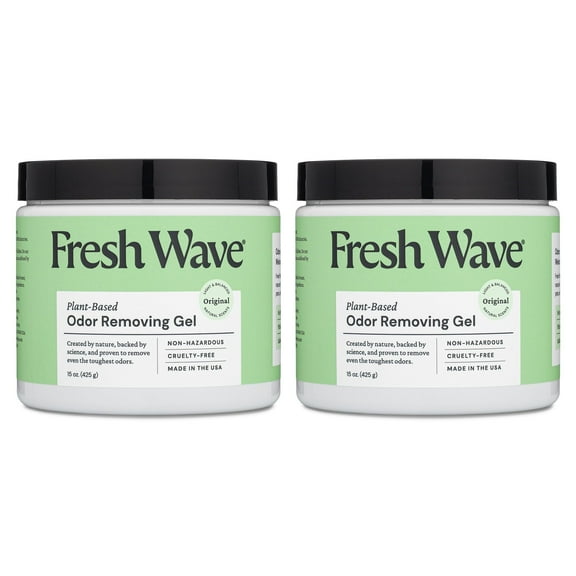
You may look for plant-based options for everyday wipe-downs and lighter scents. You should also check labels for pet-safe and child-safe use directions that fit your household routine.
For bathrooms, you may want stronger foam or spray coverage on tile, grout lines, and fixtures. For windows, you should choose streak-conscious tools and cloths that leave glass clear in bright daylight.
What to look for in scent profile and air care
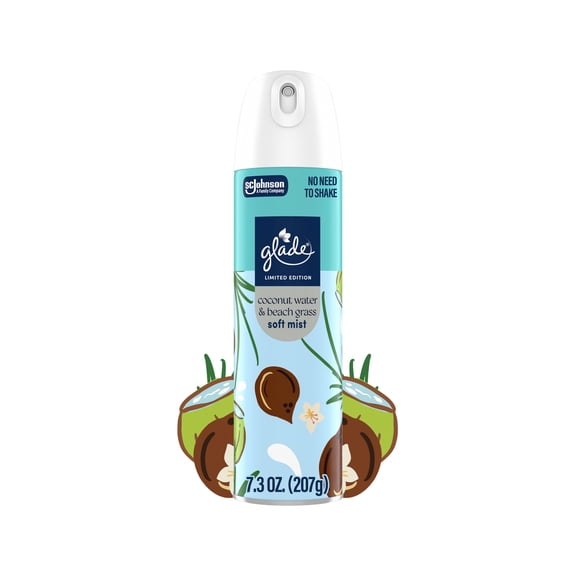
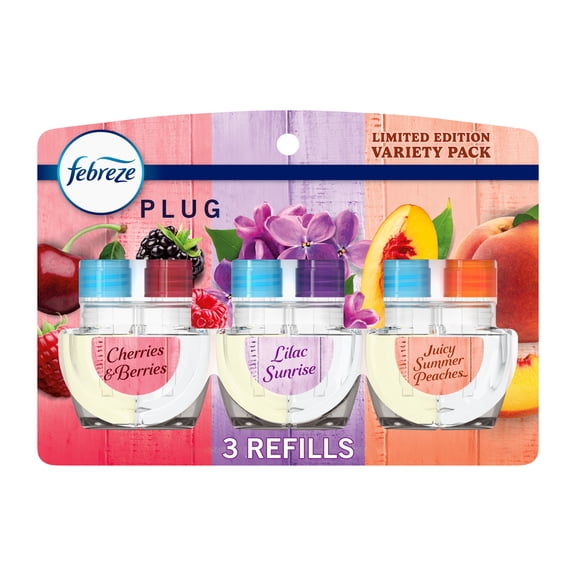
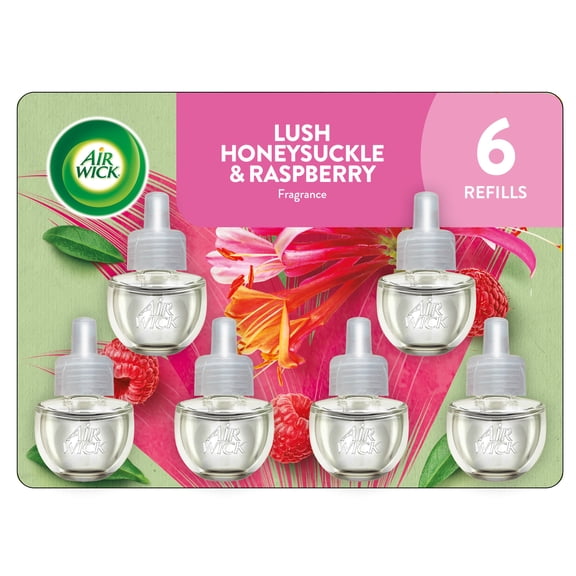
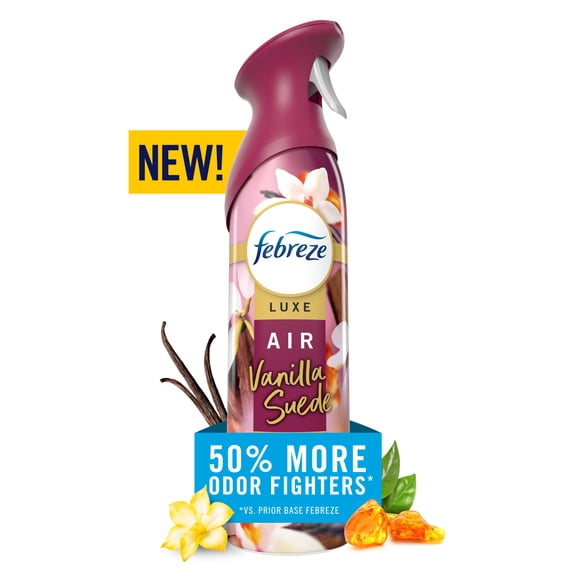
Scent can change how your home feels after you finish each room. You should compare citrus, lavender, fresh linen, coconut water, and mango notes by how light or lasting you want them.
Citrus often feels crisp in kitchens, while lavender can suit bedrooms or bathrooms. You may prefer fresh linen in shared spaces where you want a clean impression without an overpowering finish.
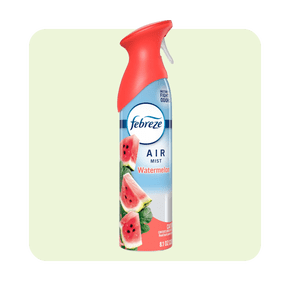
If you want a seasonal refresh, you can pair air care with your cleaning routine. You might choose a coconut water candle for a breezy note or a mango car air freshener for your vehicle.
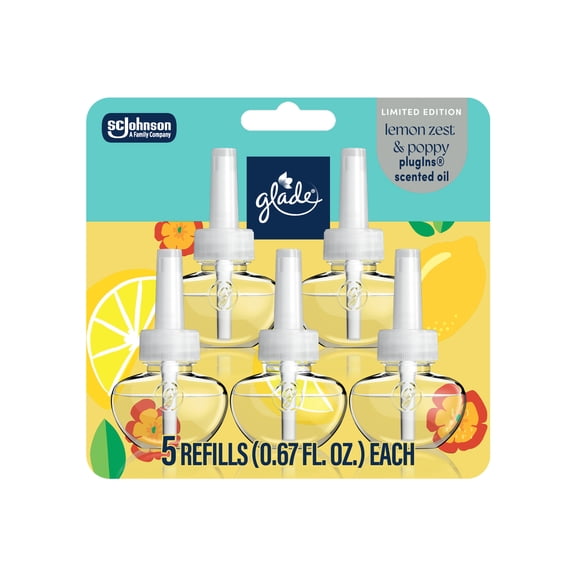
Fragrance strength matters when you're cleaning small rooms or open layouts. You should check whether you want a quick burst, a steady background scent, or a lighter glad fragrance style.
Matching cleaning area to the right spring cleaning tools
Each room asks for different cleaning supplies for spring cleaning, so your checklist should stay room specific. You can move faster when you sort your cart by kitchen, bathroom, hardwood floors, windows, and carpets.
In kitchens, you may need degreasing sprays, scrub tools, trash bags, and fresh cloths for cabinets and appliances. In bathrooms, you should focus on tile, mirrors, fixtures, and narrow spots around the sink base.
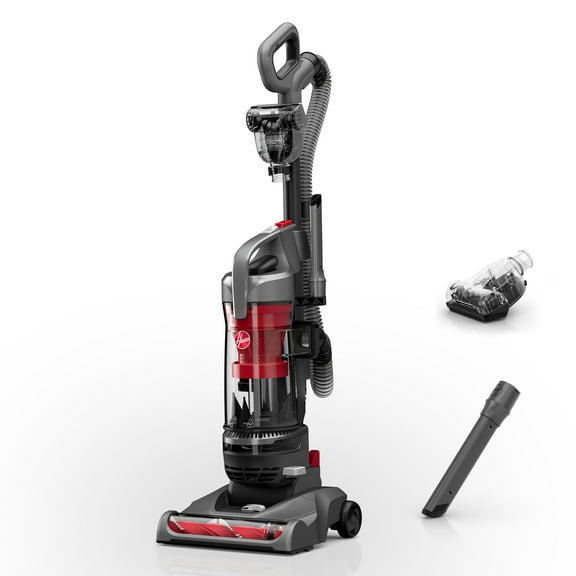
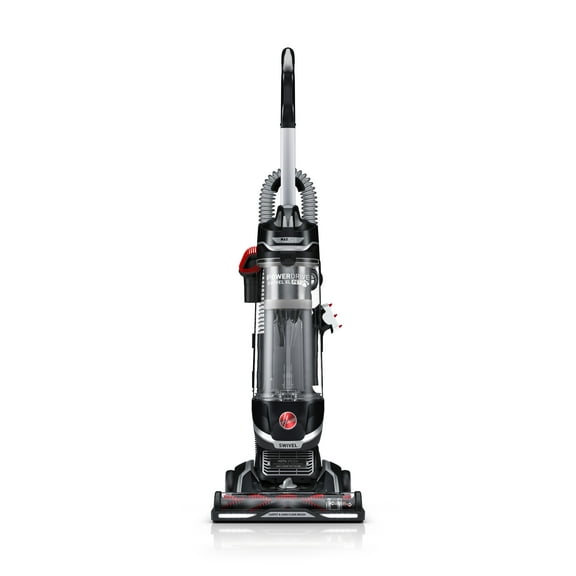
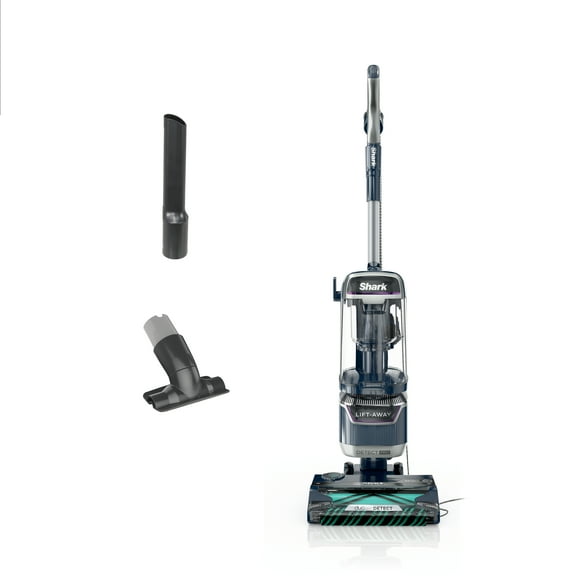
For hardwood floors, you should measure how much moisture your routine uses and choose gentle tools. For carpets, you may want sweepers, vacuums, or spot-focused helpers that fit high-traffic areas.
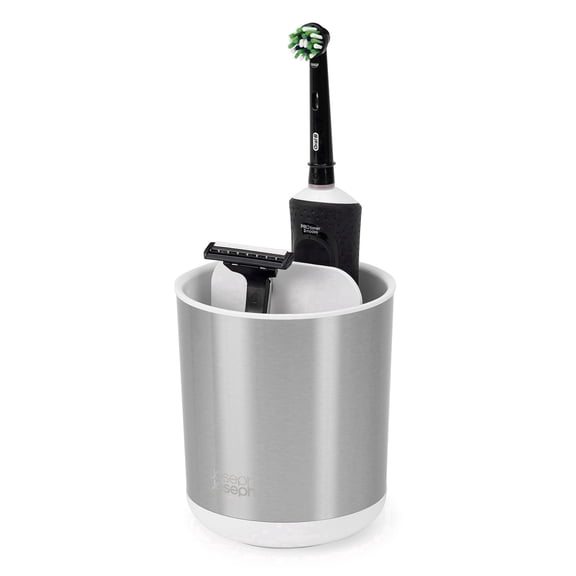
Windows usually need lint-free cloths, spray bottles, and extension-friendly tools for taller panes. You can also add organizers like a chrome toothbrush holder when you want your refreshed bathroom to stay orderly.
How to compare reusable and disposable options
Tool format affects your routine long after you finish your first deep clean. You should compare reusable cloths and mop pads against disposable refills by cleanup habits, storage space, and task frequency.
Reusable tools can help you set up a repeatable weekly routine with fewer replacements. Disposable options can simplify quick touchups when you want a grab-and-go setup for busy days.
You should also think about handles, refill systems, and bucket size before you choose. If you're searching for spring cleaning items in a store, you can narrow choices faster with these decision points.
Using spring cleaning supplies room by room
A room-by-room plan helps you avoid missed spots and duplicate purchases. You can start with entryways and living spaces, then move into kitchens, bathrooms, bedrooms, and your car.
Living areas often need dusting cloths, floor tools, and air fresheners after windows open for the season. You may notice that fresh linen or coconut water scents fit these spaces without taking over.
Bedrooms usually call for light dusting, under-bed sweeping, and surface wipes on dressers and lamps. You can keep the routine simple by choosing spring cleaning products that work across several sealed surfaces.
Your car can benefit from wipes, trash liners, and a mango car air freshener for a finished feel. You can carry the same checklist mindset from your home into your trunk, cup holders, and floor mats.
With the right mix of spring cleaning supplies, you can clean by surface, scent, and room instead of guessing. You get a more organized reset, plus a home that feels fresh and easier to maintain.