


Garage cleanup essentials
Trash bags & more to clear the clutter.






Spring Cleaning Garage
































About
Garage spring cleaning gets easier when you organize by zone, clean concrete with the right tools, and choose storage that fits your layout. You can clear walkways, sort gear faster, and keep floors open for parking or projects.
How to plan garage spring cleaning
Start with a simple layout check before you move a single item. You should measure wall width, ceiling clearance, door tracks, and wall stud spacing before comparing storage options.
Next, divide your space into wall-mounted, ceiling, freestanding, and cabinet storage zones. You can match each zone to daily tools, seasonal totes, car supplies, or workshop gear.
Instead of filling every surface, keep a clear path for parking and foot traffic. You can make spring cleaning garage projects feel more manageable when your layout supports how you actually use the space.
Choosing garage organization systems
When you compare garage organization systems, focus on storage type first. You can choose shelving units for visible access, overhead racks for bulky totes, storage bins for sorting, and pegboards for hand tools.
- You can use shelving units when you want cleaning supplies, hardware, and tool cases within easy reach.
- You can choose overhead racks when your ceiling height allows storage above parked vehicles or open floor areas.
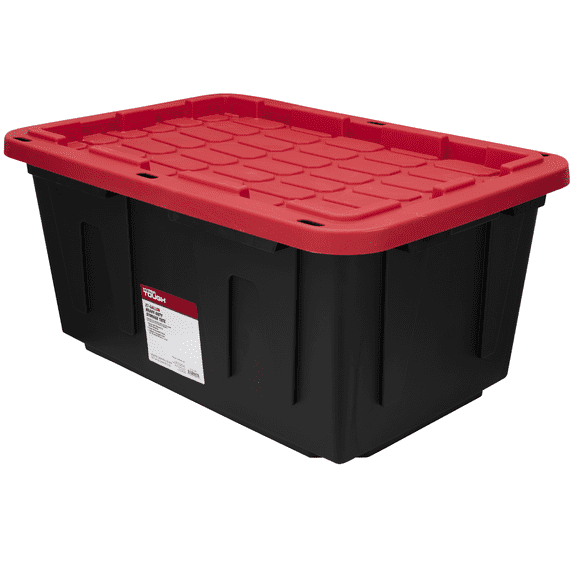
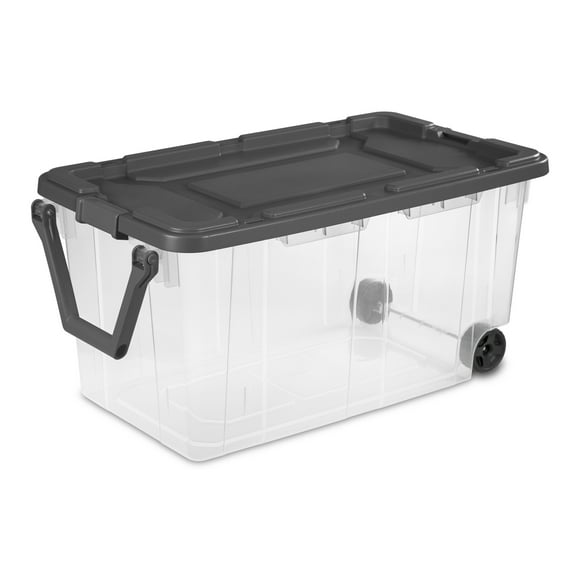
- You can sort seasonal gear into garage storage bins when you want labeled, stackable containers with a smaller footprint.
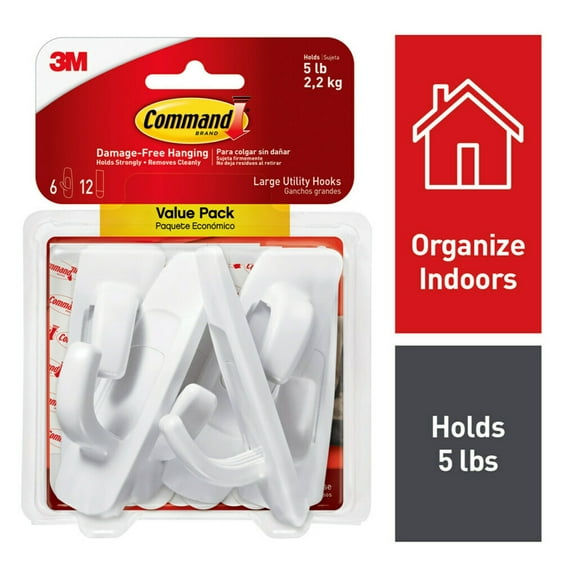
- You can hang often-used tools on pegboards when you want open visibility near a bench or work zone.
For narrow garages, wall-mounted systems can help you protect valuable floor space. In taller garages, ceiling storage can hold less-used items without crowding your everyday setup.
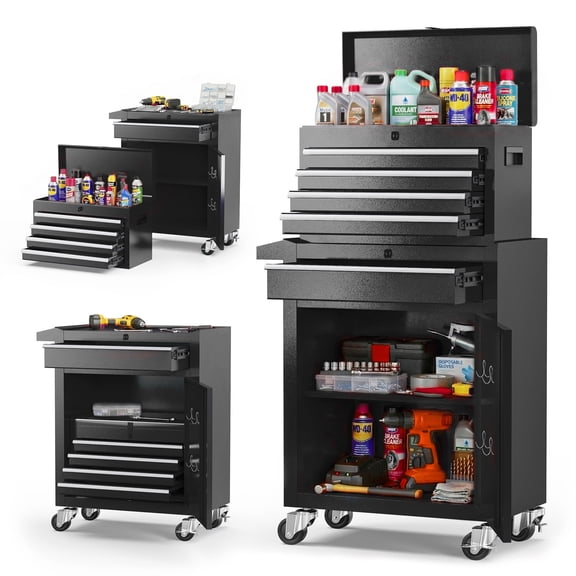
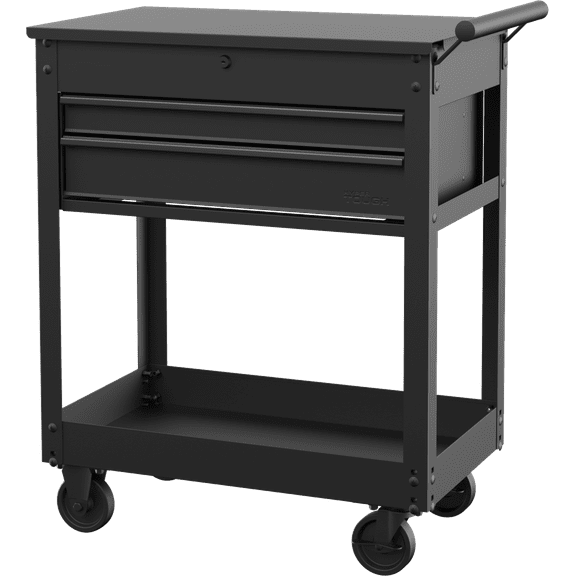
If your needs change often, freestanding pieces give you flexibility during a reset. For a tidier look, cabinet storage helps you hide mixed supplies behind closed doors.
What to look for in garage shelving
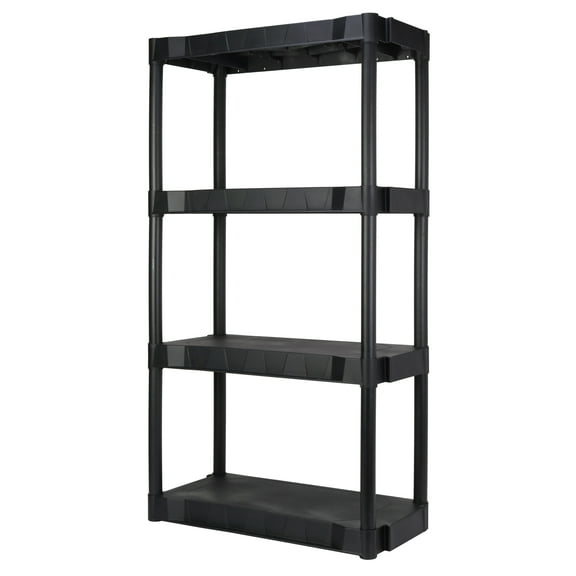
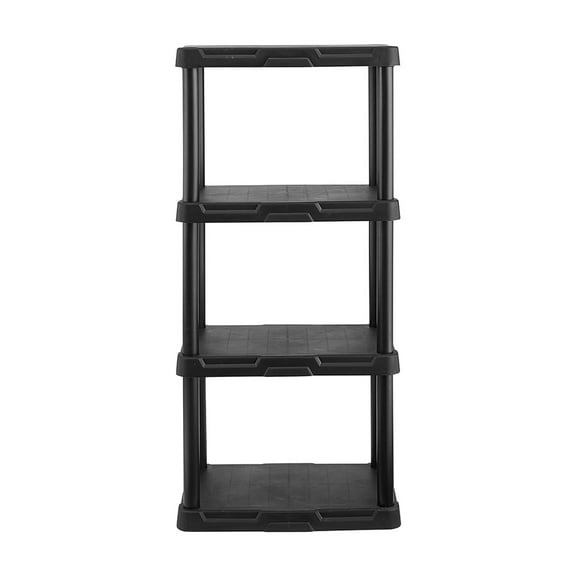
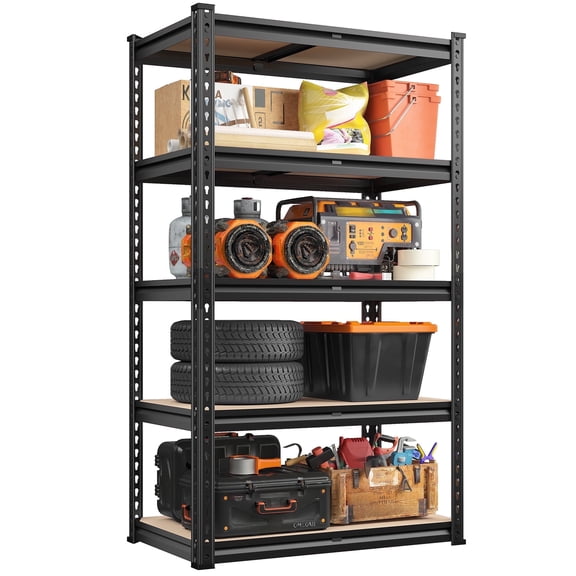
Garage shelving works more effectively when you compare materials and weight capacity together. You should look at heavy-duty steel for bulky loads, industrial plastic for damp areas, wire for airflow, and wood for bench-style storage.
Check weight capacity per shelf before you plan where items will go. You can place heavier toolboxes, tires, or filled totes with more confidence when each shelf matches the load.
Light duty shelves usually hold under 100 pounds per level. Medium duty options often fit household overflow, while heavy duty shelving supports larger gear and denser storage.
Steel gauge also matters when you compare shelving strength. You can think of thicker steel and reinforced corners as extra support for stacked bins, power tools, and automotive supplies.
How to choose garage cleaning supplies
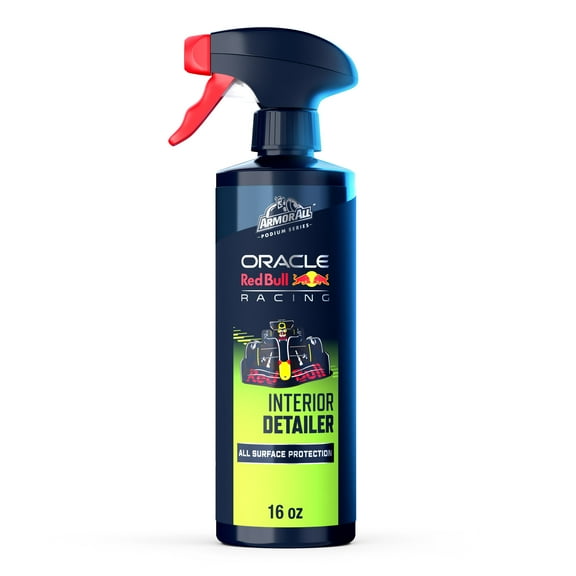
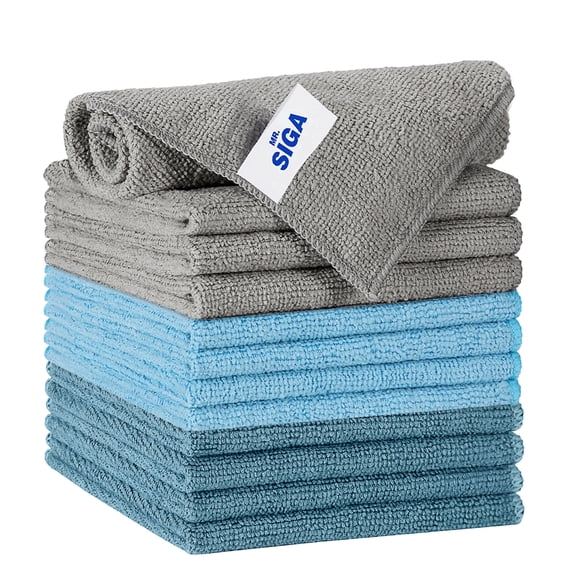
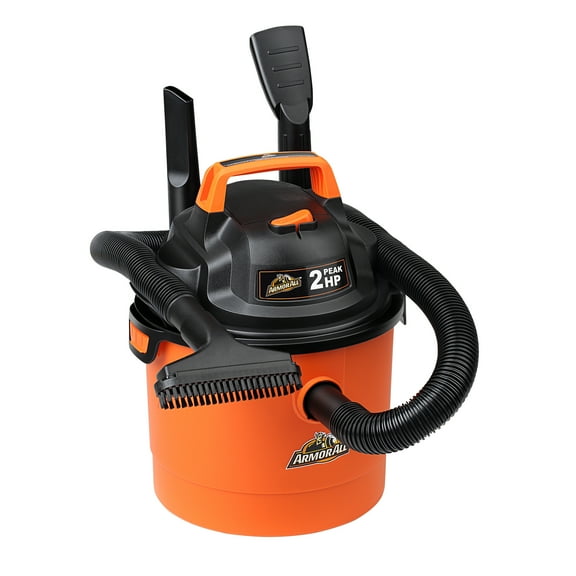
Garage cleaning supplies should match the mess and the surface in front of you. You can use dusting tools for rafters and corners, degreasing products for oily spots, and a garage floor cleaner for concrete grime.
For concrete floor cleaning, sweep first so loose dirt does not spread during scrubbing. You should then check whether your concrete is sealed or unsealed before choosing a cleaner.
On greasy spots, apply a degreasing formula and let it sit briefly. You can scrub in sections with a stiff brush, which helps you lift residue without pushing grime across the floor.
Work in smaller sections when you want a more even finish. You can control rinse water more easily and keep dirty runoff from settling back onto cleaned areas.
Using bins and cleanup tools for garage storage
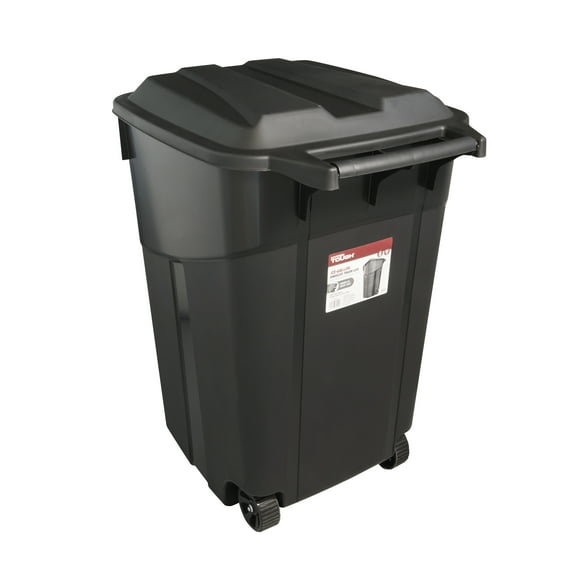
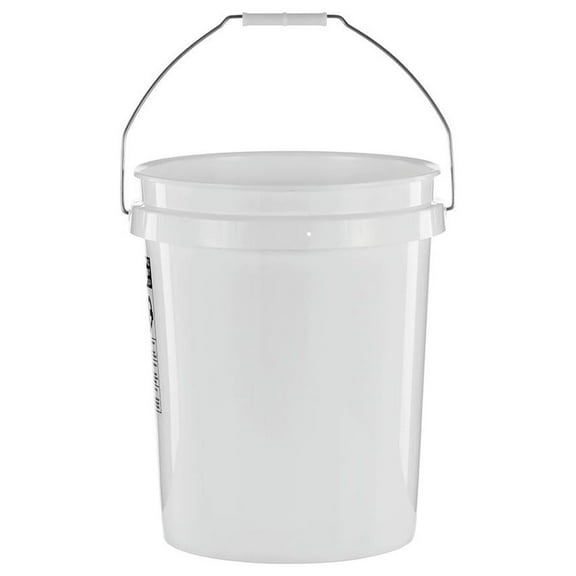
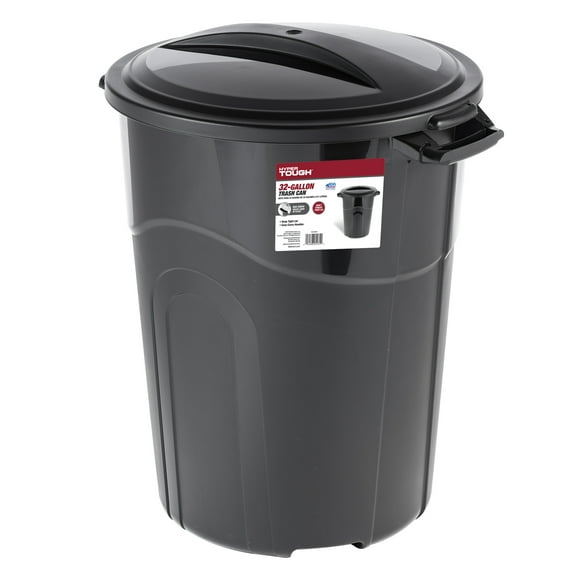
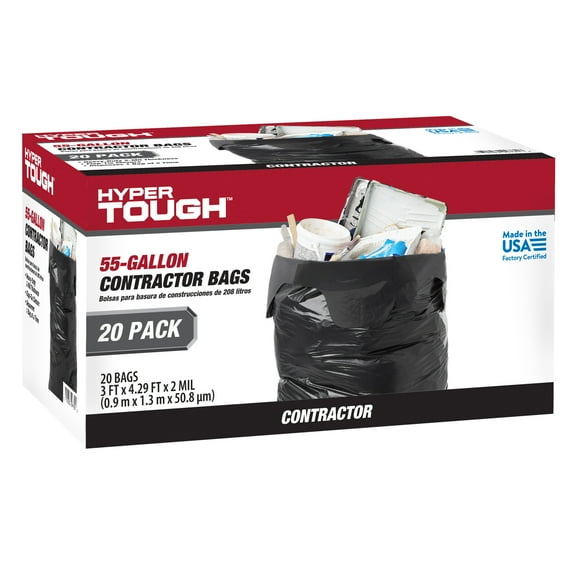
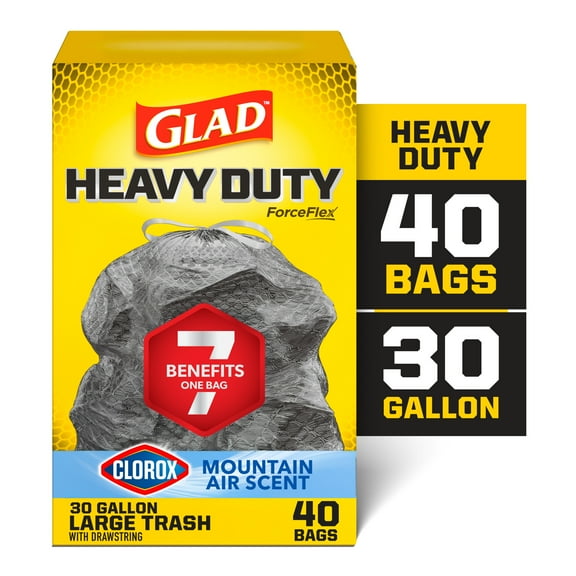
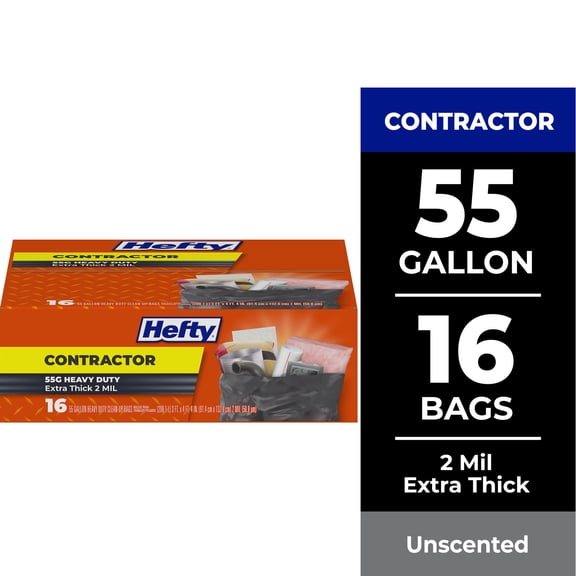
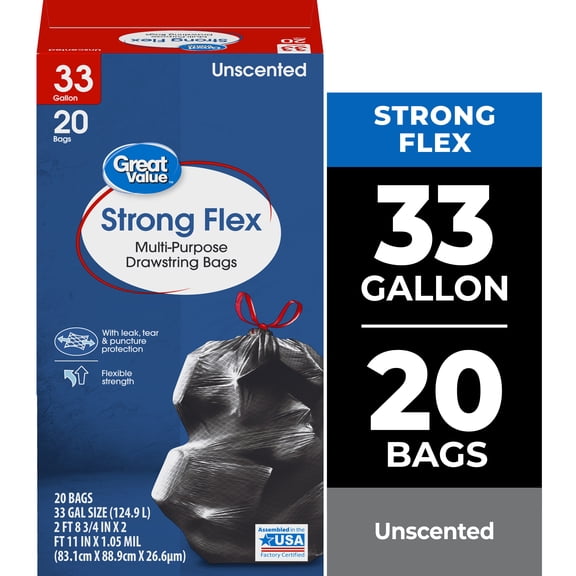
Cleanup and sorting work well together when you want clutter to stay under control. You can separate discard piles with heavy duty trash bags, then move keep items into labeled garage storage bins.
Look for durable plastic, secure lids, and stackable shapes when you compare bins. You can store holiday decor, sports gear, extension cords, and car care supplies with a setup that stays easier to manage.
If long-term storage matters, check whether bin surfaces wipe clean and lids close firmly. You can also compare clear bins for quick visibility or opaque bins for a neater wall of storage.
For small parts, combine bins with pegboards or drawer organizers near your workspace. You can keep screws, anchors, and hand tools sorted without covering every shelf.
Matching your setup to real garage tasks
If you park inside the garage, choose narrower shelving depths and more wall storage. You can keep door swing and walking room open while still storing cleaners, cords, and accessories.
For workshop use, combine shelving, pegboards, and open bins around your bench area. You can keep fasteners visible, power tools close, and heavier supplies on lower shelves.
When your garage holds bulky seasonal gear, measure height before adding overhead racks. You can place totes above the car line while keeping ladders, coolers, and yard tools accessible.
In mixed-use spaces, assign separate zones for tools, outdoor equipment, and cleaning products. You can reduce visual clutter when each category has a fixed shelf, bin, or cabinet area.
Garage spring cleaning becomes easier when you choose storage by dimensions, material, weight capacity, and cleaning task. You can end with a garage that feels easier to maintain and simpler to use every day.