


Bathroom cleaning supplies
Keep every corner sparkling, from tub to toilet.


Spring Cleaning Bathroom

















About
Bathroom cleaning supplies help you handle spring reset tasks with less guesswork. You can compare formulas, tools, and surface needs across tile, glass, tubs, sinks, and floors.
During a bathroom deep clean, you rarely need the same approach for every surface. Your shower walls, grout lines, chrome fixtures, and acrylic tubs each call for different cleaners and tools.
How to choose bathroom cleaning supplies
Start with your surface list before you compare product types. You'll want to check porcelain, ceramic tile, grout, glass, chrome, and acrylic finishes before picking a formula.
For porcelain and ceramic tile, you may choose stronger bathroom cleaners for visible buildup. With acrylic tubs and glossy finishes, you'll want gentler formulas that suit the surface.
Product type shapes how easily you cover each area. You'll notice sprays cover broad sections, while wipes handle touchups and scrubbers target stuck-on residue.
- You can use sprays when your sinks, counters, and toilet exteriors need broad coverage.
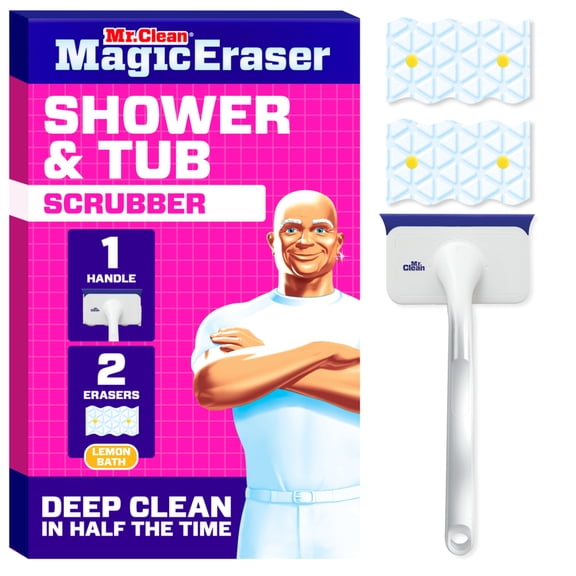
- You can reach grout lines and corners when your scrubbers target buildup in narrow spaces.
- You can clear shower glass when your squeegee removes water marks after rinsing.
- You can clean larger tile floors when your mop helps you cover more area in one pass.
Formula type also changes what fits your space. You may compare foaming, bleach-based, plant-based, disinfectant, or acidic options based on your surface and visible residue.
Choosing bathroom cleaners by formula and finish
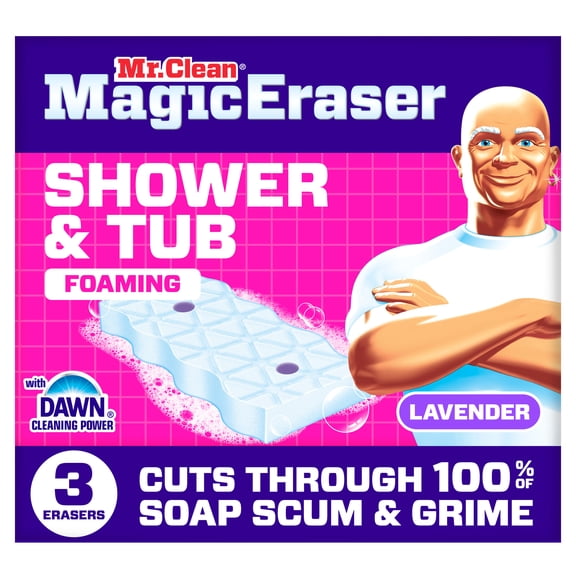
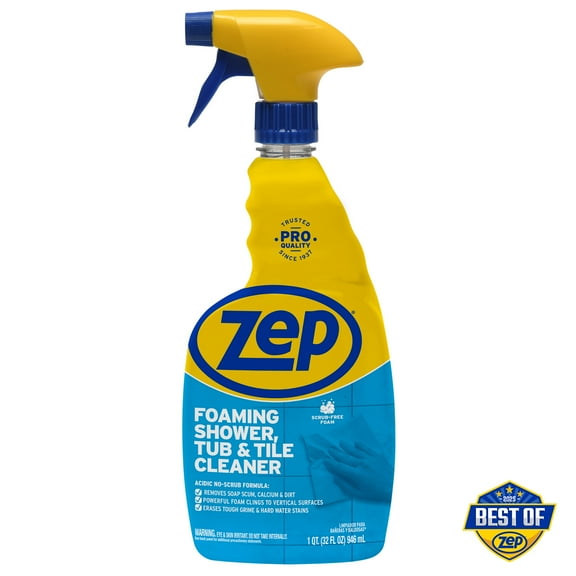
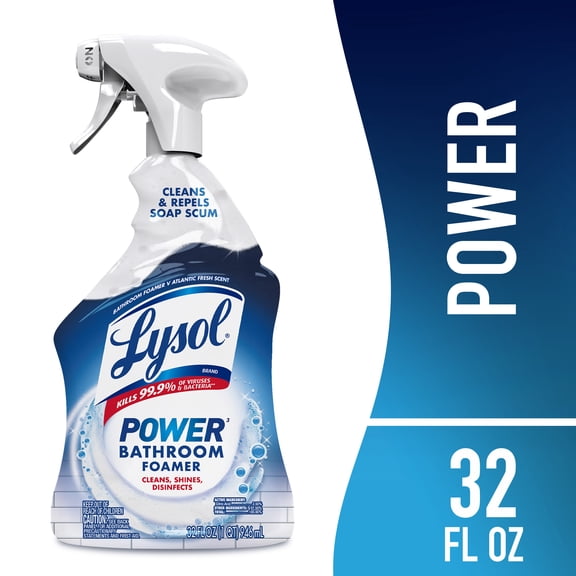
Foaming bathroom cleaners can help you keep product where you spray it. Your shower walls and tub surrounds often benefit from that cling on vertical surfaces.
When you want a clean, sanitary space, your labels can guide your cleaner choice. You'll still need a matched formula, especially if your bathroom includes acrylic or glossy finishes.
Scent and ventilation can shape your routine as much as application style. You'll want a formula that fits your airflow, comfort level, and preferred cleanup routine.
Acidic options often appear on labels for hard water stains and limescale. You'll want to check whether your porcelain, ceramic tile, or stone accents suit that formula type.
Natural stone needs extra attention during product comparison. If your bathroom includes stone accents, you'll need a different approach than you use on porcelain or ceramic tile.
A spring cleaning bathroom checklist becomes simpler when you match tasks to each finish. You'll usually get a cleaner-looking result when glass, chrome, grout, and tubs get the right formula.
Choosing shower cleaner and tile care by surface
A shower cleaner can be easier to choose when you match it to the residue you see. You'll often notice soap scum, hard water film, and daily splashes call for different cleaning formats.
For shower glass, you may prefer a rinse-clean formula and a squeegee. Your doors often look clearer when you remove water spots before they dry again.
Grout lines usually need more focused attention than smooth tile. You'll often pair a tile and grout cleaner with a brush or scrubber when residue sits deeper in the lines.
A tub and tile cleaner can simplify connected surface cleanup. You'll often use it on tub surrounds, wall tile, and nearby fixtures that collect the same soap residue.
Chrome fixtures also need thoughtful product matching. You'll usually get a cleaner finish when your formula suits the surface and your final wipe clears leftover moisture.
Choosing bathroom cleaning tools for efficient results
The right tools can make your routine feel efficient and organized. You'll use scrubbers, squeegees, wipes, and mops at different stages of bathroom cleaning.
Small scrubbers give you added control in narrow spaces. You'll reach corners around drains, faucets, and grout lines with more targeted contact.
Squeegees support clearer-looking glass after rinsing or deep cleaning. Your shower door often stays neater looking when you include that simple finishing step.
Mops help you cover tile floors in a practical order. You'll often keep your routine organized when you clean mirrors and counters first, then finish with the floor.
Wipes can support quick sink and counter refreshes between deeper sessions. You'll keep your spring routine organized when smaller touchups happen before buildup spreads.
Using a spring cleaning bathroom checklist
A spring cleaning bathroom checklist can make your reset feel manageable and clear. You'll often start with mirrors and glass, then move to counters, fixtures, tubs, tile, toilets, and floors.
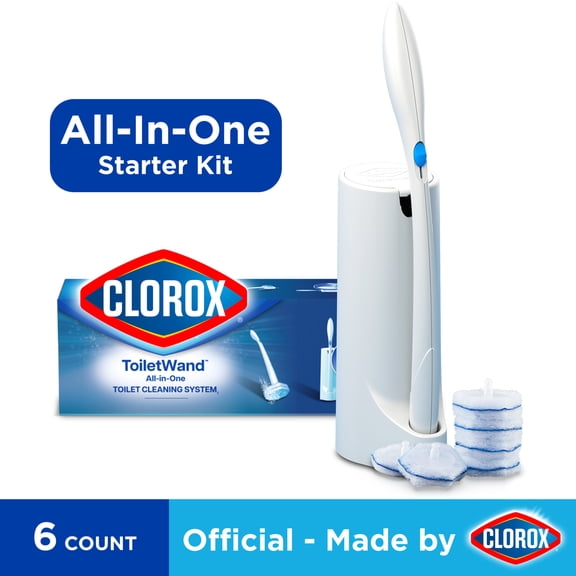
Before you begin, your supplies should match each zone on the list. You'll want your shower cleaner, tile and grout cleaner, wipes, scrubbers, and mop ready before you start.
Different messes call for different combinations of tools and formulas. You may use a foaming spray on tub walls, while your tub and tile cleaner fits soap residue nearby.
If your bathroom includes acrylic features, your label check becomes especially important. You'll make a smarter choice when you compare formulas for delicate glossy finishes.
Final details can change how complete your room looks. You'll pull the whole reset together when you wipe chrome, clear glass, and check corners around the toilet base.
Your bathroom cleaning supplies perform well when you match them to surfaces, stains, and tools. You'll finish spring cleaning with a cleaner bathroom and a routine that feels easier to repeat.