




Spring Cleaning Cleaning Tools























About
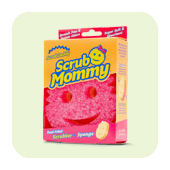
Cleaning tools help you handle spring projects with less guesswork and clearer surface matching. During seasonal resets, you can compare mops, brooms, brushes, sponges, and dusters by room and task.
As you plan bigger cleaning days, your choices matter greatly when floors, glass, grout, and corners need different contact. With the right mix, you can cover wide areas, reach tight spots, and keep storage simple afterward.
How to choose cleaning tools for spring cleaning
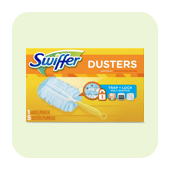
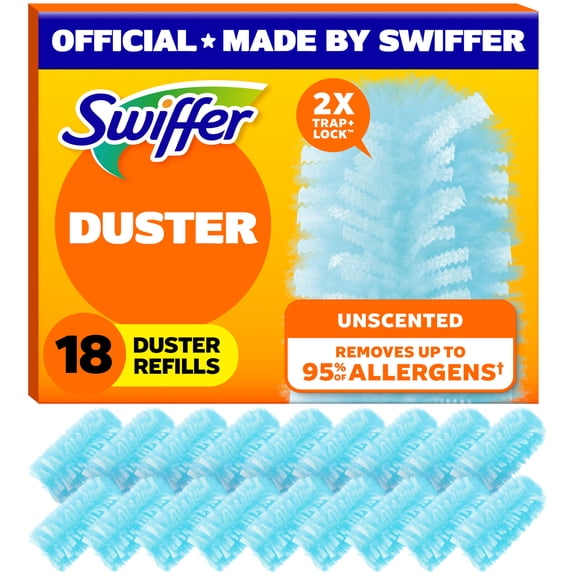
Start with tool type, because each option supports a different part of your routine. For broad floors, you may prefer mops and brooms, while shelves and vents often call for dusters. Smaller details often need brushes, sponges, or compact cleaning gadgets around fixtures and grout lines.
When your tasks shift room by room, these pieces help you stay precise without carrying bulky gear. If your closet space is limited, compact household cleaning tools can make daily storage easier.
Hanging loops, slim handles, and nesting parts help you keep supplies orderly between projects. That setup also helps you move from quick touchups to deeper seasonal sessions.
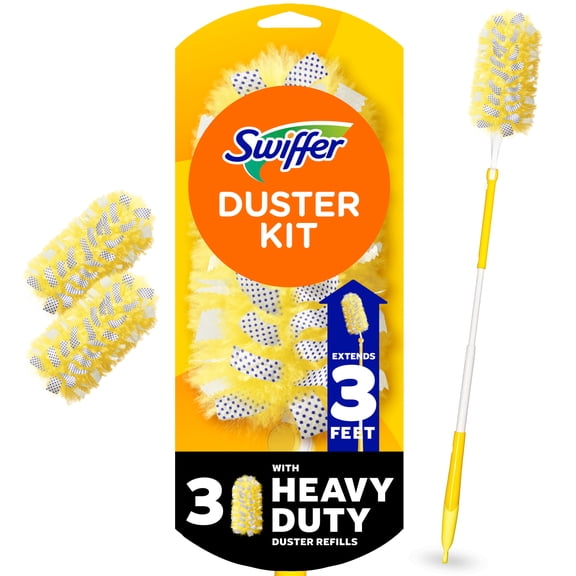
- You can cover open floors with mops, brooms, and long-handle dusters.
- You can target grout, fixtures, and corners with detail brushes and scrub tools.
- Washable microfiber pads or reusable heads help you simplify cleanup between rooms.
- Adjustable poles, lightweight builds, and comfort grips help you reduce bending.
Many spring cleaning tools work well when you pair them with the right cleaning supplies for each room. That approach helps you move from entryways to bathrooms without interrupting your routine.
Choosing household cleaning tools by surface compatibility
Look at the surface before you compare scrubbers, pads, or cloths. Abrasive and non-scratch ratings are key decision points for the contact you want.
For hardwood, softer mop pads and gentler textures usually make more sense on sealed floors. When your rooms have smooth finishes, you may want heads that give light, even contact. That choice helps you stay consistent across larger spaces.
Tile often calls for firmer bristles that work into grout lines and textured areas. If your project includes shower walls or backsplashes, a brush gives you focused contact where flat pads may miss.
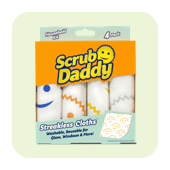
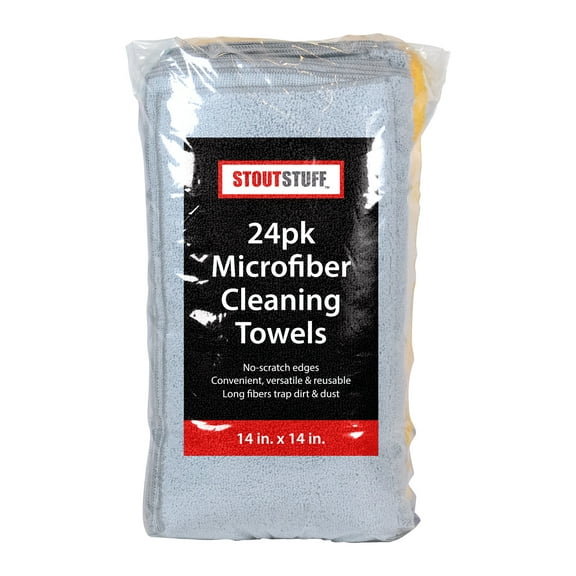
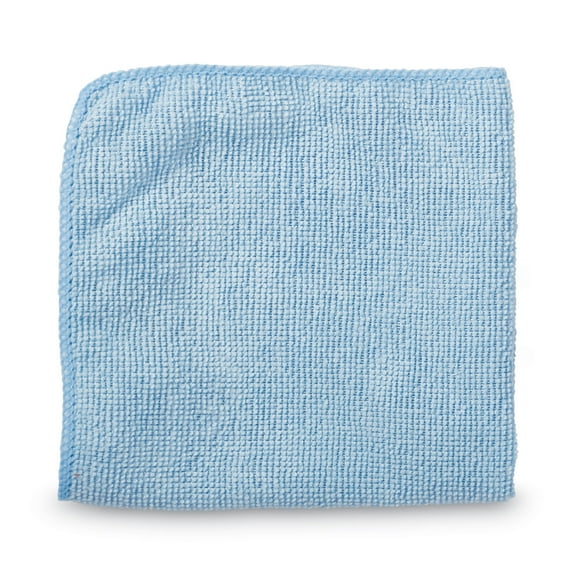
On glass and mirrors, low-lint materials help you keep the finish looking clear. Washable microfiber cleaning cloths are useful when your routine includes windows, shower doors, and glossy surfaces.
Multi-surface spaces can require separate heads or cloths for counters, appliances, and baseboards. By sorting your tools by room, you can keep each task organized and easier to manage.
Comparing power source, reach, and upkeep for cleaning tools
Power source shapes how your tool feels during longer sessions. Manual options suit quick grab-and-go tasks, while electric and cordless battery choices support repeated motion on detailed scrubbing jobs.
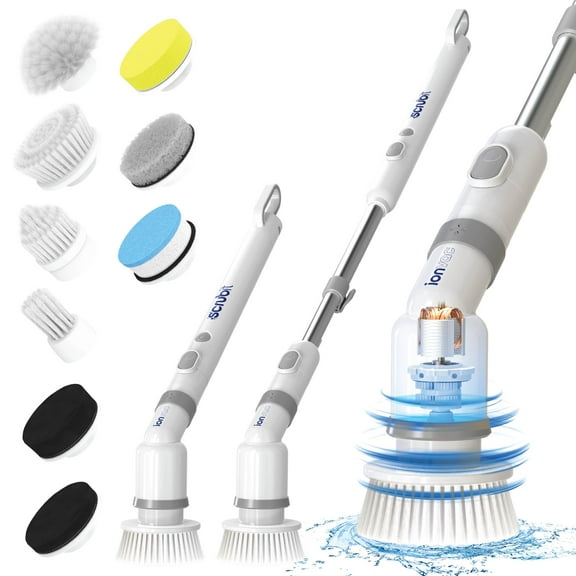
When you compare electric cleaning brushes, check whether the weight and shape fit your cleaning style. A lighter design can feel easier to guide around tubs, fixtures, and tile corners.
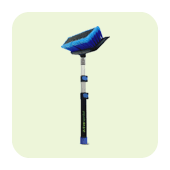
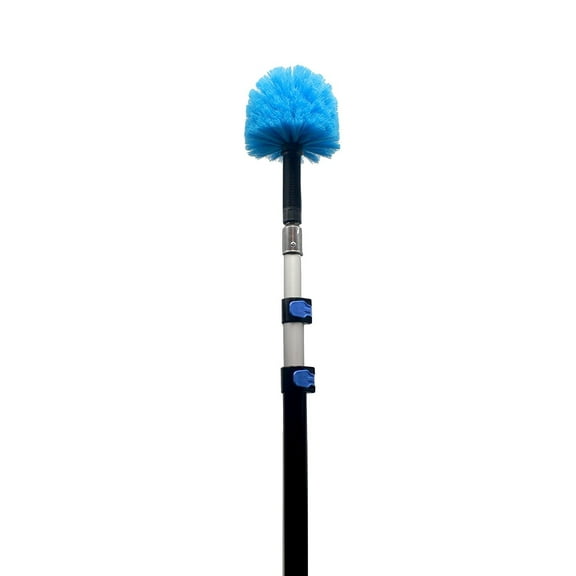
Handle length matters when your checklist includes ceiling corners, vents, or deep spaces under furniture. Adjustable poles help you reach high and low areas without constant repositioning. Comfort grips and balanced handles can help your routine feel steadier from room to room.
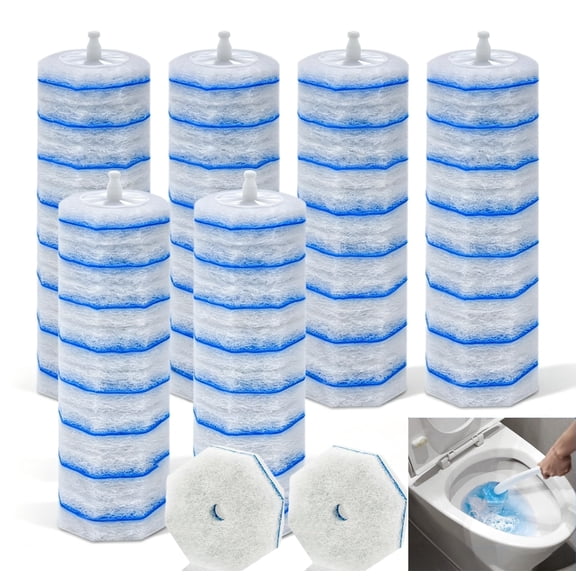
Maintenance deserves attention before you choose refills or pads. Washable microfiber options support repeat use, while disposable refills can streamline changeouts during larger projects.
Durability often shows in bristle hold, stitching, and secure head attachment. If you clean often, replaceable parts and sturdy connectors can fit your schedule more smoothly. Storage also matters, because fold-flat handles and compact buckets help you keep tools accessible.
Matching spring cleaning tools to rooms and seasonal tasks
In bathrooms, you may want a tile brush, a glass cloth, and a floor mop. That combination helps you cover mirrors, shower walls, grout lines, and sealed floors with fewer swaps.
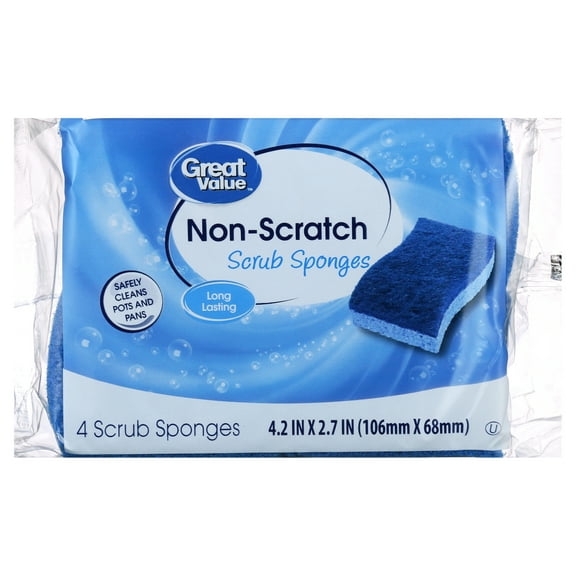
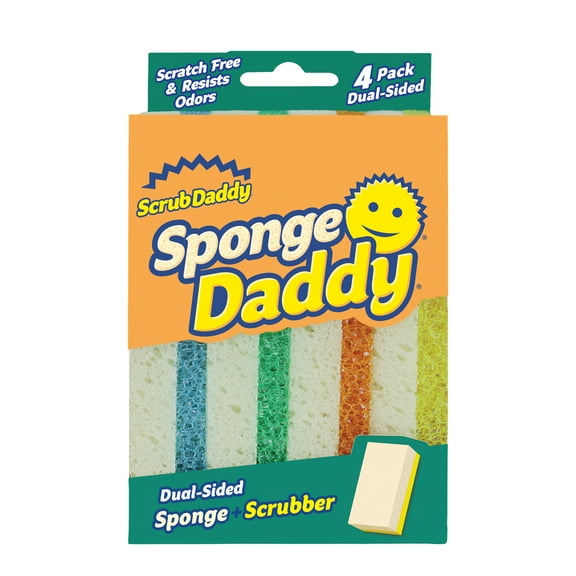
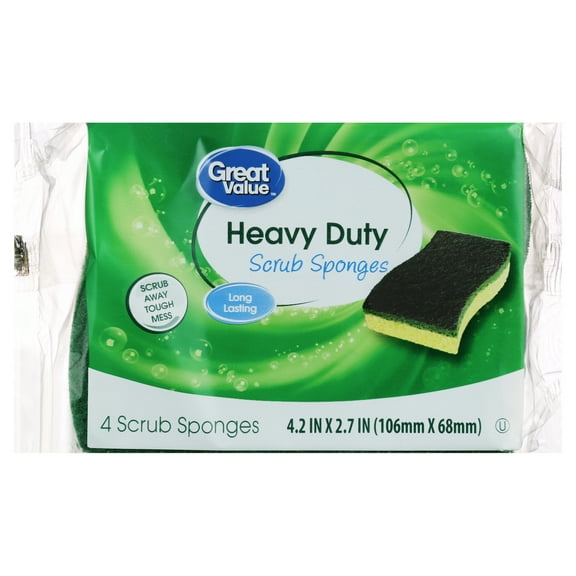
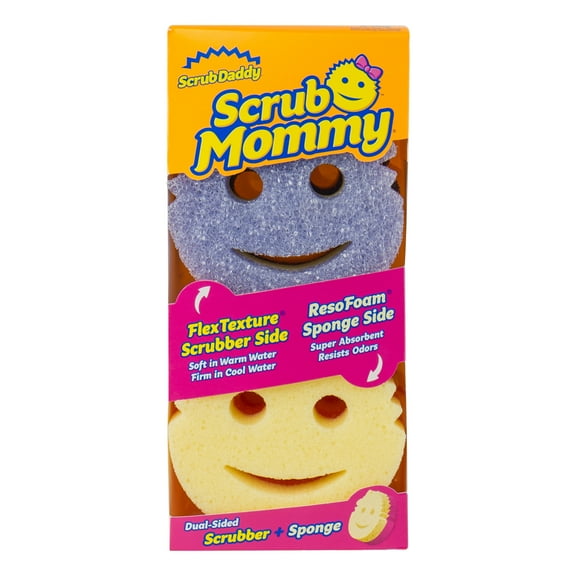
Kitchens often need non-scratch sponges, reusable cloths, and a broom for crumbs and dry debris. With that setup, you can move from counters to sinks and then finish the floor.
Outdoor projects usually call for firmer bristles and longer handles for steps, patios, and entry areas. Those cleaning tools help you manage rougher surfaces that indoor cloths do not cover.
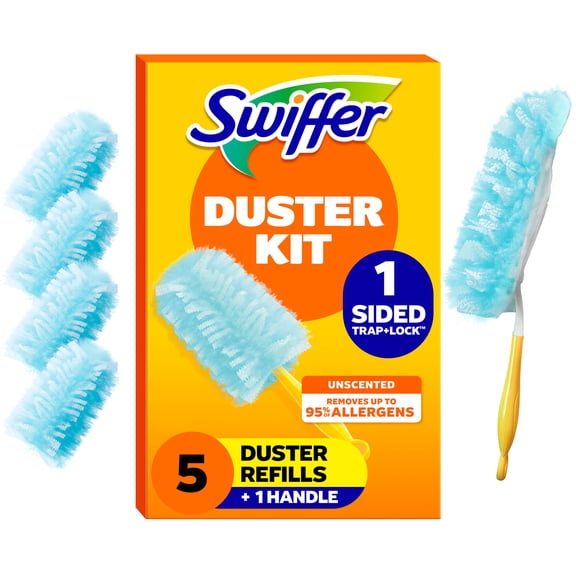
For car care, smaller brushes and compact dusters fit vents, cup holders, dashboards, and door pockets. When your vehicle has tight spaces, these sizes make detailed passes more practical.
If your home has limited storage, multi-surface tools can support several rooms without taking over a closet. Slim profiles and stackable pieces work well when your setup needs to stay organized.
During deeper seasonal projects, you can combine manual basics with targeted powered tools for corners and grout. That mix helps you handle broad floor coverage and detailed scrubbing in the same session. When your cleaning tools match the surface, reach, and upkeep you need, your routine feels easier to plan.
With thoughtful choices across tool type, surface compatibility, and upkeep, you can build a setup that fits your rooms. You can finish spring projects with tools that store neatly and stay ready for the next task.