

TWP Stains in Wood Stains, Coatings & Finishes
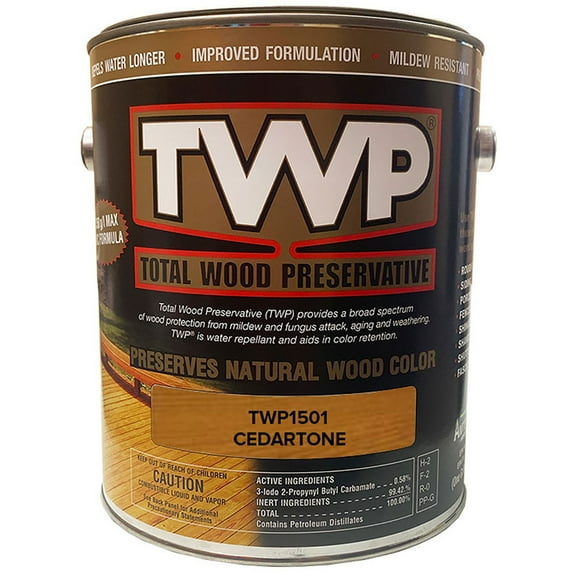
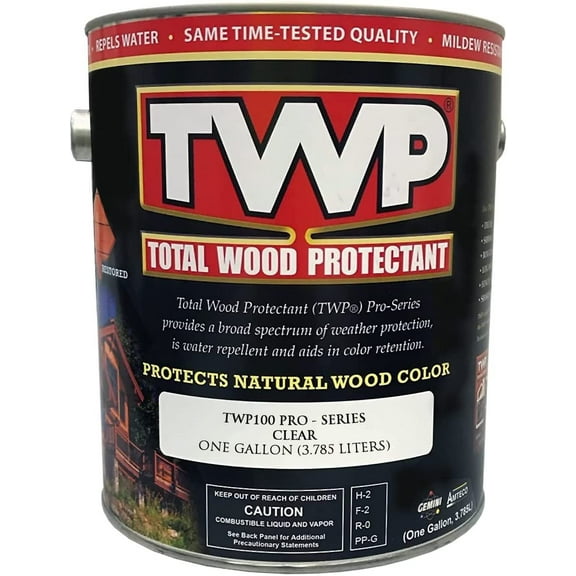
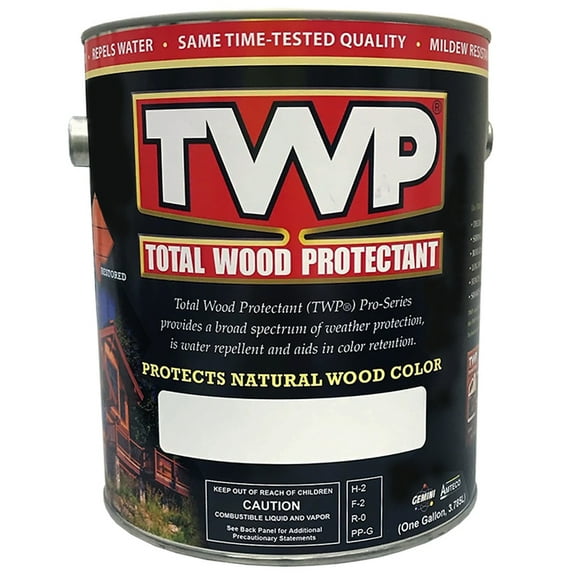


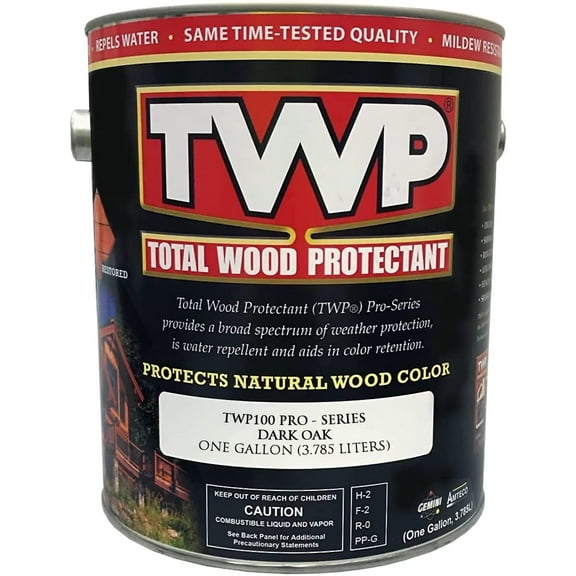
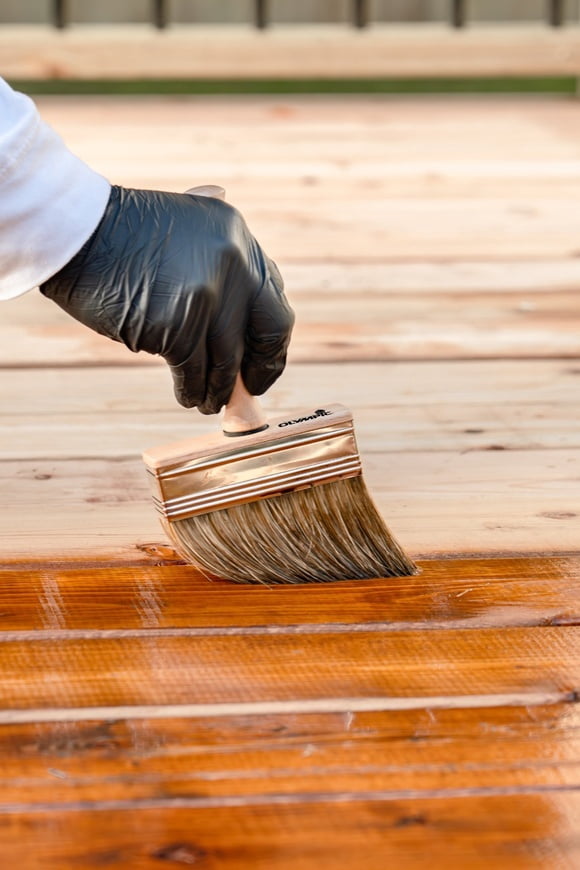



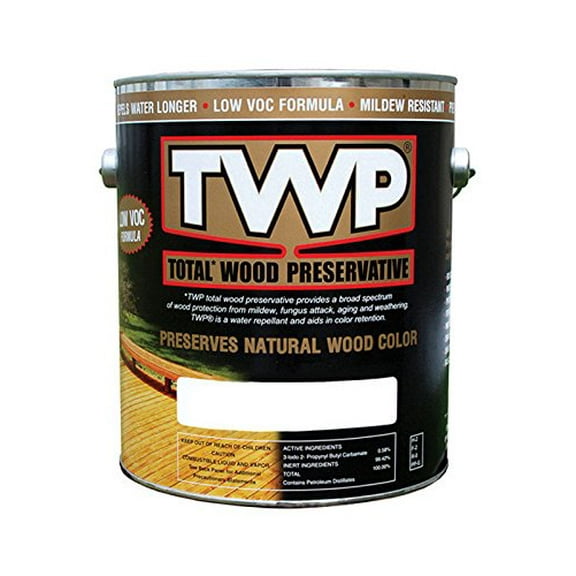
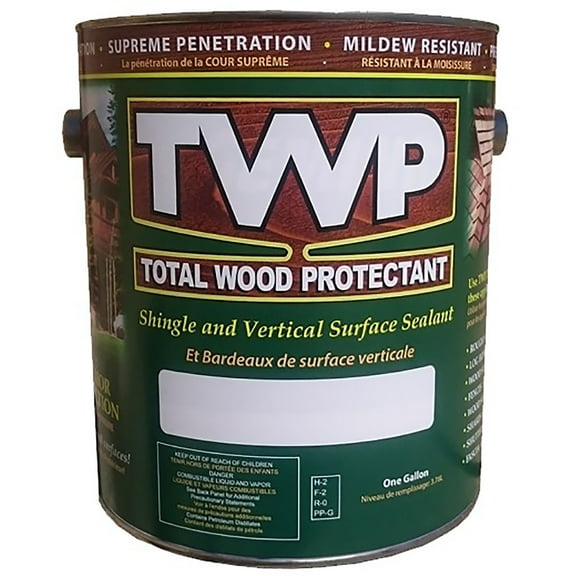







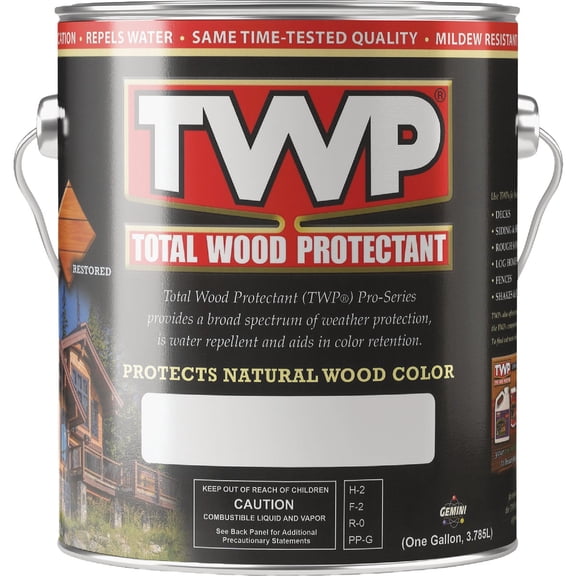
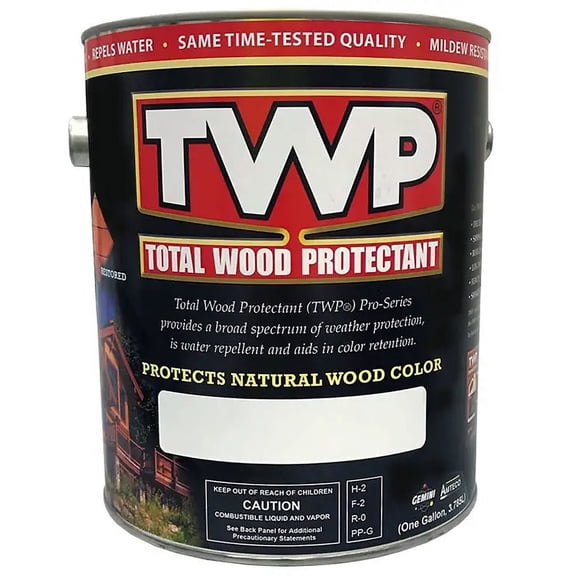

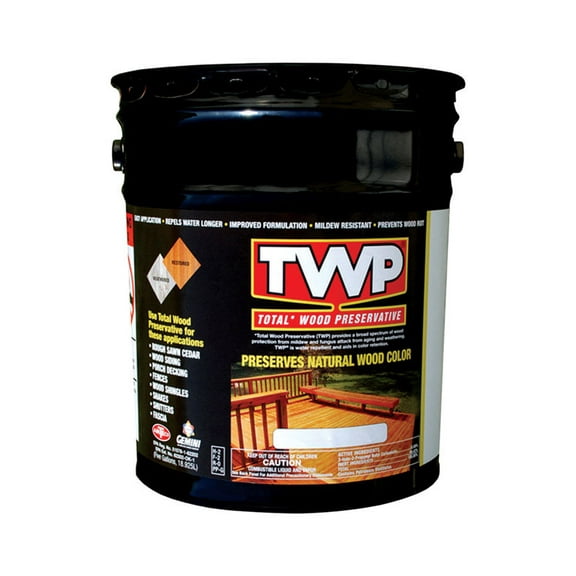

About TWP Stains in Wood Stains, Coatings & Finishes - Walmart.com
TWP stains help you protect outdoor wood with penetrating color and preservative coverage. You can compare formula series, surfaces, base types, and color tones to match your deck project.
How to choose TWP stains by formula series
You should start with formula series because compliance rules and project conditions can shape your choice. You can compare the 100 series, 1500 series, 200 series, and 300 series by intended use and regional needs.
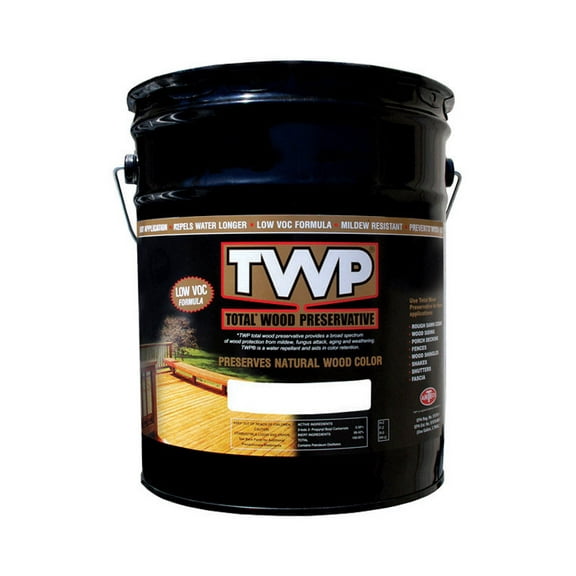
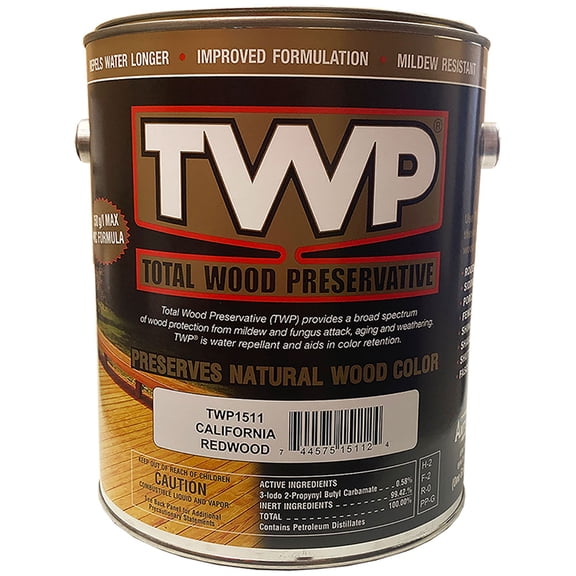
If you need broader low-VOC compliance, you should look closely at TWP 1500 series options. If your project allows it, you may also compare TWP 100 series finishes for familiar penetrating coverage.
You can use this category to compare key shopping priorities before you pick a formula. You should consider these decision points first.
- You can compare VOC compliance needs by state before choosing a formula series.
- You can match the coating to decks, fences, siding, or log homes.
- You can review oil-based and water-based options for application preference.
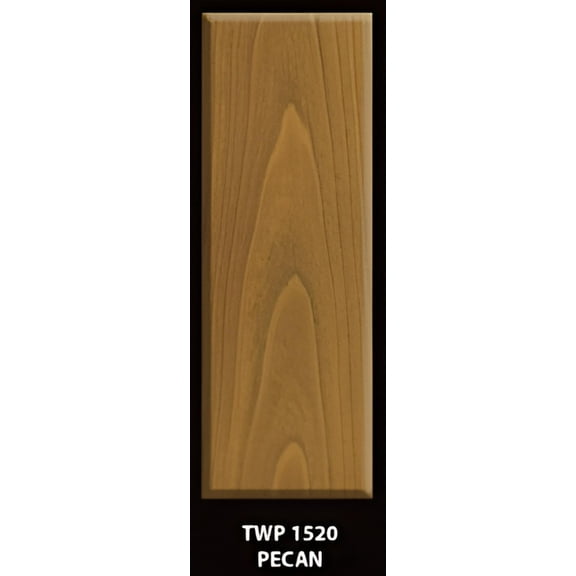
- You can narrow TWP stain colors like cedar, redwood, honeytone, pecan, and clear.
- You can plan prep and re-coat timing based on weathered or newly cleaned wood.
Choosing the right twp wood stain for your surface
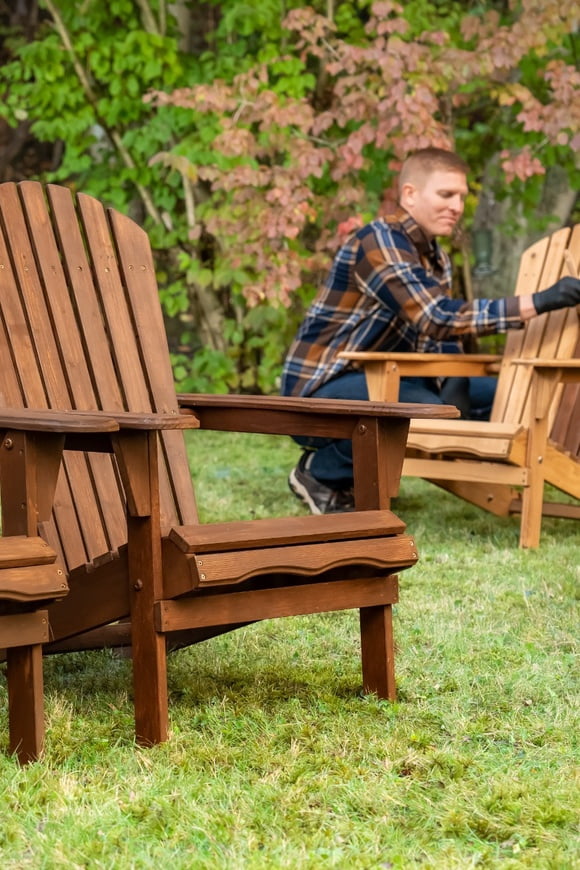
You should match your twp wood stain to the surface because foot traffic and sun exposure vary. You may want a twp deck stain for horizontal boards, while fences and siding need strong color consistency.
On decks, you should look for penetrating coverage that highlights grain without building a heavy film. On fences, you may prefer tones that keep large sections looking even from panel to panel.
For siding and log homes, you should check how the formula fits vertical wood and broad exterior walls. You can also compare how different tones look across cedar, redwood, and pressure-treated pine.
Comparing oil-based and water-based options
You should compare base type because application feel, cleanup, and finish behavior can differ. You may prefer oil-based wood stain options when you want a classic penetrating look on exterior boards.
If you want a different application profile, you can also review water-based choices in the category. You should read each label closely so your selected base type fits your wood species and project plan.
You can use base type as a practical filter when you're balancing prep, climate, and maintenance expectations. You should also check whether your preferred formula works with your brush, pad, or roller setup.
Understanding TWP 100 series and TWP 1500 series
You should compare TWP 100 series and TWP 1500 series if VOC compliance affects your purchase. You can use that difference to narrow options before you consider color tone or container size.
The buyer decision often starts with location because some areas require low-VOC compliant formulas. You should consider TWP 1500 series when you need a formula that aligns with nationwide low-VOC requirements.
If your project allows other formulas, you can also evaluate TWP 100 series for exterior wood preservative coverage. You should confirm local requirements and label details before you finalize a stain for your deck boards.
How to choose TWP stain colors
You should choose color tone based on wood species, sun exposure, and the look you want outdoors. You can compare TWP stain colors like cedar, redwood, honeytone, pecan, and clear for very different results.
On cedar and redwood, you may want tones that deepen natural variation without hiding grain. On pressure-treated pine, you might prefer shades that warm newer lumber and reduce that pale green cast.
If you want minimal color shift, you can review clear options with care and check the product details. You should also compare how one tone may appear darker on older wood than on fresh boards.
What to look for in prep and re-coating
You should think about prep before choosing a finish because wood condition changes application results. If you have peeling residue or uneven old stain, you may need stronger prep than a simple wash.
For weathered boards, you should check whether the surface needs cleaning before fresh coating. For newer lumber, you may need to wait for the wood to dry and open before applying stain.
You can also compare maintenance cycles when you plan a deck stain wood preservative routine. You should expect horizontal surfaces to need attention sooner than vertical surfaces because exposure is usually harsher.
Using TWP stains for real outdoor projects
You can use these formulas across decks, fences, siding, and log homes when you match the series correctly. You should also match the tone to the wood so your finished project looks consistent across boards.
For a backyard deck, you might compare a twp deck stain in cedar or honeytone. For a large fence line, you may want a color that keeps repeated panels looking steady in changing light.
On a cabin exterior or log home, you should compare clear and tinted finishes by exposure level. You can also plan re-coating intervals around weather, sun, and the amount of surface wear you expect.
You can feel confident choosing within this category because the key decisions are clear and project-specific. When you compare series, surface, base type, and color together, you get wood coverage that fits your outdoor finish plan.