

Home Improvement – Walmart.com

Home Improvement
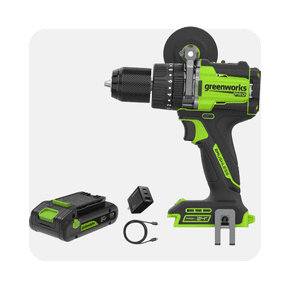
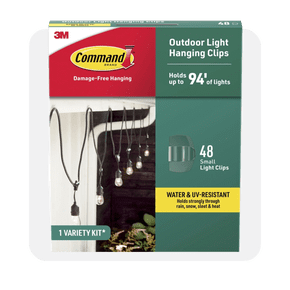
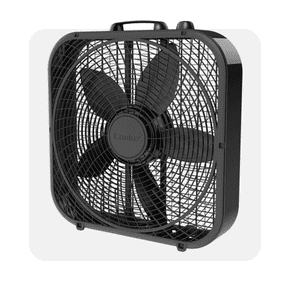
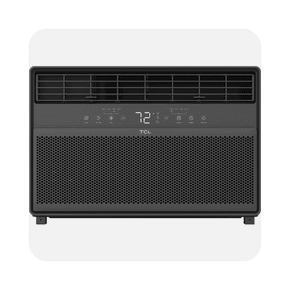
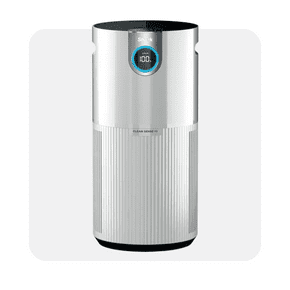
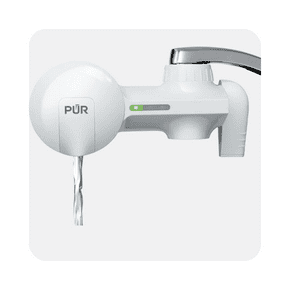

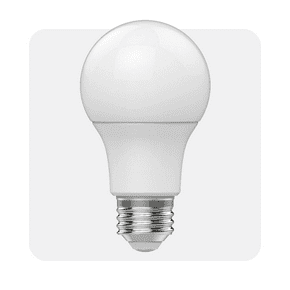

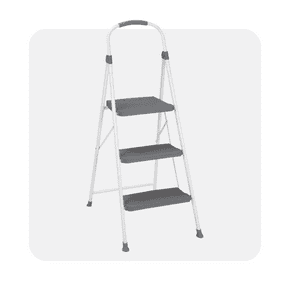


Backup power, lighting & more
Prep for stormy weather
Shop now




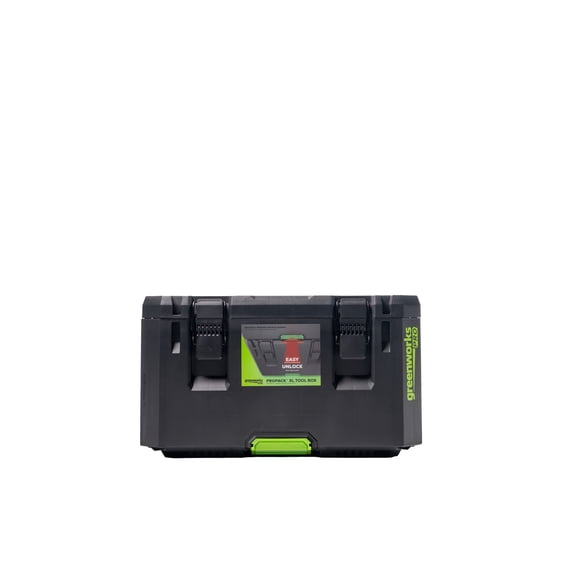


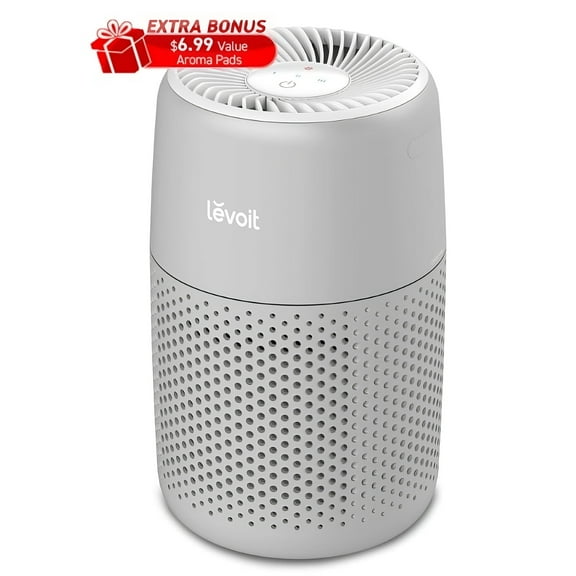
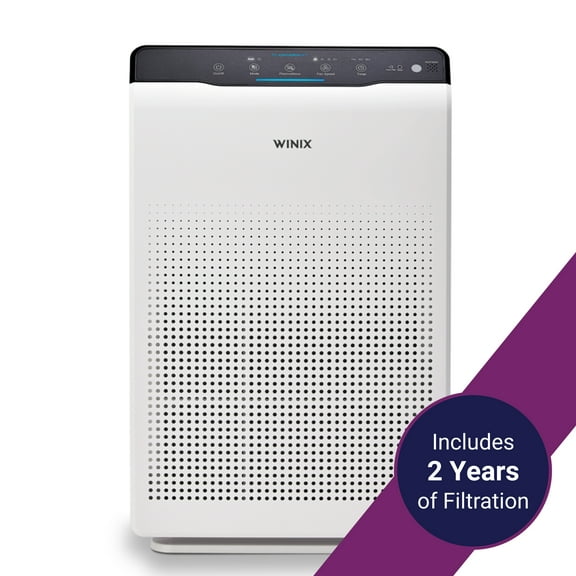
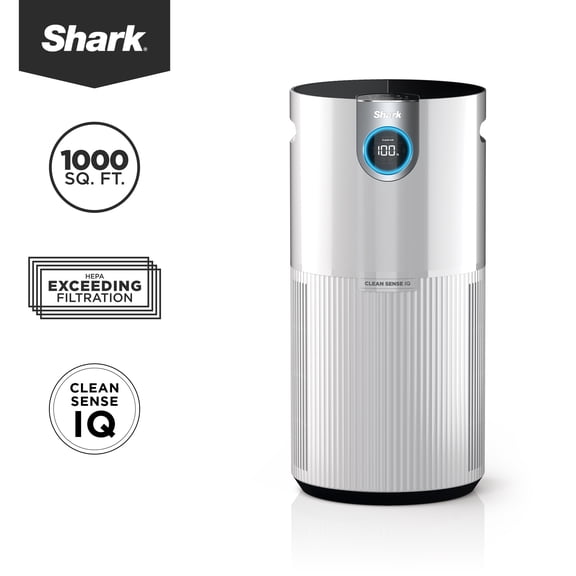


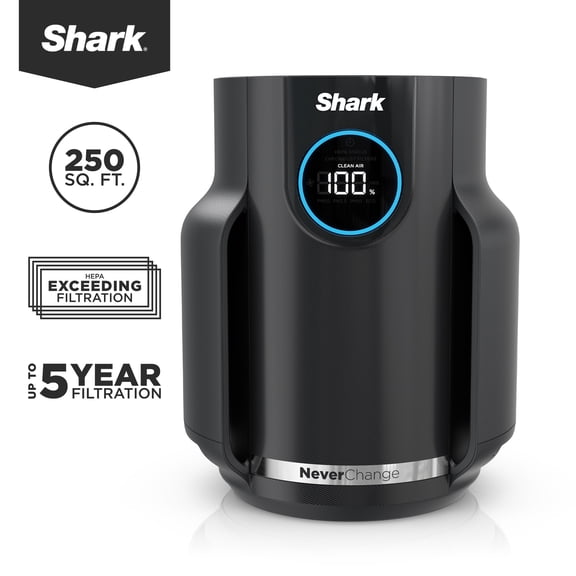
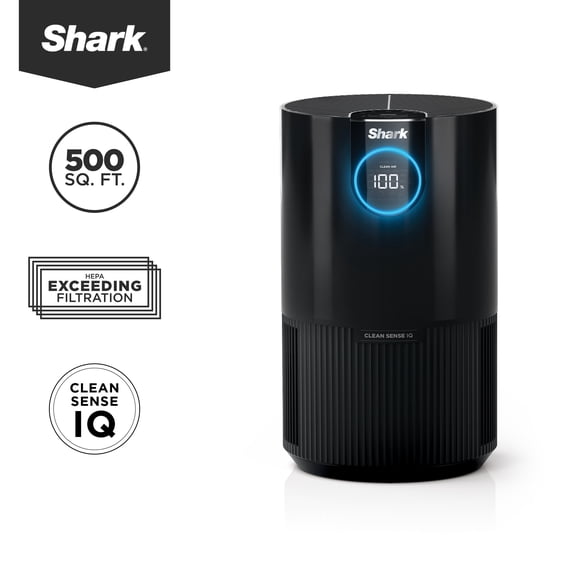
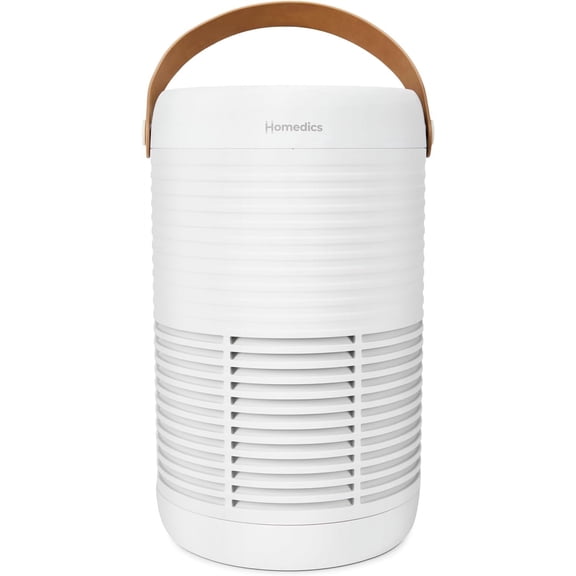

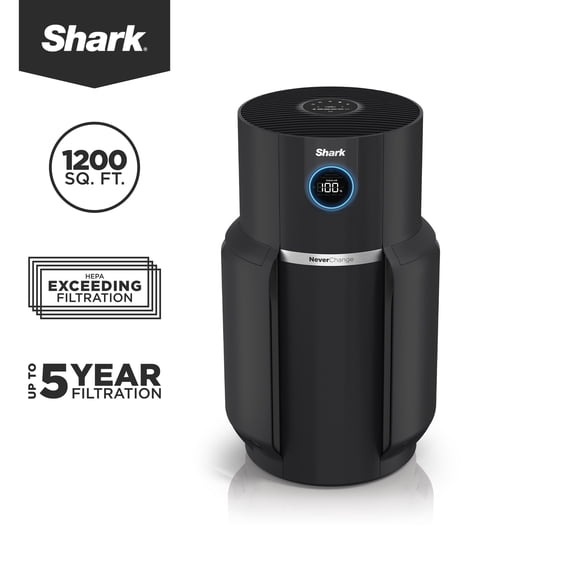
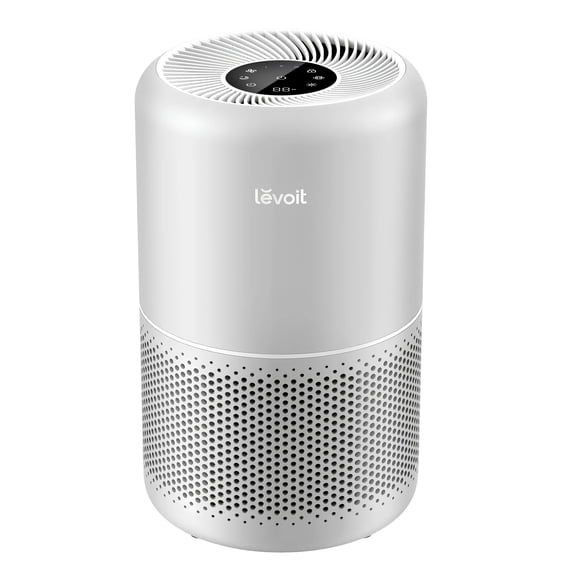


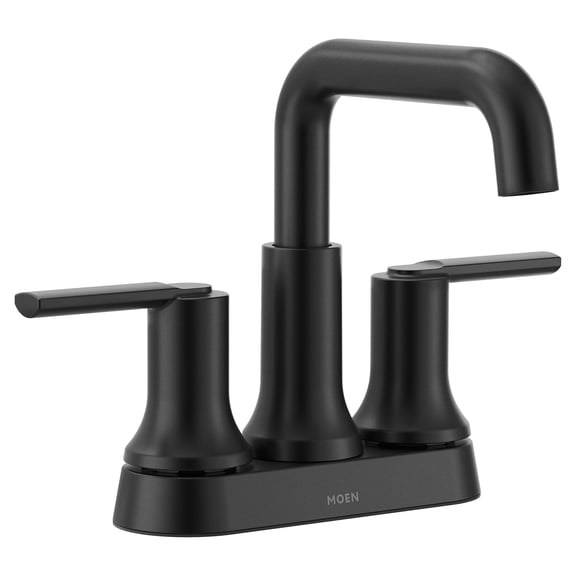
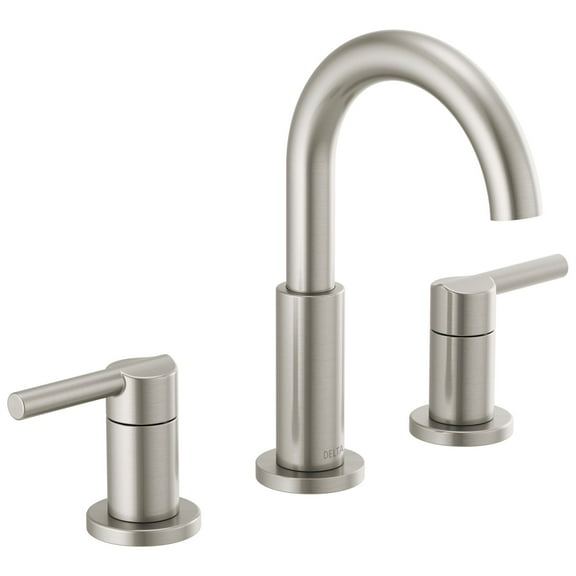
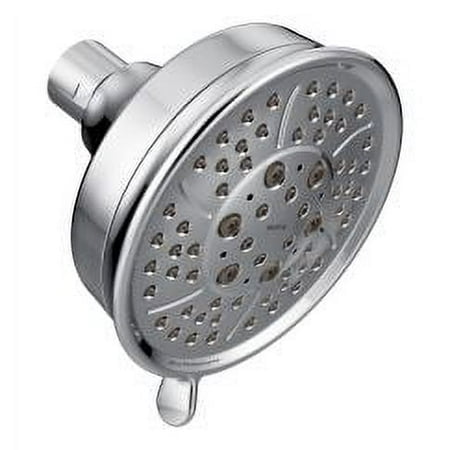
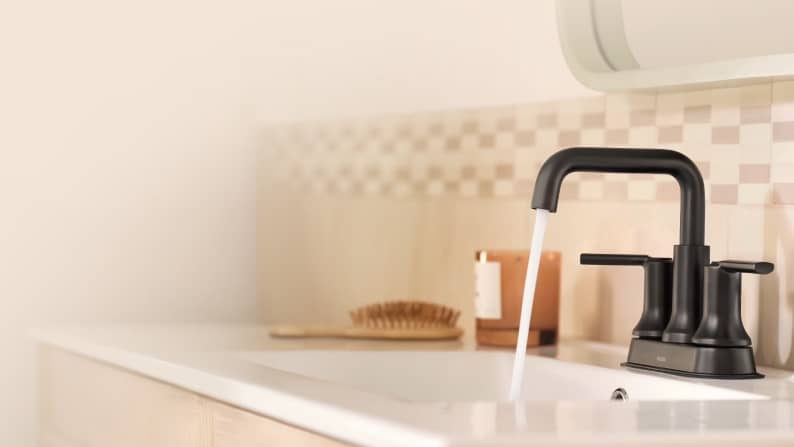
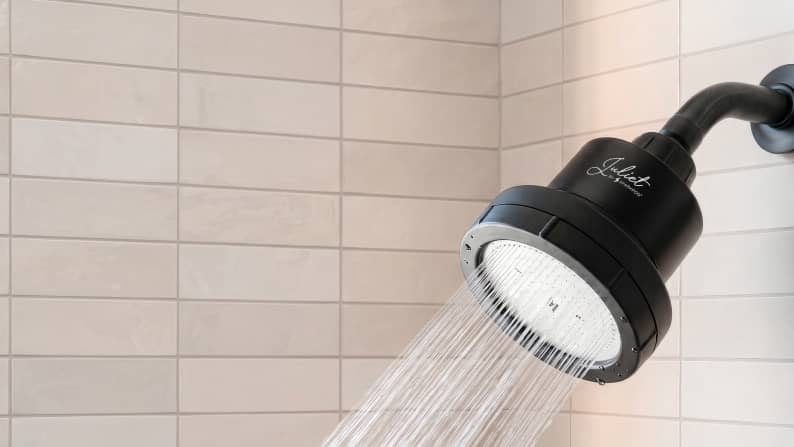

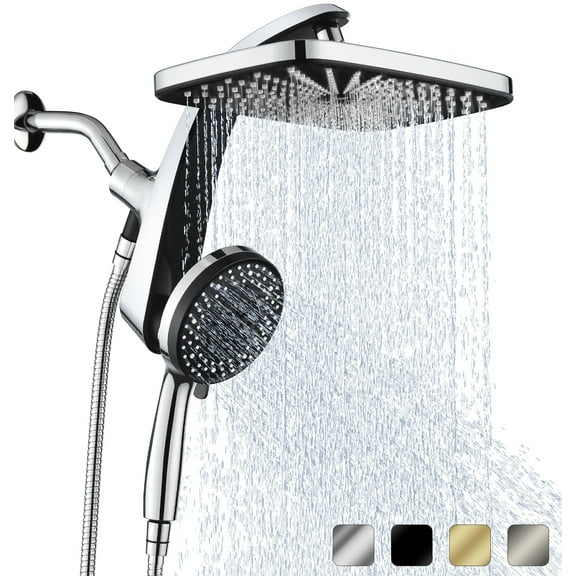
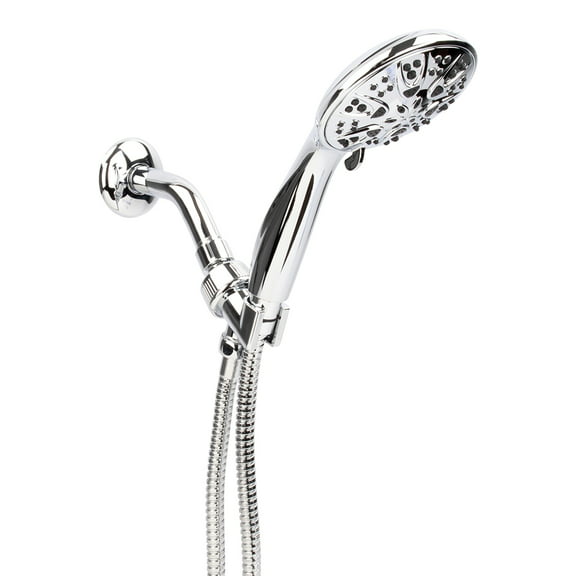

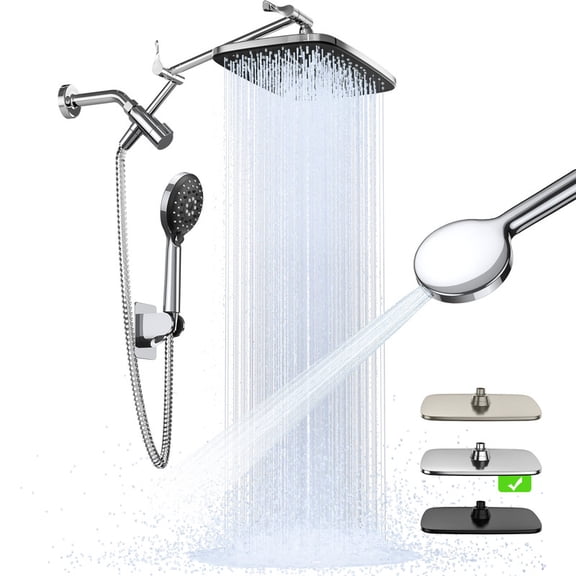



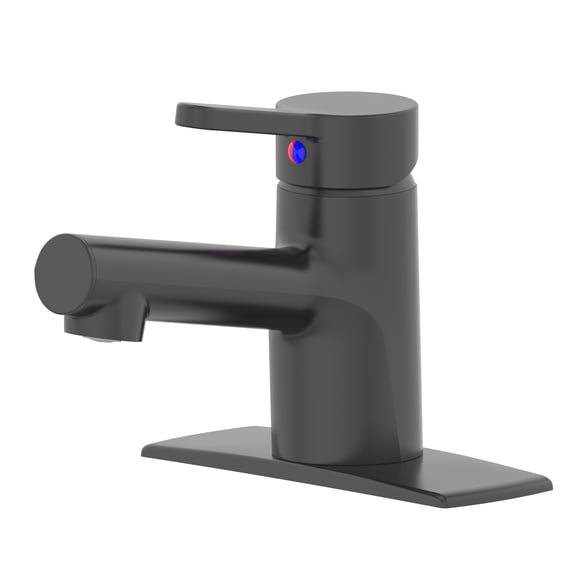
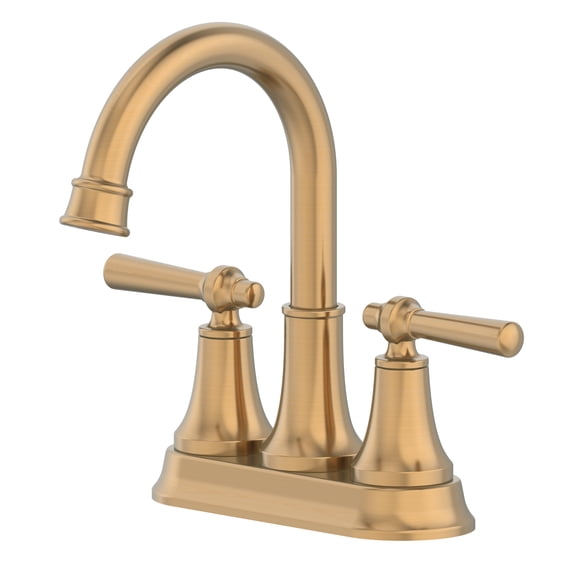

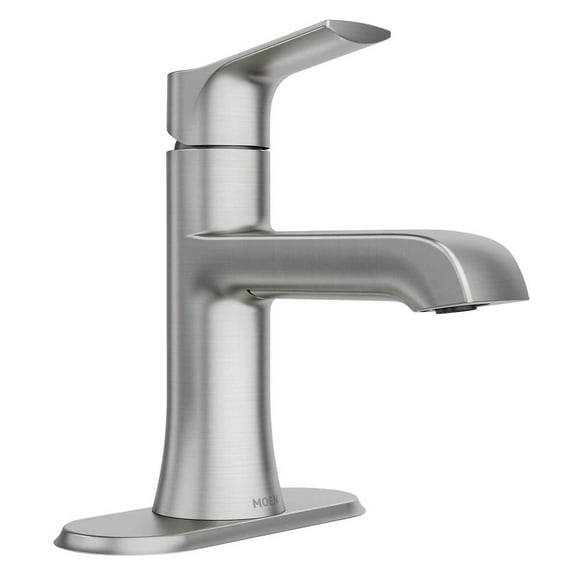
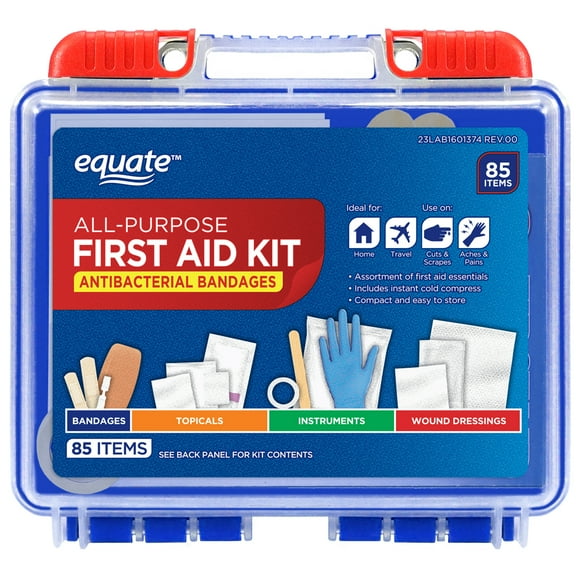
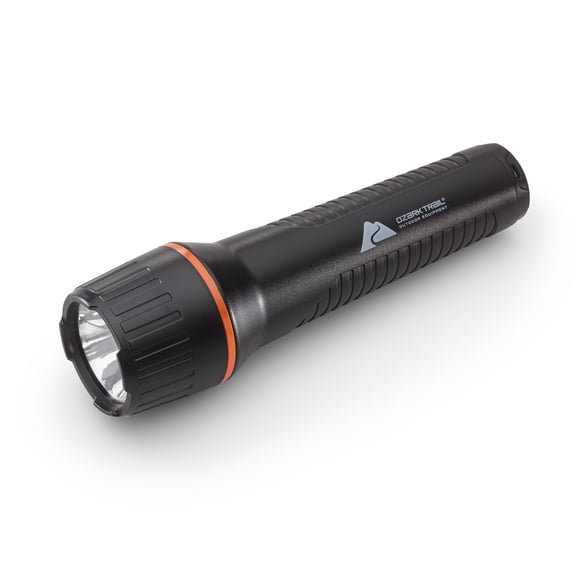
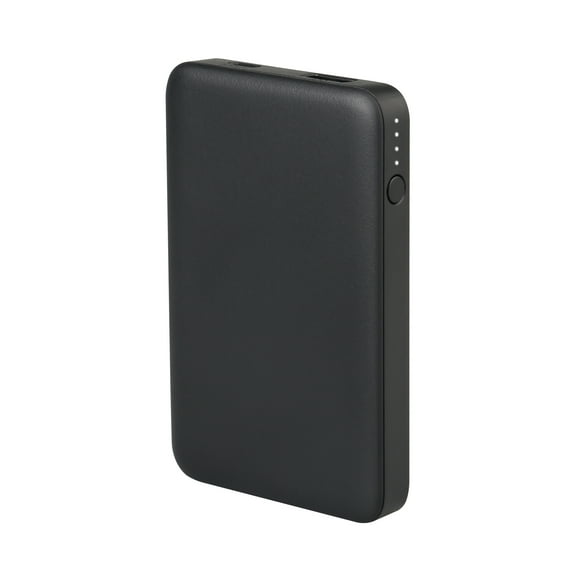
Storm essentials

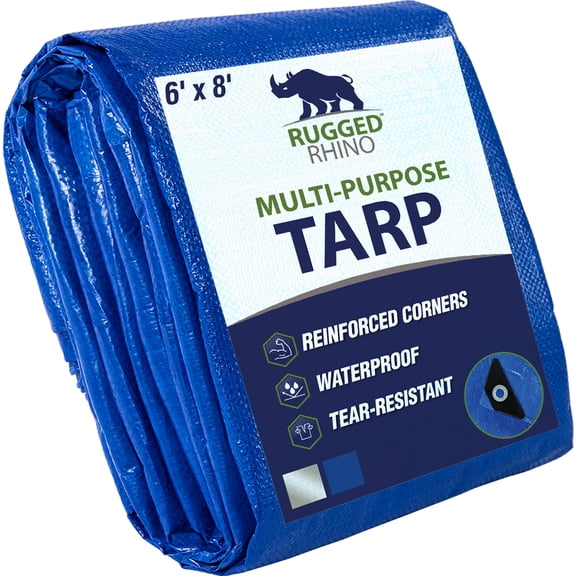
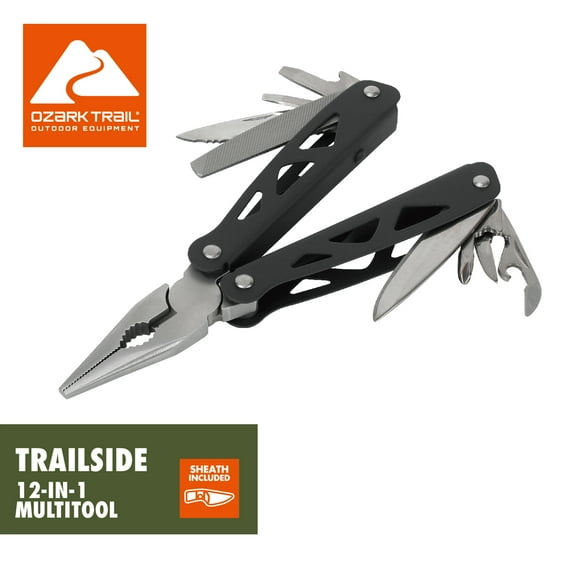
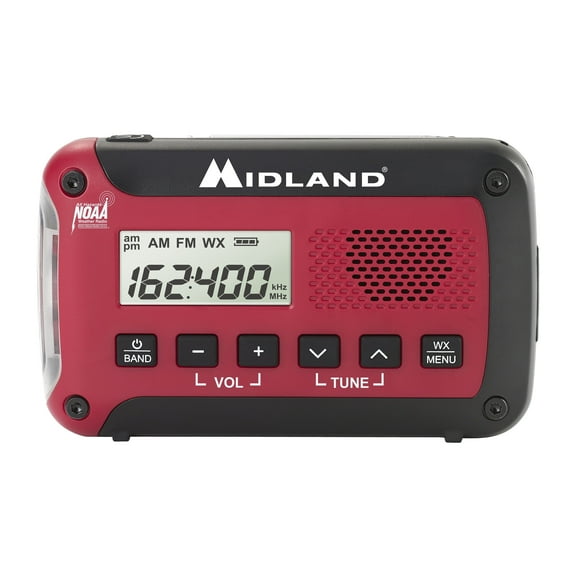
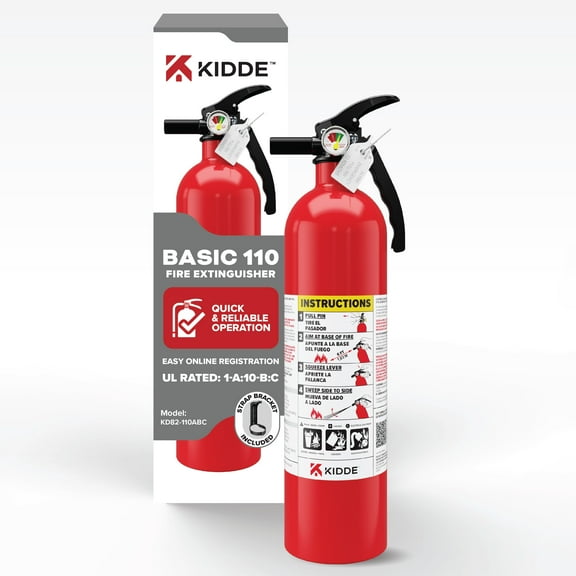


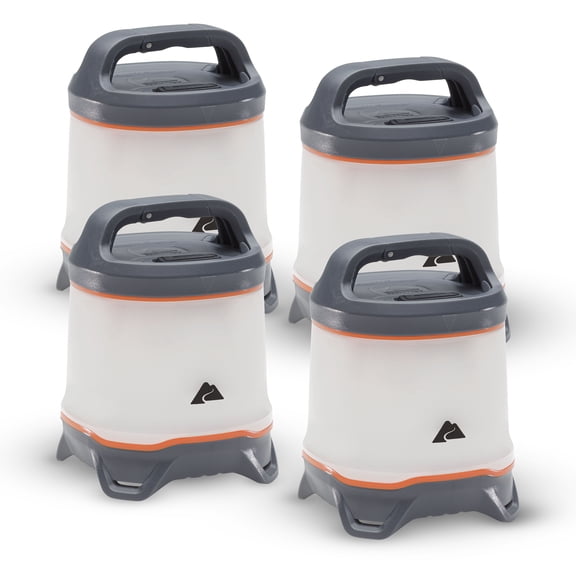

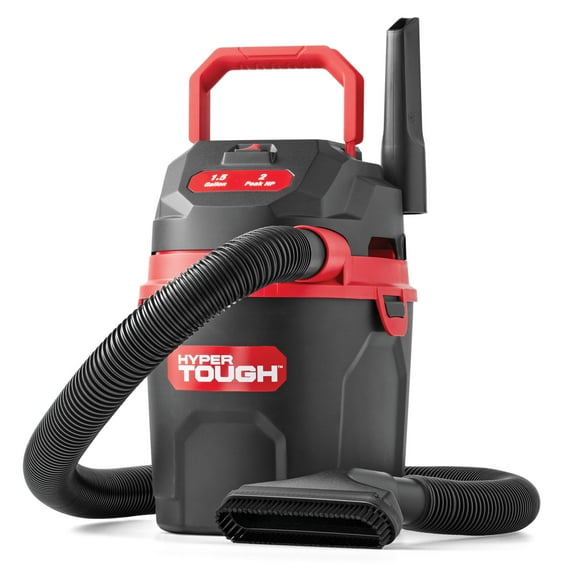
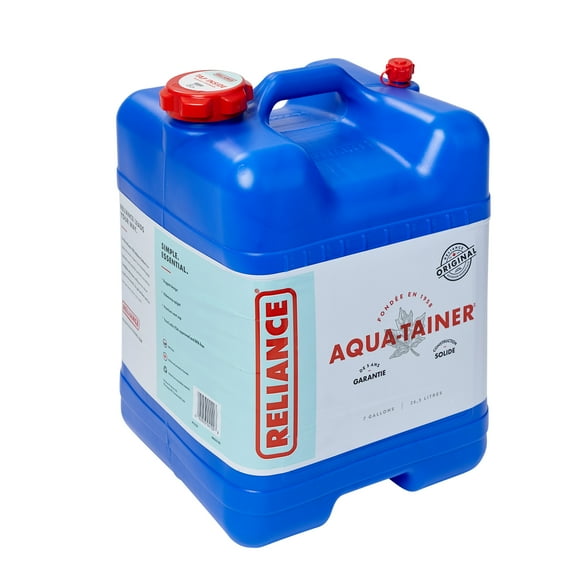
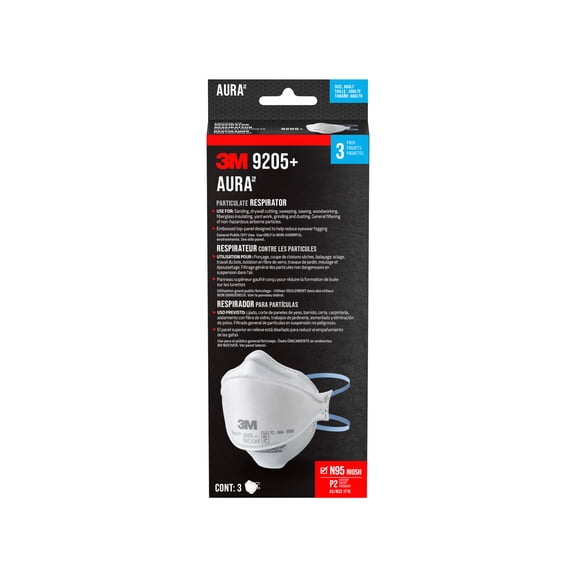




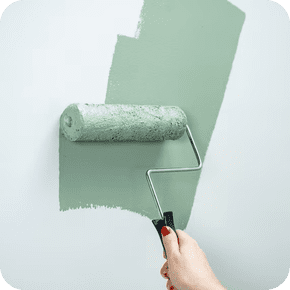
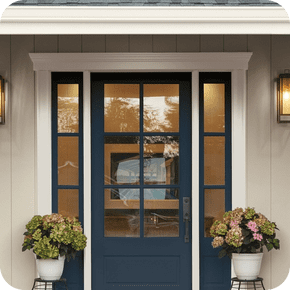
Summer Refresh Paint & Project Event








FAQ
About Home Improvement – Walmart.com
With toolshop.com in mind, you can compare home remodeling products and home improvement accessories for projects across every room. You’ll get practical guidance on compatibility, installation, and planning, so your shortlist fits your space from the start.
How to choose home remodeling products by project type
When you plan DIY remodeling, you should compare each item by room, install steps, and tool needs. You can narrow choices faster when your materials match your timeline and experience.
For routine maintenance, you may need sealants, fasteners, patching supplies, and replacement hardware for everyday fixes. You’ll keep projects moving when your measurements and material types match existing parts.
If you want aesthetic upgrades, you can focus on finishes, visible fixtures, and coordinated hardware for a cleaner look. You’ll notice small updates can refresh kitchens, bathrooms, and living areas without changing the whole layout.
Choosing home improvement accessories by product category
As you compare product categories, you should treat lighting, hardware, tools, and building materials as separate decisions. You can build a smoother plan when your shopping list follows the order of installation.
- You can use lighting and fans to combine brightness, airflow, and room style in one update.
- You can choose hardware for mounting, finishing, and everyday function around cabinets, doors, and walls.
- You can select tools that fit your project tasks, from measuring and drilling to fastening and cutting.
- You can compare building materials by thickness, surface, and room use before you begin.
If you’re choosing a kitchen light with fan, you should check voltage, fixture width, and mounting style first. You’ll also want to compare wattage and lumens, so your kitchen gets the light level you expect.
When you review led fan lights, you can compare integrated designs with fixtures that use separate bulbs. You’ll often find that matching blade span and light output helps your room feel balanced.
What to look for in project compatibility
Before you choose fixtures or materials, you should measure width, depth, ceiling height, and placement clearances. You can avoid mismatches when your dimensions align with the space you’re updating.
For shelves, anchors, and brackets, you should check load capacity in plain terms before you install anything. You’ll feel more prepared when your support hardware matches your wall type and intended use.
If your project includes lighting or fans, you should compare voltage, wattage, and lumens as buying basics. You’ll understand these specs more easily when you treat them as fit, power use, and brightness.
How installation complexity affects your plan
Some projects fit a simple DIY routine, while others call for more planning and specialized connections. You can choose with more confidence when your product setup matches your comfort level.
For straightforward swaps, you may look for familiar mounting parts, clear instructions, and standard connections. You’ll usually move faster when your kit includes the parts your project requires.
When your project involves hardwired fixtures, plumbing connections, or heavy materials, you should review the install steps carefully. You may decide professional installation fits your timeline and room setup more closely.
Comparing durability and material grade
Material grade matters when you’re choosing items for moisture, weather, or frequent daily use. You can get a longer-lasting result when your finish and construction match the room.
In bathrooms, you may look for coatings and materials that suit humid spaces and regular cleaning. You’ll create a cleaner finished look when your fixtures and accessories share the same finish family.
For outdoor areas, you should compare weather-ready materials, surface compatibility, and placement needs before you install. You’ll keep your project on track when your supplies suit patios, entryways, and exterior walls.
Using home improvement accessories in each room
In kitchens, you can prioritize task lighting, storage hardware, and fixtures that support cooking and cleanup. If you’re choosing a kitchen light with fan, you should confirm room size and ceiling height first.
For living rooms, you can compare led fan lights, decorative fixtures, and wall hardware for comfort and style. You’ll often get a more polished result when your scale, brightness, and finish work together.
Across your home improvement shop planning, you should think about supplies, accessories, fixtures, and appliances as connected choices. You’ll finish with more confidence when each product type supports the next step in your project.
Why toolshop.com shoppers compare product types carefully
If you arrived through toolshop.com, you’re likely comparing a wide mix of products for one project plan. You can stay organized when you sort items by supplies, accessories, fixtures, and appliances.
As you review home remodeling products and home improvement accessories, you should keep compatibility, installation needs, and energy details in focus. You’ll end with products that fit your room and support a smoother finished result.
Related Links
- Shop All Tools
- Hand Tools
- Power Tools
- Air Compressors
- Air Tools
- All Tool Sets
- Hand Tool Sets
- Measuring & Layout Tools
- Nail Guns
- Power Tool Accessories
- Power Saws
- Tool Equipment & Storage
- Wet/Dry Vacuums
- Cutting Tools
- Hammers
- Pliers
- Ratchets & Sockets
- Screwdrivers
- Ratchets & Sockets
- Drills
- Power Tool Sets
- Rotary Tools
- Sanders