

Carpet Tile in Flooring


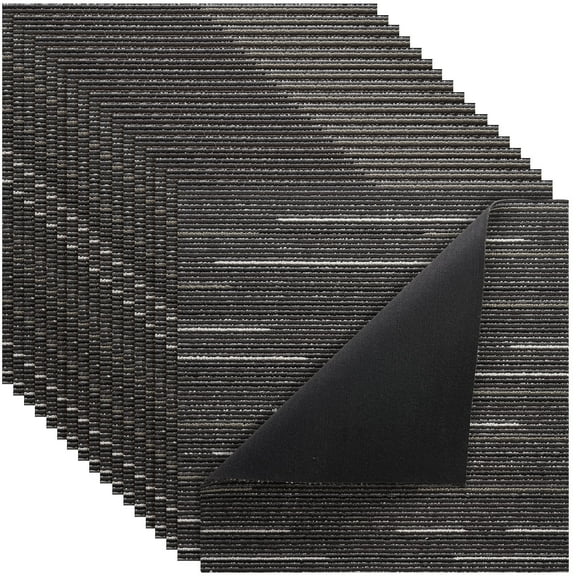


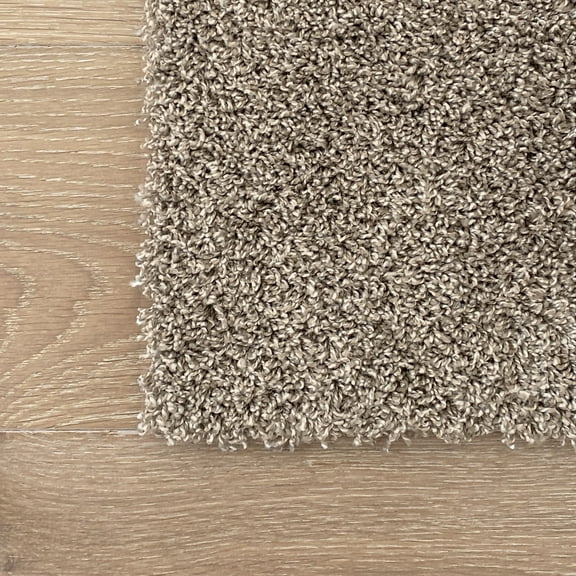
![[8" x 8" Sample] 'Plush' Residential Luxury Carpet Tiles / Squares - Light Beige - DIY, Seamless, High-Density Pad, Machine Washable (1 sample/pack)](https://i5.walmartimages.com/seo/8-x-8-SAMPLE-Plush-Residential-Luxury-Carpet-Tiles-Squares-Light-Beige-DIY-Seamless-High-Density-Pad-Machine-Washable_984d233f-4e3a-490f-80d3-54771243c1f0.10e1e2af52c7f1eb15a3be4949b69f07.jpeg?odnHeight=576&odnWidth=576&odnBg=FFFFFF)














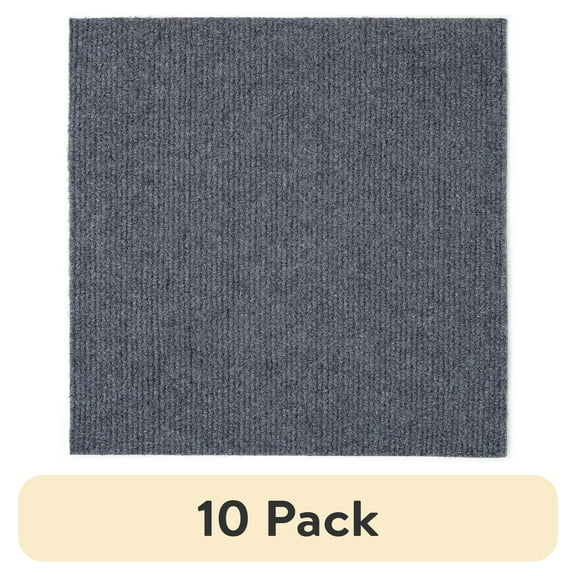





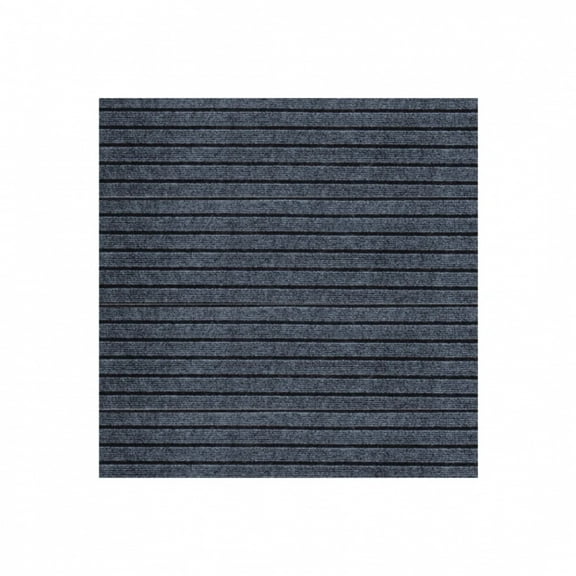




About Carpet Tile in Flooring - Walmart.com
Carpet tiles give you a flexible way to cover floors with less cutting, easier repairs, and room-specific installation choices. You'll find carpet squares useful when you want cleaner layout control in offices, basements, playrooms, and entry areas.
You can compare formats that fit your project instead of committing to one broad roll. You'll also notice many options work well for spot replacement when one section gets worn.
How to choose carpet tiles for your space
You should start by matching carpet tile flooring to the room's traffic, moisture exposure, and layout. You'll make faster choices when you compare installation type, tile size, and surface feel together.
For busy rooms, you may prefer low-pile surfaces that keep a neat look through repeated foot traffic. For comfort-focused spaces, you can look for softer textures that make seated or barefoot use feel more inviting.
- You can replace one damaged tile instead of redoing the whole floor.
- You can cover small rooms, corners, and alcoves with less trimming.
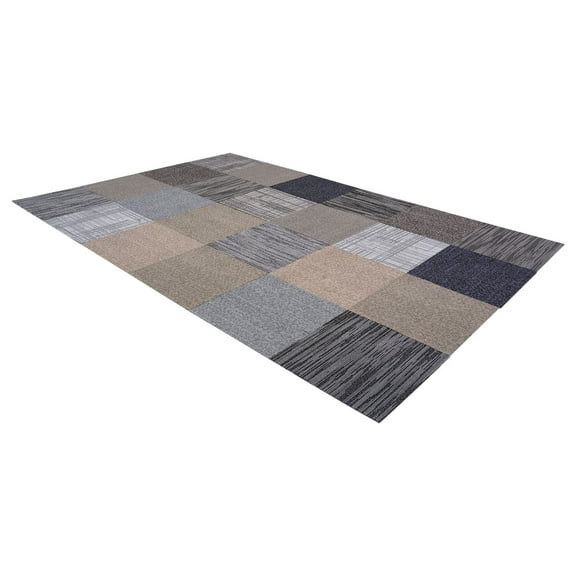
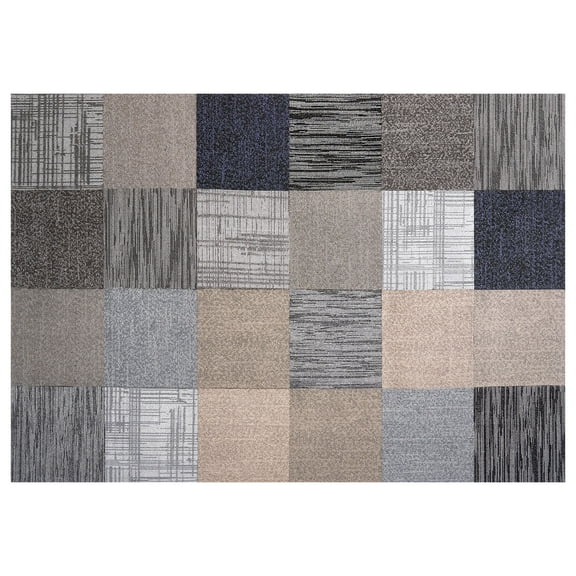
- You can mix colors or patterns to define zones and walkways.
- You can choose installation styles that match temporary or longer-term plans.
You may also like carpet tile floors when you need phased installation across several rooms. You'll have the option to finish one area now and expand later with a coordinated look.
Choosing between peel and stick carpet tiles and other installation types
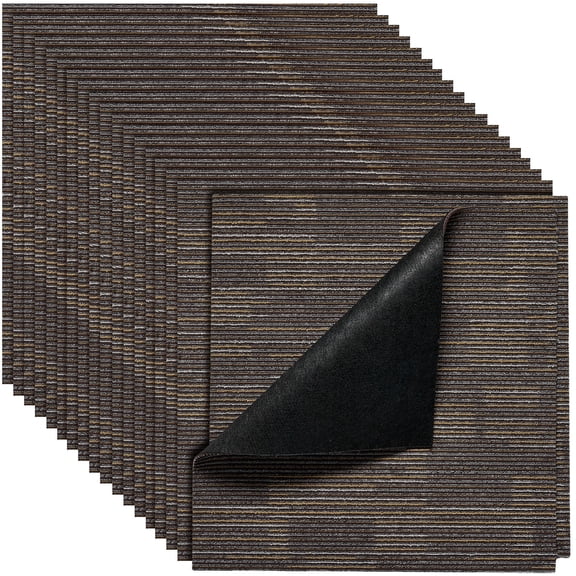
You should compare installation type first because it affects prep, placement, and future changes. You'll usually see peel and stick carpet tiles, interlocking tiles, glue down styles, and loose lay tiles with a tape-down option.
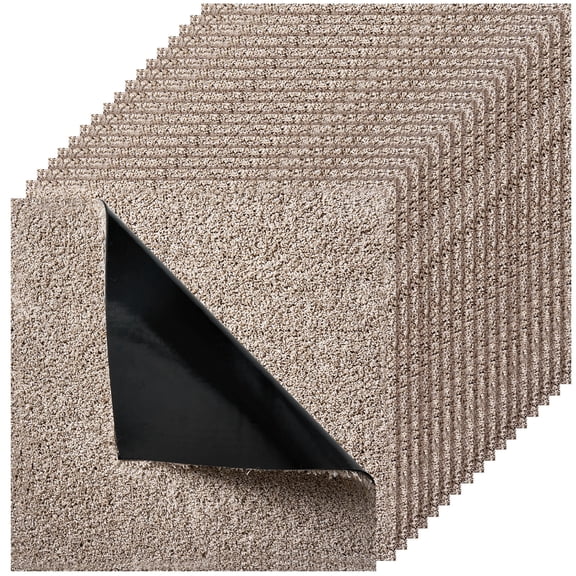
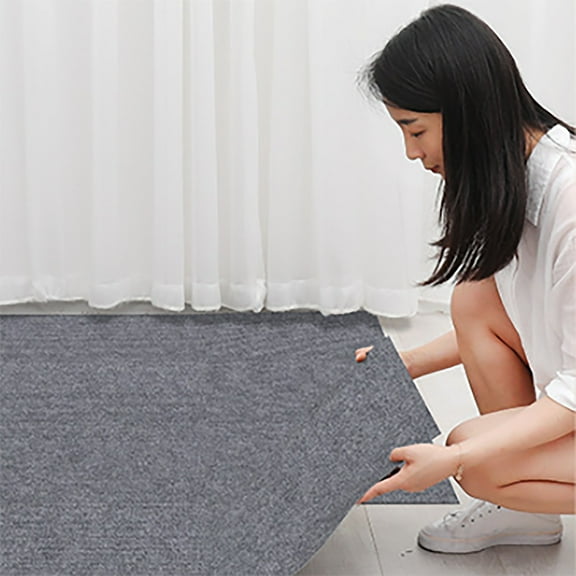
If you want a simpler setup, you may consider peel and stick carpet tiles for flat, clean subfloors. You'll appreciate the built-in adhesive approach when you want a more direct install path.
If you need edges to connect firmly, you can compare interlocking designs for modular layouts. You'll often like this style in activity zones where you want sections to align quickly.
For a more fixed setup, you may look at glue down tiles for steady placement across larger rooms. You'll want to check subfloor prep carefully when you choose this route.
Loose lay styles can give you flexibility when you expect future updates or partial replacements. You'll also see tape-down options using pressure-sensitive adhesive, which helps you reposition tiles during layout planning.
You should measure the room before comparing popular sizes like carpet tiles 24x24. You'll find larger tiles can speed coverage in open spaces, while smaller formats can help around doorways and built-ins.
What to look for in carpet squares
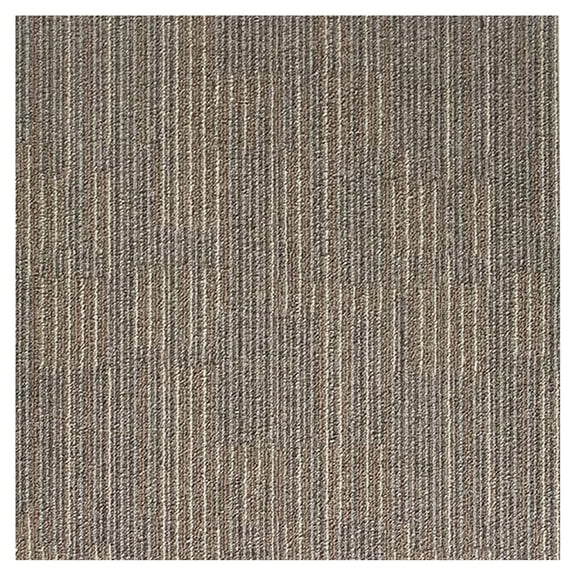
You can narrow carpet squares by pile height, backing, and padding details. You'll want to check whether the backing adds cushion, grip, or easier handling during installation.
If you prefer a softer step, you may compare plush carpet tiles peel and stick options with added cushion. You'll notice padded constructions can change the feel under desks, beds, or seating areas.
You should also consider color pattern and tile orientation before installation begins. You'll create a more finished result when you plan checkerboard, monolithic, or quarter-turn layouts in advance.
When you compare seams, you may notice texture and color shifts affect the final look. You'll often get a cleaner finish when you keep dye lots and installation direction consistent.
Using indoor outdoor carpet tiles in real rooms
Indoor outdoor carpet tiles can help you handle spaces that connect to patios, mudrooms, or enclosed porches. You'll want surfaces that are easy to maintain when shoes, pets, or frequent traffic move through daily.
In basements, you may like modular carpet tile flooring because you can work around support posts and utility areas. You'll also appreciate replacing a single section if one area needs attention later.
For home offices, you can use carpet squares to reduce echo and define a work zone. You'll often prefer low-profile textures under rolling chairs and desks with frequent movement.
In playrooms or hobby rooms, you may mix tones to separate activity areas from reading corners. You'll gain a layout that feels organized without committing to permanent wall-to-wall coverage.
If you furnish rental spaces or multipurpose rooms, you can compare installation methods based on future changes. You'll usually want a format that supports updates without rebuilding the entire floor.
You can also coordinate carpet 12 x 14 room planning by mapping tile counts before ordering. You'll reduce waste when you account for closets, alcoves, and transitions into nearby flooring.
Why carpet tiles work for practical floor updates
You get a flooring format that supports measured planning, manageable installation, and straightforward spot replacement. You'll feel more confident choosing carpet tiles when you compare backing, size, and room use first.
You can create a cleaner finished floor with modular pieces that fit real room challenges. You'll end with a setup that matches your space, your timeline, and your layout needs.