

LED Light Bulbs







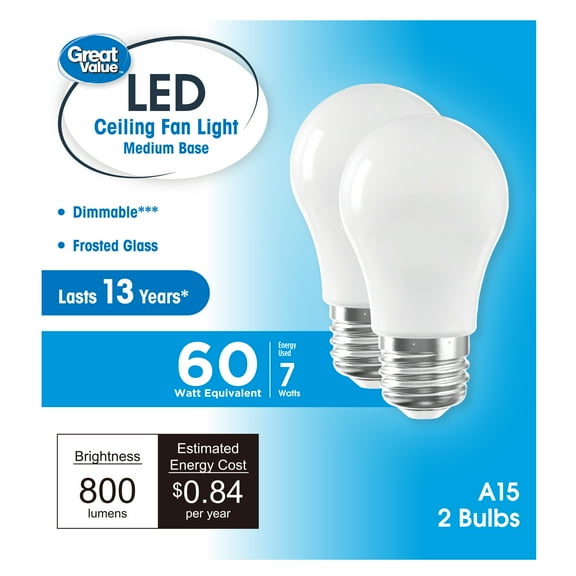
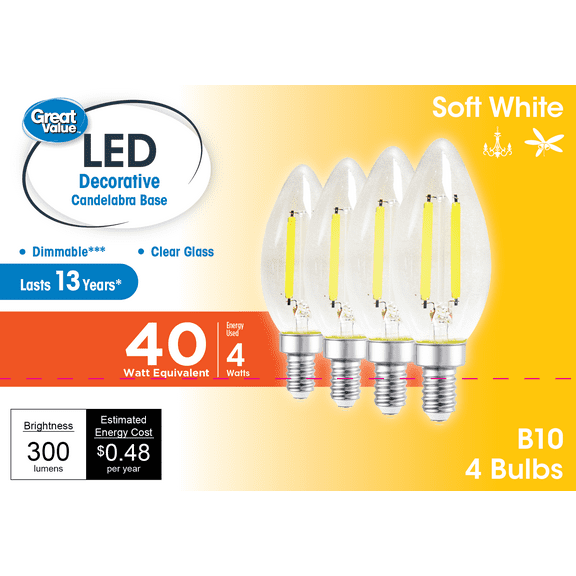
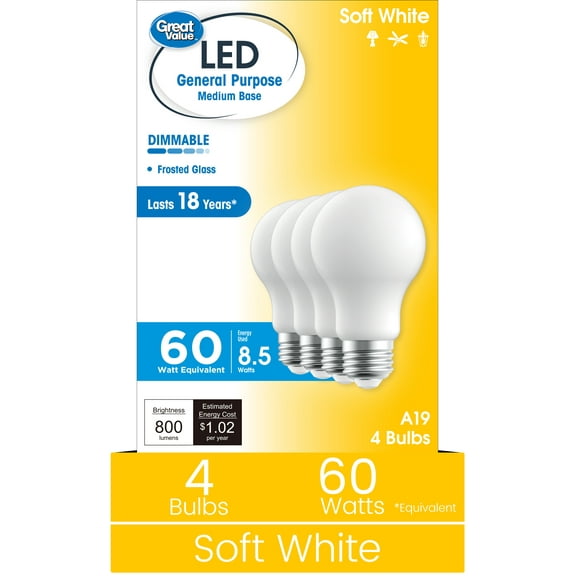
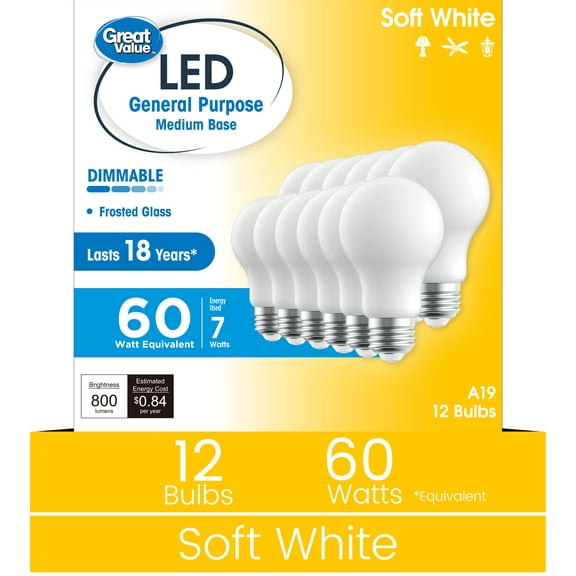






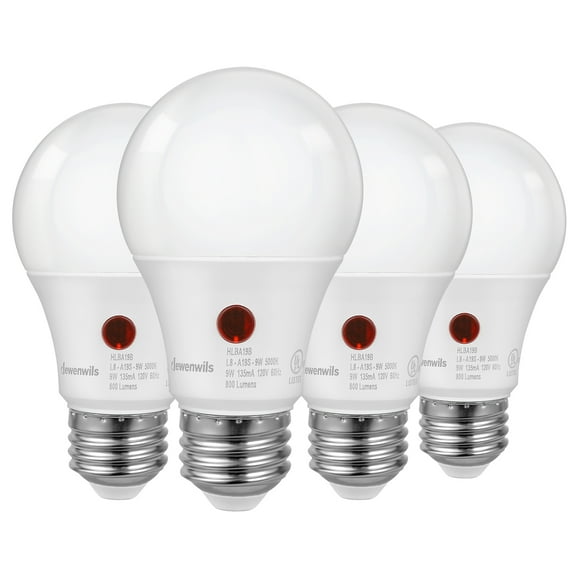


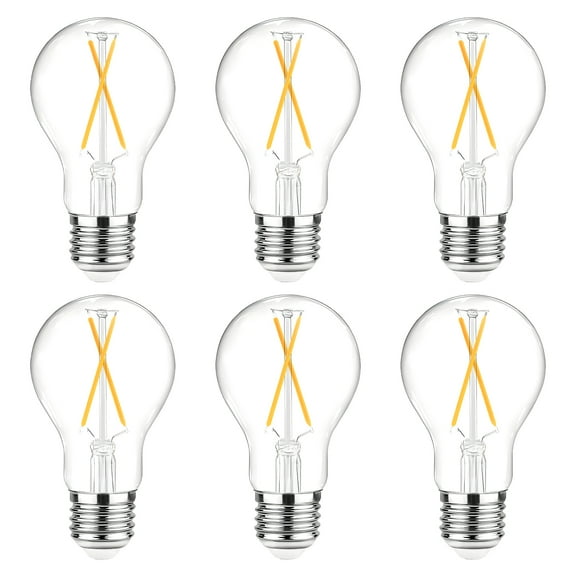


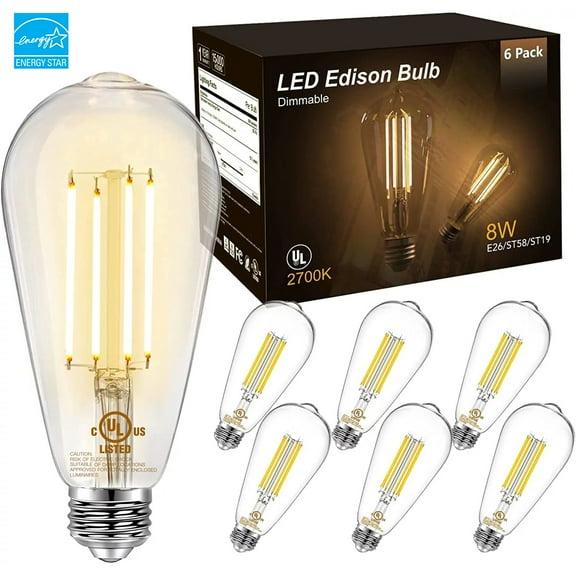

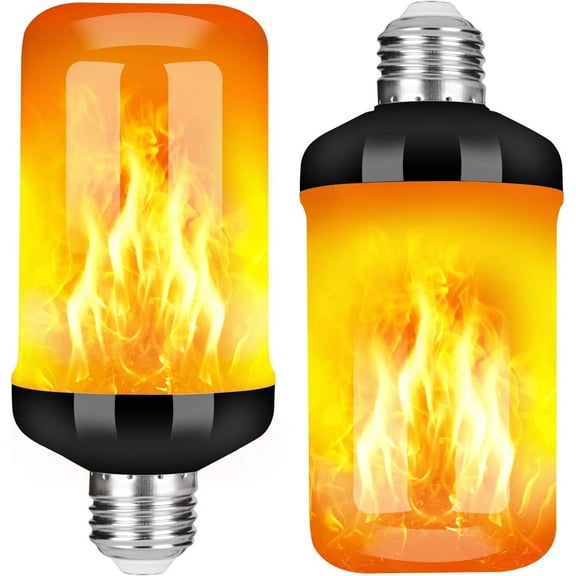


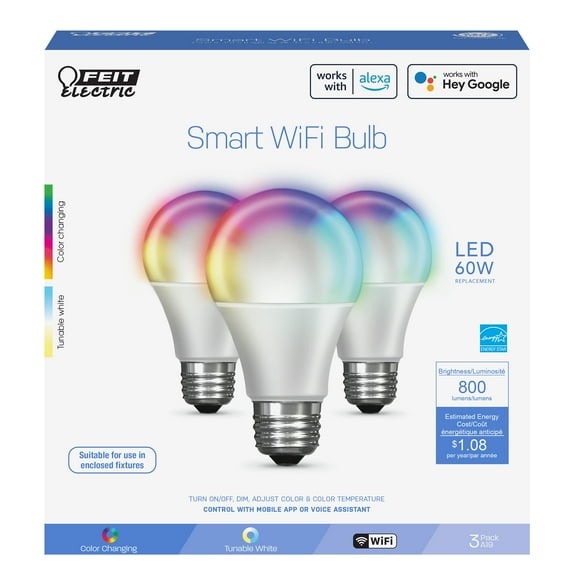
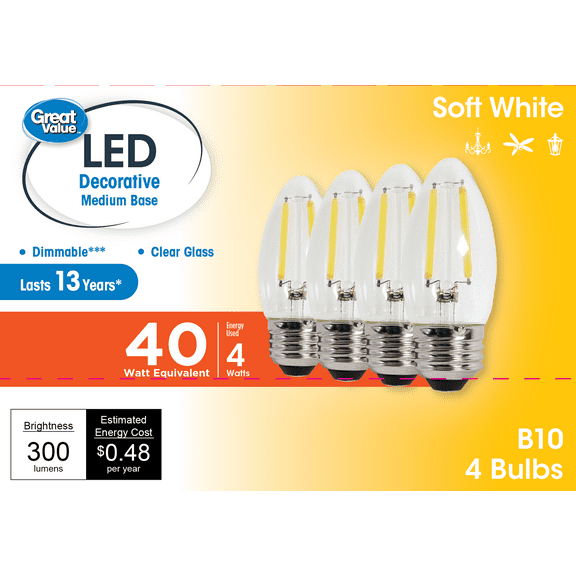






About LED Light Bulbs - Walmart.com
When you compare the price of led bulbs, you want clear choices for brightness, fit, and dimming. You also want longer-lasting light that helps you replace bulbs less often.
On this LED light bulbs page, you can compare common shapes, base types, and light colors in one place. You can also narrow your choice by fixture type, room use, and everyday lighting goals.
Understanding the price of led bulbs
When you evaluate the price of led bulbs, you should look beyond the package count alone. You should also compare lifespan, brightness, and energy use for a fuller picture.
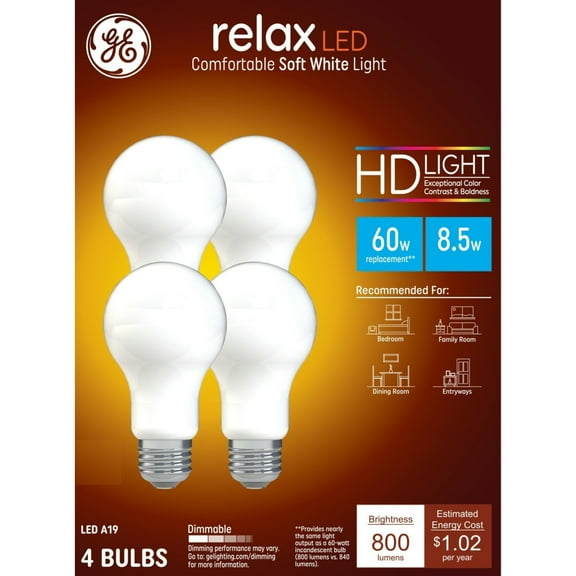
A lower wattage bulb can still give you strong light when its lumens match your room needs. You can think of wattage as energy used and lumens as actual brightness.
- You can choose lower energy use for lamps, ceiling fixtures, and recessed cans.
- You can get longer runtimes from bulbs designed for frequent daily use.
- You can match light output to each room instead of overlighting the space.
- You can compare pack sizes and bulb types more easily when key specs are visible.
If you light a bedroom or living room, you may prefer softer output and warmer color. If you light a garage or kitchen, you may prefer brighter output and a crisper tone.
Comparing led bulbs price by brightness and shape
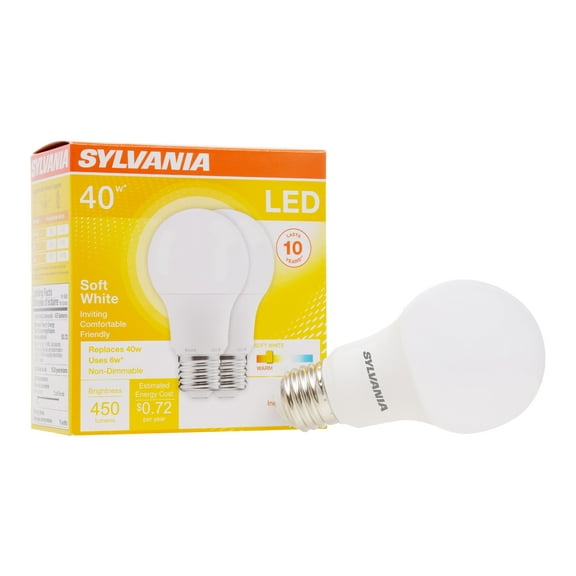
When you compare led bulbs price, you should start with lumens, not old incandescent watt labels. You can use 450 lumens for smaller lamps and accent lighting.
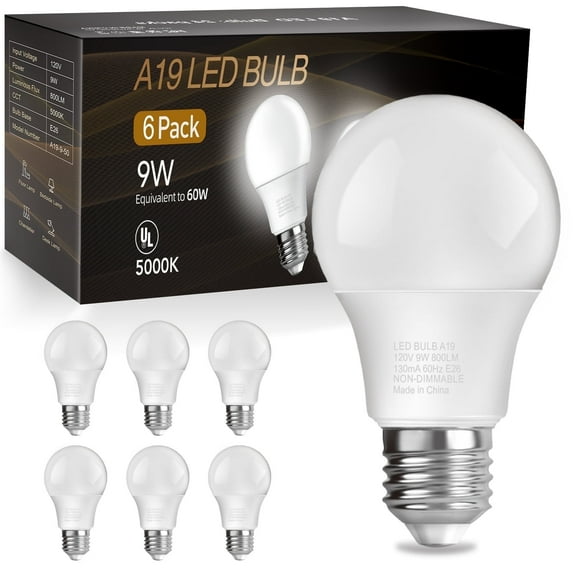
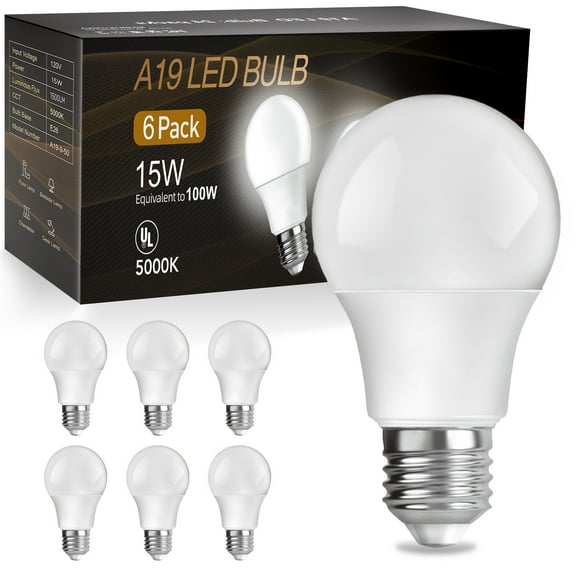
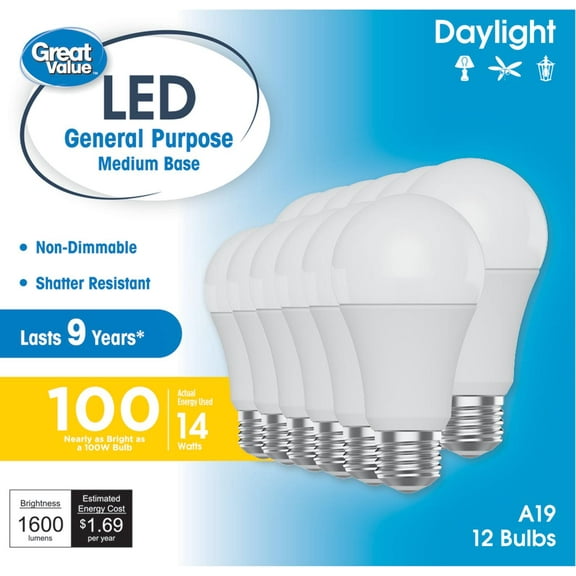
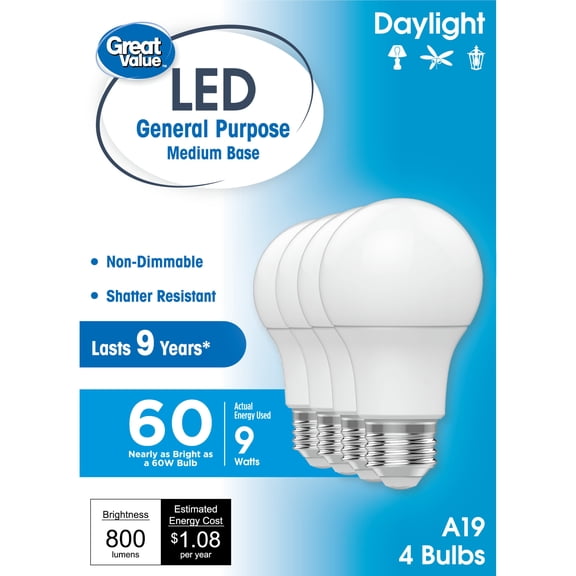
You can move to 800 lumens for many table lamps and standard room lighting. You can choose 1100 or 1600 lumens when you need stronger coverage in larger spaces.
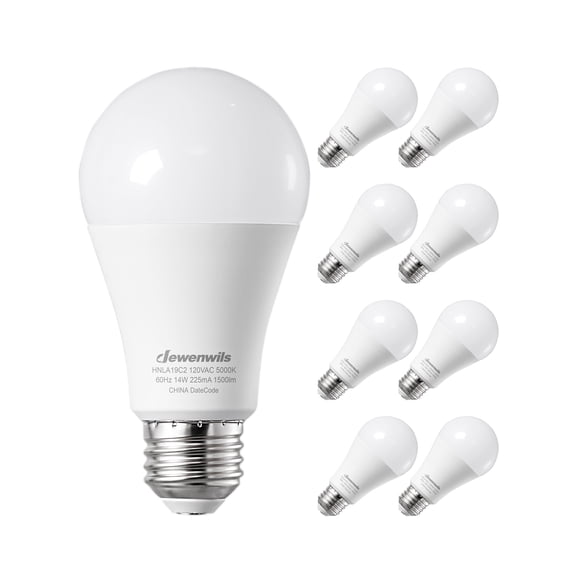
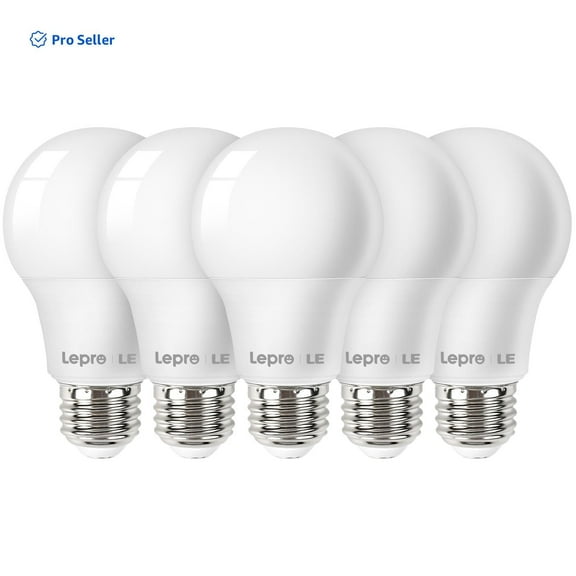
Bulb shape also changes how your light spreads across a room or task area. You can use A19 bulbs for many everyday fixtures and lamps.
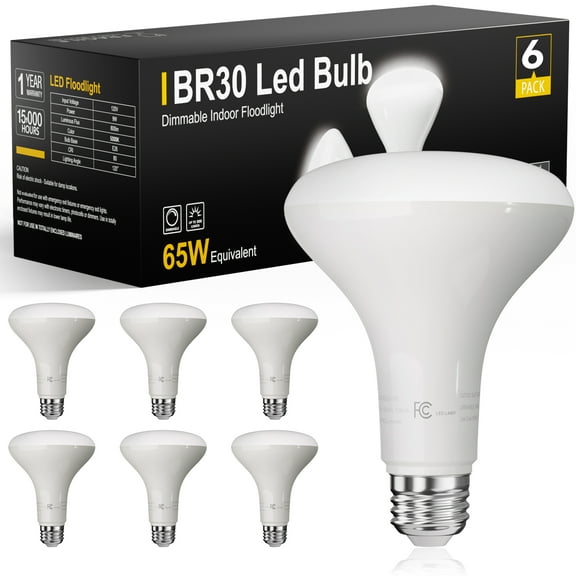
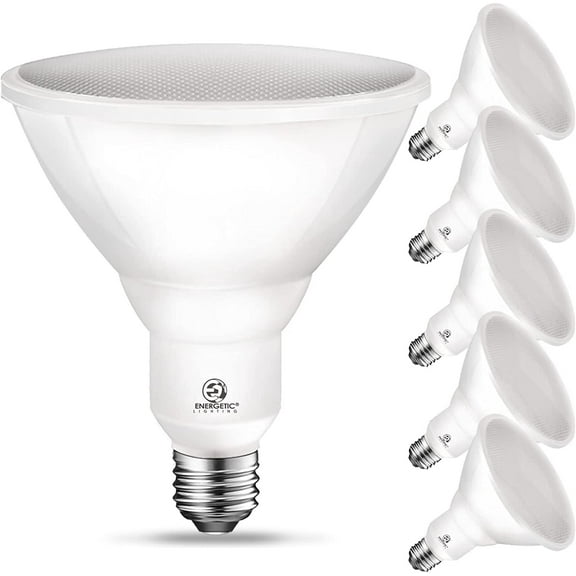
You can choose BR30 bulbs for recessed lighting where you want a broad beam. You can use PAR38 bulbs outdoors or in directional fixtures where focused light matters.
For vanity fixtures, you may want G25 bulbs that suit globe-style sockets and mirrors. You should check the bulb shape before ordering, because shape affects fit and appearance.
Choosing dimmable led bulbs for your fixtures
If your fixture uses a dimmer, you should look specifically for dimmable led bulbs. You should also check whether your dimmer switch supports LED-compatible performance.
Some older dimmers may not pair smoothly with newer LED designs. You can reduce guesswork by checking package details for dimmer compatibility before installation.
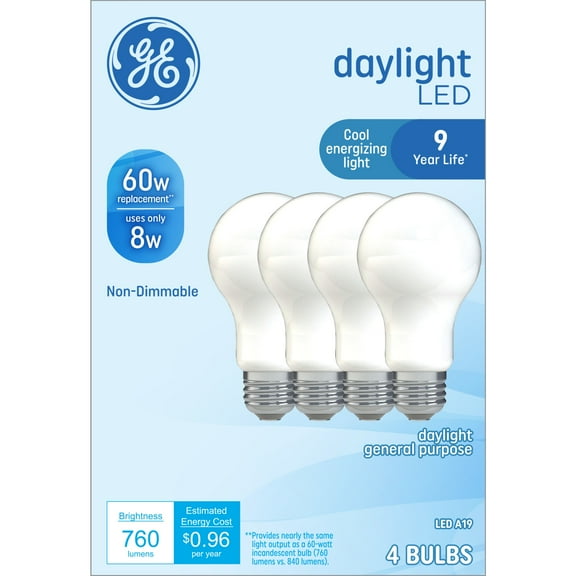
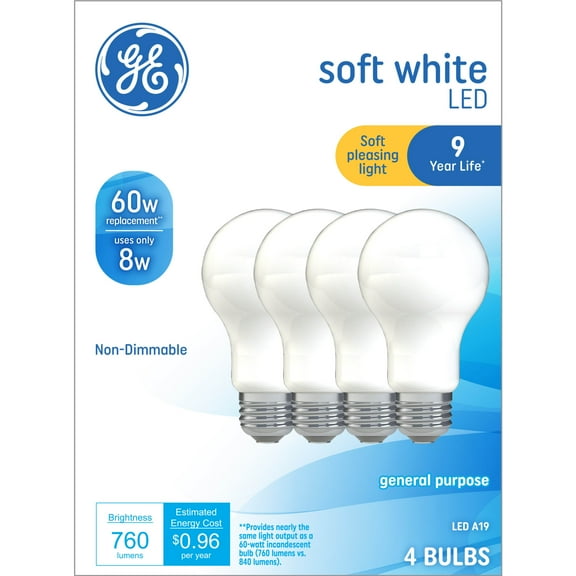
If you want adjustable mood lighting, you may prefer dimmable bulbs in bedrooms, dining rooms, and living rooms. If you want steady full output in utility areas, you may choose non-dimmable options.
You should also compare brightness at full output before focusing on the dimming range. You want a bulb that meets your room needs when the switch stays at full power.
How to choose light color for each room
Light color changes how your room looks and feels throughout the day. You can use soft white, around 2700K, for a relaxed and familiar glow.
You may prefer warm white, around 3000K, when you want a slightly cleaner look without feeling harsh. You can use it in hallways, bedrooms, and many living spaces.
Cool white, around 4100K, can help you see work surfaces with a clearer tone. You may like it in kitchens, laundry rooms, and home work areas.
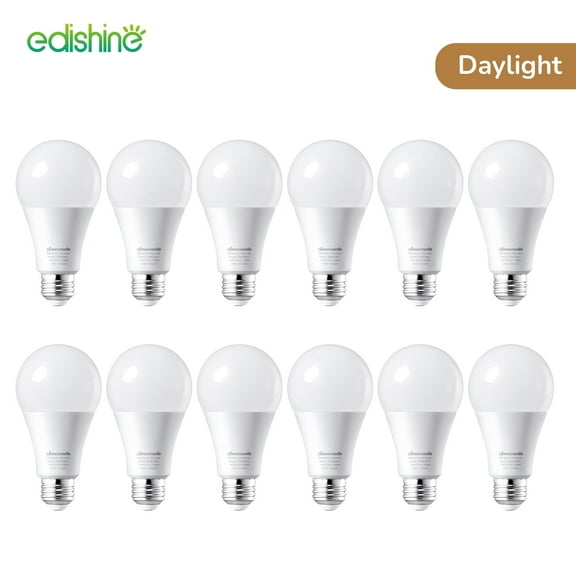
Daylight, around 5000K, gives you a brighter appearance that suits task-heavy spaces. You can use it in garages, basements, and craft areas where detail matters.
Checking base type before you buy
You should confirm base size before you choose any bulb pack or shape. You can avoid fit issues by matching the bulb base to your socket.
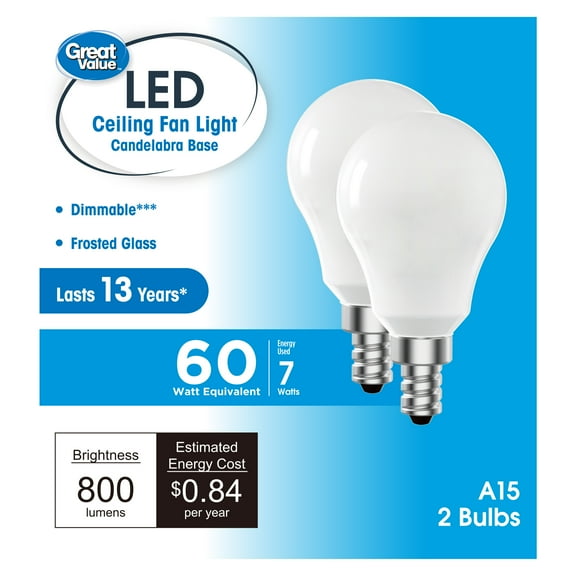
Medium E26 bases fit many standard lamps and ceiling fixtures in your home. Candelabra E12 bases fit smaller decorative fixtures, sconces, and some chandeliers.
Mogul E39 bases fit larger specialty fixtures that need a much wider screw base. You should check your existing bulb or fixture label if you are unsure.
If you replace a decorative vanity bulb, you may need both the right shape and the right base. You can prevent returns by checking both details before you finalize your choice.
Using LED light bulbs around your home
You can use LED light bulbs in nearly every room when you match brightness, color, and base correctly. You can simplify repeat purchases once you know your preferred specs.
For bedrooms, you may want A19 bulbs with soft white light and dimmable control. For kitchens, you may choose brighter bulbs with cool white or daylight color.
In recessed cans, you can use BR30 shapes that spread light across counters and walkways. In outdoor fixtures, you may prefer PAR38 bulbs for directional coverage.
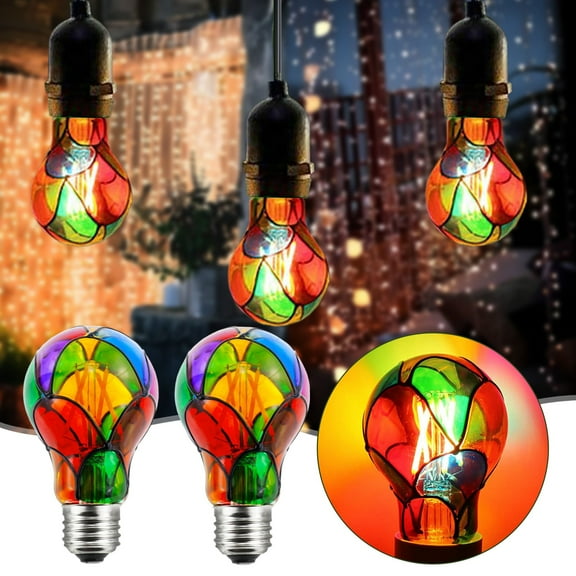
For decorative fixtures, you can look for candelabra bases and globe shapes that suit exposed sockets. You can also compare multi-pack options when several fixtures use the same bulb type.
When you focus on lumens, color temperature, dimmability, base type, and shape, you can compare the price of led bulbs with more confidence. You end up with lighting that fits your fixtures and supports everyday use.