









Best Sellers in Electronics




































About
Electronics help you upgrade work, entertainment, and daily routines with connected tools that fit your setup. You can compare customer favorites across major device types and practical features on this page.
Because you’re shopping a broad category, you need clear guidance that matches how you’ll actually use each electronic device. You’ll find decision points here that make TVs, laptops, audio gear, smart home tools, and cell phones easier to compare.
How to choose electronics by device category
Device category shapes everything from screen size to portability, so you should start there. You’ll narrow choices faster when you match features to the room, desk, or bag you use frequently.
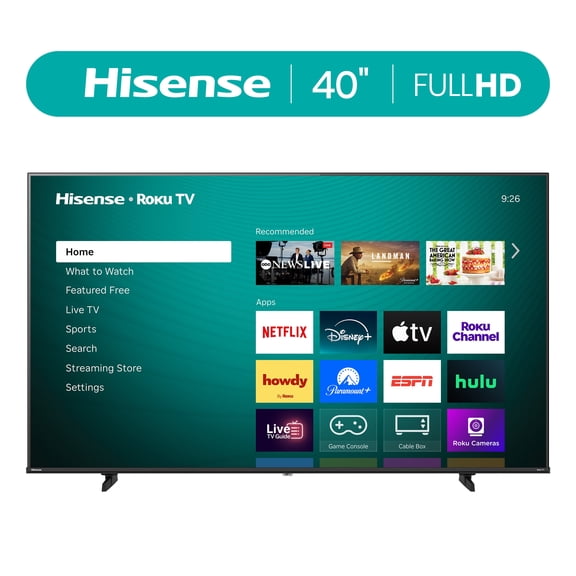
If you want TVs and video gear, you should compare screen size, streaming support, and HDMI ports. You’ll want enough inputs for consoles, soundbars, and media players you already own.
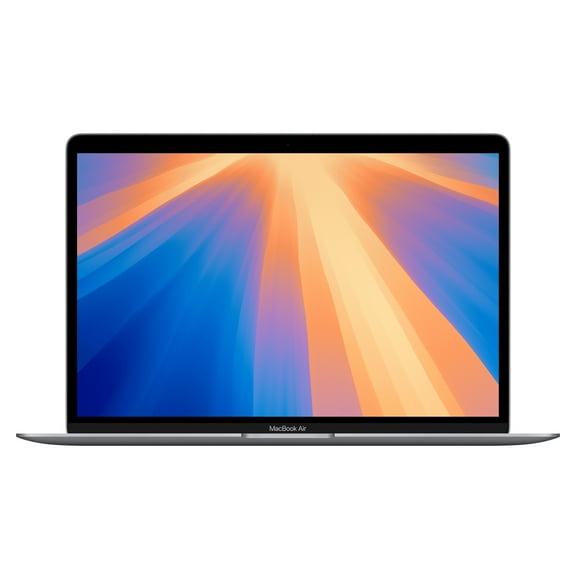
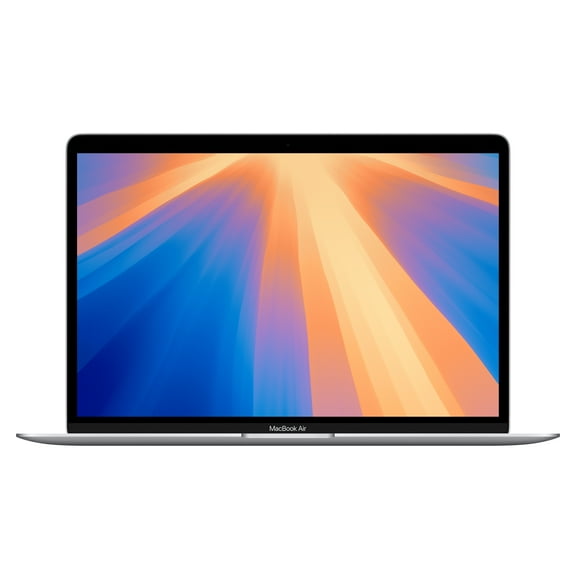
When you’re choosing laptops and computers, you should compare operating systems, storage, and processor level. You’ll notice those details affect schoolwork, streaming, creative tasks, and gaming performance.
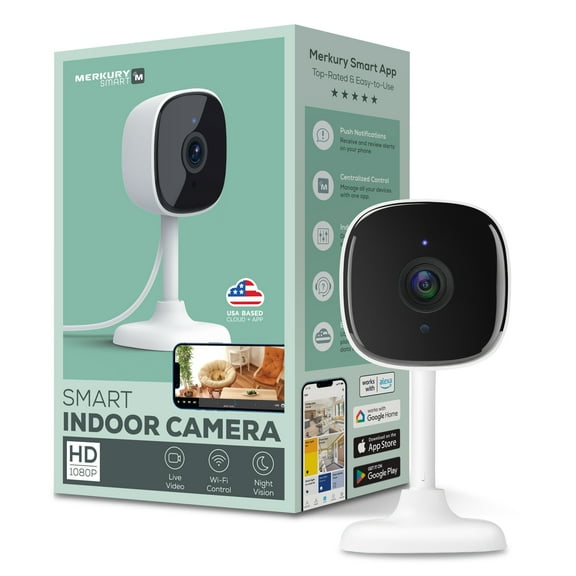
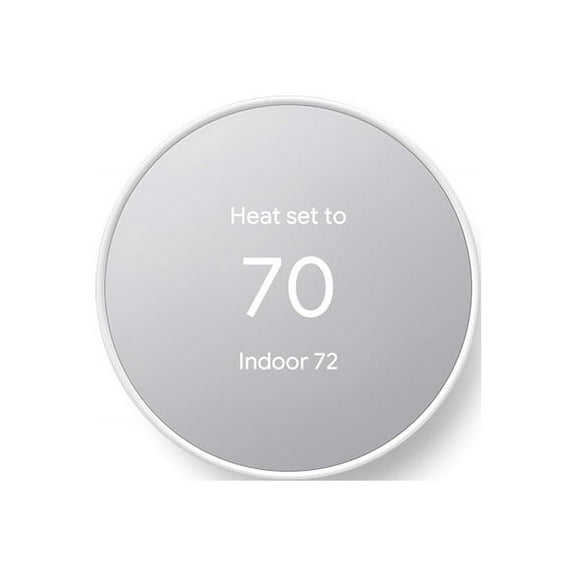
For smart home setups, you should check app support, Wi-Fi connection, and voice assistant compatibility. You’ll avoid setup frustration when your lights, cameras, and speakers work with your existing platform.
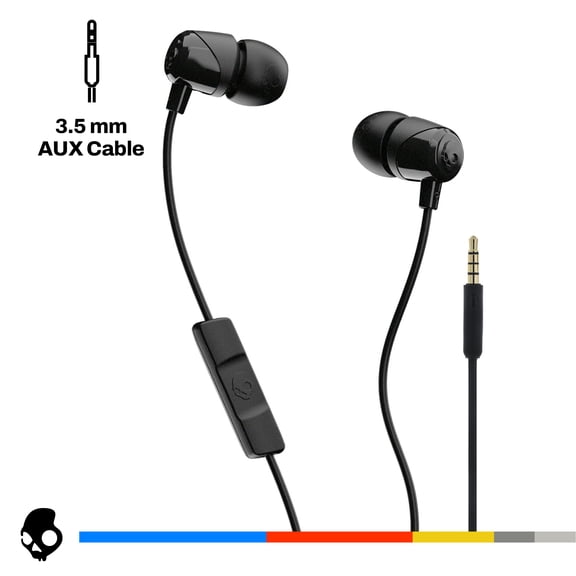
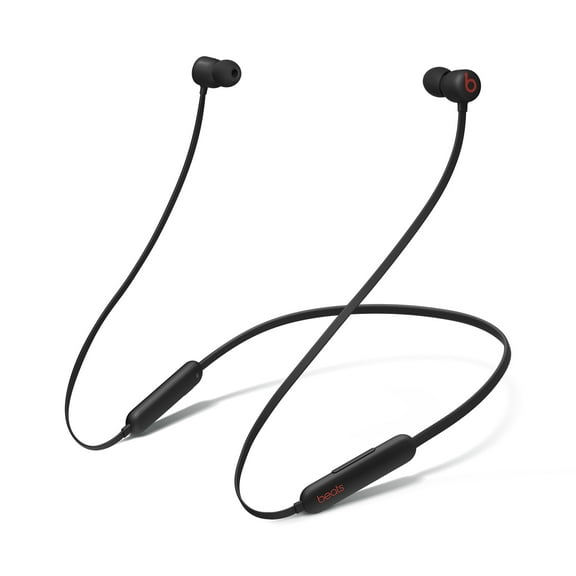
Audio and headphones deserve a closer look at fit, controls, and connection type. You’ll want different features for commuting, desk calls, home listening, or living room movie nights.
Cell phones bring their own choices around carrier compatibility, storage, and camera preferences. You’ll get a smoother upgrade when your phone works with your network and daily apps.
What to look for in electronic products
Electronic products can feel easier to compare when you focus on benefits that affect daily use. You’ll make a smarter pick when you weigh convenience, compatibility, and power needs together.
- You can match a device to your space, whether you’re setting up a home theater or a compact desk.
- You can check compatibility details, so your cables, apps, and wireless accessories work with less guesswork.
- You can compare power options, which helps you choose between all-day portability and steady plug-in use.
- You can review warranty and protection plan options, so your purchase fits how often you use it.
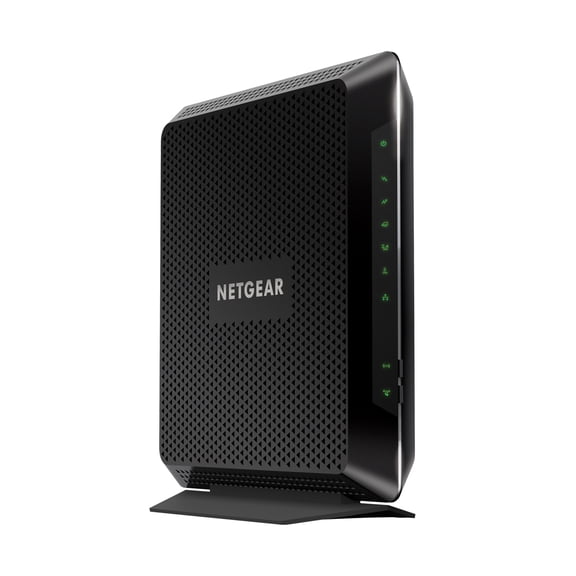
Connectivity matters because you likely use several devices together every day. You’ll want Bluetooth versions, Wi-Fi support, and wired ports that match your speakers, monitor, router, or phone.
Power source also changes your experience more than you may expect. You’ll appreciate rechargeable battery models for travel, while AC outlet designs suit a fixed entertainment or office setup.
Choosing connectivity and power for tech products
Tech products often differ significantly in how they connect and how they stay powered. You should compare those basics before you focus on color, finish, or extra accessories.
Wireless and Bluetooth options help you keep desks, media centers, and nightstands less cluttered. You’ll like that flexibility when you move headphones, speakers, or keyboards between rooms.
Smart or Wi-Fi enabled devices give you app control, voice support, and remote access features. You should confirm your home network and preferred ecosystem support those connected functions.
Wired products still make sense when you want direct connections for monitors, TVs, and desktop setups. You’ll often rely on HDMI, USB, or audio ports when stable connections are critical.
Rechargeable battery models fit travel, classes, and daily commuting with fewer loose batteries. You should check expected battery life in hours, especially for headphones, tablets, and portable speakers.
AC outlet and USB powered options work well when you stay near a desk or media console. You’ll get more predictable use when your device remains plugged in during long sessions.
Matching electronics to your use case
Your use case should guide every major decision, because different specs serve different routines. You’ll avoid overspending on extras when your features match what you actually do each day.
For home entertainment, you should focus on screen quality, sound output, and streaming compatibility. You’ll want TVs, speakers, and media devices that fit your room and favorite services.
For office and productivity needs, you should prioritize keyboard comfort, display size, and operating system support. You’ll work more smoothly when your laptop, monitor, and accessories connect without extra adapters.
On-the-go use calls for lighter designs, dependable battery life, and easy charging. You’ll notice portable headphones, compact laptops, and cell phones are especially important when you’re commuting or traveling.
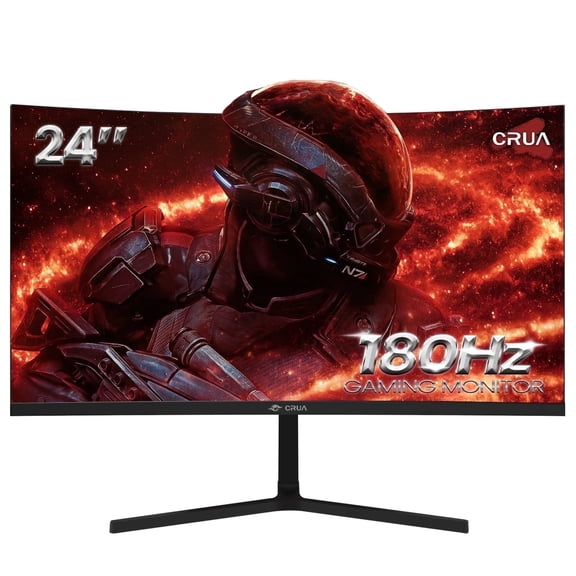
Gaming setups need closer attention to refresh rates, processor strength, and controller compatibility. You should also check HDMI support and audio options if you switch between console and PC play.
Warranty and protection plans deserve a quick review before you finish your decision. You’ll feel more prepared when coverage length and support options match how heavily you use your electronics.
Why electronics shopping gets easier with clear decision points
When you compare device category, connectivity, power source, and use case, you can sort electronics with more confidence. You’ll land on tech products that fit your setup, your routine, and your favorite ways to stay connected.