

Solvents in Chemicals

















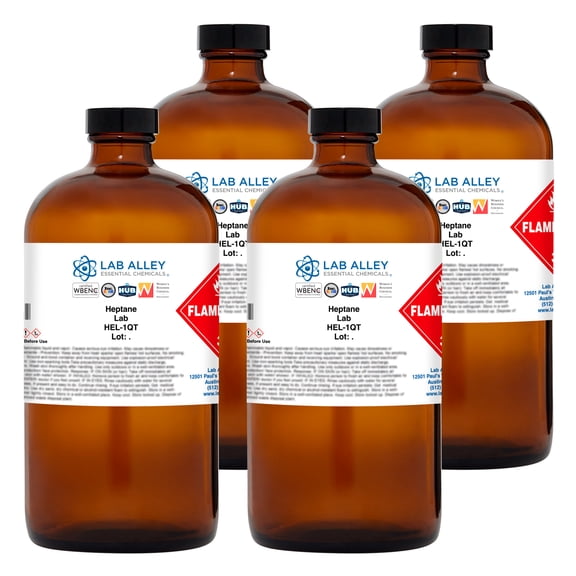
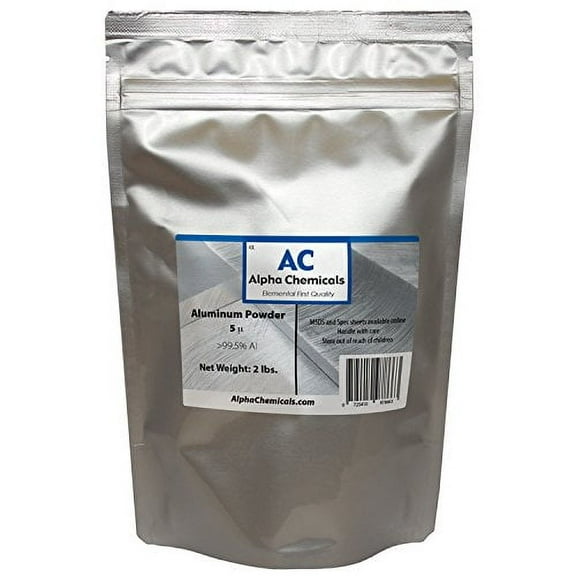
About Solvents in Chemicals - Walmart.com
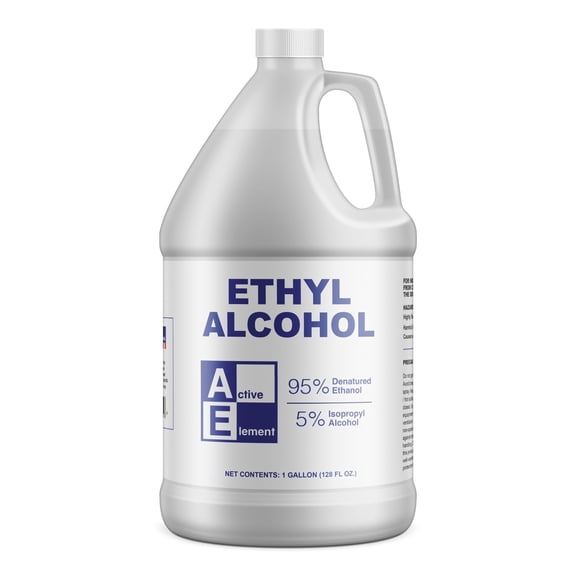
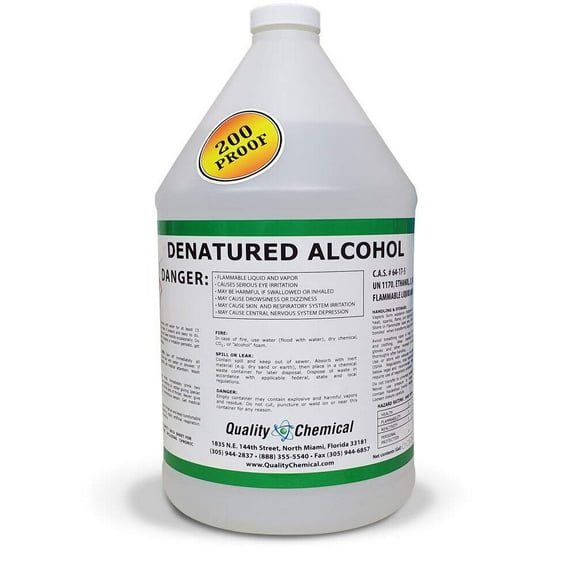
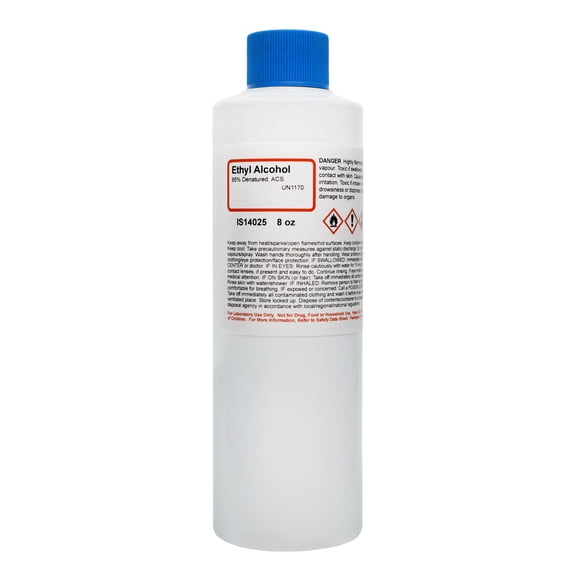
Ethanol weed searches often mean you need clear solvent guidance for extraction, cleaning, or lab work. You can compare chemical type, purity grade, application, and container size with practical buying context.
Choosing ethanol weed solvents by chemical type
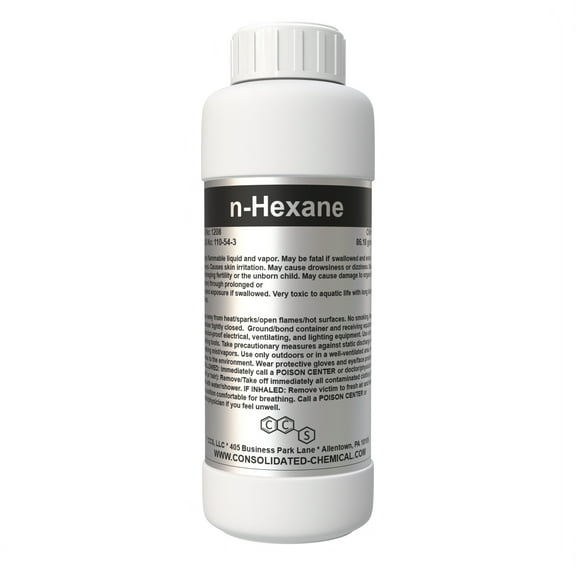
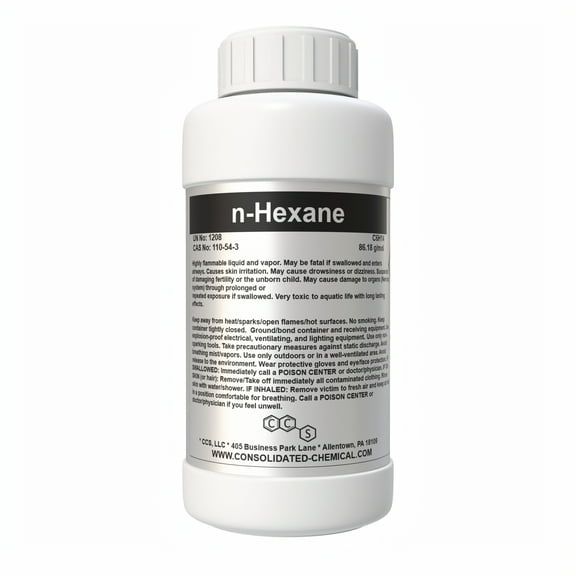
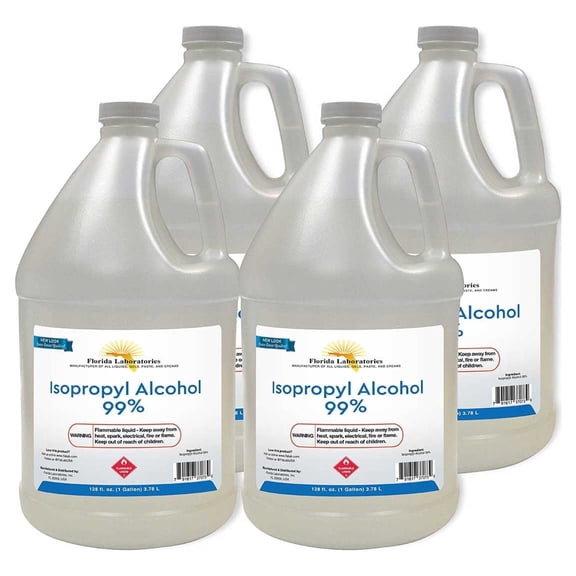
When you're buying solvent options, you should start with chemical compatibility and the job in front of you. You can use ethanol, isopropyl alcohol, acetone, hexane, and heptane for very different material interactions.
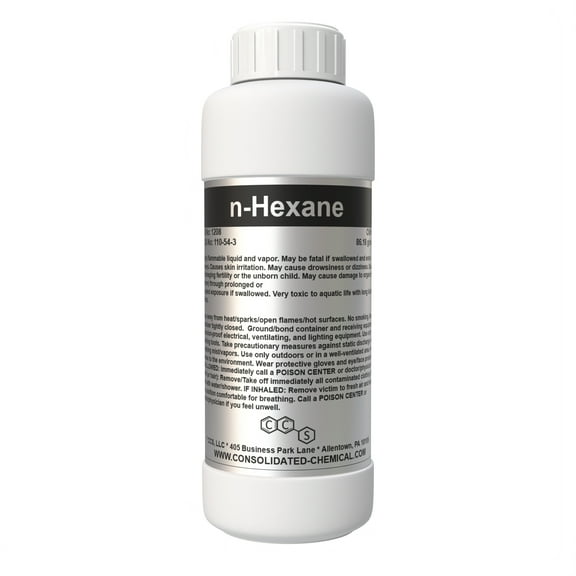
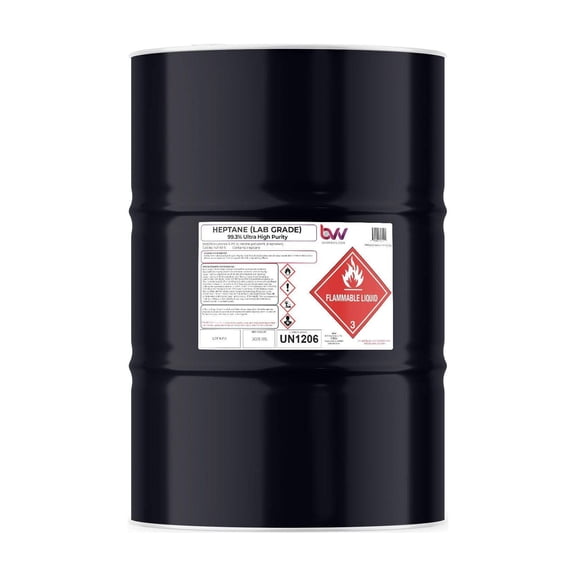
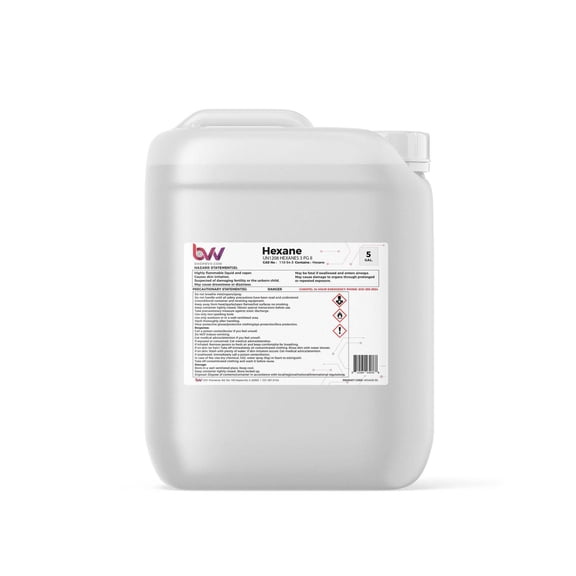
If your work involves polar materials, you may compare ethanol and isopropyl alcohol because they mix well with water. If your process involves non-polar compounds, you may look at hexane or heptane for different solubility behavior.
You may often choose ethanol for botanical extraction when you want a common alcohol format with broad handling familiarity. You may choose acetone for fast evaporation during industrial cleaning and degreasing tasks.
- You can compare polar and non-polar solvent behavior before choosing a formula.
- You can match ethanol, acetone, hexane, or heptane to your material compatibility needs.
- You can narrow options quickly when you know your target application first.
How to compare purity grades when buying solvent
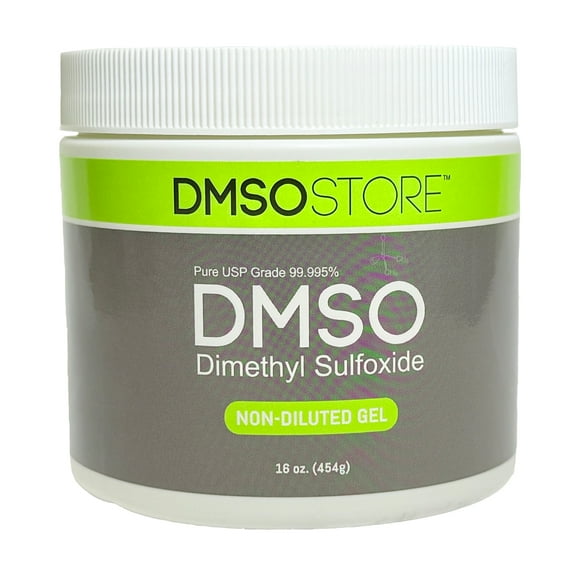
Your required purity grade should guide your decision before you compare packaging or volume. You may see USP grade, food grade, technical grade, and lab grade across this category.
If you need strict standards for controlled processes, you may look for USP grade or lab grade options. If you need general-purpose use, you may consider technical grade for routine cleaning or degreasing work.
When you're reviewing ethanol weed listings, you should check whether the stated grade matches your documented process needs. You can make a clear decision when your grade choice aligns with your application and handling steps.
Matching application needs to the right solvent
Your intended application changes what matters highly, from purity to evaporation speed to residue expectations. You should compare solvents differently for botanical extraction, industrial cleaning, laboratory research, and degreasing.
For botanical extraction, you may prioritize ethanol and a clearly stated grade because process consistency matters. For laboratory research, you may check grade language closely so your materials align with your protocol requirements.
During industrial cleaning, you may focus on fast drying, material compatibility, and manageable packaging sizes. For degreasing, you may compare how each solvent interacts with oils, coatings, and metal surfaces.
If you're building a chemical solvent price list for internal planning, you should compare grade and container size together. You can get a useful comparison when you evaluate application fit before volume alone.
Choosing the right container size
Your workflow often determines whether 500ml, 1 gallon, 5 gallons, or a 55 gallon drum makes sense. You should match container size to usage frequency, storage space, and dispensing needs.
If you handle small research runs or spot cleaning, you may prefer 500ml or 1 gallon sizes. If you support repeat production or facility cleaning, you may lean toward 5 gallons or drum quantities.
You may also want to consider how often you open containers during normal use. You can keep operations organized when your size choice fits your transfer and storage routine.
What to look for in handling and storage details
When you're reviewing solvents, you should check label directions, storage guidance, and ventilation needs before selecting a format. You'll want a setup that fits your workspace and your standard handling practices.
If your team works indoors, you may compare options with an eye on fumes and evaporation behavior. If your process uses larger volumes, you should confirm that your storage approach matches the container size.
Your selection should also reflect disposal requirements that apply to your use case and location. You can avoid workflow disruptions when your solvent choice aligns with your internal disposal process.
Using a chemical solvent price list as a buying guide
A chemical solvent price list works effectively when you treat it as a comparison tool, not just a number sheet. You should read it alongside chemical type, purity grade, application, and container size.
If two options look similar, you may separate them by checking grade language and intended use. You can make informed shortlists when you compare technical details that affect handling and process fit.
For ethanol weed research, you may also compare listing details for extraction use, packaging scale, and stated grade. You can move from broad browsing to a focused decision when you match those details clearly.
With the right solvent category guidance, you can select a format that fits your materials, process, and packaging needs. You can gain a clear path from comparison to use when you match chemical type and grade correctly.
Popular in Solvents in Chemicals - Walmart.com
- Best Sellers In Industrial Scientific Chemical Bases
- Best Sellers In Industrial Scientific Lab Chemicals
- Best Sellers In Industrial Scientific Lab Cleaning Chemicals
- Toluene Benzene
- Linear Alkyl Benzene Sulphonate
- Laboratory Reagent
- Best Sellers In Industrial Scientific Lab Fluid Liquid Handling
- Chemical Solvents Lab Alley Chemicals
- Methylene Blue Liquid
- Hexane Liquid
- Best Sellers In Lab Chemicals
- Benzene Toluene Xylene